
Field notes from the kitchen-garden hedge, May.
The short version: birds are net-positive in any productive garden, by a wide margin. A breeding pair of Blue Tits will remove around 10,000 caterpillars from a single garden over a six-week nesting cycle. The trade-off is a few fruit-strikes on cherries and currants and the occasional seedling pulled - manageable problems with two cheap interventions. The garden without birds is the garden with the slug problem.
The pest-control accounting
A working pair of Blue Tits feeds its brood roughly 1,000 caterpillars a day for the eight or so days the chicks are at peak demand. Over the full six-week cycle that’s 10,000 to 15,000 caterpillars removed from your hedge, your kale, your apple tree. The Royal Horticultural Society stopped recommending Bt sprays for tit-bearing gardens partly on this evidence - the birds were already doing the job.
The numbers compound when you count the whole guild:
- Wrens are the slug specialist. A pair will hawk slugs and small snails out of compost and mulch all summer.
- Robins and Dunnocks patrol the soil for cutworms, leatherjackets, weevil larvae - the pests that ruin root crops from below.
- Goldfinches and Greenfinches strip seed off groundsel, sow thistle, dandelion - the weed-seed bank is their winter food supply.
- House Sparrows take aphids in clouds when they’re feeding young, despite the seed-eater reputation.
- Starlings spear leatherjackets out of lawns. A flock of twenty Starlings can reduce a leatherjacket population by half in a week.
- Swallows and House Martins clear flying pests - greenfly, whitefly, gnats - that no ground-based intervention reaches.
A Polish study counted 84% fewer leaf-eating caterpillars on apple trees with nest boxes than on identical trees without. That single statistic is worth the price of three nest boxes.

What you give up in return
Three real costs, all manageable:
Soft fruit. Cherries, blackcurrants, blueberries, raspberries - thrushes and blackbirds will strip a bush in a morning if it’s unprotected. The fix is mesh fruit cages, fitted properly so birds can’t enter through gaps. A loose net is worse than no net (birds get tangled). We use rigid walk-in cages on the cherry and net the soft fruit hoops in July only.
Brassica and lettuce seedlings. Sparrows pull seedlings for nesting material in spring. Cover with bird-safe horticultural fleece for the first three weeks after planting out, then remove.
Lawn damage in winter. Starlings working leatherjackets do leave bill-holes in turf. We accept it - the alternative is leatherjacket damage in spring, which is worse.
Nothing in this list is a reason to discourage birds. They are reasons to protect specific crops at specific times.
How to set the garden up to favour them
A garden that earns its pest control has three layers:
- Cover. A dense hedge - hawthorn, blackthorn, holly, beech - is the single biggest predictor of breeding bird density. Detached fences and bare panels are wildlife dead zones. If you have nothing else, plant one hawthorn whip per metre of boundary and walk away for three years.
- Insects. Native shrubs and a section of unmown grass. The unmown patch is where the caterpillars, beetles, and tipulids come from - the food the birds are actually feeding their chicks. A perfect striped lawn has nothing in it.
- Water. A clean dish at ground level (for ground-feeding species) and one slightly raised (for finches and tits). Refresh every two days, scrub weekly.
If you only do one of the three, do the hedge.
The feeder, used in moderation
A feeder is a supplement to a working garden, not a substitute. In summer we recommend almost not feeding at all - the birds are eating insects to feed protein-hungry chicks, and seed at a feeder competes with that. In winter, a single hopper feeder of black-oil sunflower seed is what we use. The case for and against is in are bird feeders bad - short answer, fine if you clean them.
Wagner's Black-Oil Sunflower 20 lb
The one seed every garden bird actually eats.
Black-oil sunflower outperforms every mixed seed on the market because almost every garden species takes it - chickadees, finches, sparrows, cardinals, even woodpeckers. A 20 lb bag runs a single hopper feeder roughly four months in winter. Skip the wild-bird mixes filled with milo and cracked corn; this is the one bag to keep.
- Single ingredient: black-oil sunflower (no filler)
- Higher oil content than striped sunflower - more calories per gram
- Thin shell that small finches can crack
- 20 lb resealable bag - a winter's supply for one hopper
 Wagner's · 20 lb

As an Amazon Associate we earn from qualifying purchases. Linked products are ones we actually use.
The hawk question
A productive garden brings small birds. Small birds bring Sparrowhawks. Almost every year a customer asks if the hawk is “ruining the feeder station.” The answer is no - the hawk is doing exactly what it should. Sparrowhawk pressure is what keeps songbird populations healthy. If a hawk is hunting your garden, you’ve built it correctly.
The corvids are similar. See why crows attack hawks for what’s happening when you see a Crow harassing a Buzzard - that’s mobbing, the small-bird defence system, and it’s a sign of a working ecology.
What about ducks?
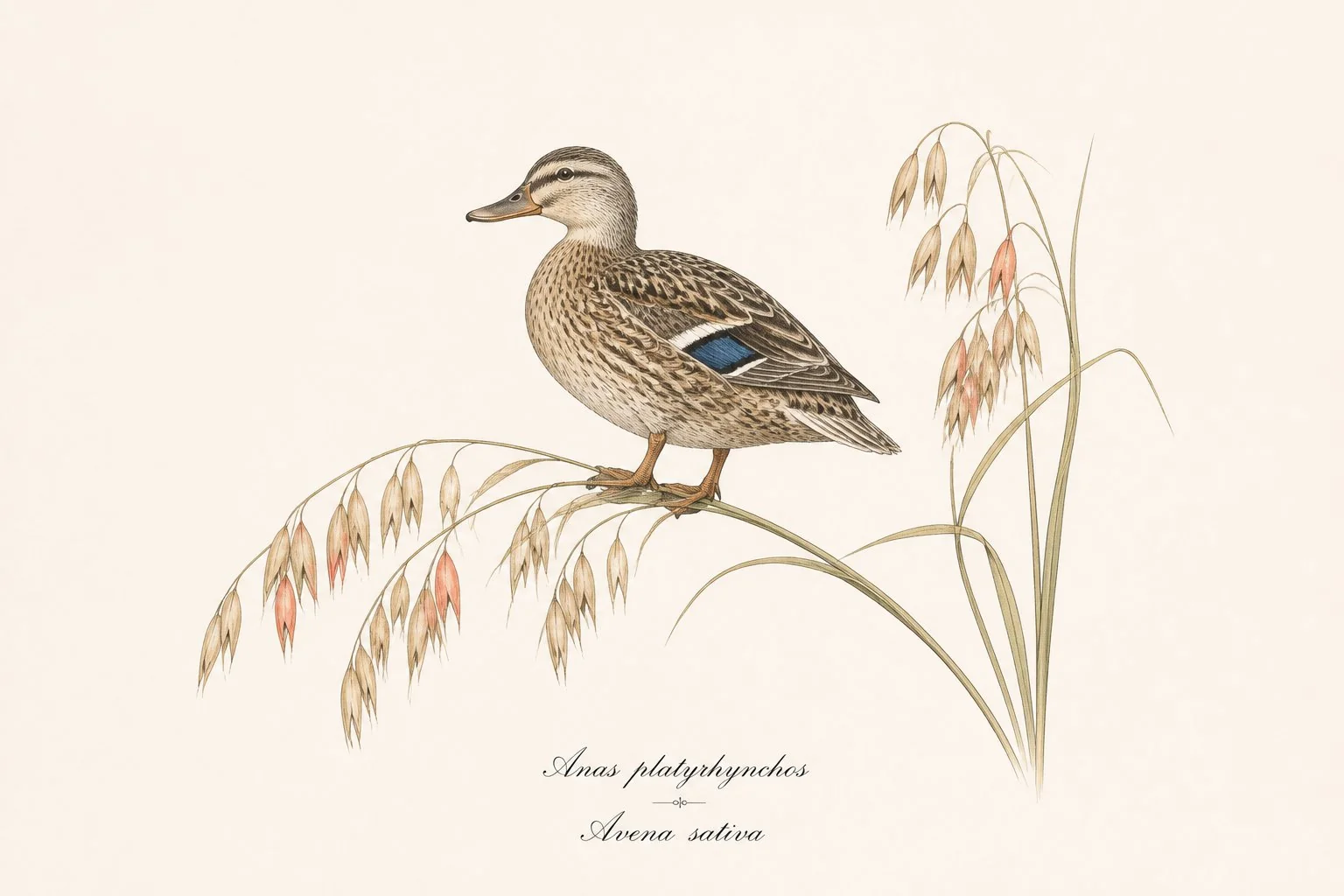
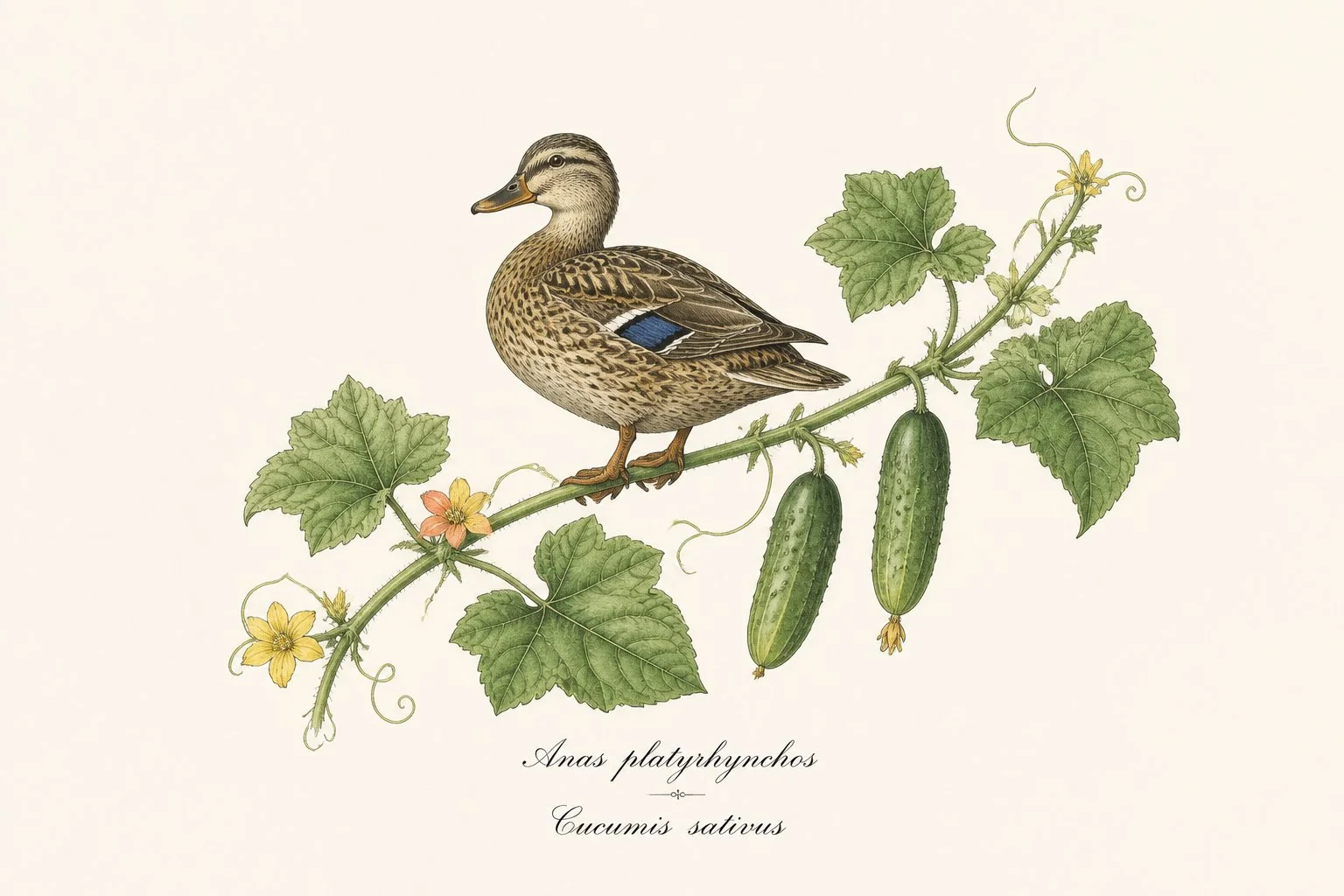
If your garden has a pond, the same logic applies one trophic level up - ducks eat duckweed, mosquito larvae, midge larvae, slugs from the pond margin. The trade-off is mess and predator attraction. Our breakdown of pond planting is in best plants for ducks.
The bottom line
A working garden needs birds the way a working orchard needs bees. The pest-control numbers are settled science, the crop damage is manageable in a single afternoon’s netting, and the hedge that supports them improves the garden for everything else - hedgehogs, frogs, ground beetles, the whole quiet machinery of the place.
Plant the hedge. Hang one feeder in winter. The rest takes care of itself.