
Rural property notes.
Yes, geese genuinely do reduce the number of small snakes on a property - the effect is real, documented anecdotally for centuries, and well-known to small-farm owners across the southern US. The mechanism is straightforward: geese are aggressive toward anything snake-shaped, will kill small snakes outright, and the noise and movement of a flock keeps shy reptiles away. It does NOT work on large constricting or venomous snakes, and it doesn’t make a property entirely snake-free.
Why geese deter snakes
Three things are happening:
- Predation. Domestic geese - especially Chinese and African breeds - will actively attack and kill garter snakes, ribbon snakes, ringneck snakes, and other small species. They peck the snake repeatedly until it stops moving.
- Disturbance. Geese are vigilant and noisy. A snake that depends on stealth (most do) finds an active goose flock too disturbed to be a good ambush habitat.
- Habitat change. Geese graze grass low and trample vegetation. Snakes rely on tall grass and ground cover for thermoregulation and hunting. A goose-grazed yard is just less hospitable.
Which snakes geese deter (and which they don't)
Reliably deterred:
- Garter snakes
- Ringneck snakes
- Brown snakes
- Ribbon snakes
- Green snakes
- Small rat snakes and racers (juvenile)
Not deterred:
- Large constrictors (adult black rat snake, gopher snake) - the snake is larger than the goose’s head and the goose loses interest.
- Venomous species (copperhead, water moccasin, rattlesnake) - the goose’s risk assessment is correct; a single venomous bite would kill the bird. They mostly avoid.
- Aquatic snakes in water - water moccasins or water snakes in a pond are essentially safe from geese, which can’t pursue them underwater.
Realistic expectations
A property with 4-6 geese will likely have noticeably fewer small snake sightings within a season. It will not be snake-free. Venomous snakes in particular need separate exclusion strategies - habitat modification, sealed buildings, professional removal.
If you keep geese specifically for snake control, the breeds most known for it are:
- Chinese (white or brown) - the most vigilant, the noisiest, the most aggressive toward intruders.
- African - similar profile, larger.
- Embden - good general guard goose but slightly less reactive.
Pekins and Toulouse are calmer breeds and less effective as snake deterrents.
The other reasons people keep guard geese
Beyond snakes, geese will also deter:
- Foxes and coyotes (by noise and aggression)
- Hawks and small raptors (by collective vigilance)
- Stray dogs and unfamiliar humans - which is why “guard geese” exist as a category in security history. Ancient Romans famously kept geese on the Capitoline Hill for this reason.
Nite Guard Solar Predator Deterrent Light
For the snakes and predators geese miss.
A 4-pack of solar-powered red flashers that activate at dusk. To nocturnal ground predators they appear as the eyes of a larger animal already watching. Effective against fox, coyote, raccoon - the predators that come at night when geese are roosting and can't help.
- Solar-charged - no wiring, no batteries
- Activates automatically at dusk, runs till dawn
- 4-pack covers all sides of a property or coop
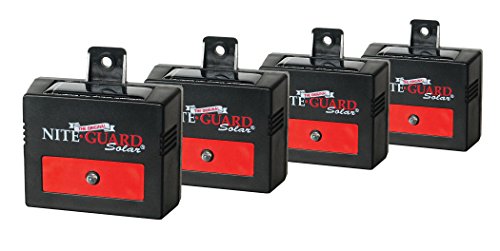 Nite Guard Solar · 4-pack

As an Amazon Associate we earn from qualifying purchases.
The bottom line
Geese do reduce small snake numbers on a property, but they’re not a complete solution and they create their own problems (noise, droppings, aggression toward children and pets). For most properties, basic habitat management - mowing tall grass, sealing building gaps, removing brush piles - does as much as a flock of geese, without the goose downsides.
For more on what geese can and can’t do, see goose aggression and whether ducks eat snakes.