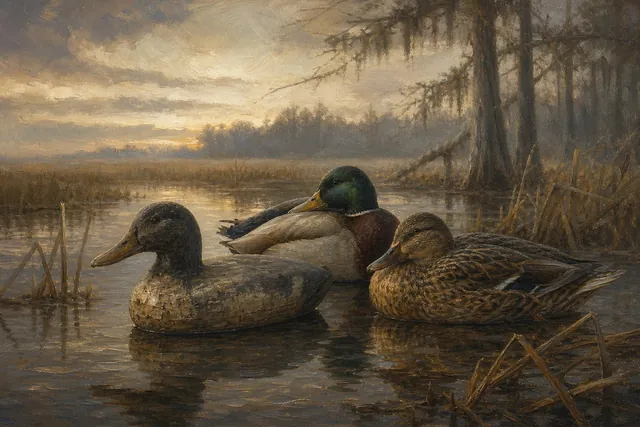
Best Plants for Ducks: What to Grow Round a Pond
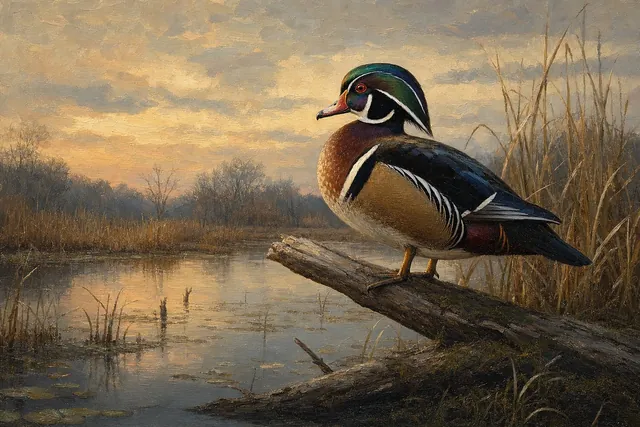
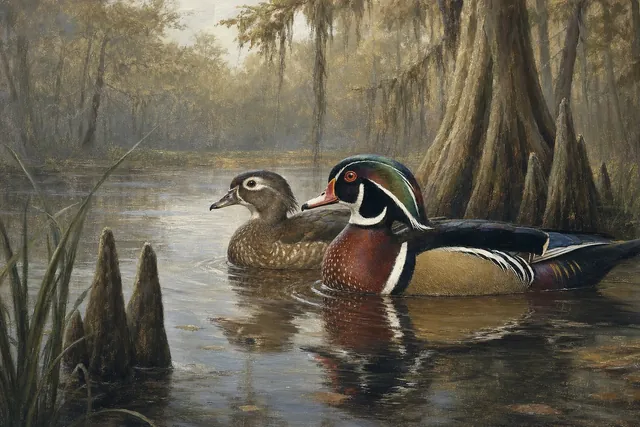
A naturalist's planting guide for a duck-friendly pond - the four plants ducks actually eat, the cover plants that keep ducklings alive, and where to put each one.
A slow, illustrated journal of the world's marshes, mangroves, and flooded forests - and the four thousand species that pass through them each year.
“We are uncountably outnumbered by birds - and yet most days we walk past the marsh as if it were empty. This journal is an attempt to look again, slowly, with field glasses and a warm cup of something.”
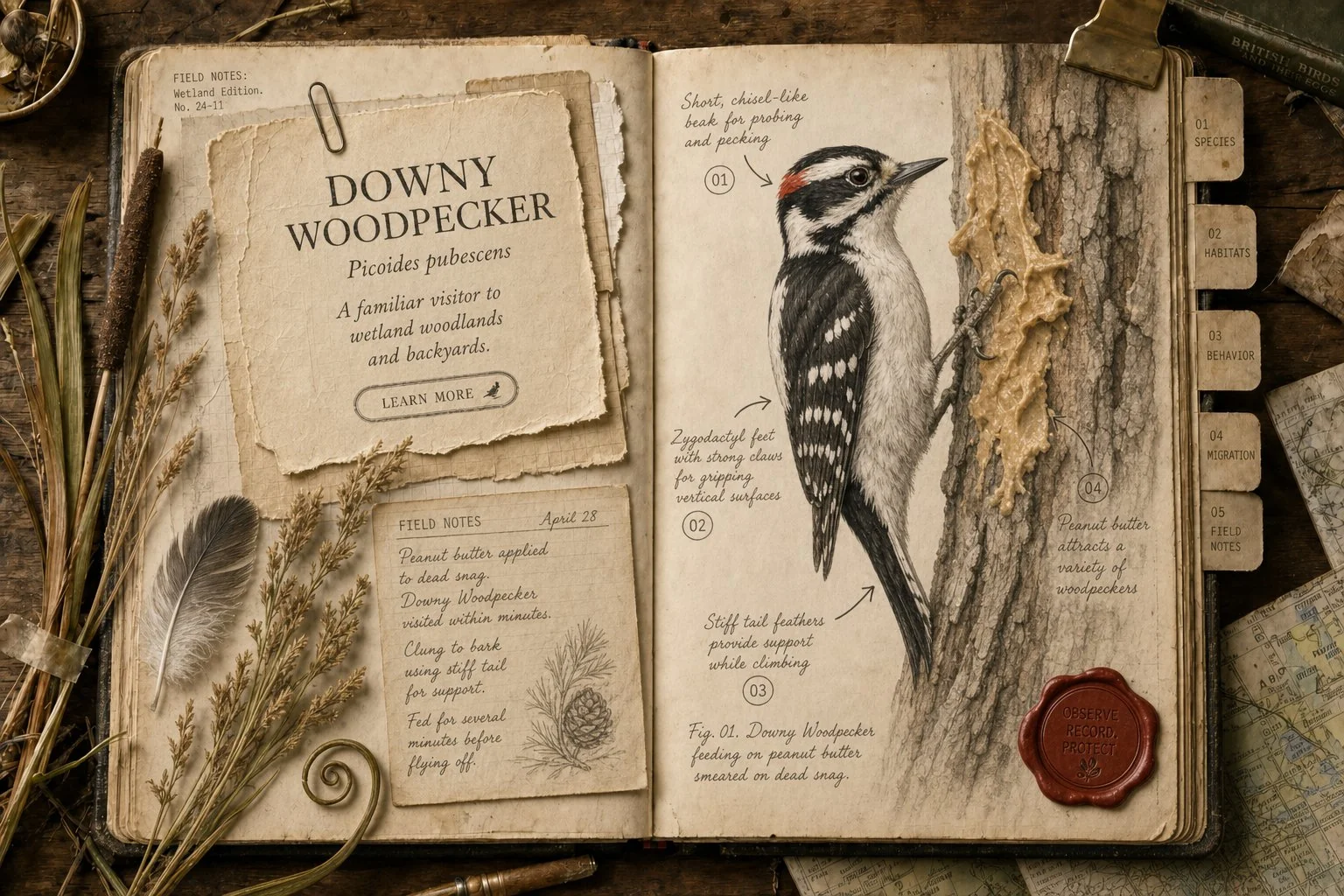
Plate II A naturalist's guide to feeding wild birds peanut butter - which species actually take it, which jars are safe, the homemade winter mix we use, and the three feeders that survive squirrels.
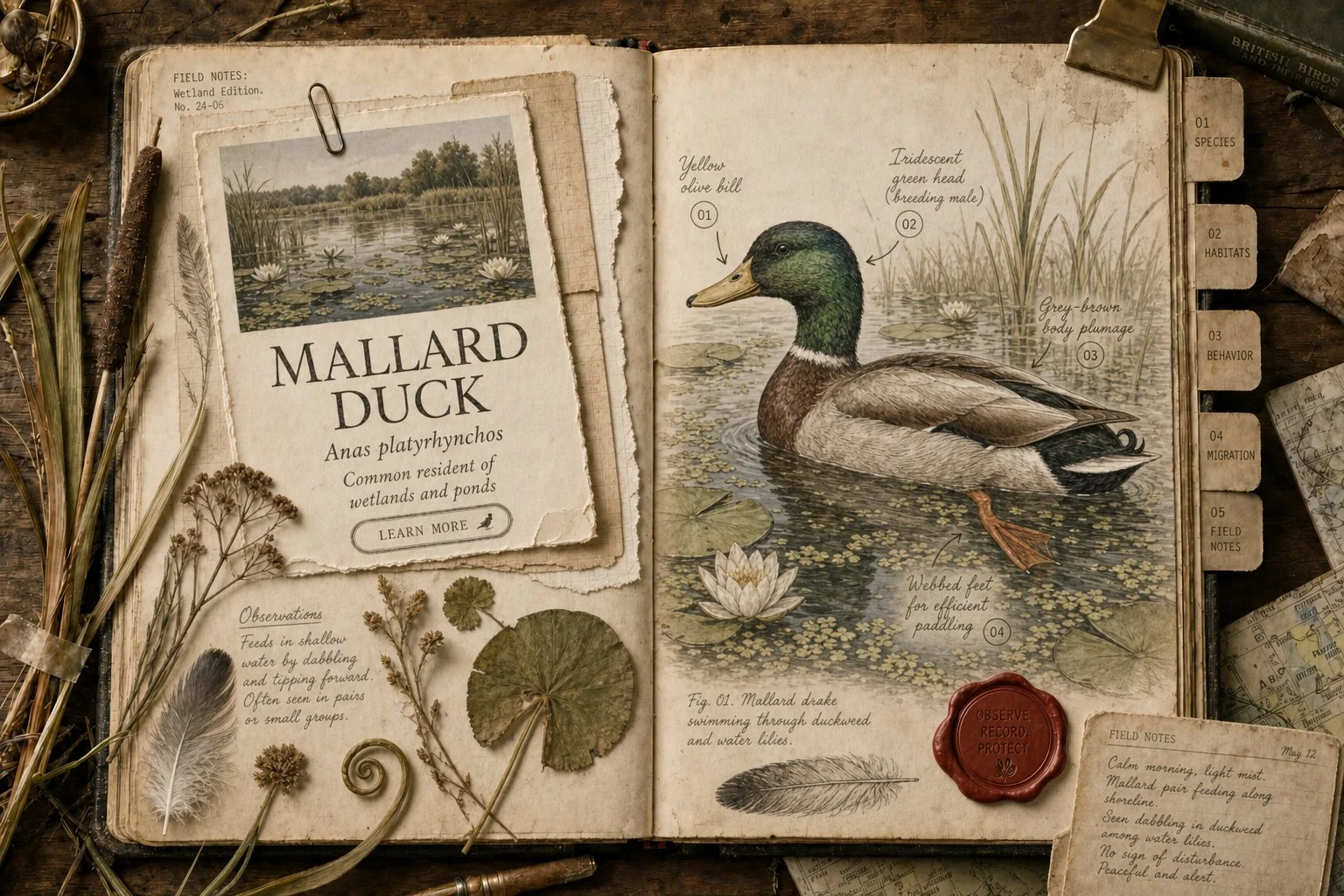
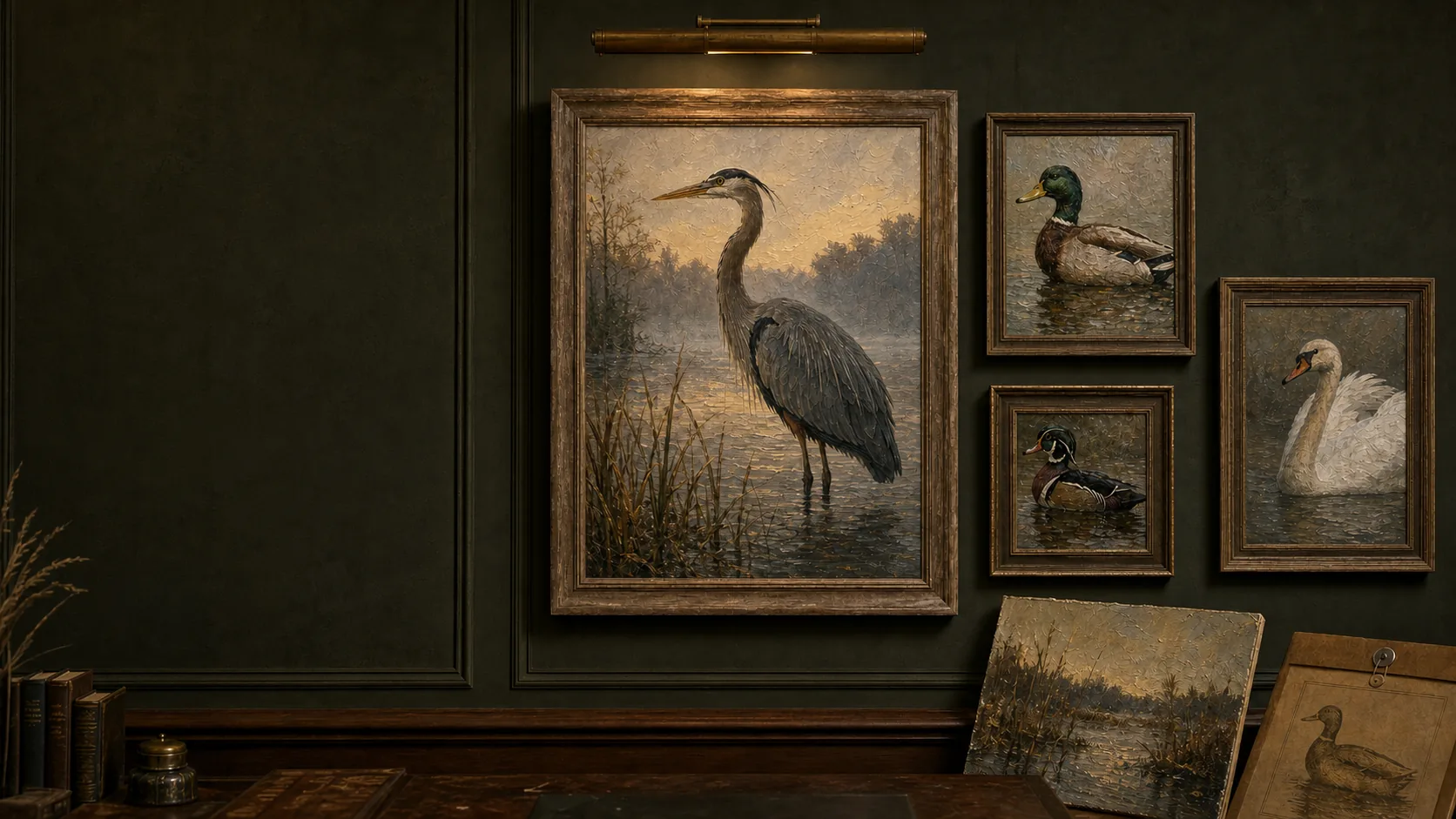
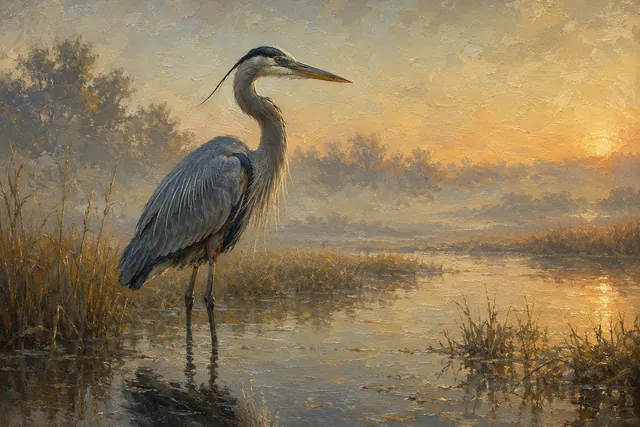
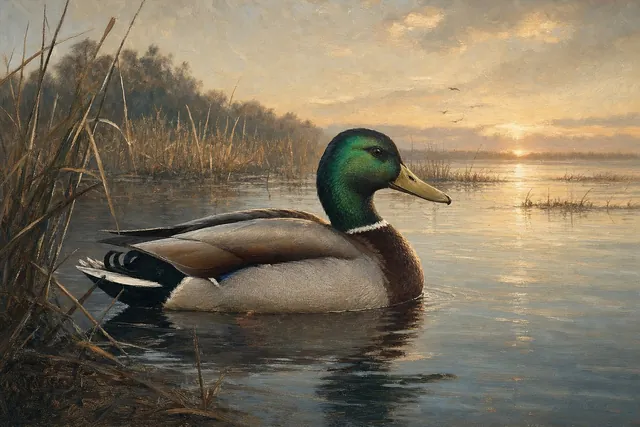
A naturalist's planting guide for a duck-friendly pond - the four plants ducks actually eat, the cover plants that keep ducklings alive, and where to put each one.
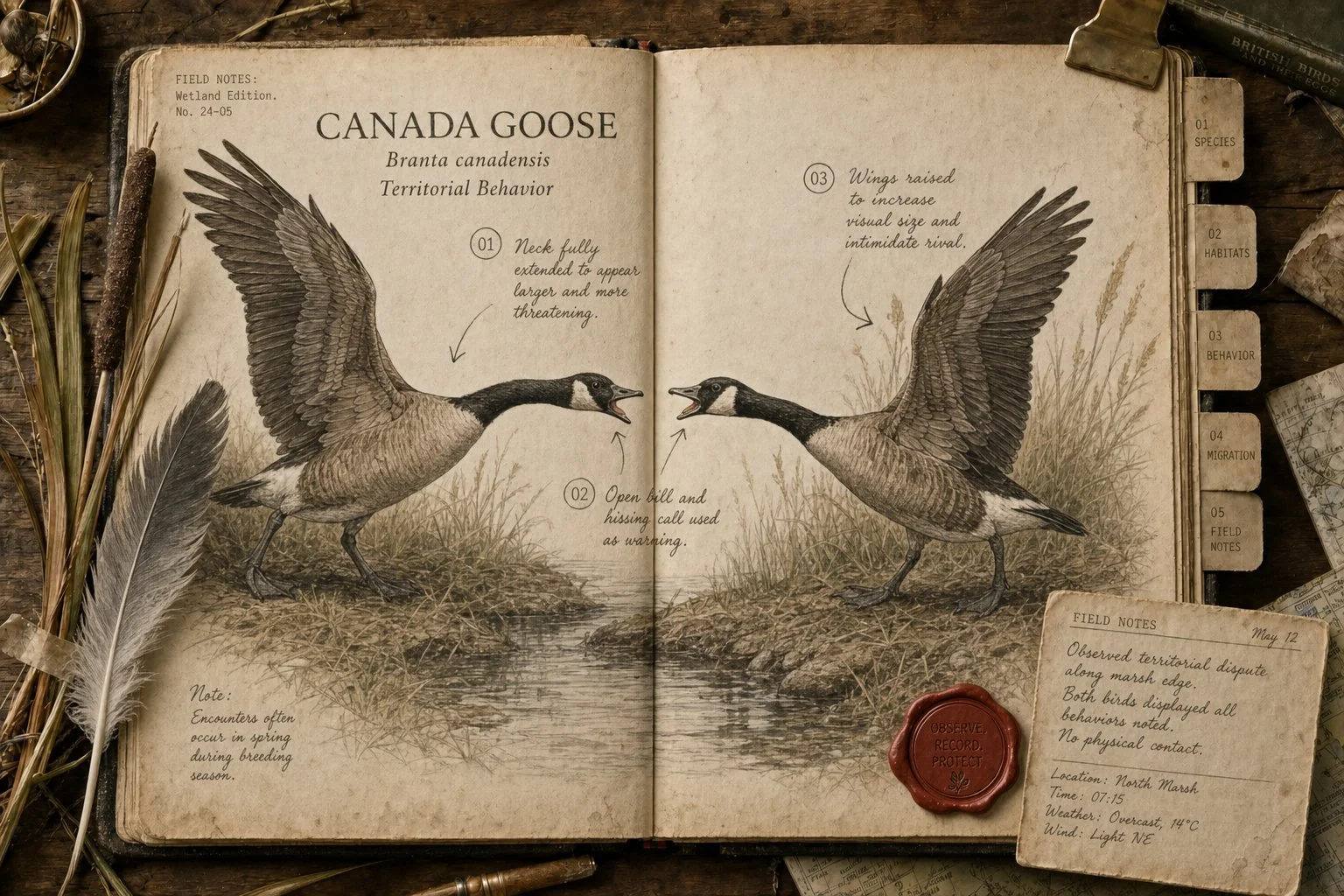
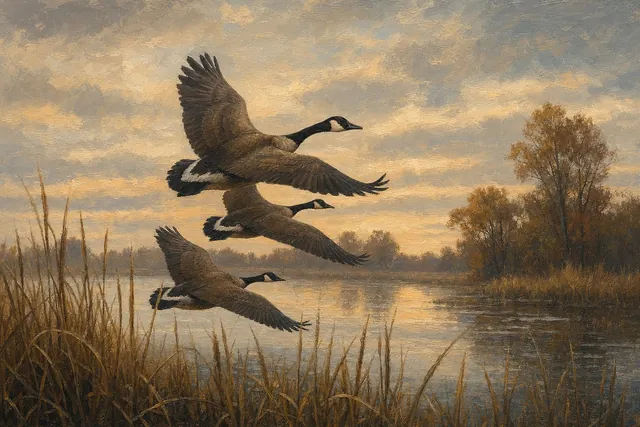
A naturalist's guide to goose-on-goose aggression - why Canada geese fight, what the hissing actually means, the four-step attack sequence to read, and why it almost always peaks in March.
Why geese hiss at you, what the V-formation actually does, and how to read a Canada goose's body language. A field naturalist's notes on what's really going on with the most misunderstood bird in the park.
The five things that actually keep squirrels out of an owl nest box - pole choice, baffle type, height, entrance hole, and timing. A field guide for backyard owl-watchers, with the products we use.
A naturalist's answer to a question with a deceptively boring textbook reply - how far can a Canada goose actually fly in 24 hours? The honest range, what the V-formation does, and why flights of 1,500 miles in a day are real.
A naturalist's field guide to Florida's 27 most-seeable water birds - which wetlands they prefer, when they show up, and the four locations where you'll see most of them in a single morning.
The thirteen animals that hunt wild and domestic ducks - ranked by where they hunt (water, air, ground) - and the eight protections that actually work. A field naturalist's guide for pond owners and small-flock keepers.
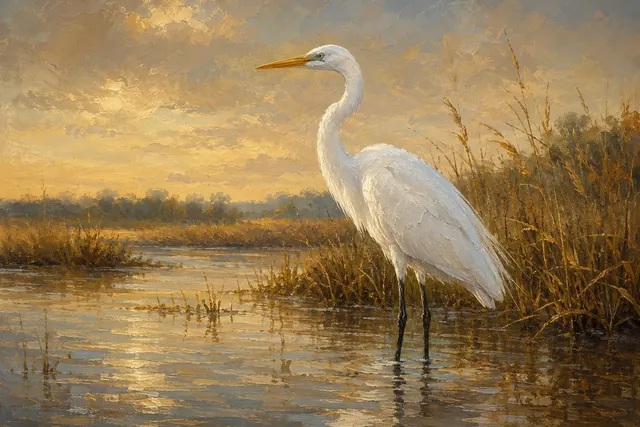
Pl. XXIV Great egret · Ardea alba Almost driven to extinction at the turn of the twentieth century - its breeding plumes were worth twice their weight in gold to milliners - the great egret's recovery is one of conservation's quieter triumphs. It now nests, again, on every continent except Antarctica, and stands, unmoving, in nearly every wetland we've ever written about.
Every essay we publish is filed under a wetland, a behaviour, and a species. The guide is how you find your way back to anything we've ever written.
Bittern, harrier, warbler, rail. The deep grass world, best entered before sunrise.
Where freshwater finally surrenders. Knots, sandpipers, oystercatchers, the long-legged crowd.
Stilt-rooted, half-flooded, half-noisy. Kingfishers, herons, and the occasional curious crocodile.
Small, undramatic, essential. The duck-and-coot democracies of the inland midwest.
Twice-yearly miracle, charted by satellite, ankle-band, and one very patient old man with a notebook.
Headphones-on essays paired with field recordings of the wetland's quietest residents.
Honest, slow reviews of every binocular, boot, and notebook we've actually used in the marsh.
The slow, hard, joyful work of keeping wetlands wet - told through the people doing it.
A rolling four-month forecast of the season's most-watched arrivals and departures - assembled from reader sightings and our own muddy notebooks.
Browse the archive