 № 287
№ 287 № 28712 Jul 2026
Are Framed Prints Worth It? A Cost Comparison
The frame adds between $130 and $210 to the price of a print, so here is the honest arithmetic on when that premium earns its keep and when unframed wins.
Slow essays, plates, recordings, and small observations from the marshes. Most are five-to-ten-minute reads. A few are excuses to stand in a river before sunrise.
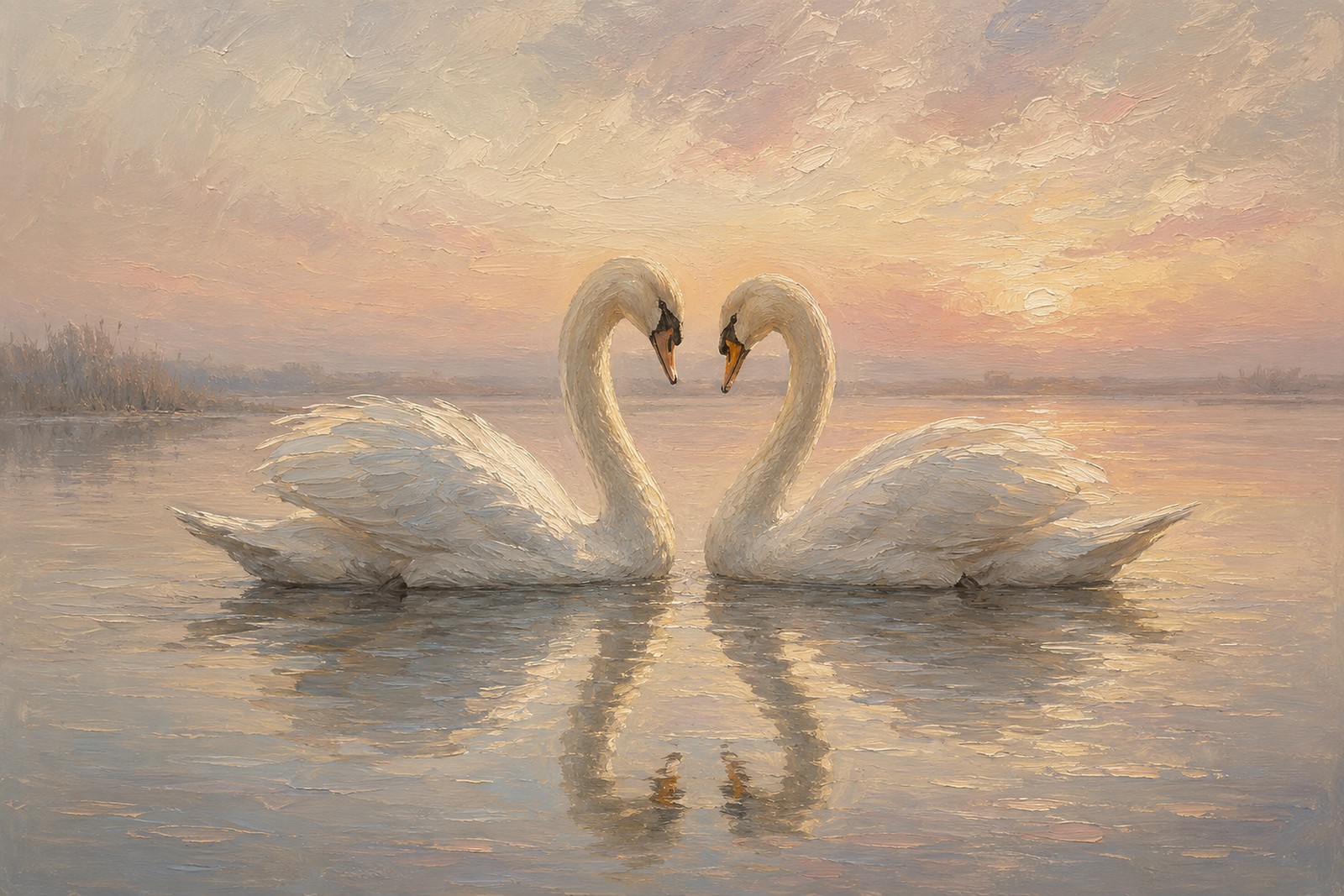 Plate I
 An honest framework for anniversary gift budgets, from the first paper year to the gold one, and why what lasts matters more than what it cost.
№ 287 The frame adds between $130 and $210 to the price of a print, so here is the honest arithmetic on when that premium earns its keep and when unframed wins.
The two-thirds rule, the right hanging height, and the case for landscape formats: how to size art above a fireplace so the most-looked-at wall in the house finally looks finished.
 № 286
№ 286  № 285
№ 285 The wall above a leather sofa defeats more art than any other spot in the house, and the fix is a palette problem, not a taste problem.
A case for building the room around autumn's palette instead of its props, with rust and umber migration art that looks as right in May as it does in October.
 № 284
№ 284 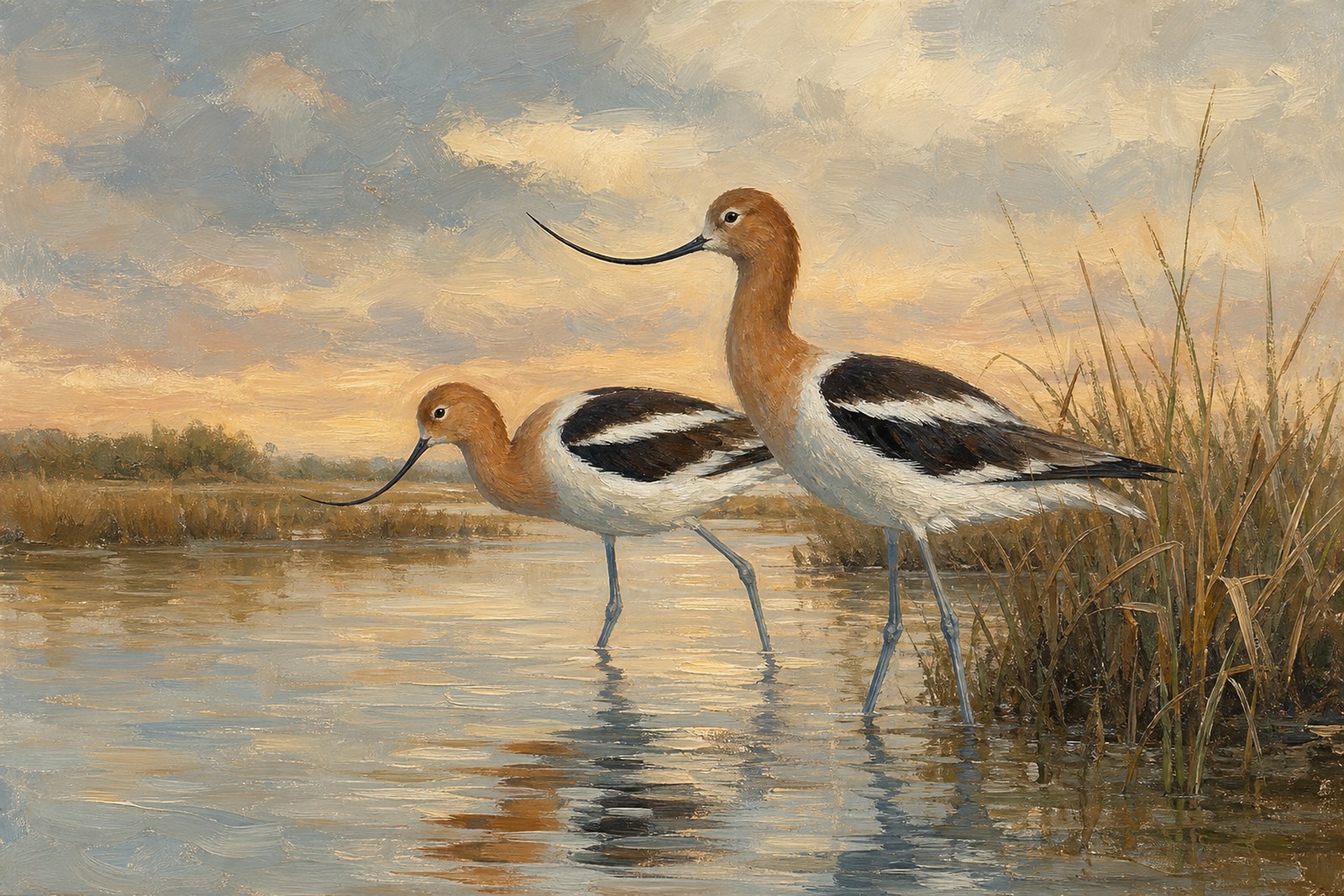 № 283
№ 283 The American avocet rewards people who know what they are looking at, which is exactly why birders give each other avocet prints.
An honest guide to which art survives a steamy bathroom, which does not, and why the frame and the fan are doing most of the work.
 № 282
№ 282  № 281
№ 281 How to give something to a beach house owner that involves no anchor motifs, no rope frames and no signs announcing that life is better in flip flops.
What a hundred dollars really buys in bird art, from poster-tier disappointments to archival prints, with the cost anatomy laid out plainly.
№ 280  № 279
№ 279 Real numbers for a five to seven print cabin gallery wall, from an all-unframed hang at $415 to a digital-download route that comes in well under $150 before local printing.
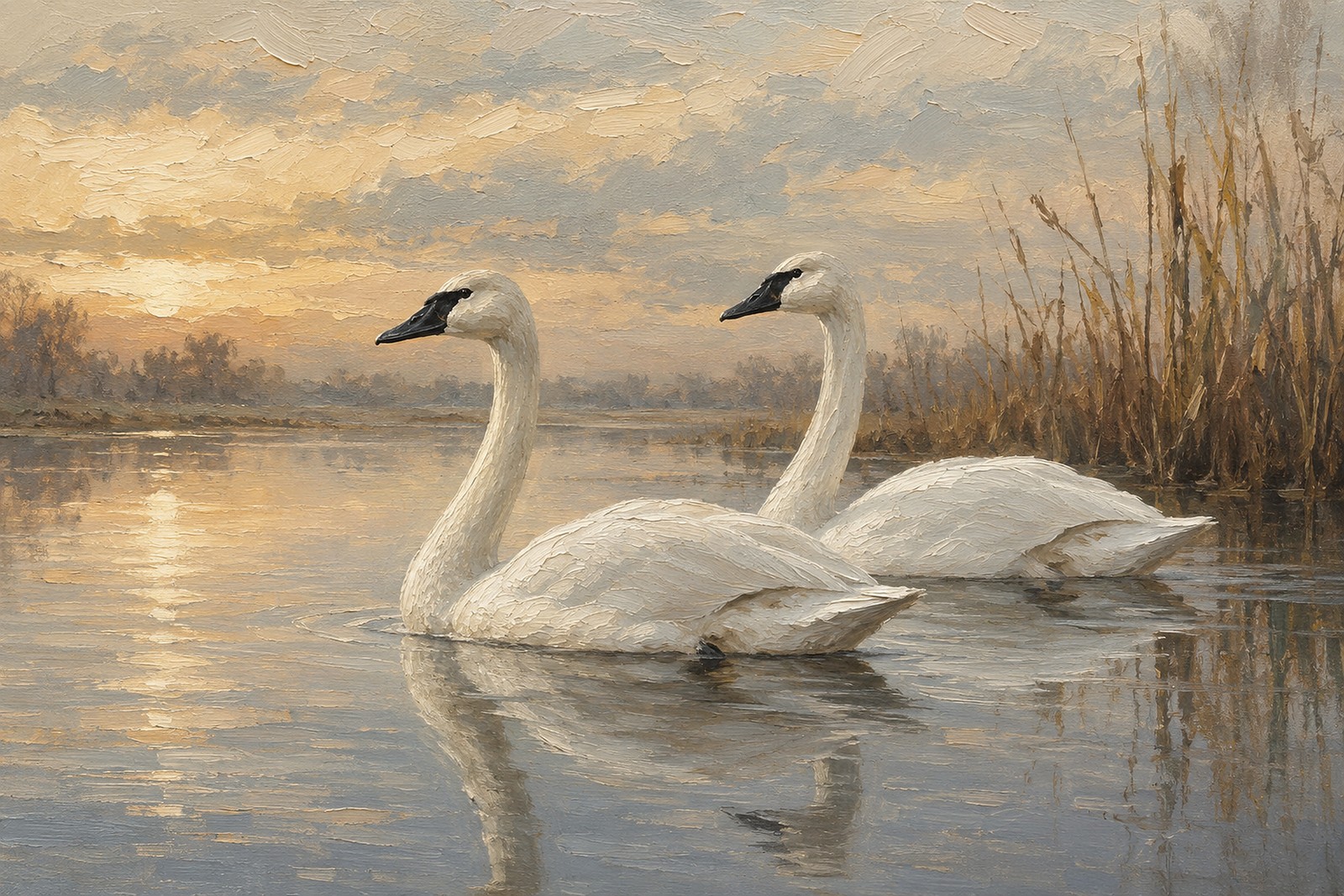
Why still water is the most restful subject you can hang above a headboard, and how a trumpeter swan print in the right size settles a whole bedroom.
 № 278 № 277
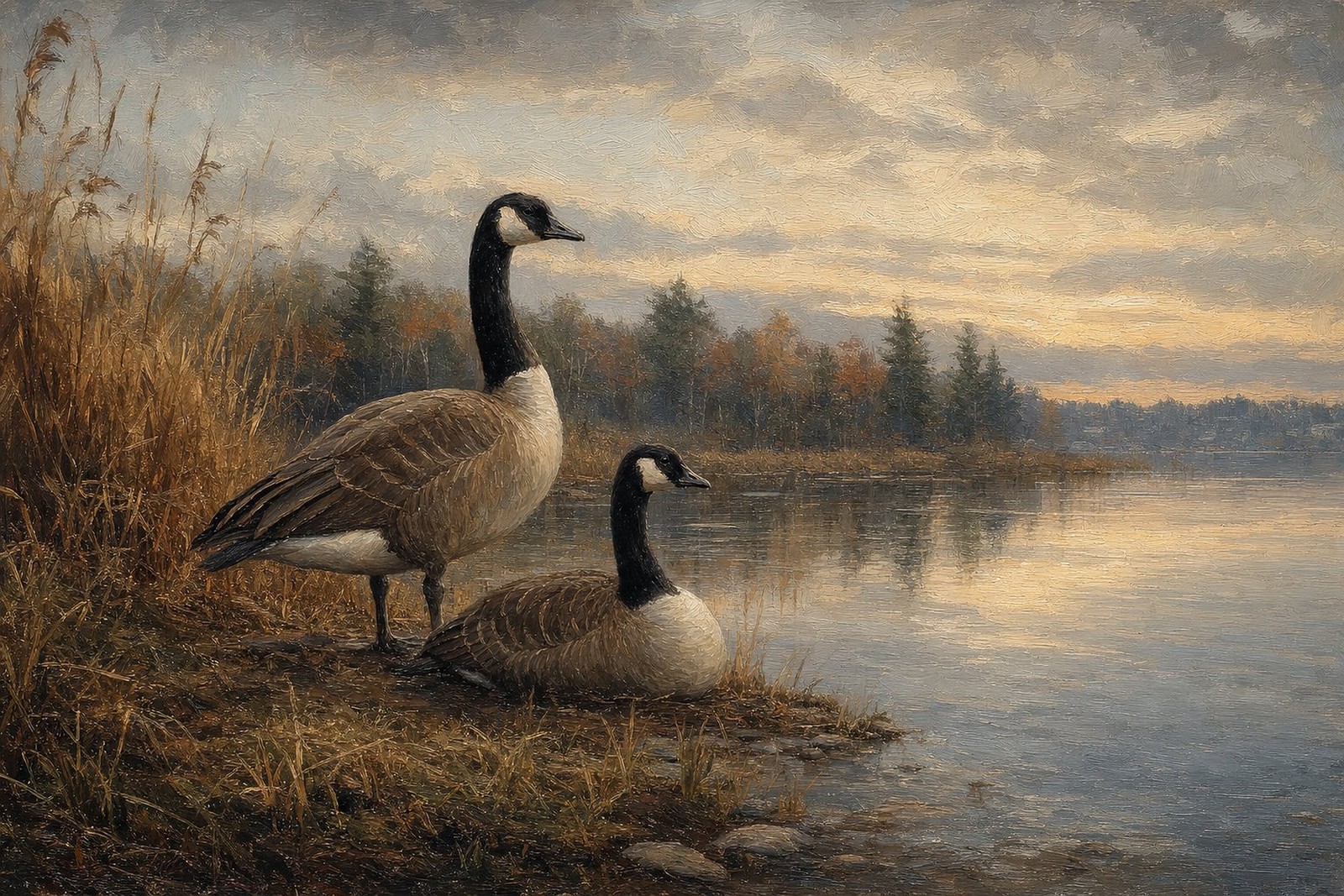
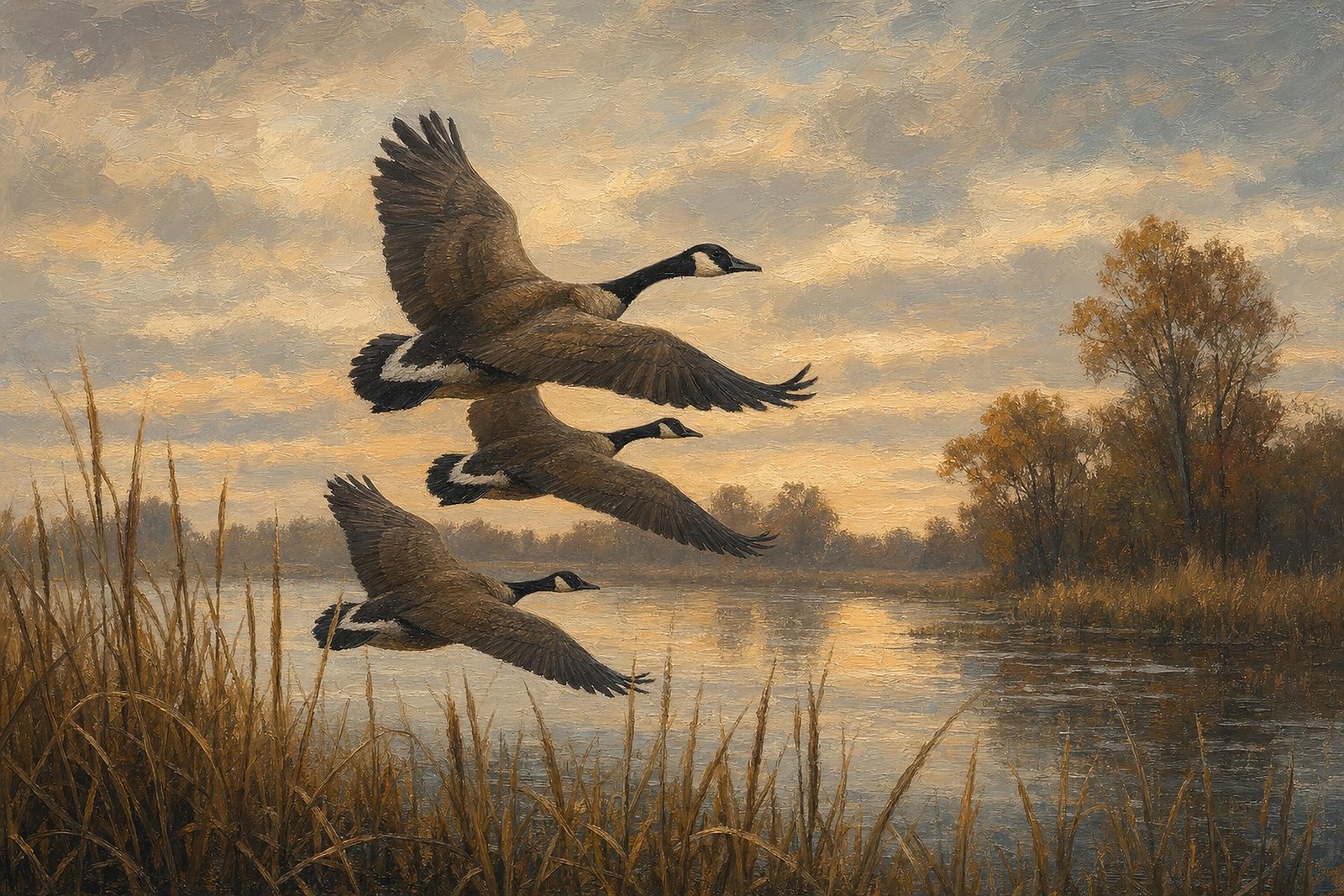
 Why the black-necked silhouette every American knows by heart makes the most dependable goose print you can hang, and how to choose between a calm pair and a flight scene.