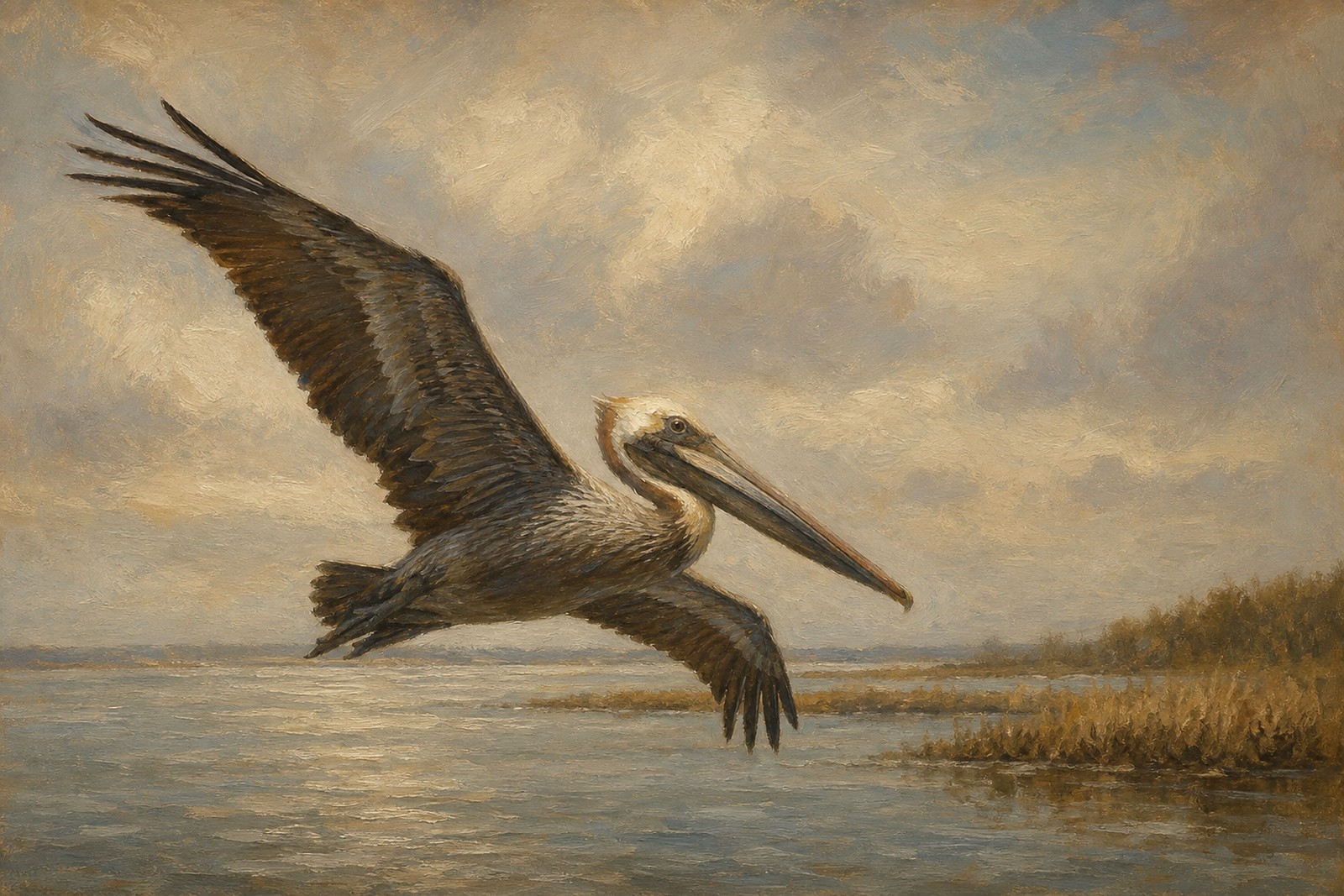
 № 276
№ 276 № 27612 Jul 2026
Canvas vs Framed Paper for Humid Coastal Rooms
Coastal air is genuinely hard on art, and the honest answer to the canvas question starts with what humidity actually does to paper, fabric and frames.
Continuing the archive: slow essays and observations from marshes, mangroves, and pondsides around the world.
№ 276 Coastal air is genuinely hard on art, and the honest answer to the canvas question starts with what humidity actually does to paper, fabric and frames.
An evergreen Christmas guide for the duck hunter on your list, and the case for a print that will still hang in the den long after this season's gear is retired.
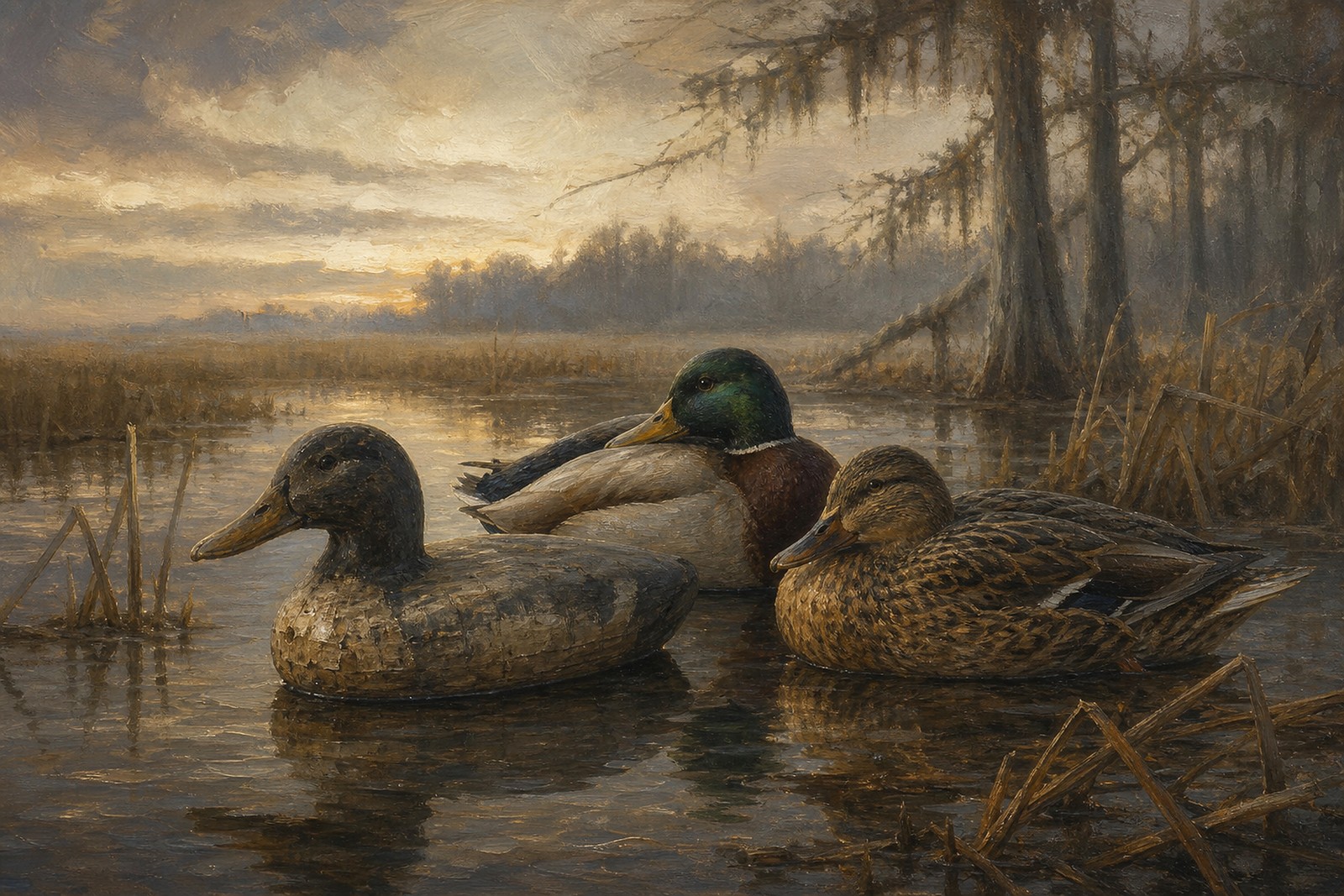 № 275
№ 275 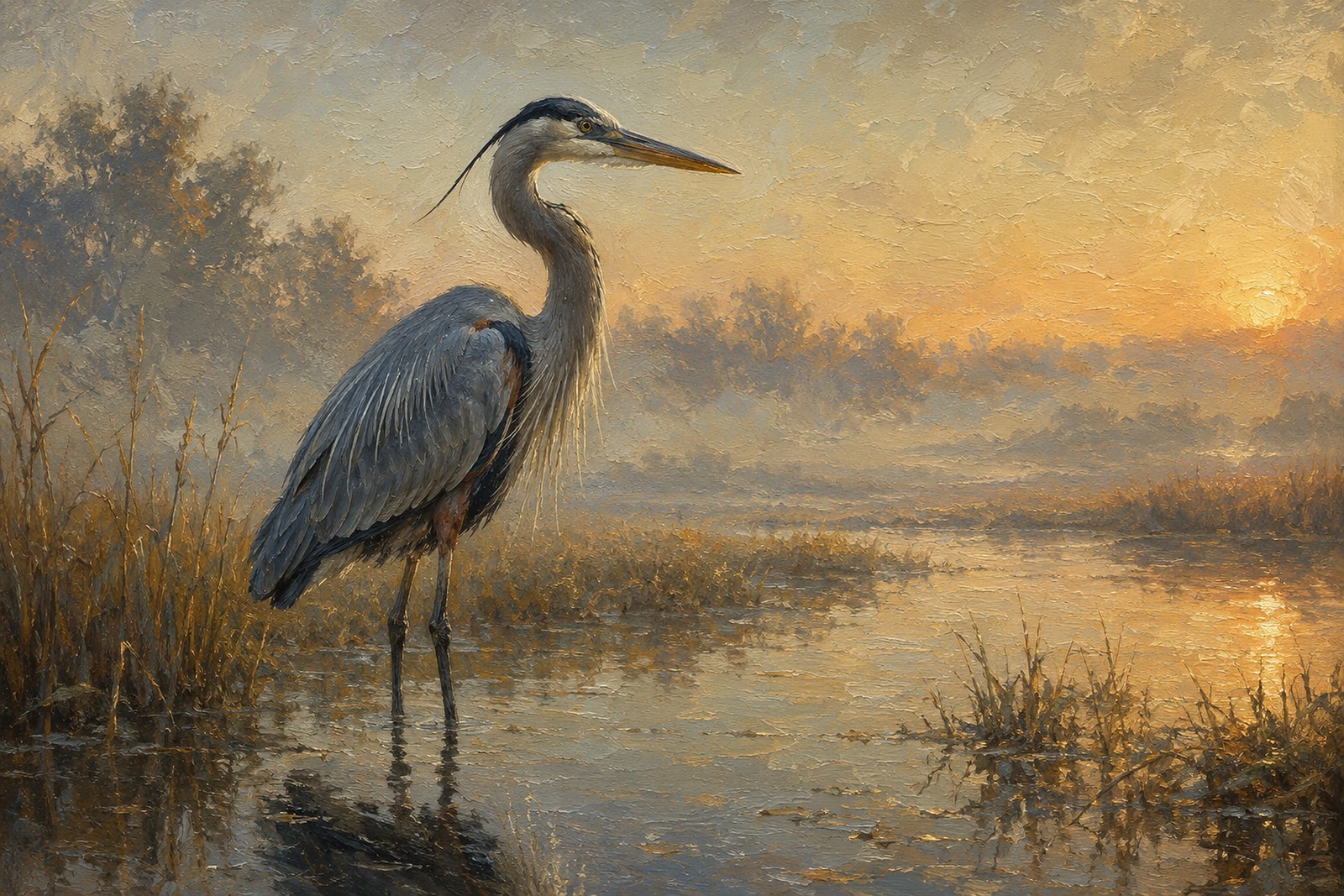 № 274
№ 274 You can live by the water without hanging a single anchor, and quiet wetland art in the style of antique oil painting is how the best coastal homes manage it.
A coastal gallery wall stops being guesswork the moment every print shares the same 3:2 shape, because the whole layout collapses into simple arithmetic.
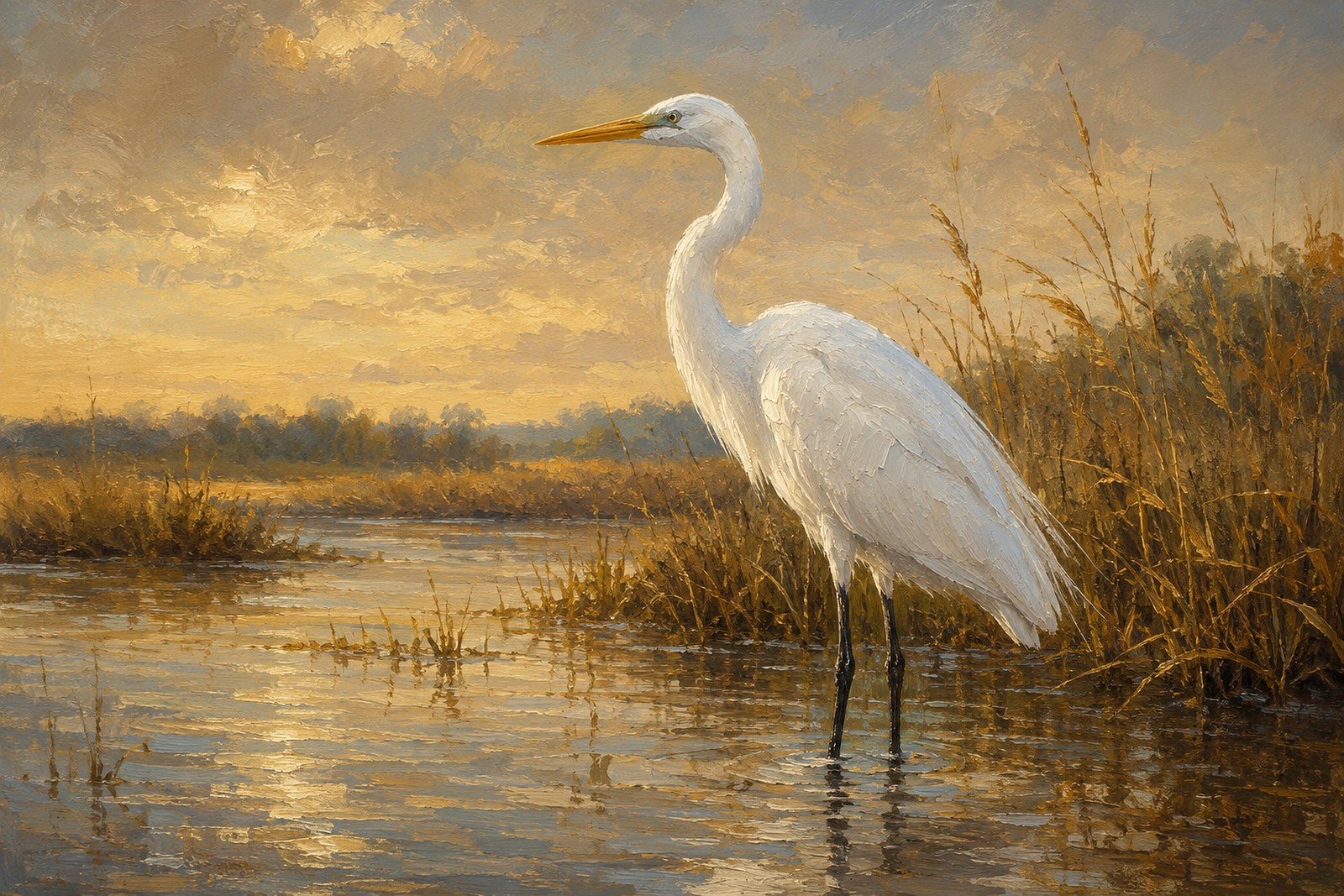 № 273
№ 273 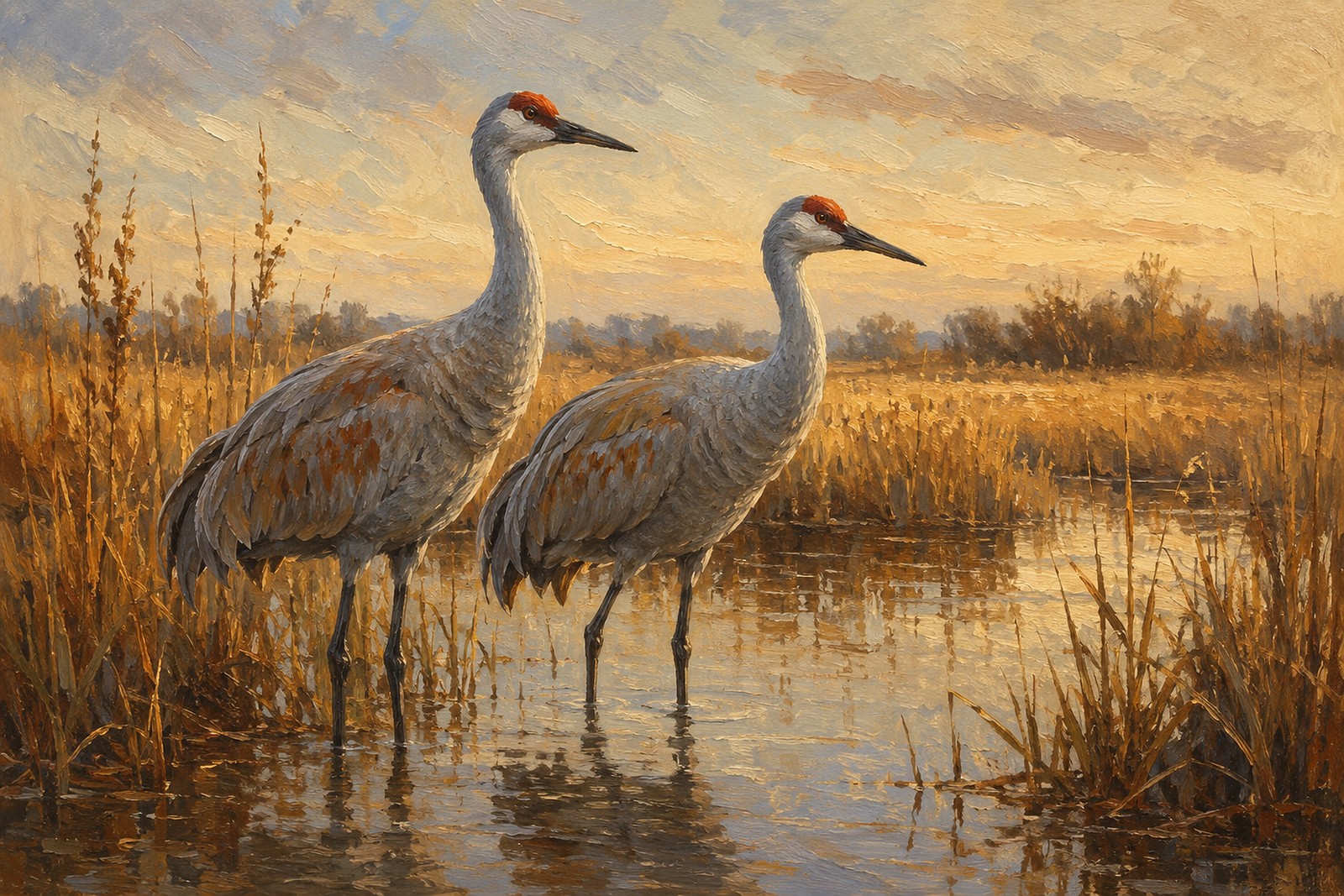 № 272
№ 272 From thousand-crane wedding garlands in Japan to the sandhill's ancient gatherings on the Platte, the crane has stood for longevity, luck and devotion across half the world.
Every man cave reaches the night the neon sign stops being funny, and the fastest way to grow the room up is to change what hangs on its walls.
 № 271
№ 271 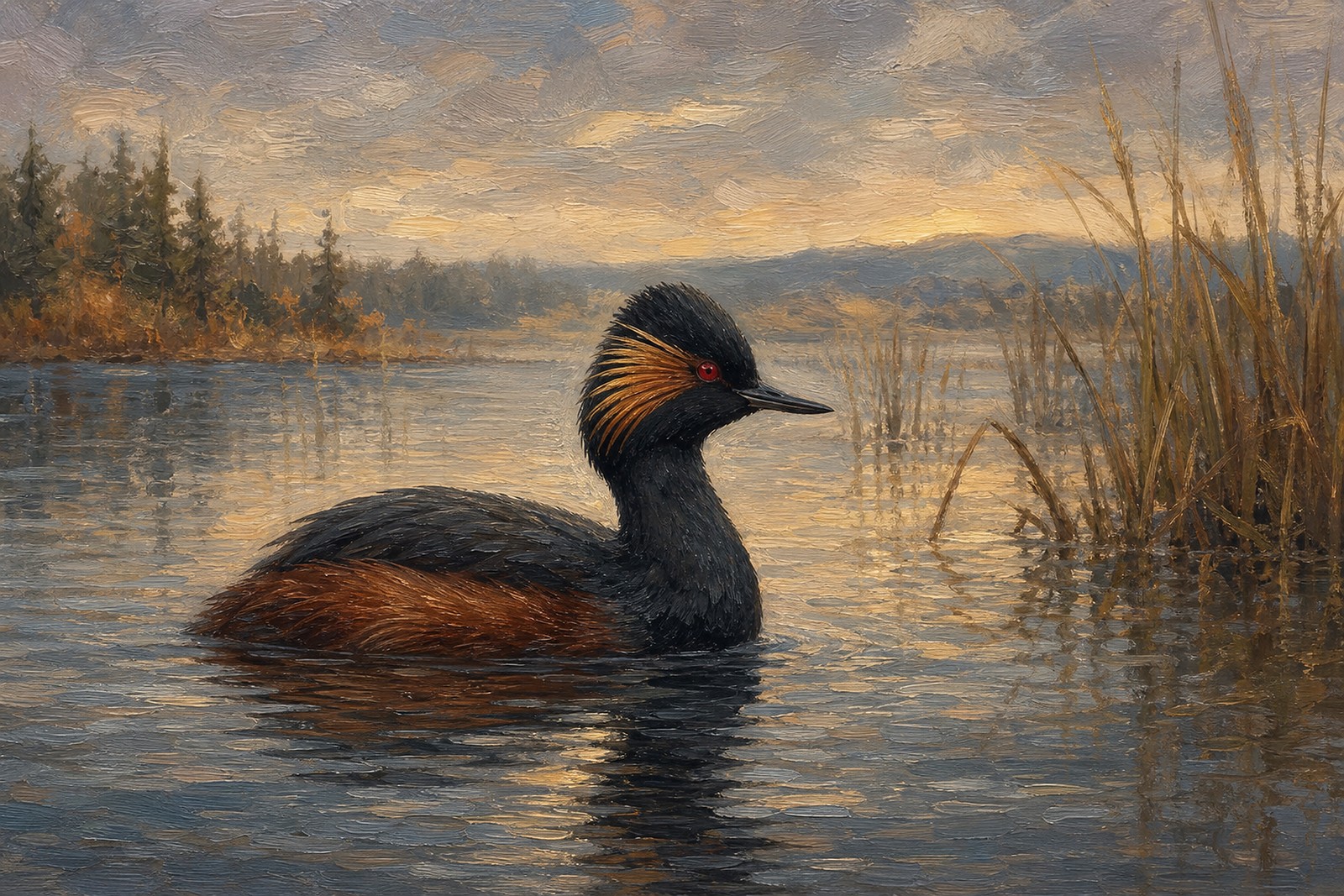 № 270
№ 270 An honest comparison of the $19 digital download and the made-to-order print, including who genuinely should buy which.
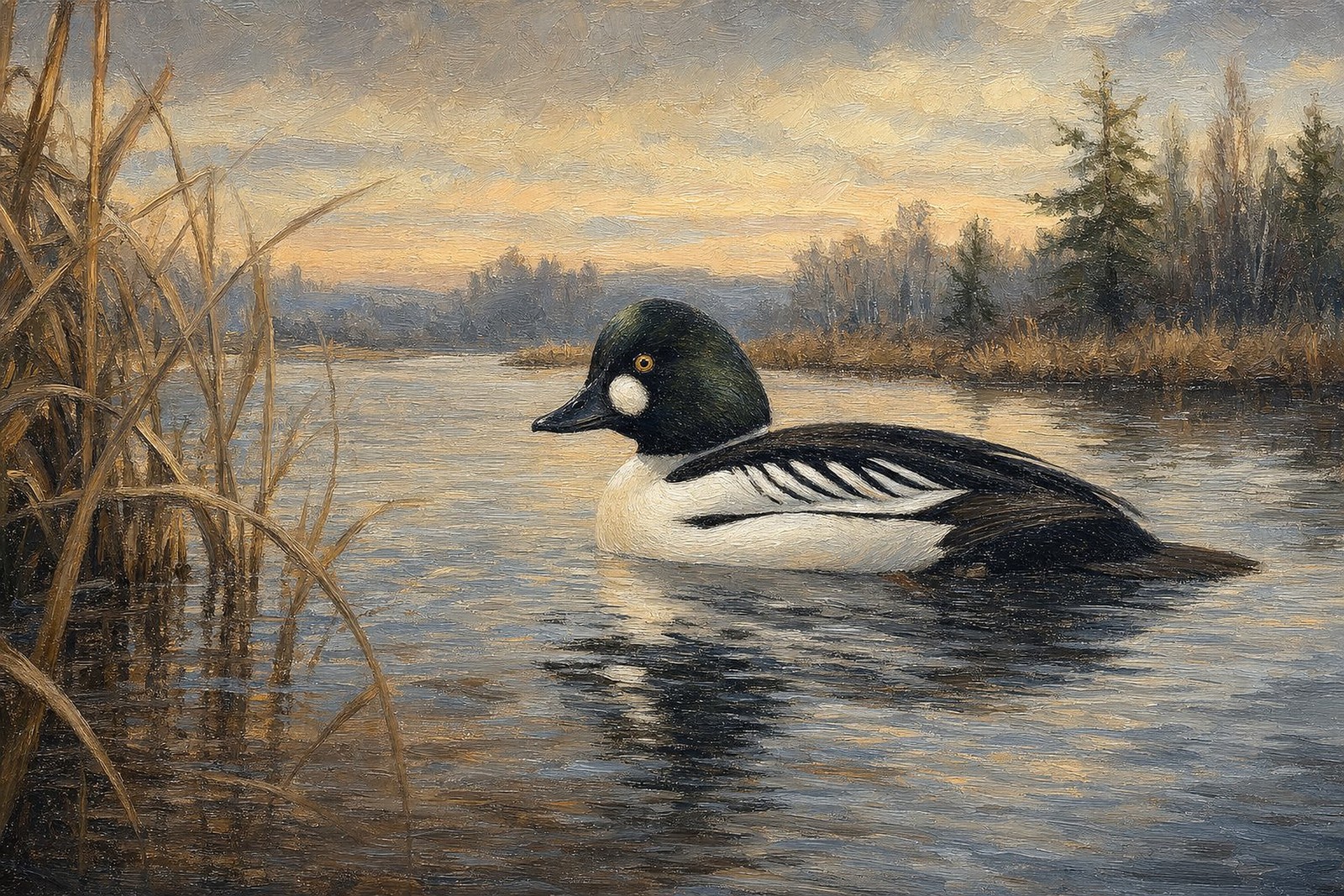
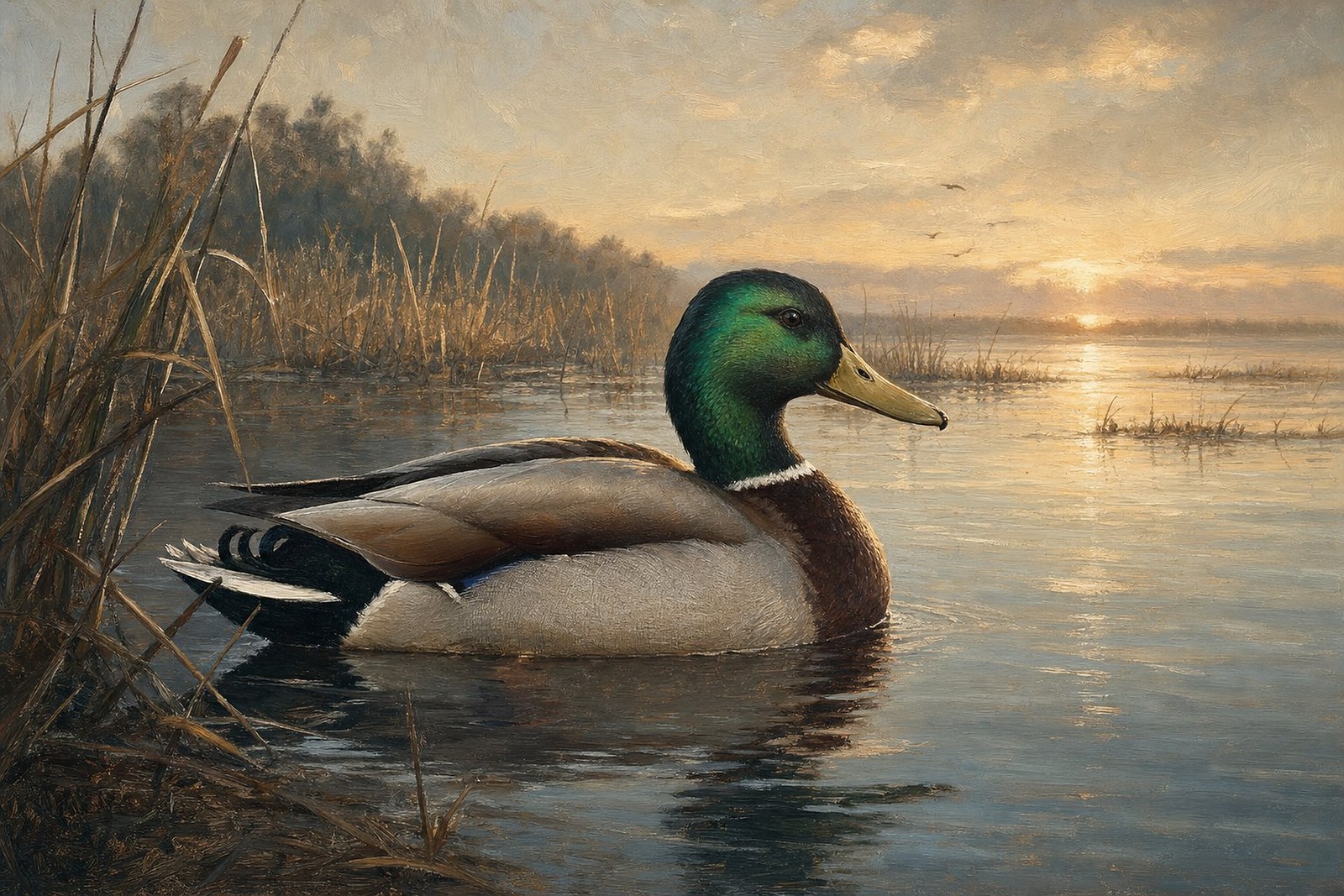
Duck prints are not interchangeable, and matching the species to the room is the difference between a wall that works and a wall that merely has a duck on it.
 № 269 № 268
 A white bird on a warm gold ground is the oldest reliable move in wildlife art, and the Great Egret still does it better than any other bird on the coast.
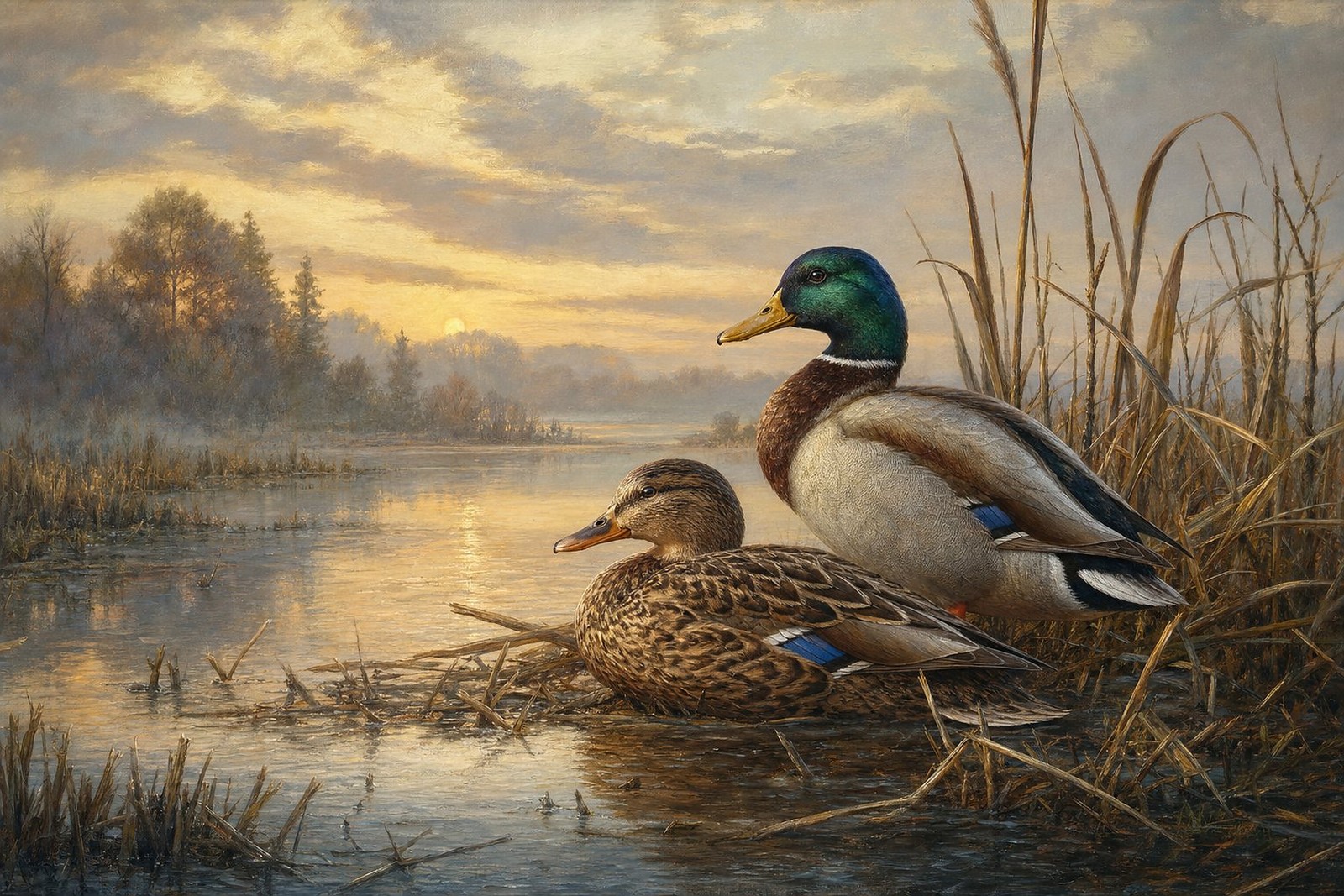
The oldest rule in traditional decorating says paired art should face inward, and bird prints obey it more gracefully than any other subject.
 № 267
№ 267  № 266
№ 266 An evergreen Father's Day guide for the hunter or birdwatcher who already owns every gadget, matching the right wetland bird print to the right dad.
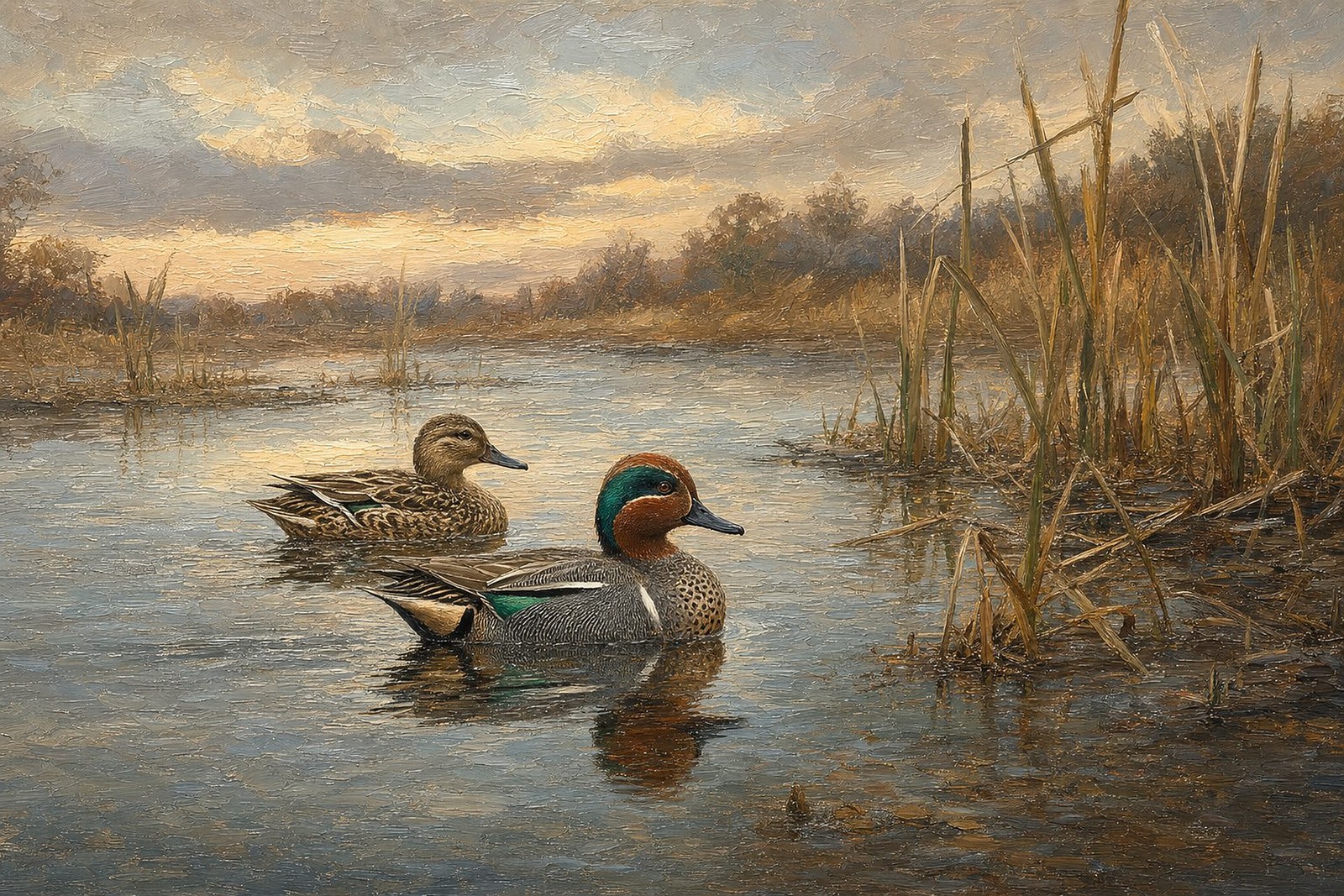
For over ninety years the federal duck stamp has funded American wetlands with a postage-sized piece of art, and its composition rules still teach a wall how to behave.
 № 265
№ 265