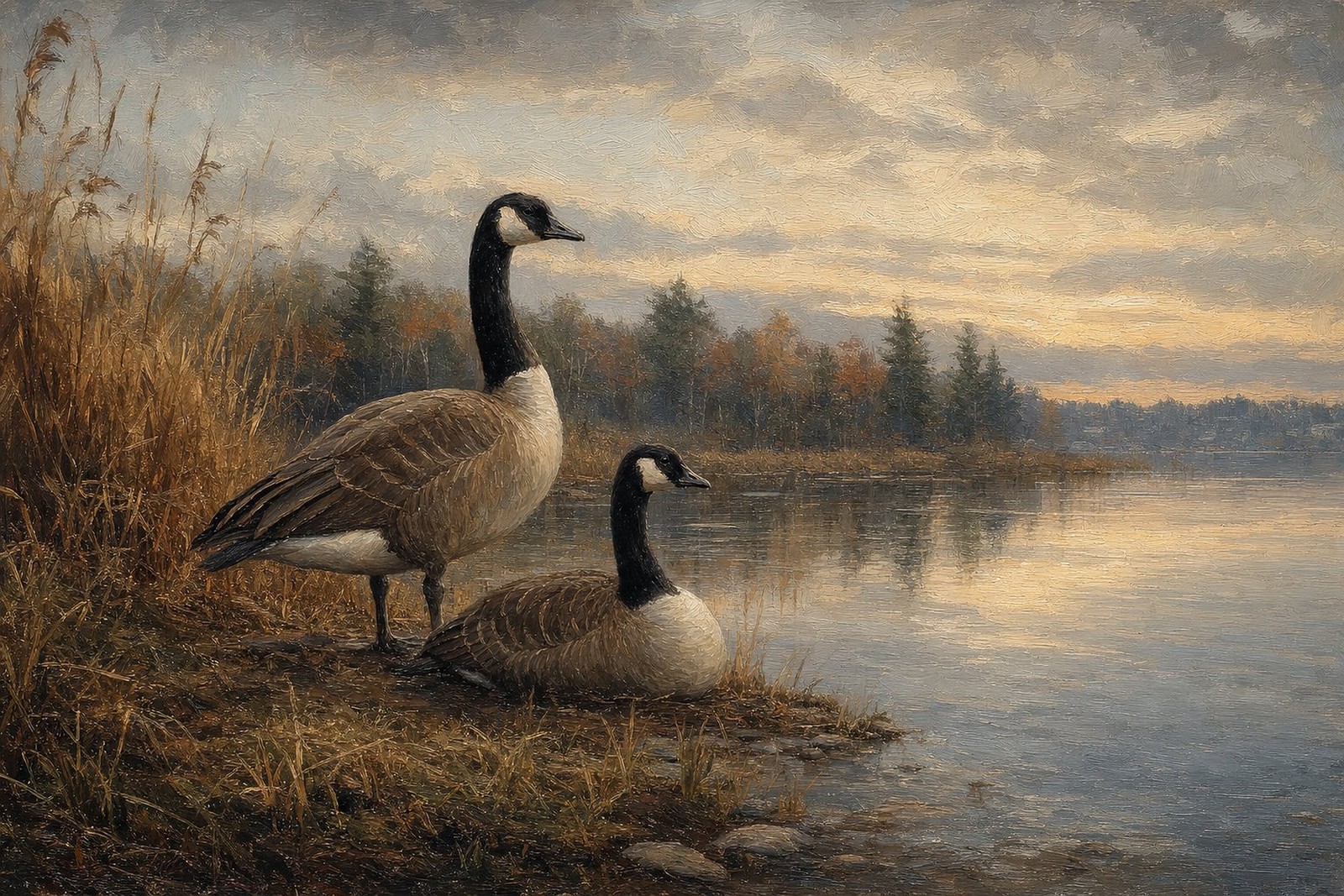
For a decade or more, the dominant interior look was cool, spare, and largely beige. Grey sofas, white walls, art that leaned abstract or absent altogether. Grandmillennial decor is the correction to all of that, a deliberate return to the rooms a lot of us grew up visiting at a grandparent’s house: chintz upholstery, wicker and rattan furniture, brown wood pieces with real patina, and walls that are allowed to hold actual pictures of actual things. Bird art, and specifically the traditional oil-painting style of bird art that decorated formal rooms for two centuries, is one of the clearest signals of the whole movement.
What grandmillennial decor actually is
The term covers a fairly specific set of choices, not just “old-fashioned.” Think chintz florals and stripes rather than solid neutrals, skirted furniture, brass and rattan accents, needlepoint pillows, and a general comfort with pattern-on-pattern that minimalist decorating spent years training people out of. Crucially, it isn’t a museum recreation of a grandparent’s actual living room. It’s a curated, updated version: the warmth and detail of a traditional interior, without the clutter or the dated colour choices that came with it the first time around.
Brown furniture is the other half of the equation. Real wood, in mahogany, walnut, or cherry tones, spent years being pushed out of mainstream decorating in favour of pale oak and painted white pieces. Grandmillennial rooms bring it back, often mixing an inherited or vintage piece with newer upholstered furniture rather than matching everything.
Where bird art fits into the tradition
Bird painting has a genuinely long history in formal interior decorating, going back through Audubon’s ornithological plates, the English sporting and naturalist painting tradition, and the countless swan, pheasant, and waterfowl scenes that hung in drawing rooms and dining rooms for generations. That history is exactly why bird art reads as authentically traditional rather than as a trend borrowed from somewhere else. It was never really gone from this kind of room. It just went quiet for a while everyone else’s walls went minimal.
It’s worth being precise about what we sell here. Our prints are AI-generated art, created in the style of those classic oil paintings, not antiques, not vintage originals, and not hand-painted pieces. We’re upfront about that distinction because it matters, and because the “in the style of” framing is exactly what lets these prints slot into a grandmillennial room convincingly: they carry the visual language of that two-hundred-year tradition of bird painting without any claim to being part of its physical history.
The three birds that anchor this look
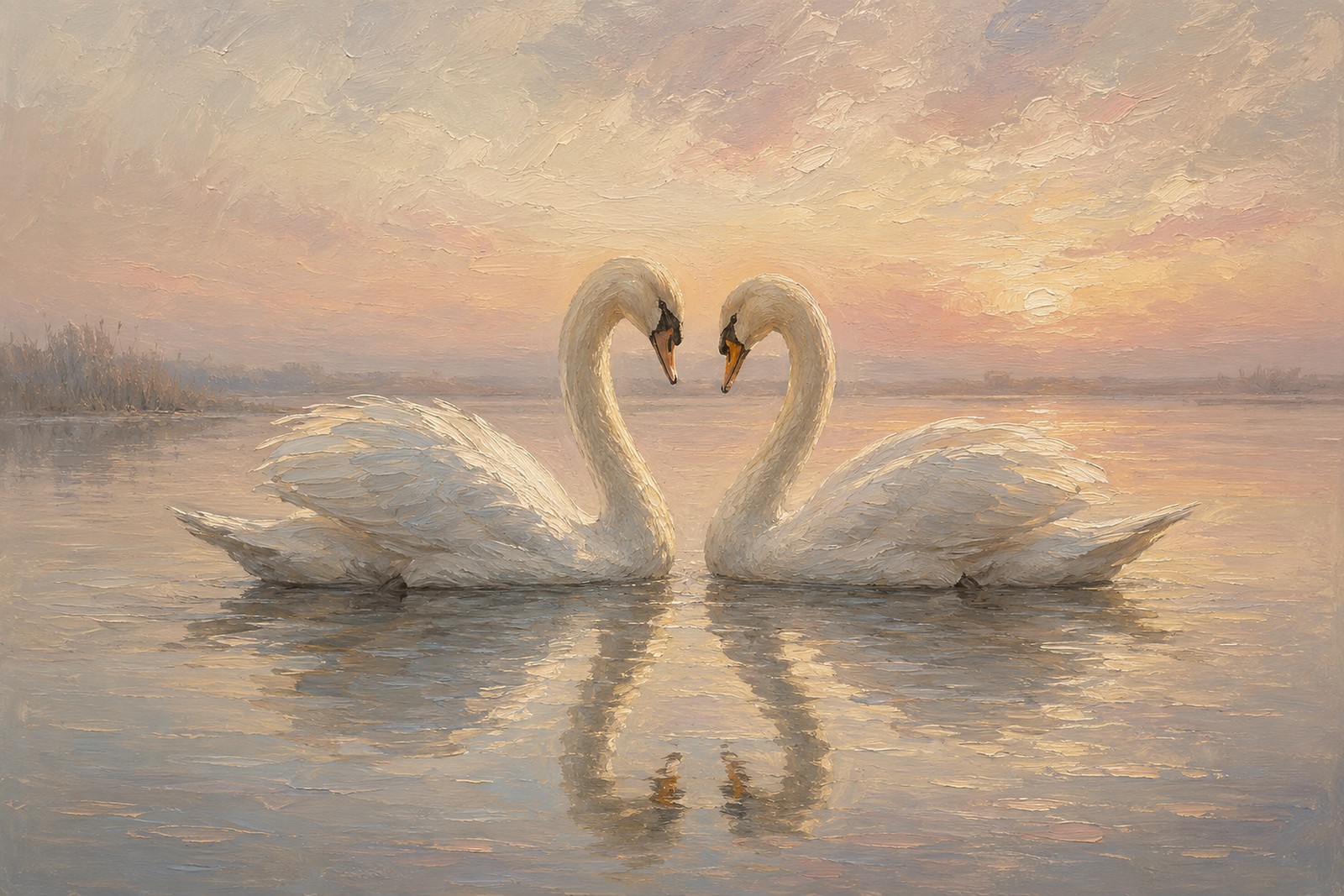
Swans. Nothing in bird art carries more traditional weight than the swan. It’s the classic subject of English manor house painting, at home over a mantel, in a formal dining room, or above the bed in a primary suite. A single-swan study reads as quiet, formal elegance; a swan pair print, two birds together, brings in the romantic and symbolic weight swans have always carried in decorative art. For the full guide to using swans specifically, see our swan prints guide.
Wood duck. If swans are the formal end of this look, the wood duck is the warmer, more colourful counterpart. It’s often called the most painted duck in North America, and for good reason: the male’s iridescent green, chestnut, and white plumage gives a traditional oil-painting-style print an unusually rich palette, which suits the pattern-heavy, colour-confident nature of grandmillennial rooms far better than a muted, monochrome piece would.
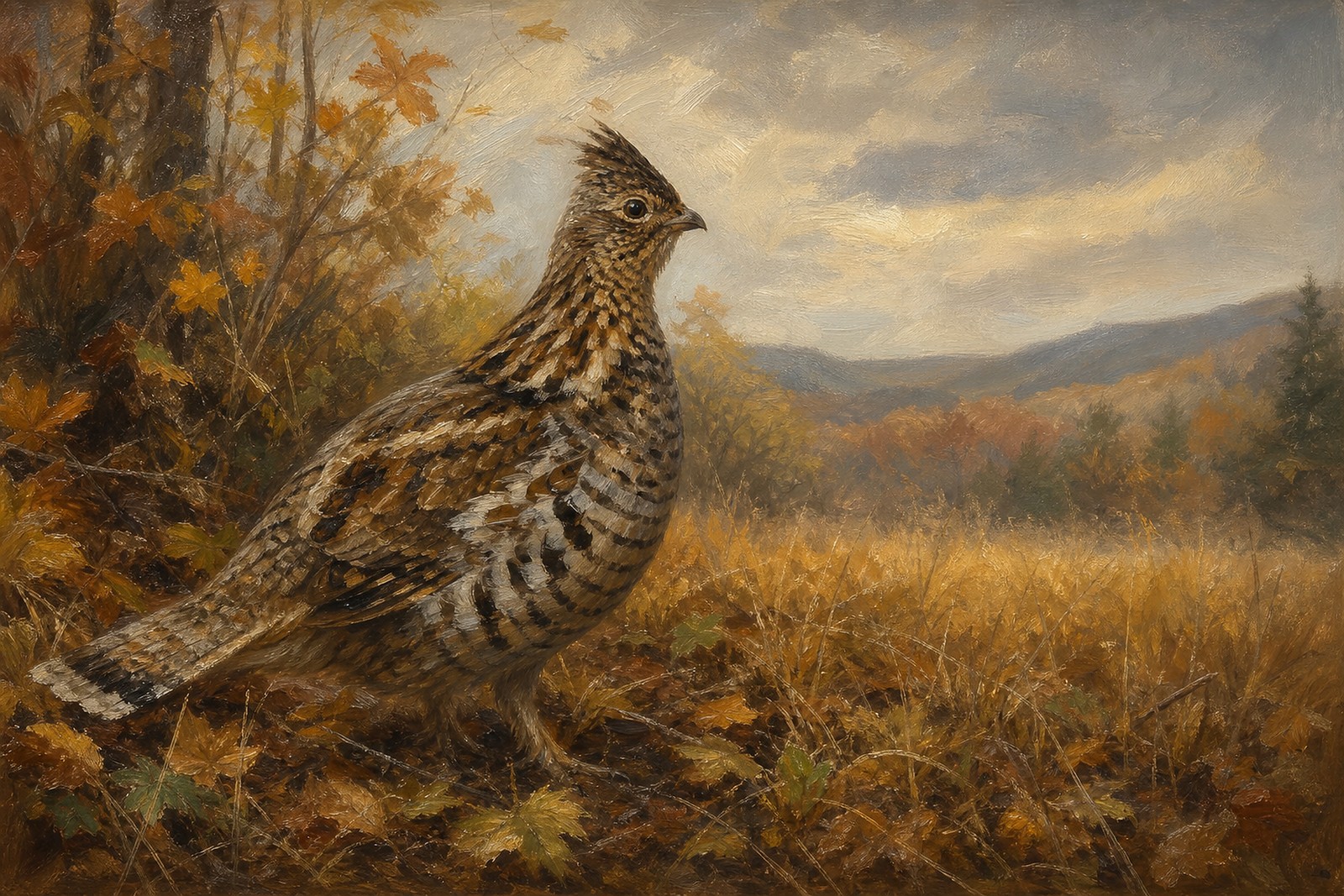
Pheasant. The pheasant is a staple of English country house and sporting art, its long tail and rich copper-and-gold plumage a natural fit for dining rooms and studies furnished with brown wood and leather. A pheasant print brings warmth and pattern in the same register as the room’s chintz and brass, rather than sitting apart from it as a cooler, more modern piece would.
Building a grandmillennial gallery wall
The classic grandmillennial gallery wall isn’t symmetrical or minimal, it’s a gathered, slightly overlapping arrangement of frames in different sizes and finishes, built up the way a real inherited collection accumulates over decades. Bird prints slot naturally into this format because traditional art almost always came in ornate, varied frames rather than one matching set.
A few rules keep it from tipping into clutter. Keep a consistent colour story even if the frames themselves vary, gold and brass finishes, or a mix of gold and dark wood, rather than mixing in modern black or chrome frames. Vary the sizes deliberately, a large swan or pheasant print as the anchor, smaller pieces gathered around it. And leave the arrangement slightly asymmetrical. Perfectly even spacing is a modern instinct; the grandmillennial look wants a gallery wall that feels assembled over time, not measured with a ruler.
Where to hang it
The dining room. This is the single most natural home for this style, and it’s where swans, pheasant, and formal waterfowl scenes have hung for centuries. A large single piece over a sideboard, or a smaller cluster above a buffet, both work.
The primary bedroom. A swan pair, in particular, suits a bedroom in a way few other bird subjects do, thanks to the romantic and long-partnership symbolism swans carry. Centred above the headboard is the classic placement, and the wide landscape format is built for exactly that span.
A study or library. Pheasant and wood duck prints, with their warmer, richer palettes, sit naturally alongside the brown wood furniture, leather chairs, and brass reading lamps that define this kind of room.
For the full range of birds that work in a traditional interior, browse the print shop, or read our companion guide on swan prints for bedrooms and entryways. If you’re working with birds of the wetland and pond more broadly, our Pond & Pothole habitat page covers the wood duck’s world alongside mallards, teal, and other classic waterfowl subjects.
All prints are AI art rendered in the style of classic oil paintings, printed to order, from $59 unframed and $189 framed in black, brown or gold, with free shipping to the US, Canada, UK, Europe, Australia & NZ.
FAQ
Are grandmillennial bird prints considered old-fashioned?
Not in current interior decorating, no. Grandmillennial is a genuine, actively growing style movement, not a lapse into dated decorating. It deliberately borrows the warmth, pattern, and formality of traditional interiors while leaving out the clutter, so a well-chosen bird print reads as current rather than dated.
What frame style suits a grandmillennial bird print best?
Gold, brass, or dark wood frames with some moulding detail suit the look best. Avoid thin modern black metal or unfinished raw wood frames, which read as contemporary minimalism rather than traditional formality, the opposite of the effect you’re going for.
Are these prints antique reproductions?
No. Every print is AI-generated art created in the style of a classic oil painting. None of our prints are antiques, vintage originals, or hand-painted pieces, and we describe them accurately as “oil-painting-style” rather than implying any historical or hand-painted provenance.
Can grandmillennial bird art work in a smaller apartment, or does it need a big traditional house?
It works at any scale. A single swan or pheasant print in a smaller apartment does the same job a full traditional dining room does, it signals the same warmth and pattern-forward confidence in miniature. Start with one anchor piece rather than a full gallery wall if space or budget is limited.