№ 2912 Jul 2026
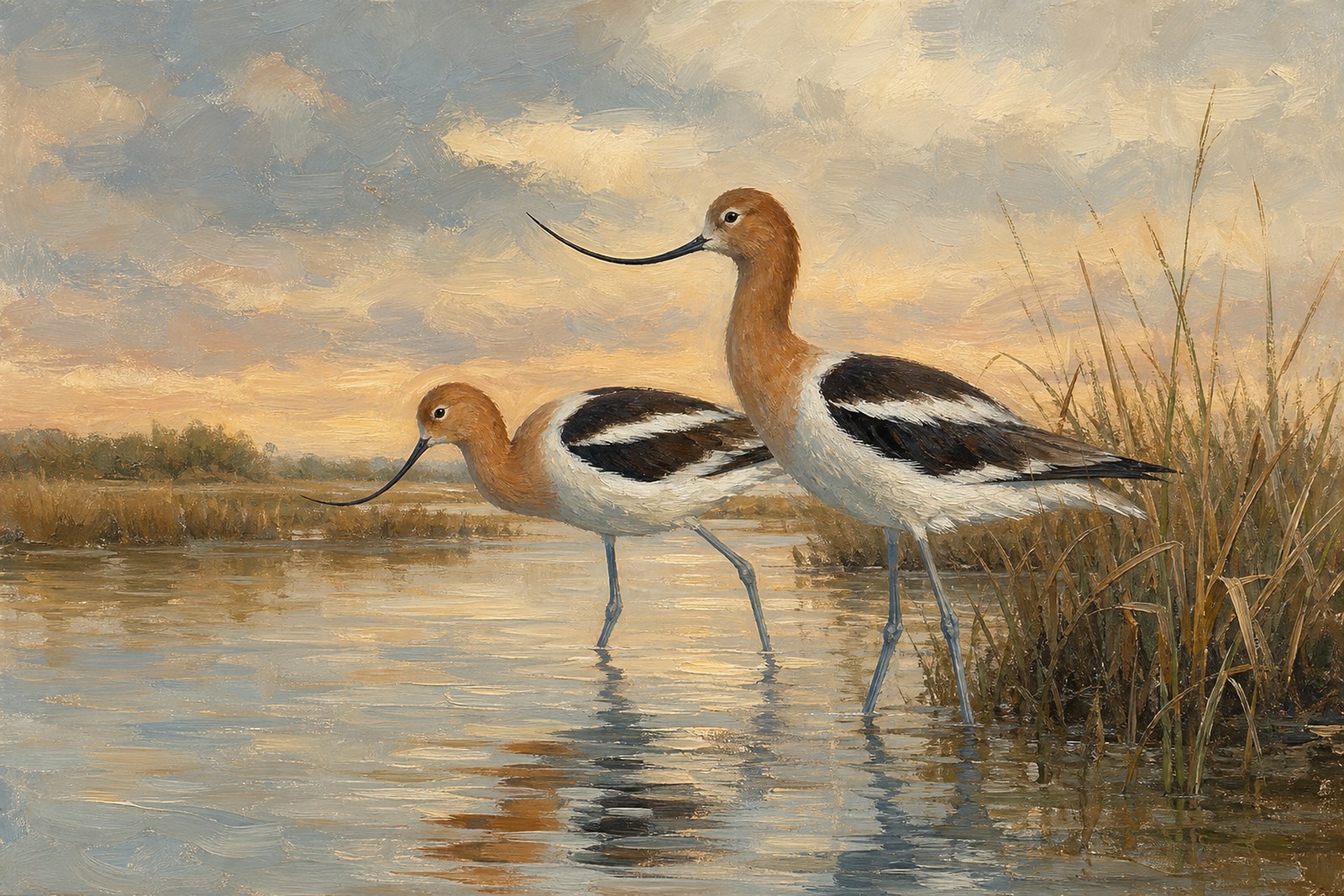
Avocet Art: The Collector's Shorebird
The American avocet rewards people who know what they are looking at, which is exactly why birders give each other avocet prints.
Mudflats & tidal salt
Where the river meets the sea, the mudflats feed enormous numbers of waders. Sandpipers and plovers work the tideline, oystercatchers prise shellfish from the rocks, and pelicans and gulls patrol the open water beyond.
29 dispatches filed under this habitat
The American avocet rewards people who know what they are looking at, which is exactly why birders give each other avocet prints.
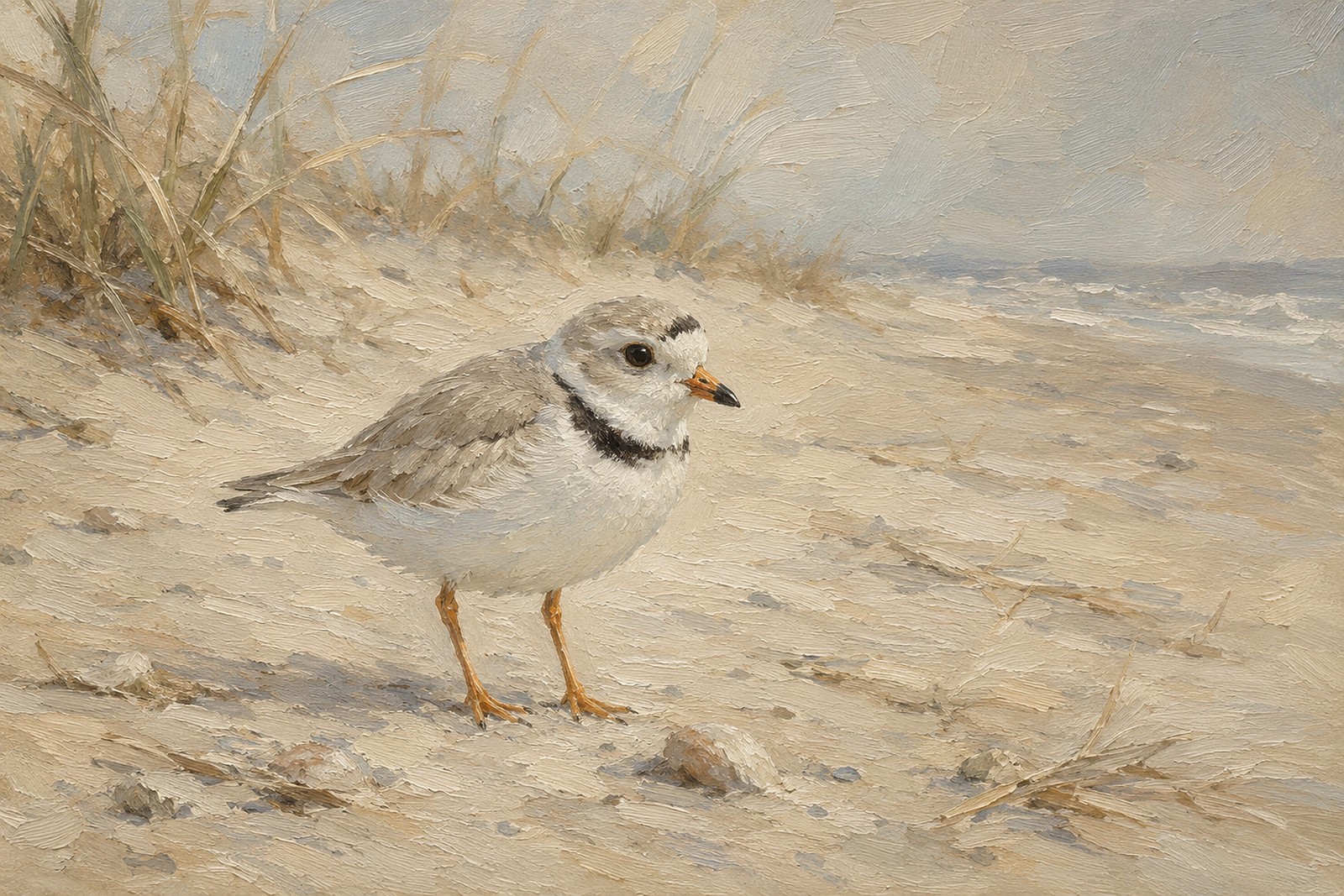
An honest guide to which art survives a steamy bathroom, which does not, and why the frame and the fan are doing most of the work.
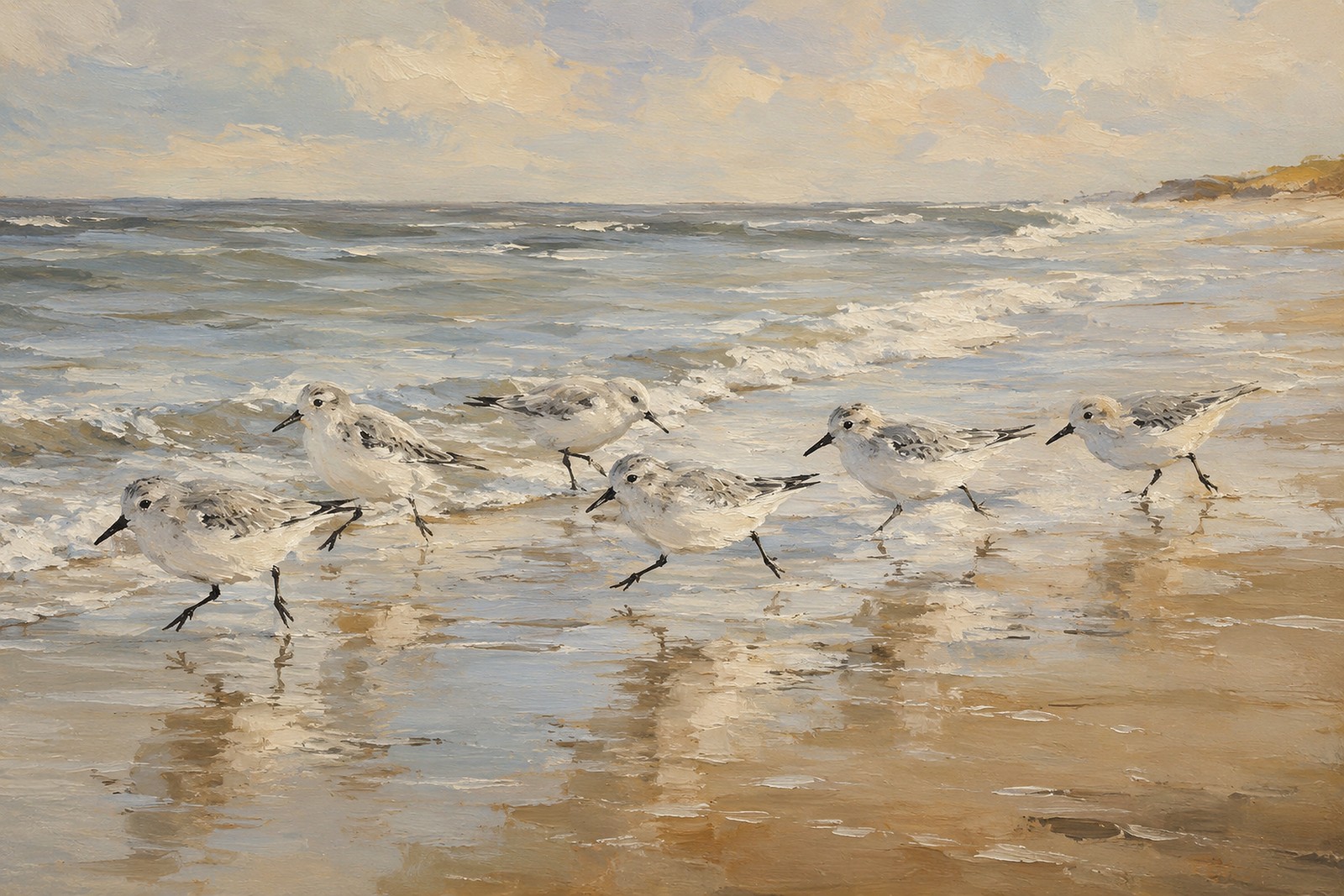
How to give something to a beach house owner that involves no anchor motifs, no rope frames and no signs announcing that life is better in flip flops.
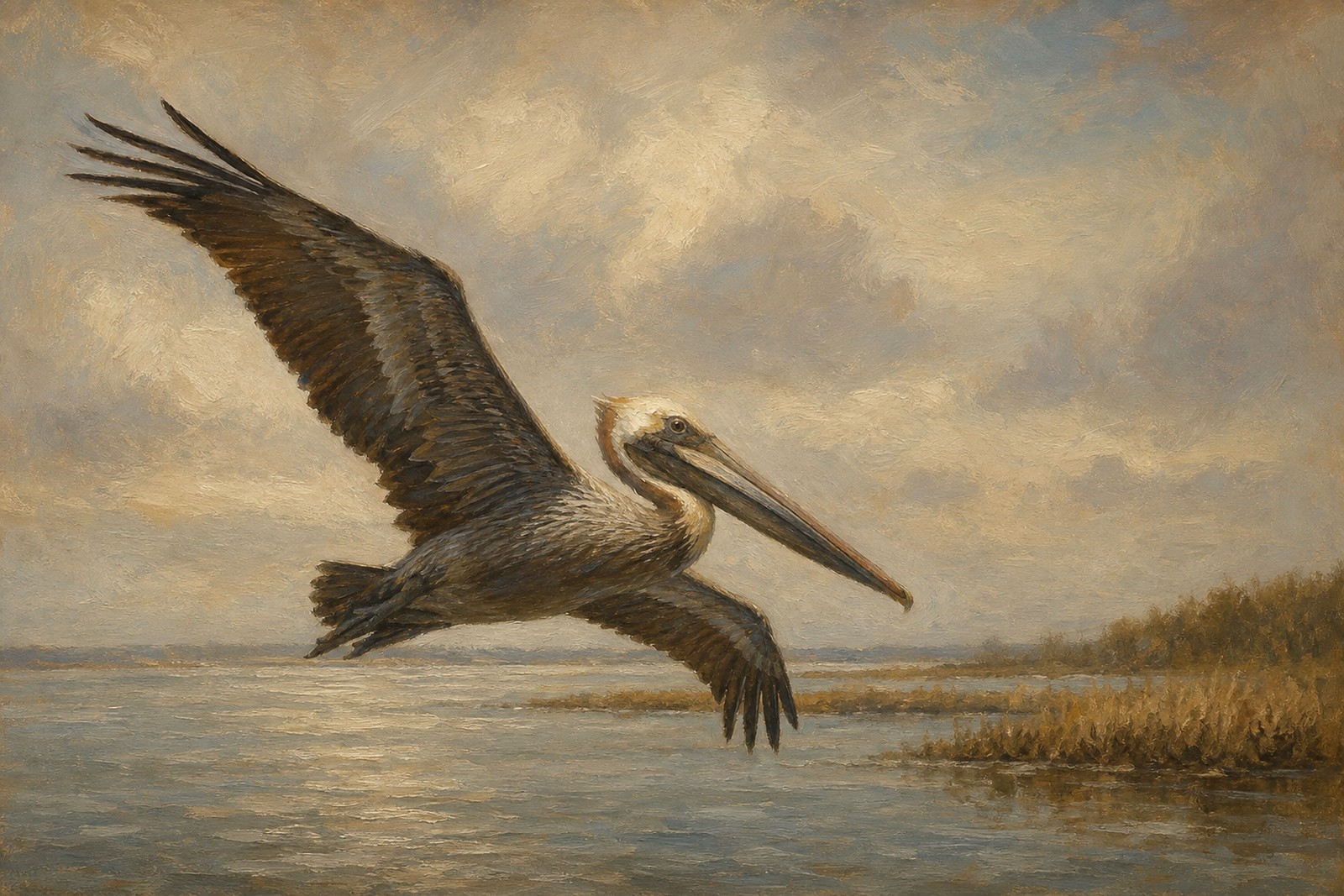
Coastal air is genuinely hard on art, and the honest answer to the canvas question starts with what humidity actually does to paper, fabric and frames.
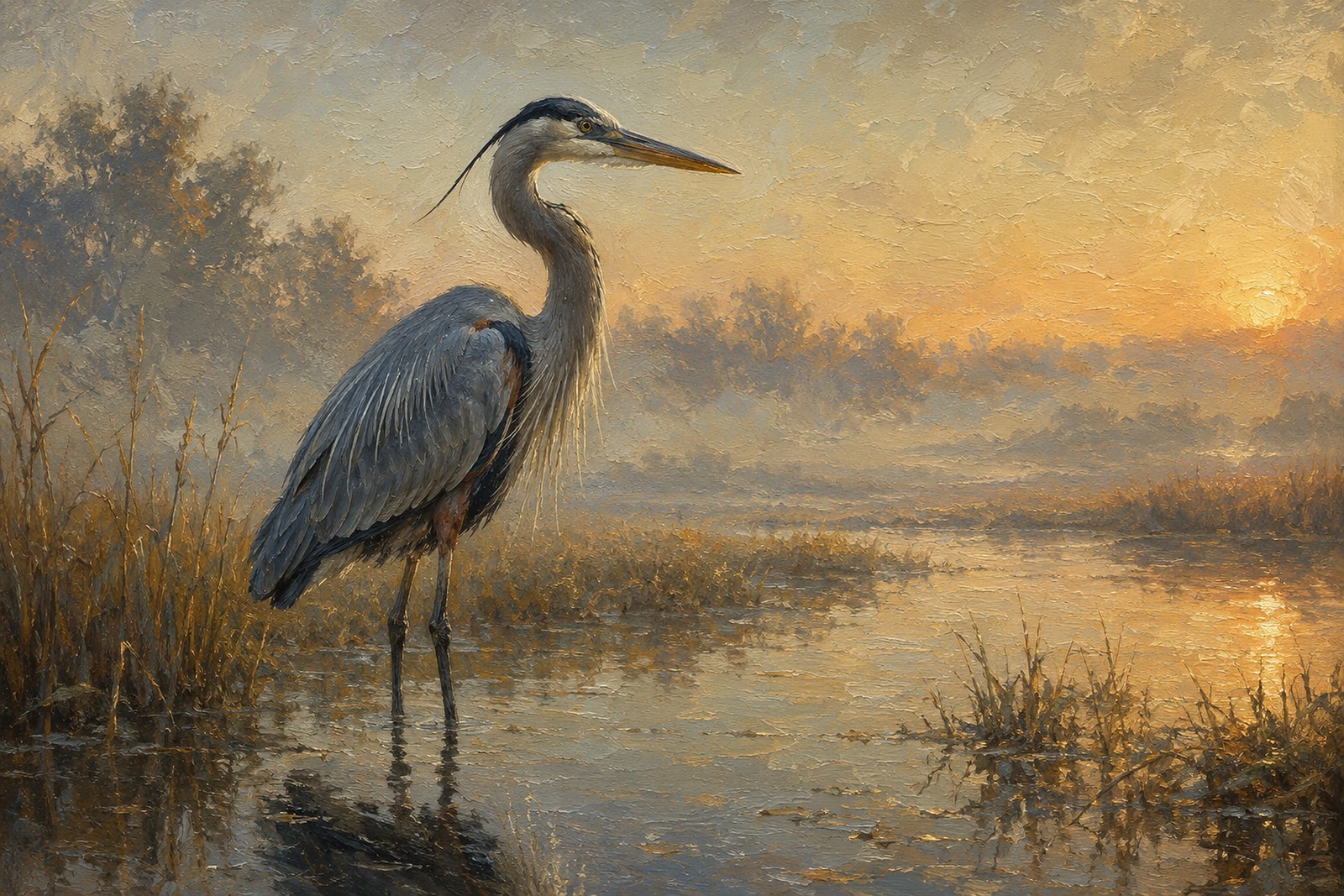
You can live by the water without hanging a single anchor, and quiet wetland art in the style of antique oil painting is how the best coastal homes manage it.
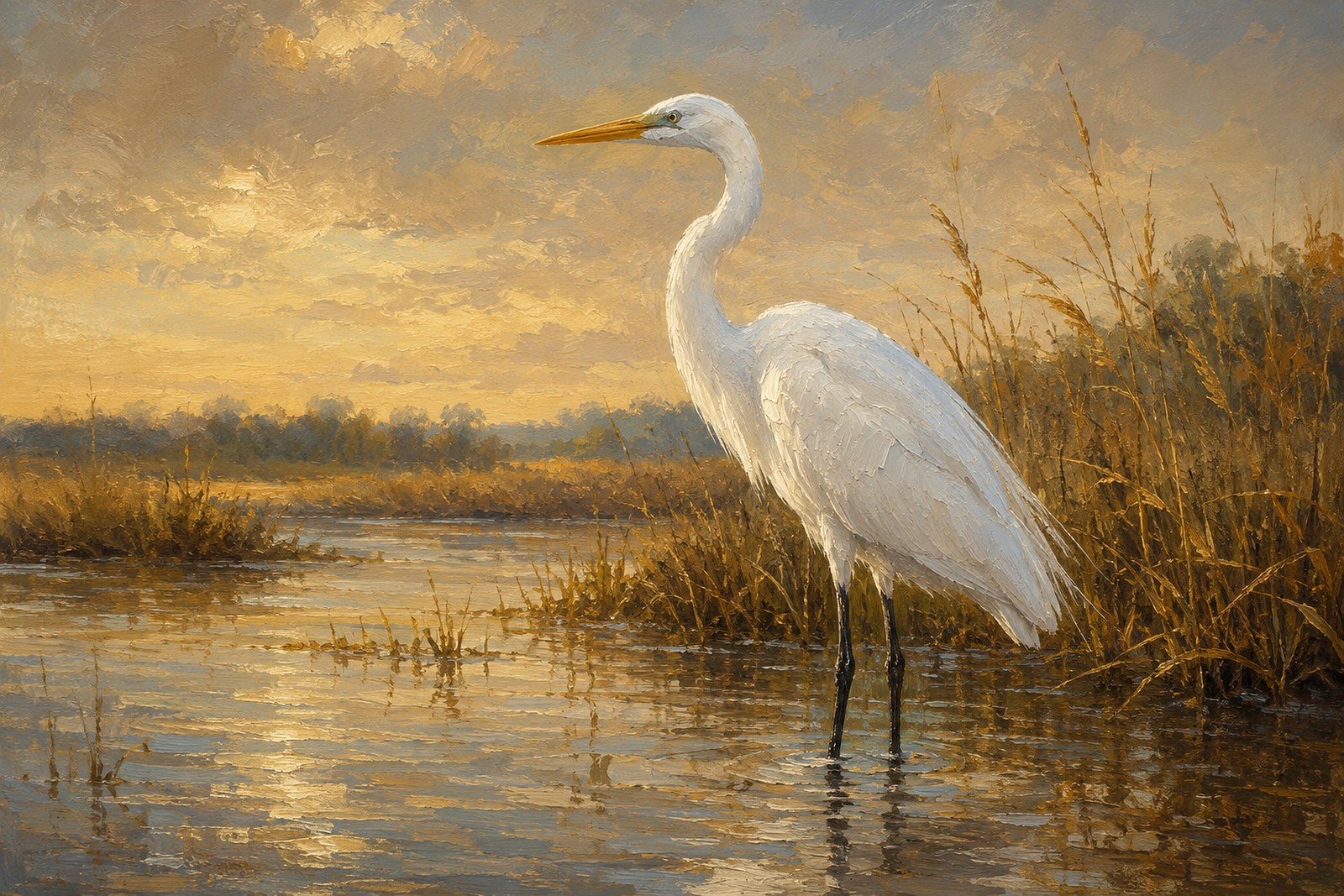
A coastal gallery wall stops being guesswork the moment every print shares the same 3:2 shape, because the whole layout collapses into simple arithmetic.
A white bird on a warm gold ground is the oldest reliable move in wildlife art, and the Great Egret still does it better than any other bird on the coast.
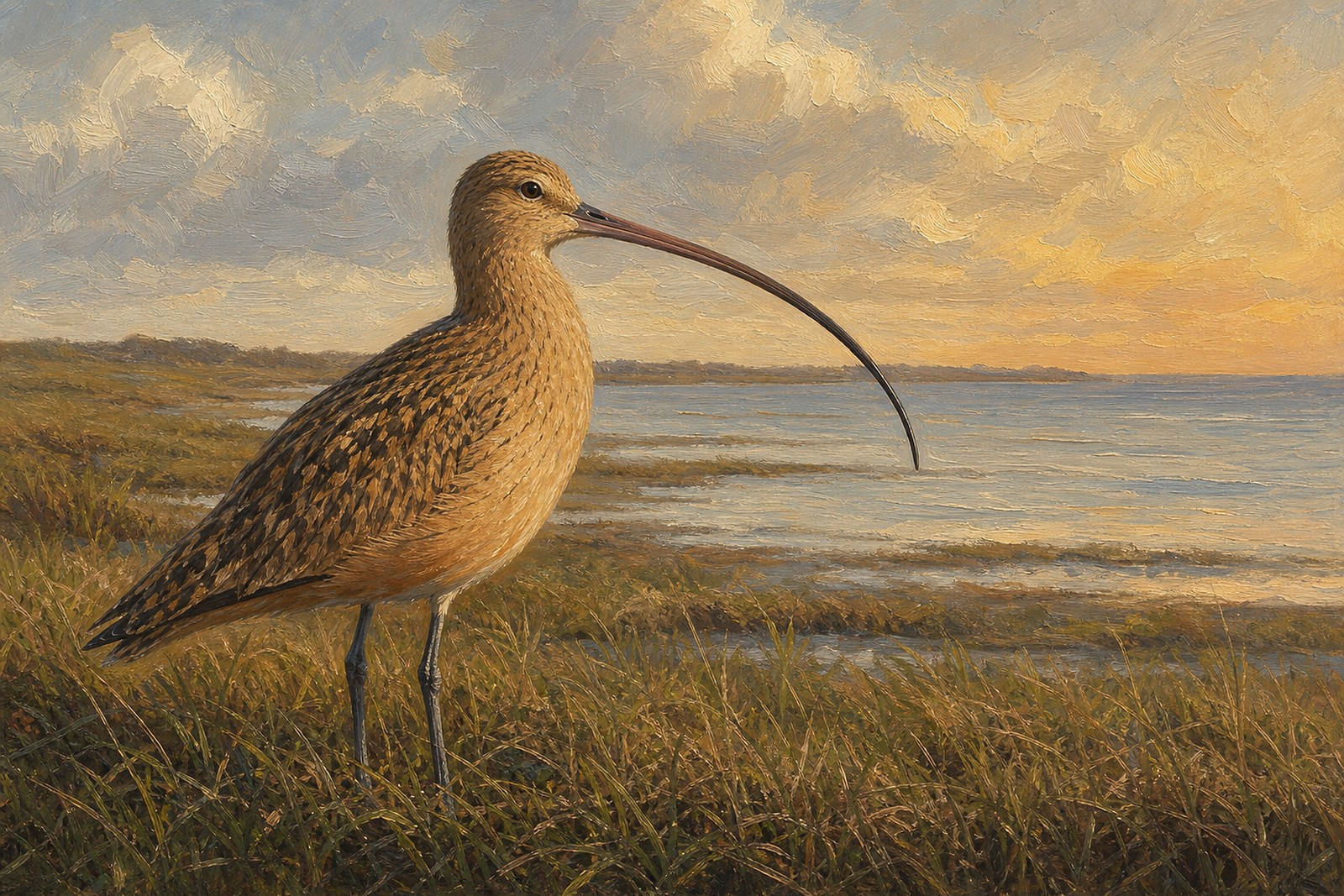
Why the extravagant bills of curlews and godwits draw the strongest lines in shorebird art, and where the open-plain look belongs in a house.
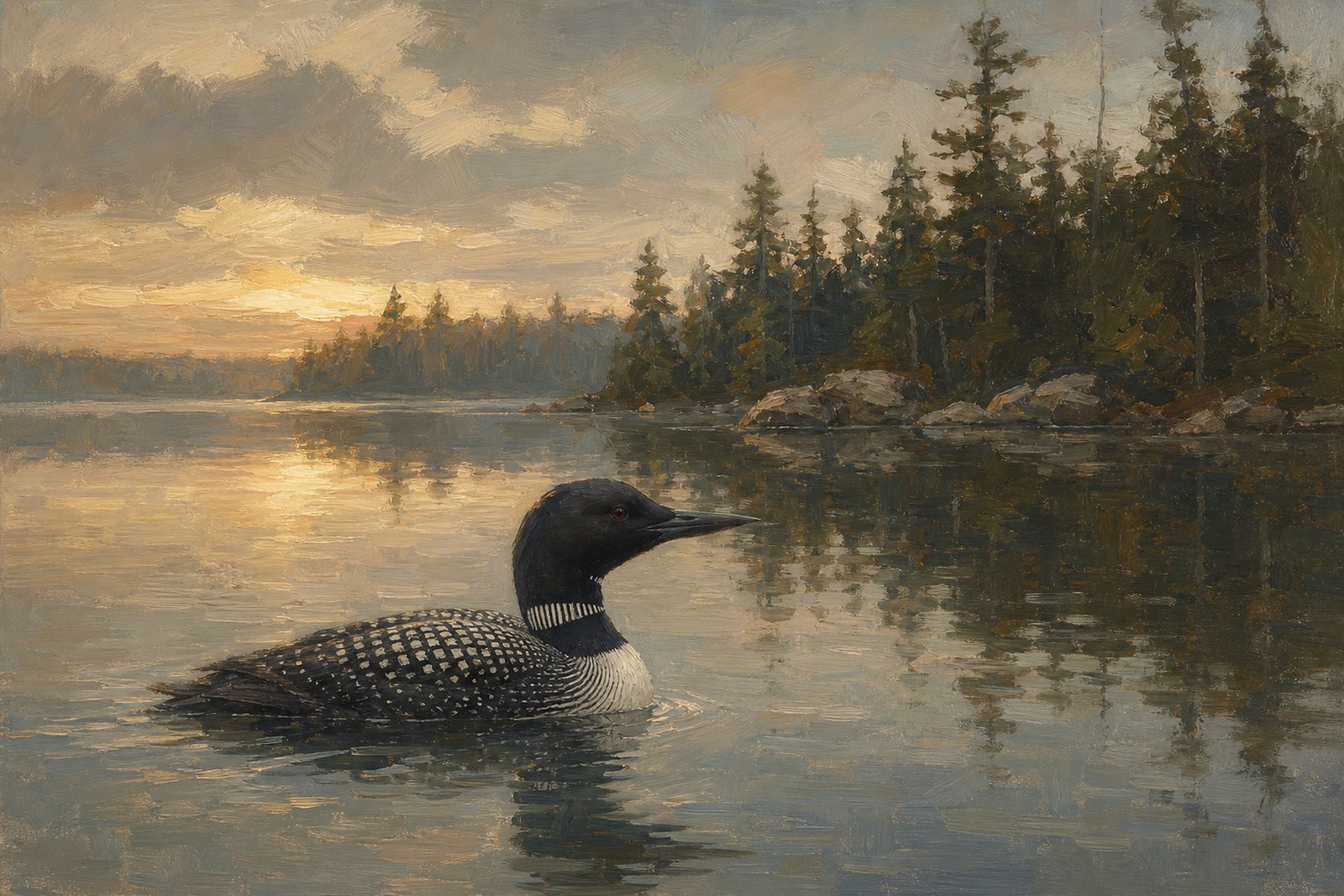
Lake house and beach house get filed under the same waterfront label, but they are two different palettes, two different moods, and two different birds.
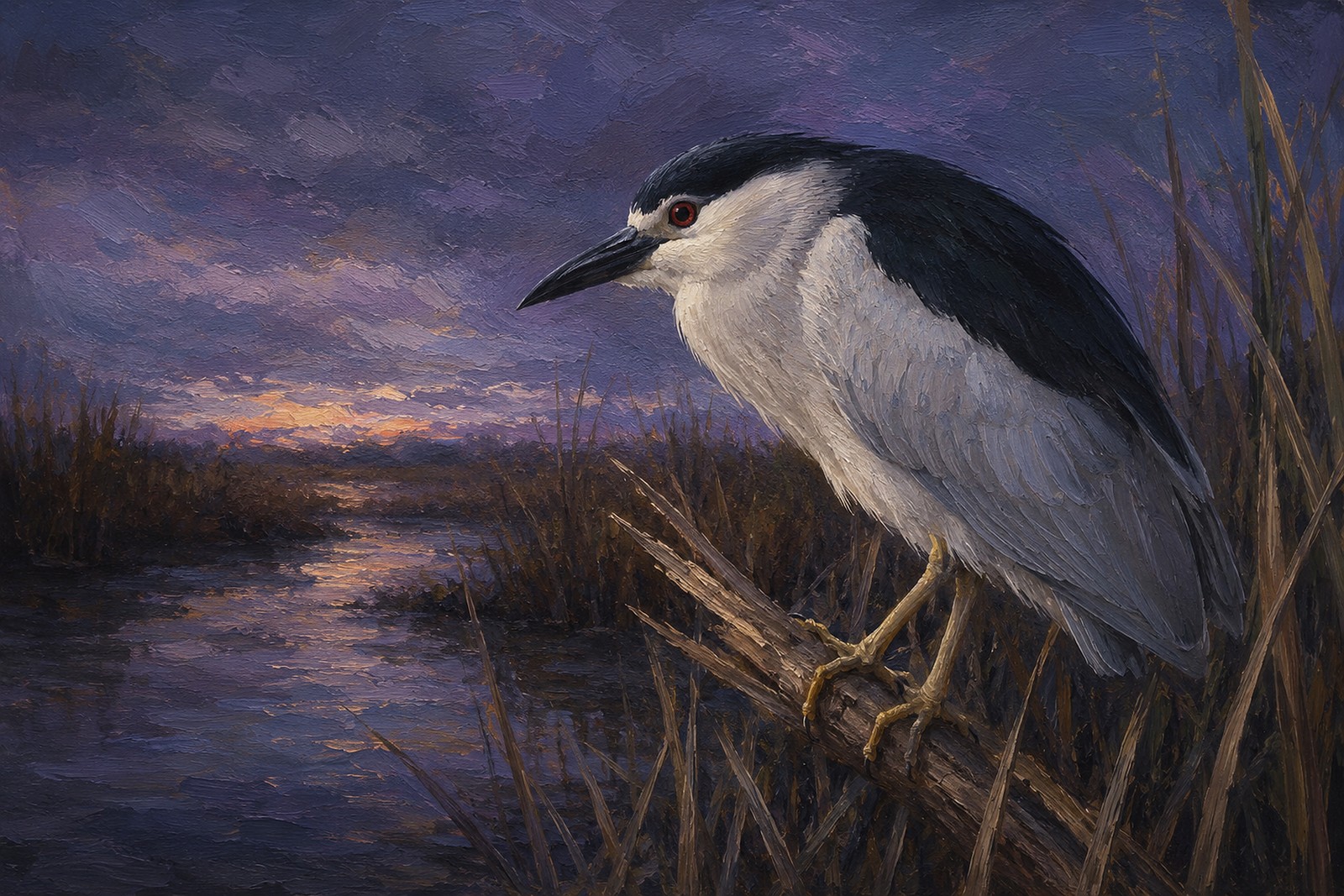
Most coastal art is stuck at high noon, but the black-crowned night heron brings dusk with it and solves the darkest corner in the house.
The brown pelican has more presence in one low glide than a whole wall of cartoon beach decor, and it deserves to be taken seriously in a coastal room.
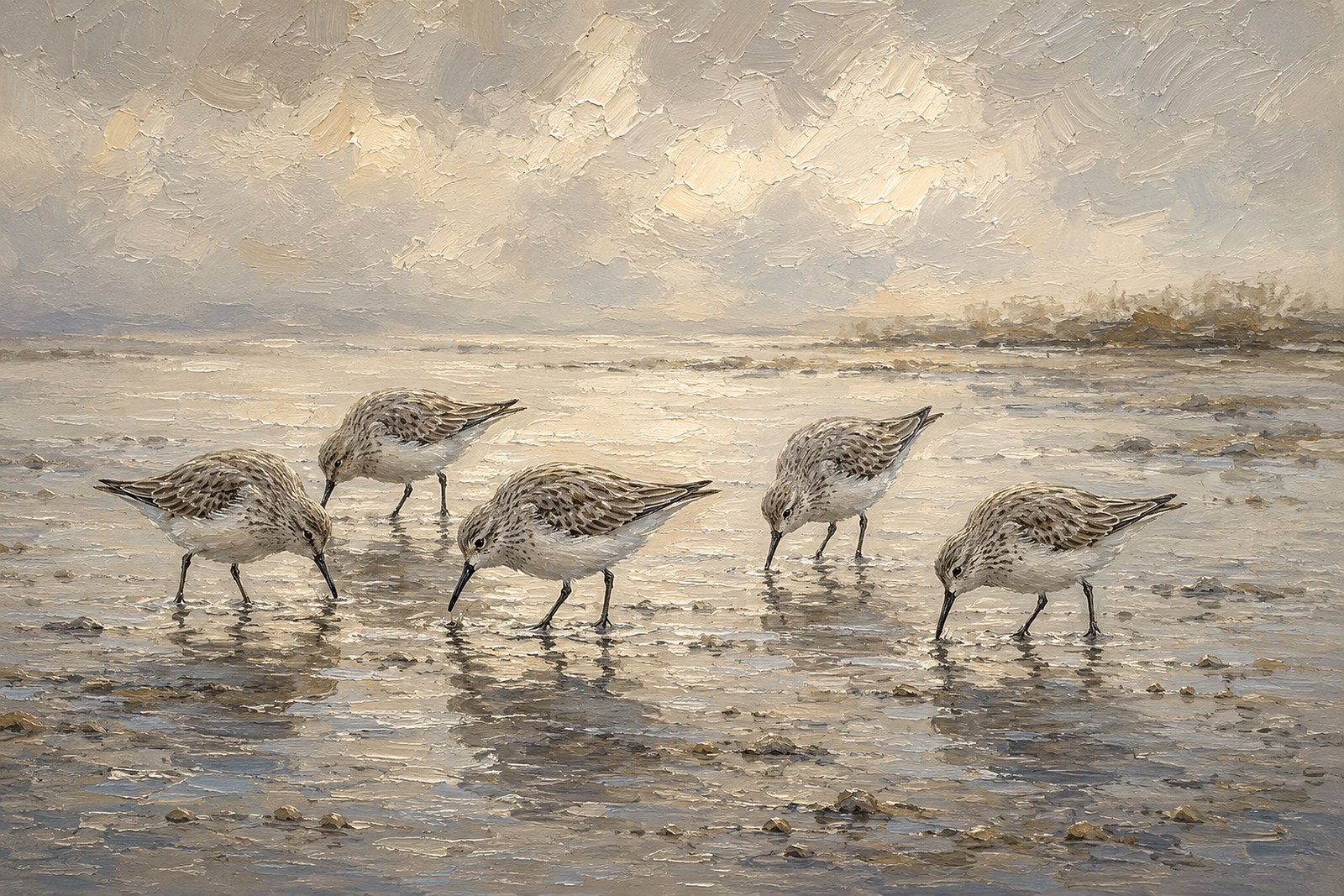
Why flock compositions in silver light are the right art for hallways, landings and bathrooms, the walls you pass twenty times a day.
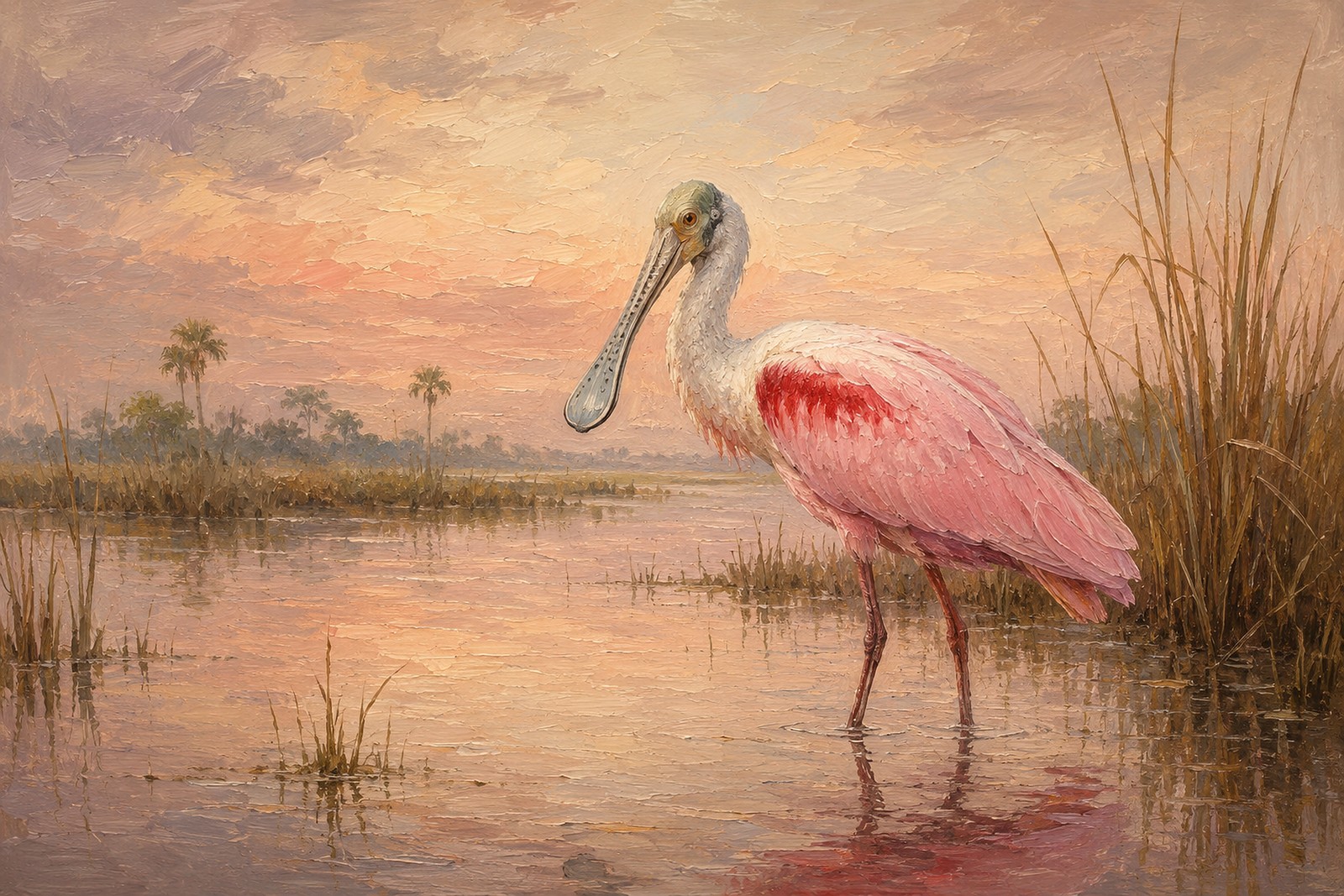
The roseate spoonbill carries the only pink that can walk into a serious room and stay elegant, which is why it has become the statement bird of the coastal South.
A room-by-room guide to decorating a beach house with oil-painting-style shorebird prints, from sanderling flocks to piping plovers, brown pelicans, and egrets.
A deep decor guide to the Great Blue Heron print, from why the heron works as a solo statement piece to pairing it with the great egret over a console or mantel.
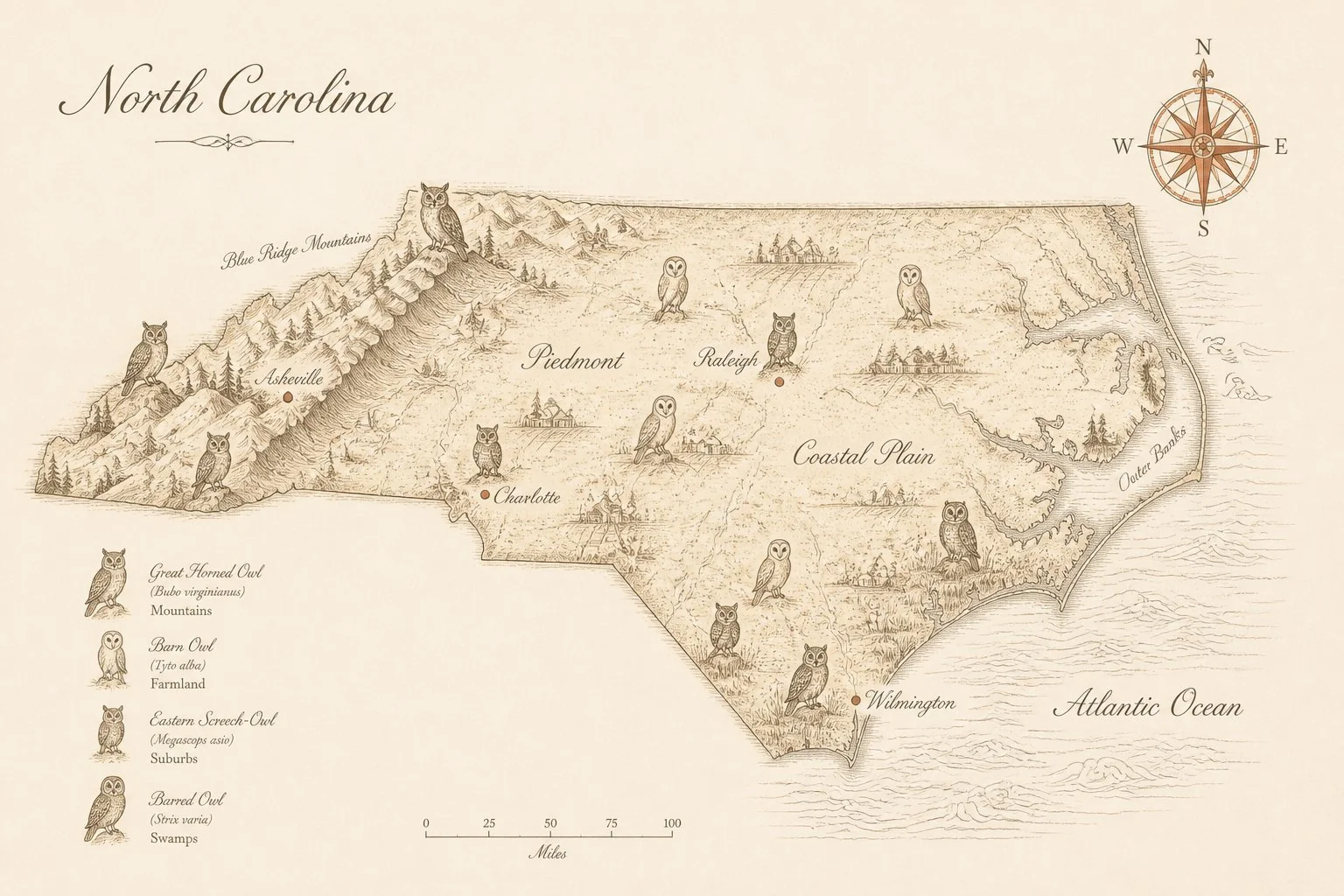
North Carolina hosts six regularly-occurring owl species across the Blue Ridge, Piedmont and coastal plain. Great Horned, Barred, Eastern Screech, and Barn are the four you'll genuinely encounter; Short-eared and Northern Saw-whet appear seasonally. Here's where to find each, and how to identify them by call.
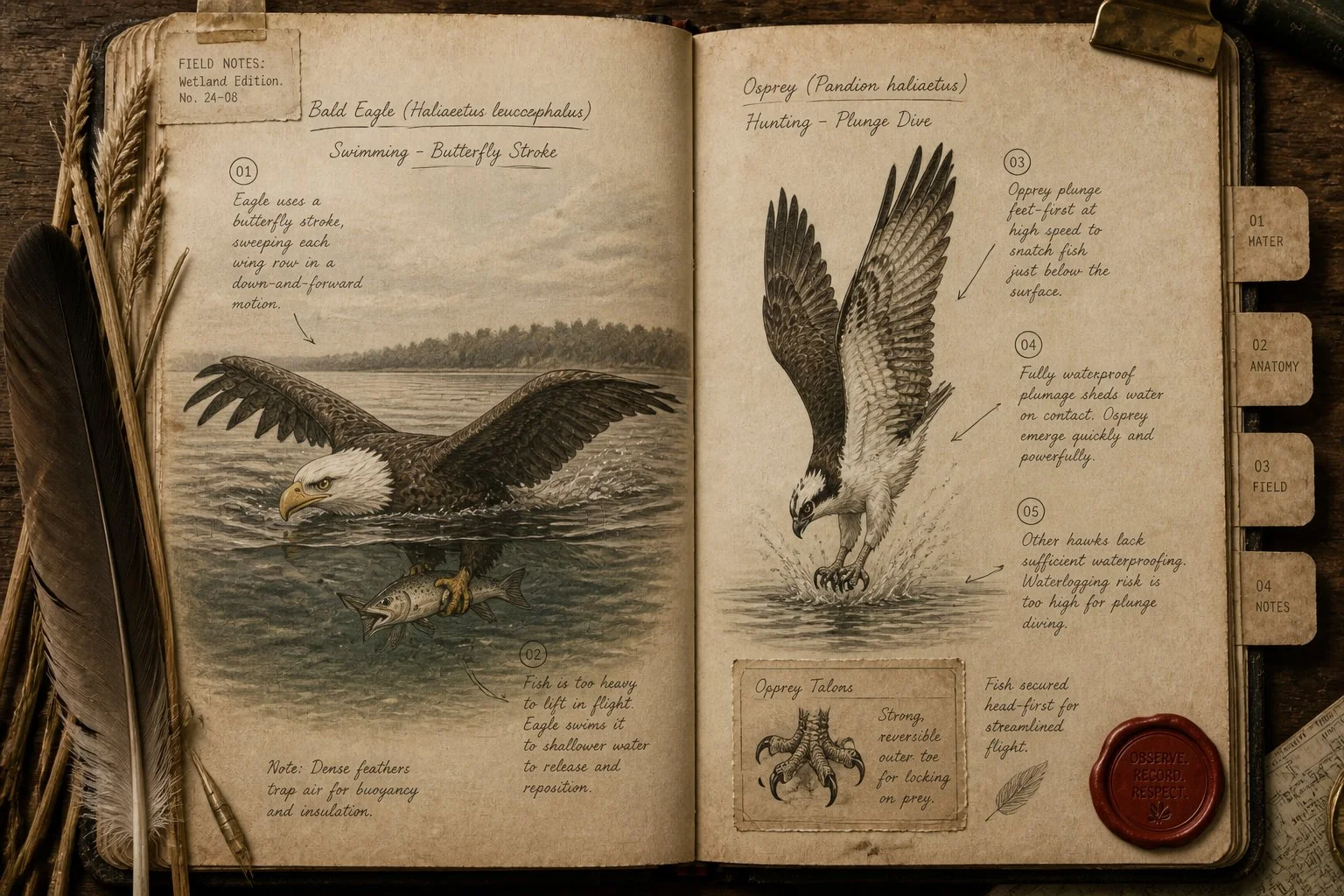
Hawks can swim and have been documented doing so in the wild and on viral video. They aren't built for it - no webbed feet, less waterproof plumage than waterfowl - but they can wing-row to shore when waterlogged with a catch. Ospreys and Bald Eagles do this regularly; Red-tails and Cooper's only when desperate.
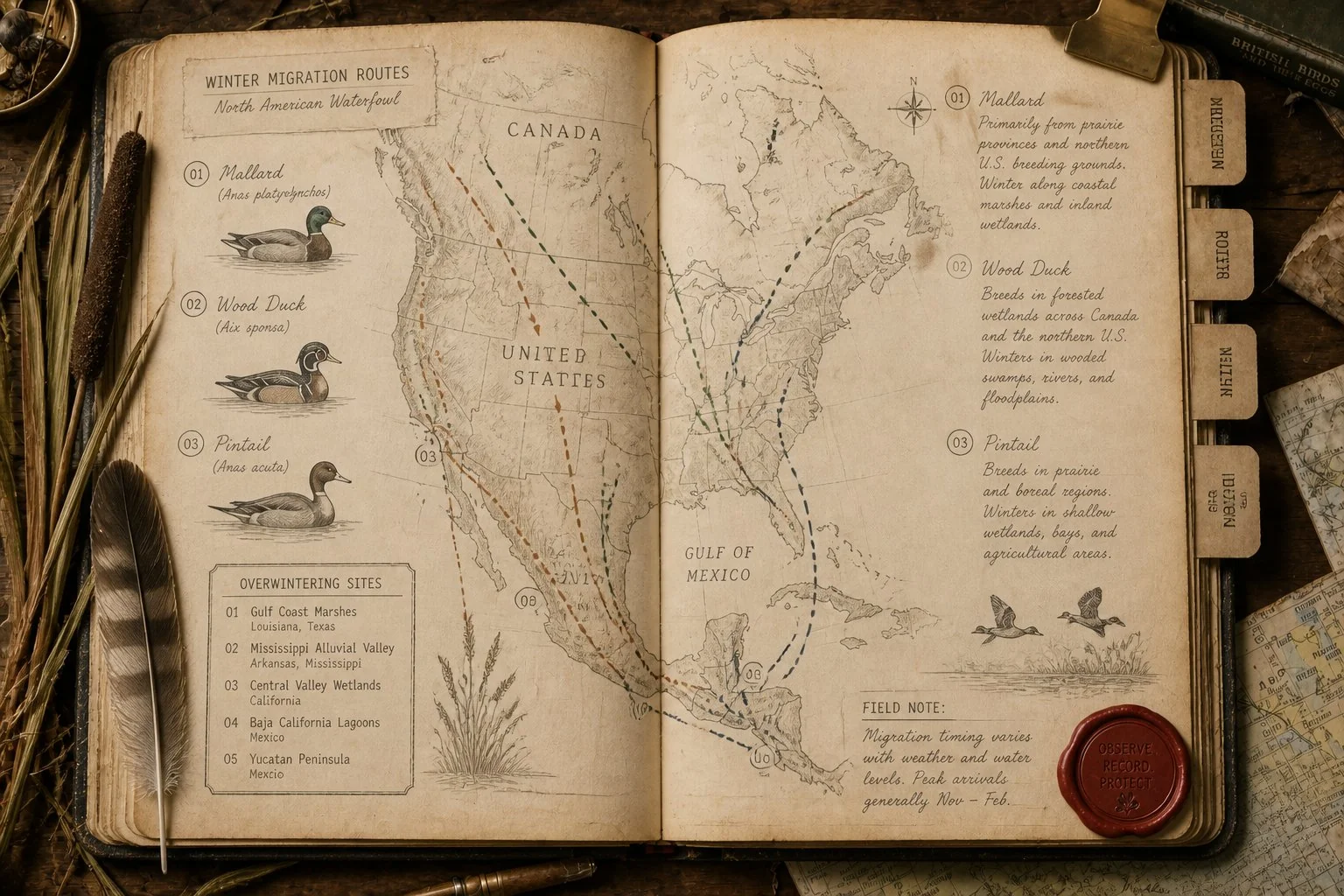
North American ducks migrate along four major flyways - Pacific, Central, Mississippi, and Atlantic. Most northern breeders winter in the southern US (Gulf coast, California Central Valley, Chesapeake) or Mexico. Here's the per-species pattern and the science behind it.
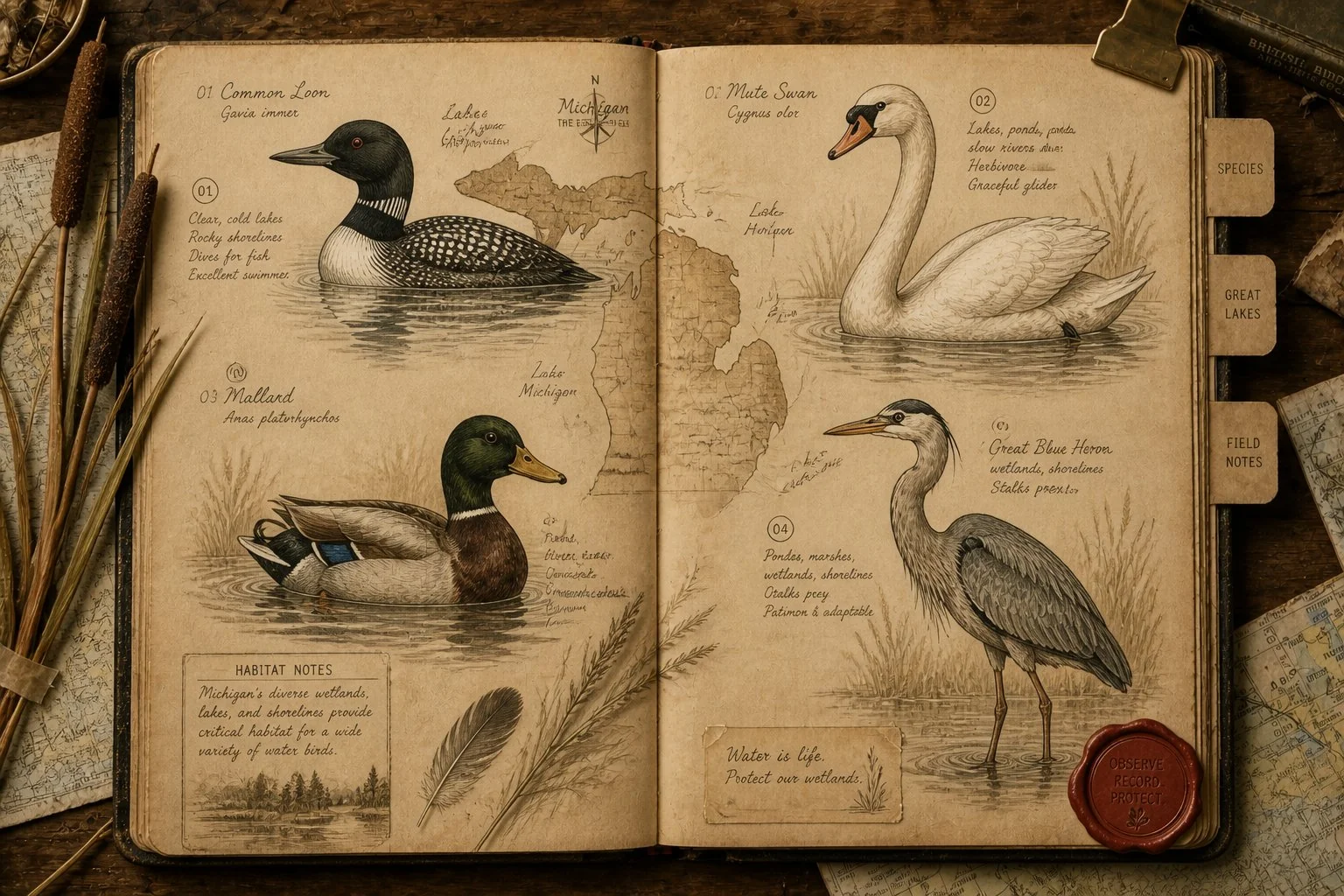
Michigan's 3,000+ miles of Great Lakes shoreline plus inland lakes and marshes host roughly 40 water bird species. Twelve cover most field sightings: Common Loon, Mute Swan, Mallard, Wood Duck, Great Blue Heron, plus seven others. Here's where and when.
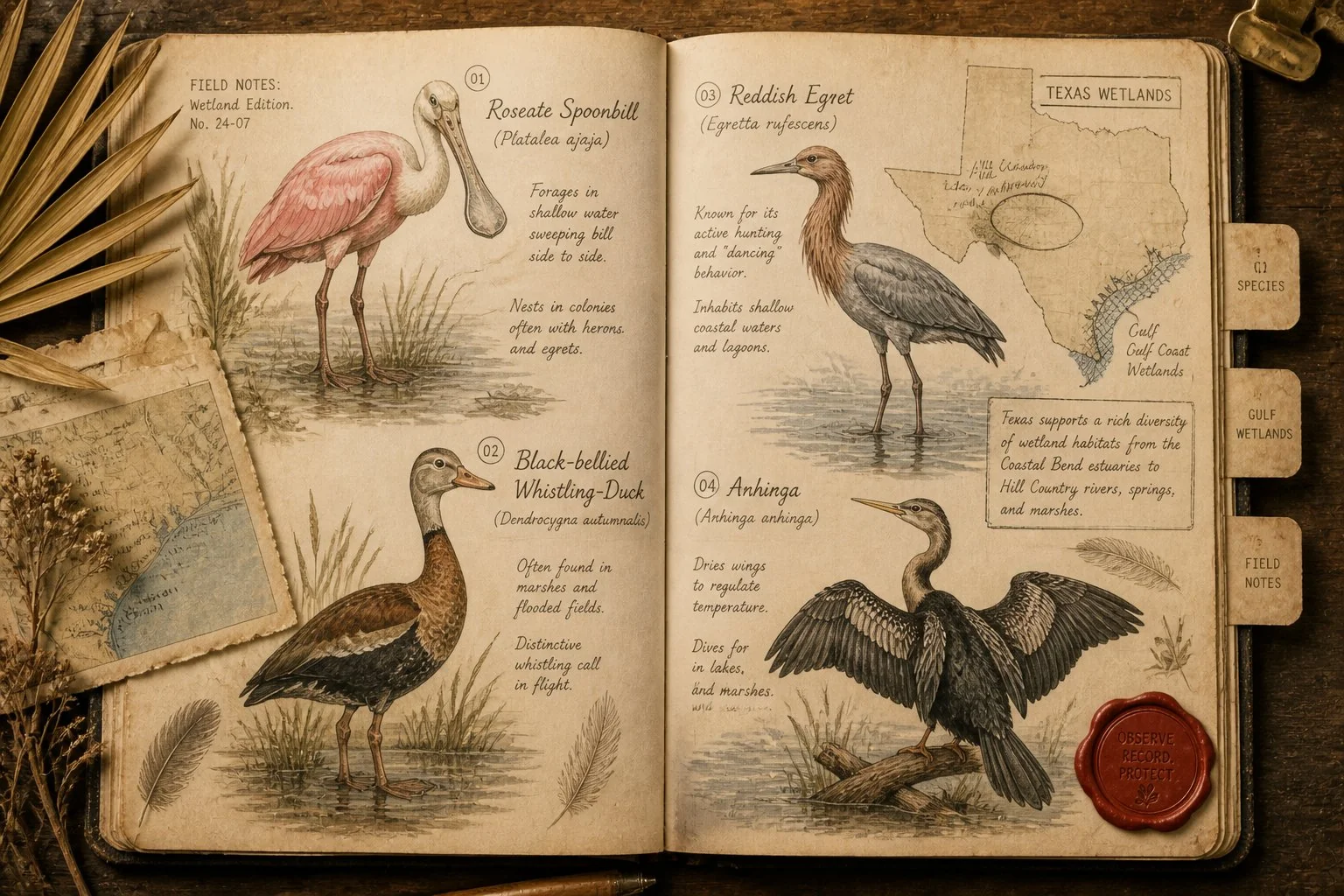
Texas hosts more water bird species than any other US state - over 80 regularly occur. Sixteen cover most field sightings: Roseate Spoonbill, Black-bellied Whistling Duck, Reddish Egret, Great Blue Heron, Anhinga, Mottled Duck, and ten others. Coast, Hill Country wetlands, and Panhandle playas each have their own.
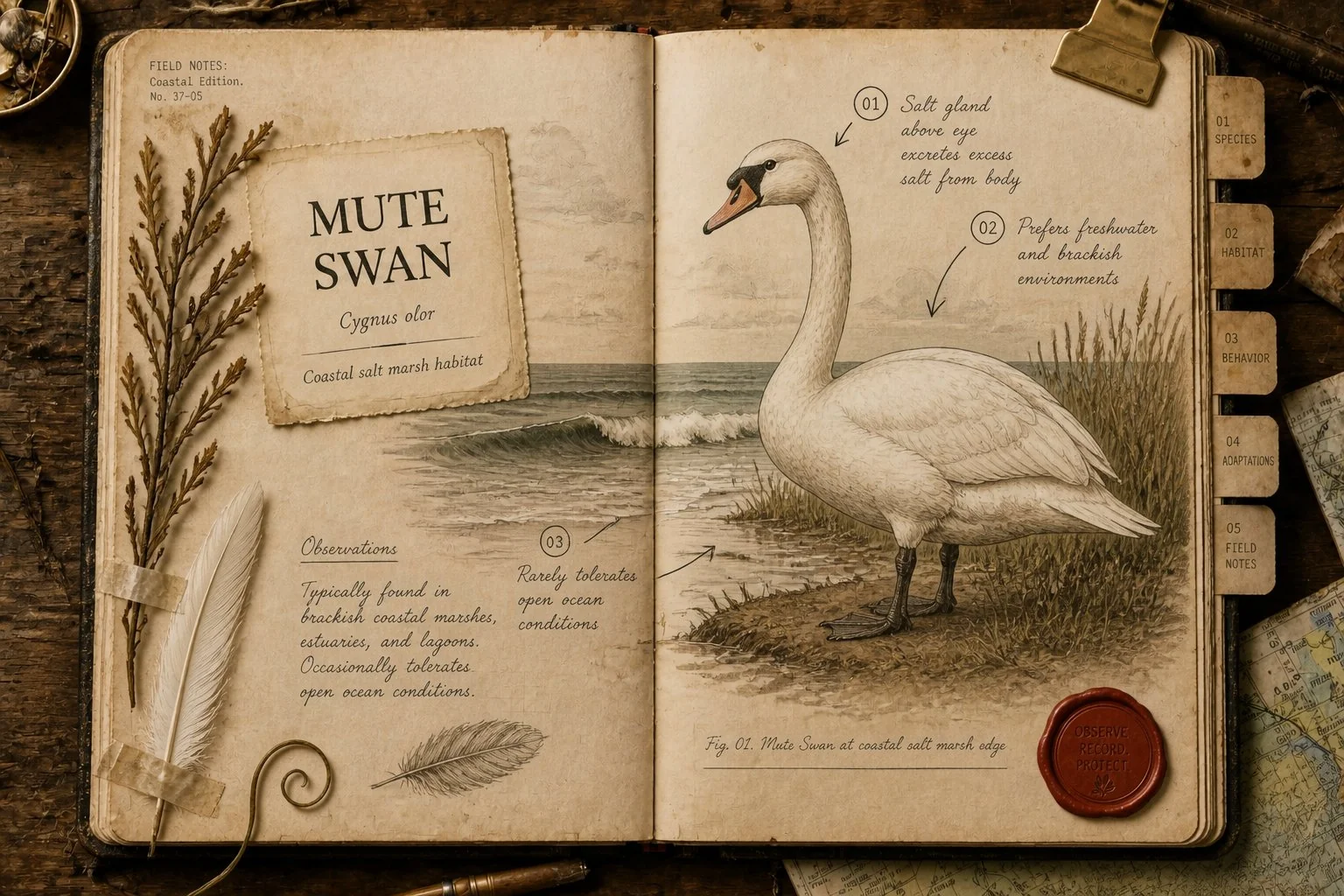
Swans can swim in salt water and have salt glands to handle it - but they prefer fresh and stay close to shore. A naturalist's read on coastal swan ecology.
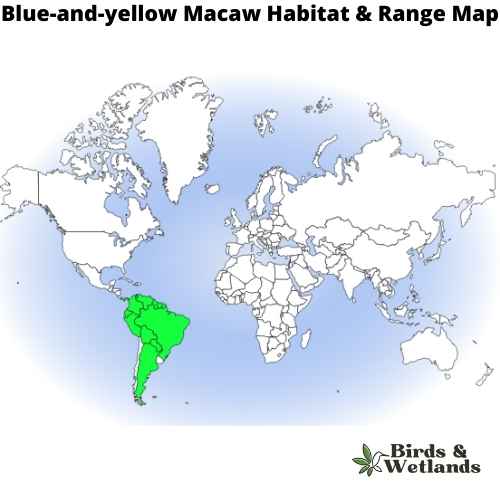
Welcome to our comprehensive guide on Blue Birds in Washington! The Evergreen State is not only home to majestic mountains, lush forests, and stunning coastlines, but it also hosts a remarkable...
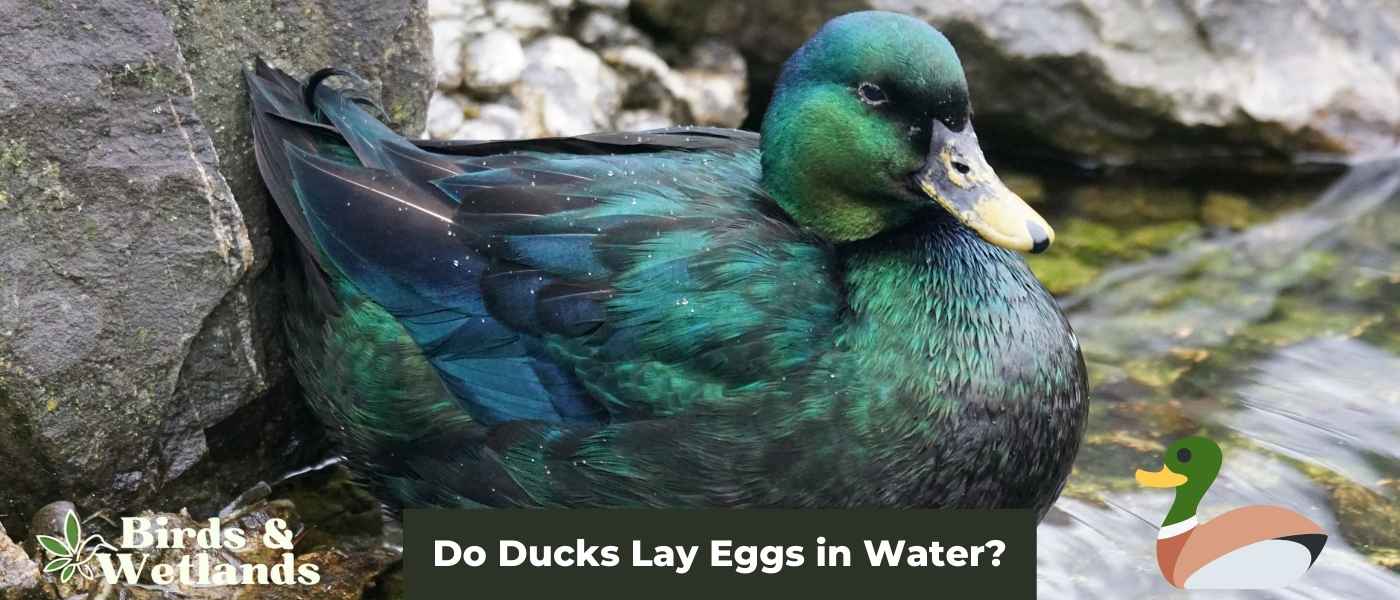
North Carolina, with its extensive coastline, numerous freshwater bodies, and diverse climates, provides an ideal sanctuary for a variety of water birds . These avian species, showcasing an...
New Jersey, a state renowned for its coastal and freshwater habitats, hosts a vibrant array of water birds , adding a dynamic pulse to the state's already rich biodiversity. These birds inhabit a...
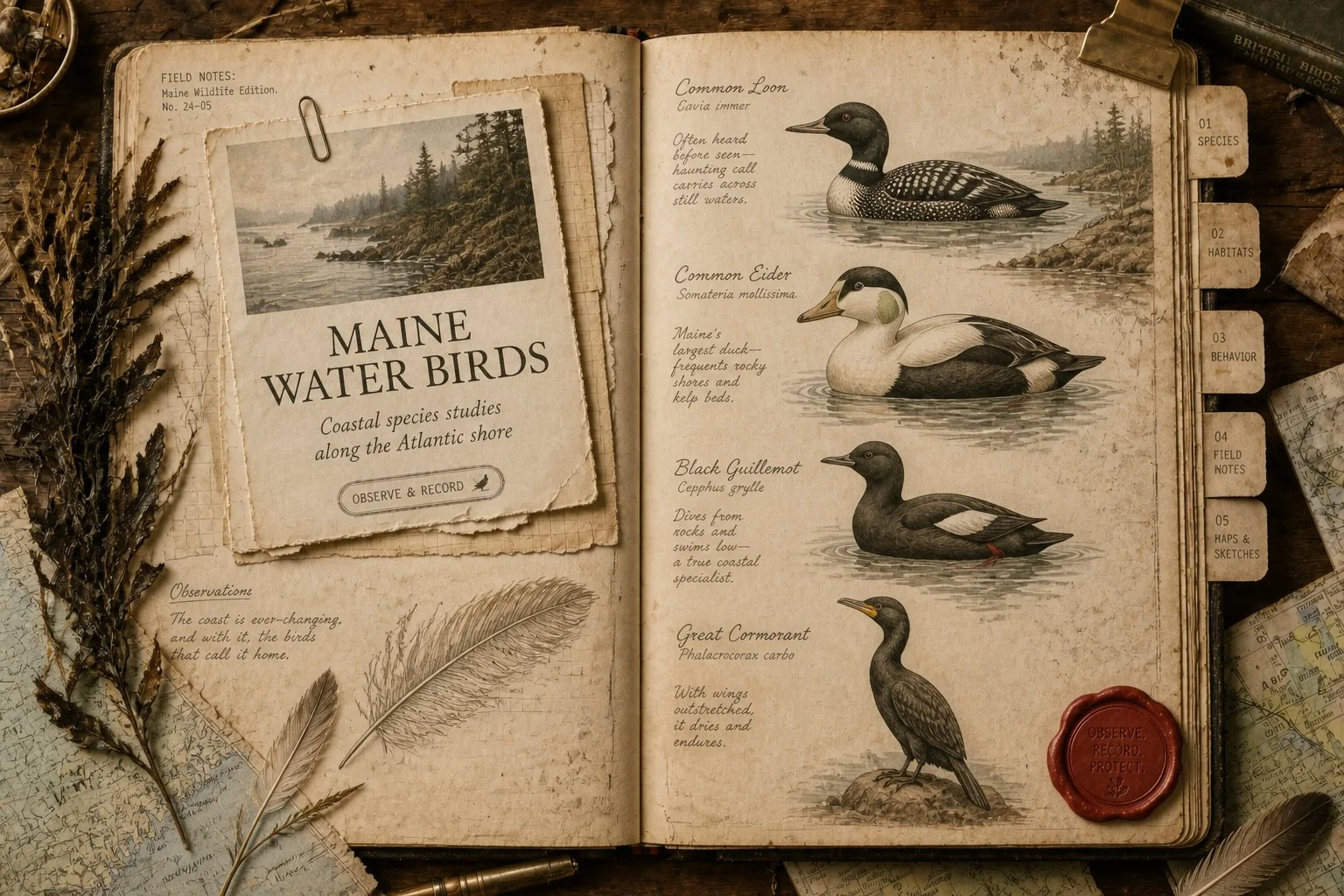
Maine's rocky coast and inland lakes hold 24 regular water birds, from Common Eider to Common Loon. A naturalist's read on what's where through the year.
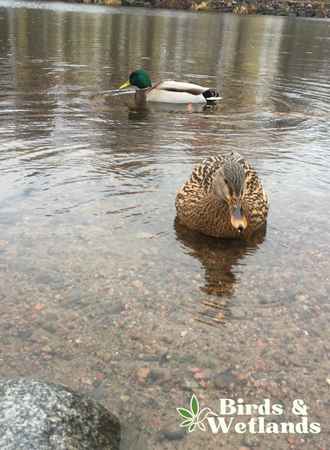
In the northeastern United States, Massachusetts serves as a vibrant sanctuary for a broad variety of water birds . With its Atlantic coastline, numerous freshwater lakes, and extensive marshlands,...
California, with its diverse landscapes and numerous water bodies, is a haven for water bird enthusiasts. From the coastal regions bathed by the Pacific Ocean to the countless lakes and wetlands...
The United States, with its sprawling lakes, mighty rivers, extensive coastlines, and numerous wetlands, serves as an impressive natural habitat for a diverse range of water birds. From the icy...
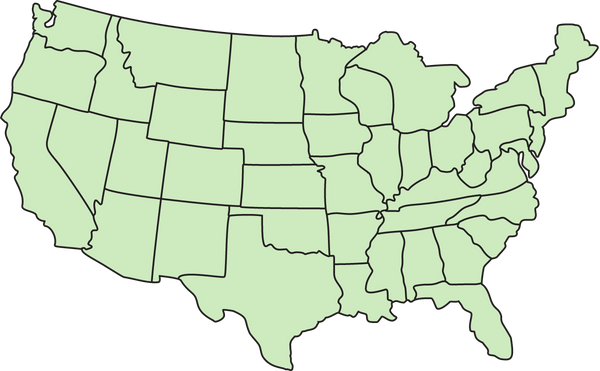
Welcome to a journey of discovery, as we delve into the diverse world of North America's hawks. Spread across the sprawling continent, from icy Alaskan terrains to the sun-kissed Southern coasts,...