№ 2712 Jul 2026
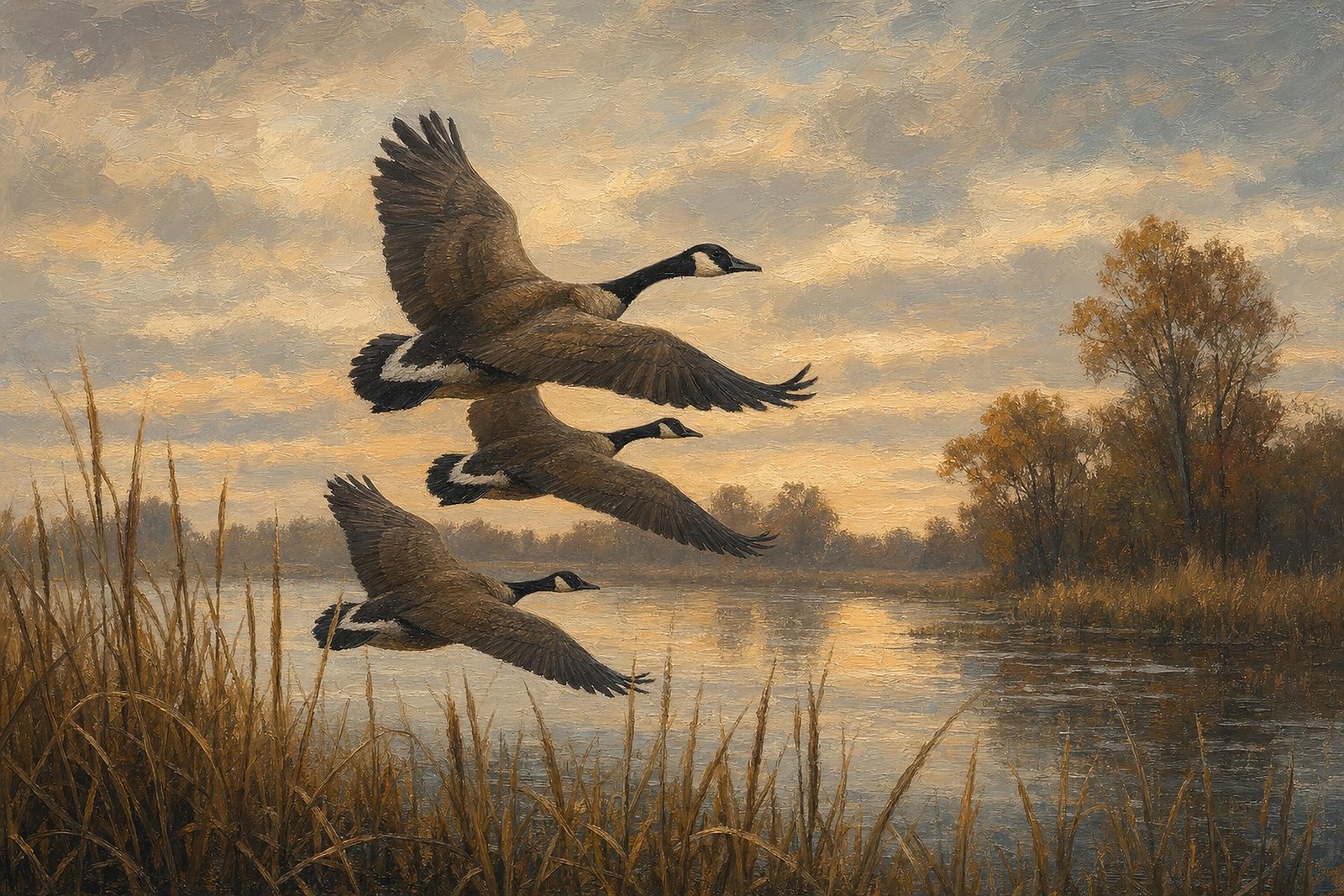
Autumn Decor That Outlasts the Season
A case for building the room around autumn's palette instead of its props, with rust and umber migration art that looks as right in May as it does in October.
Atlantic, Pacific, East Asian
Twice a year the wetlands fill and empty as birds move along the great flyways. These dispatches follow the journeys: who leaves, who arrives, how far they fly in a day, and where they stop to rest along the way.
27 dispatches filed under this habitat
A case for building the room around autumn's palette instead of its props, with rust and umber migration art that looks as right in May as it does in October.
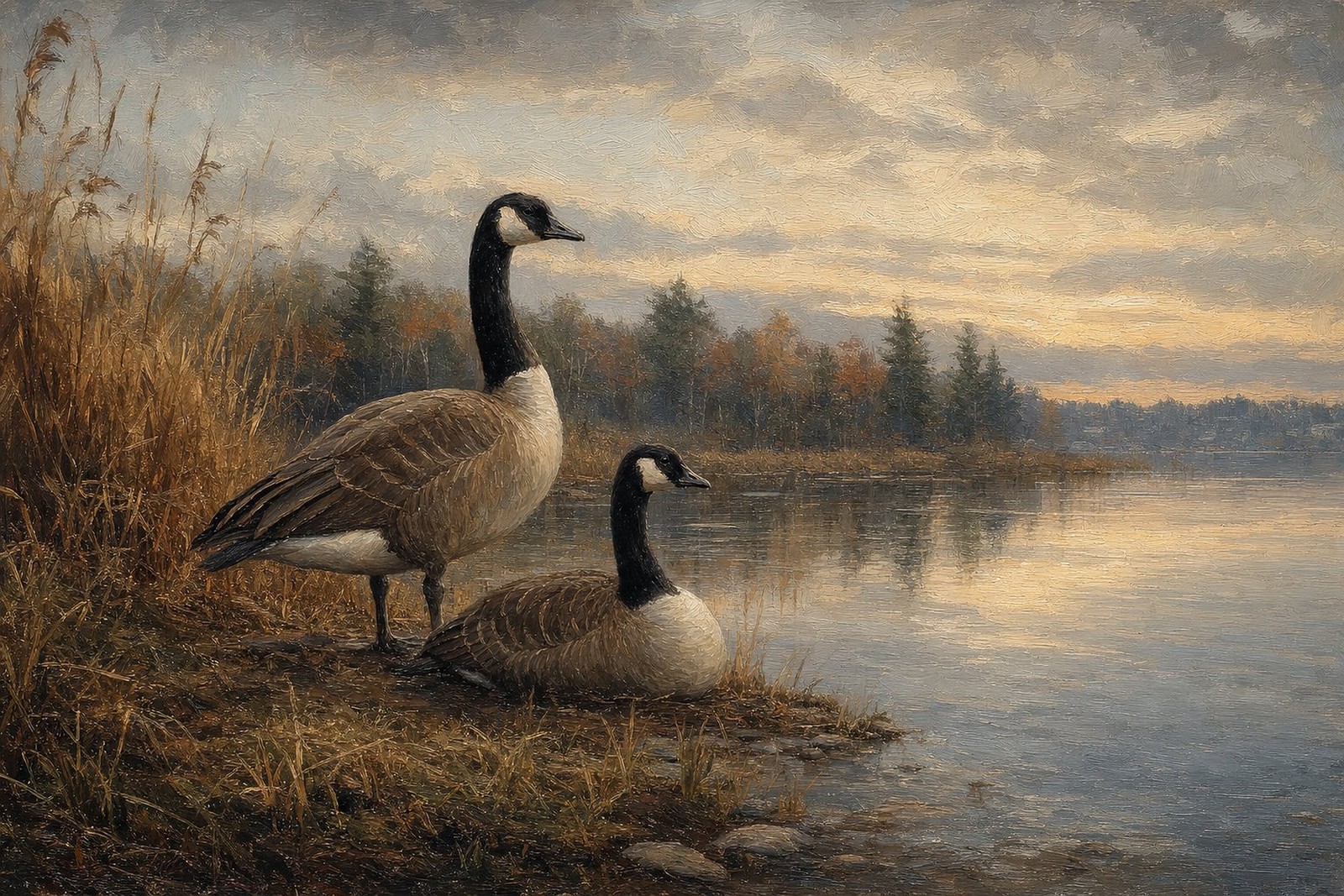
Why the black-necked silhouette every American knows by heart makes the most dependable goose print you can hang, and how to choose between a calm pair and a flight scene.
The V is a machine for sharing work, each bird riding the upwash of the wing ahead, and that physics is why a flight print gives a room a motion that still art cannot.
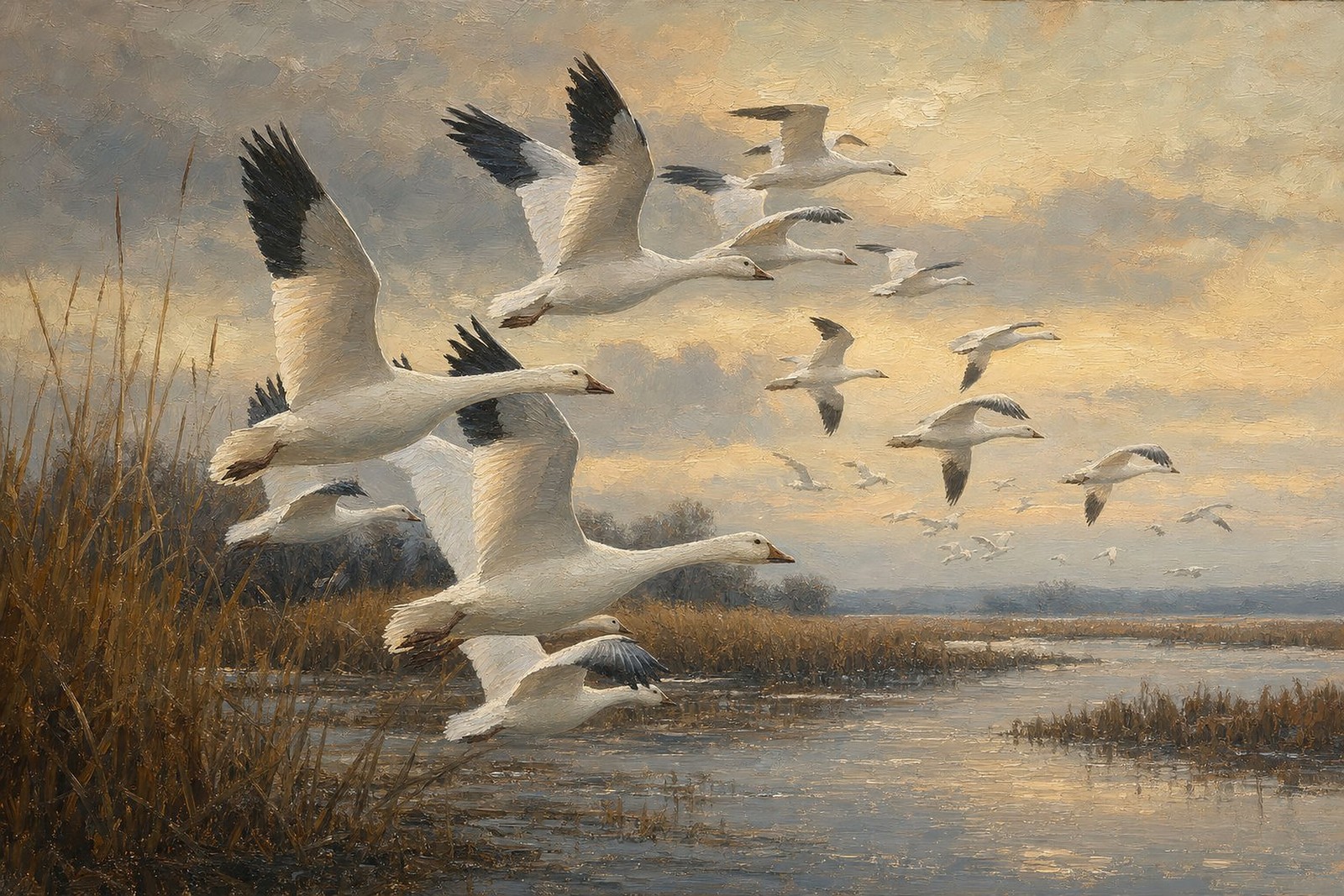
How a rising flock of white geese brings true winter light into a room, and why the slate-bodied blue morph is the pick for people who know their geese.
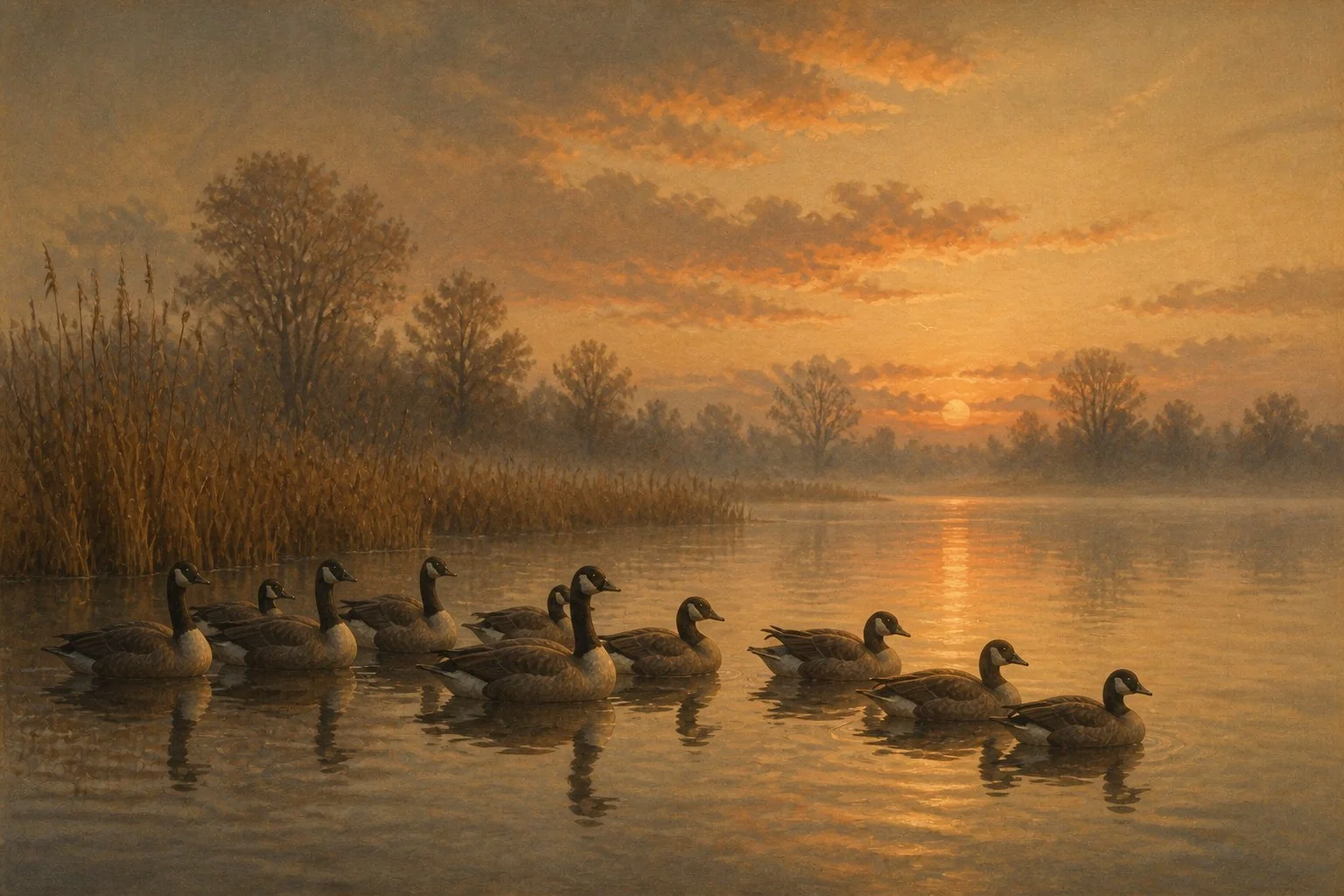
Geese have better low-light vision than humans but aren't truly nocturnal. They're crepuscular - active at dawn and dusk - and migrate at night using a combination of magnetic, celestial and visual cues. In genuine darkness they roost on water and rely on hearing for threat detection.
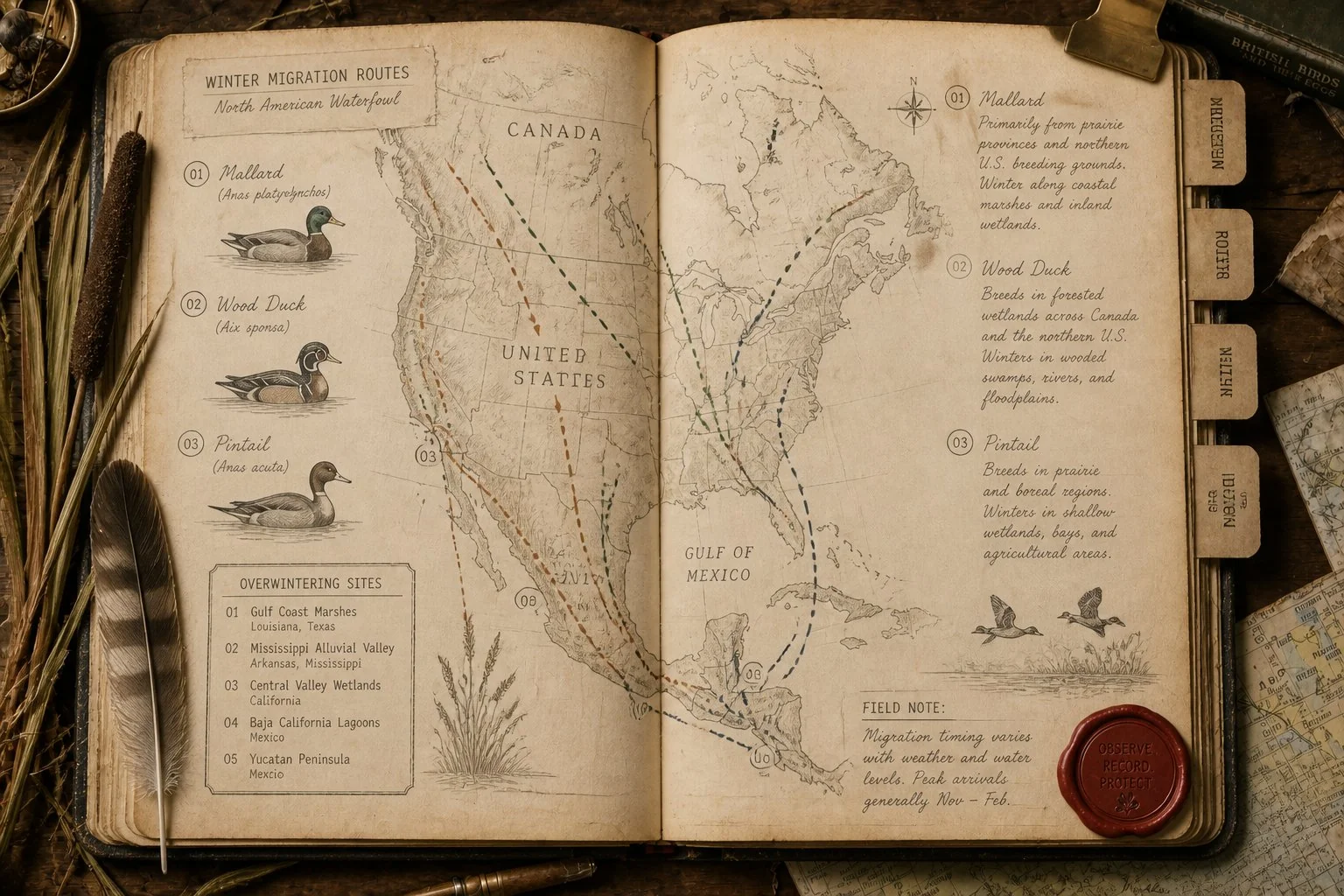
North American ducks migrate along four major flyways - Pacific, Central, Mississippi, and Atlantic. Most northern breeders winter in the southern US (Gulf coast, California Central Valley, Chesapeake) or Mexico. Here's the per-species pattern and the science behind it.
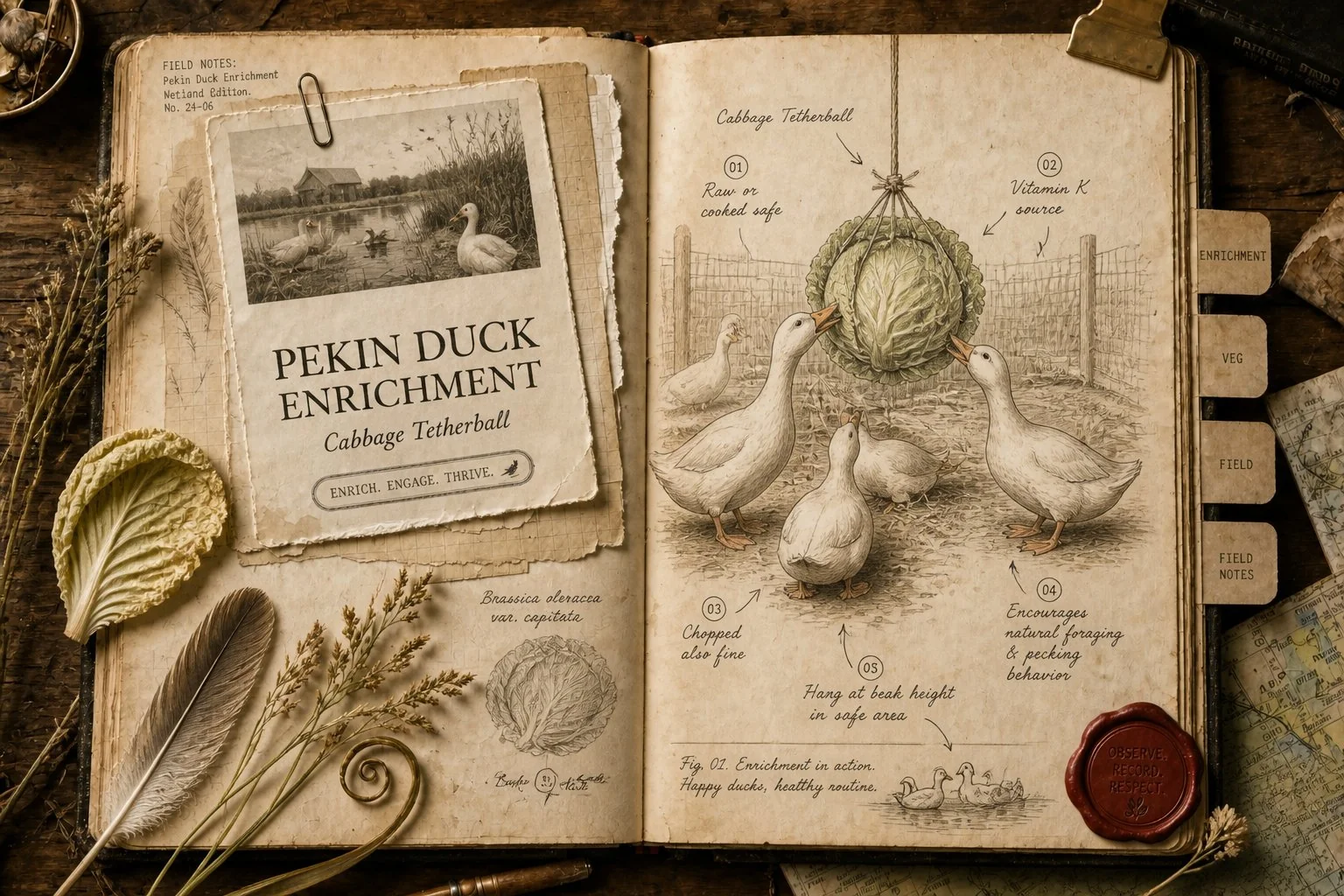
Cabbage is safe and excellent for ducks - raw or cooked, chopped or whole (hung on a string as a tetherball game). Green, red, savoy, all fine. The single best winter enrichment for a confined flock.
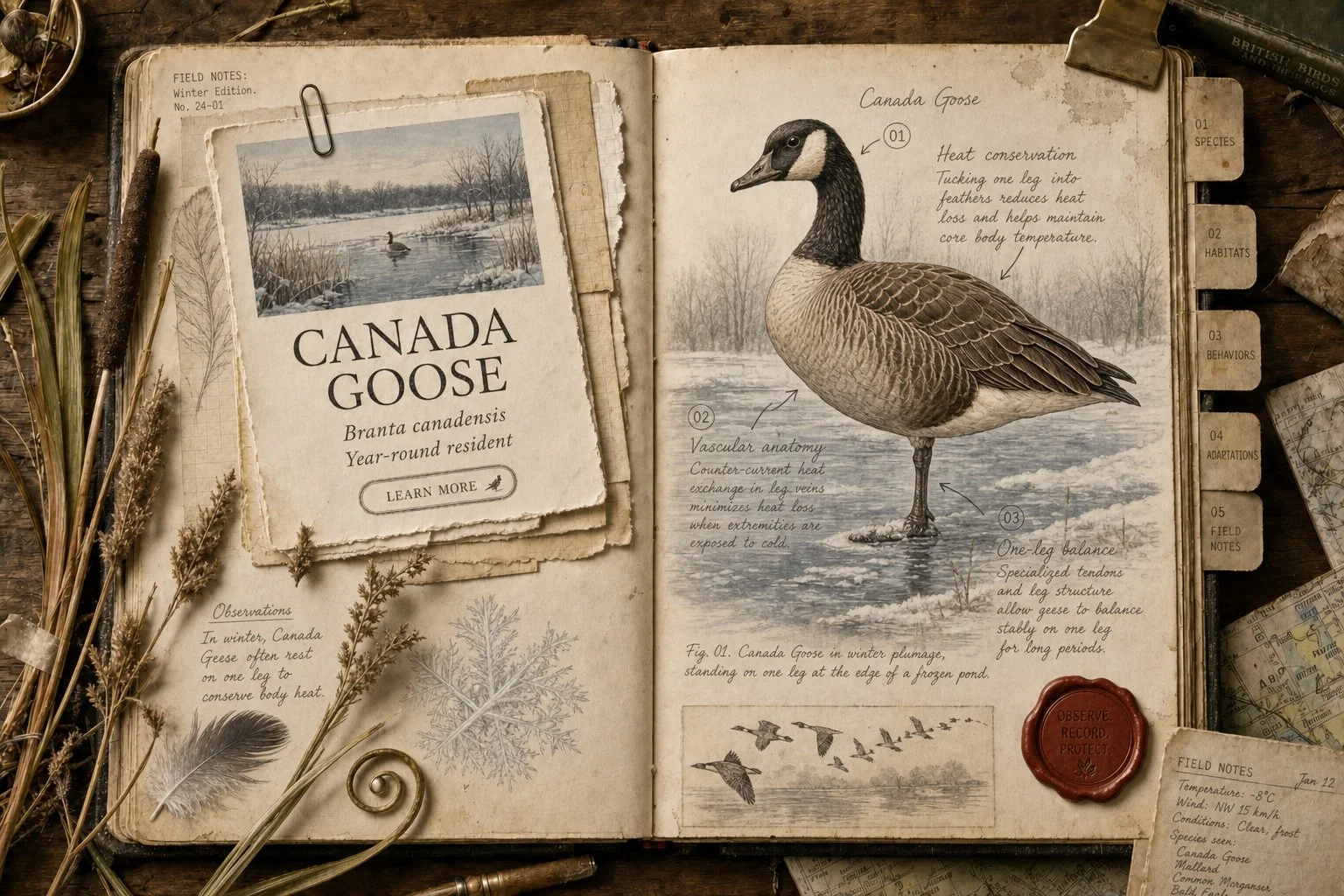
A naturalist's read on why geese (and ducks, flamingos, herons) stand on one leg - the thermoregulation, the muscle anatomy, and why you see it most in winter.
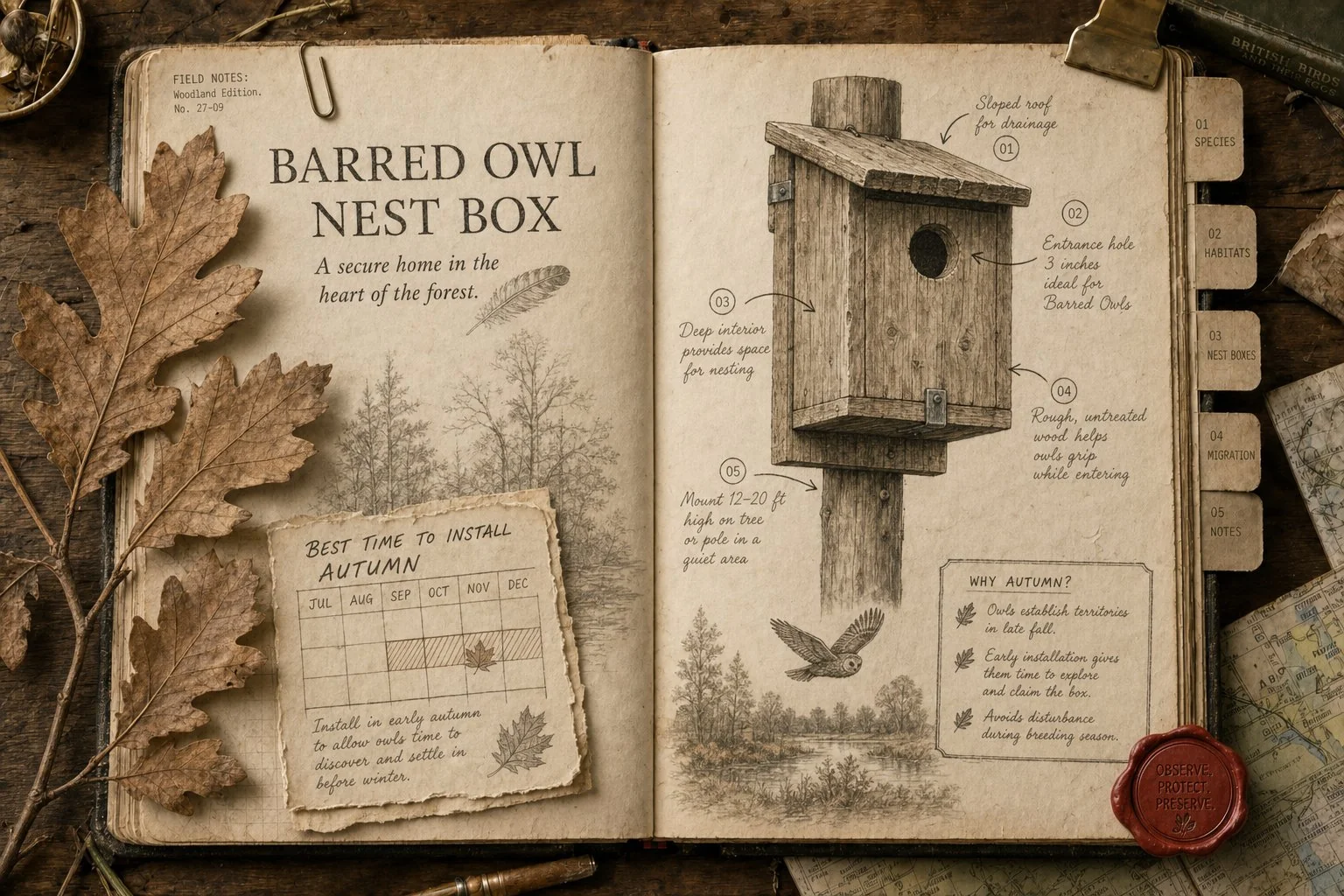
A naturalist's guide to the right time to install an owl nest box - late autumn for most species, before squirrels select winter dens, in time for owl scouting in late winter.
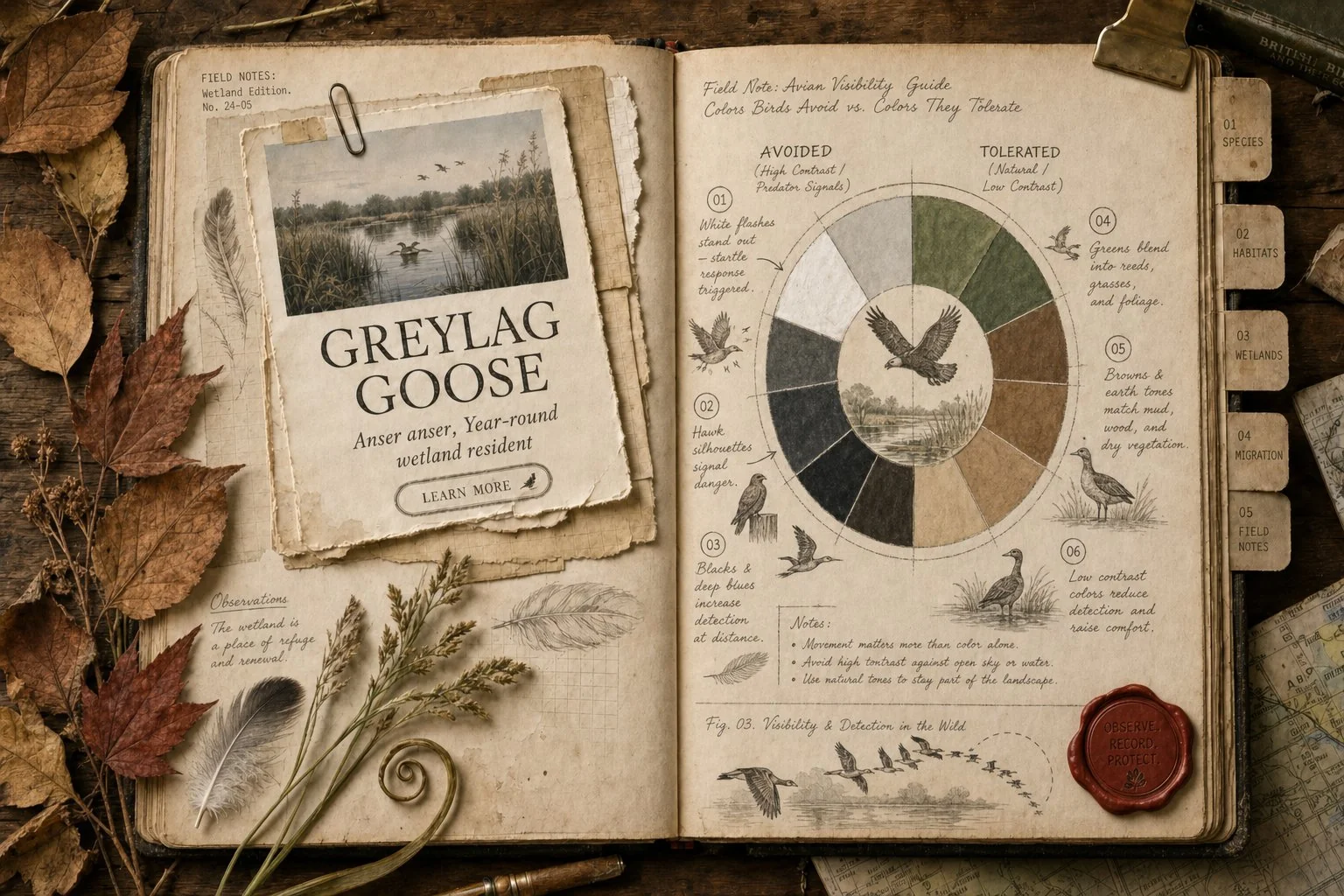
A naturalist's read on what bird research actually shows about colour aversion - which colours genuinely deter birds, why, and how to use the information practically.
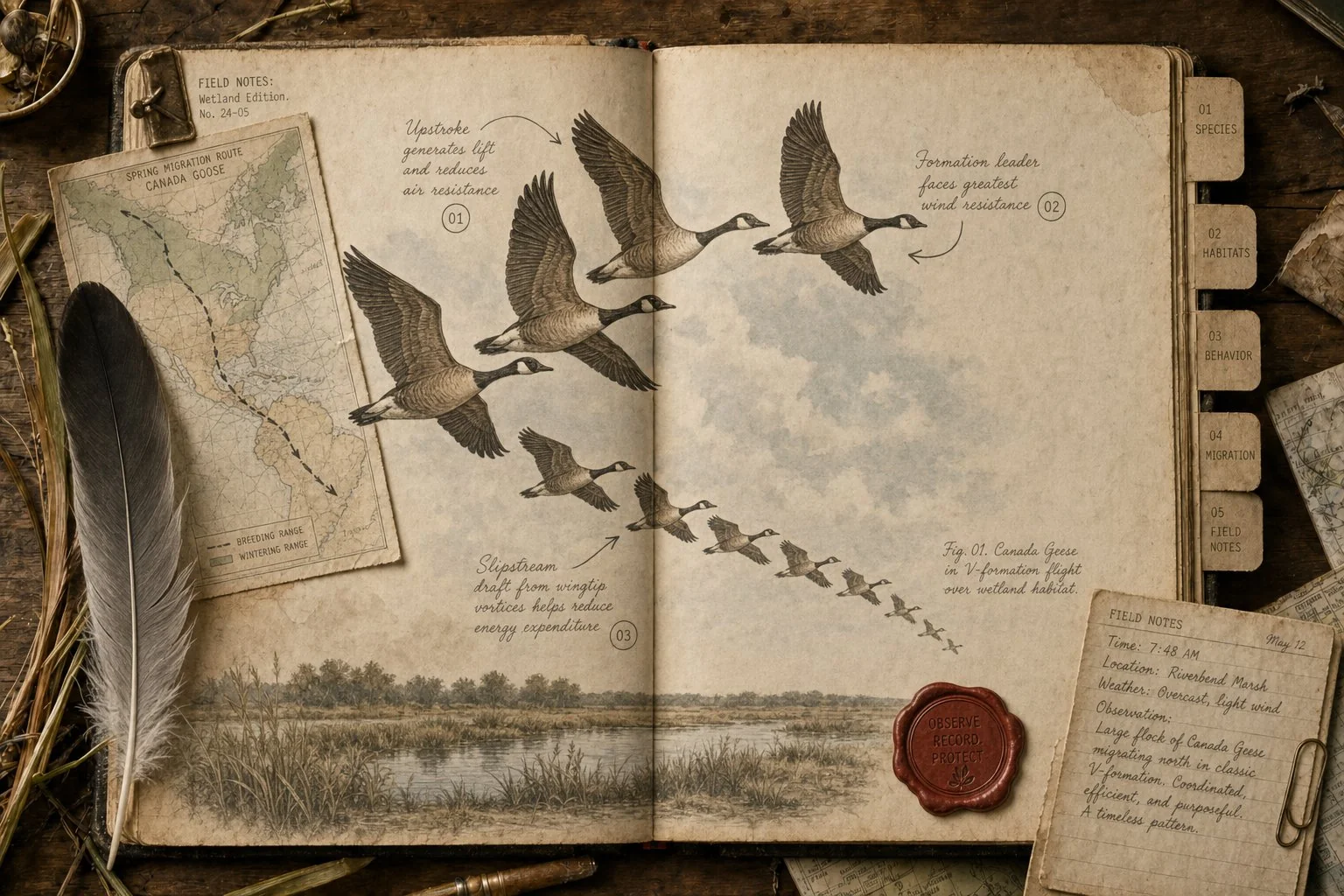
A naturalist's answer to a question with a deceptively boring textbook reply - how far can a Canada goose actually fly in 24 hours? The honest range, what the V-formation does, and why flights of 1,500 miles in a day are real.
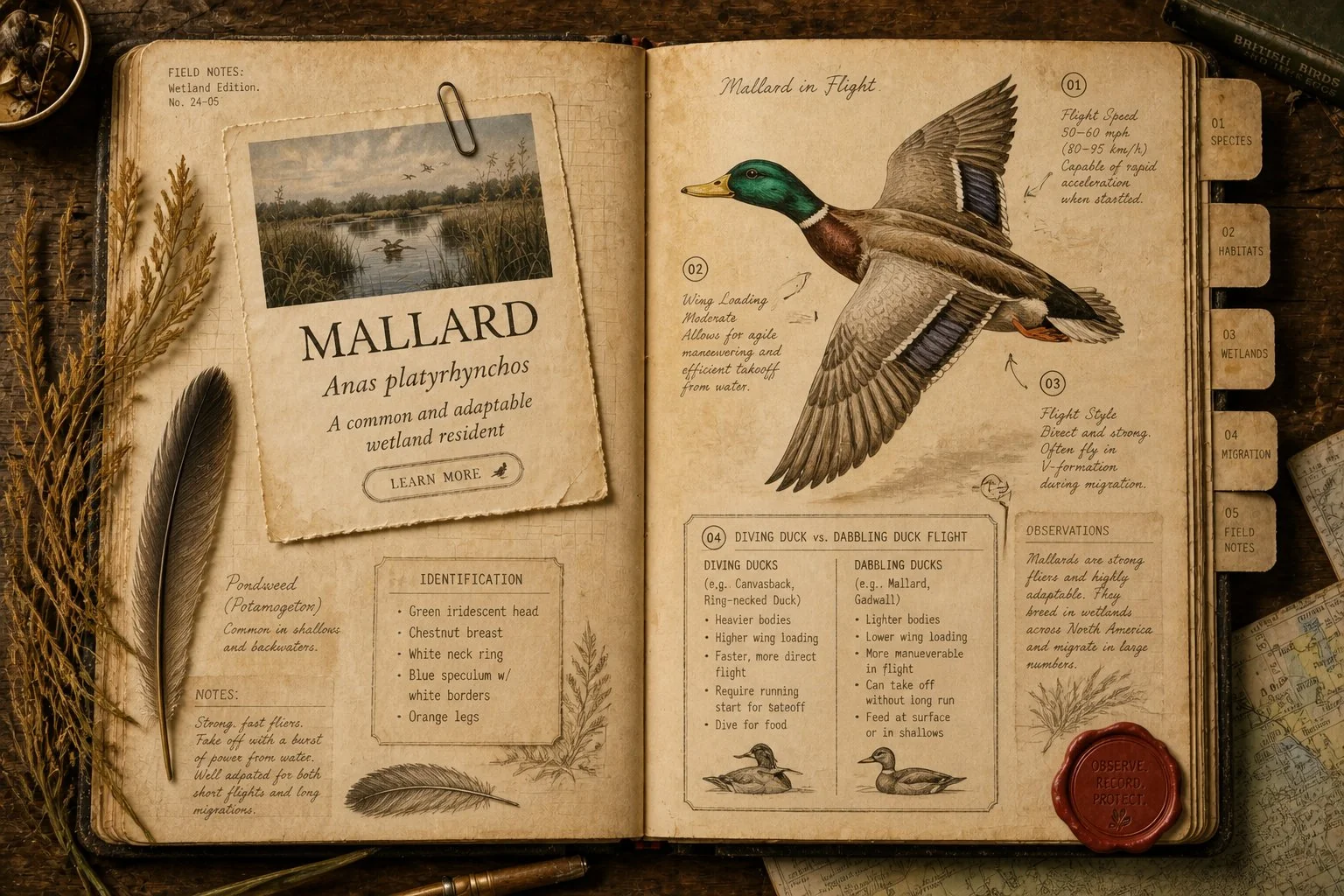
Most wild duck species fly 40-60 mph for migration. Domestic breeds mostly can't. A naturalist's read on which ducks fly and how well.
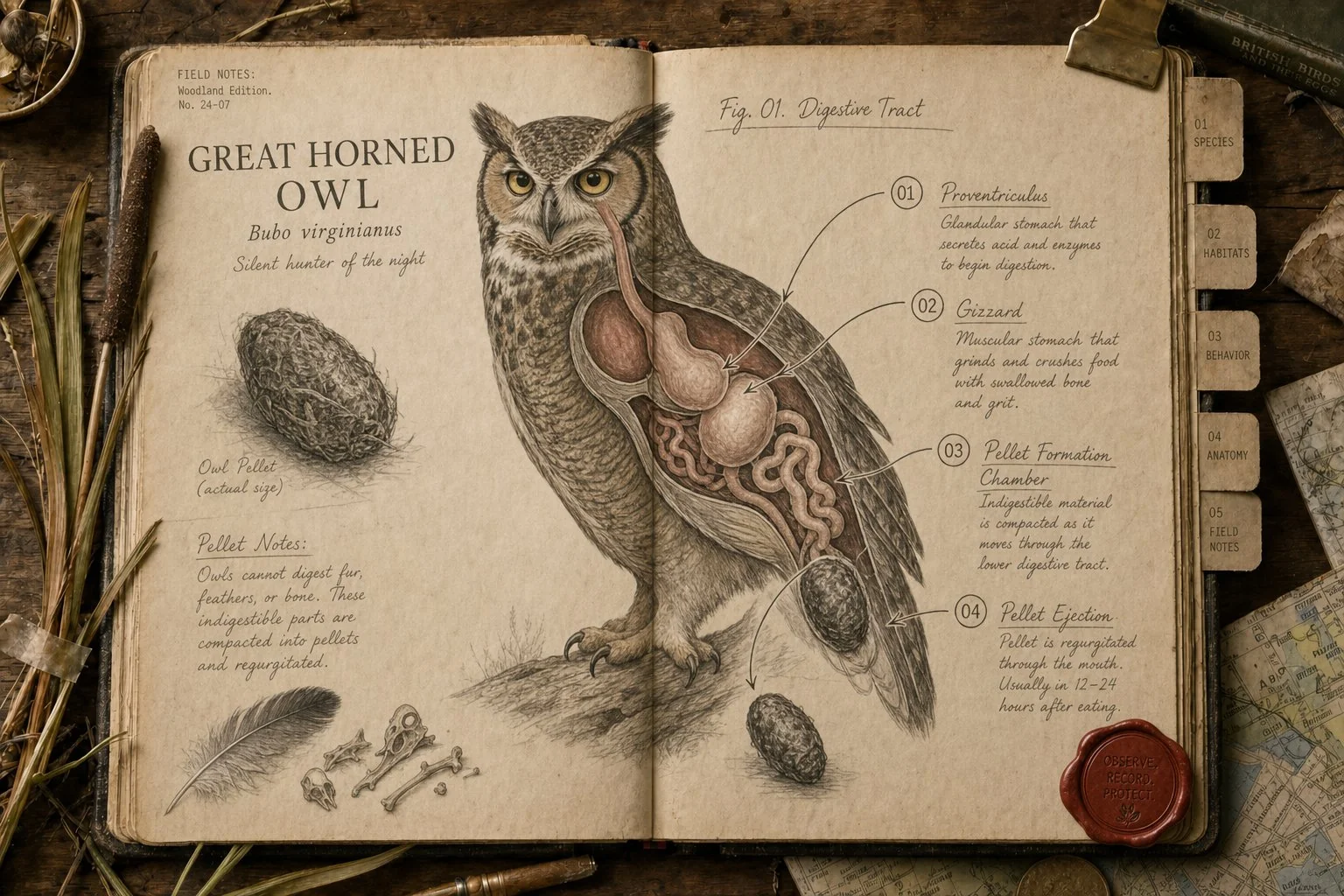
An owl swallows prey whole and ejects the indigestible parts as a pellet 6-10 hours later. A naturalist's read on the gizzard, proventriculus, and pellet formation.
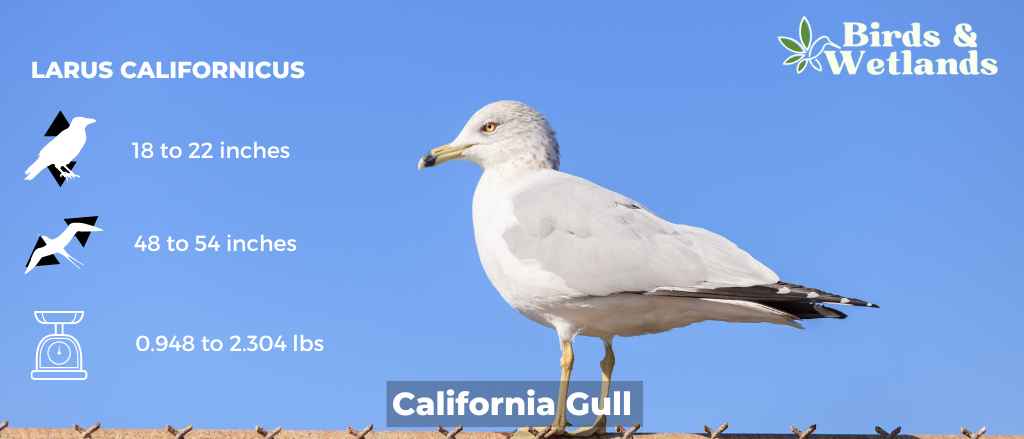
California, with its vast landscapes and diverse habitats, is more than just the Golden State; it’s a prime pit-stop for thousands of winged travelers on their annual journeys. From the intricate...
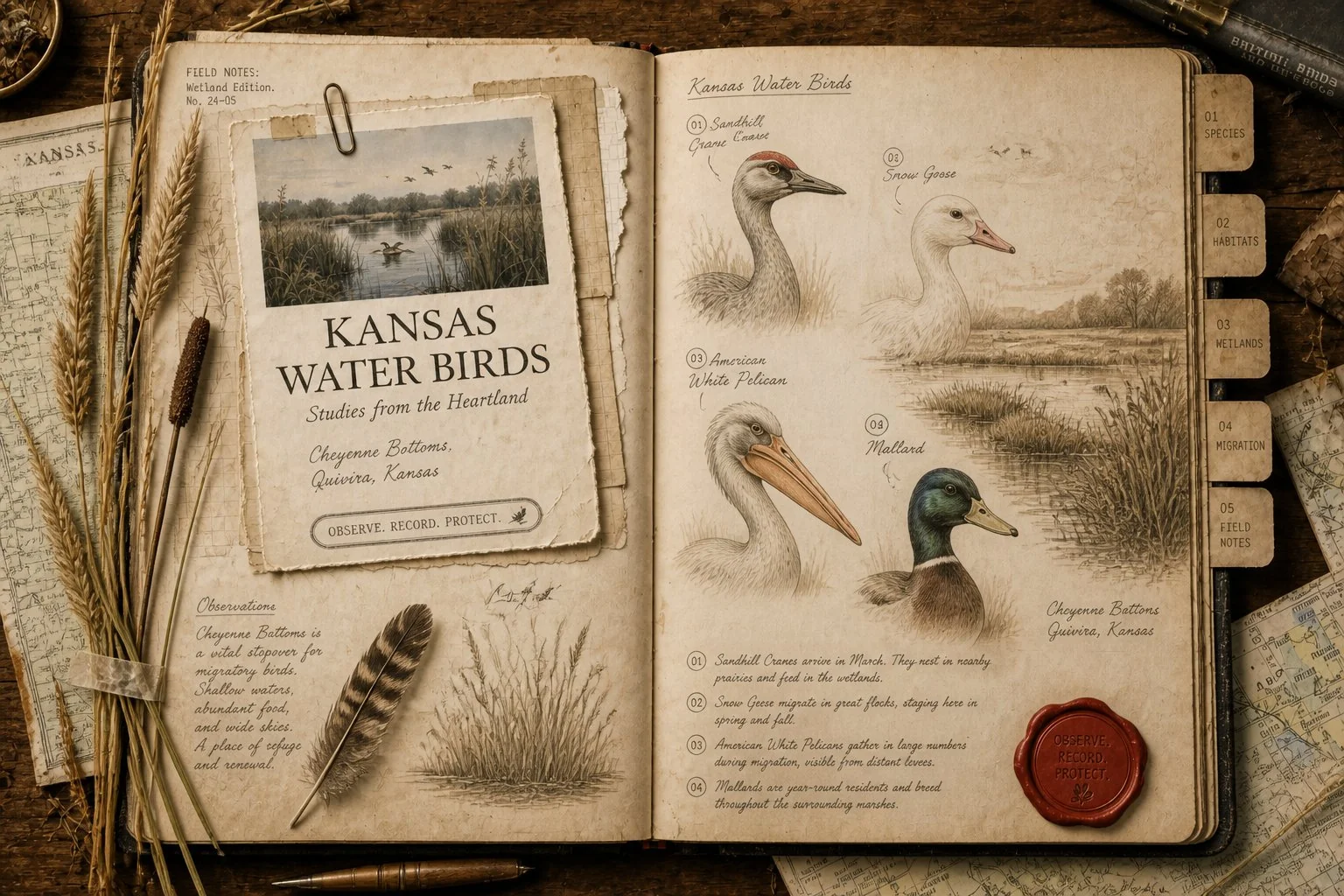
Cheyenne Bottoms and Quivira anchor the Central Flyway. A naturalist's read on the 27 regular Kansas waterbirds and when to see them.
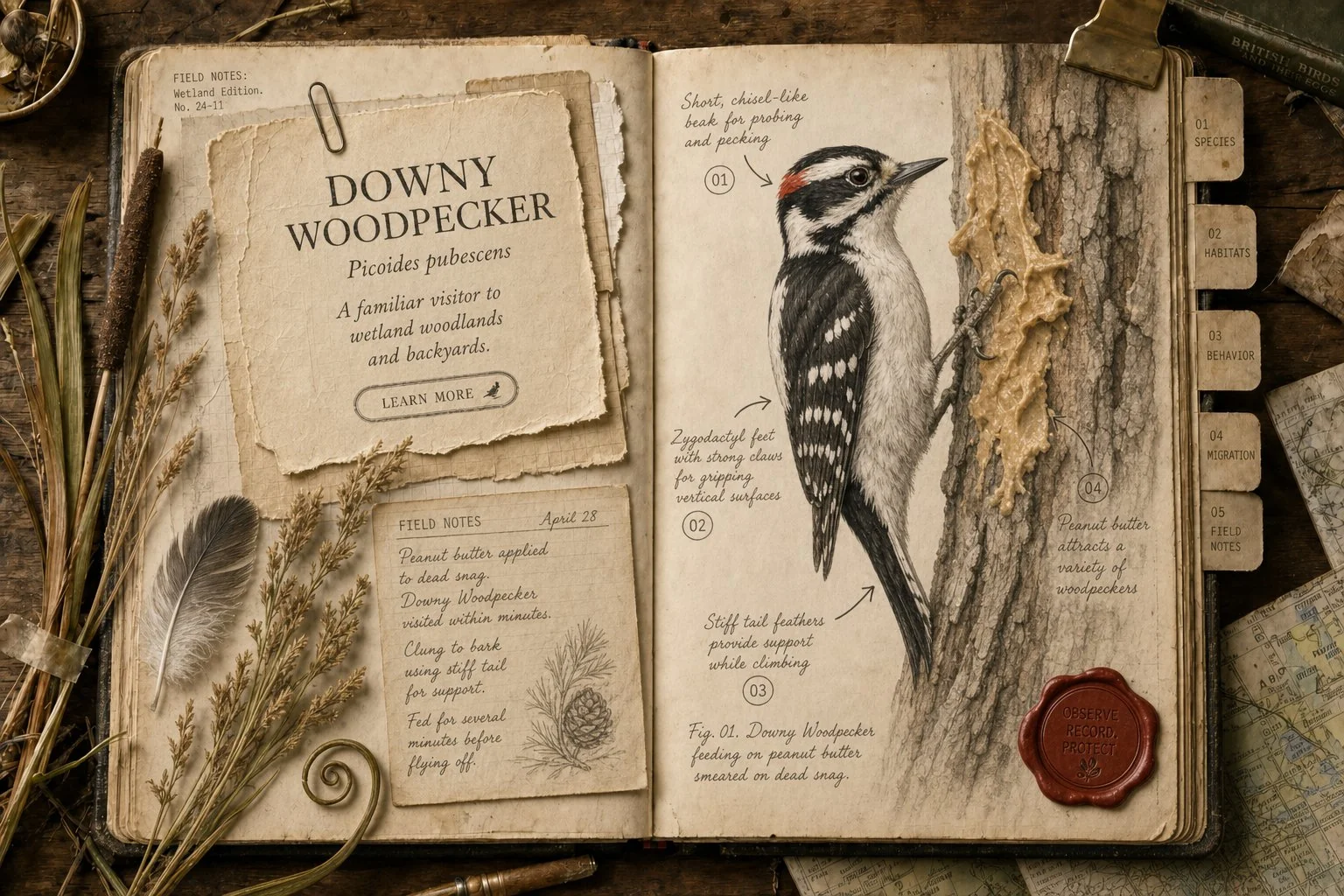
A naturalist's guide to feeding wild birds peanut butter - which species actually take it, which jars are safe, the homemade winter mix we use, and the three feeders that survive squirrels.
Welcome to a journey of discovery, as we delve into the diverse world of North America's hawks. Spread across the sprawling continent, from icy Alaskan terrains to the sun-kissed Southern coasts,...
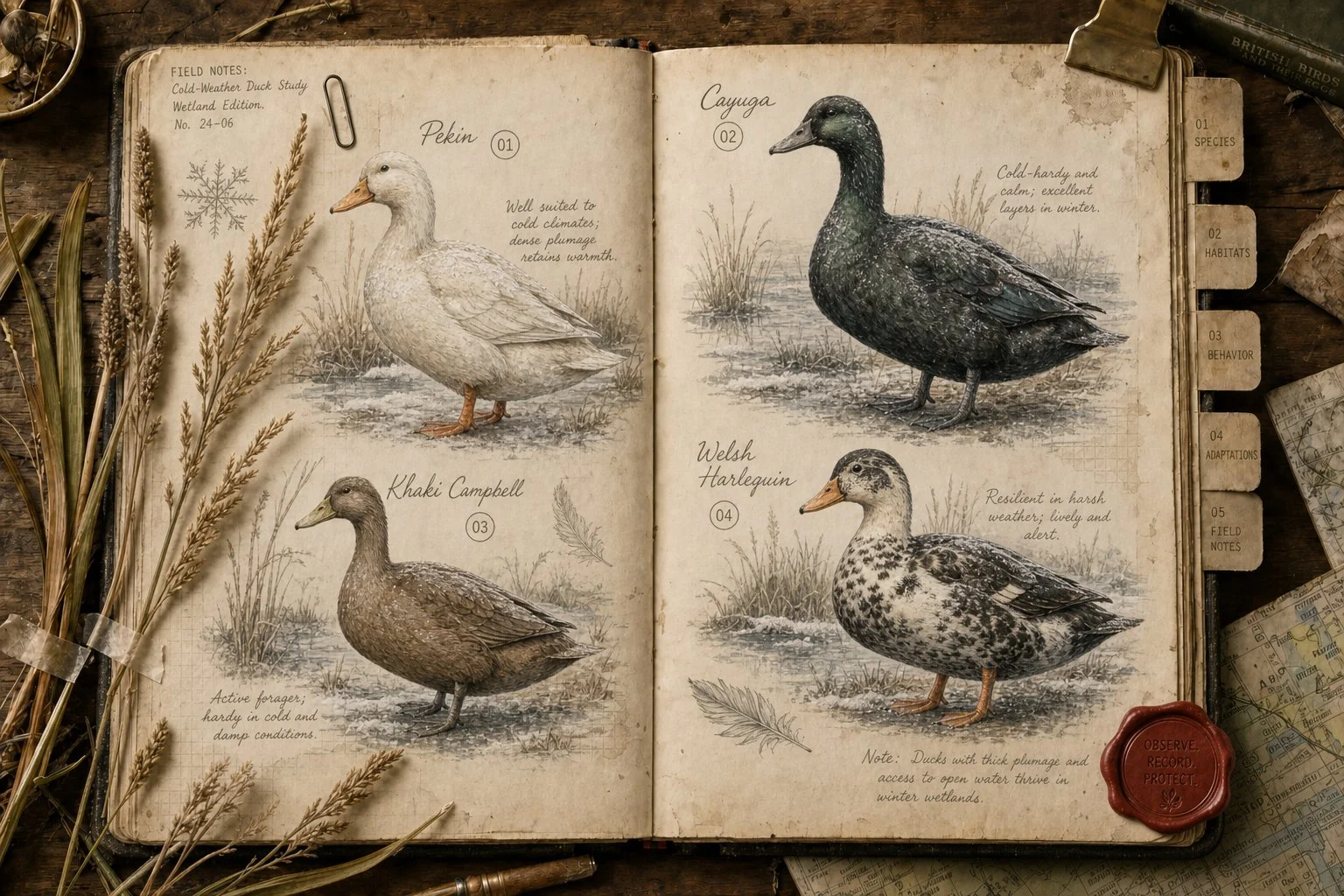
A small-flock keeper's guide to the 12 duck breeds that handle winter genuinely well, the three that don't, and the housing and feed setup that keeps any duck alive through January.
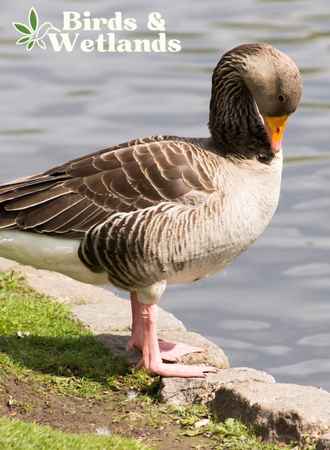
Ducks are some of the most adaptable creatures on Earth. They can be found in almost any environment. It's not uncommon for migratory ducks in North America to winter in the arid climes of Nevada and...
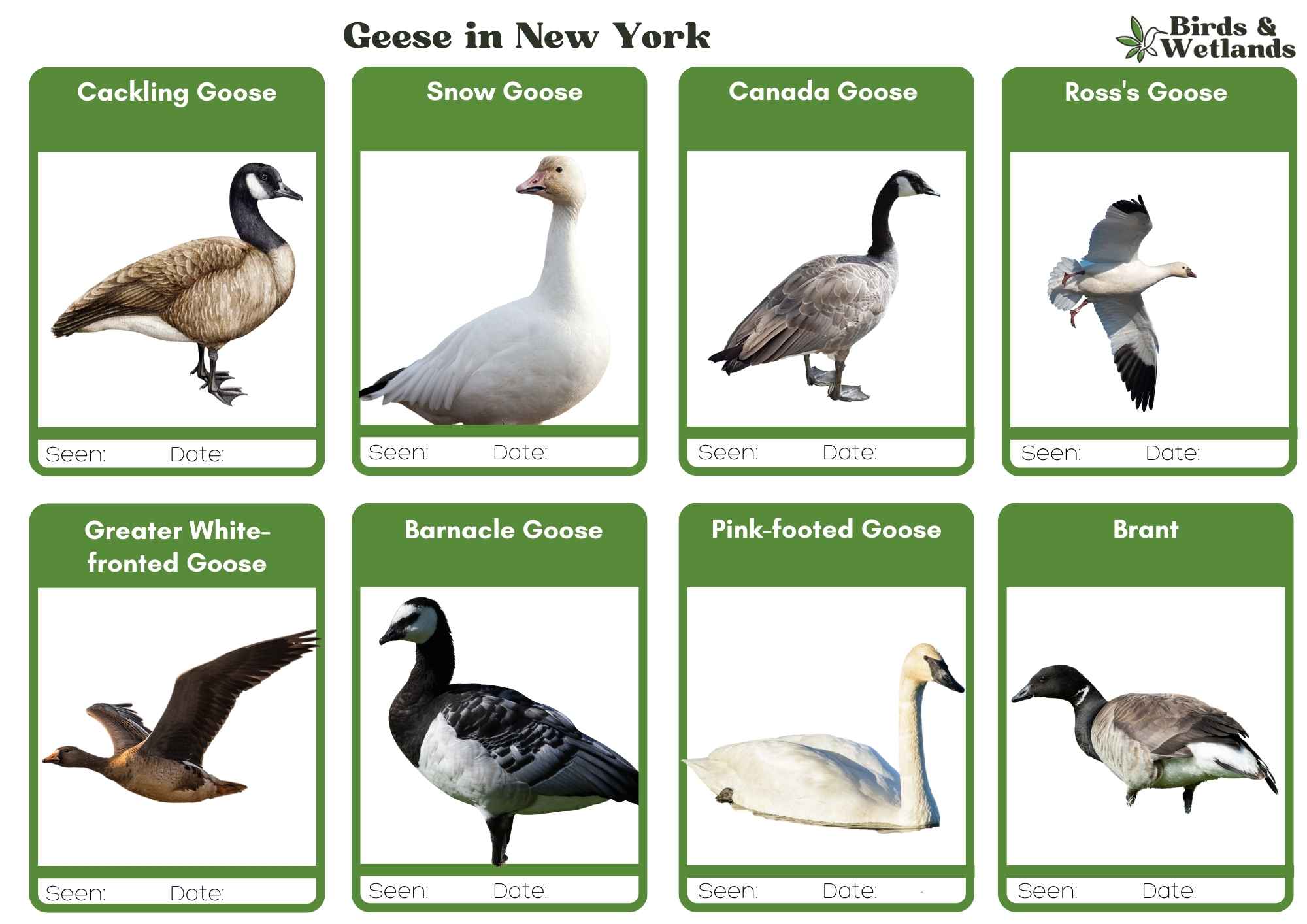
New York is one of the most populous and diverse states in the country. It is often thought of as a melting pot, with its long history of immigration and bustling metropolis of New York City. But...
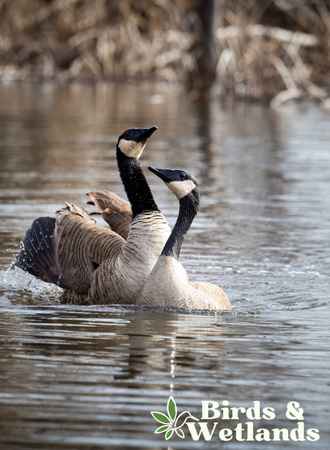
Canada geese are a migratory species. This means they typically spend each year's spring and summer months in the northern parts of the United States and Canada. In the winter, many flocks of Canada...
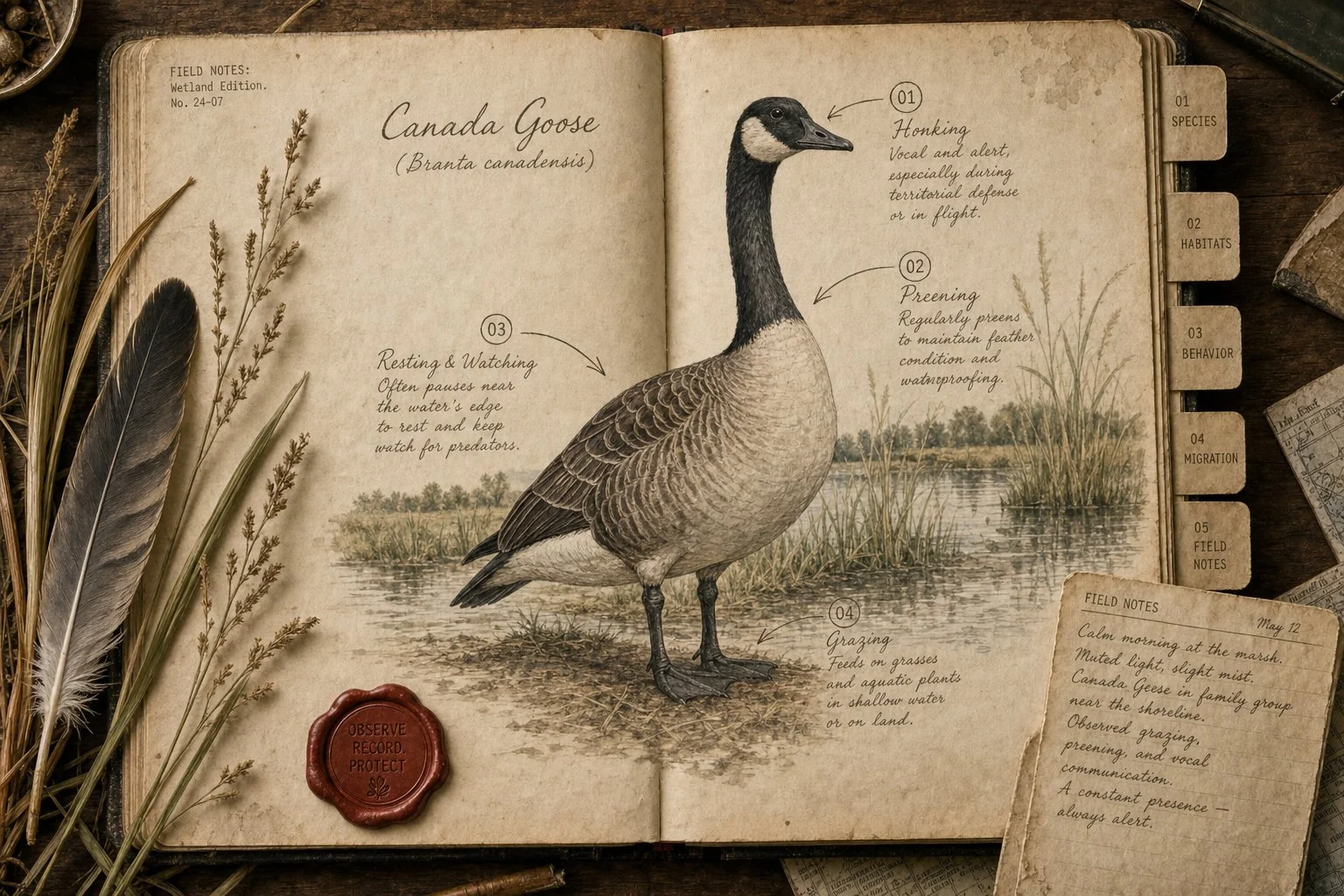
Why geese hiss at you, what the V-formation actually does, and how to read a Canada goose's body language. A field naturalist's notes on what's really going on with the most misunderstood bird in the park.
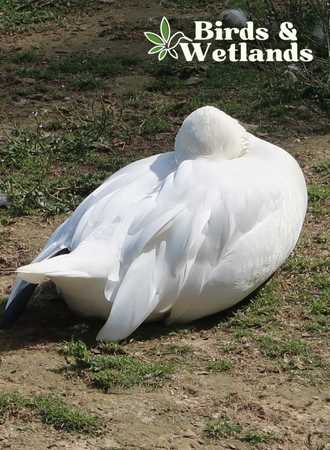
As winter draws near, many animals begin to prepare for the long cold months ahead. For geese, this means finding a mate. Goose breeding season typically extends from mid-winter to early spring....
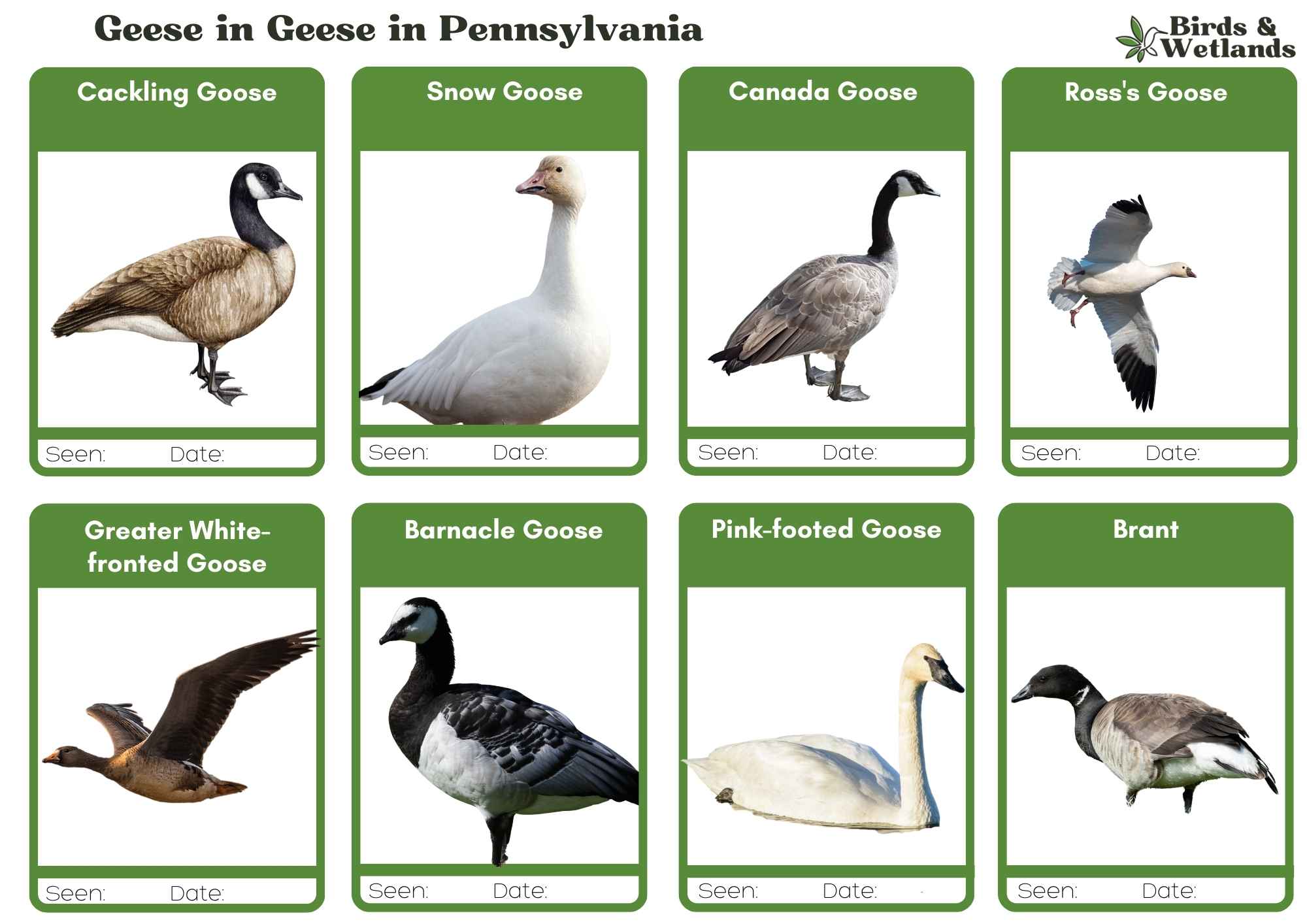
When most people think of geese, they probably picture the large flocks that migrate through Pennsylvania during the fall and winter. But there are several different species of geese that can be...

Geese flying in formation during their annual migration is often used as leadership lessons in many leadership seminars, and rightfully so. As humans, we can definitely learn many leadership...
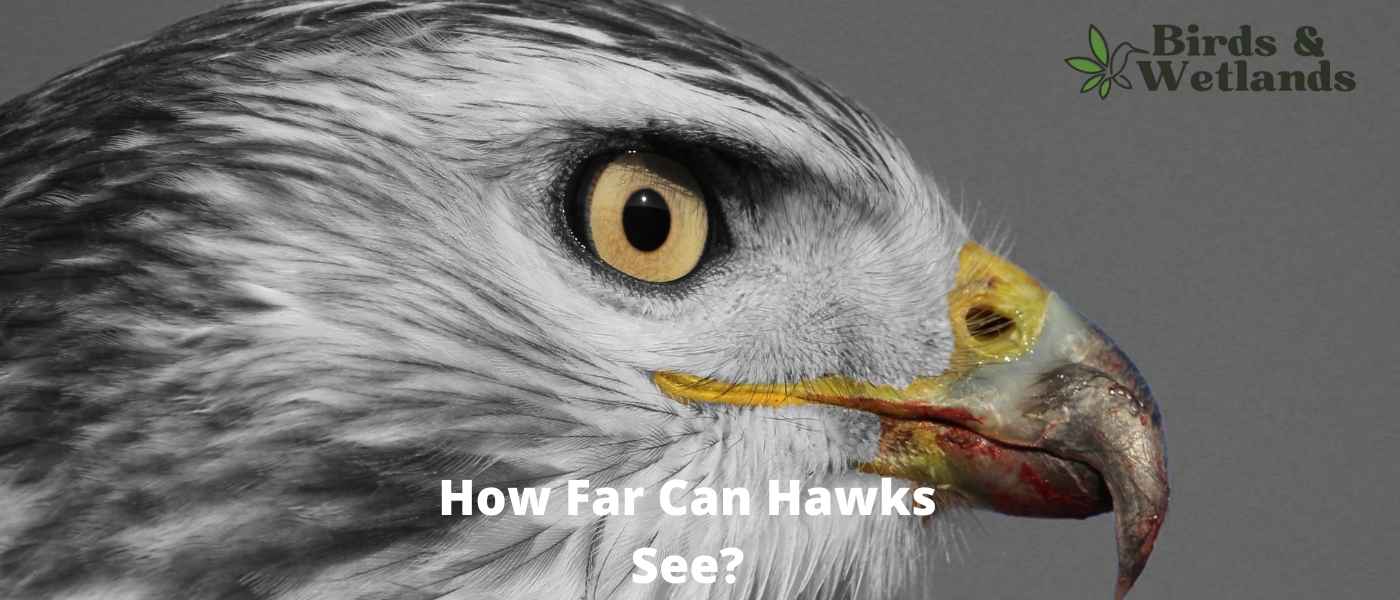
Hawks are known for their good eyesight and excellent depth perception that allows them to can spot movement from far away. Red-tailed hawks, in particular, have binocular vision, meaning they can...
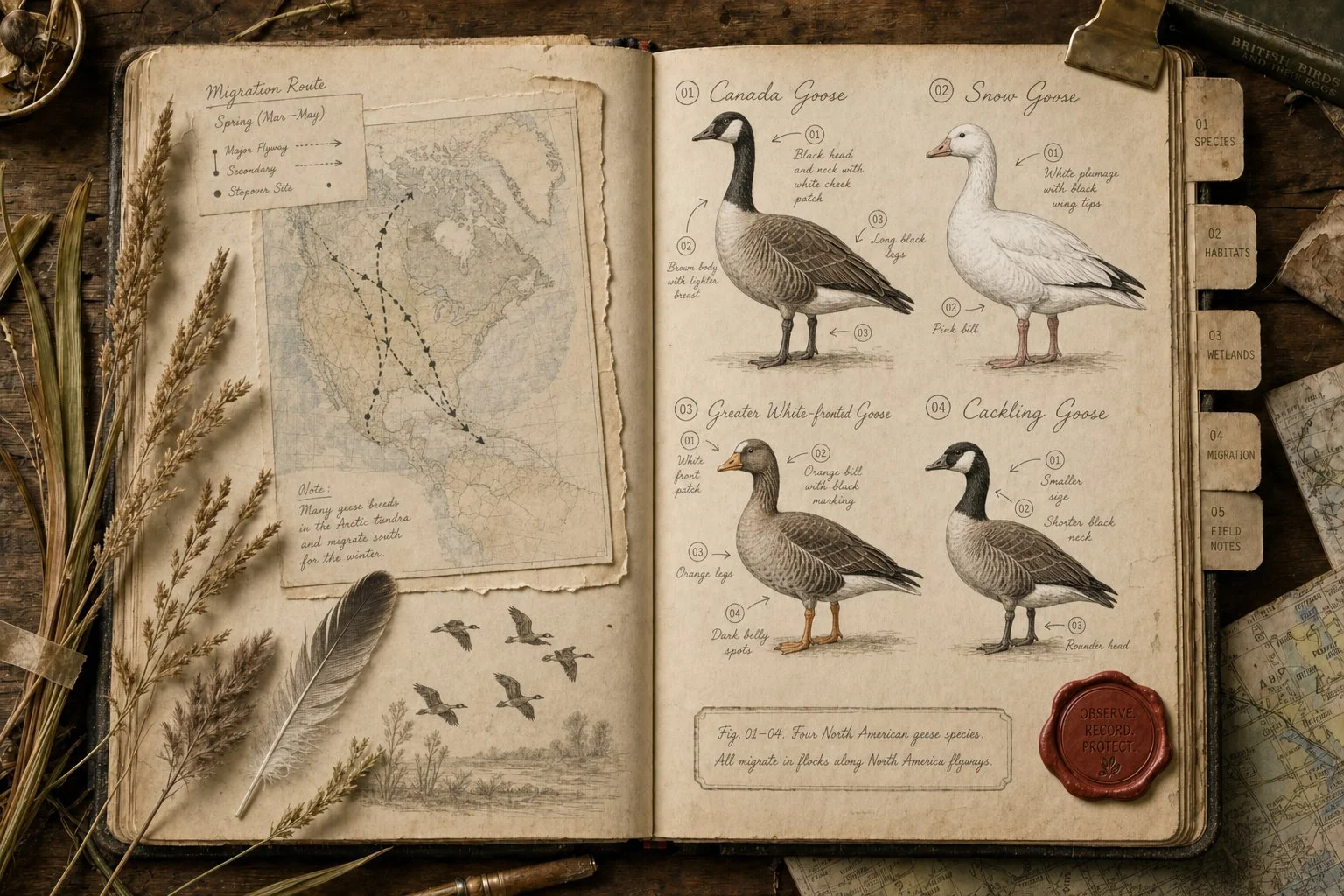
A naturalist's identification guide to the seven goose species that breed or winter in North America - which is which, where they migrate, and the differences most field guides understate.