№ 17212 Jul 2026
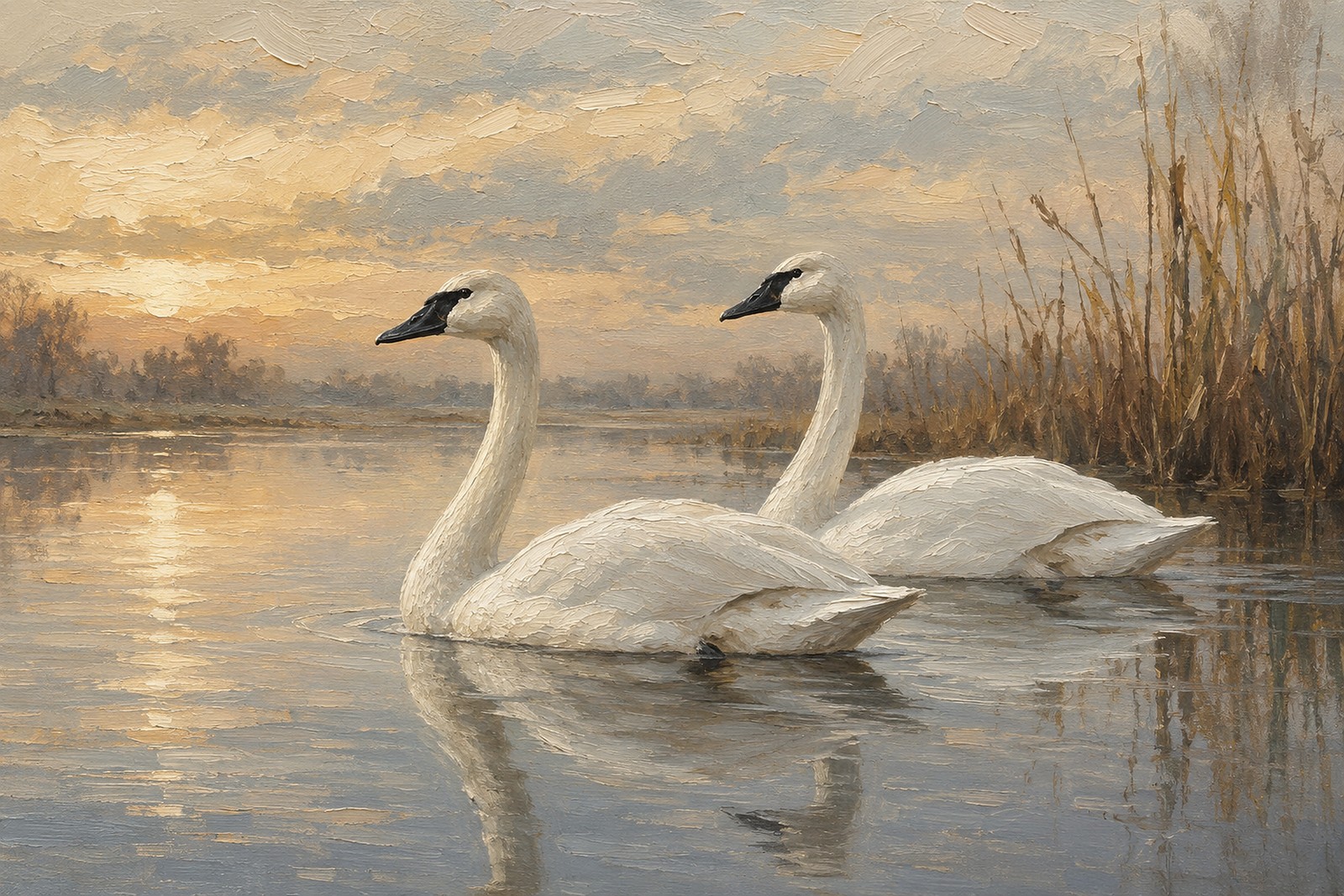
Trumpeter Swan Prints for a Calm Bedroom
Why still water is the most restful subject you can hang above a headboard, and how a trumpeter swan print in the right size settles a whole bedroom.
Glacial & backyard waters
The small inland waters carry more life than their size suggests. Dabbling ducks tip for weed, geese graze the margins, and coots and grebes squabble across the open middle. This is the habitat most readers can watch from home.
172 dispatches filed under this habitat
Why still water is the most restful subject you can hang above a headboard, and how a trumpeter swan print in the right size settles a whole bedroom.
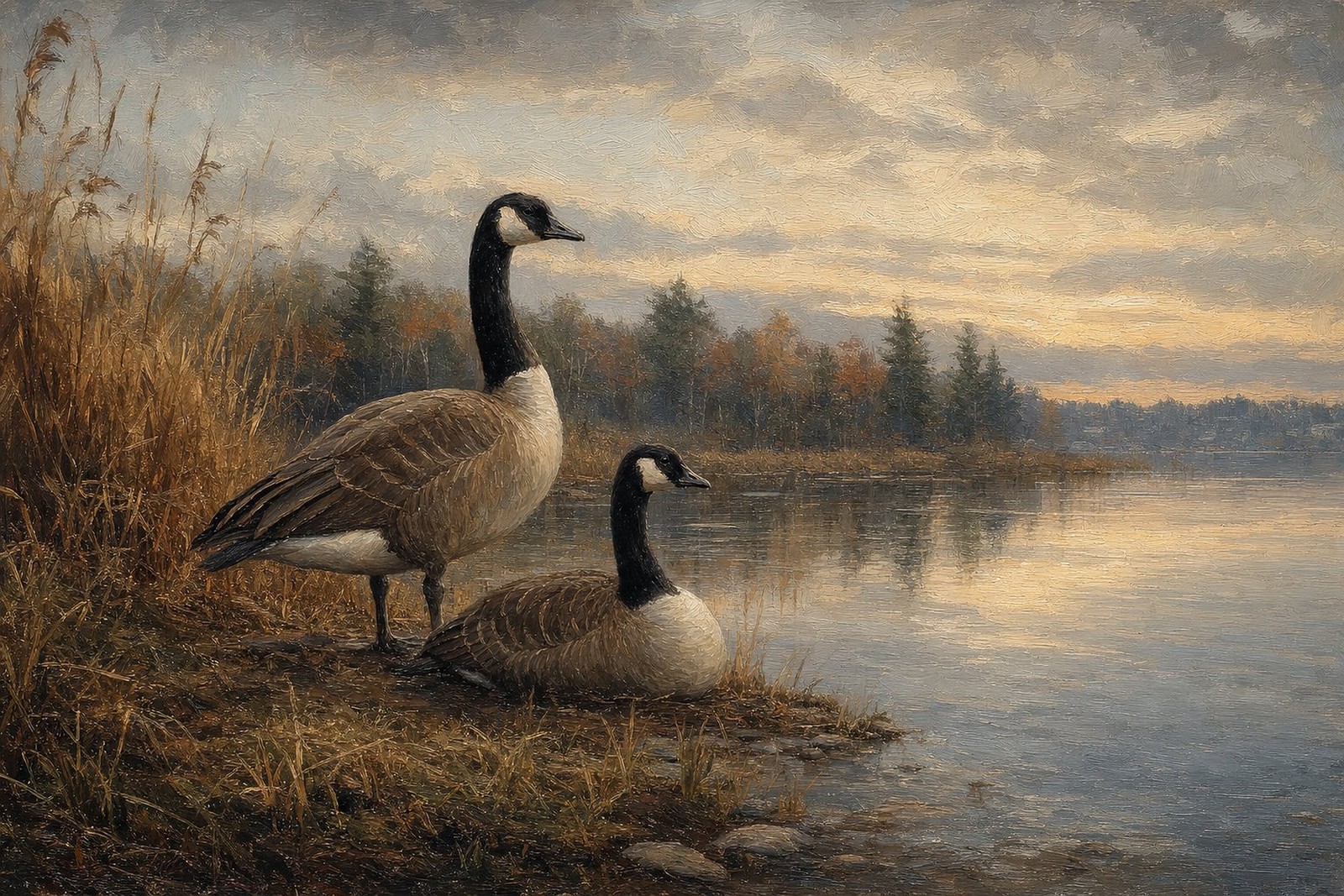
Why the black-necked silhouette every American knows by heart makes the most dependable goose print you can hang, and how to choose between a calm pair and a flight scene.
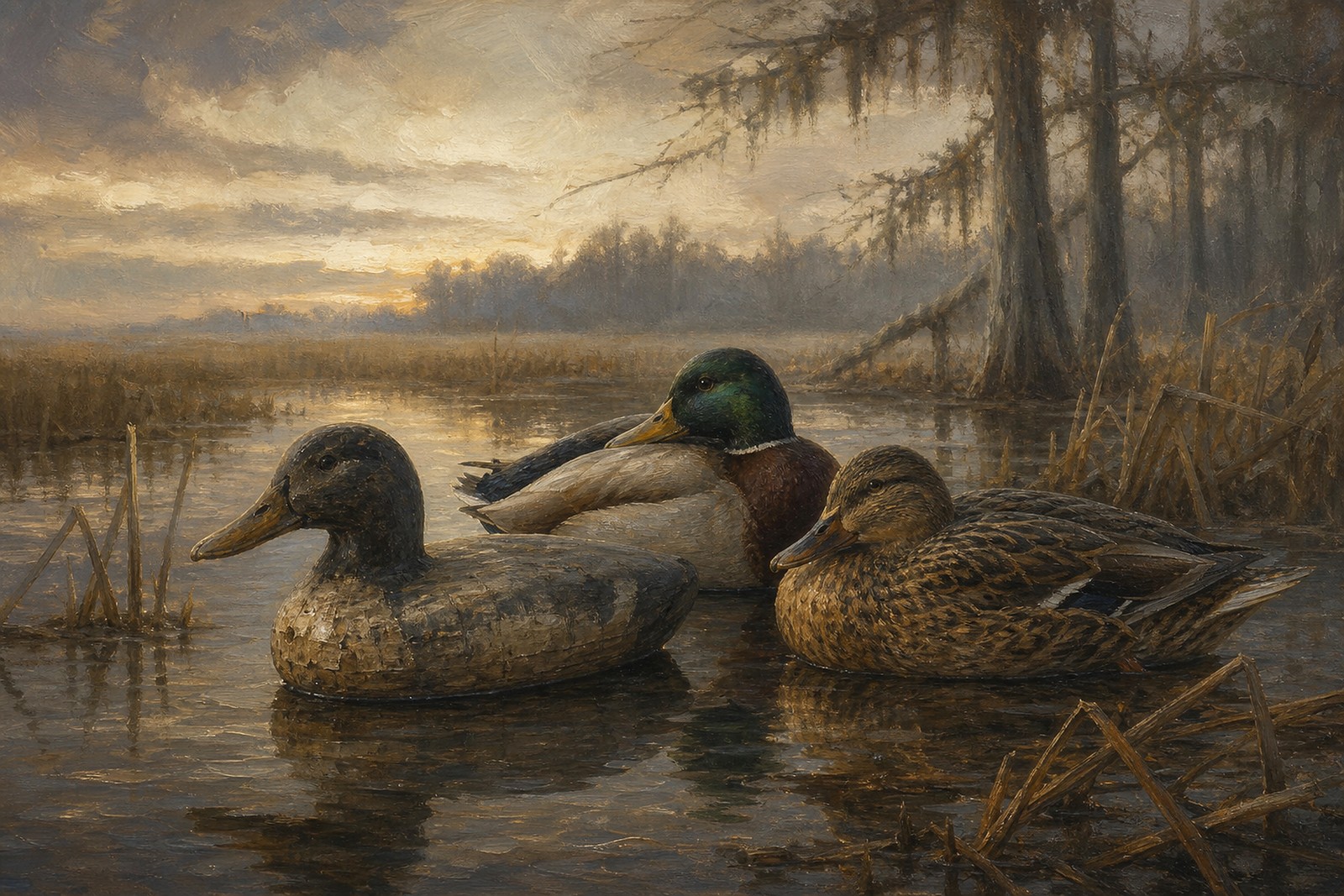
An evergreen Christmas guide for the duck hunter on your list, and the case for a print that will still hang in the den long after this season's gear is retired.
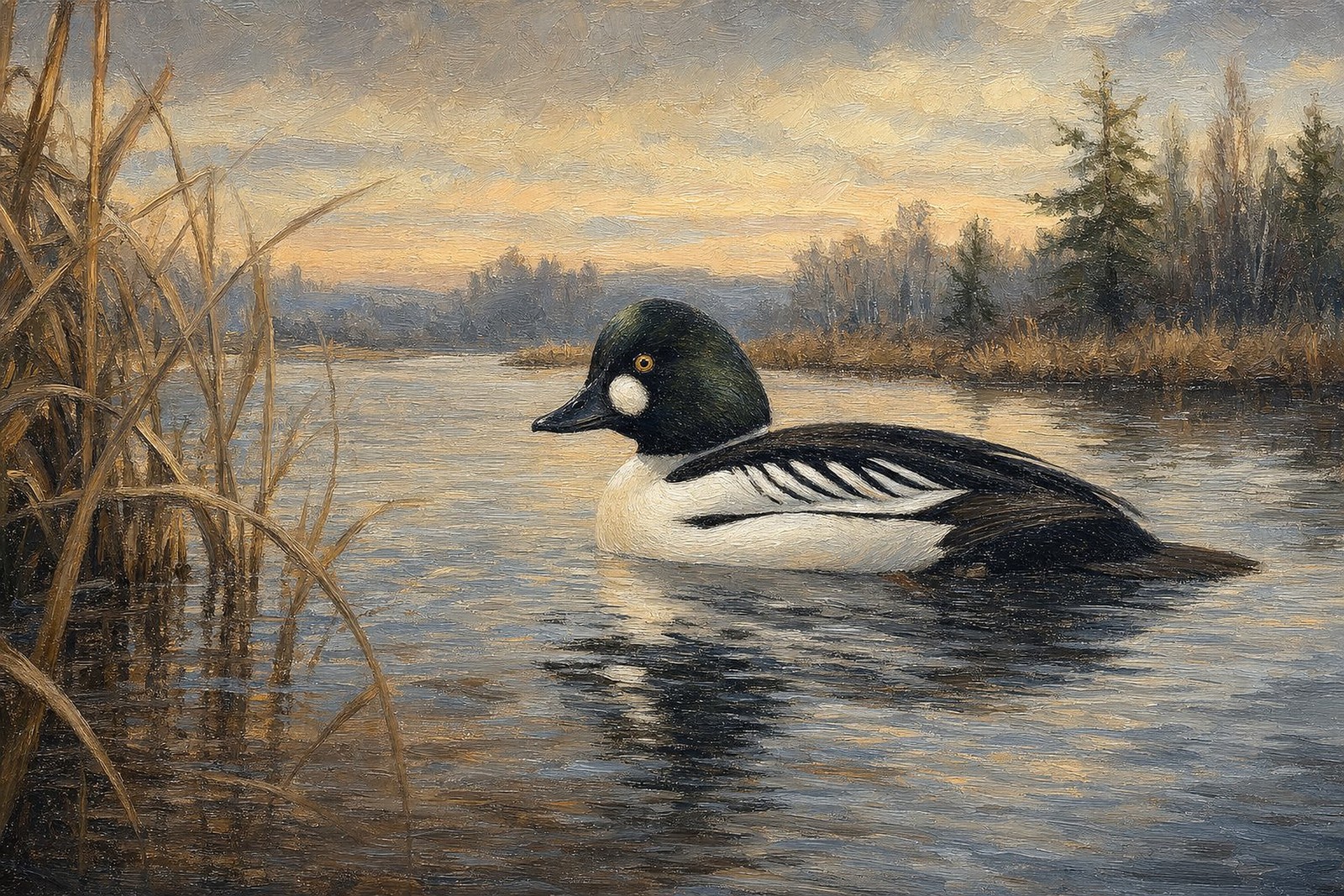
Every man cave reaches the night the neon sign stops being funny, and the fastest way to grow the room up is to change what hangs on its walls.
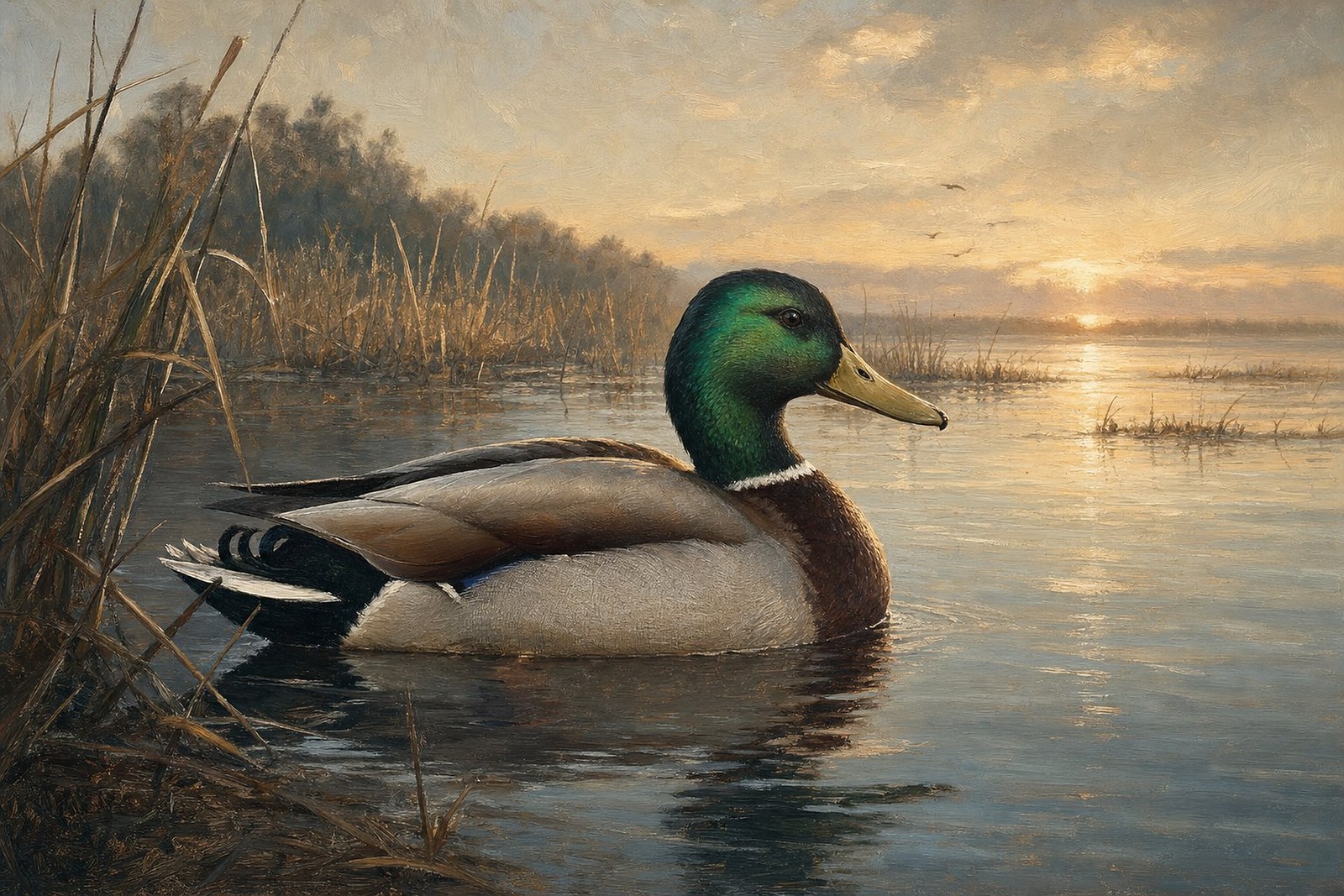
Duck prints are not interchangeable, and matching the species to the room is the difference between a wall that works and a wall that merely has a duck on it.
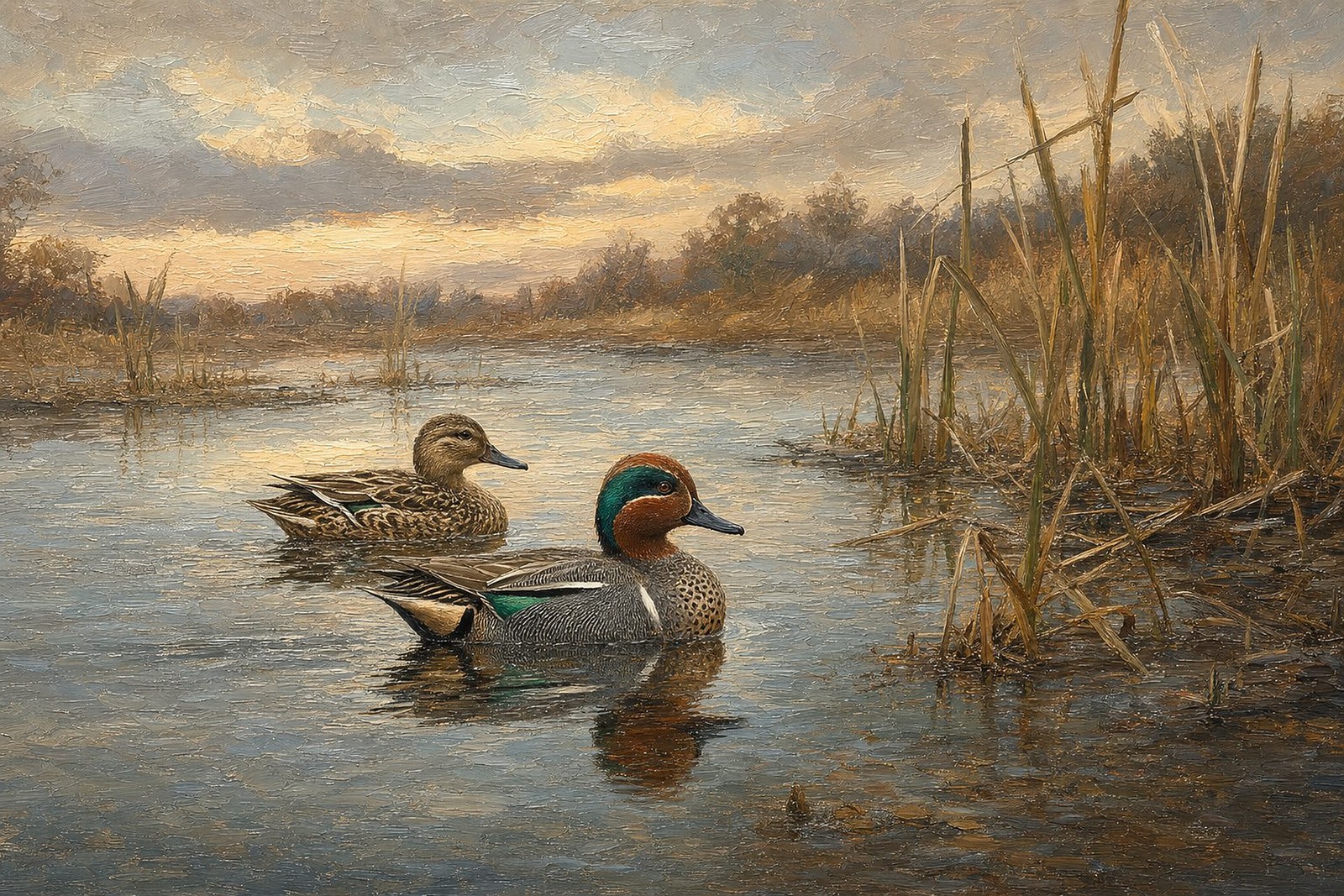
For over ninety years the federal duck stamp has funded American wetlands with a postage-sized piece of art, and its composition rules still teach a wall how to behave.
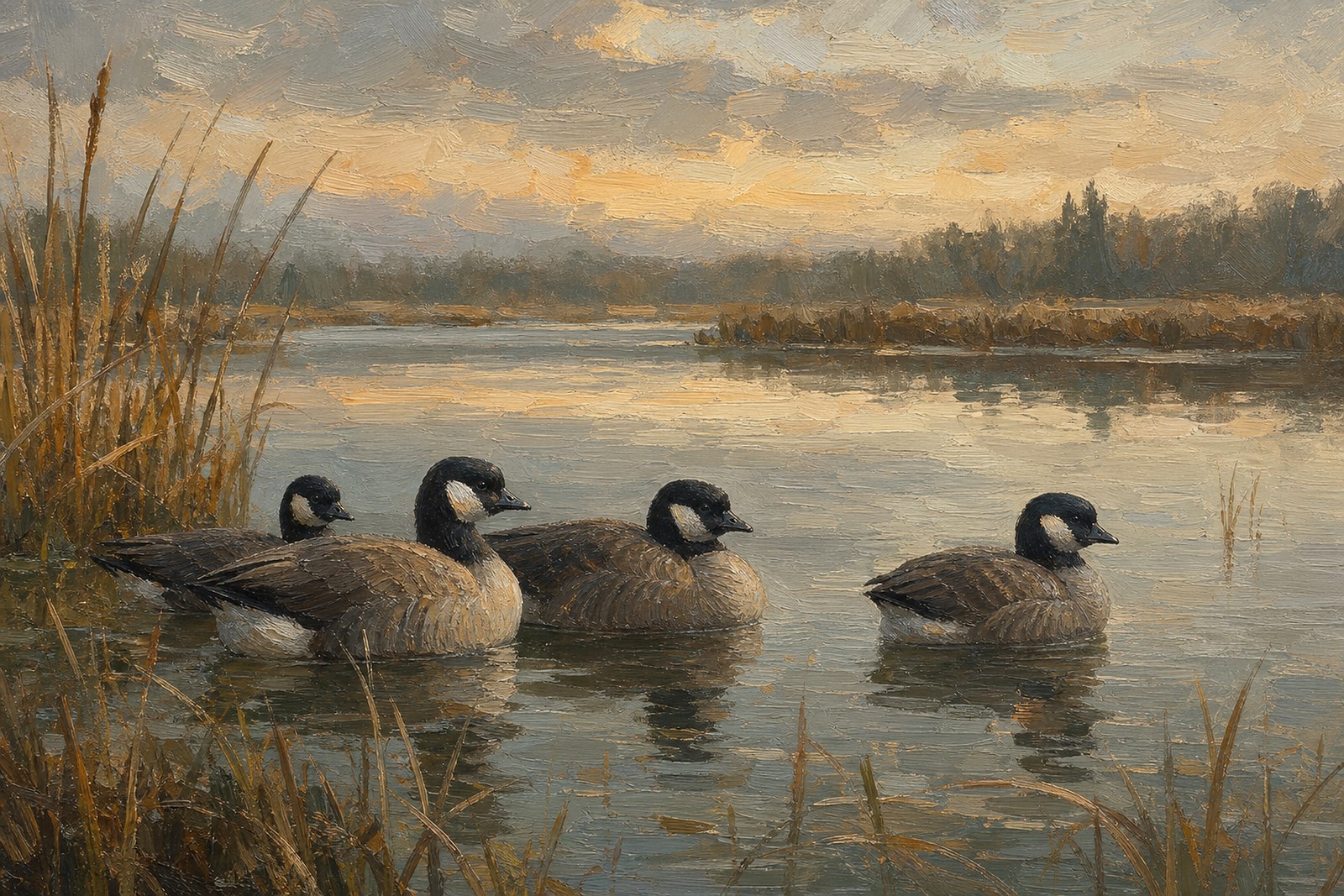
Geese give a wall sky, distance and formality while ducks bring colour and closeness, and the right choice comes down to how the room is actually used.
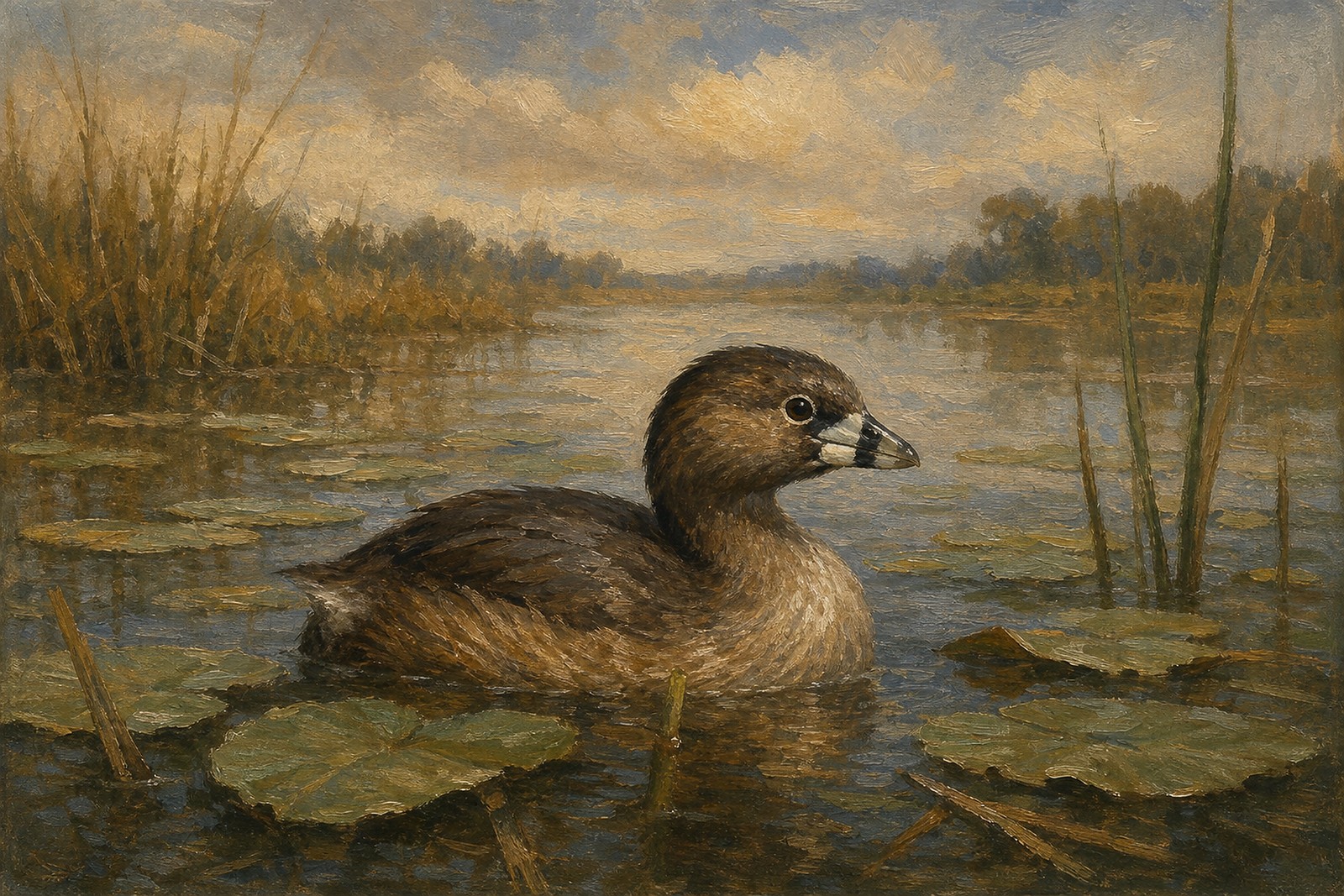
The grebe is the bird you notice second, and that modesty is exactly what makes a grebe print the right art for small, quiet rooms.
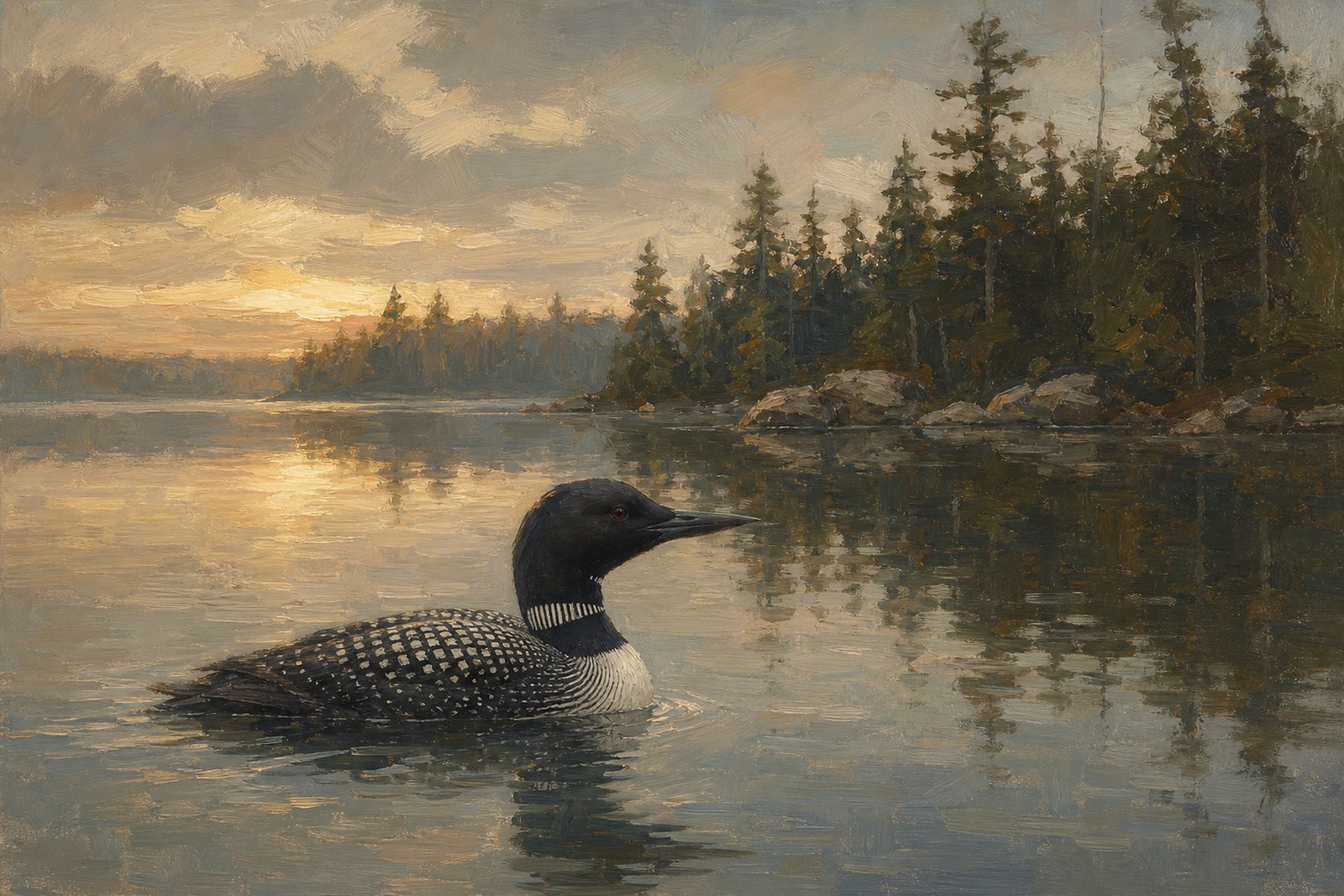
Why the common loon, with its midnight wail and checkerboard back, makes the most evocative print a lake house wall can carry.
Why the mallard drake remains the default American duck print, and how to hang one so a den, office or cabin wall looks considered rather than merely decorated.
The V is a machine for sharing work, each bird riding the upwash of the wing ahead, and that physics is why a flight print gives a room a motion that still art cannot.
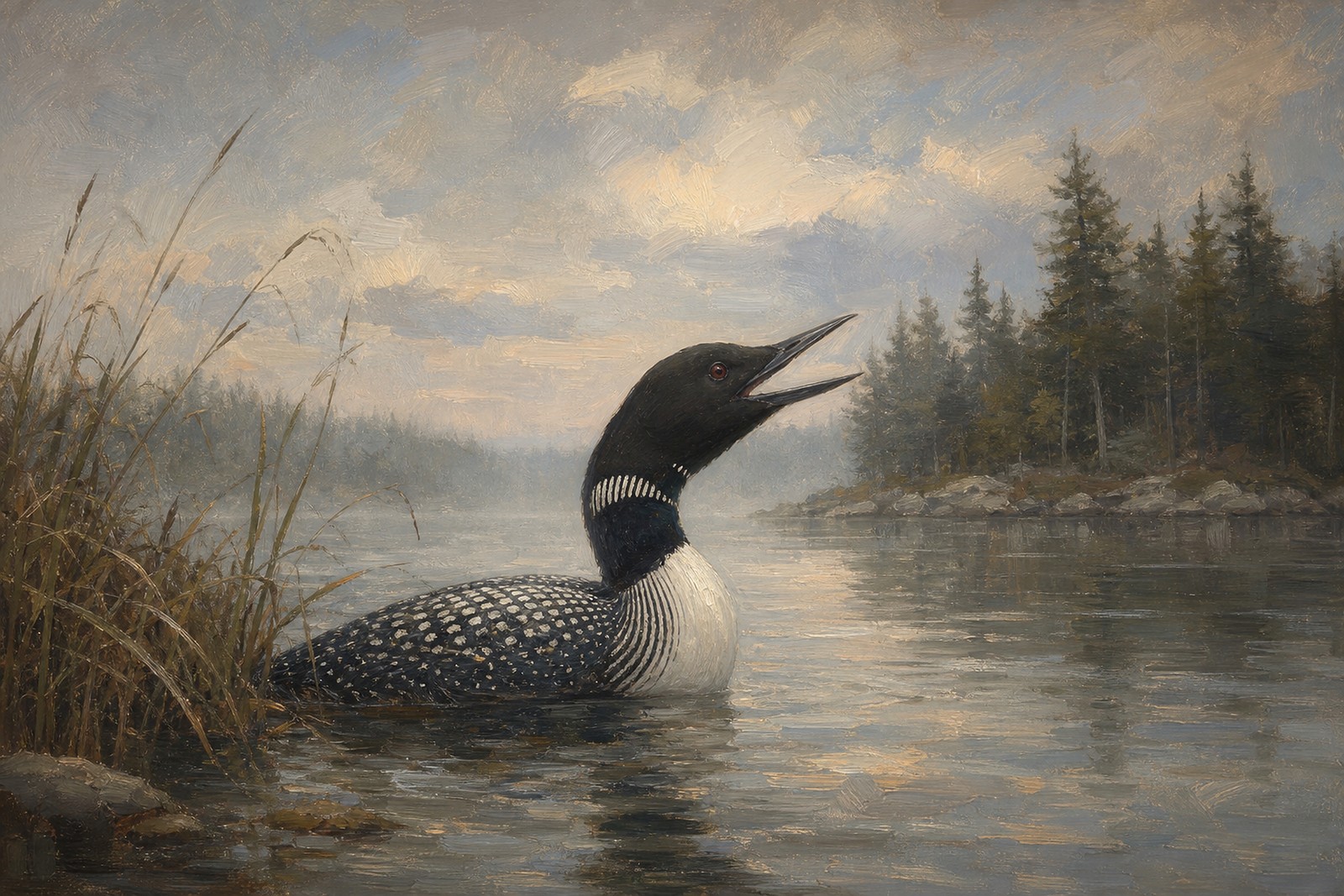
Pine, mist, granite, and one loon: how to decorate a northwoods cabin with art that belongs to the lake instead of performing for it.
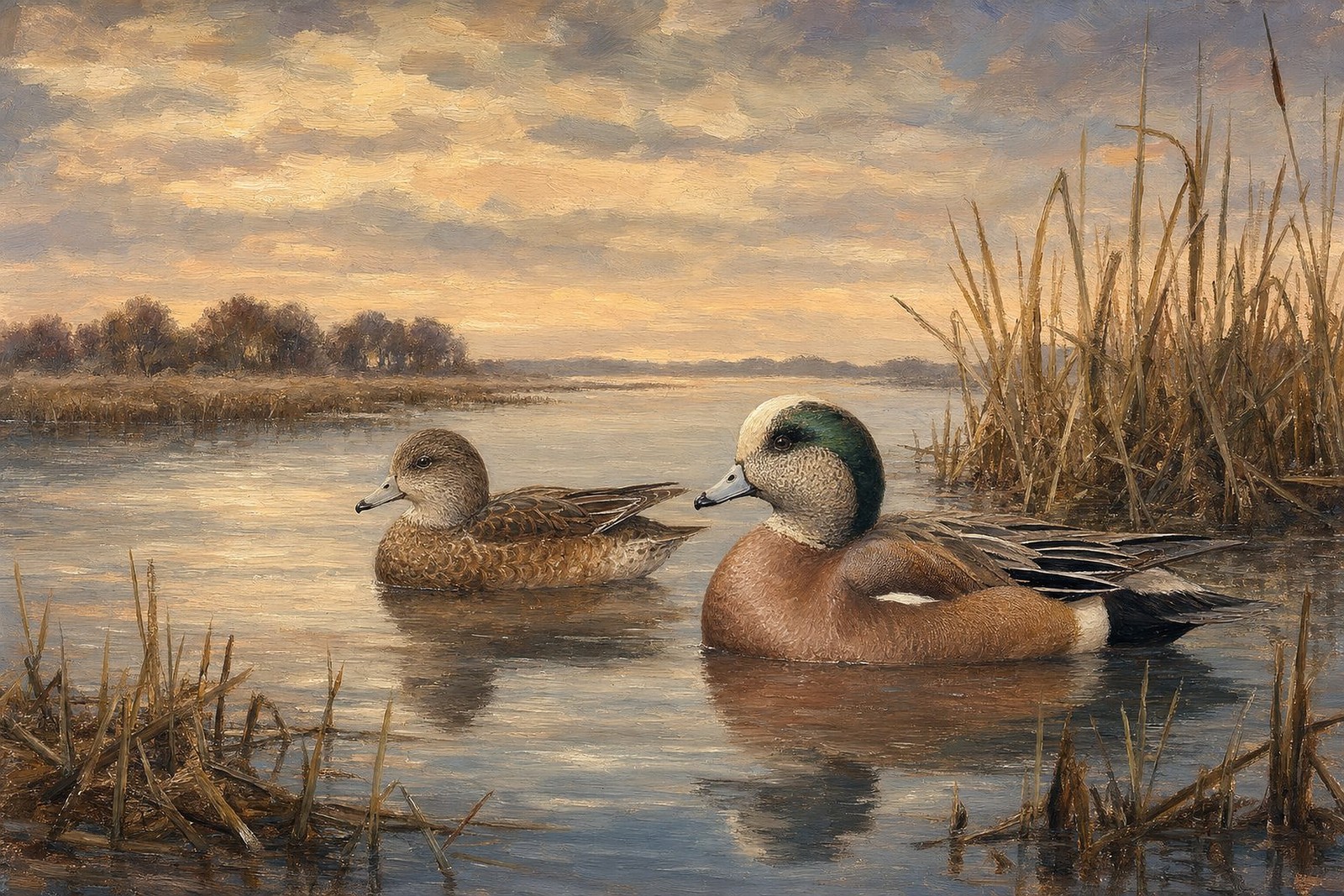
Real houses are full of small walls that defeat big art and swallow tiny frames, and the answer is one properly scaled print with a horizon in it.
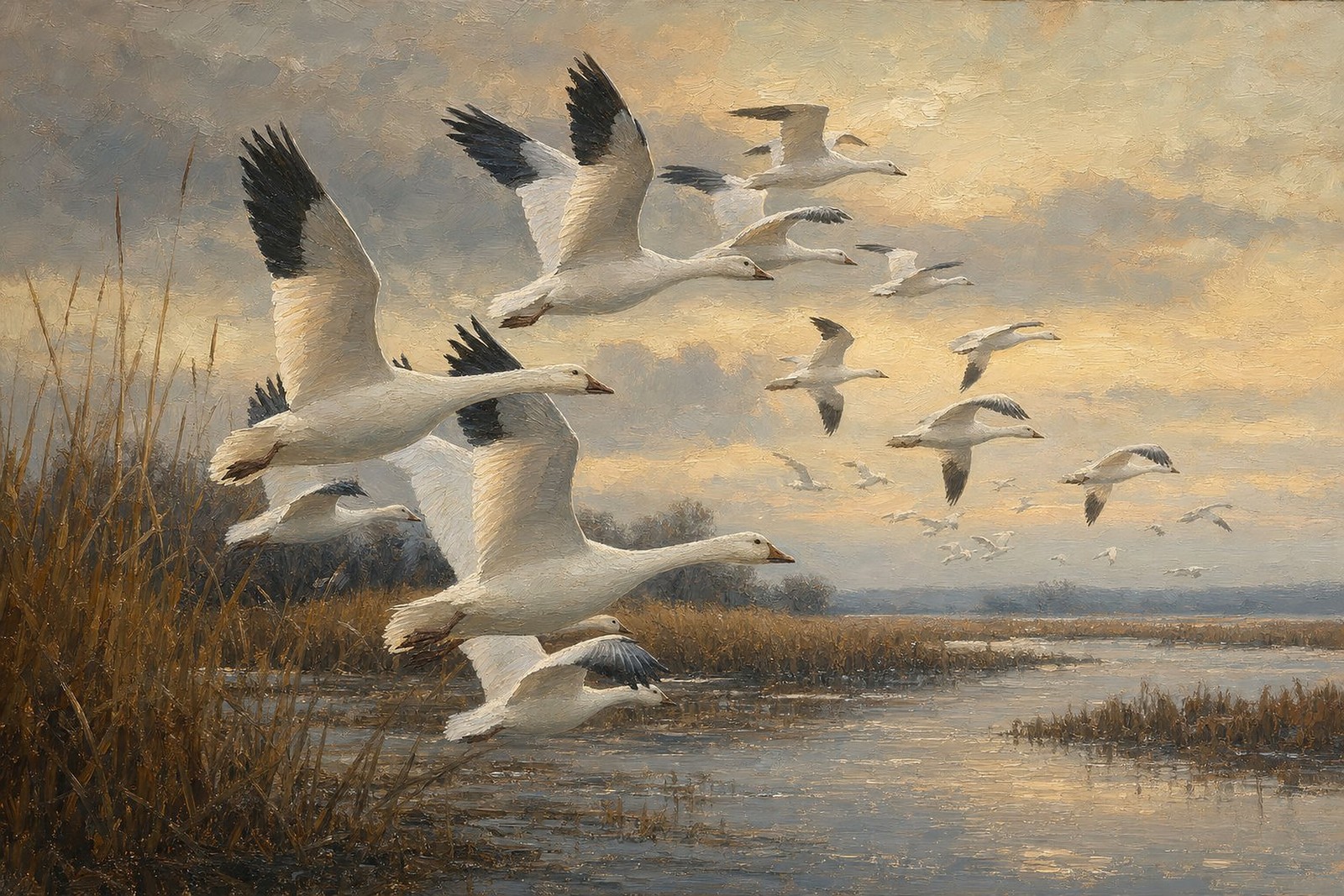
How a rising flock of white geese brings true winter light into a room, and why the slate-bodied blue morph is the pick for people who know their geese.
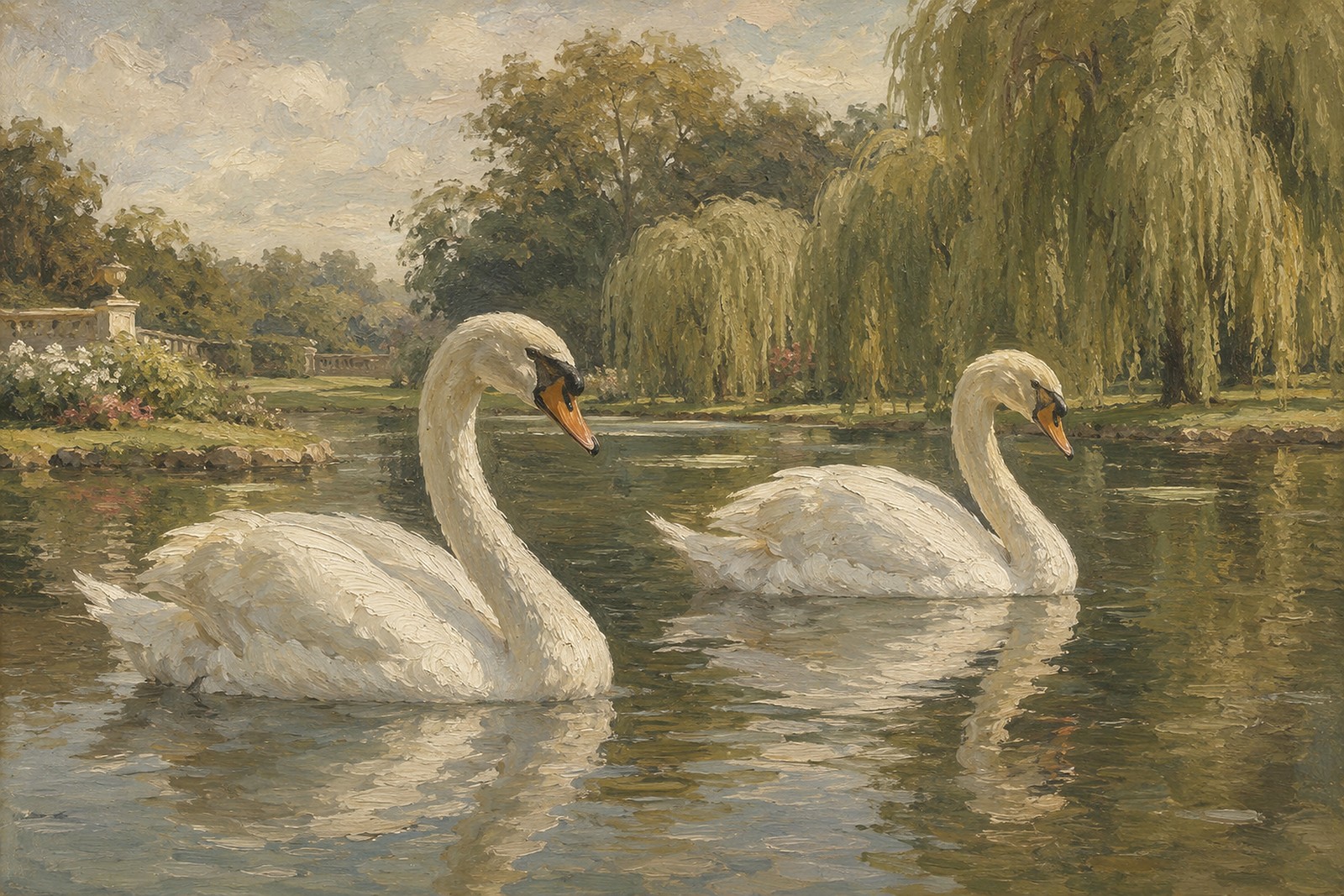
Most swan pairs stay together year after year, and that quiet, well-documented loyalty is what makes a swan pair print an anniversary gift with real meaning behind it.
A guide to nursery art that skips the cartoon phase entirely, built around gentle swan prints, calm water palettes and pieces a child can grow up alongside.
The working decoy became America's accidental folk art and the Duck Stamp turned art into wetlands, which is why the vintage waterfowl look still holds a wall better than anything newer.
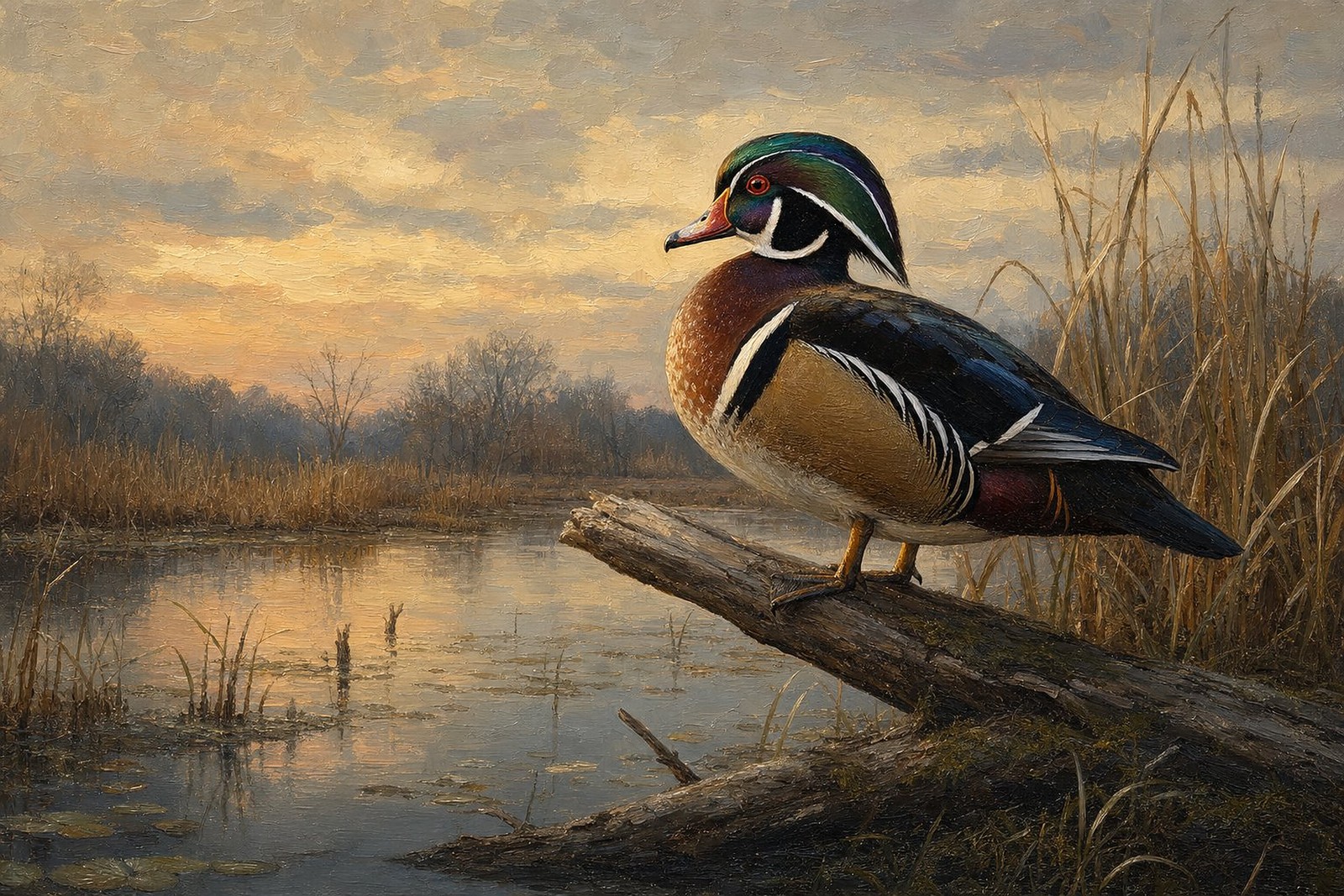
The wood duck was nearly lost a century ago, which is part of why carvers, stamp collectors and print buyers have never stopped putting it on the wall.
12 gifts for the duck hunter in your life that aren't another call or another box of shells, from oil-painting-style waterfowl prints to the small camp gear that actually gets used.
A gift guide for the wetland bird lover in your life: oil-painting-style prints of heron, loon, kingfisher, and swan first, then the field gear and days out that round out the perfect gift.
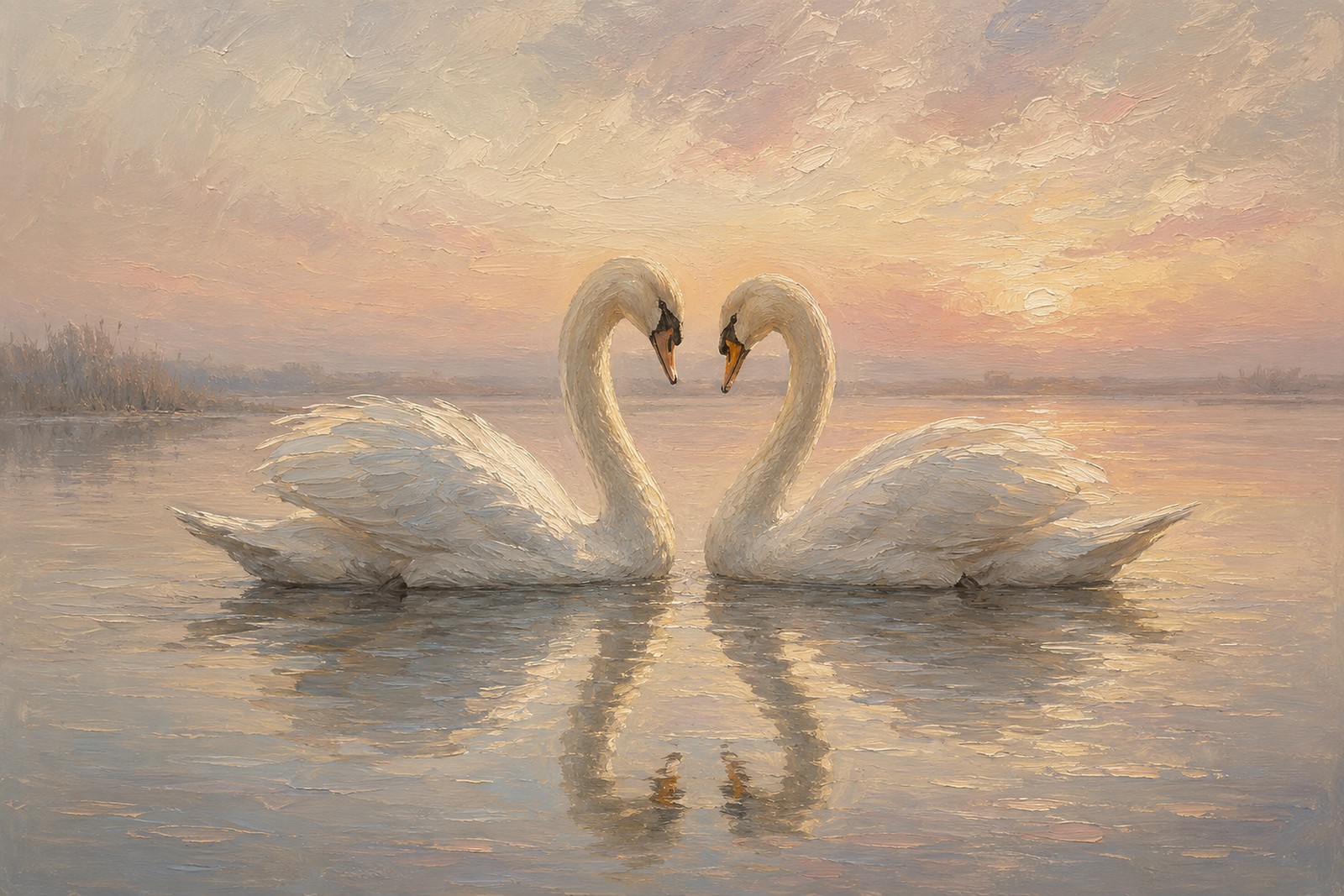
Why grandmillennial interiors are bringing traditional bird art back, and where oil-painting-style prints of swans, wood duck, and pheasant fit into the revival.
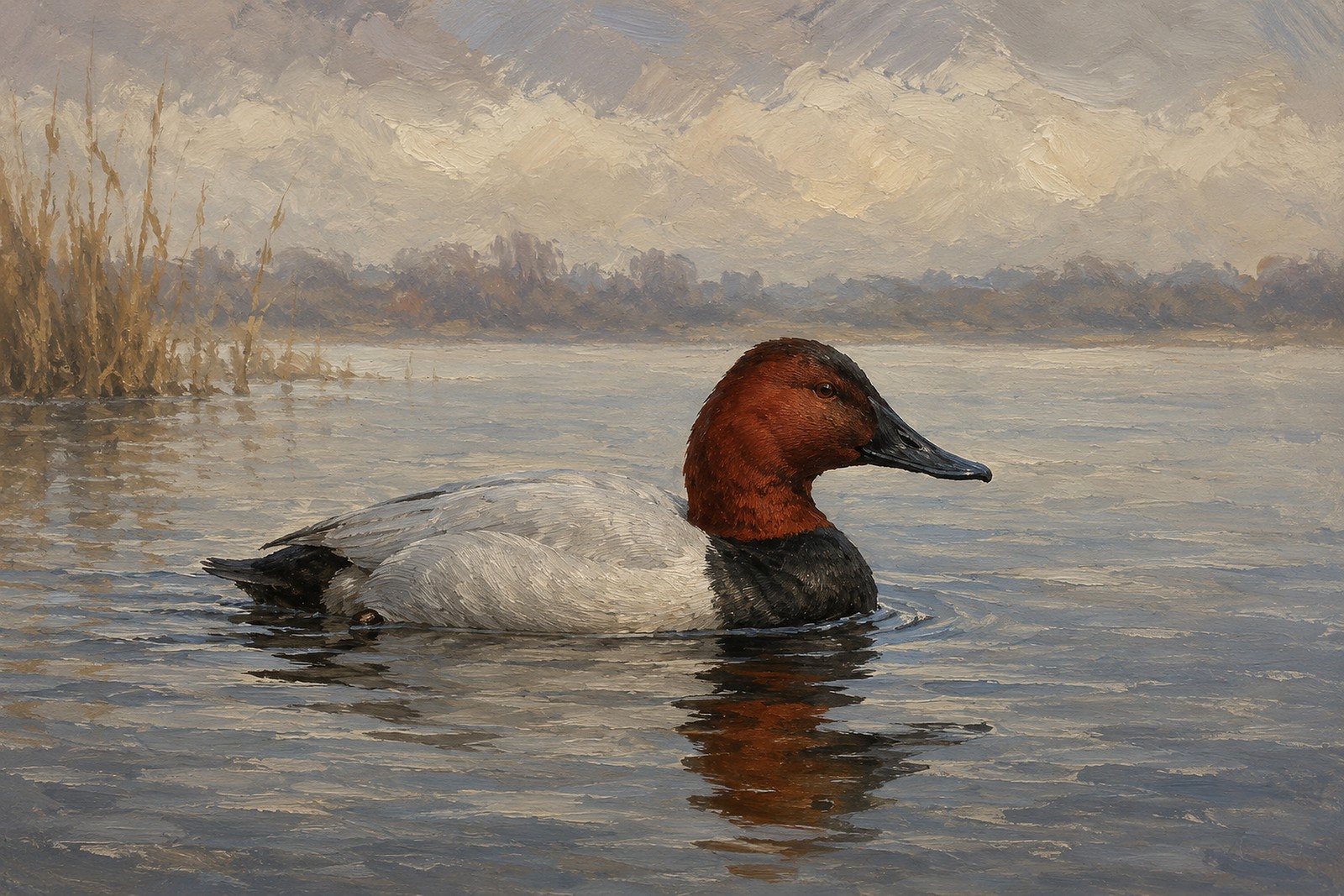
A decor guide to waterfowl prints for the hunting lodge or den: which birds suit the room, how to pair them, dark-wood pairings, and what size to buy for the wall you actually have.
A decor guide to swan wall art, from mute swan pairs to trumpeter and whooper swans, and why swans mating for life makes them a natural anniversary gift.
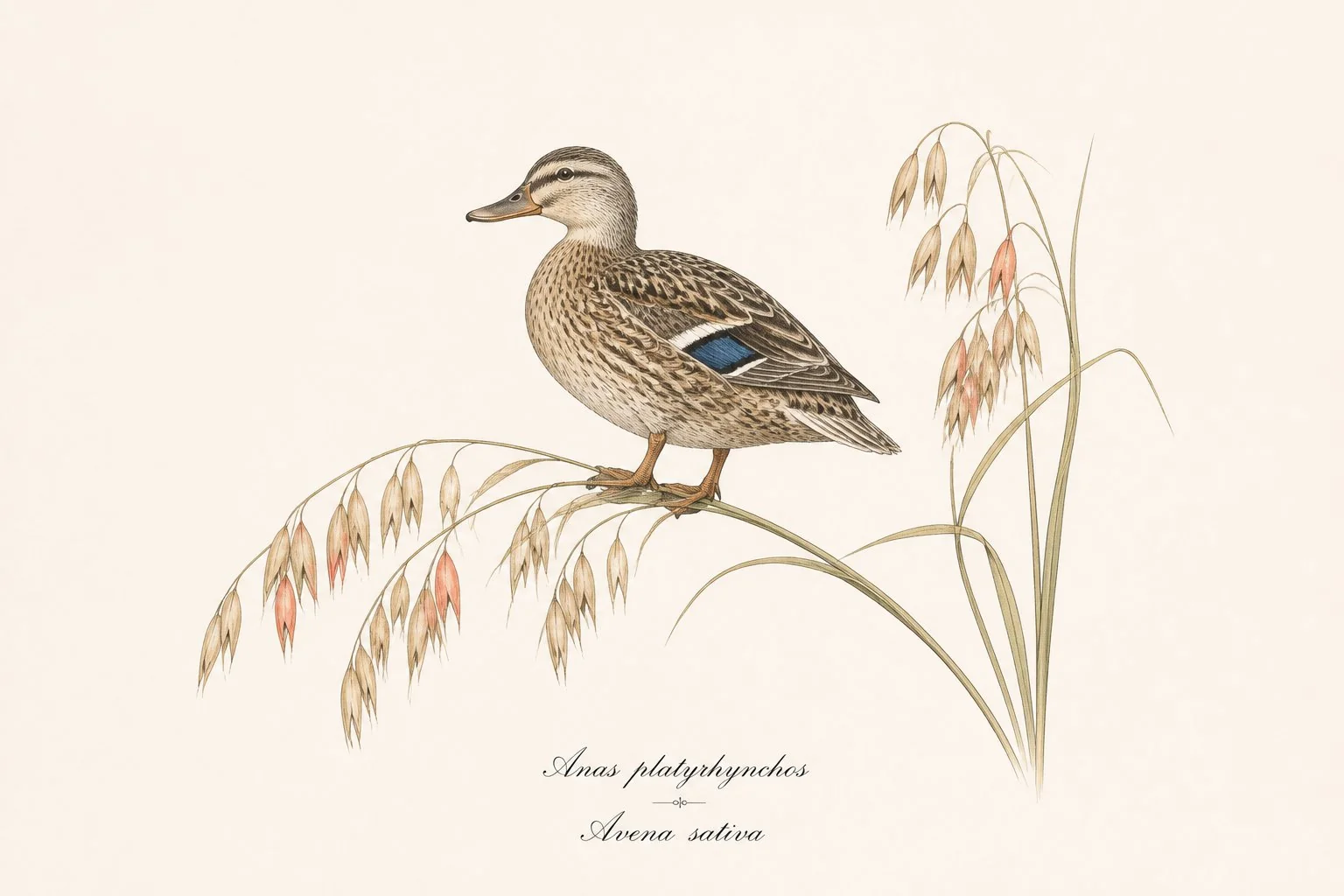
Oats are one of the most useful supplemental foods for ducks. Plain rolled or whole oats are calorie-dense, high in fibre, easy to swallow, and naturally fit waterfowl digestion. Skip flavoured instant oatmeal - the salt and sugar additions are harmful.
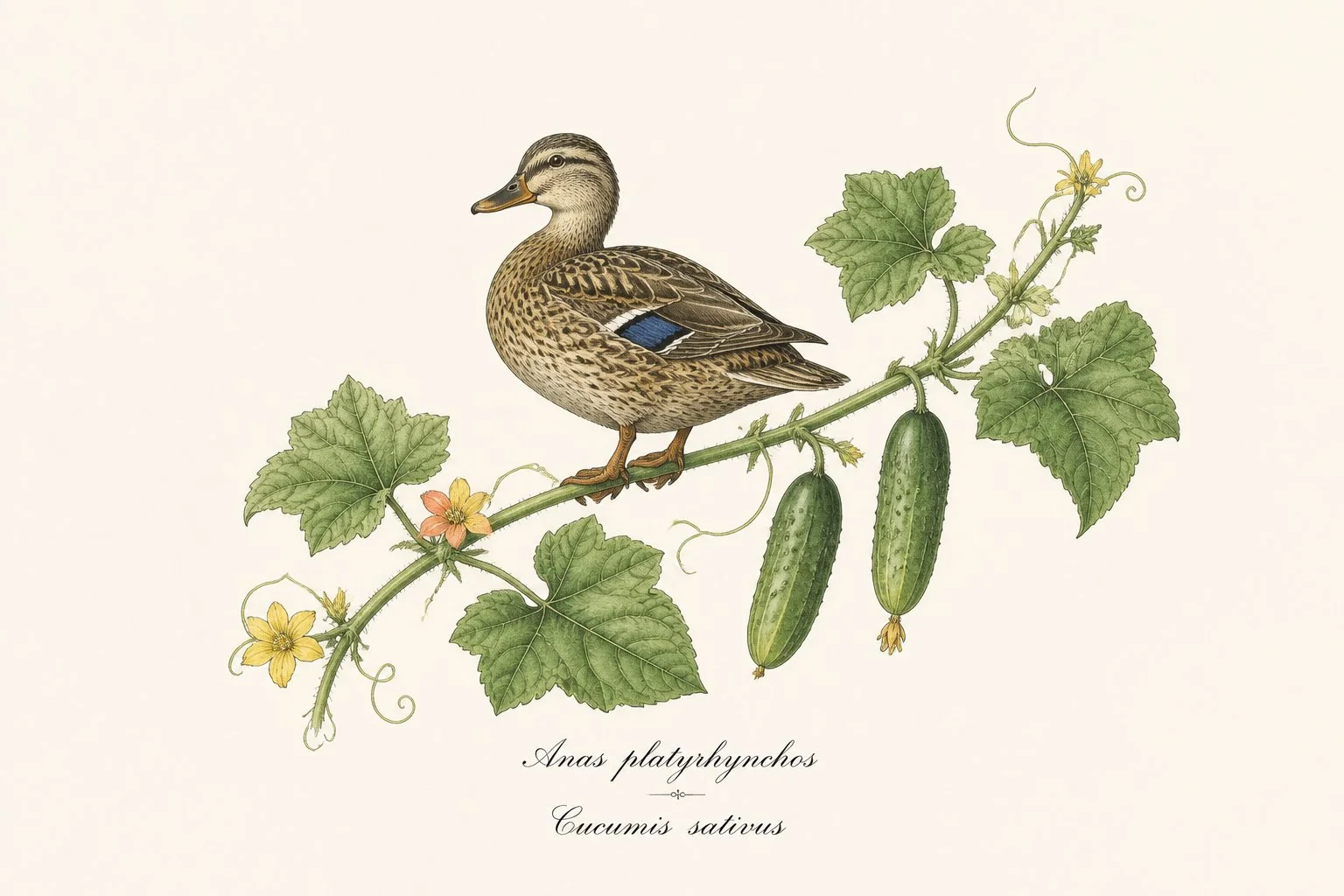
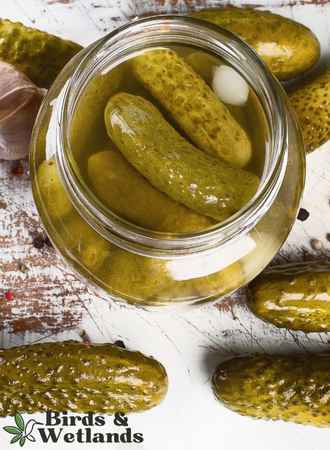
Pickles are loaded with salt and vinegar - both genuinely harmful to ducks. Sodium toxicity is one of the most easily caused waterfowl poisonings, and the acetic acid disrupts gut function. Fresh cucumber is fine; anything pickled is not.
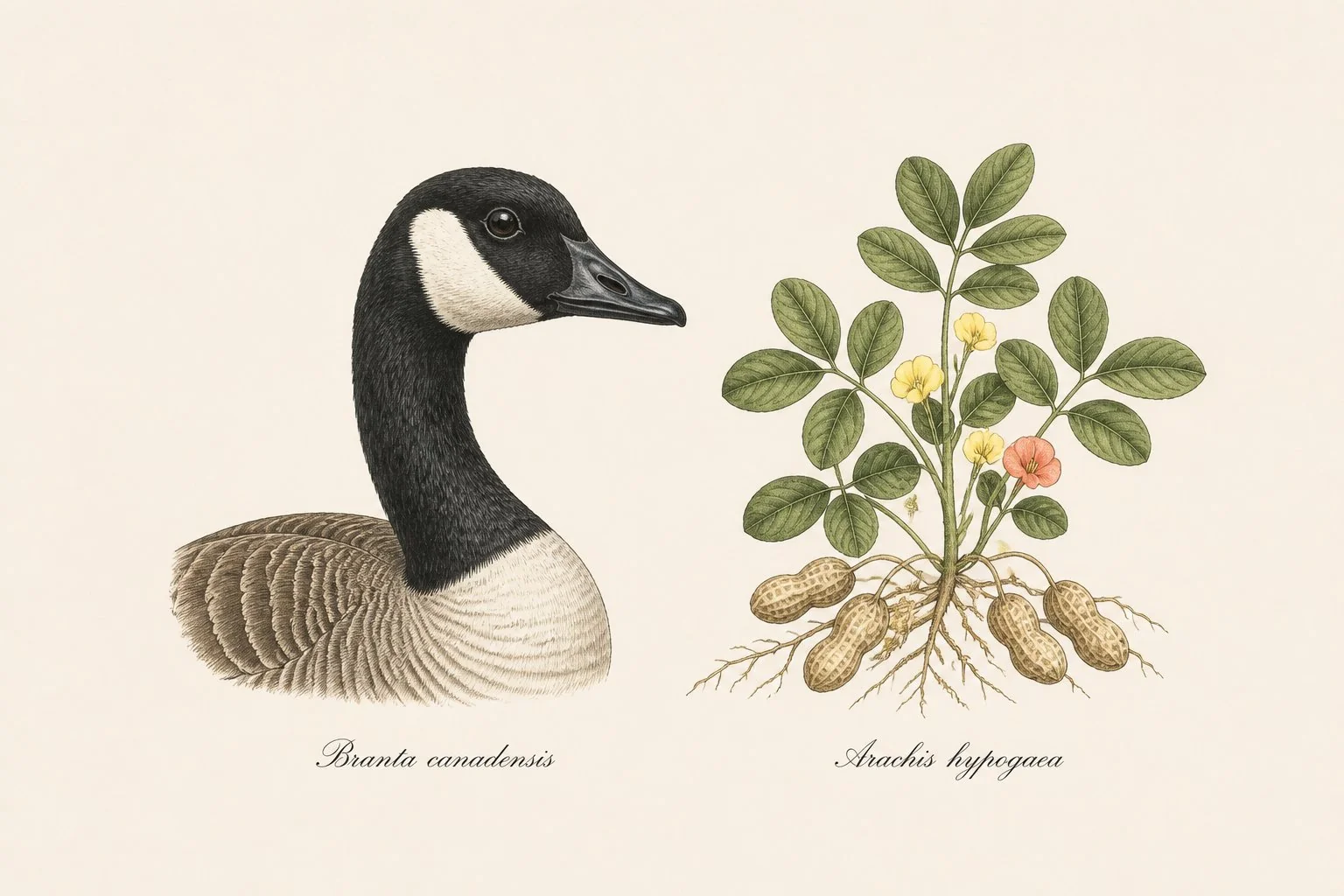
Geese can safely eat raw unsalted nuts in small quantities. Peanuts, almonds, walnuts and pecans are all fine when chopped fine and offered as treats. Salted, smoked, or flavoured nuts are not. Bitter almonds and macadamias should be avoided entirely.
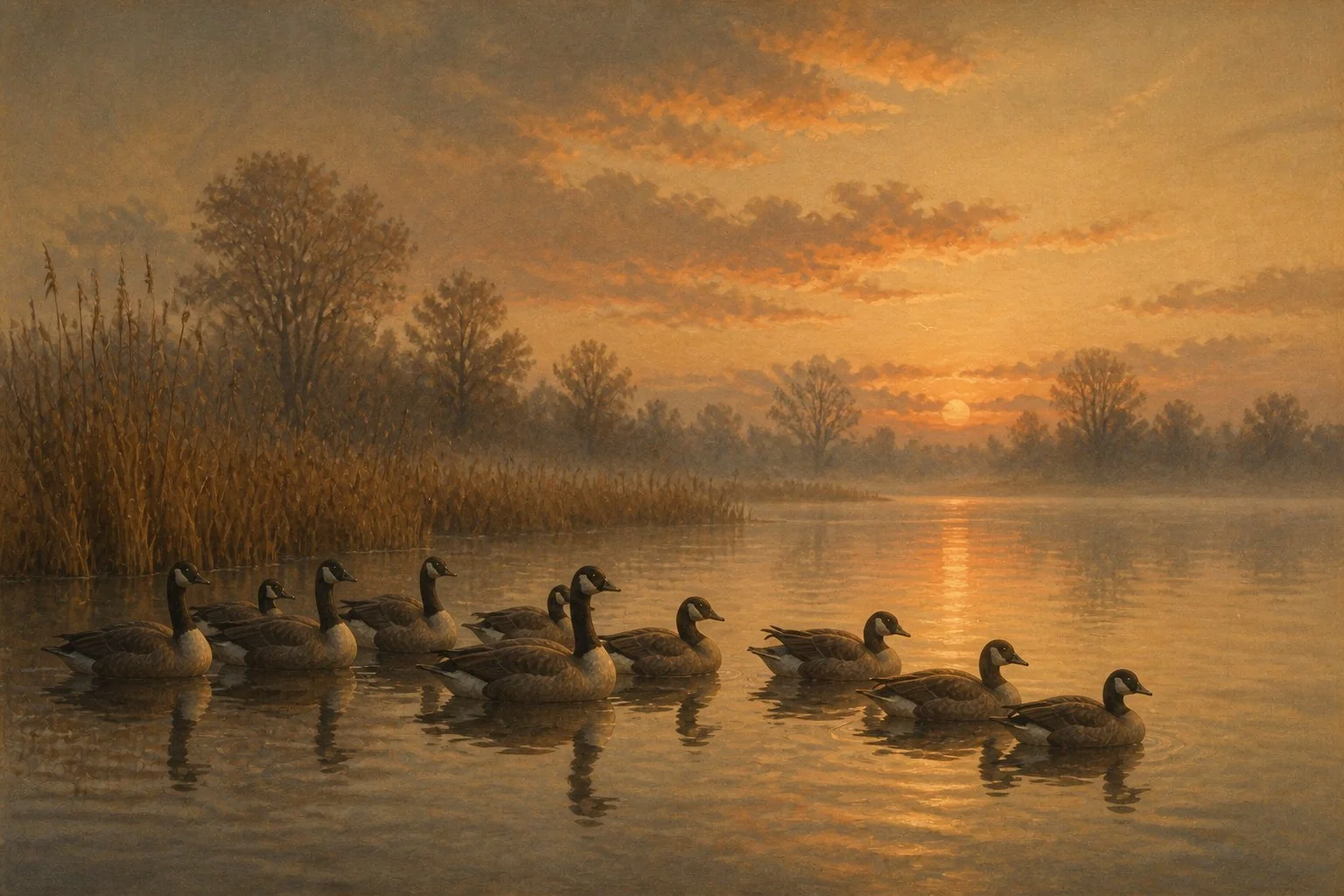
Geese have better low-light vision than humans but aren't truly nocturnal. They're crepuscular - active at dawn and dusk - and migrate at night using a combination of magnetic, celestial and visual cues. In genuine darkness they roost on water and rely on hearing for threat detection.
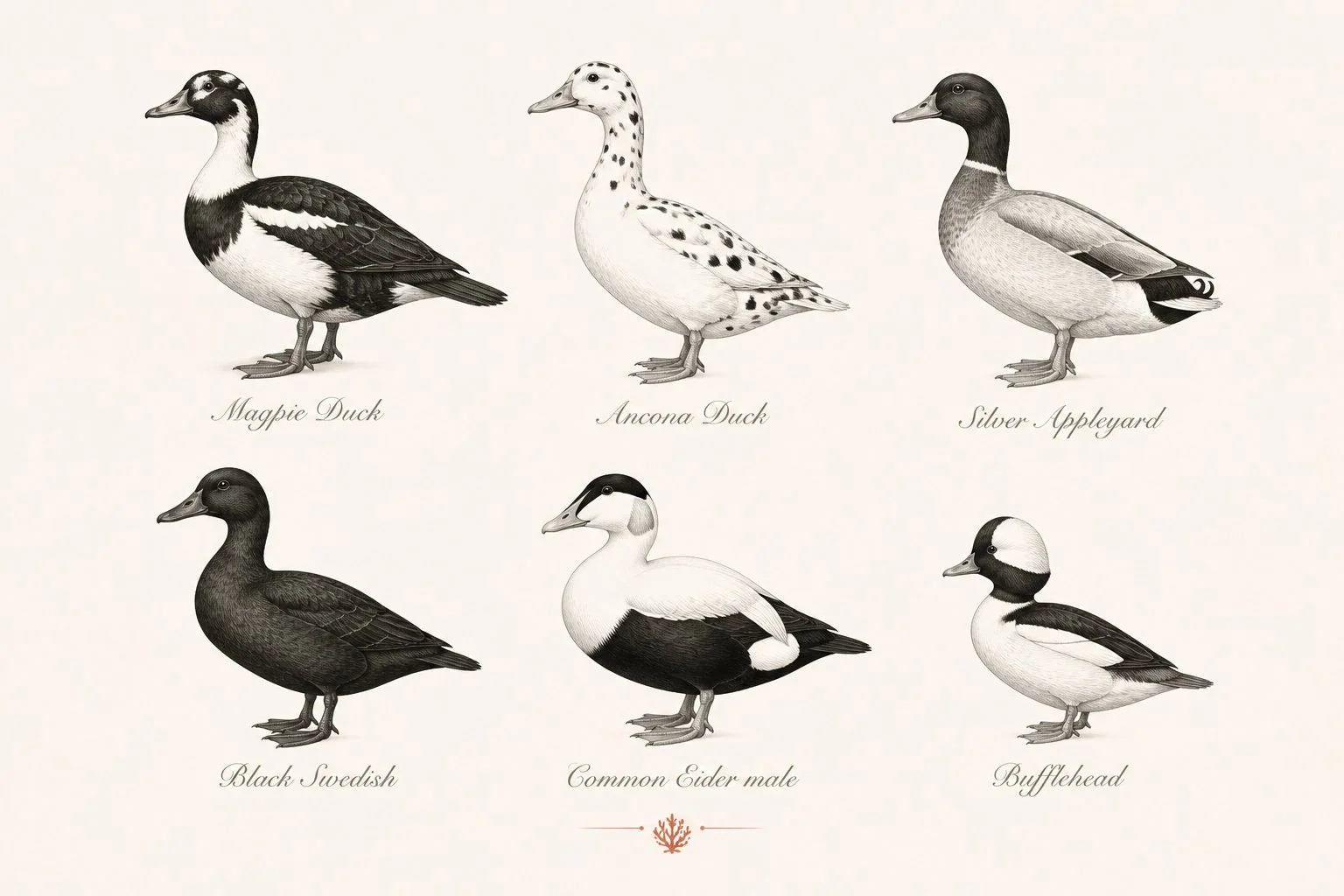
Six duck breeds produce reliable black-and-white plumage: Magpie, Ancona, Black Swedish, Silver Appleyard, Hookbill, and (loosely) Cayuga with white markings. They're popular with backyard keepers for layability and personality. Here's how each looks, lays, and behaves.
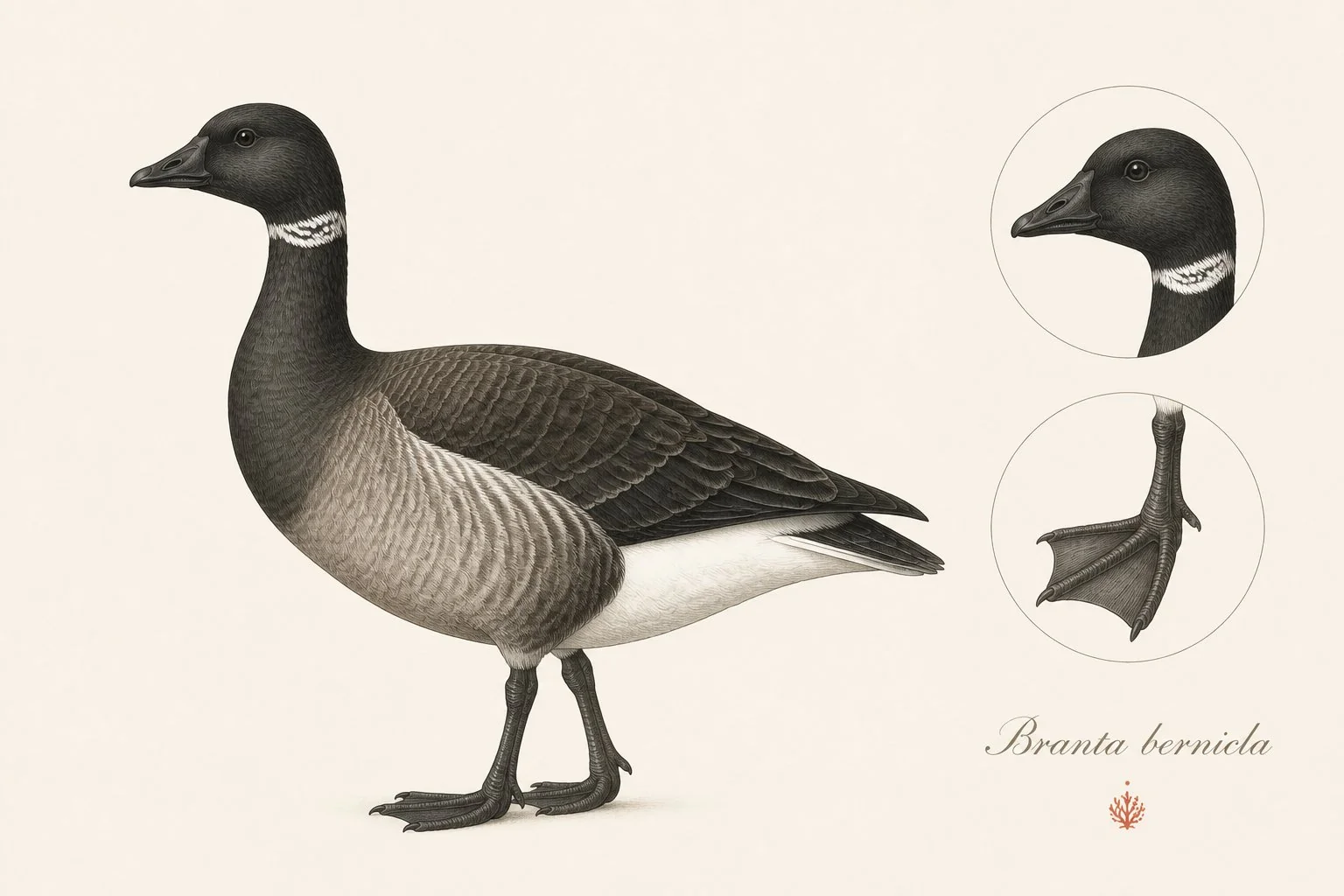
An 'all-black goose' in North America is almost always a Brant (Branta bernicla) - a small saltwater goose of arctic origin. Less commonly it's a feral Cackling, melanistic Canada, or domestic Chinese variant. Here's how to tell them apart by size, bill, and habitat.
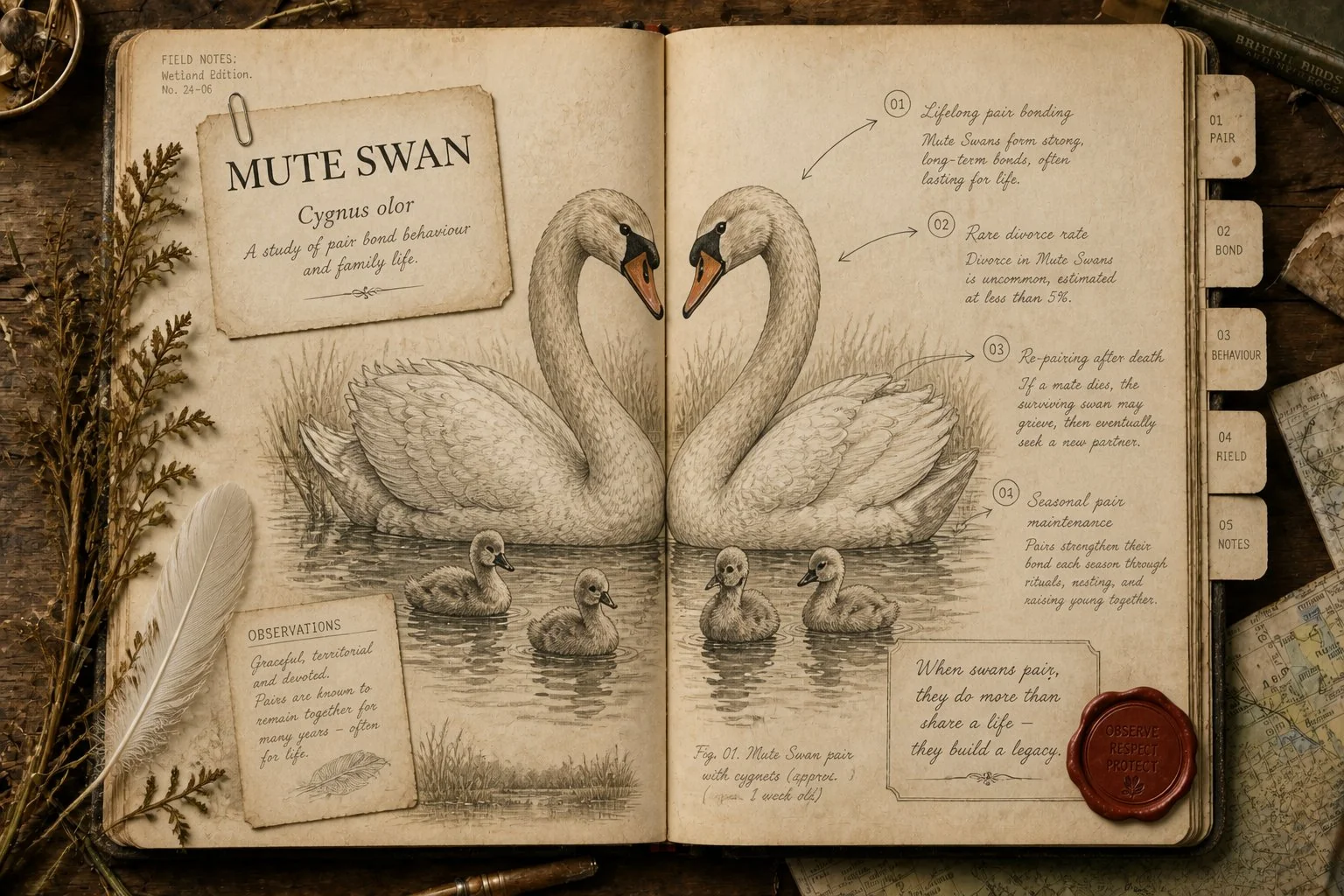
Swans form long-term pair bonds and most stay together for many breeding seasons. But about 6-9% of Mute Swan pairs 'divorce' each year, and bereaved birds often re-pair after a year or two. The folklore is mostly right - just less absolute than the romantic version suggests.
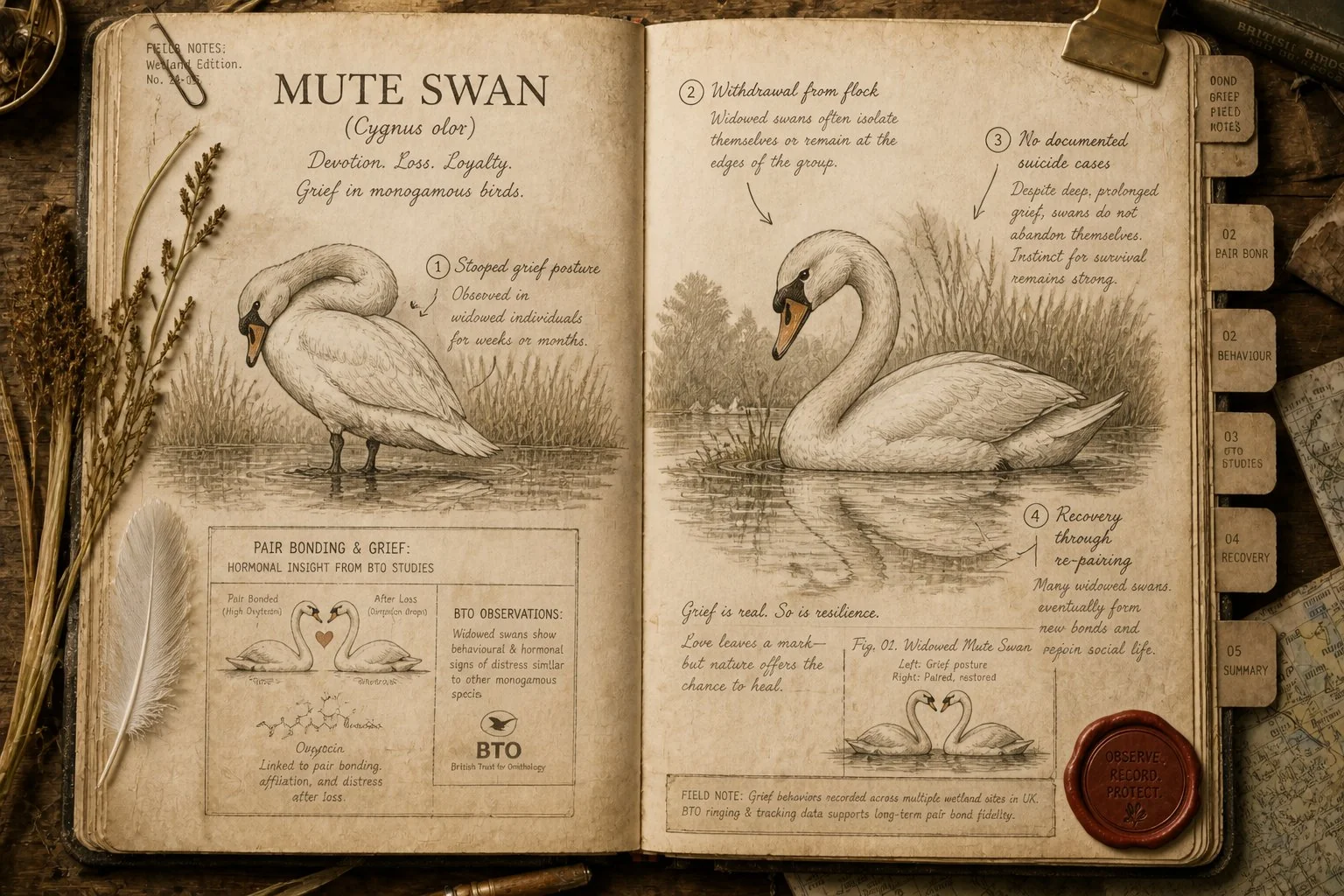
Swans don't take their own lives - the folklore that they do is romantic projection. But the RSPB confirms genuine grieving behaviour after a mate dies, and weakened older swans can decline and die from grief-related stress. The 'broken heart' story is half-true.
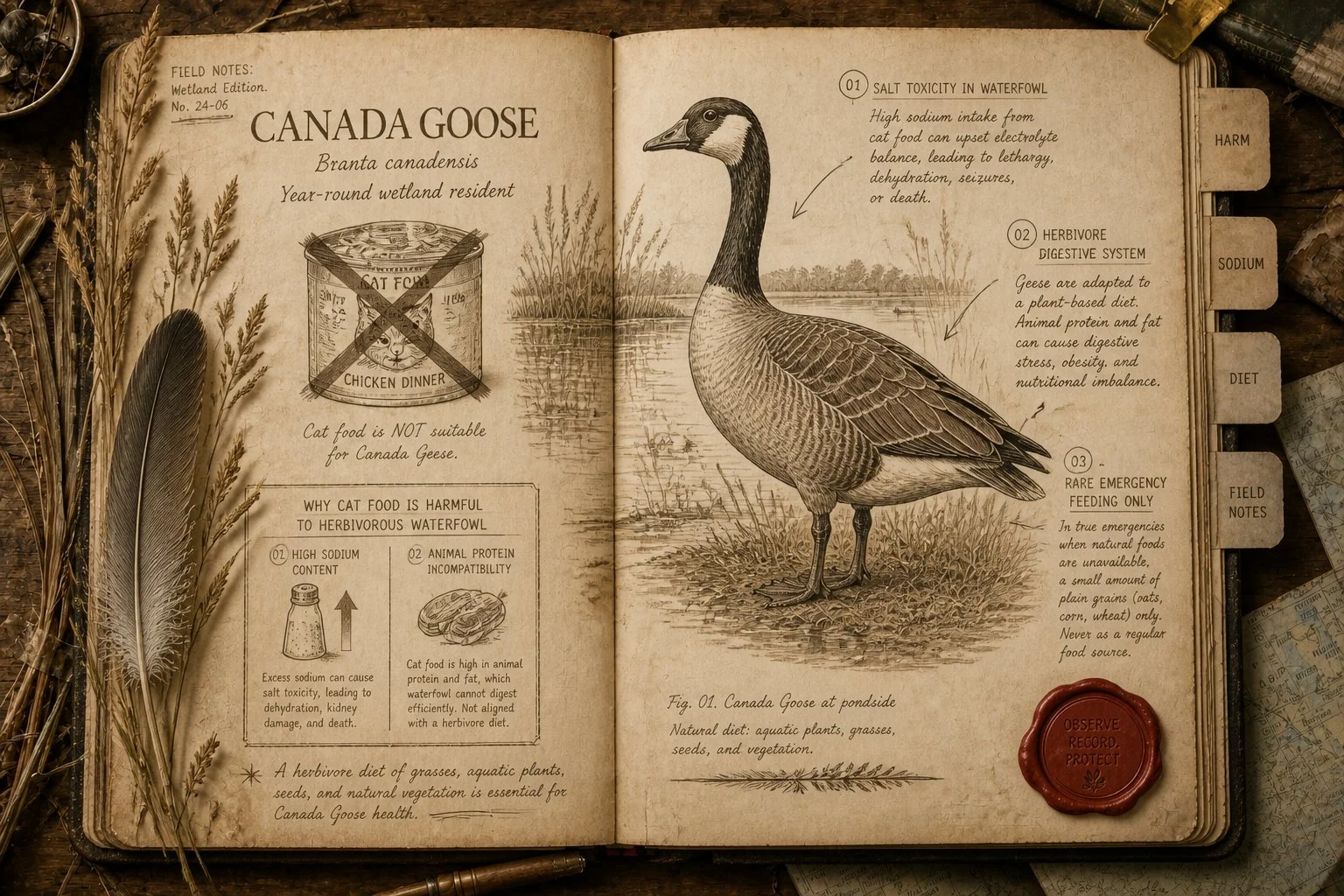
Cat food is too high in protein (30-40% vs geese's 10-20% need), too high in salt, and too low in fibre for waterfowl. It won't poison a goose that snatches a piece but it's nutritionally wrong as a regular food. Stick to formulated waterfowl feed.
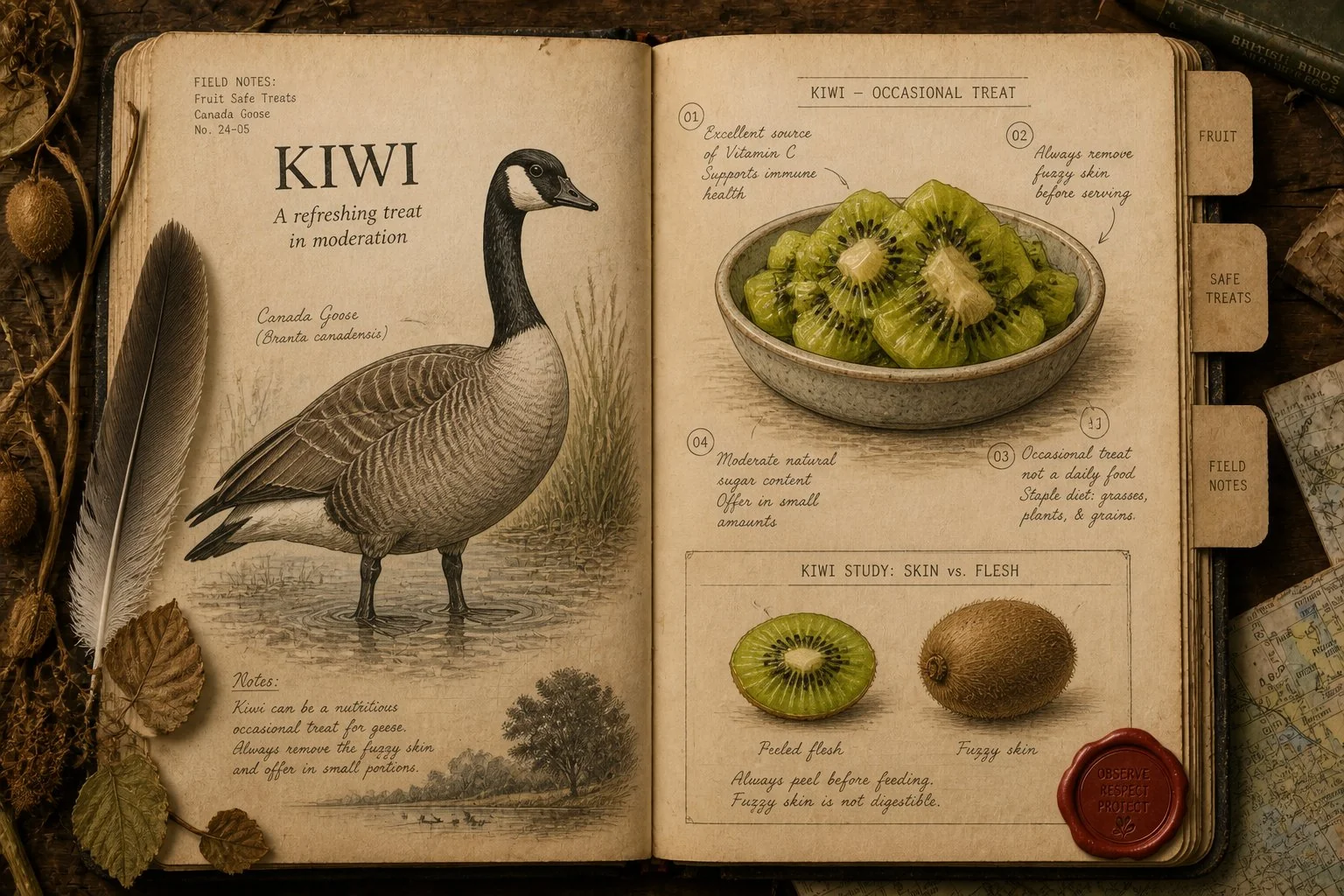
Kiwi flesh is safe for geese and high in vitamin C. The fuzzy skin and the calcium-oxalate content are minor concerns - peel it, dice it, treat as an occasional fruit, no more than 1-2 times a week.
Geese can safely eat ripe mango flesh in moderation. The pit contains amygdalin (cyanogenic, like apple seeds and cherry pits) and the skin contains urushiol - both should be removed. Chop into pea-sized pieces; treat as an occasional fruit treat, not a staple.
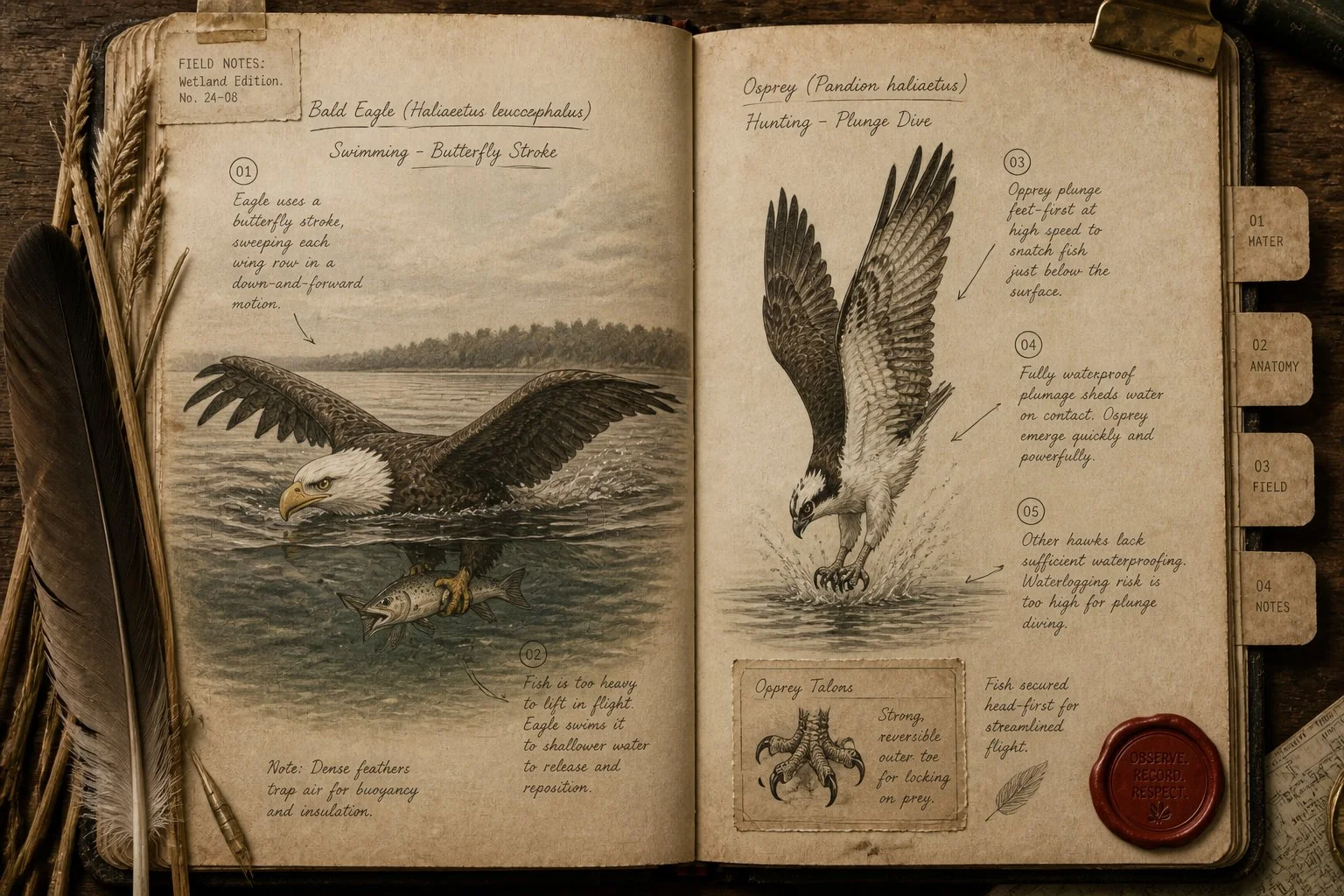
Hawks can swim and have been documented doing so in the wild and on viral video. They aren't built for it - no webbed feet, less waterproof plumage than waterfowl - but they can wing-row to shore when waterlogged with a catch. Ospreys and Bald Eagles do this regularly; Red-tails and Cooper's only when desperate.
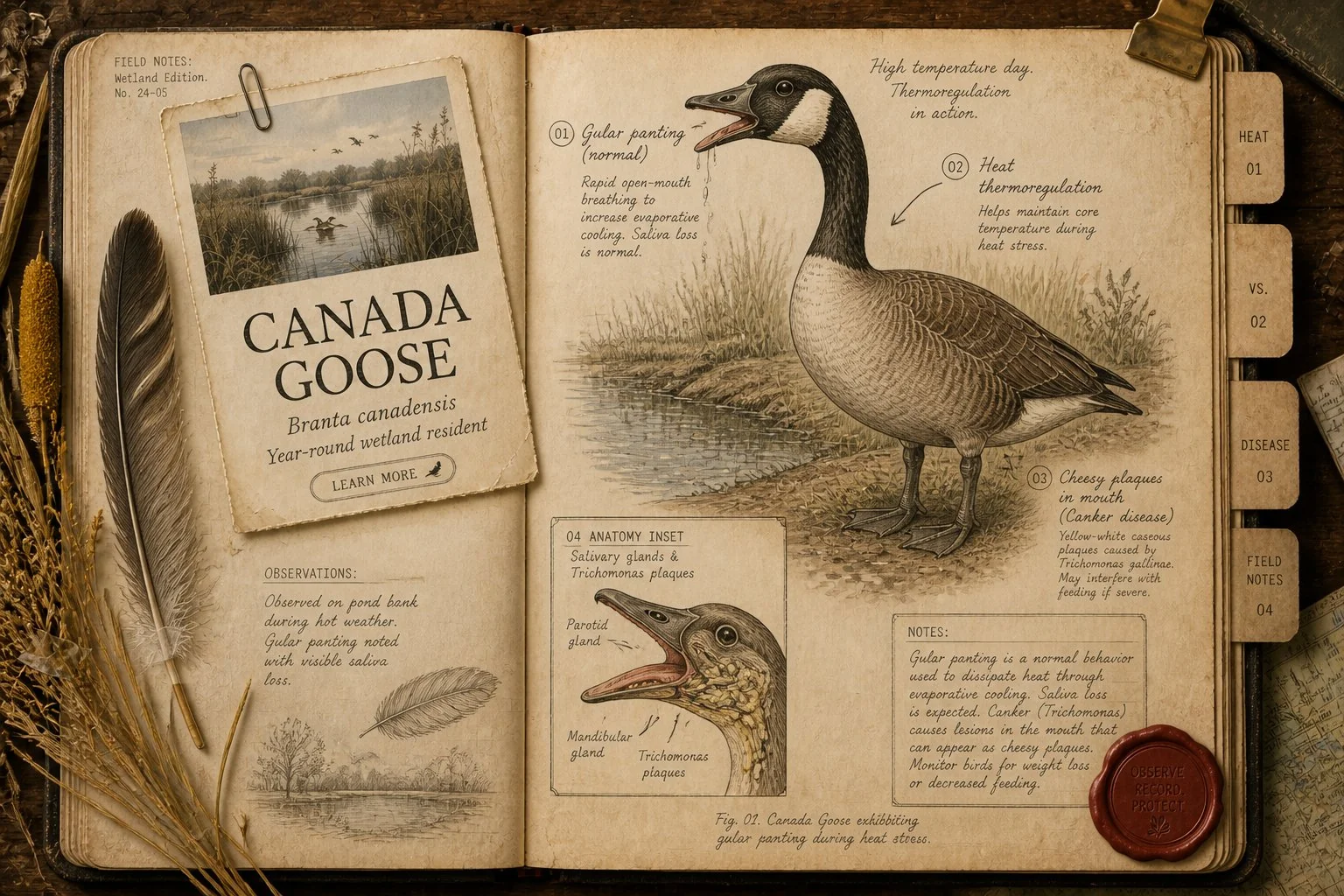
Geese do produce saliva, and they sometimes open the beak and let it visibly run during hot weather - this is gular panting, the avian equivalent of sweating. Persistent thick or yellow drool with swallowing difficulty is something else: usually trichomonosis (canker). Here's how to tell.
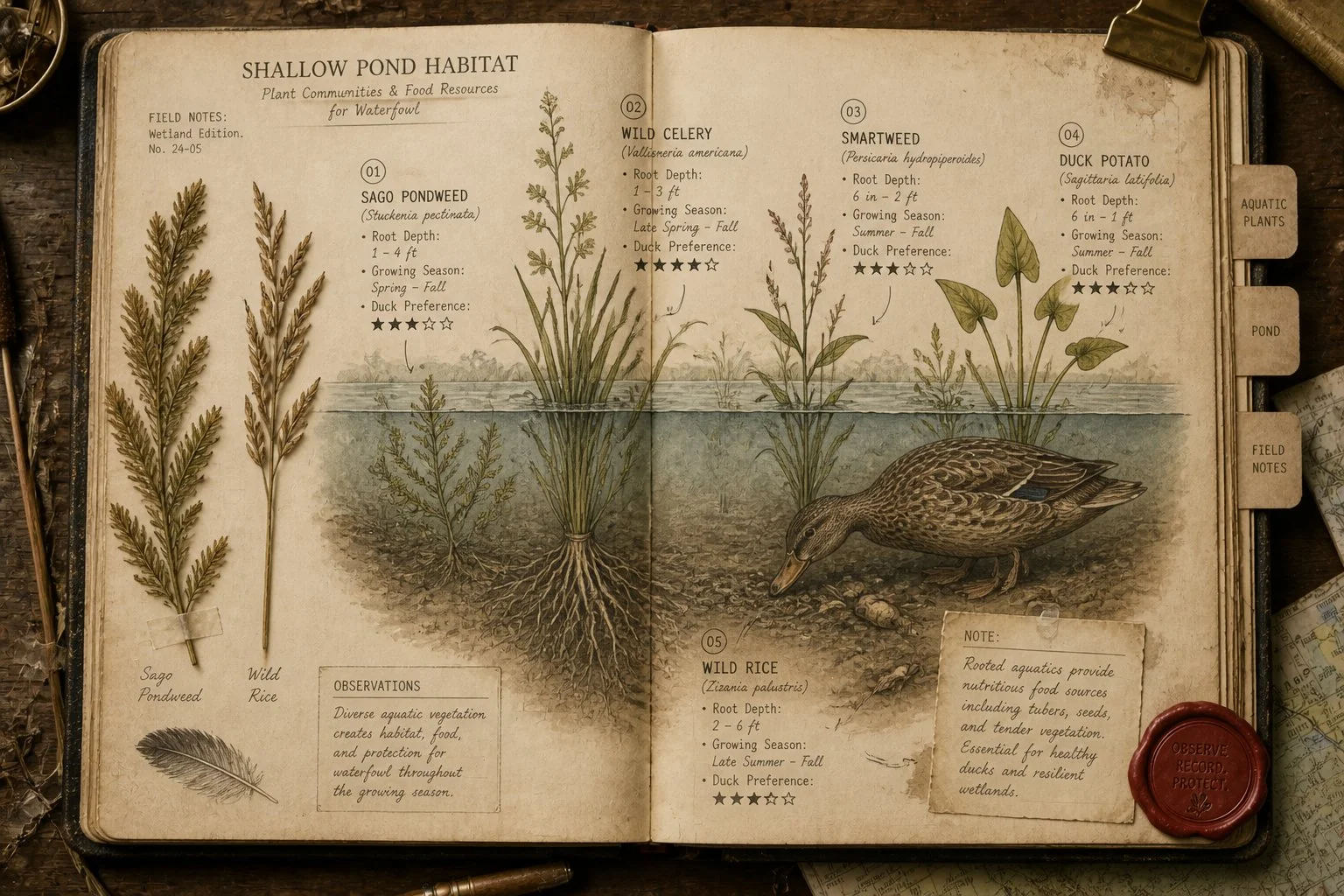
Five plants do most of the work in a duck pond - sago pondweed, wild celery, smartweed, duck potato, and wild rice. Each one feeds different parts of the duck guild. Here's how to establish them, what depth each prefers, and what to skip.
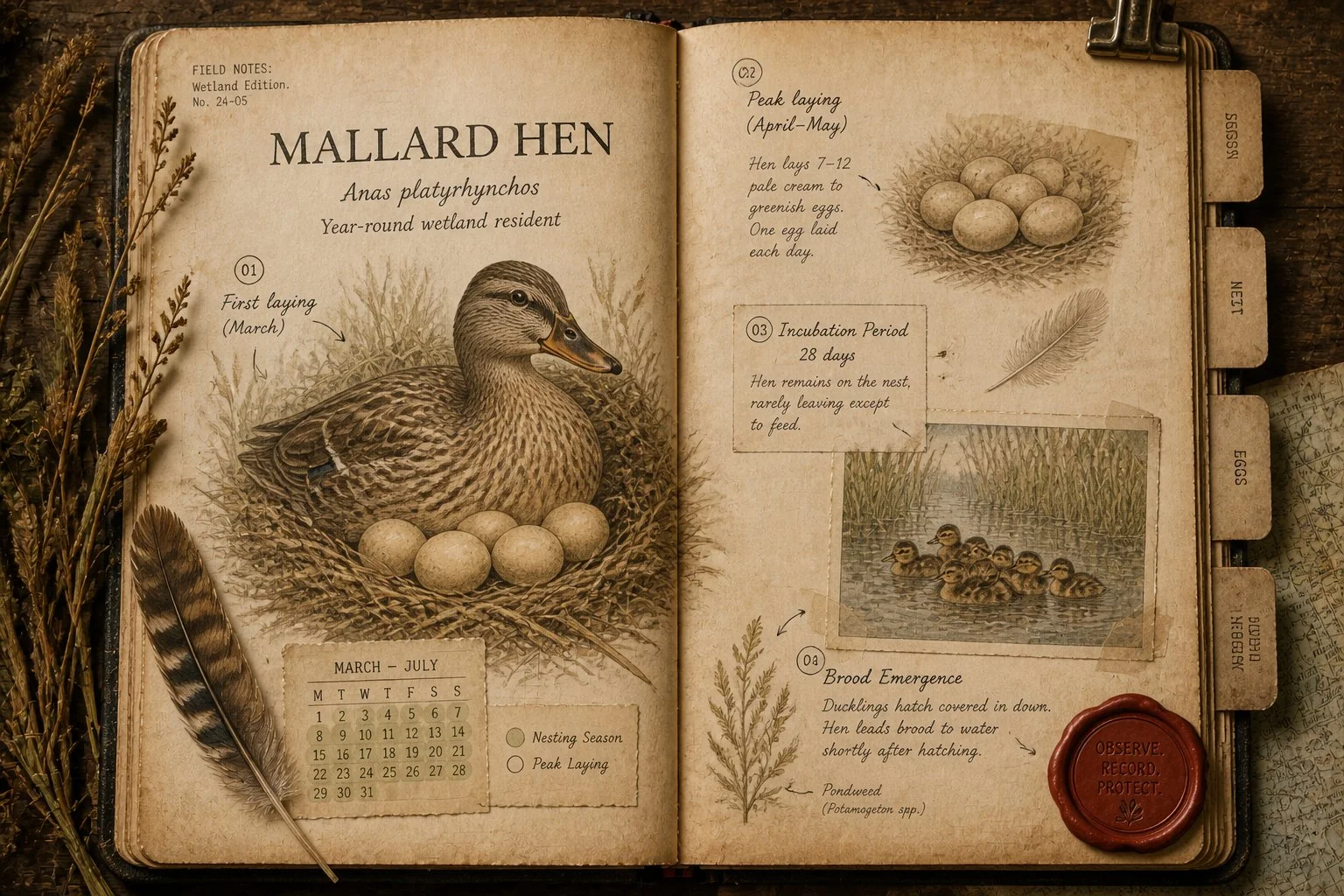
Wild ducks in North America start laying in March, peak in April-May, and finish broods by August. Exact timing varies by species and latitude. Here's the breeding calendar and what to expect on a backyard pond.
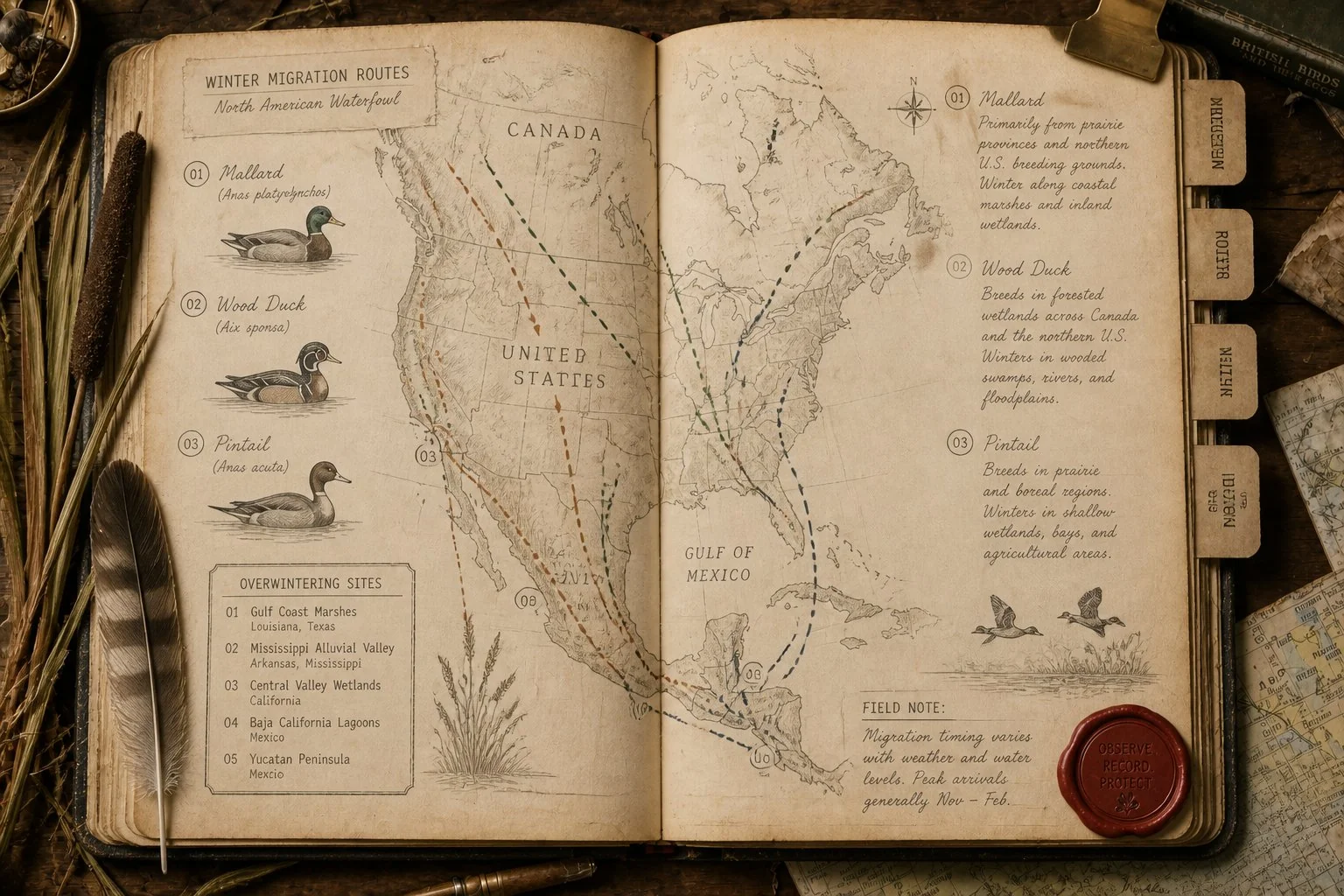
North American ducks migrate along four major flyways - Pacific, Central, Mississippi, and Atlantic. Most northern breeders winter in the southern US (Gulf coast, California Central Valley, Chesapeake) or Mexico. Here's the per-species pattern and the science behind it.
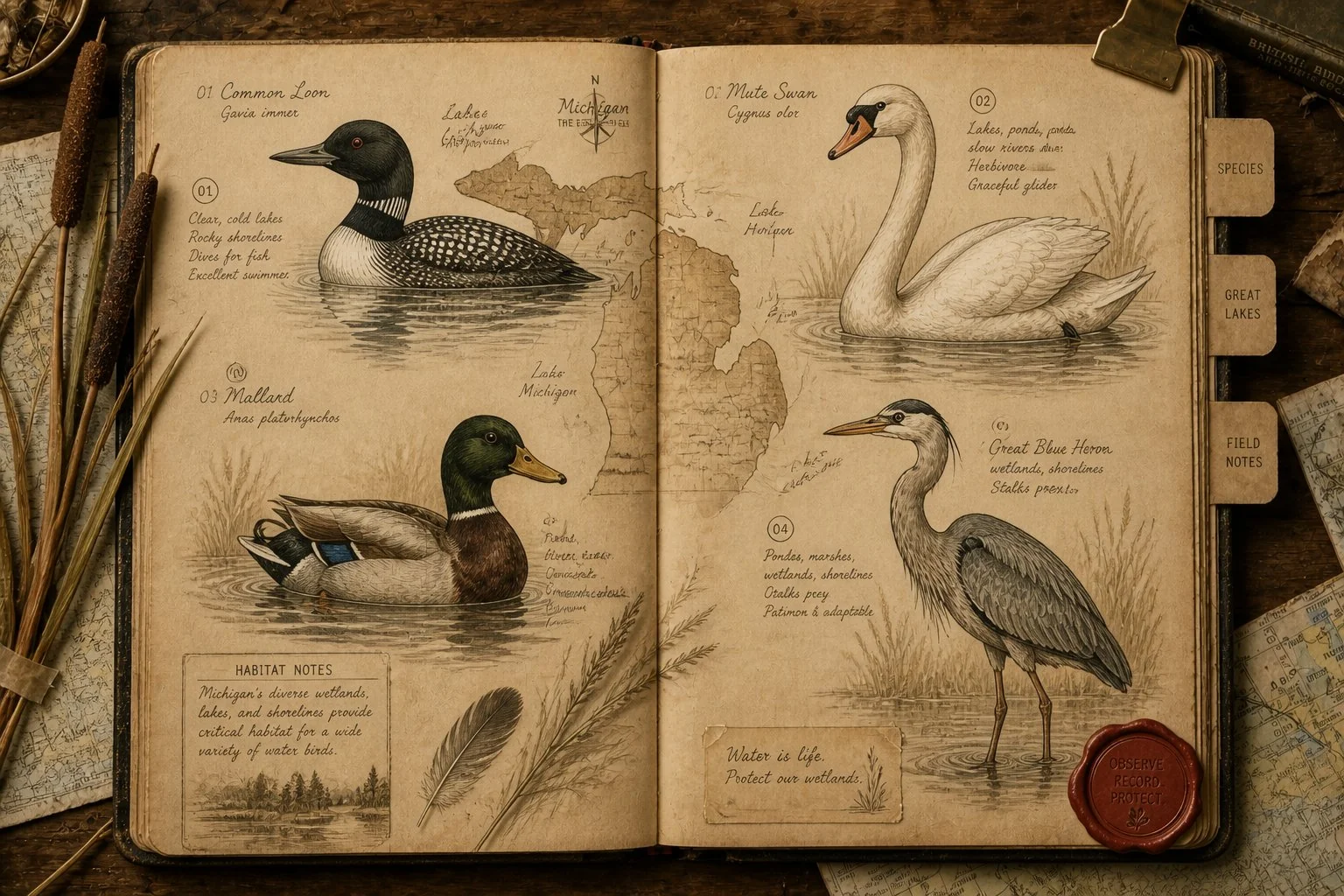
Michigan's 3,000+ miles of Great Lakes shoreline plus inland lakes and marshes host roughly 40 water bird species. Twelve cover most field sightings: Common Loon, Mute Swan, Mallard, Wood Duck, Great Blue Heron, plus seven others. Here's where and when.
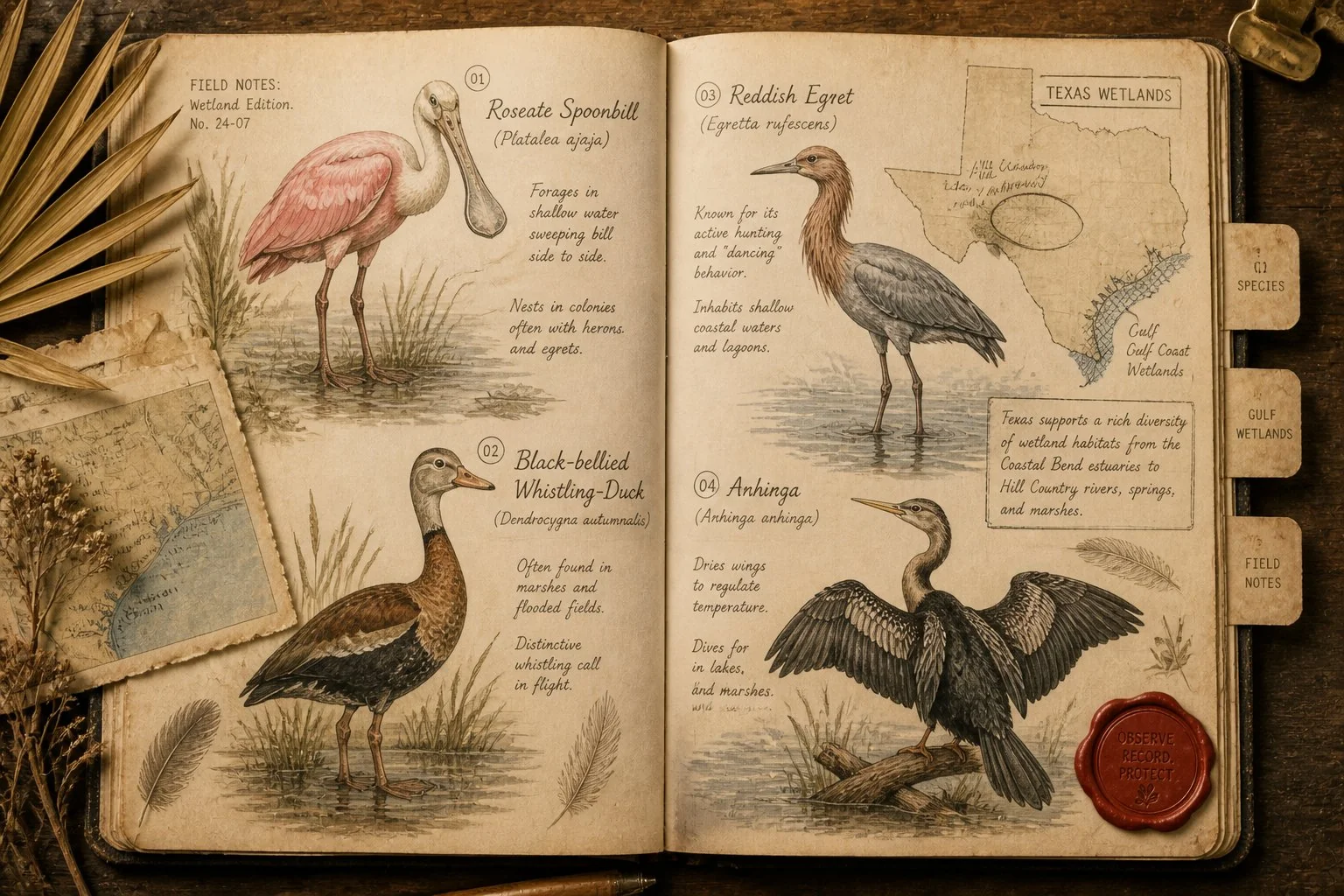
Texas hosts more water bird species than any other US state - over 80 regularly occur. Sixteen cover most field sightings: Roseate Spoonbill, Black-bellied Whistling Duck, Reddish Egret, Great Blue Heron, Anhinga, Mottled Duck, and ten others. Coast, Hill Country wetlands, and Panhandle playas each have their own.
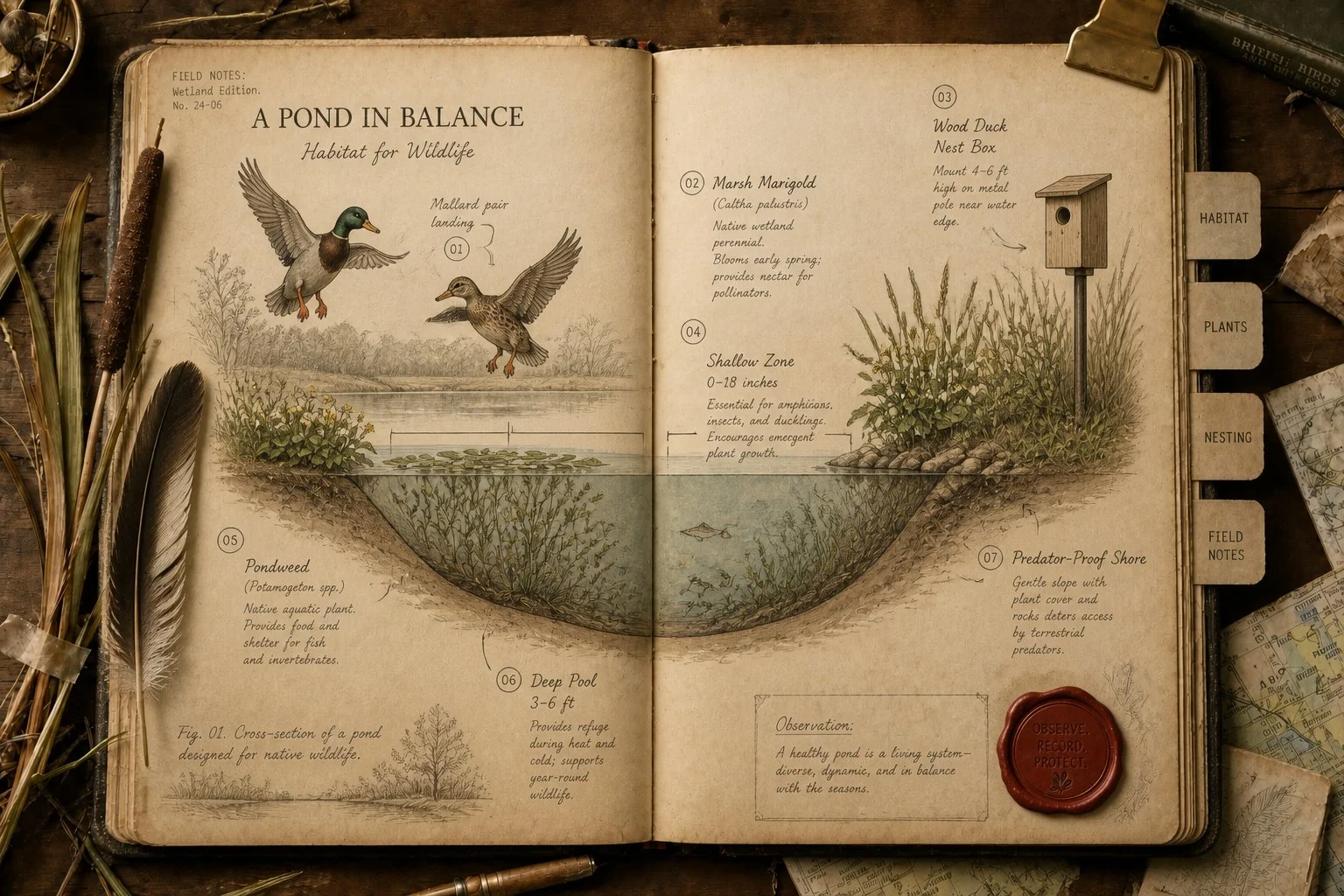
Wild ducks need four things: shallow margins for dabbling, submerged food plants, predator-proof cover, and nest cavities. Get those four into a one-acre pond and you'll have Mallards, Wood Ducks, and Hooded Mergansers within a single season.
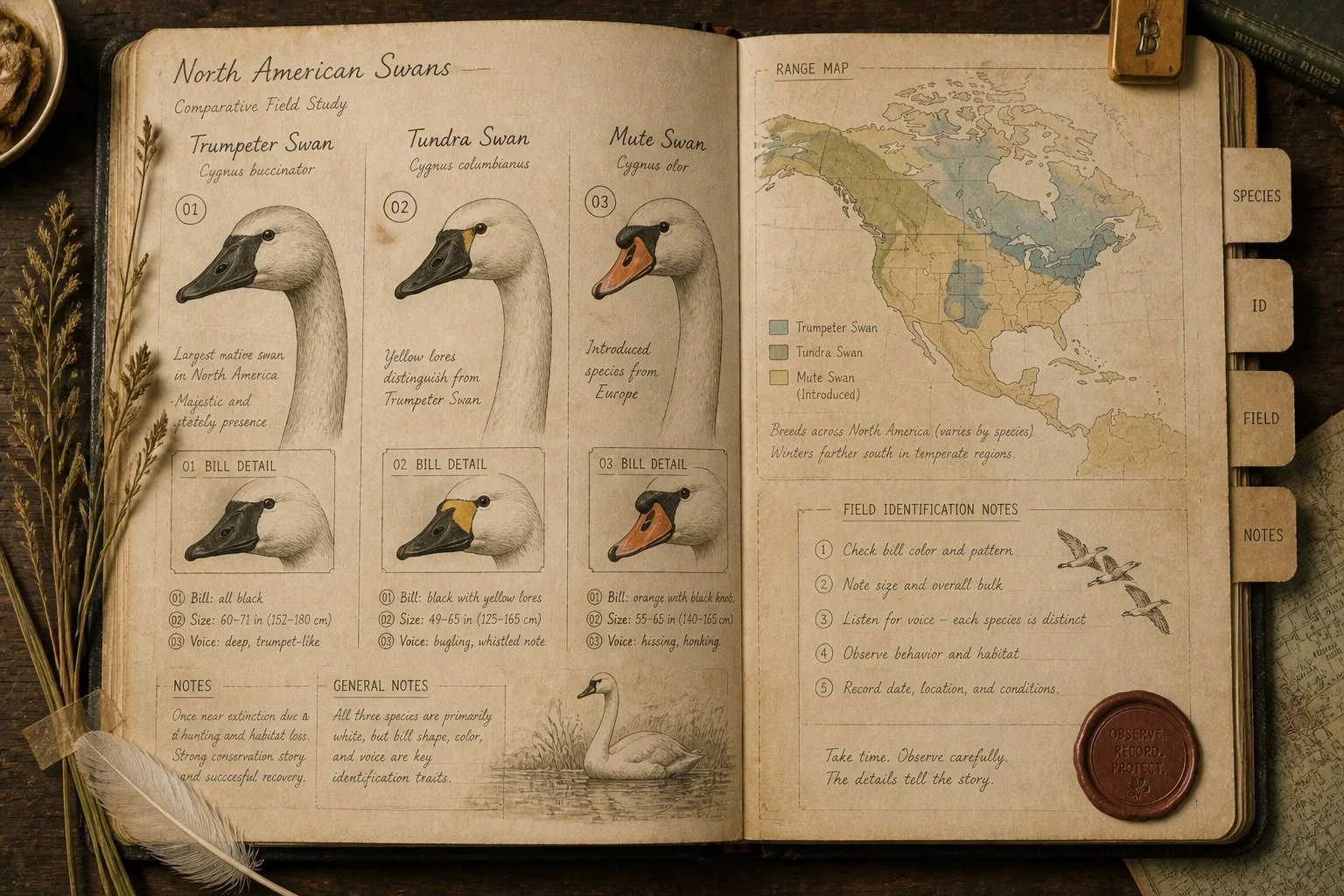
Three swan species occur in North America: the native Trumpeter (largest, with a clarion call), the native Tundra (smaller, more numerous), and the introduced Mute (Eurasian origin, common on parks and waterways). Here's how to tell them apart by bill, voice, and behaviour.
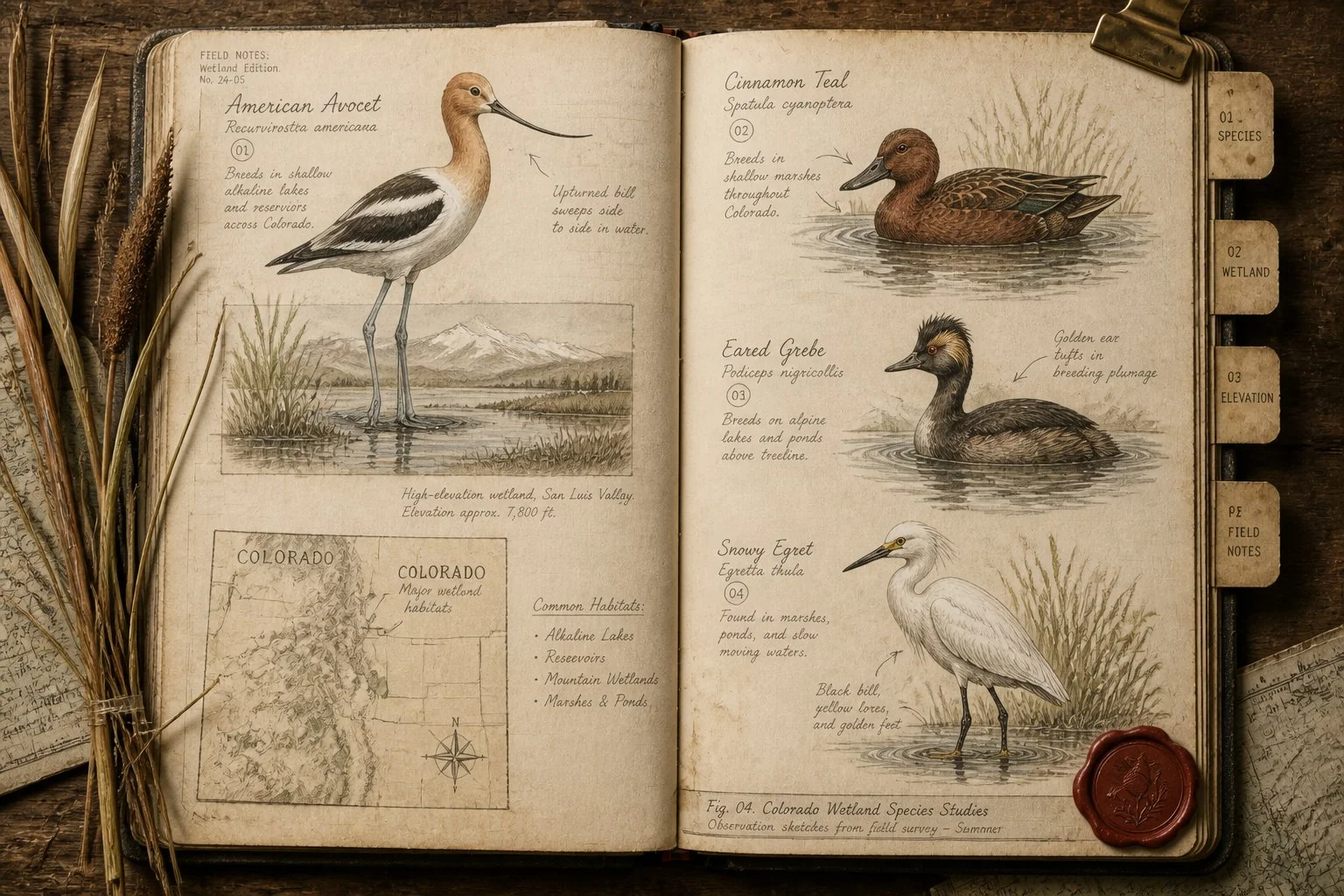
Colorado's high-altitude wetlands, reservoirs, and South Platte/Arkansas river systems host roughly 50 water bird species. Fourteen cover most field sightings: American Avocet, Cinnamon Teal, Eared Grebe, Snowy Egret, Great Blue Heron, Western Grebe, Mallard, American Wigeon, plus six others. Here's where and when.
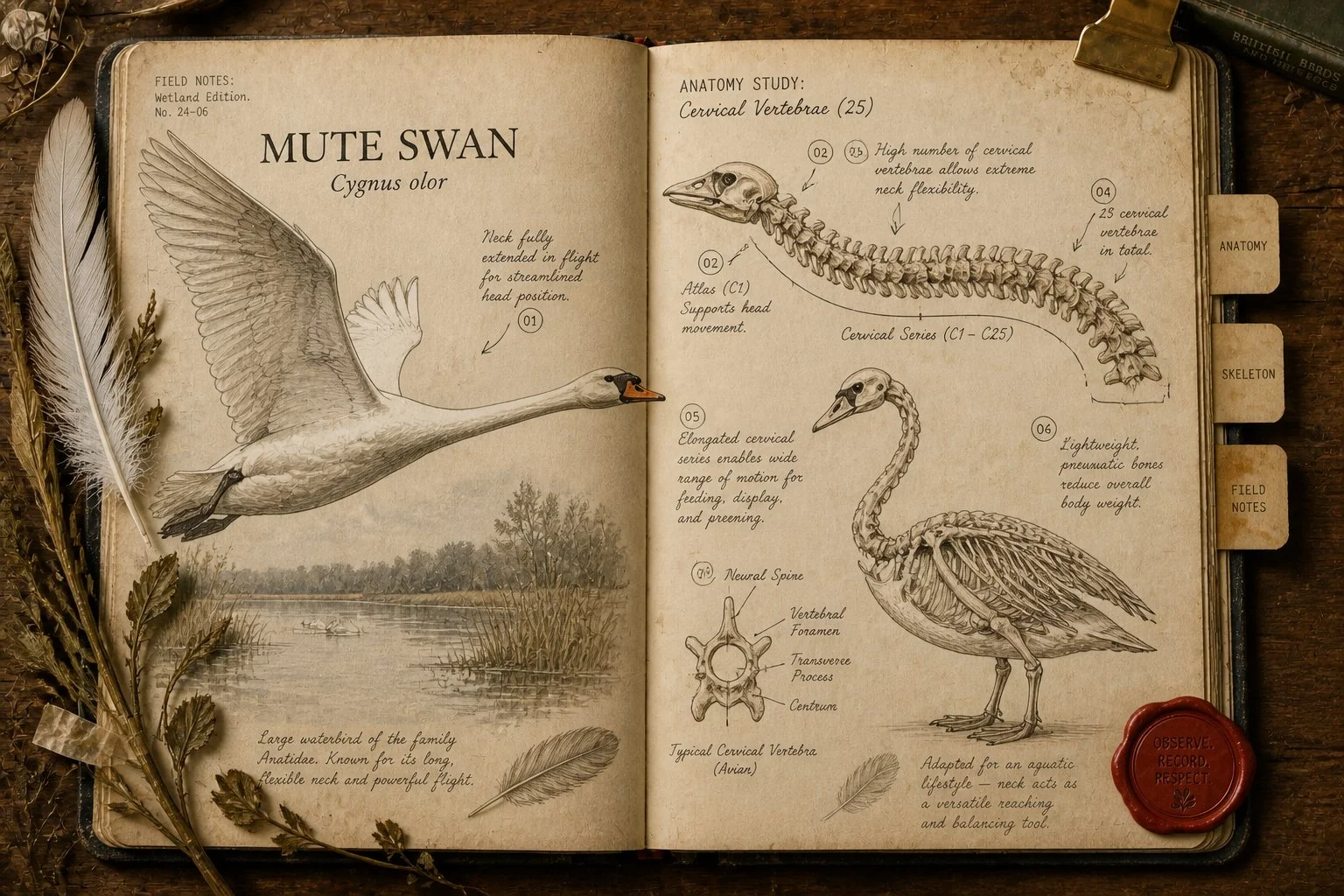
Swans are vertebrates with a full skeletal spine. The famously long neck contains 22-25 cervical vertebrae - far more than a giraffe's 7 - which is what gives it the flexibility to reach pondweed at depth. Here's the anatomy.
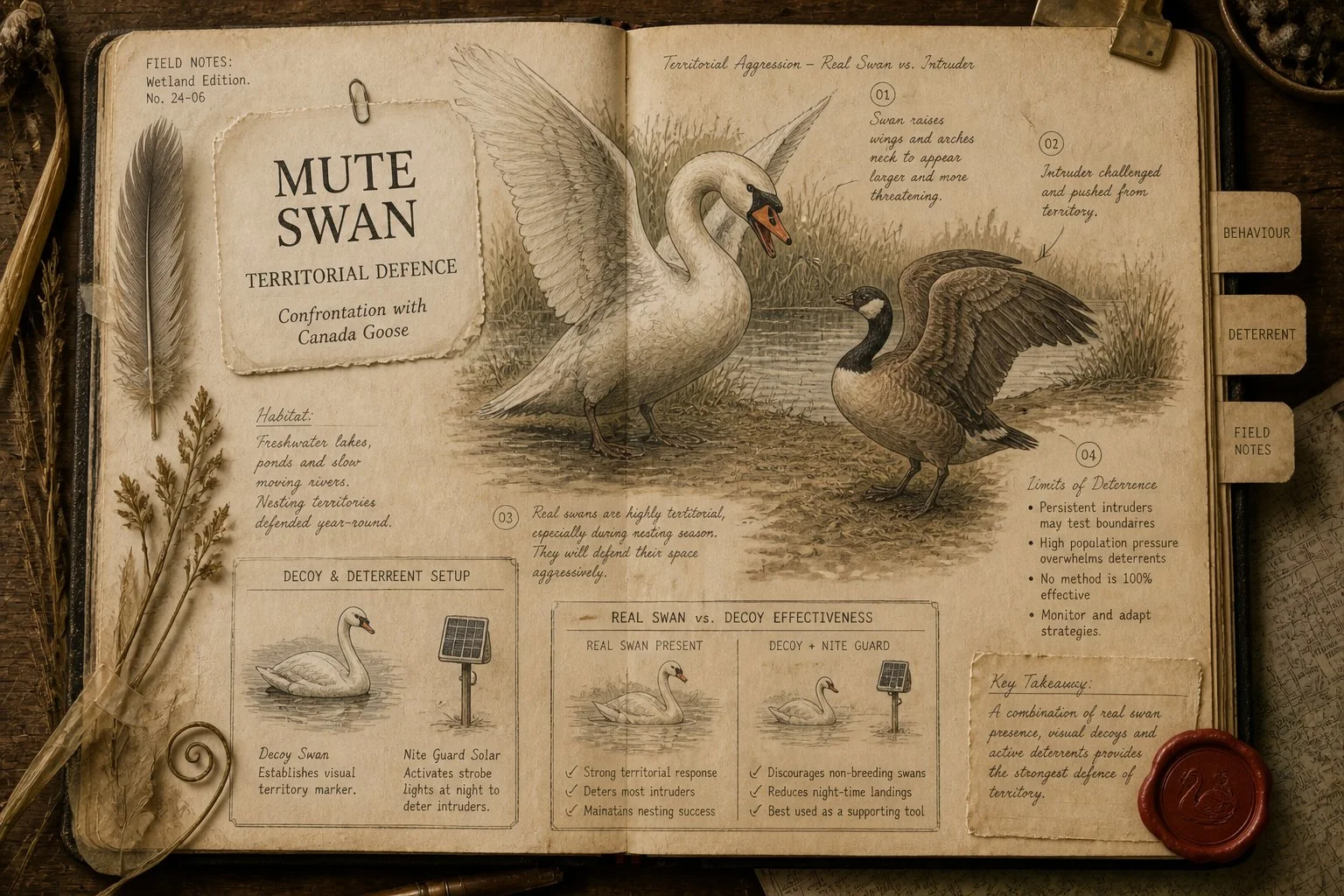
A breeding pair of Mute Swans will aggressively defend their pond against Canada Geese and clear them out within days. Plastic swan decoys mostly don't work - geese learn they're fake within a week. Here's what does work for goose control on a small pond.
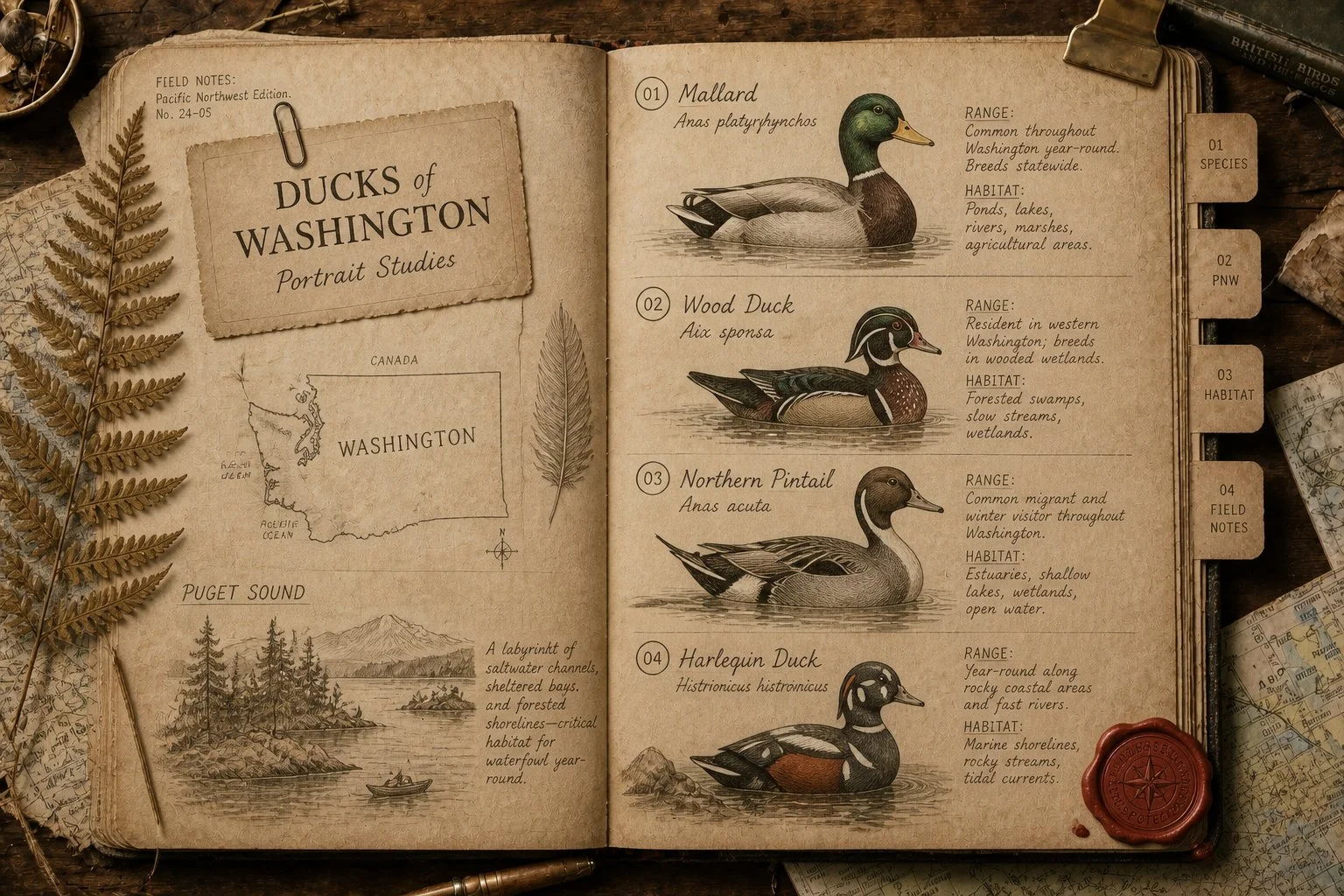
Washington State hosts roughly 30 duck species across the Puget Sound, eastern shrub-steppe, and Cascade lakes. Twelve cover most of what you'll see: Mallard, Wood Duck, Northern Pintail, Wigeon, Bufflehead, Harlequin, Common Goldeneye, Greater Scaup, Hooded Merganser, and three teals.
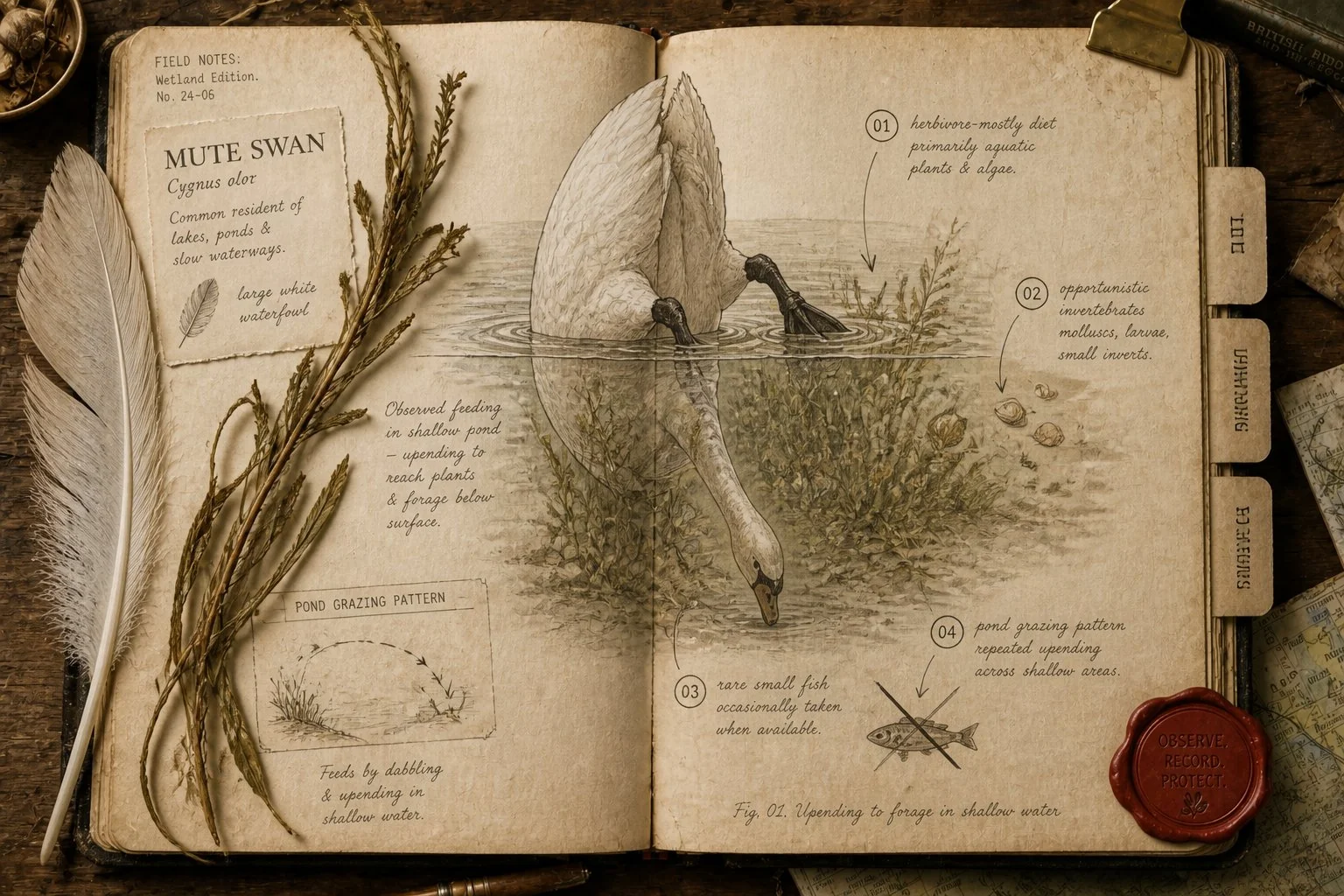
Swans are 95%+ herbivorous. They eat submerged and emergent aquatic plants, grass, grain, and small invertebrates that come up with the plants. A swan that catches a small fish will eat it but they don't hunt - it's opportunistic, not a diet.
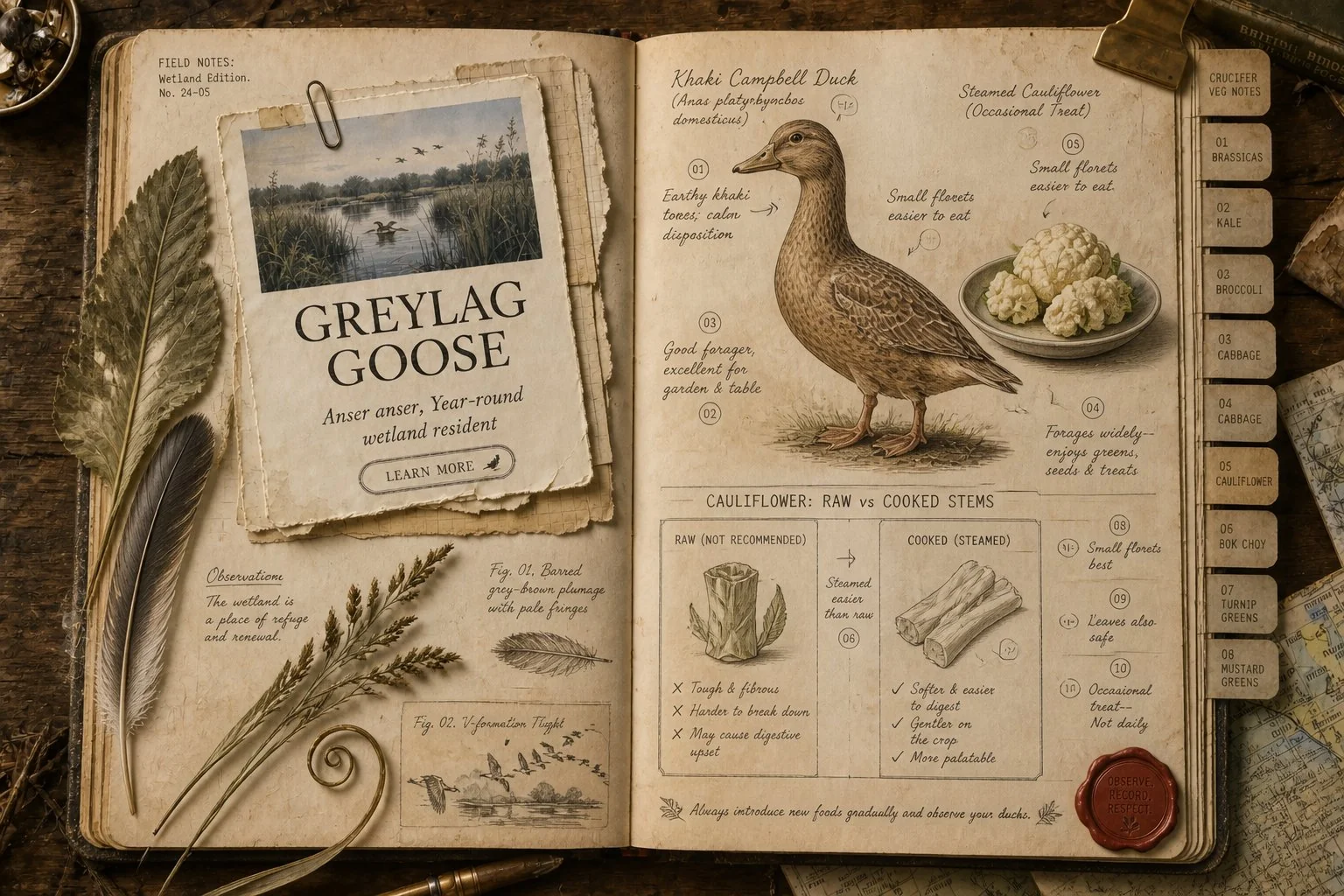
Cauliflower is safe for ducks - florets, stems, and the outer leaves are all edible. Steamed briefly is easier to digest than raw. As with all brassicas, feed in moderation to avoid loose droppings. The outer leaves alone are a useful free treat from kitchen prep.
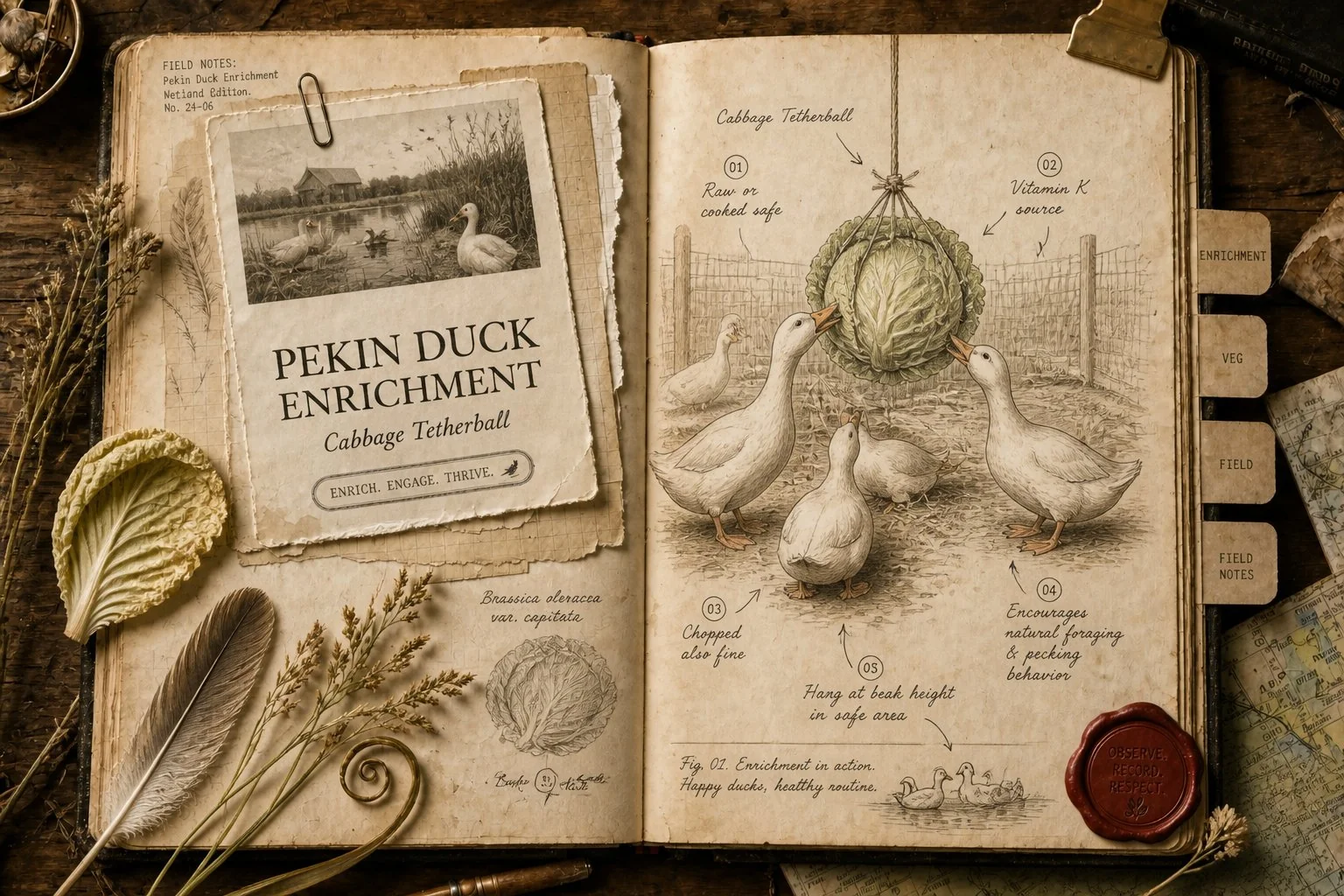
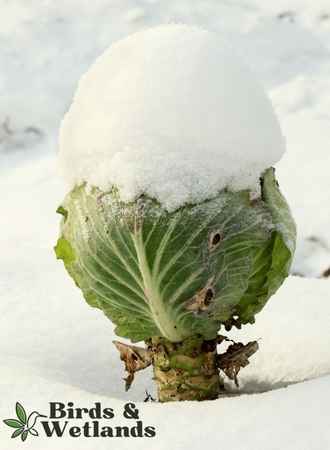
Cabbage is safe and excellent for ducks - raw or cooked, chopped or whole (hung on a string as a tetherball game). Green, red, savoy, all fine. The single best winter enrichment for a confined flock.
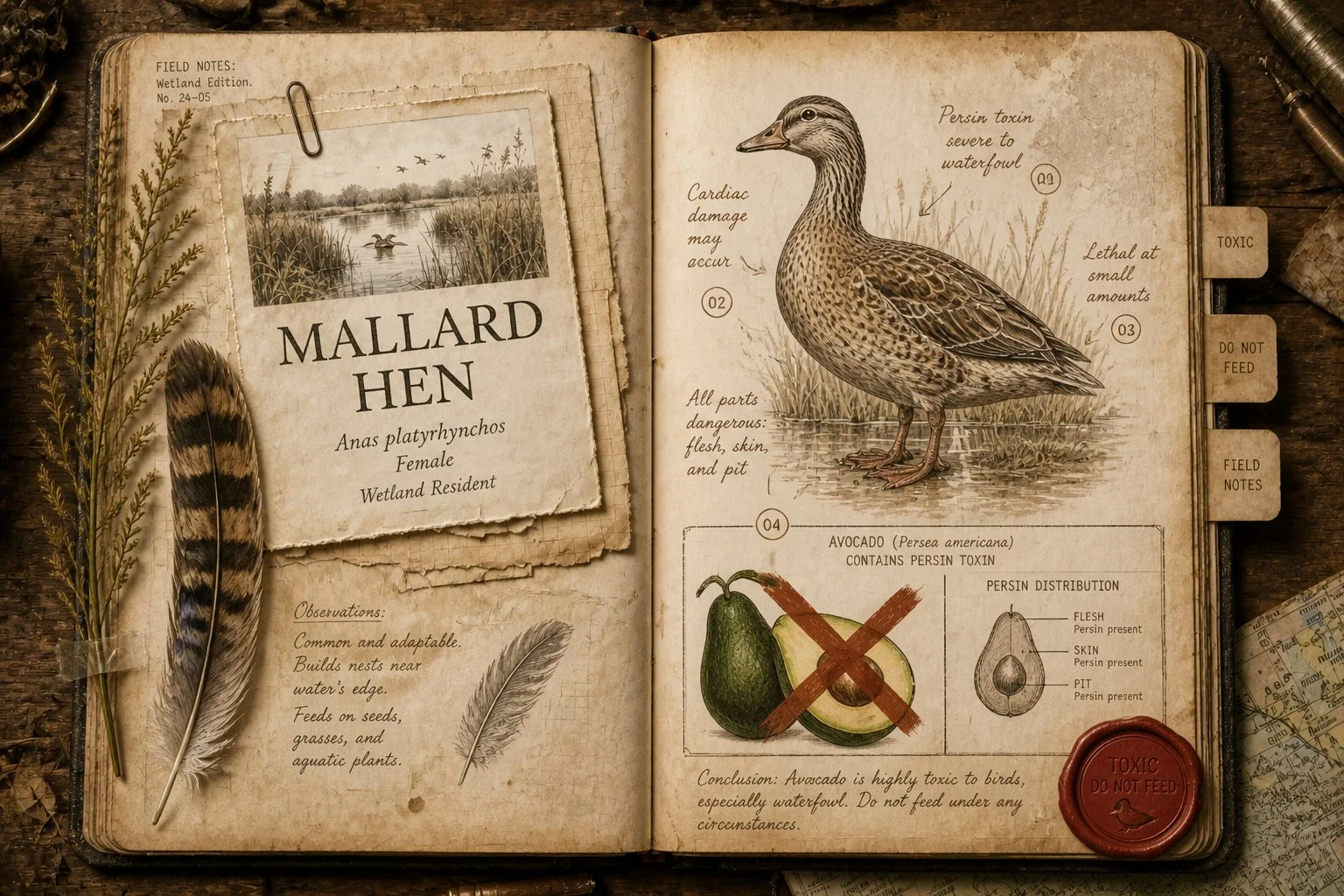
Avocado contains persin, a fungicidal toxin that damages avian heart muscle. All parts (flesh, skin, pit, leaves) carry it. Documented bird deaths come from amounts as small as a teaspoon. There is no safe quantity for any duck.
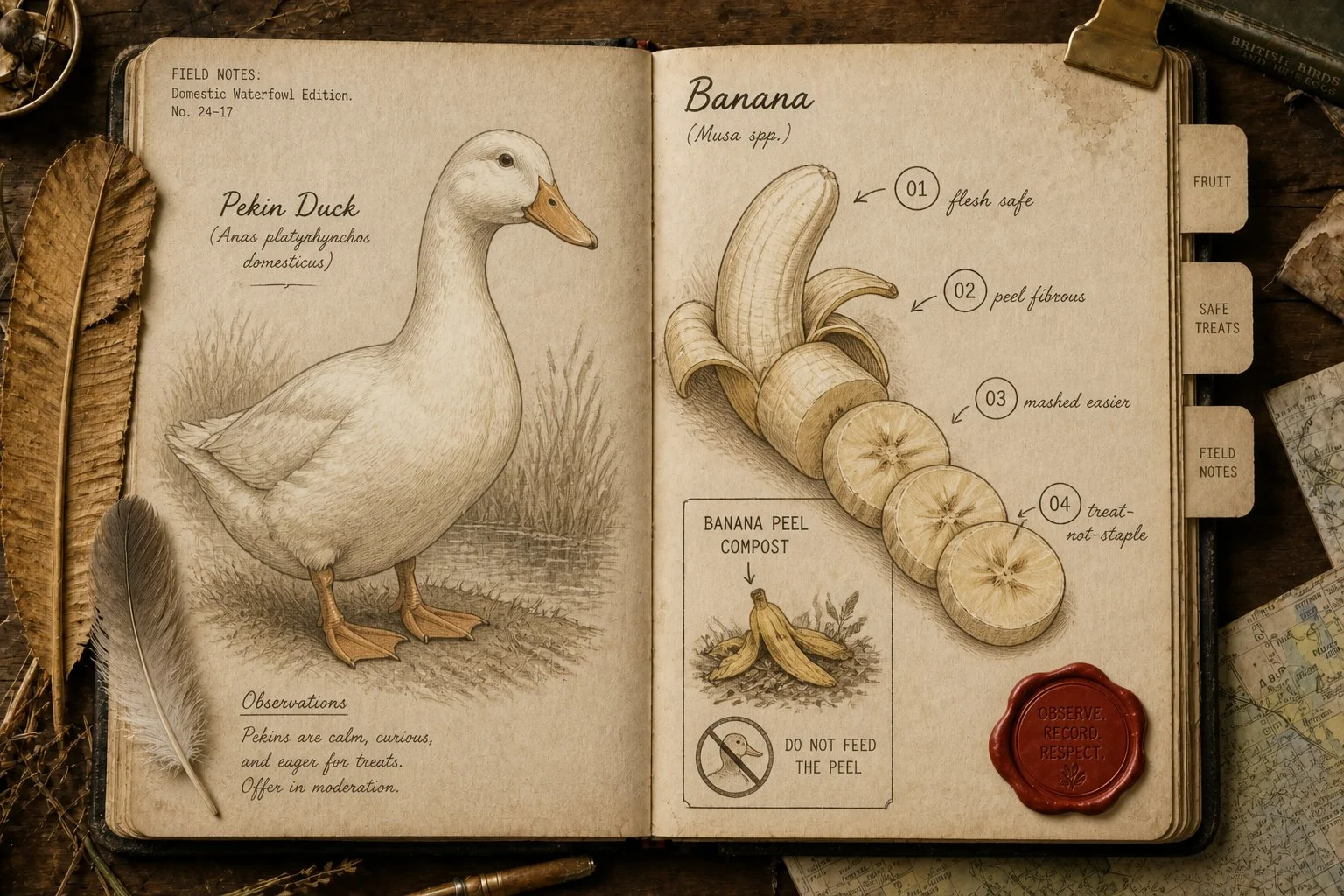
Banana flesh is safe and palatable for ducks. The peel is technically safe but stringy and fibrous - most ducks won't eat it. Mash or chop into small pieces, offer as a treat 1-2 times a week, and skip if your ducks ignore it.
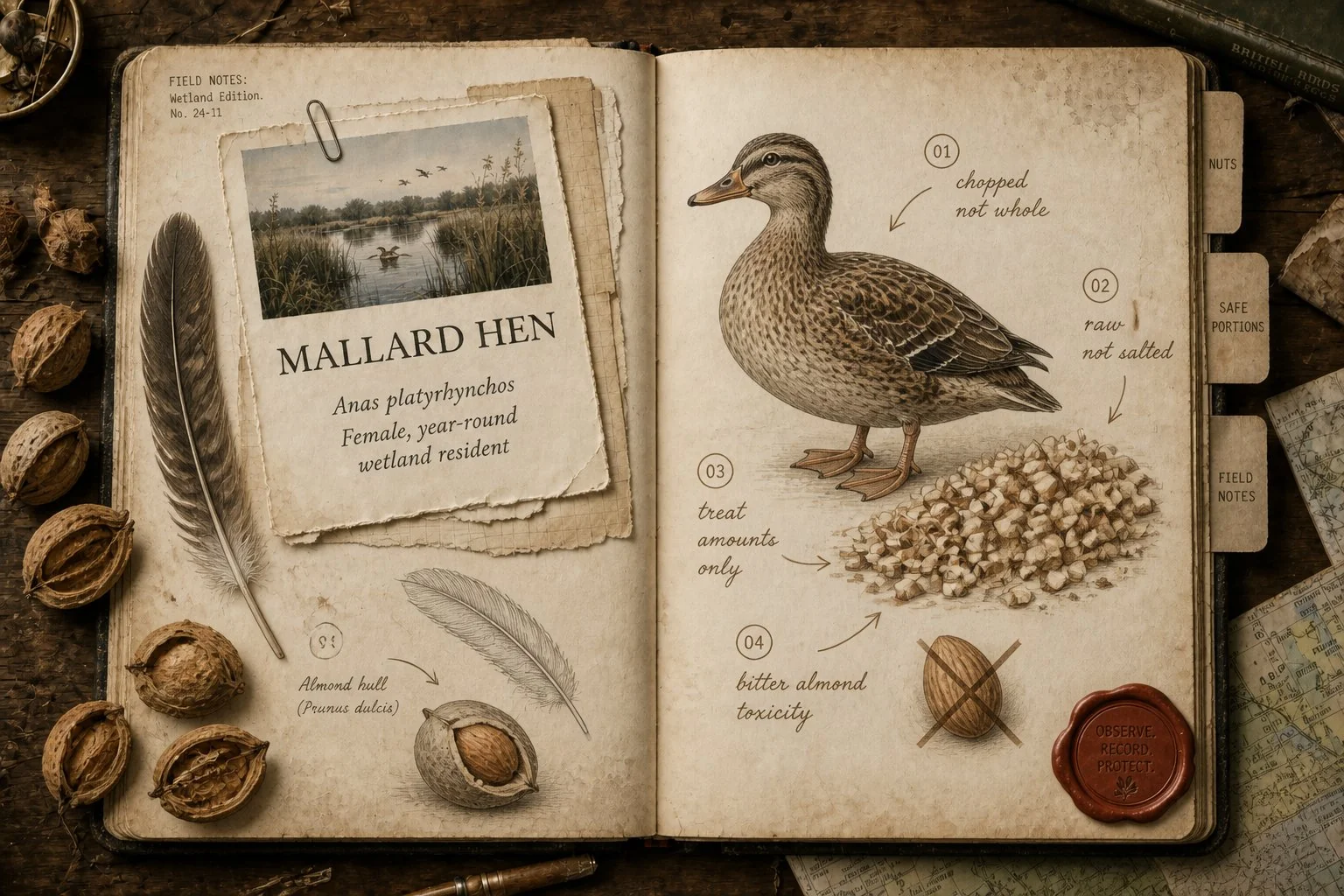
Ducks can eat almonds in small amounts but the rules are stricter than most fruit and veg. They must be raw, unsalted, chopped fine, and a treat not a staple. Bitter almonds are toxic. Here's the safe-feeding breakdown.
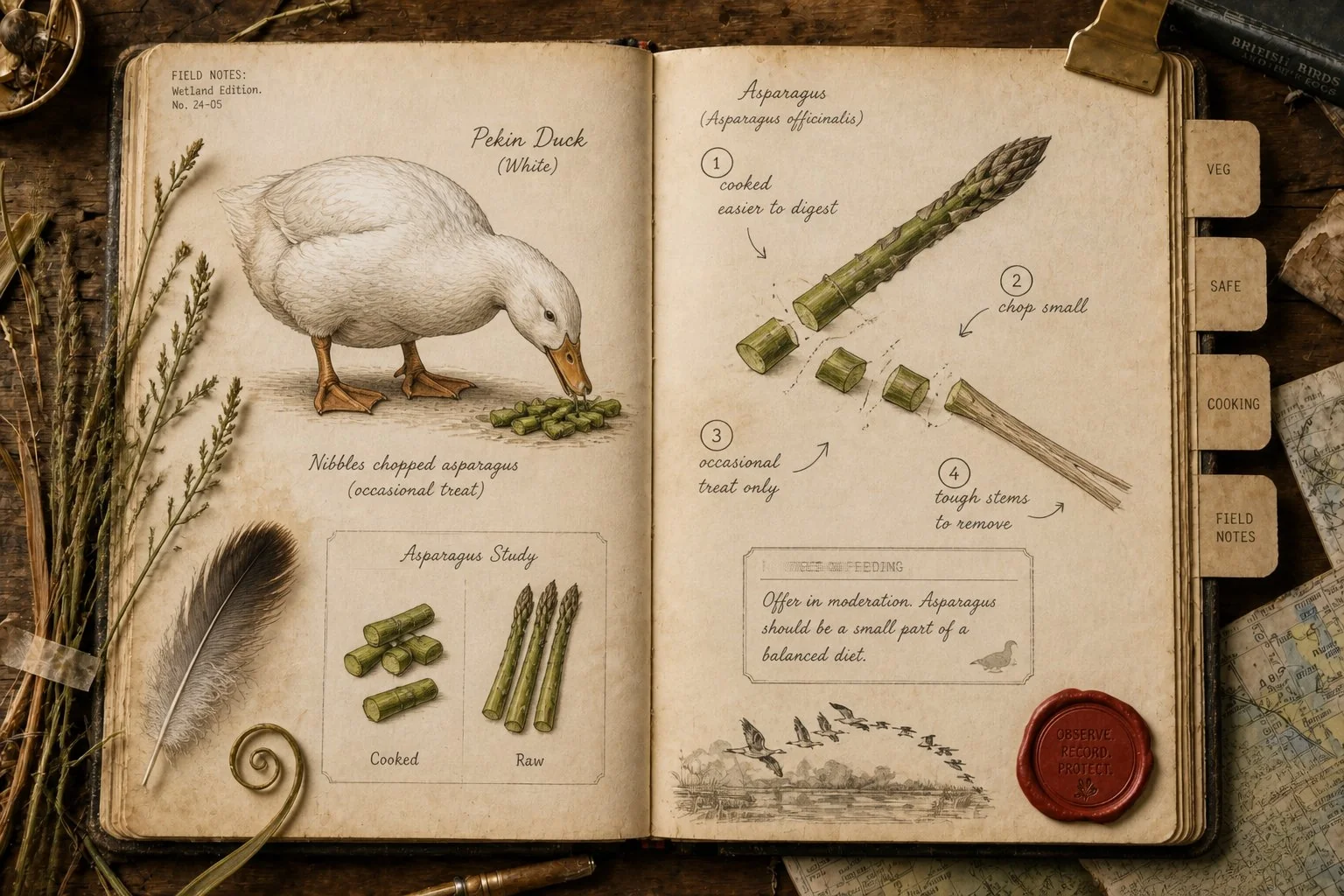
Ducks can eat asparagus but the tough fibrous stems are hard for them to swallow. Cooked, chopped, with the woody ends removed - that's the version they'll actually eat. Raw is fine too but most ducks ignore it.
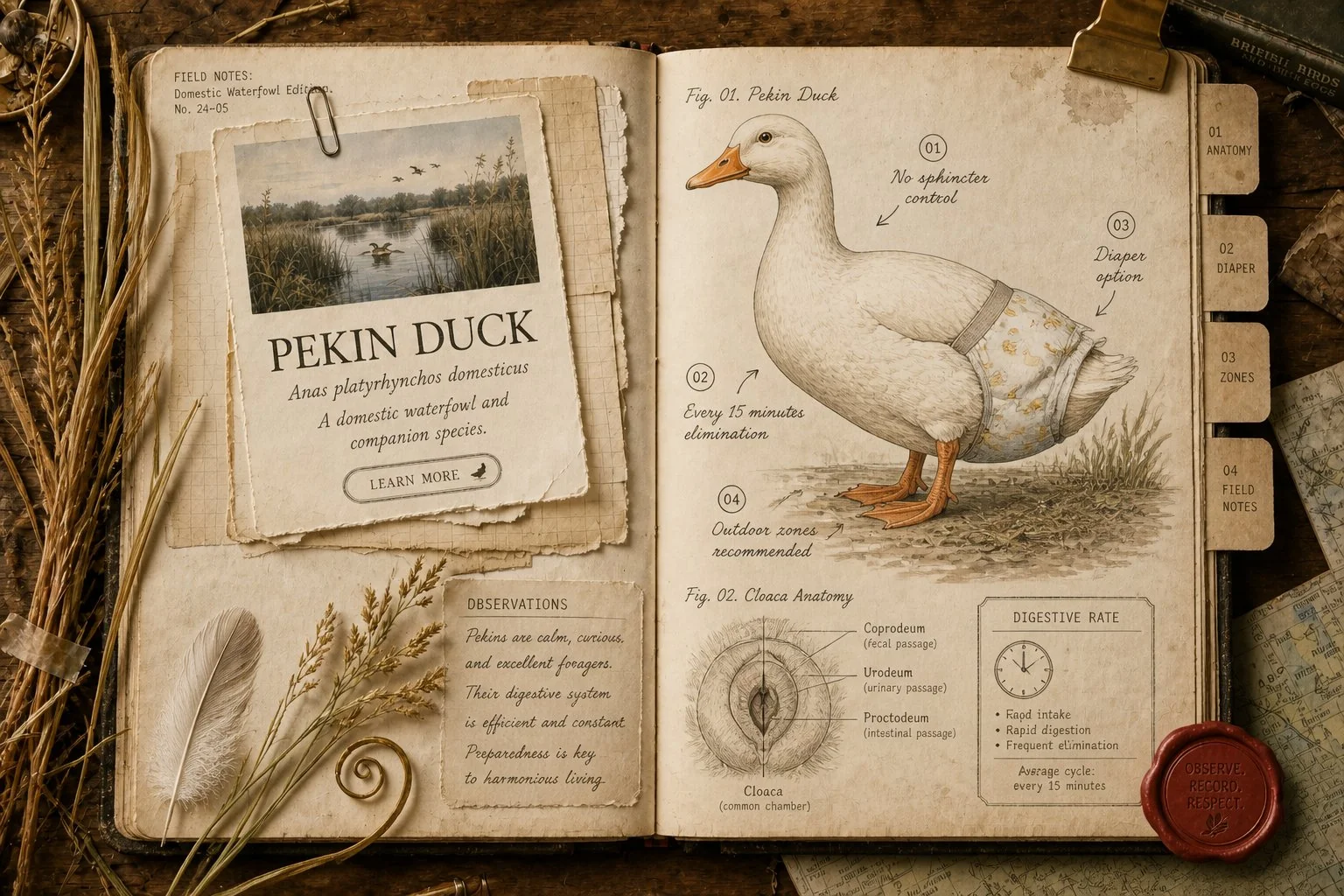
No - ducks don't have the anatomy or the cognitive setup for it. A duck poops roughly every 15 minutes and has no sphincter control. What works instead is duck diapers, designated outdoor zones, and a husbandry routine that lives with the mess rather than fighting it.
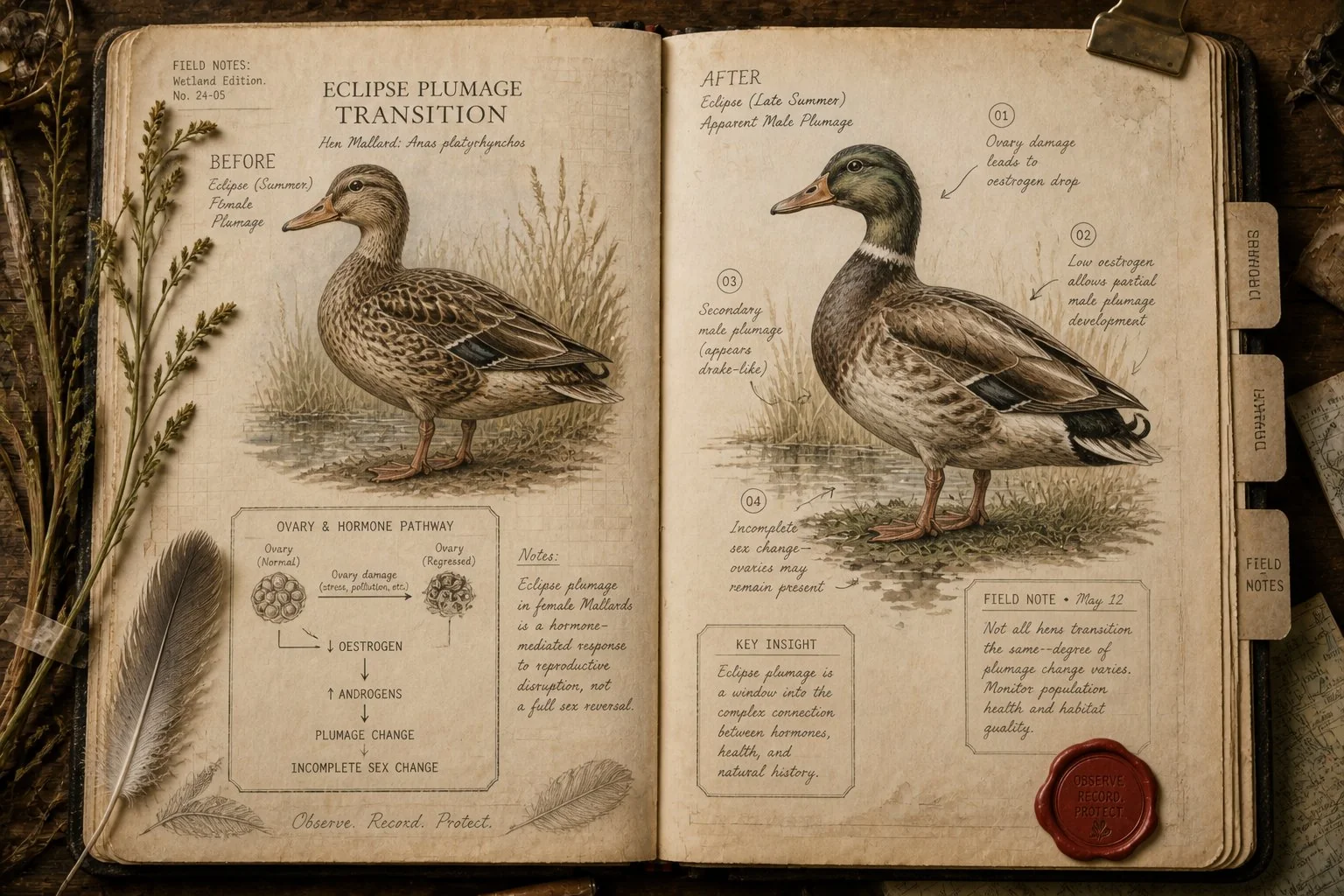
It sounds like myth but it's documented science: hen ducks whose ovary is damaged or stops working can develop secondary male plumage. The bird is still genetically female but visually presents as a drake. Here's the hormonal pathway and why it happens.
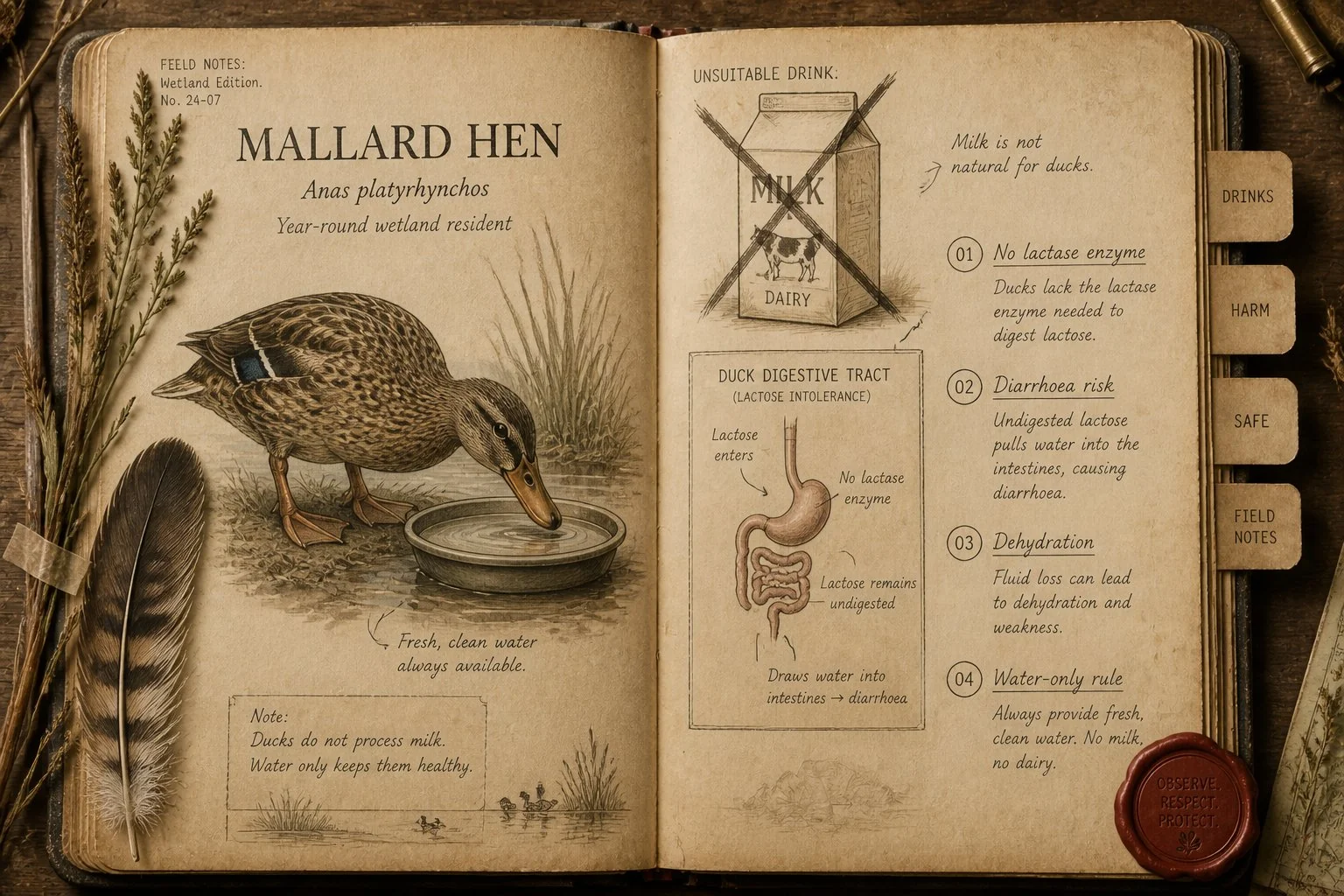
Ducks have no lactase enzyme. Milk passes through them undigested and causes diarrhoea, which in turn causes dehydration. A duck given milk instead of water can decline quickly. Stick to plain fresh water - the only drink ducks should ever get.

Bread is the wrong answer. Cracked corn, frozen peas, oats, and chopped greens are the four foods that actually feed ducks and geese without harming them. Here's the per-food breakdown and how much to bring.

Raising ducklings is mostly about three things: warm dry brooder, niacin in the feed, and patience with the water. The mistakes that kill ducklings are predictable, and so is the timeline. Here's the four-week schedule we use.
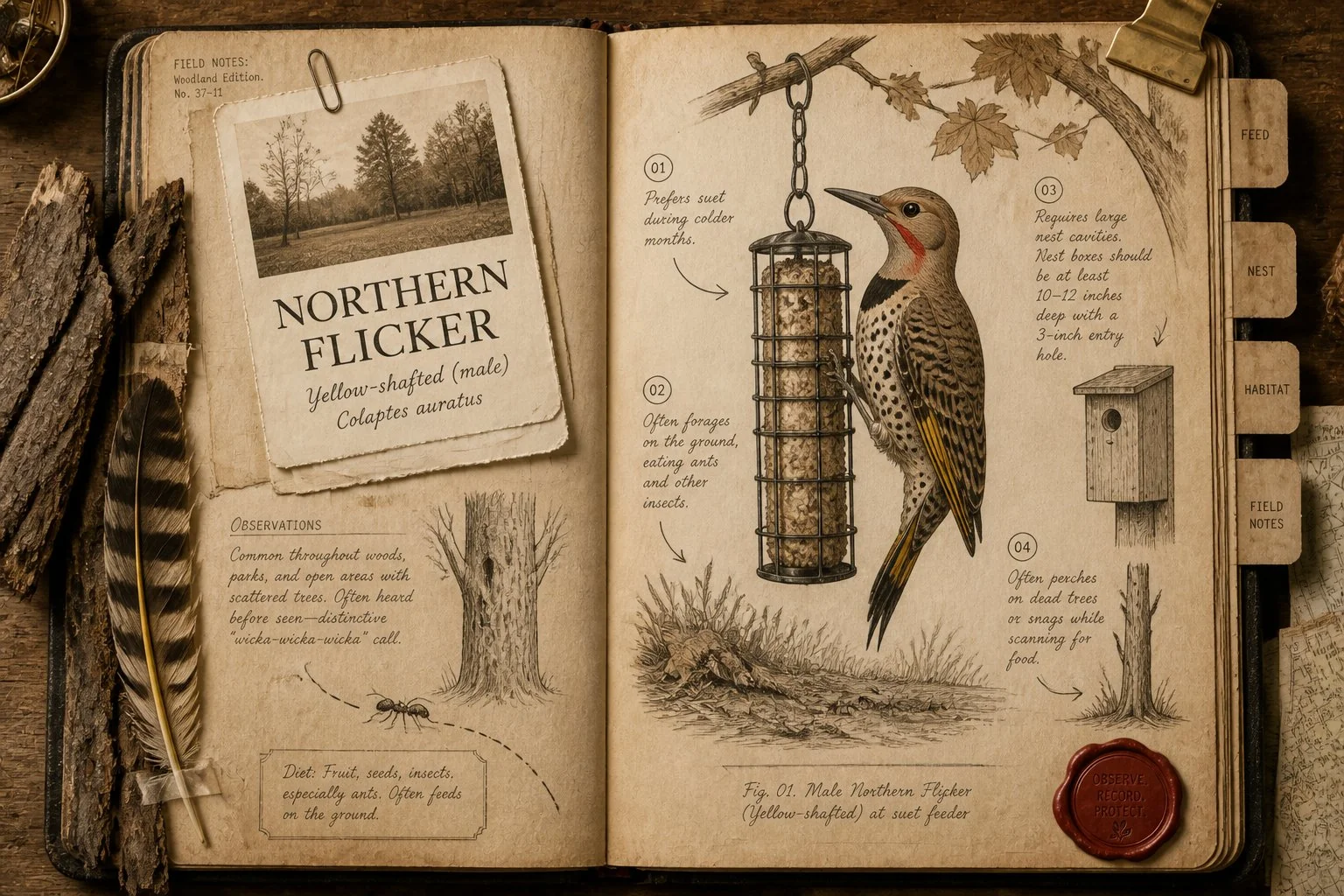
Flickers are the odd woodpecker - they feed on the ground, eat ants by the hundred, and ignore most standard feeders. Here's the suet + lawn + nest-box combination that pulls them in.
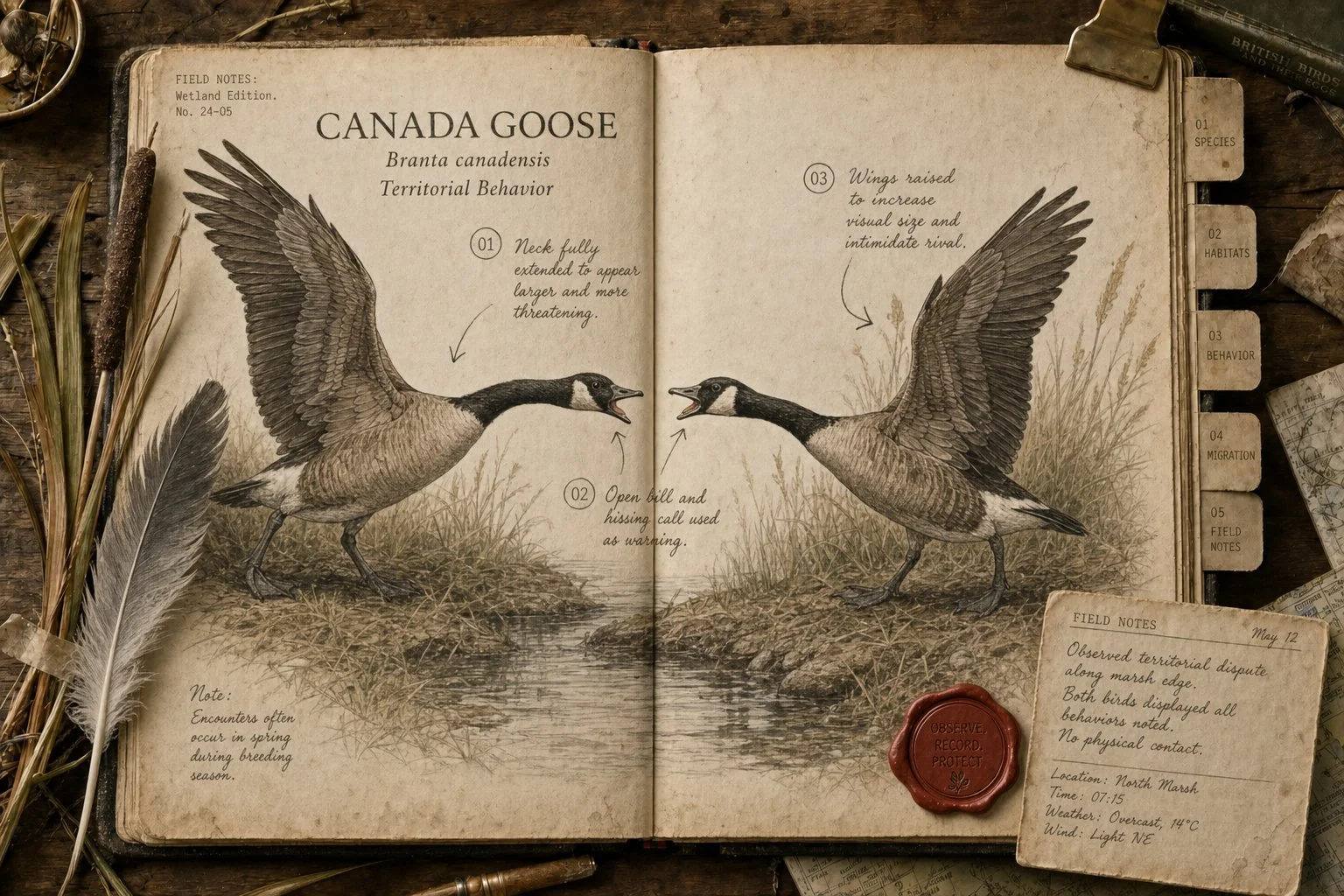
A naturalist's guide to goose-on-goose aggression - why Canada geese fight, what the hissing actually means, the four-step attack sequence to read, and why it almost always peaks in March.
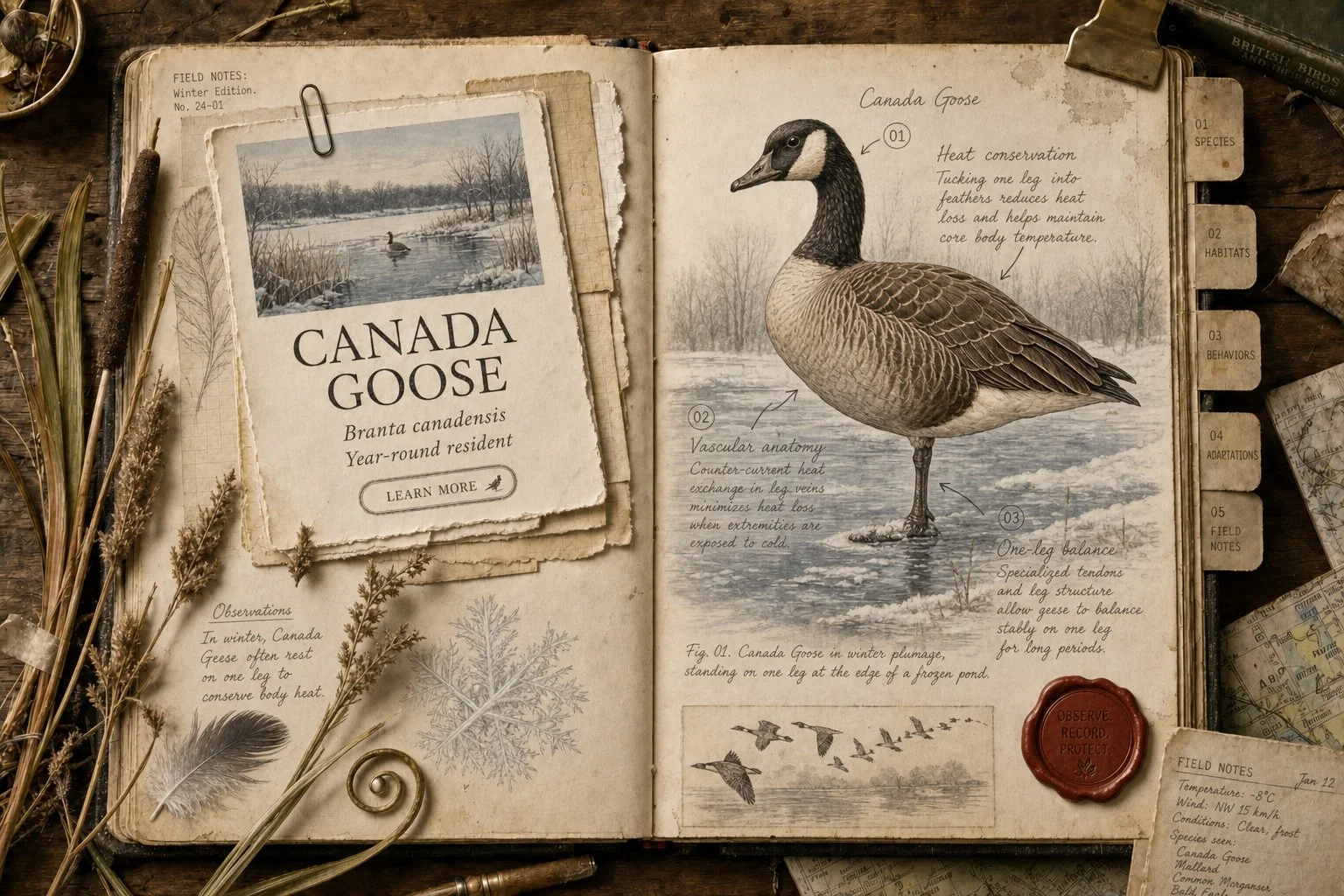
A naturalist's read on why geese (and ducks, flamingos, herons) stand on one leg - the thermoregulation, the muscle anatomy, and why you see it most in winter.
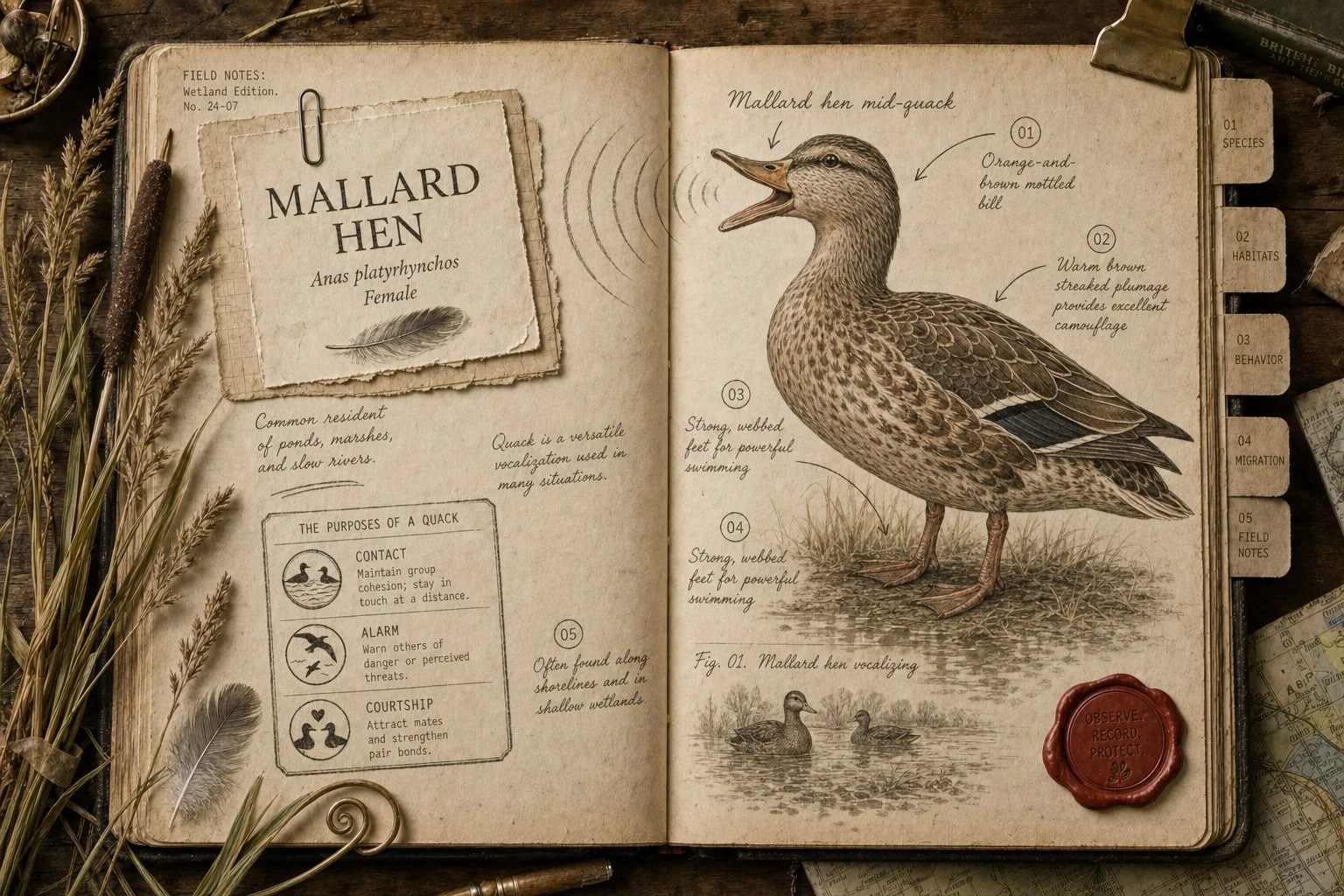
Female mallards quack; males rasp. Each call has a job: contact, alarm, courtship, or location. A naturalist's read on the duck vocabulary.
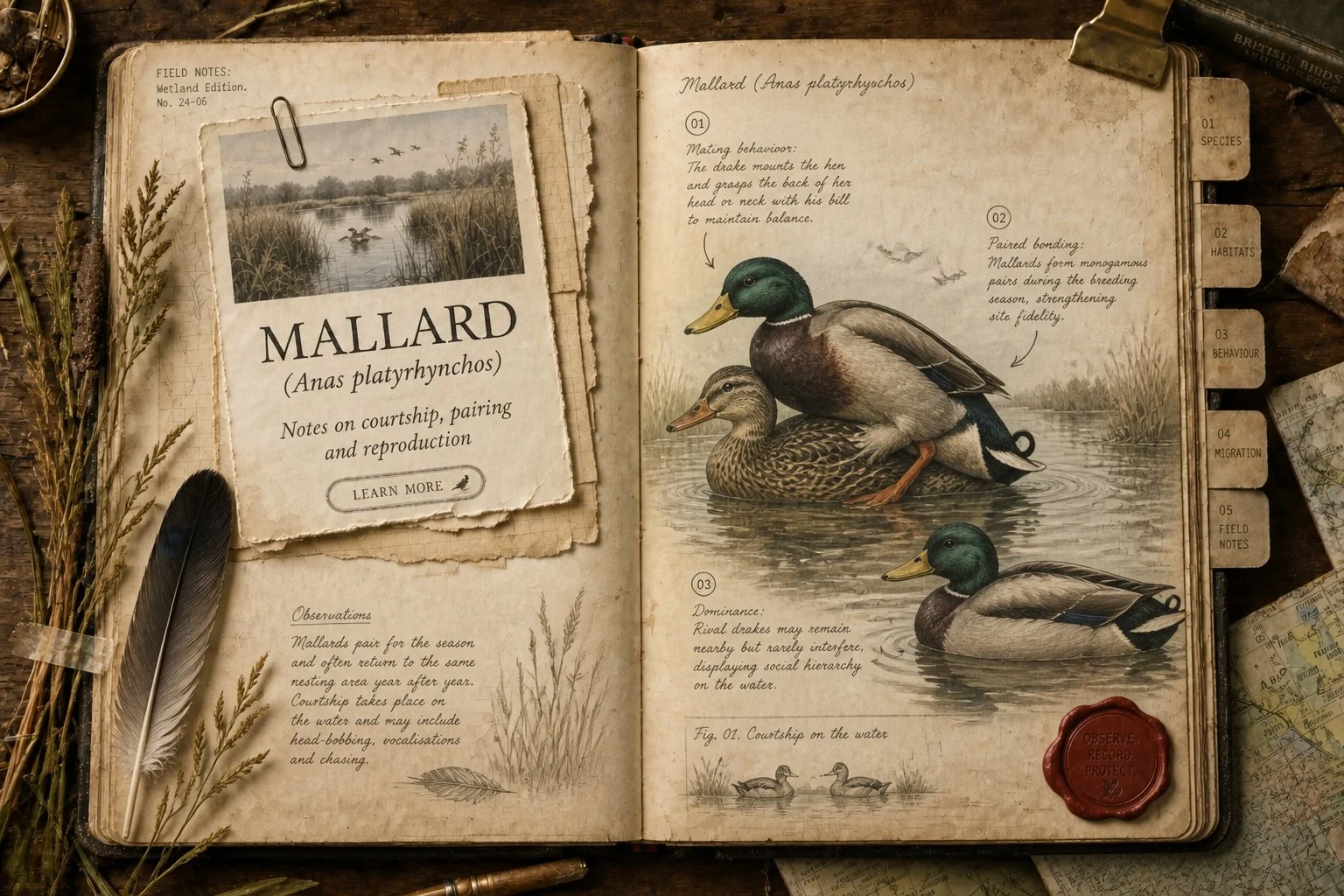
Ducks standing on each other is almost always mating behaviour. A naturalist's read on what's actually happening and when to be concerned.
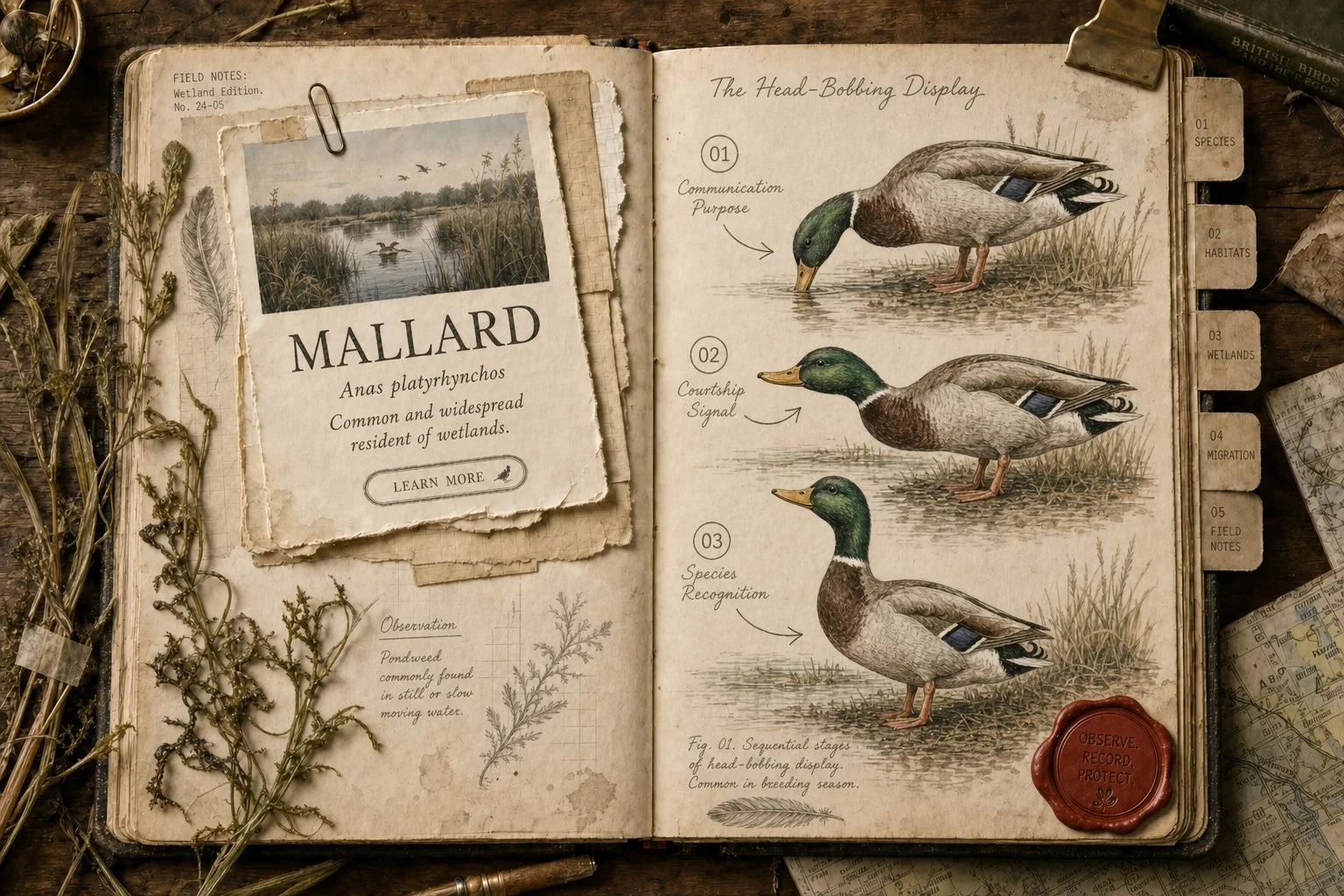
Ducks head-bob to communicate excitement, signal courtship readiness, and confirm species identity. A naturalist's read of when it means what.
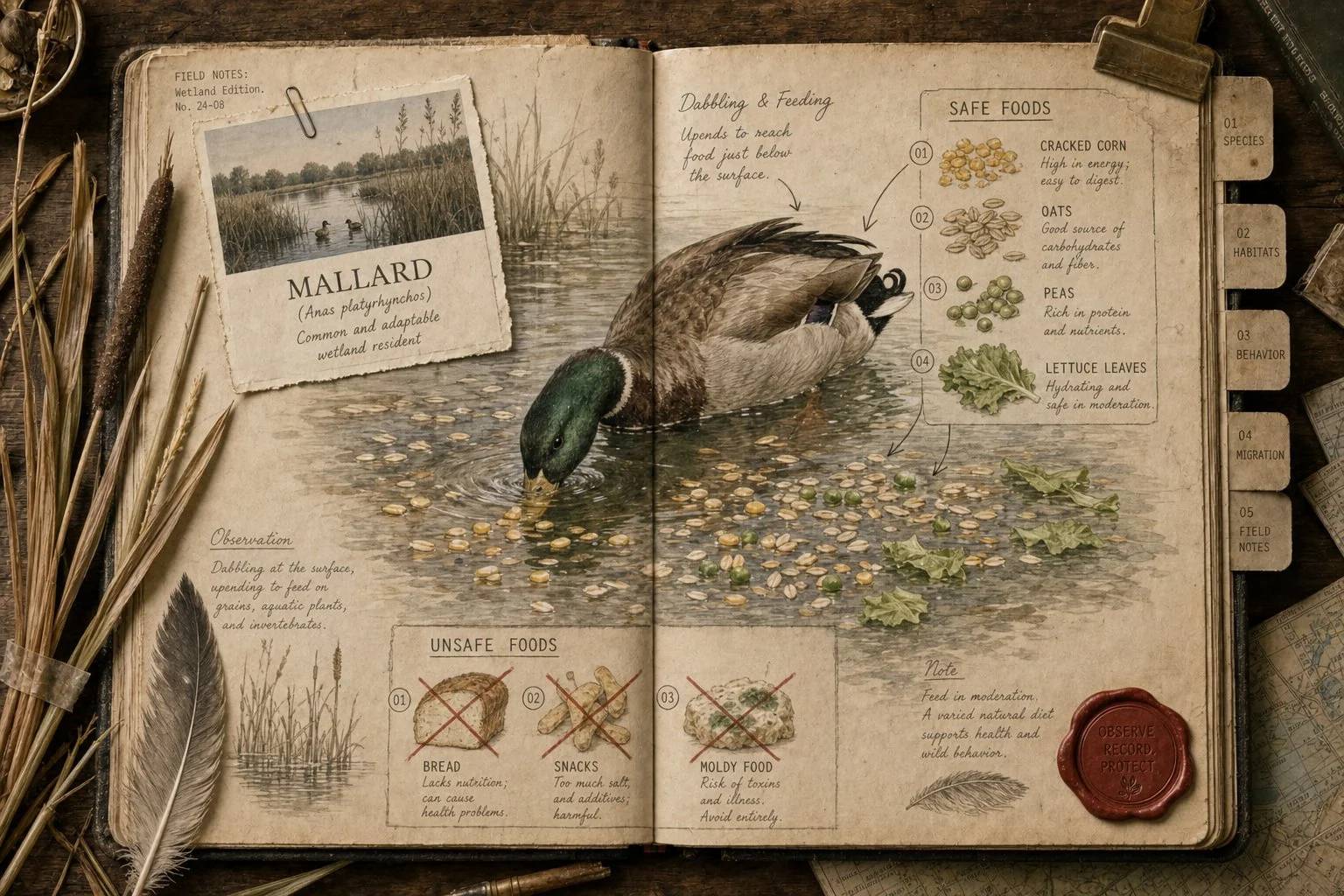
A naturalist's guide to feeding wild ducks - the eight foods that are genuinely safe and useful, the five that cause real harm, and why bread is the worst thing you can hand to a mallard.
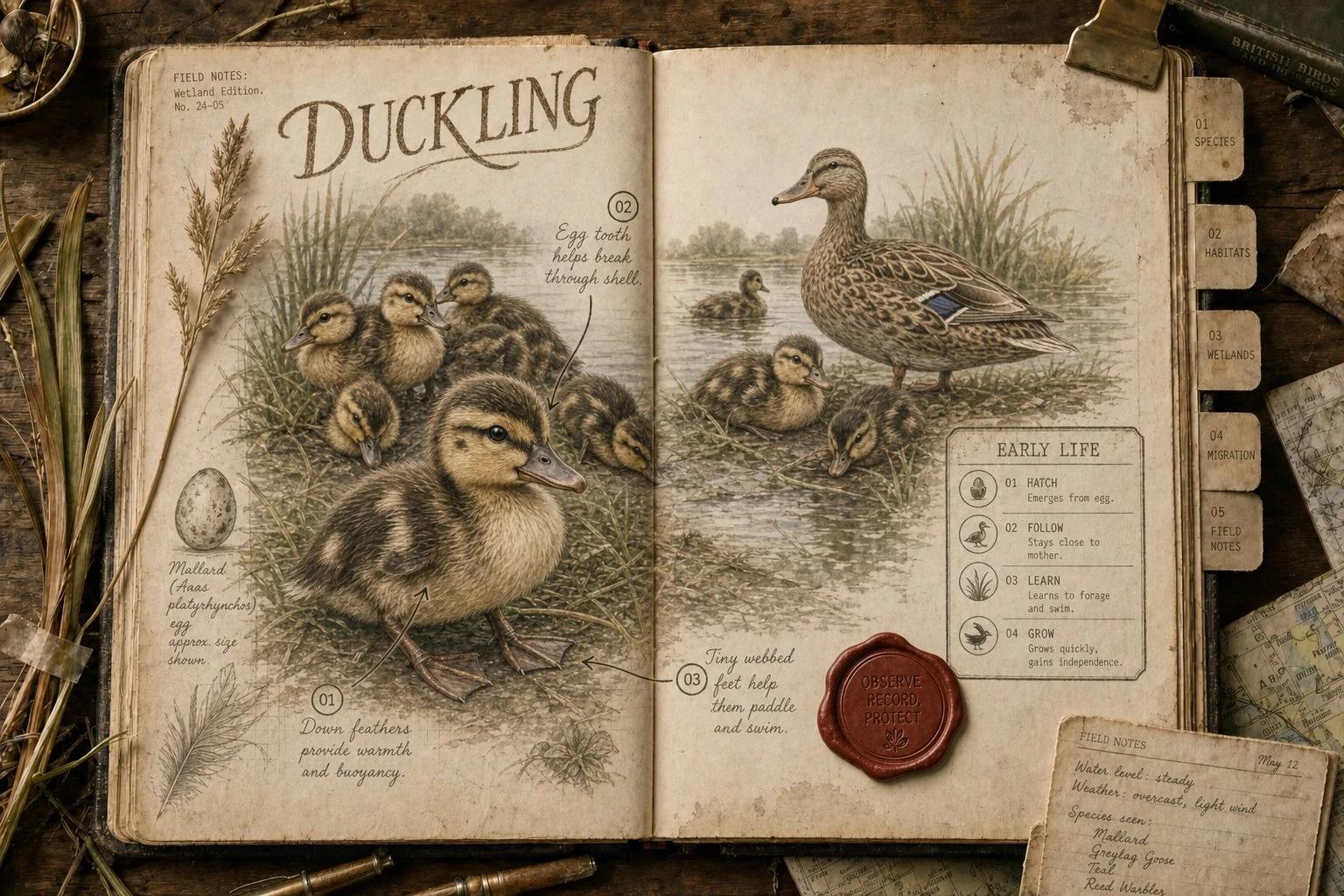
Baby ducks are called ducklings. A field naturalist's read on what that actually means - the timeline from hatch to fledge, how to tell a duckling from a gosling or a cygnet, and the brood biology that decides how many survive.
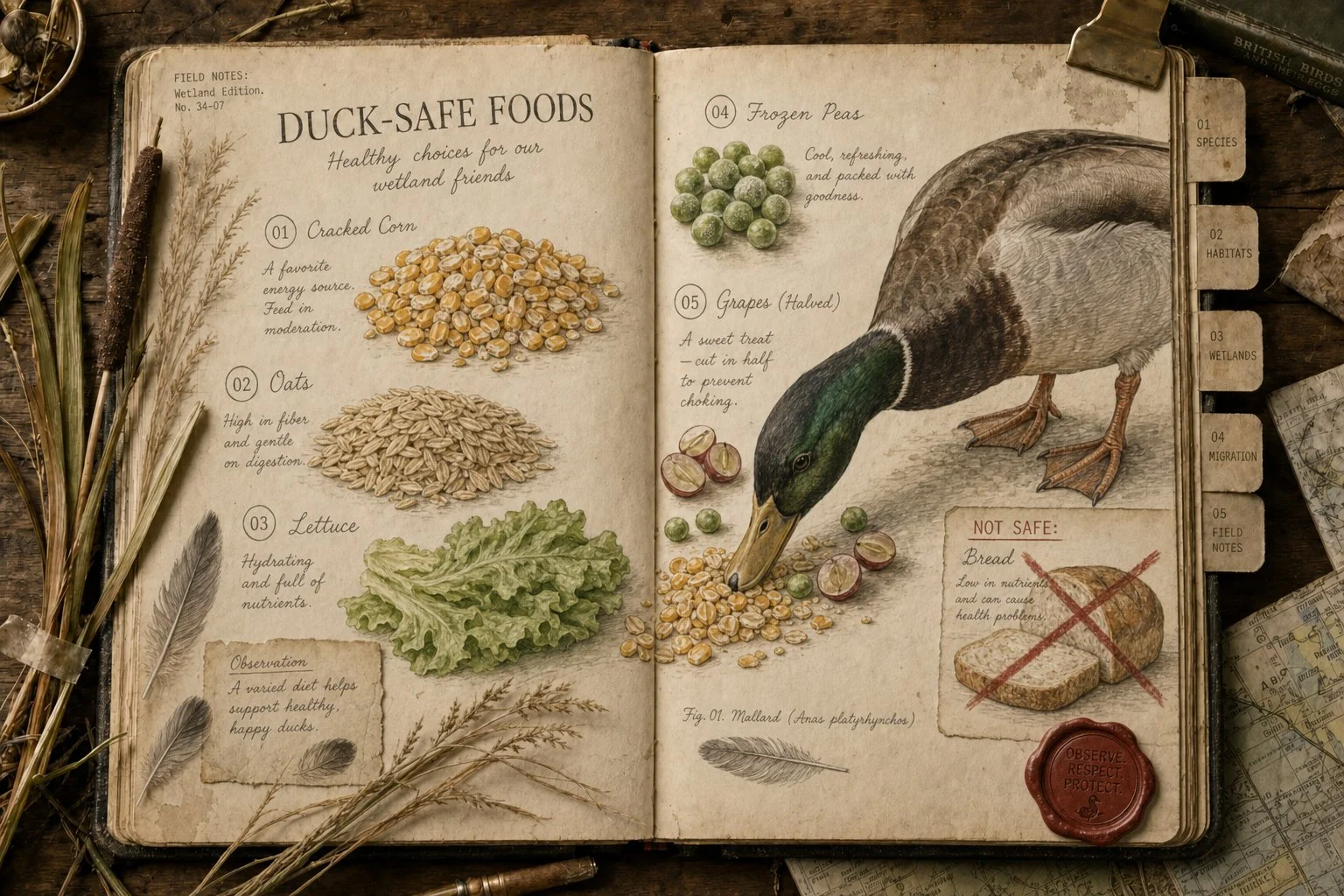
A short, practical guide to safe and unsafe foods for pond ducks - what to bring, what to leave at home, and how to feed them properly without harming the pond.
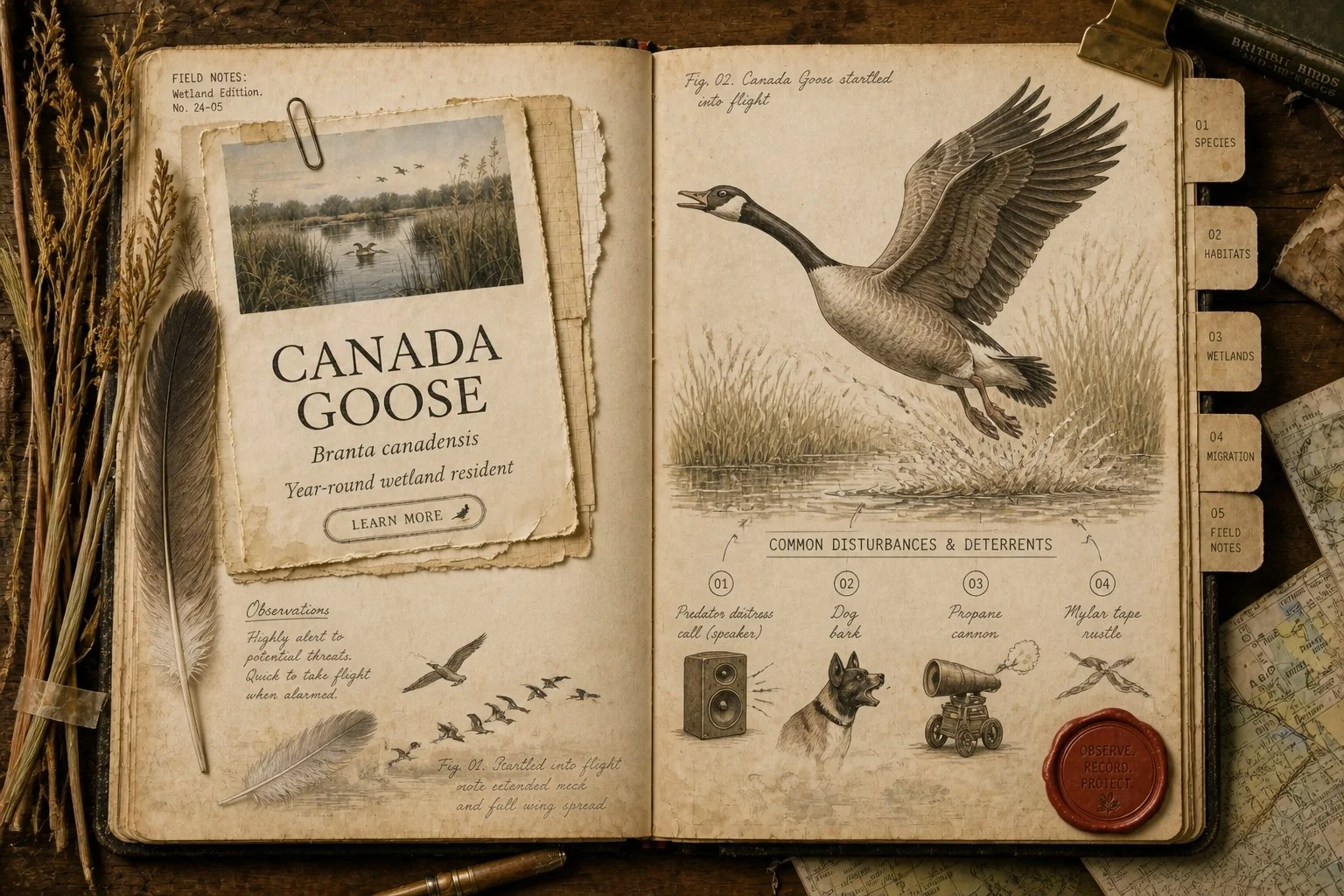
Predator distress calls and dog barks scare geese; ultrasonics and most static noises don't. A naturalist's read of the deterrents that hold up in the field.
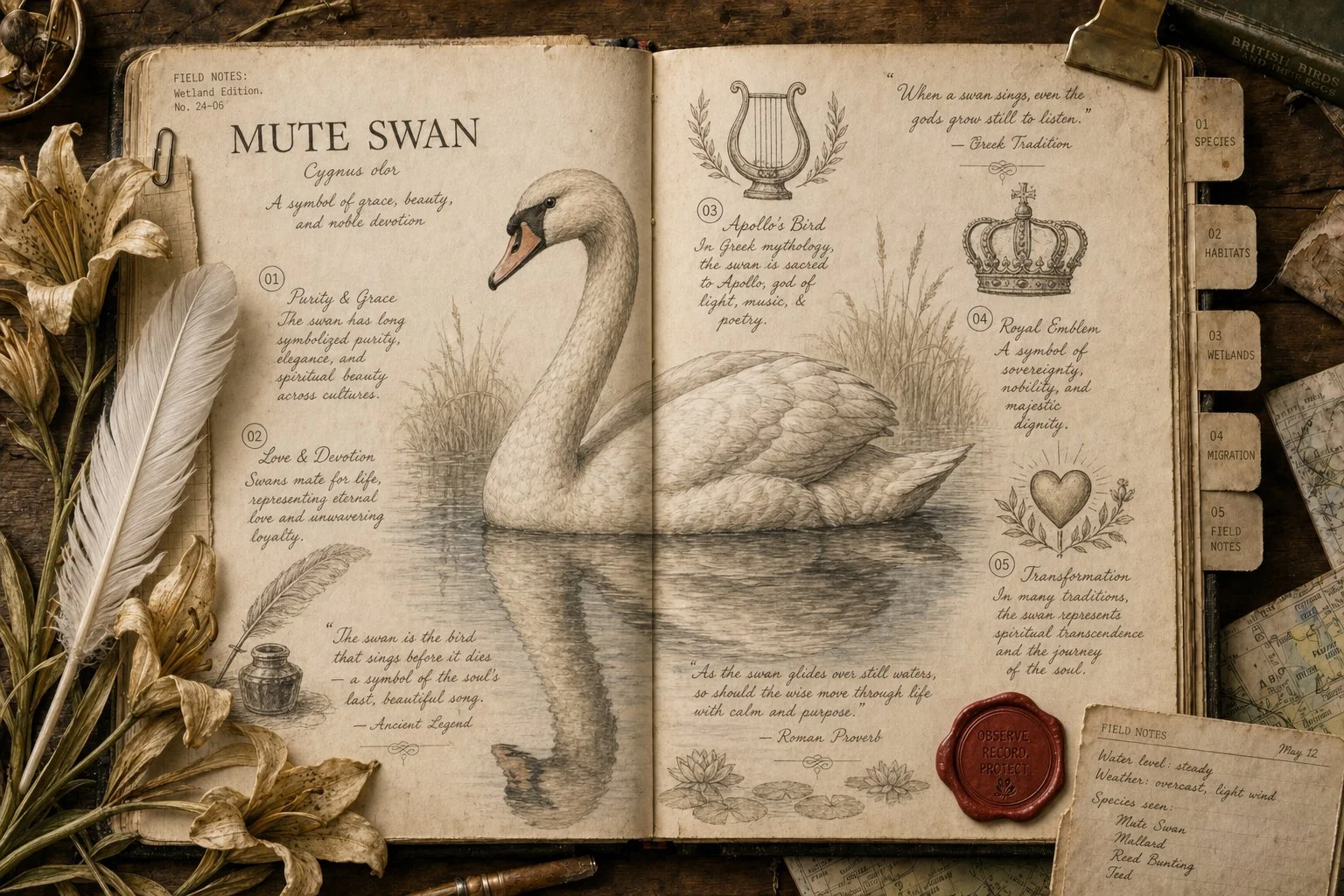
From the Greek myth of Leda to Yeats to the silver swans on the Queen's River - a literary naturalist's read on what the swan has actually stood for through history.
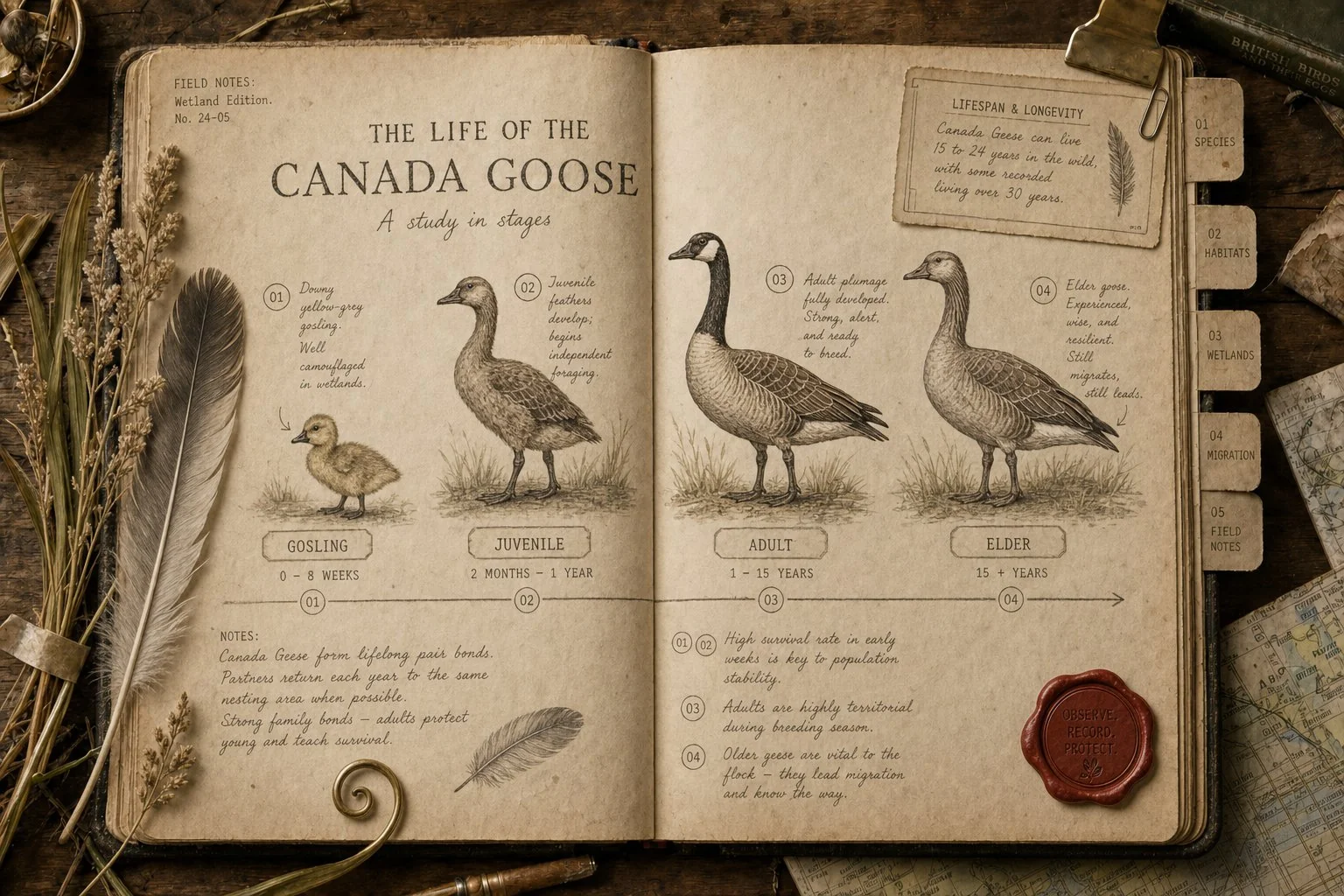
A naturalist's read on goose lifespan - the honest numbers for wild Canada geese (10-12 years average, 24+ for an exceptional survivor), the longer life of domestic breeds, and what kills geese in the wild.
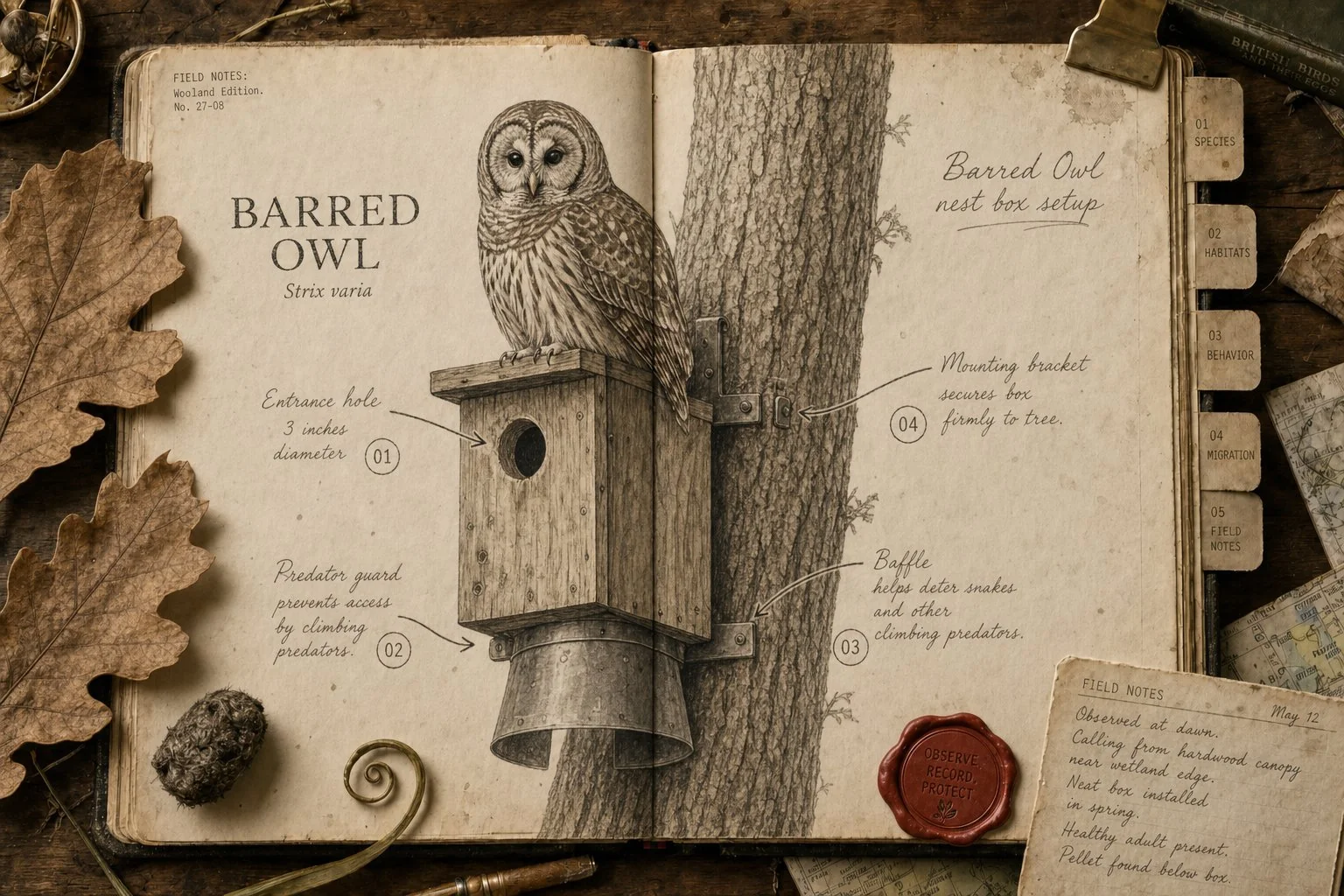
The five things that actually keep squirrels out of an owl nest box - pole choice, baffle type, height, entrance hole, and timing. A field guide for backyard owl-watchers, with the products we use.
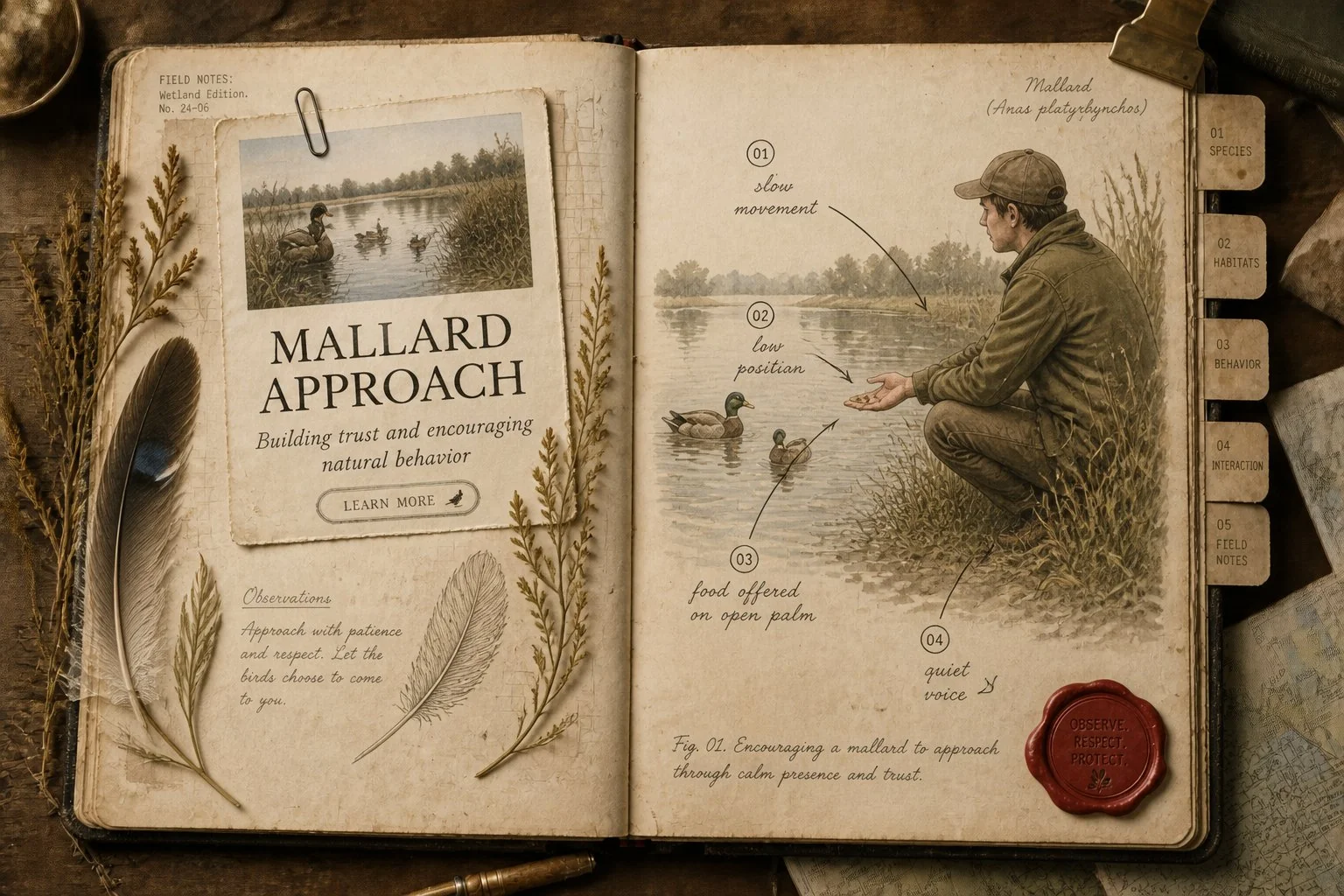
Ducks bond with calm, low-postured humans who feed the right food. A naturalist's read on building trust with wild or backyard birds.
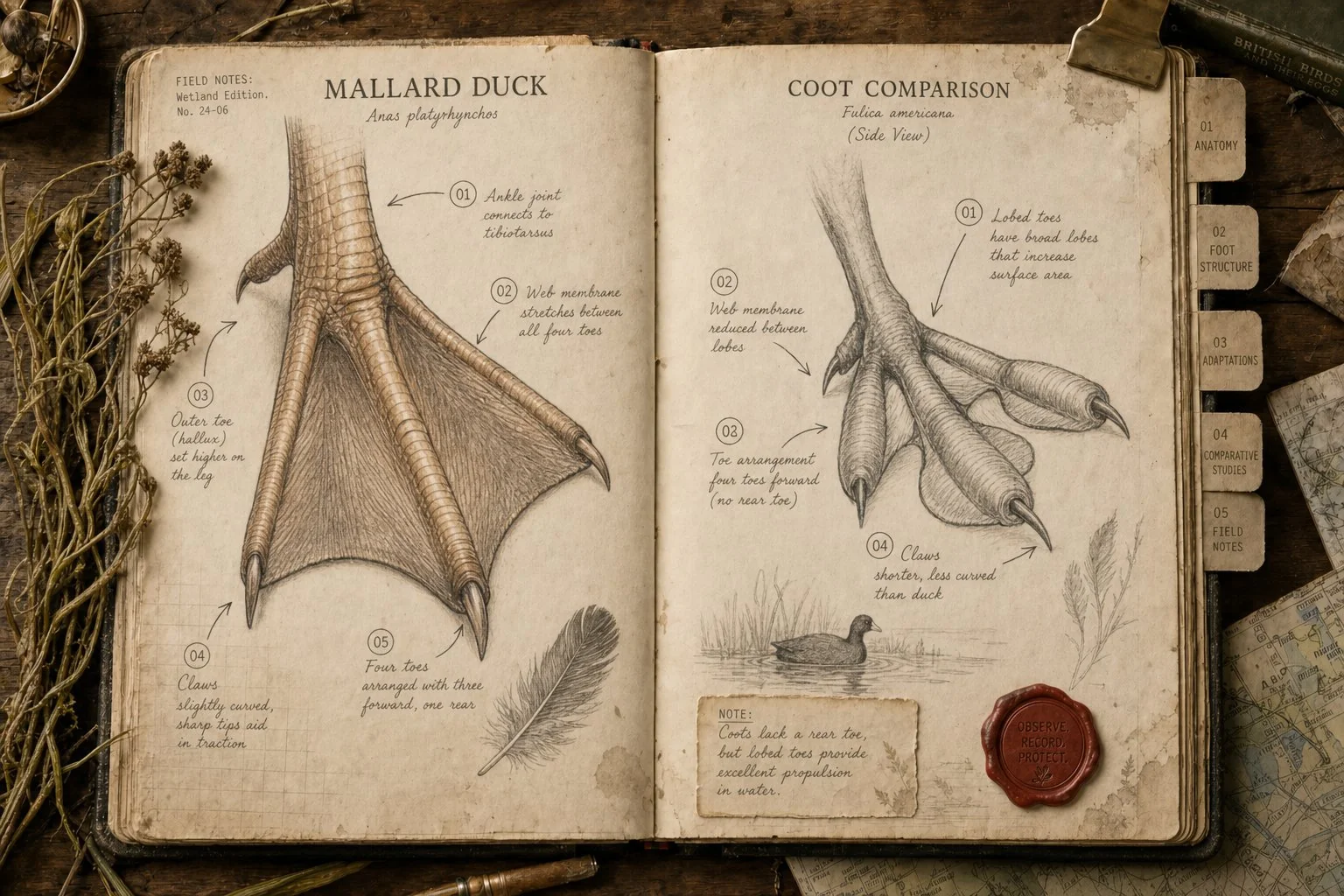
A duck's foot is a paddle, a brake, a thermal regulator, and a rudder. A naturalist's read of the anatomy and why it works in cold water.
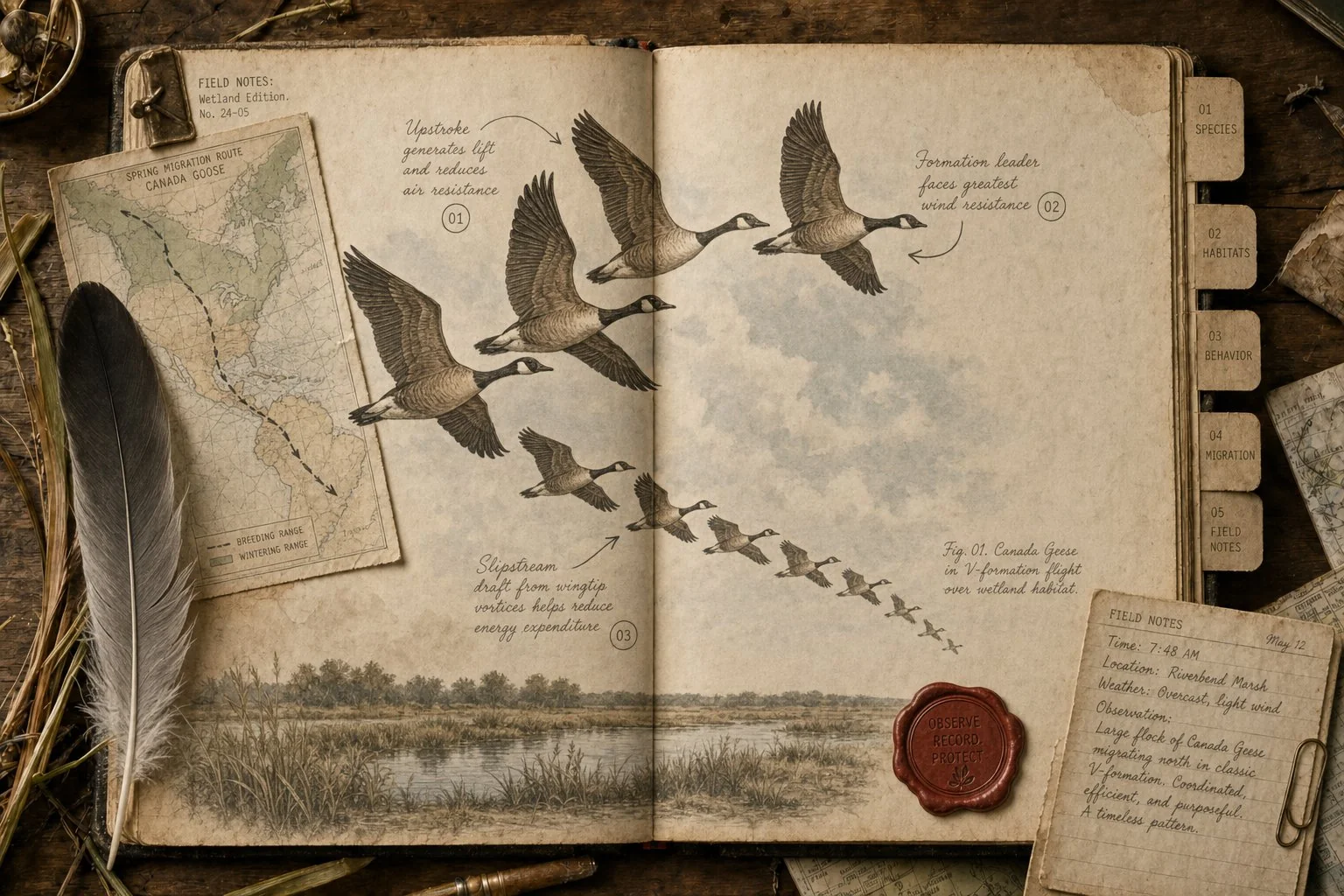
A naturalist's answer to a question with a deceptively boring textbook reply - how far can a Canada goose actually fly in 24 hours? The honest range, what the V-formation does, and why flights of 1,500 miles in a day are real.
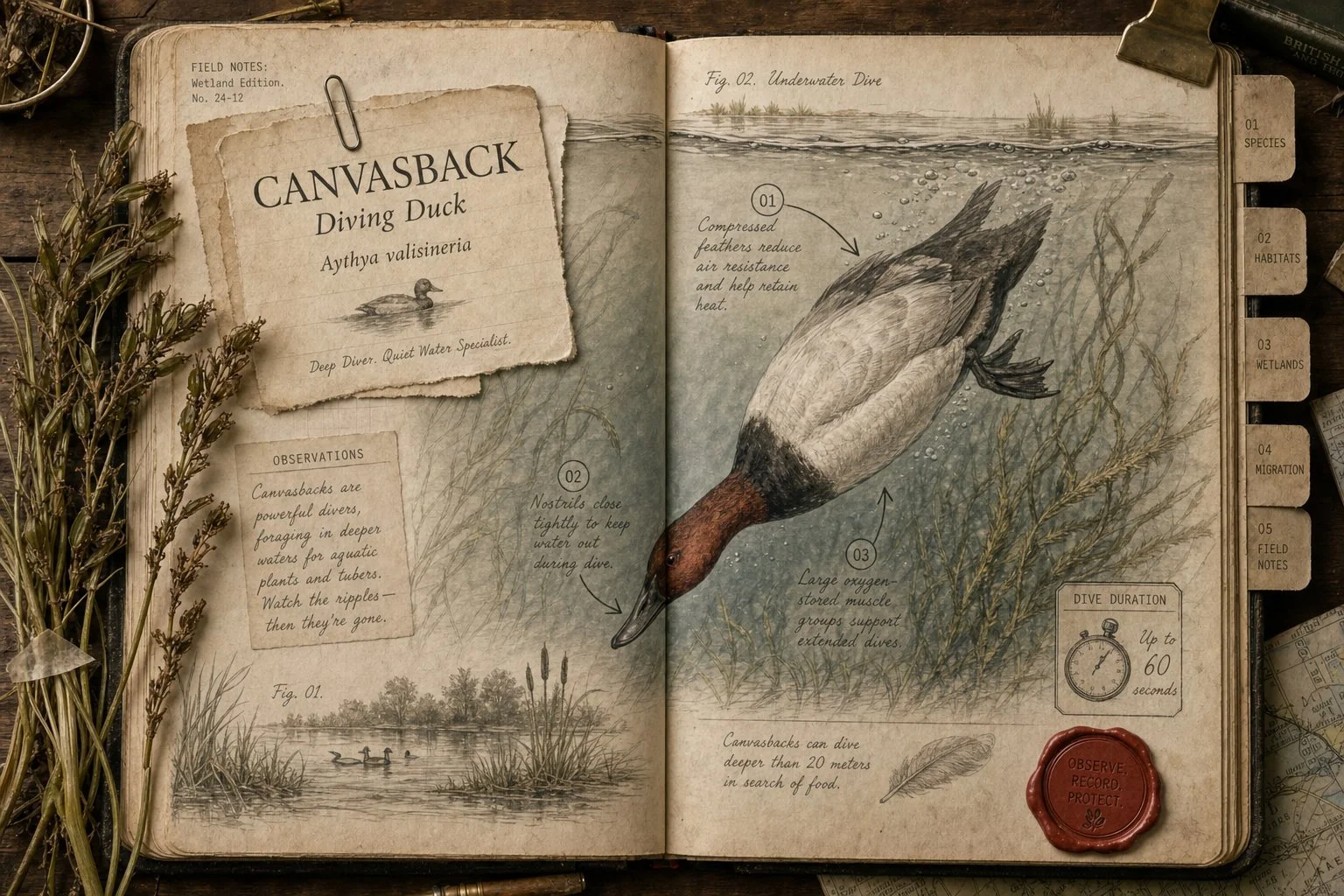
Most diving ducks stay under for 10-30 seconds. Long-tailed Ducks hit 60+. A naturalist's read on dive times by species and the limits of the lung-air system.
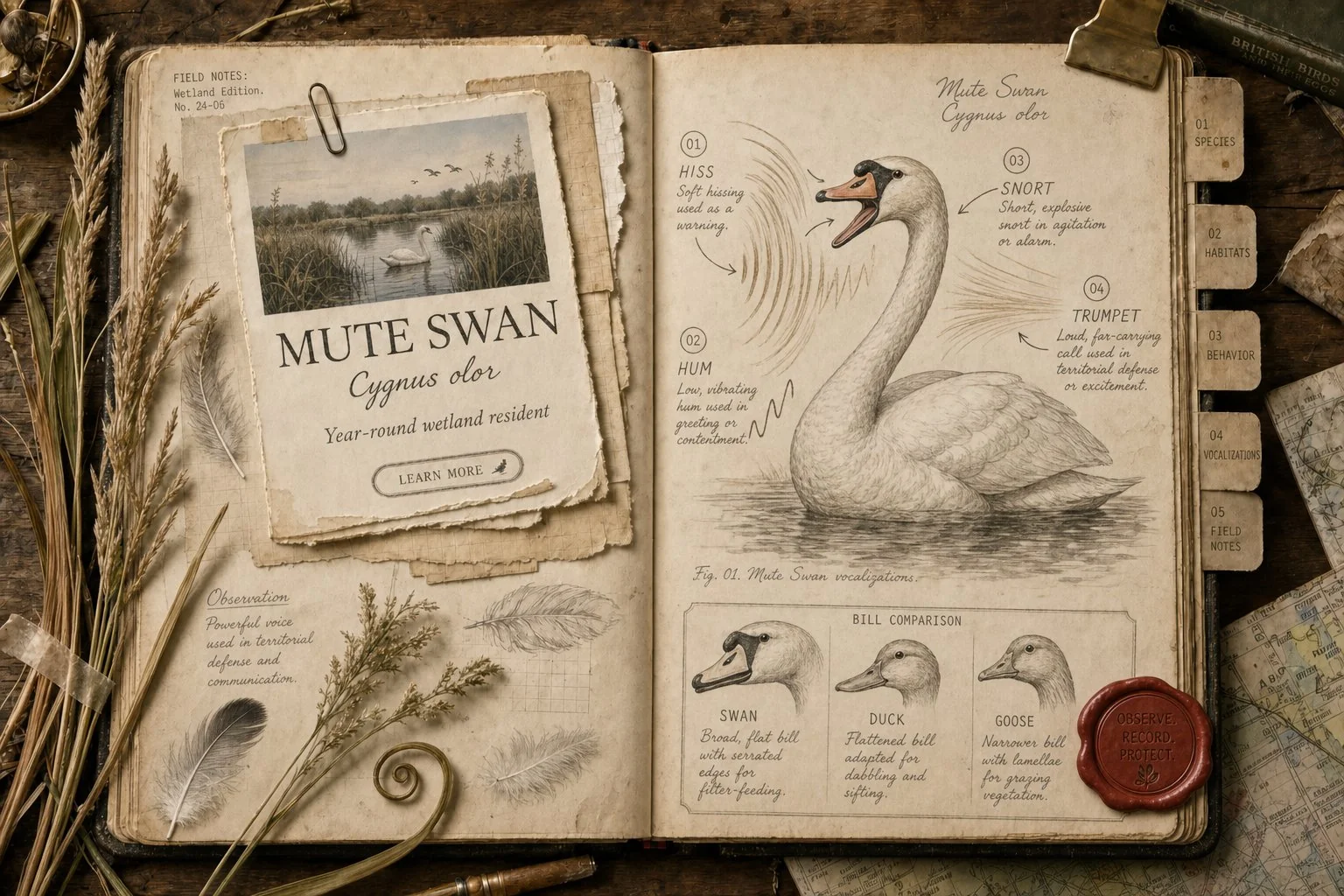
A naturalist's guide to the actual sounds of swans - hiss, hum, snort, trumpet, whistle - and which species makes which. Spoiler: the 'mute' swan is anything but.
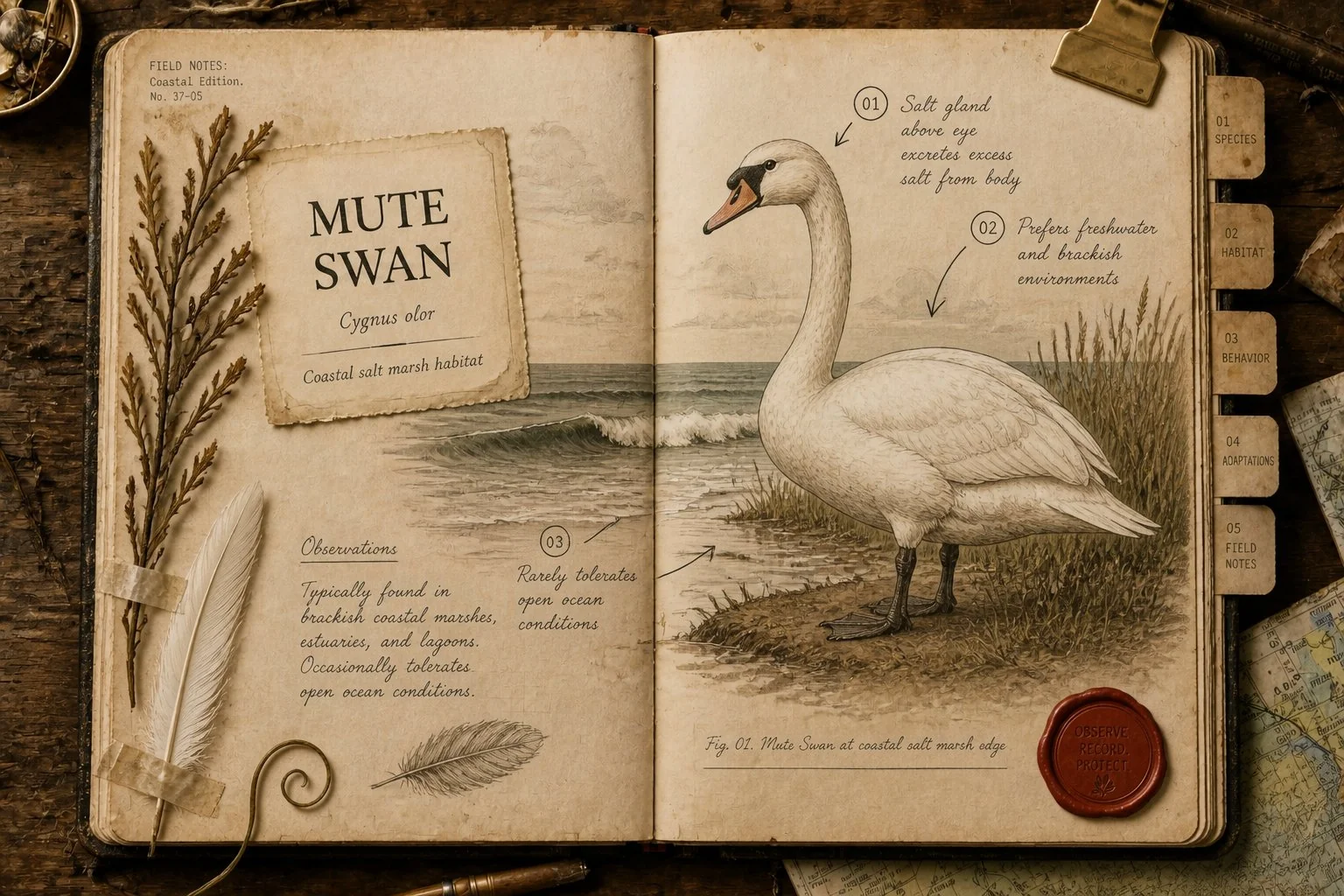
Swans can swim in salt water and have salt glands to handle it - but they prefer fresh and stay close to shore. A naturalist's read on coastal swan ecology.
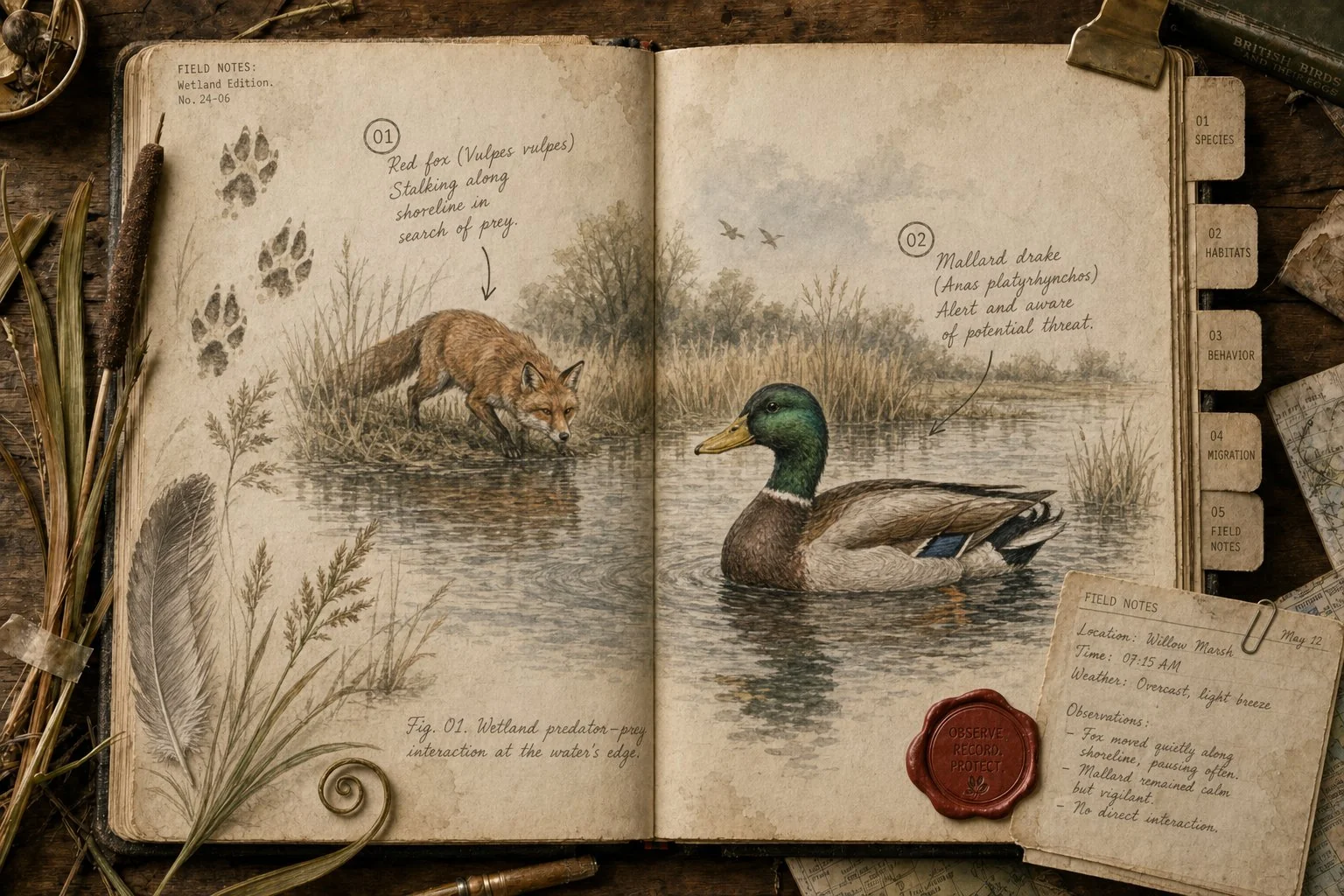
The thirteen animals that hunt wild and domestic ducks - ranked by where they hunt (water, air, ground) - and the eight protections that actually work. A field naturalist's guide for pond owners and small-flock keepers.
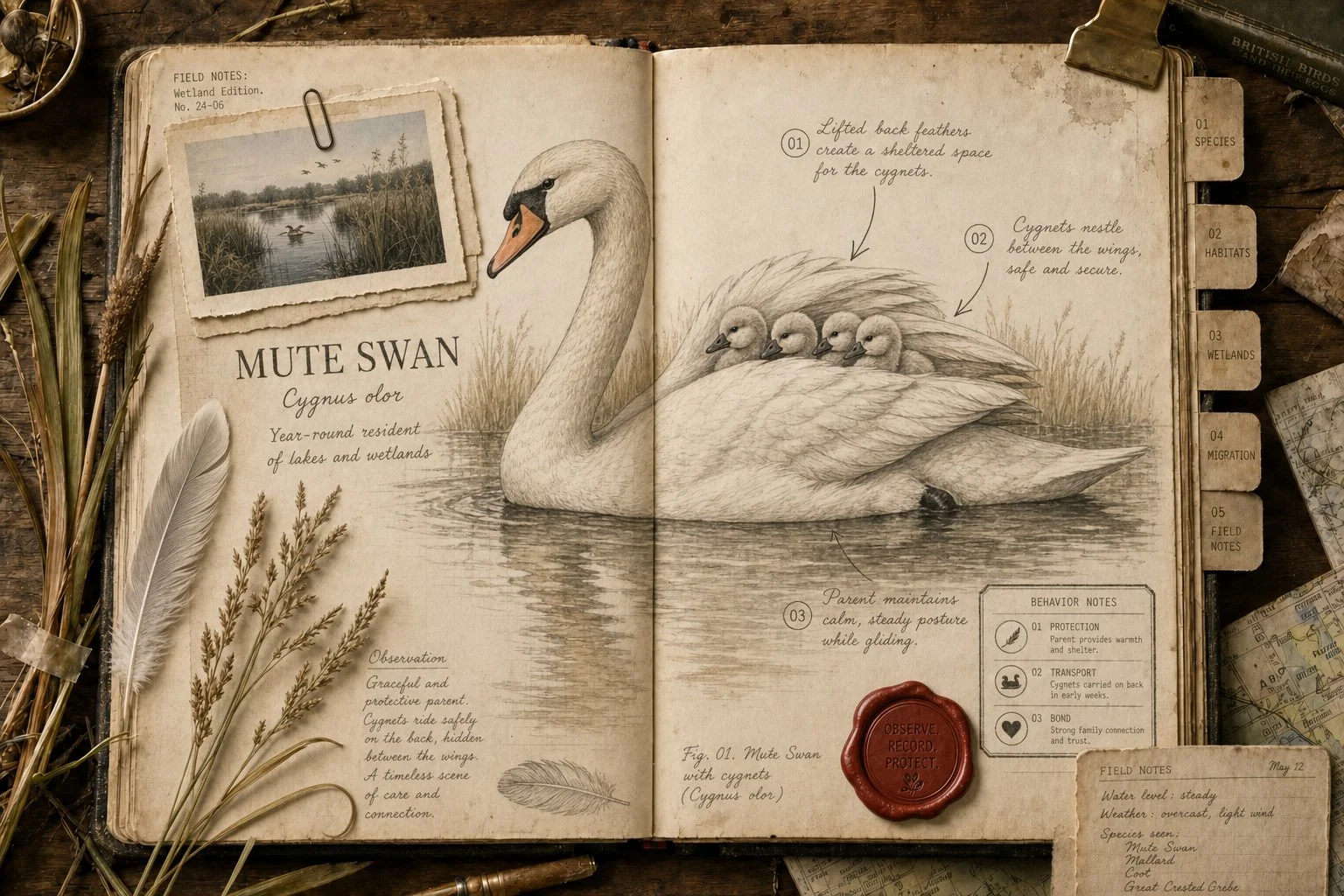
Mute Swan cygnets do ride on their parent's back, and there's a specific reason for it. A naturalist's read on why, when, and which swan species does it most.
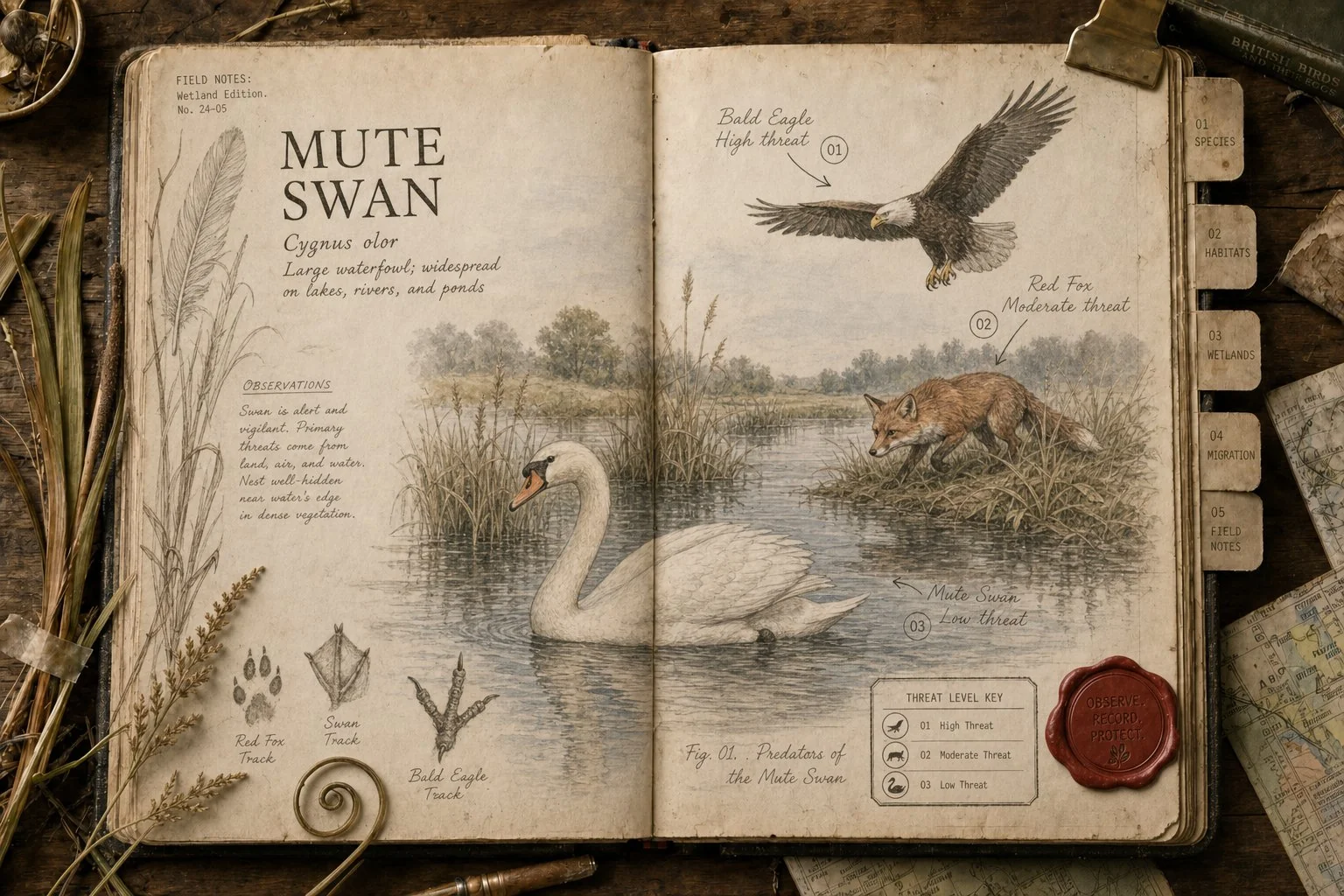
A naturalist's read on swan predation - adult swans have surprisingly few enemies, but cygnets are vulnerable to a long list of predators. Which species hunt swans and at which life stage.
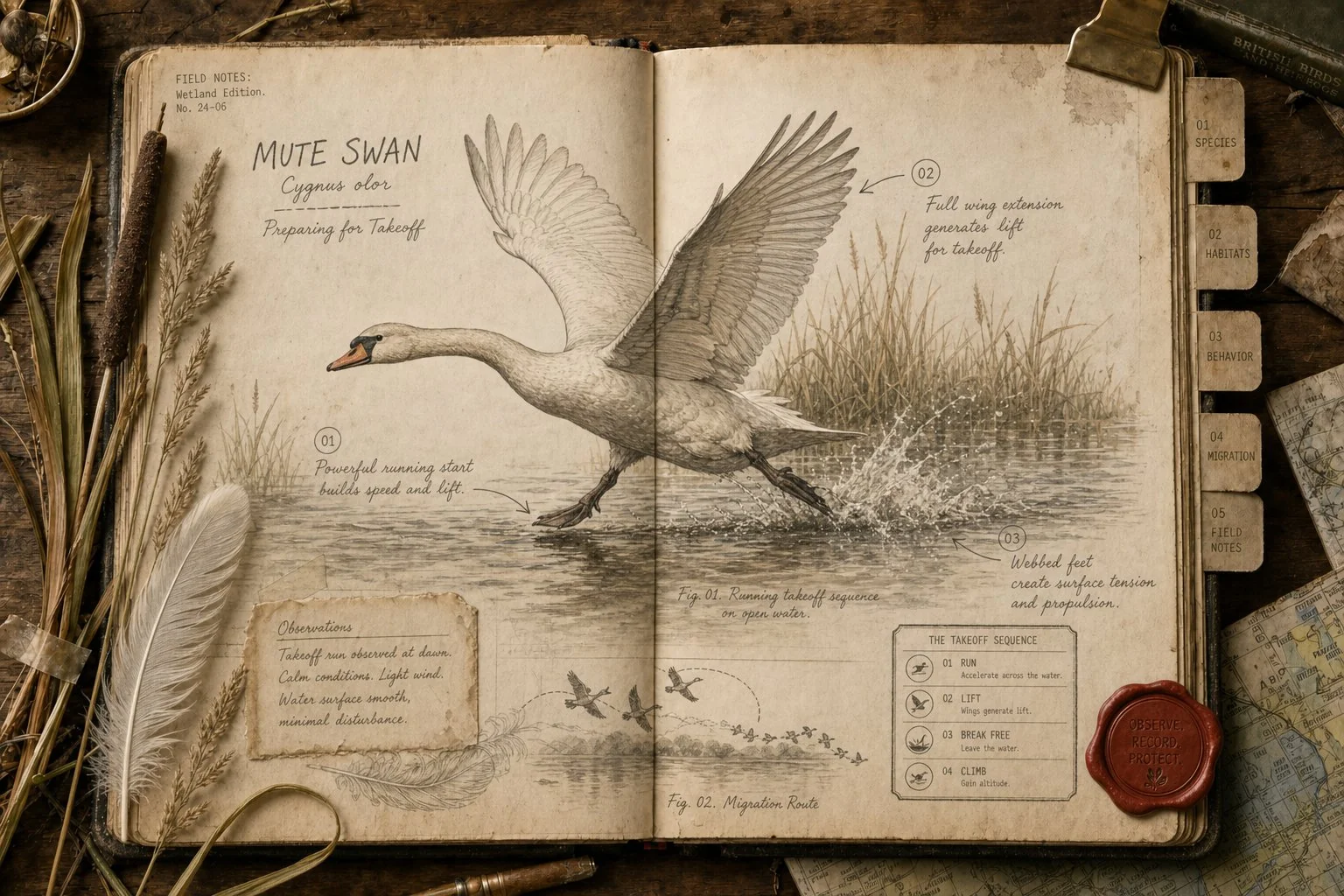
A naturalist's read on swan takeoff mechanics - why most swan species need a long water runway, the rare exceptions on land, and what the takeoff actually looks like.
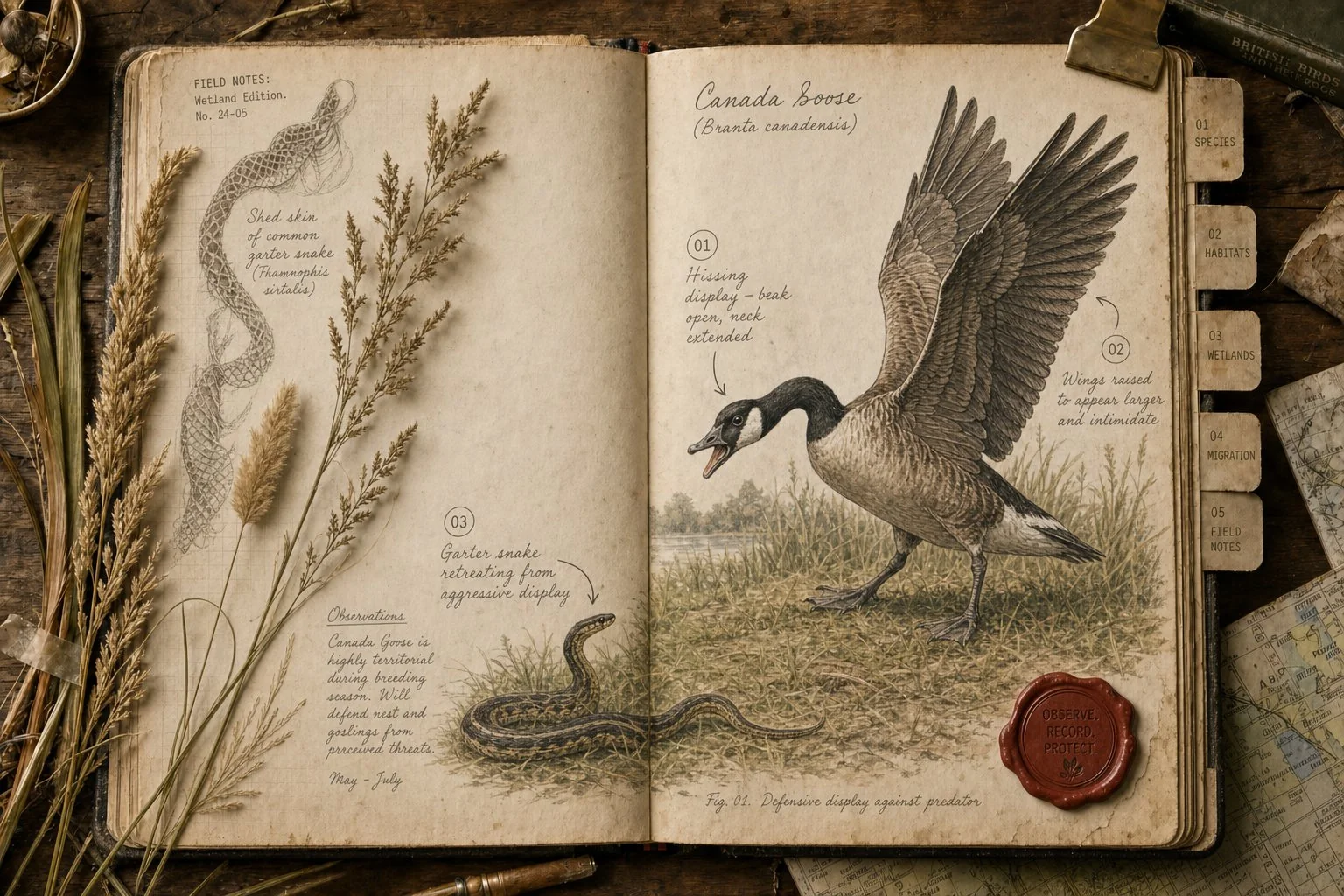
A naturalist's read on whether keeping geese genuinely deters snakes - what the evidence says, which species are deterred, and whether it works as a property-management strategy.
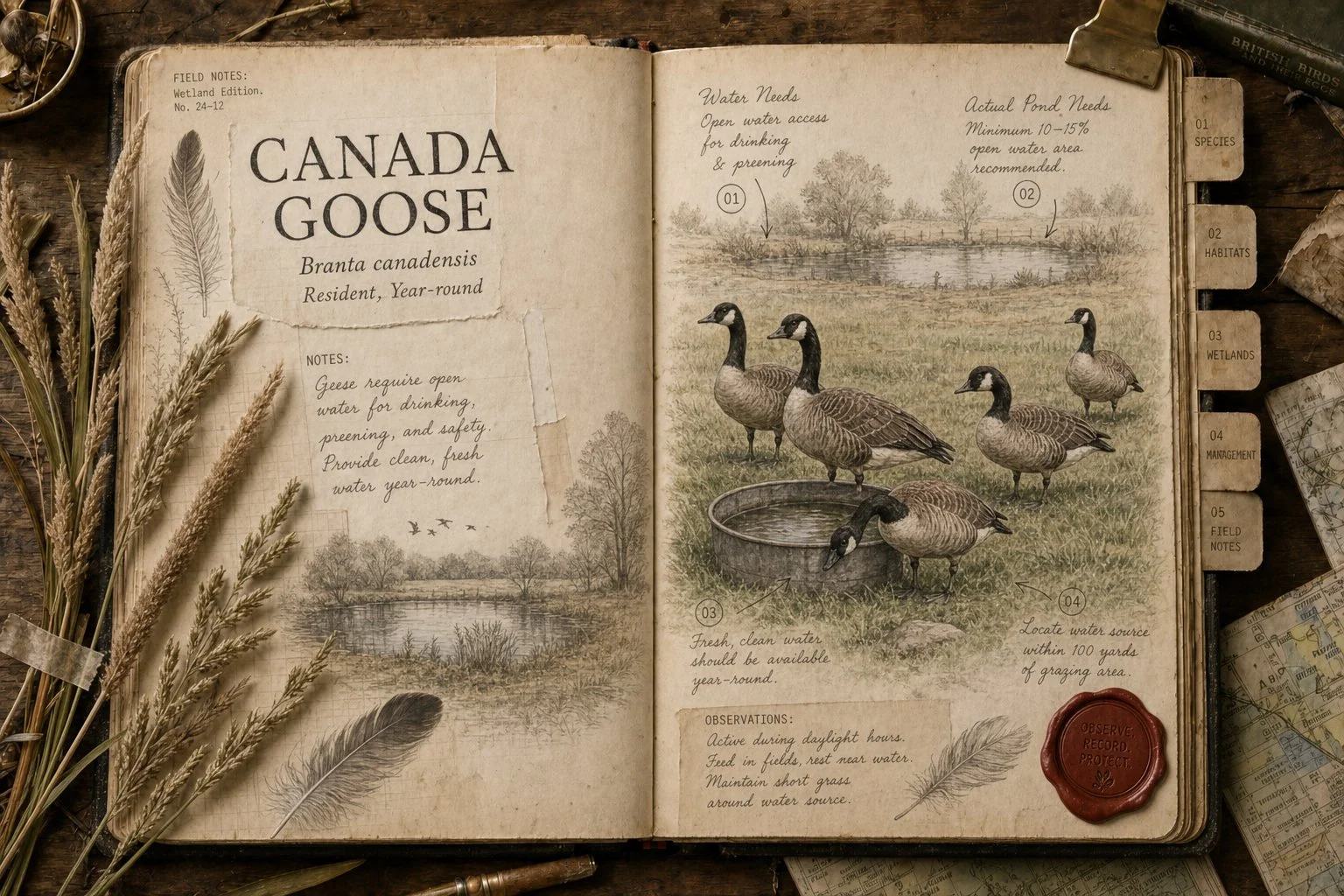
A naturalist's read on what geese actually need for water - a pond is nice but not essential. What works instead, and the bare minimum water access for a small flock.
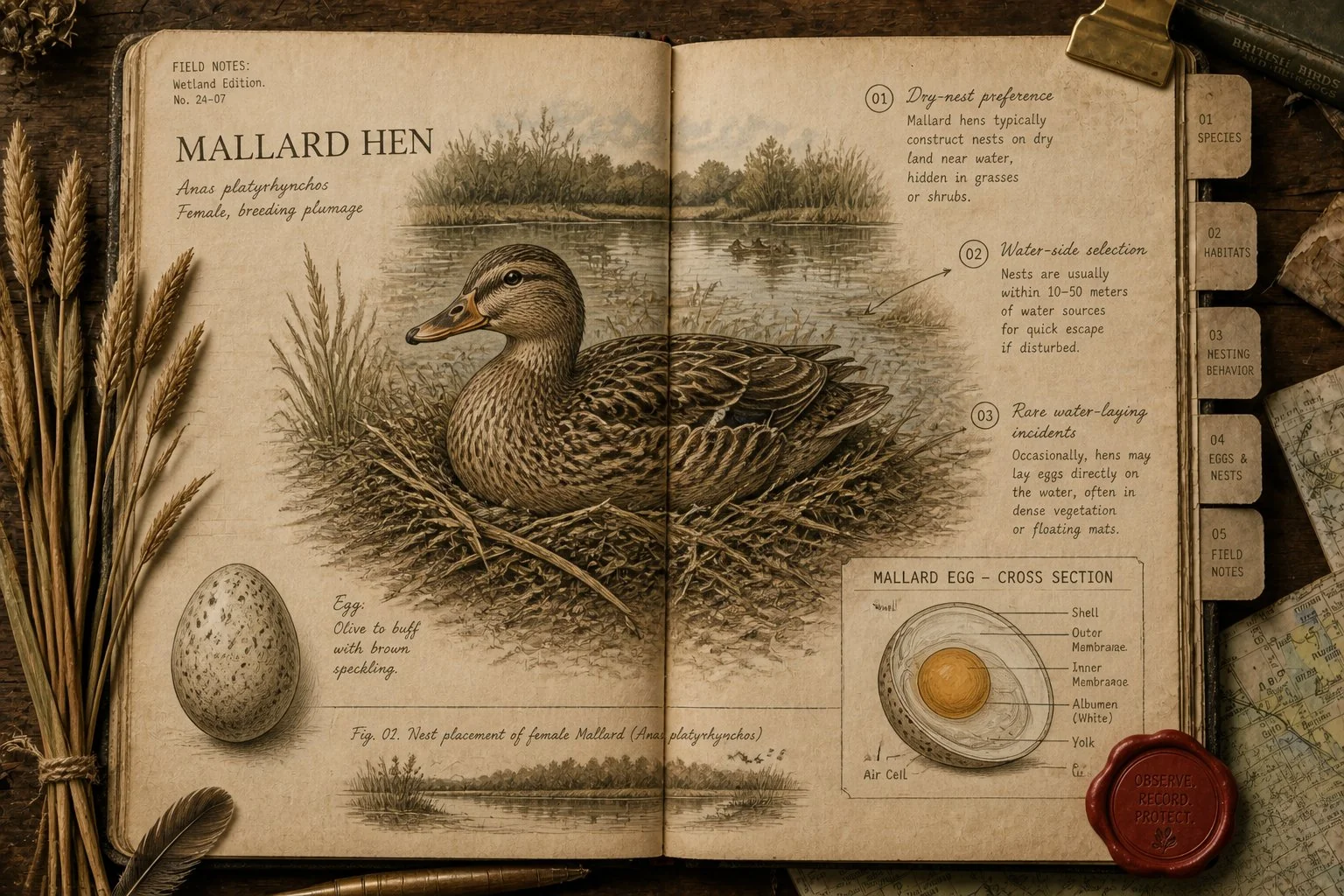
Ducks build nests on dry ground or in tree cavities. A naturalist's read on why water-laying happens only by accident or distress.
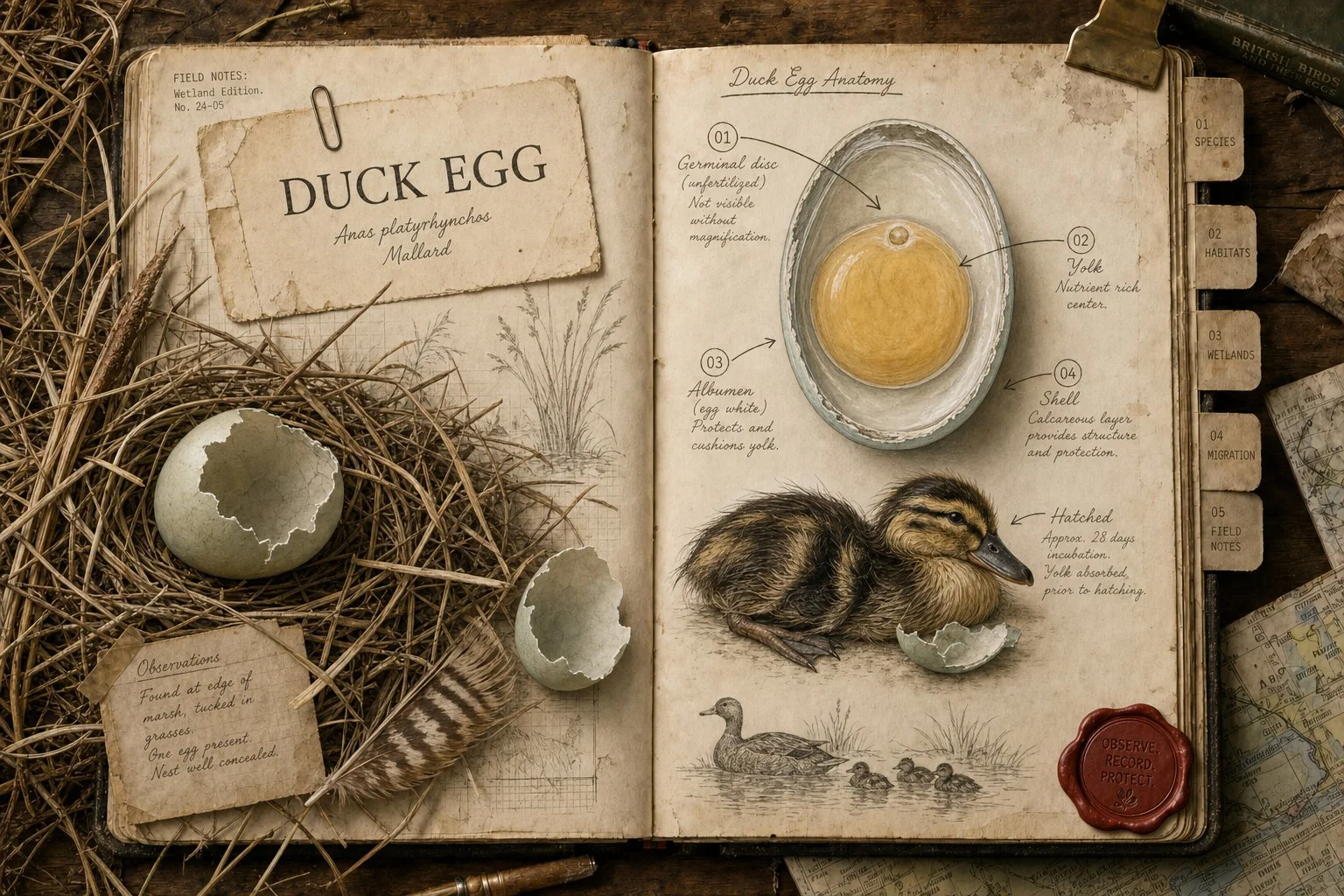
Female ducks lay eggs whether a drake is present or not. A naturalist's read on when wild and domestic ducks produce unfertilised eggs, and what to do with them.
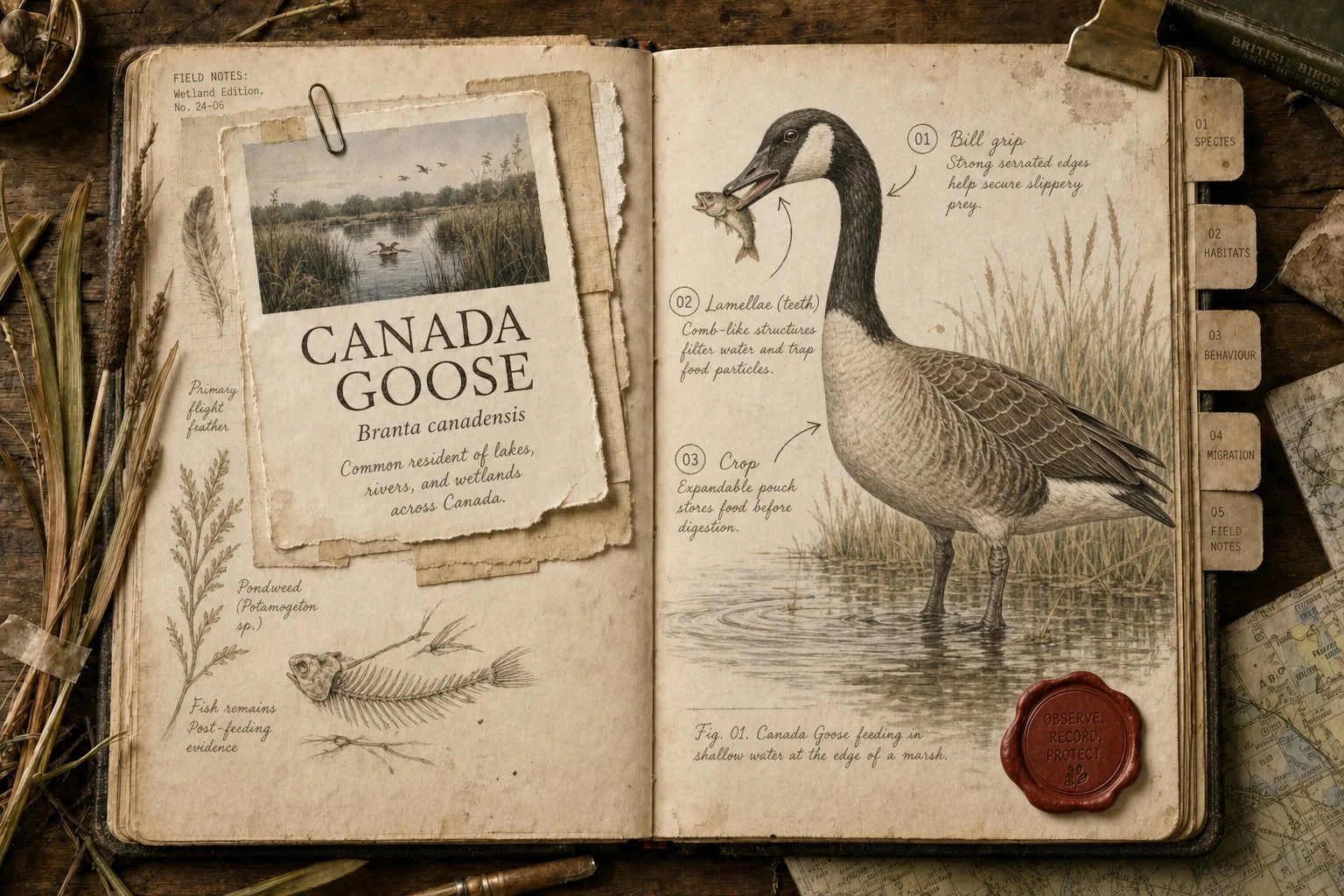
Geese are not piscivores - but they will eat a small fish under specific conditions. A naturalist's read on the rare cases where geese take fish, and why it almost never happens.
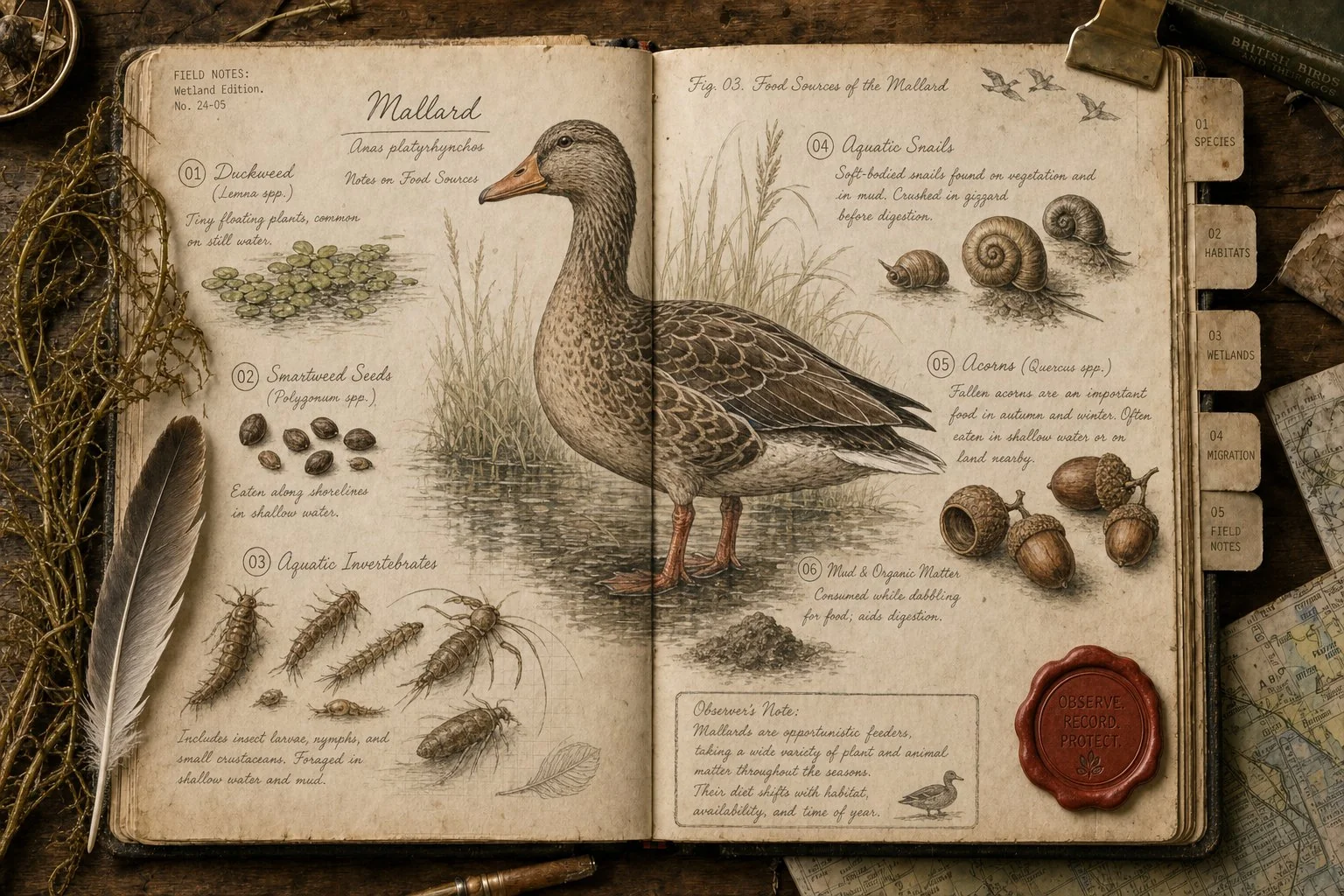
A naturalist's read on the Mallard's diet - the seven food categories that make up a wild Mallard's year, what changes seasonally, and why protein matters most in spring.
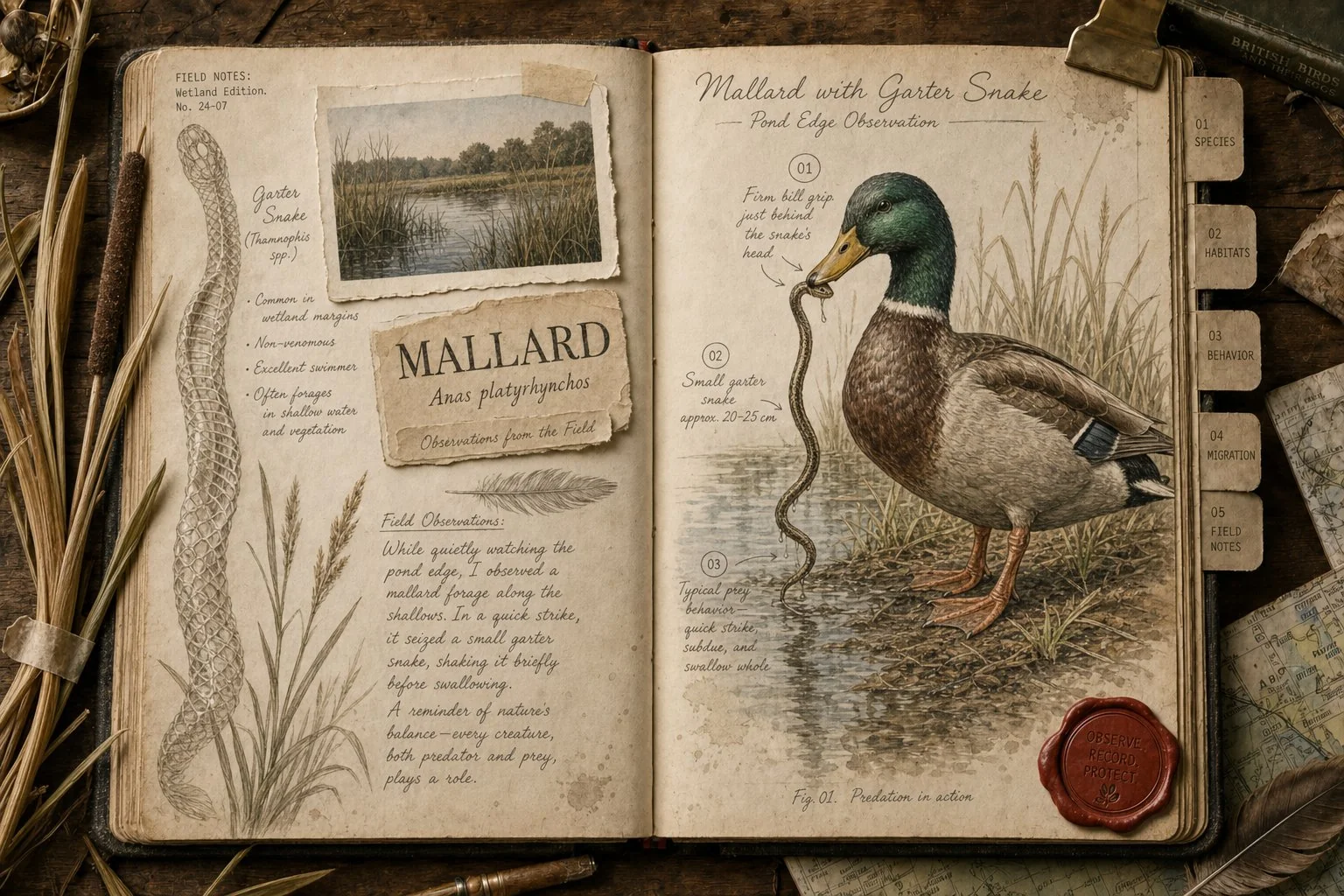
A naturalist's read on whether ducks really eat snakes - which species do it most, what size of snake they actually take, and why a duck pond reduces local snake numbers.
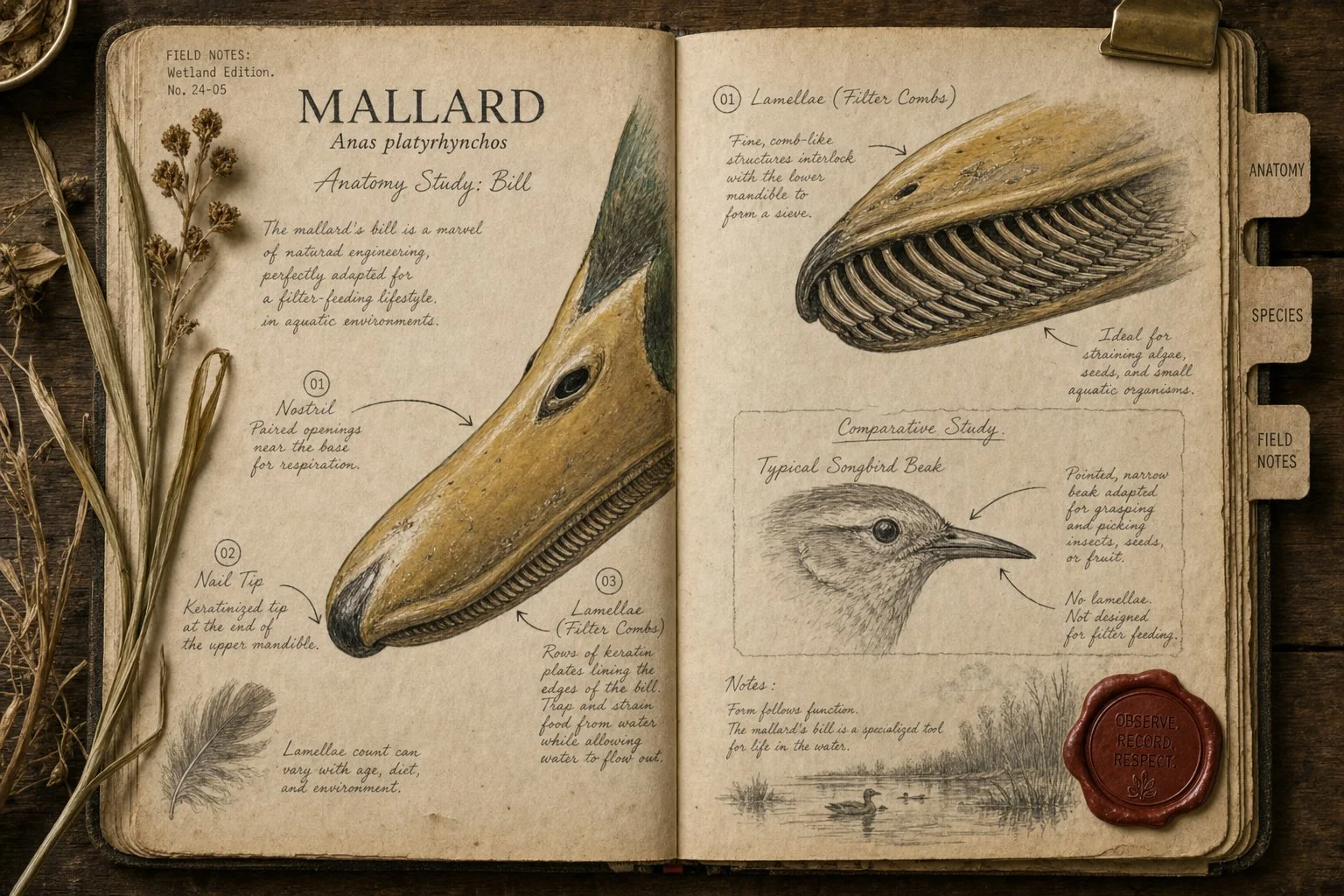
Beak and bill are the same structure - ornithologists use 'bill' for ducks because of its flat, lamellated shape. A naturalist's read on the duck mouthpart.
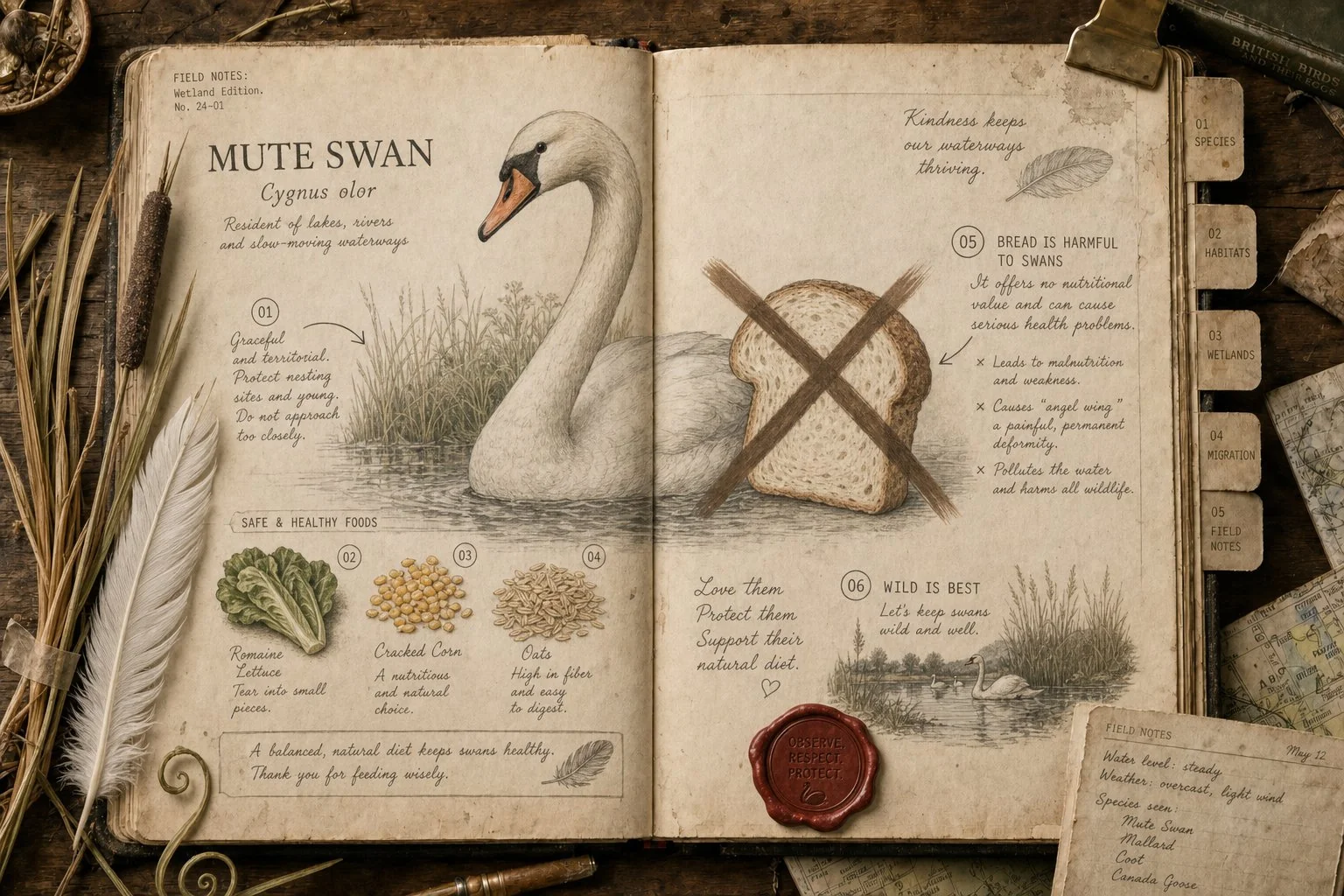
Bread is the worst thing you can feed a swan. It causes angel wing, water pollution, and crop impaction. A naturalist's read of why, and what to feed instead.
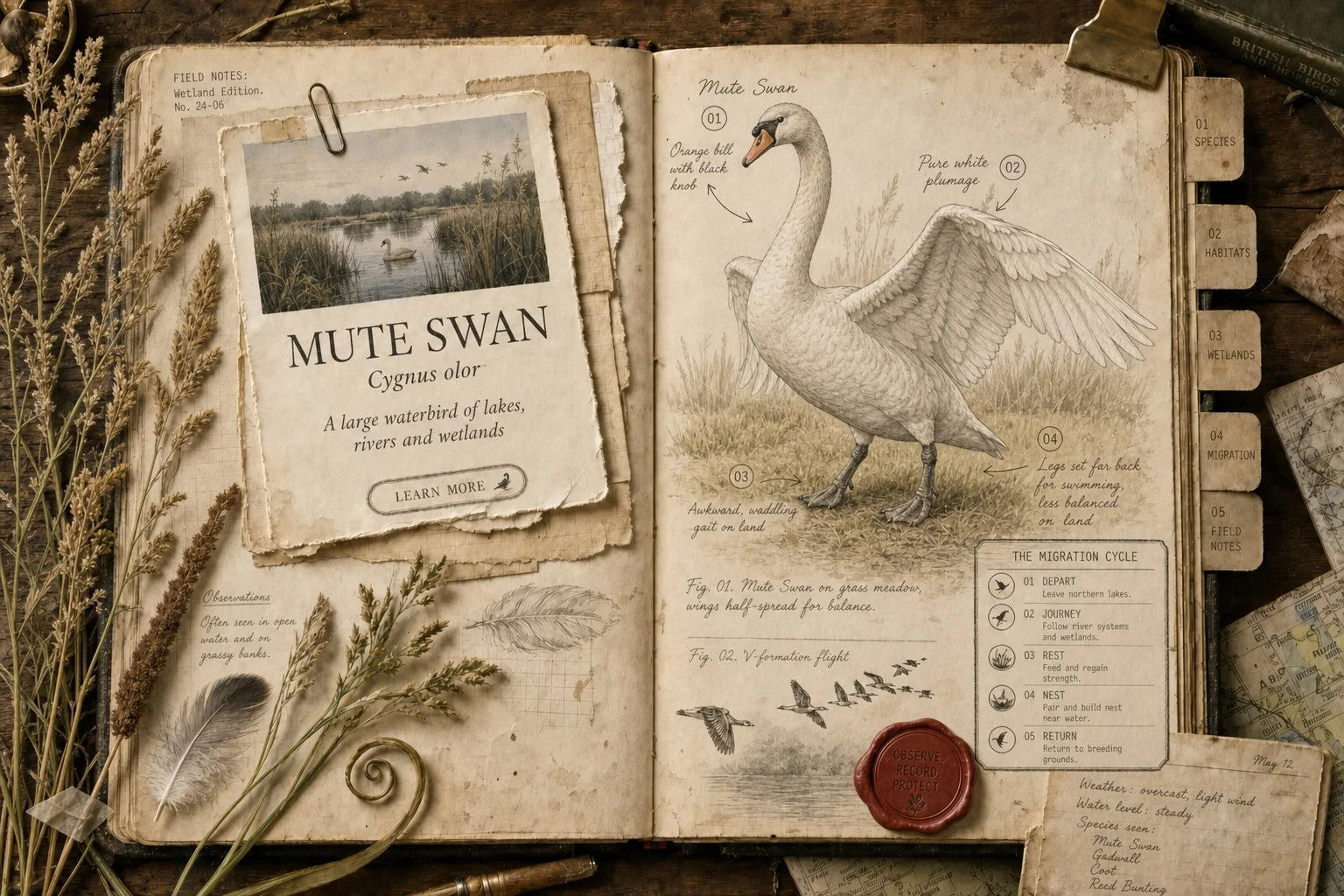
A naturalist's read on swan landings - swans can land on land but they prefer water, and the times they land on roads or lawns are often emergencies. What it looks like and what to do if a swan is grounded.
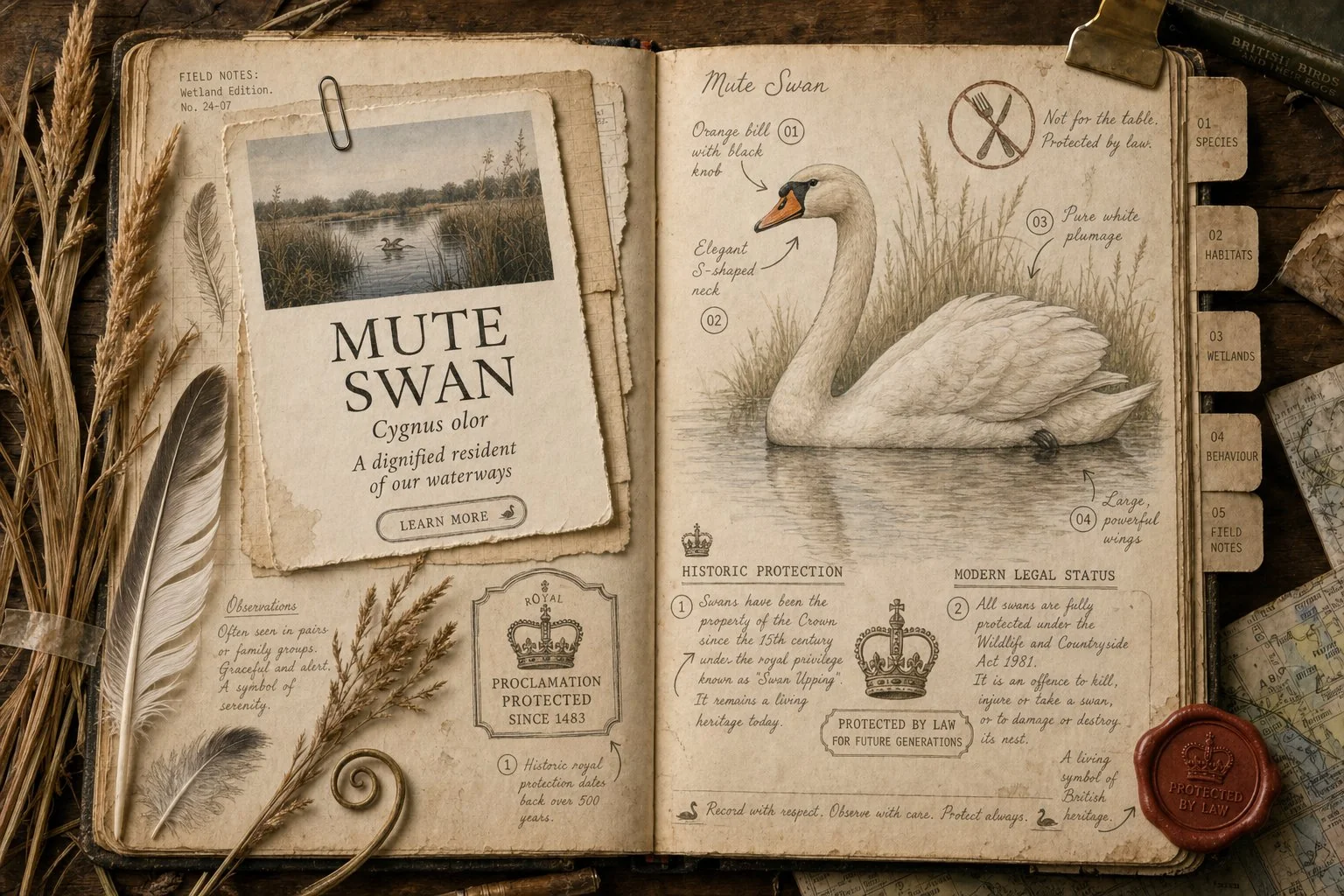
A naturalist's read on whether you can legally or sensibly eat a swan - the British royal protection rule, the modern UK and US legal status, and what swan actually tastes like historically.
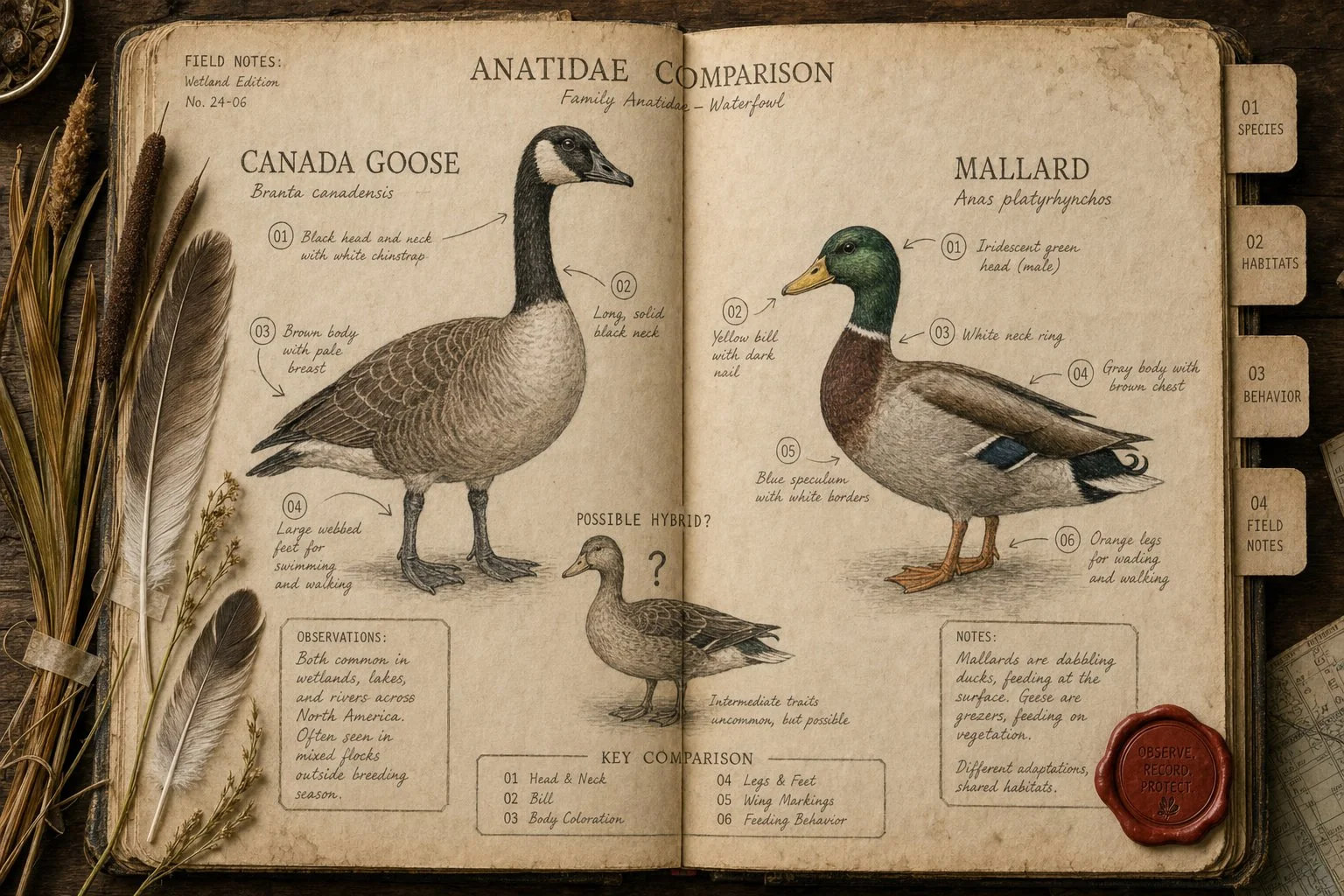
A naturalist's read on whether geese and ducks can produce hybrid offspring - what the rare documented cases show, why it almost never happens in the wild, and what such hybrids look like.
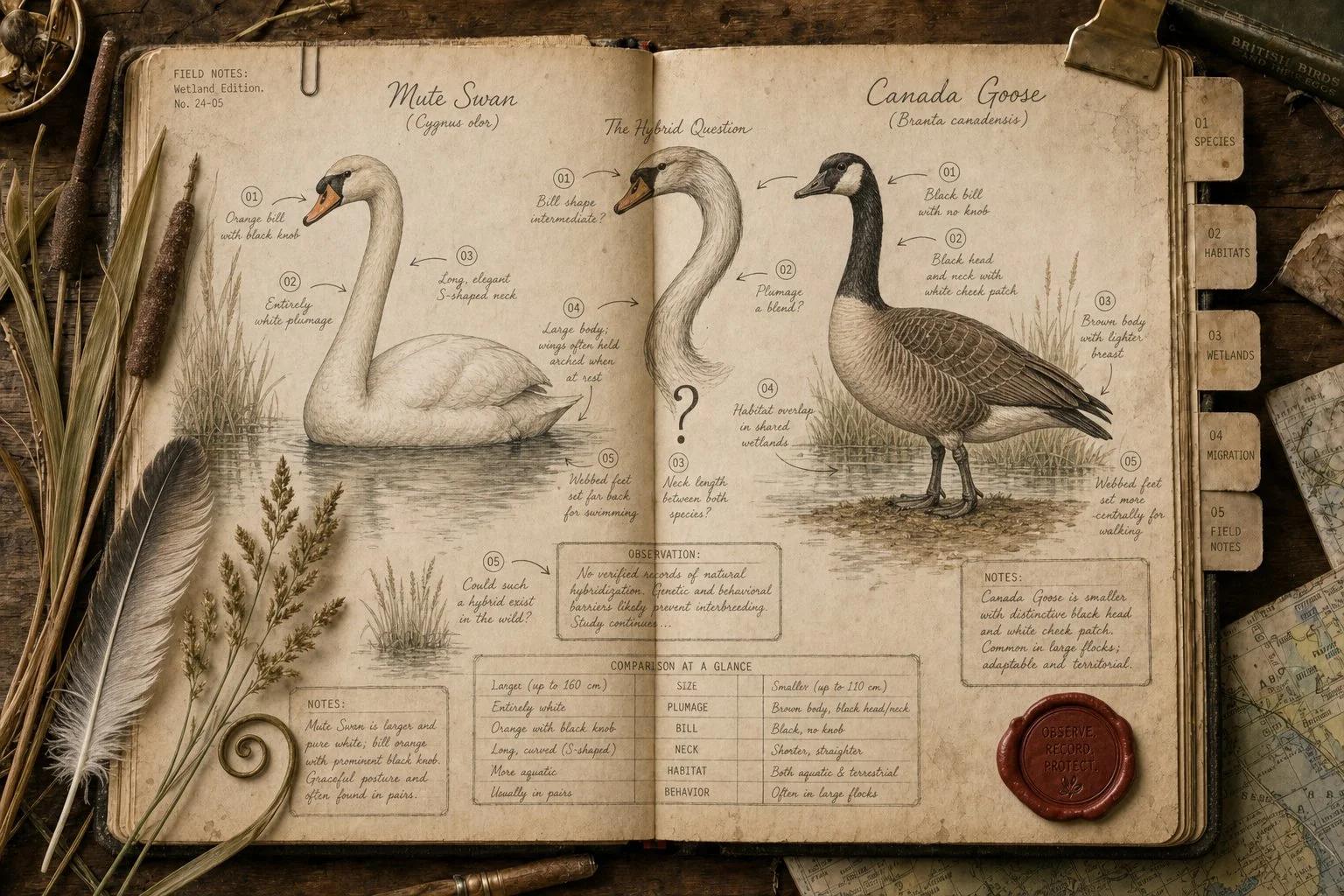
A naturalist's read on whether geese and swans can produce hybrid offspring - what the genetic and behavioural barriers are, and the rare documented cases where it has happened in captivity.
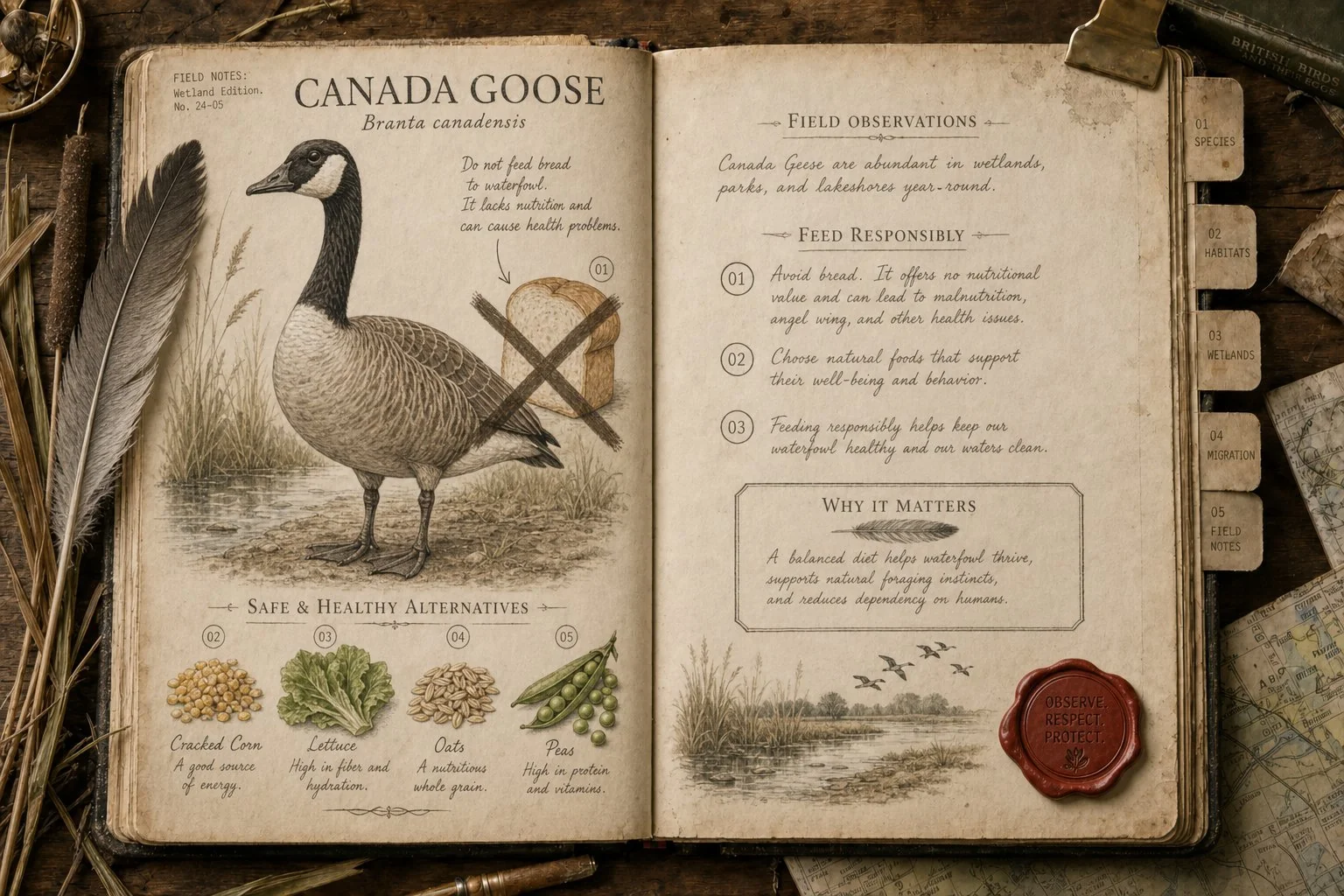
Bread is the single worst common food fed to wild geese. A naturalist's read on why it causes angel wing in goslings, fouls park ponds, and what to feed instead.
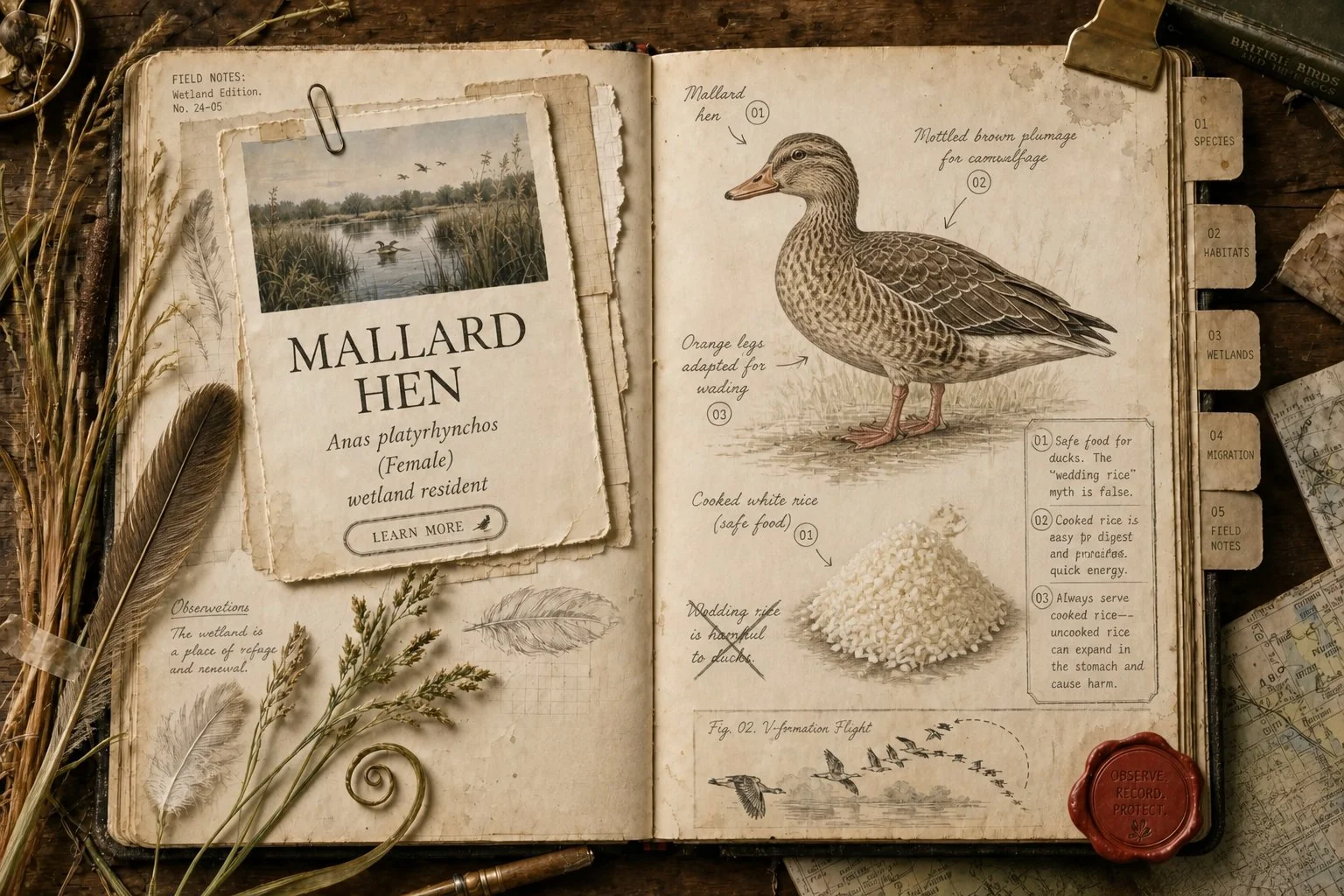
The myth that uncooked rice harms birds is false. Cooked or raw, rice is safe for ducks. A naturalist's read of where the misconception came from.
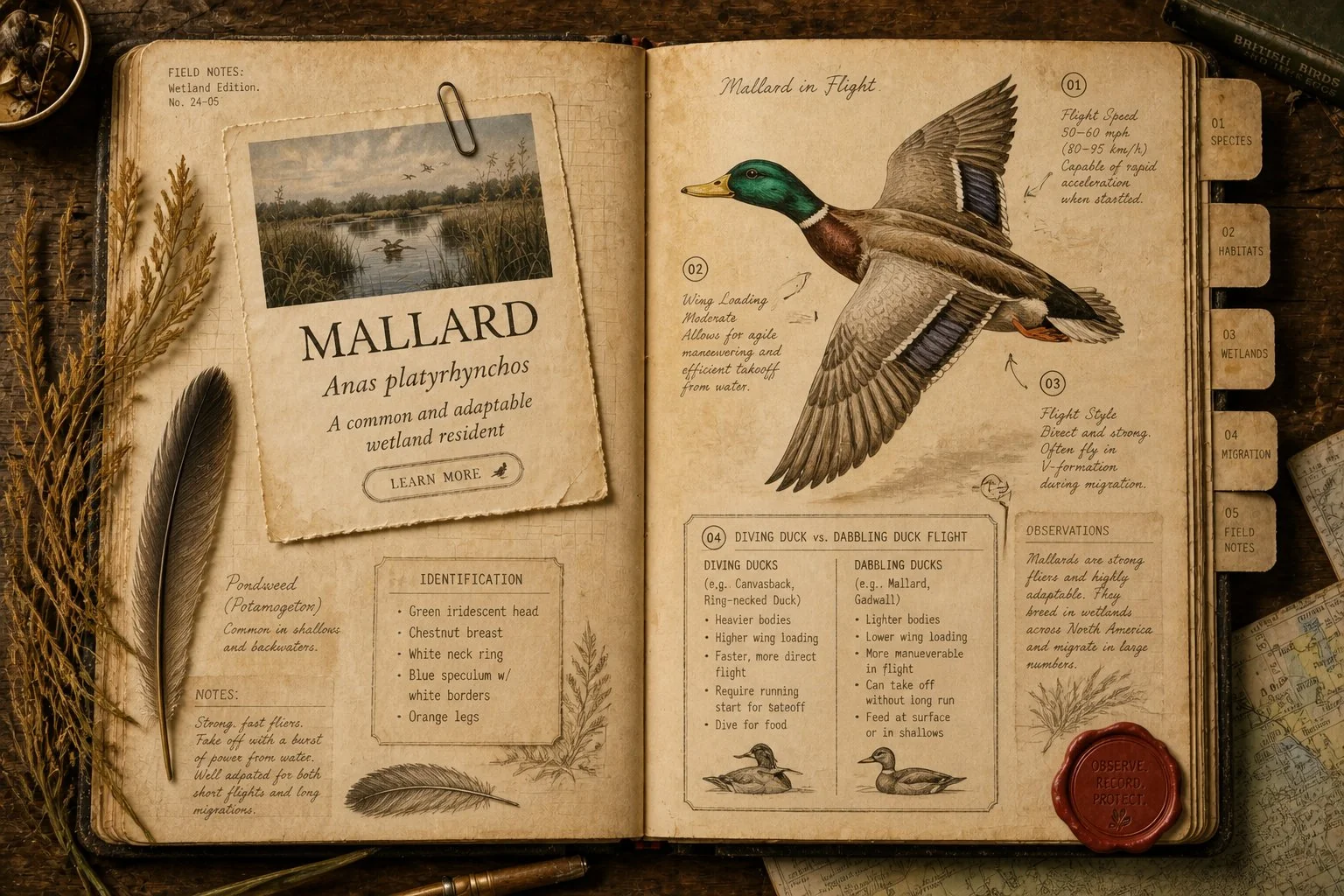
Most wild duck species fly 40-60 mph for migration. Domestic breeds mostly can't. A naturalist's read on which ducks fly and how well.
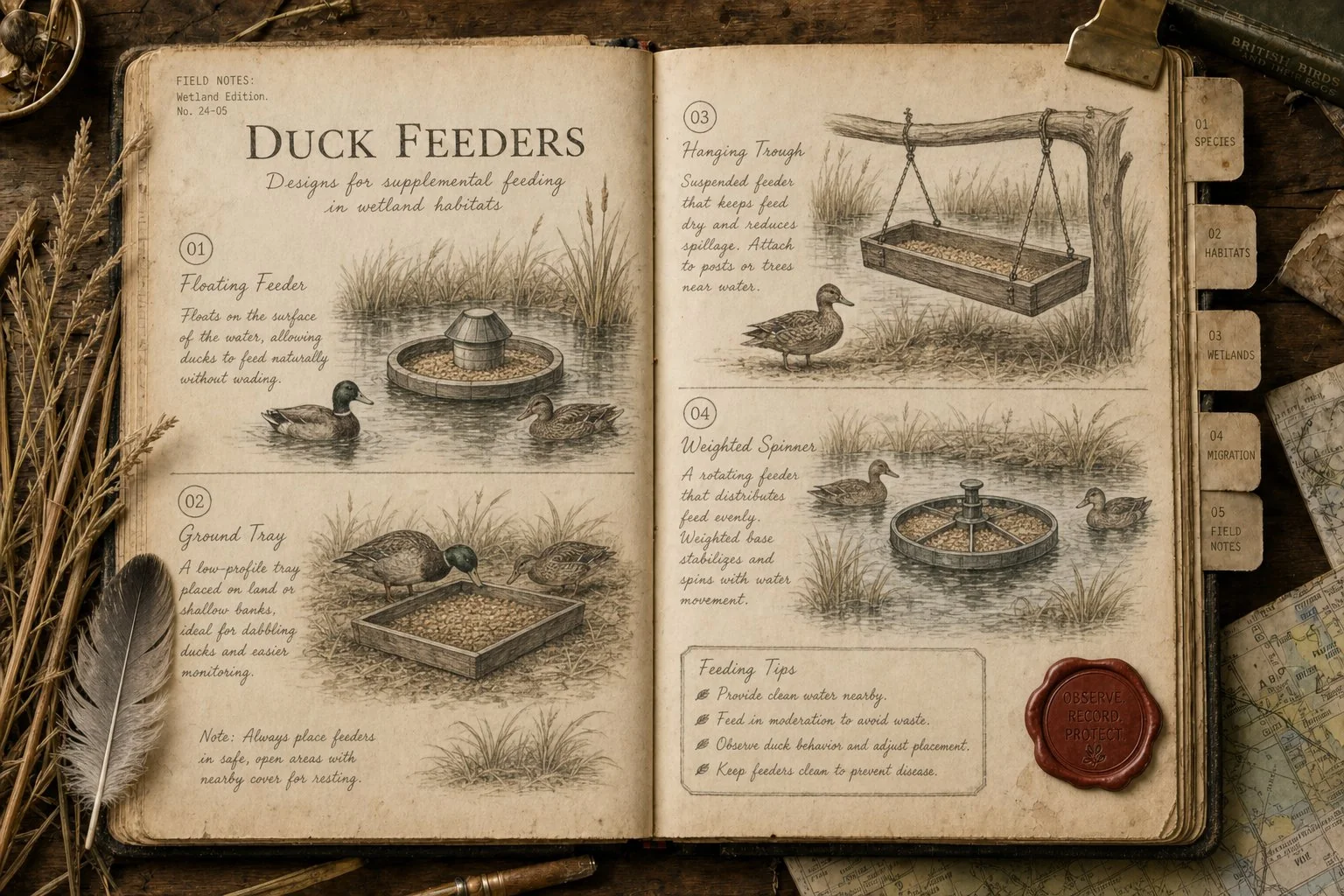
Ducks won't use songbird feeders. They need low, open, easy-to-access setups. A naturalist's guide to the four feeder types that actually work for waterfowl.
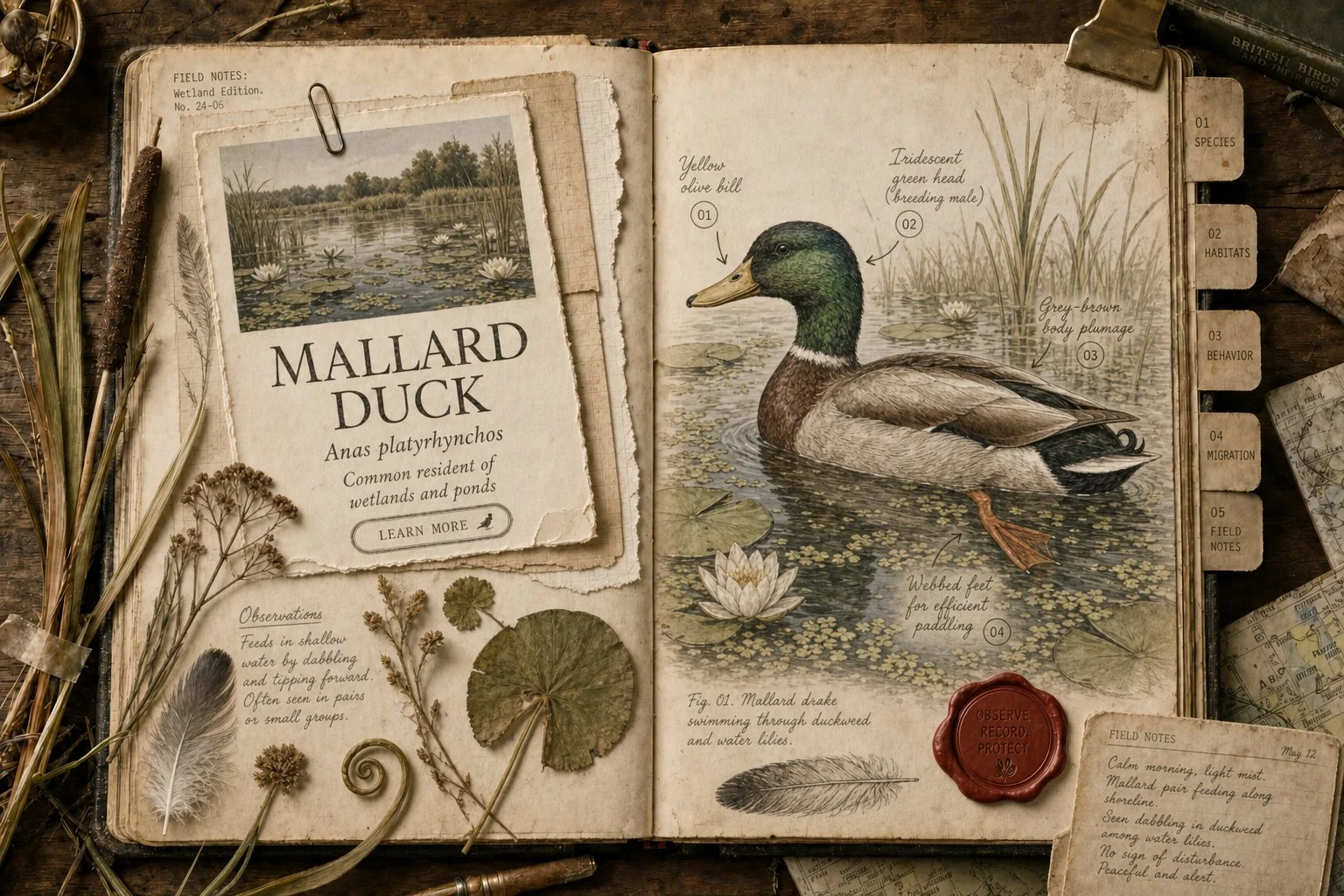
A naturalist's planting guide for a duck-friendly pond - the four plants ducks actually eat, the cover plants that keep ducklings alive, and where to put each one.
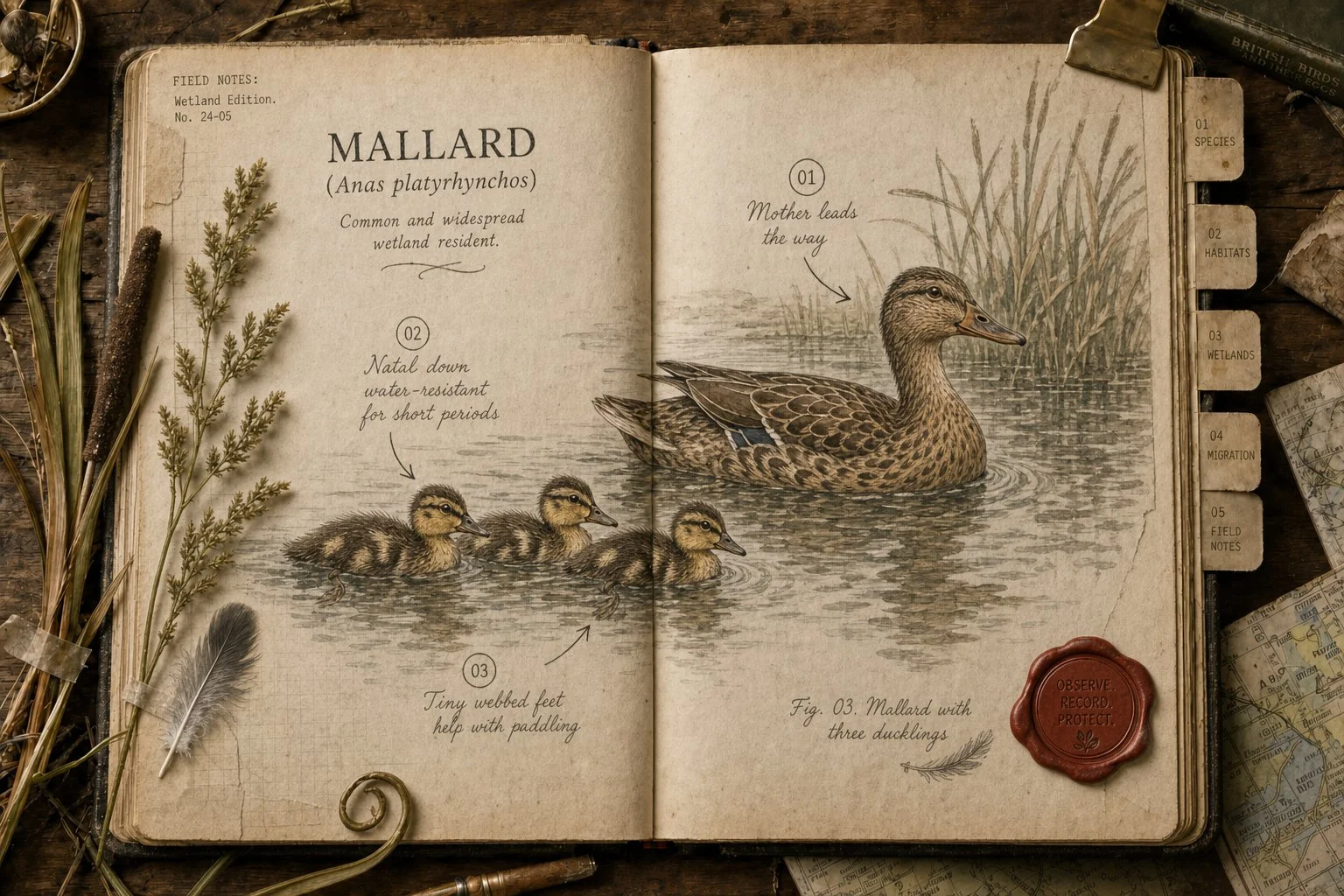
Ducklings can swim within hours of hatching, but their feathers are not yet waterproof. A naturalist's read on how long they can safely be on water.
If you love watching birds, then you know how important it is to have a suet feeder that will attract them to your backyard. However, choosing the right location for your suet feeder can be tricky....
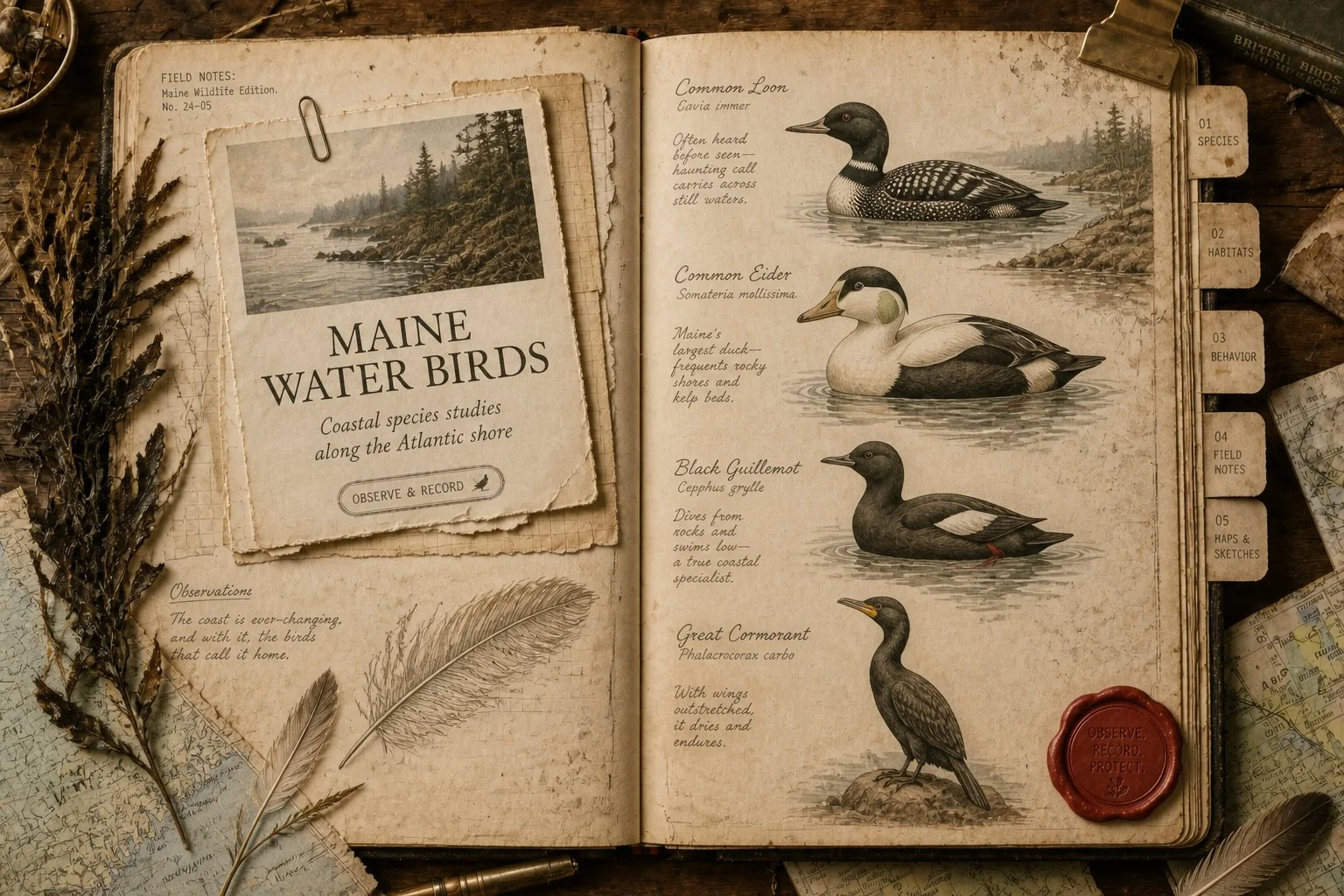
Maine's rocky coast and inland lakes hold 24 regular water birds, from Common Eider to Common Loon. A naturalist's read on what's where through the year.
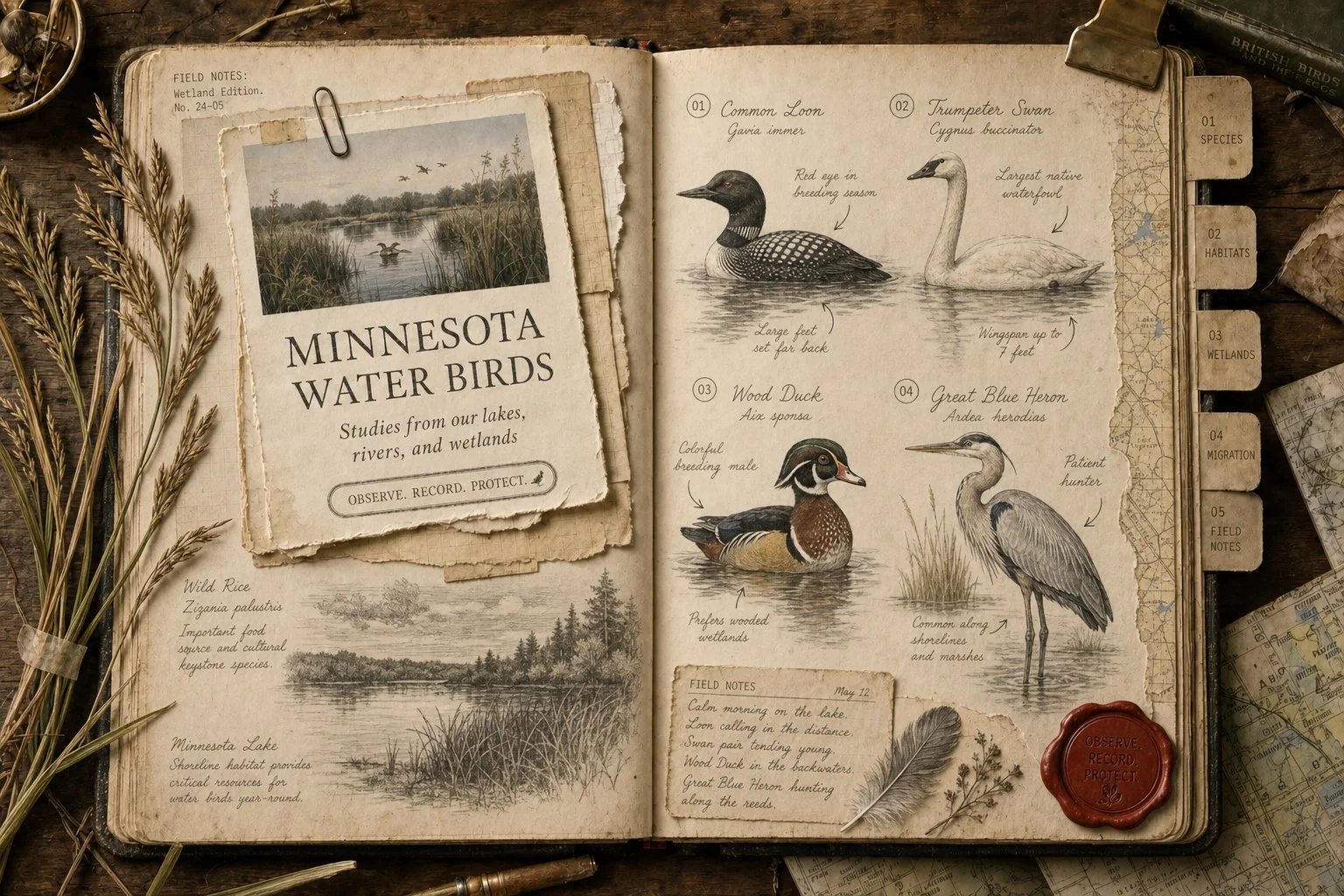
From the iconic loon to the recovering Trumpeter Swan, Minnesota's 11,000 lakes hold 26 regular water birds. A naturalist's read on what's where.
Male geese do not actually sit on eggs. They typically stand guard near the nest and make sure that no one or animal comes close to it while their mates are laying or incubating their eggs. This is...
Holding a duck may seem like a simple task, but it can be quite challenging, especially for those who are new to handling them. Ducks are delicate creatures that require proper handling to avoid...
Ducks are a common sight in many of our parks, ponds, and even backyards, but how much do we really know about these familiar feathered friends? One commonly asked question revolves around their...
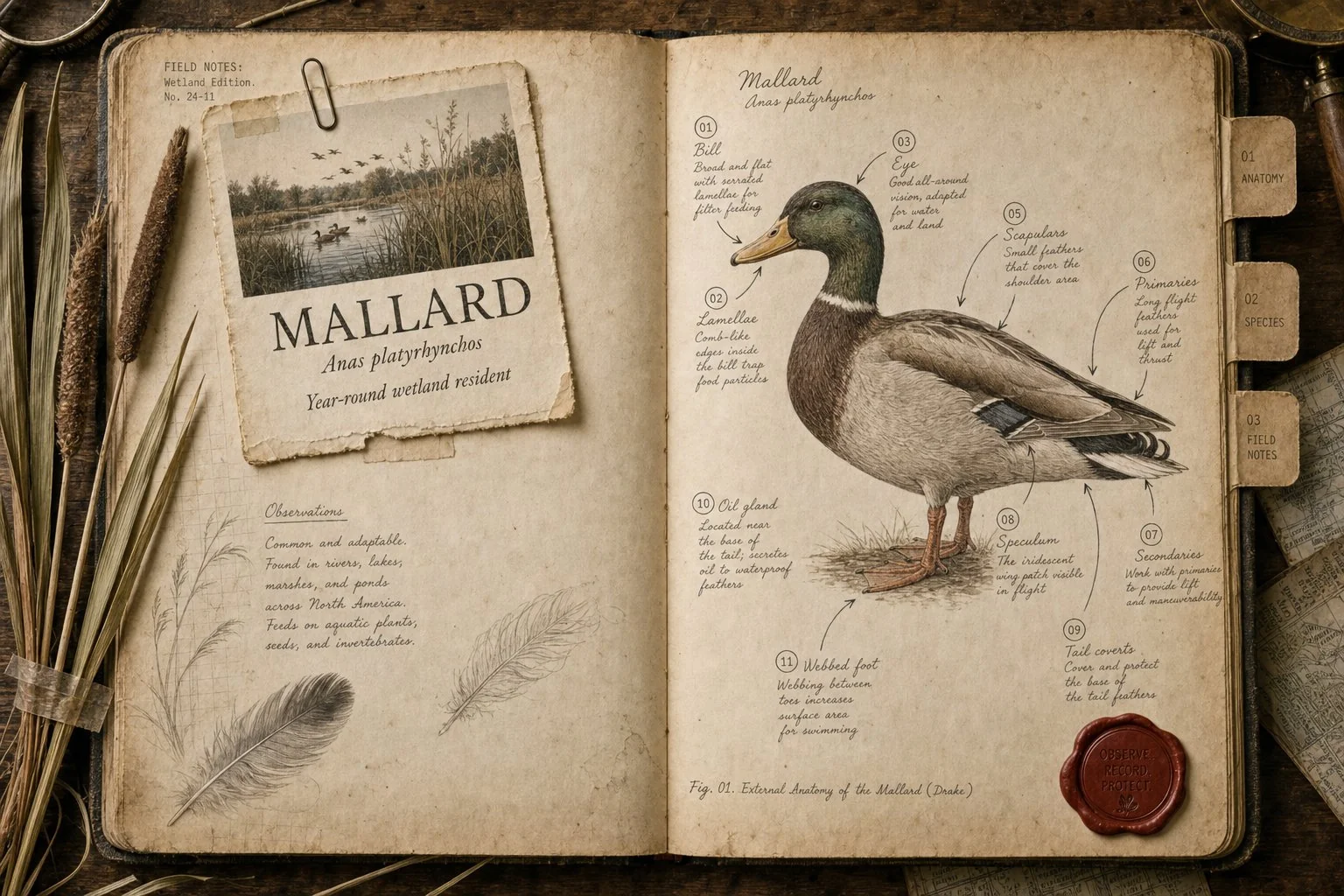
A naturalist's illustrated tour of duck anatomy - the bill, the feet, the feathers, the digestive system, and the adaptations that make a duck a duck.
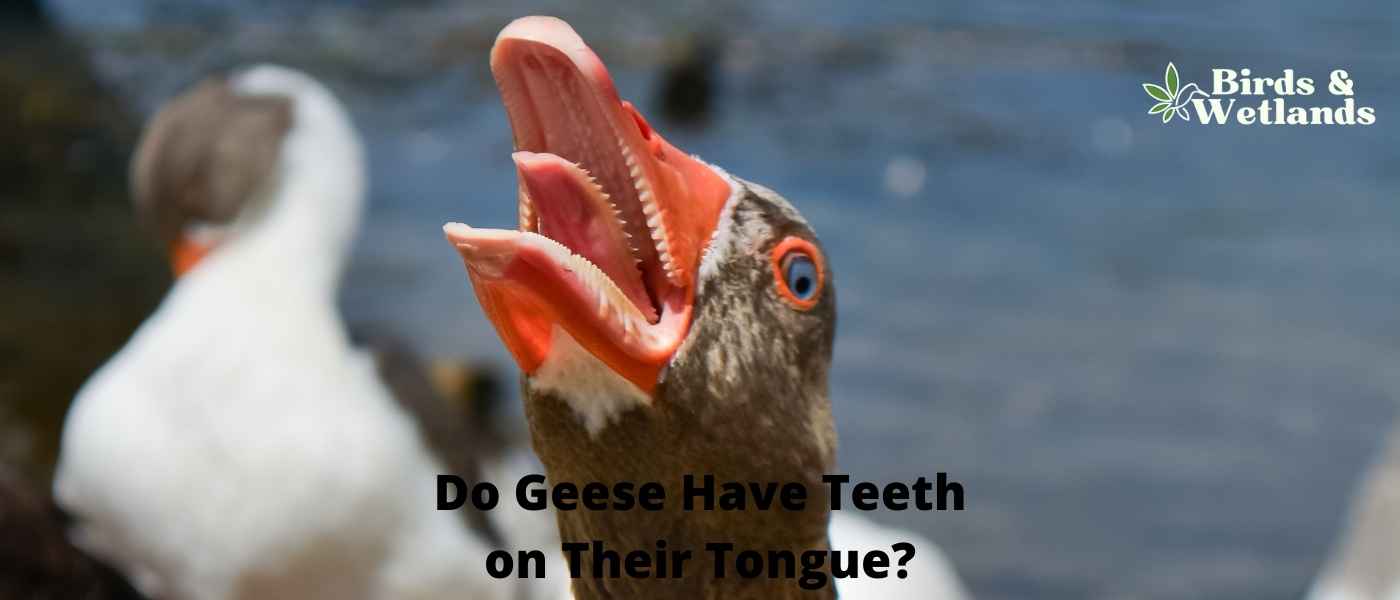
Have you ever watched a duck gobble up anything it comes across and wondered how it manages to digest such varied items? In the world of birds, especially waterfowl like ducks, the anatomy and...
If you have pet ducks, or are considering letting your ducks indoors, you may be wondering, do ducks smell bad? Ducks may emit an unpleasant smell due to a number of reasons. The most common is their...
Have you ever wondered about the maternal instincts of ducks ? Specifically, will a mother duck continue to sit on her eggs even if they are no longer viable? Yes, ducks can often continue to sit on...
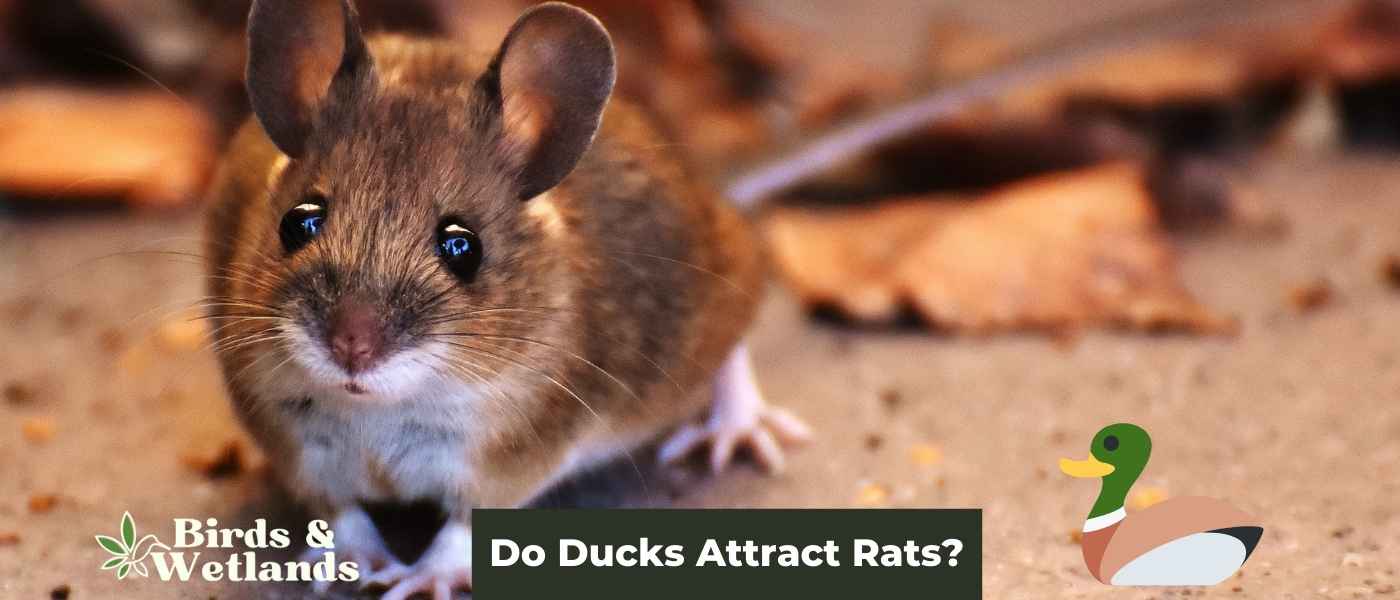
While ducks and rats may seem like unlikely bedfellows, the truth is that these two animals often end up sharing the same space. Yes, ducks can potentially attract rats, but not directly. It's the...
When most people think of ducks, they picture the classic quacking sound. But do male ducks quack? Sort of but not really. Male ducks do quack, but their quacks are usually softer and raspier than...
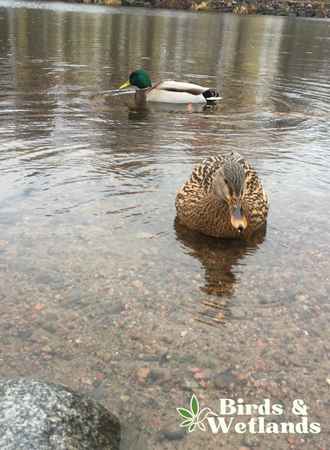
It's fascinating to observe the behavior of a female duck before her eggs hatch. While many people believe that all ducks are the same, it turns out that different types of ducks behave differently...
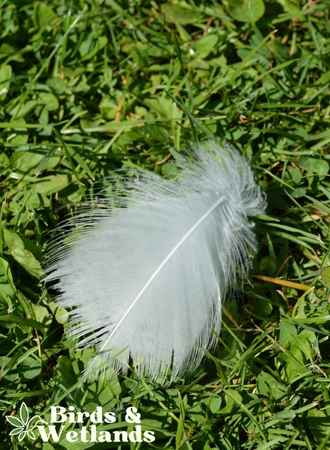
Many people have seen ducks, whether they're swimming in a pond or waddling around a park. But how do ducks stay afloat? Ducks float due to their buoyant bodies and waterproof feathers. Their bodies...
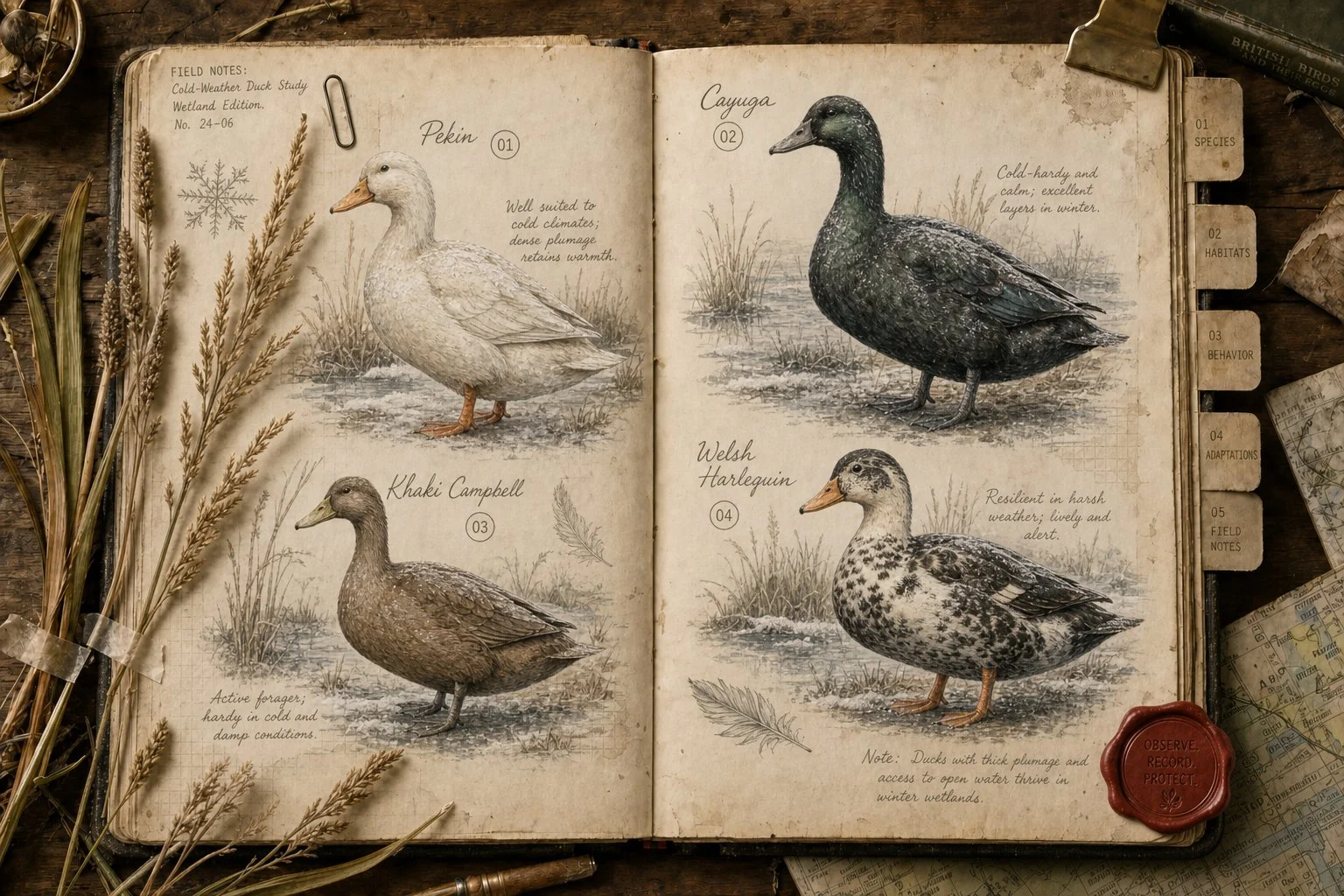
A small-flock keeper's guide to the 12 duck breeds that handle winter genuinely well, the three that don't, and the housing and feed setup that keeps any duck alive through January.
Ducks love fruit, but can they safely eat fruit? Yes, ducks can eat fruit, and many fruits can be a nutritious treat for them. Offer fruits like berries, seedless grapes, chopped apples, and melons...
Yes, ducks can and will eat eggs, especially if they are cracked or broken. Consuming eggs provides ducks with a rich source of protein and nutrients. However, if ducks develop a habit of eating...
A balanced and varied diet is crucial for a duck's health, and feeding them the right seeds can provide essential nutrients that help them stay healthy and maintain a strong immune system. So what...
Ducks are some of the most adaptable creatures on Earth. They can be found in almost any environment. It's not uncommon for migratory ducks in North America to winter in the arid climes of Nevada and...

Ducklings require a balanced and nutritious diet to grow into healthy adult ducks. While commercial duck feed is widely available, some duck owners prefer to make their own food at home. Creating DIY...
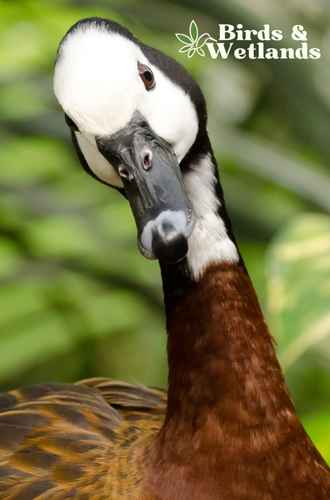
Ducks are foraging animals that enjoy a variety of plants as part of their natural diet. However, not all plants are safe for ducks to consume. Some common garden plants can be toxic to ducks,...
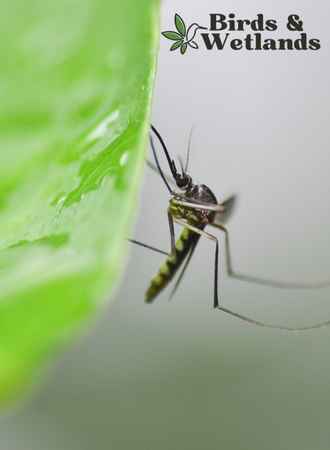
Are you tired of pesky mosquitoes ruining your outdoor activities? Did you know that ducks might just be your secret weapon? It turns out that ducks love to eat mosquitoes and other insects, making...

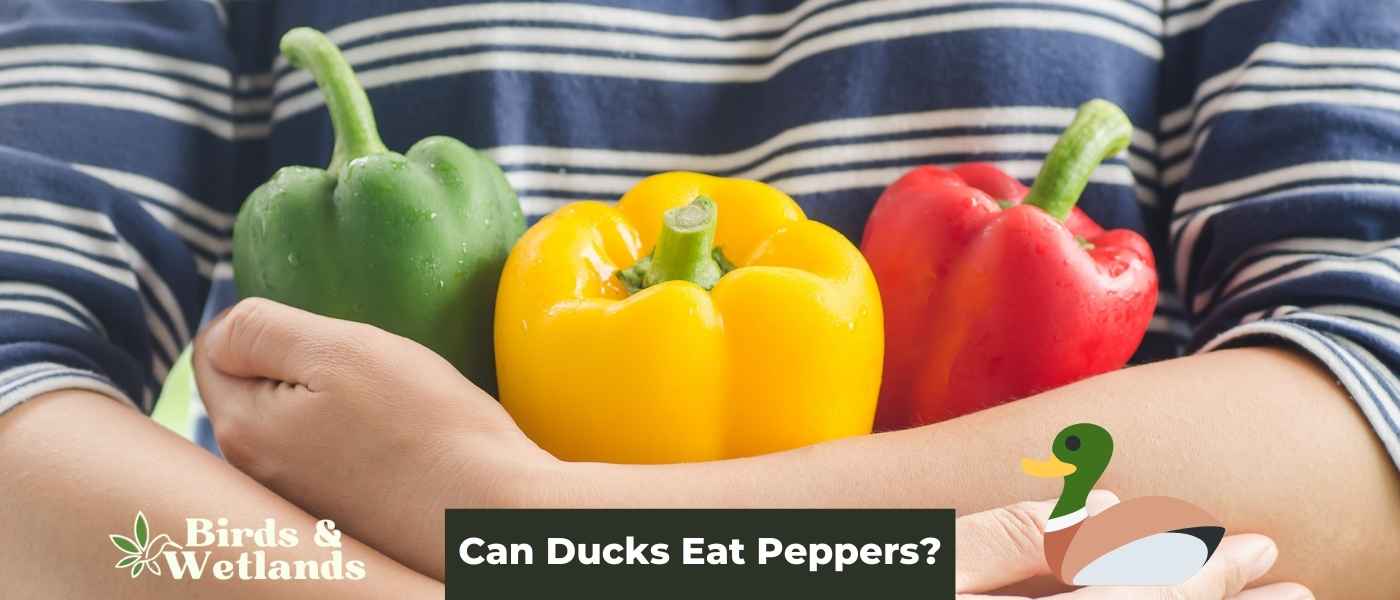
Peppers are a popular and flavorful vegetable that many of us enjoy, but can ducks safely eat them too? As a duck owner, you want to ensure that your feathered friends are receiving a healthy and...
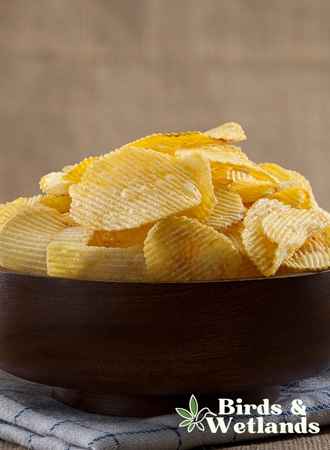
While ducks are known for their love of aquatic plants and insects, introducing some variety into their diet can also provide important nutrients. But what about squash? This colorful vegetable is a...
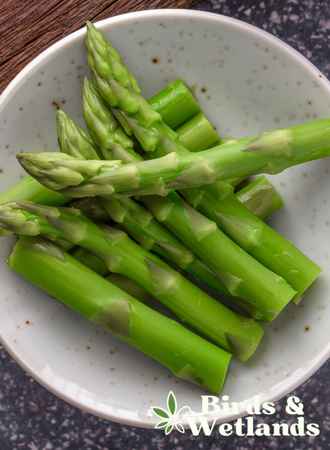
Ducks are fascinating creatures with unique dietary needs. While many people may assume that ducks subsist on a diet of bread and crackers, the reality is much more complex. One food source that may...
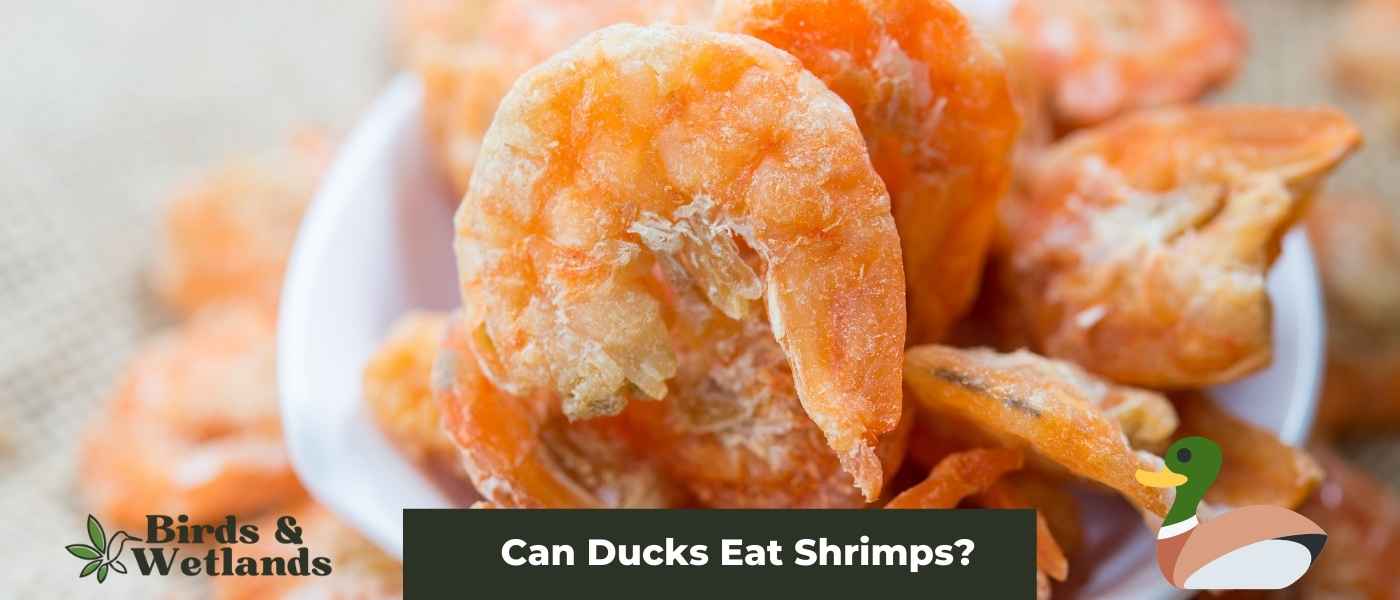
Ducks are highly adaptable to their environments. They live in a wide range of habitats including the dry deserts, cold north and wet tropics. They are known for their foraging ability, which means...
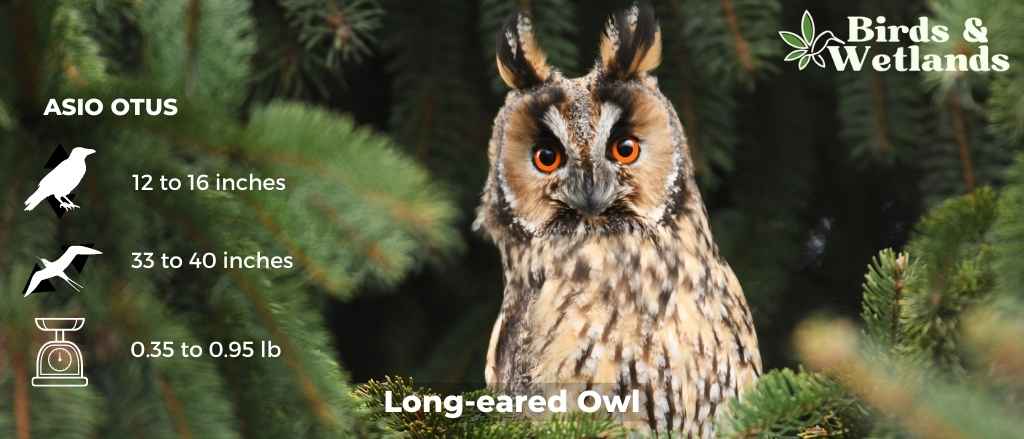
Ducks are some of the most delightful creatures on the planet, and ducks with long necks are no exception. With their graceful, elegant, and majestic beauty, they will surely capture the hearts and...
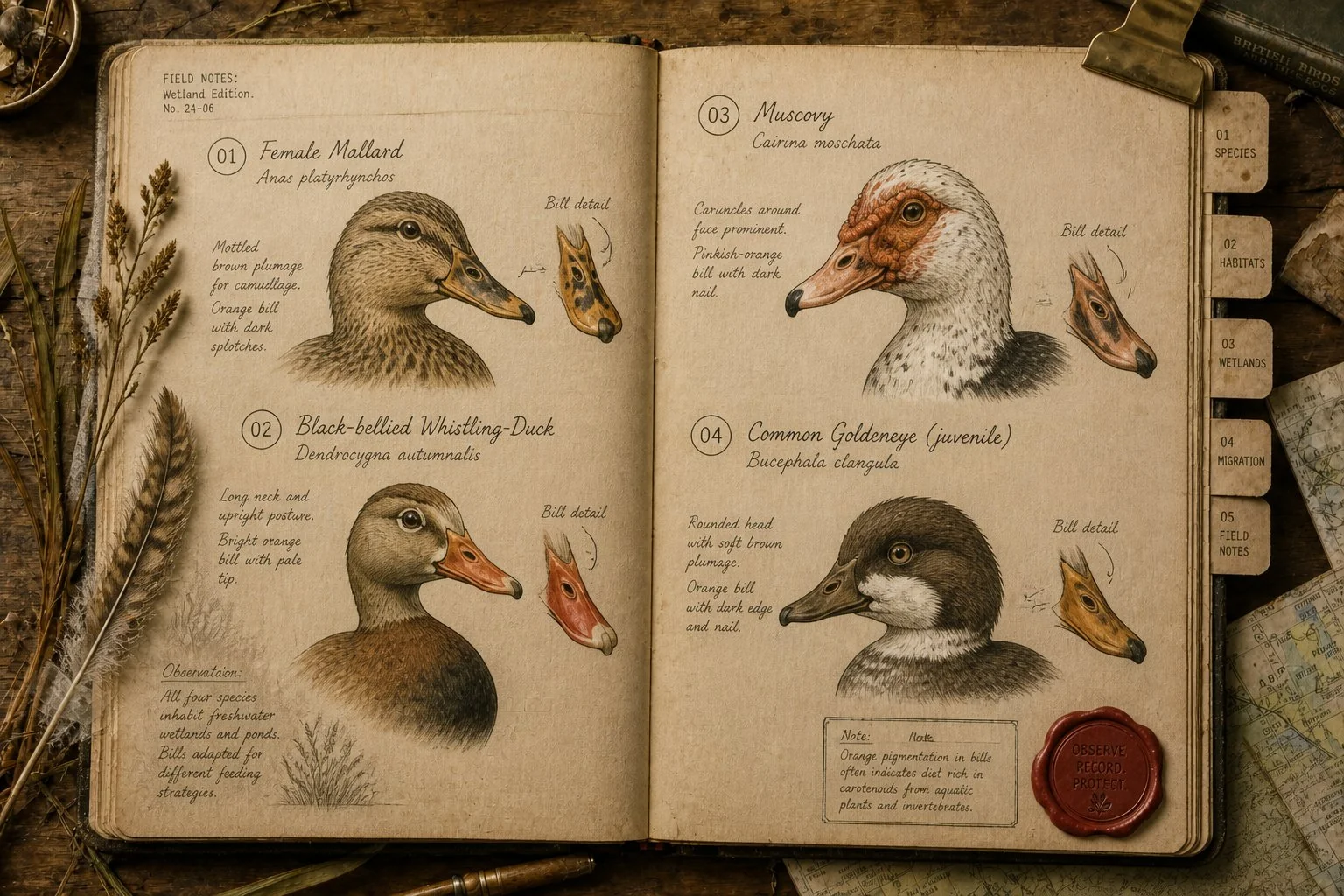
Female Mallard, Black-bellied Whistling-Duck, Muscovy, and others. A naturalist's read on the orange-billed ducks and how to tell them apart.
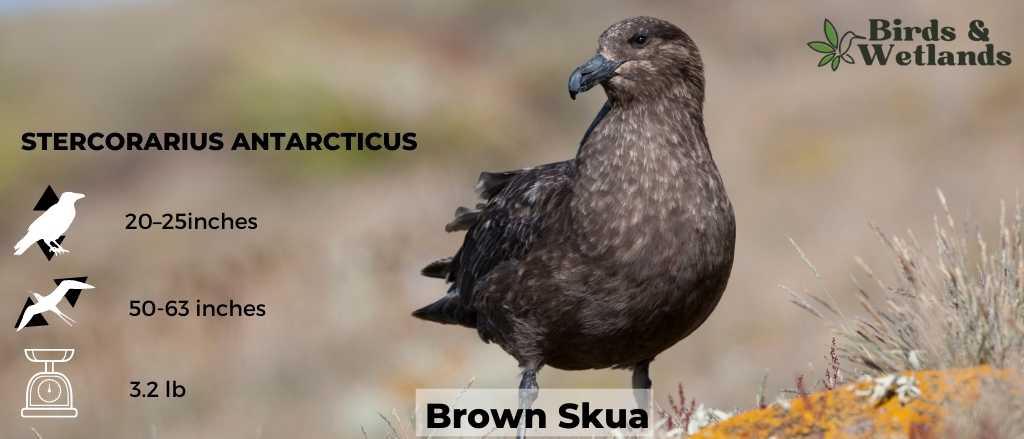
Did you know that some duck species have brown heads? It's true, and ducks with brown heads are some of the most captivating and interesting birds you can spot in the wild. Ducks with brown heads...
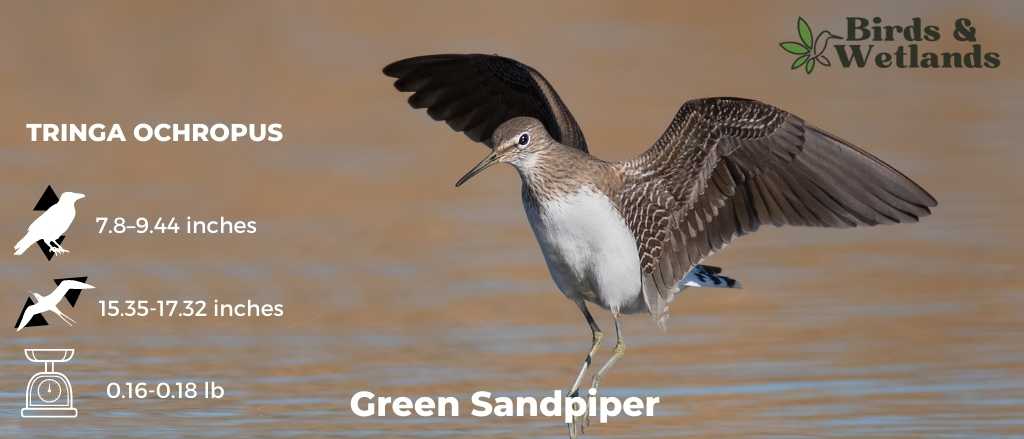
Ducks with green heads , are a captivating subject for bird enthusiasts and nature lovers alike. Their distinctive green head, found predominantly in males, sets them apart in the avian world and...
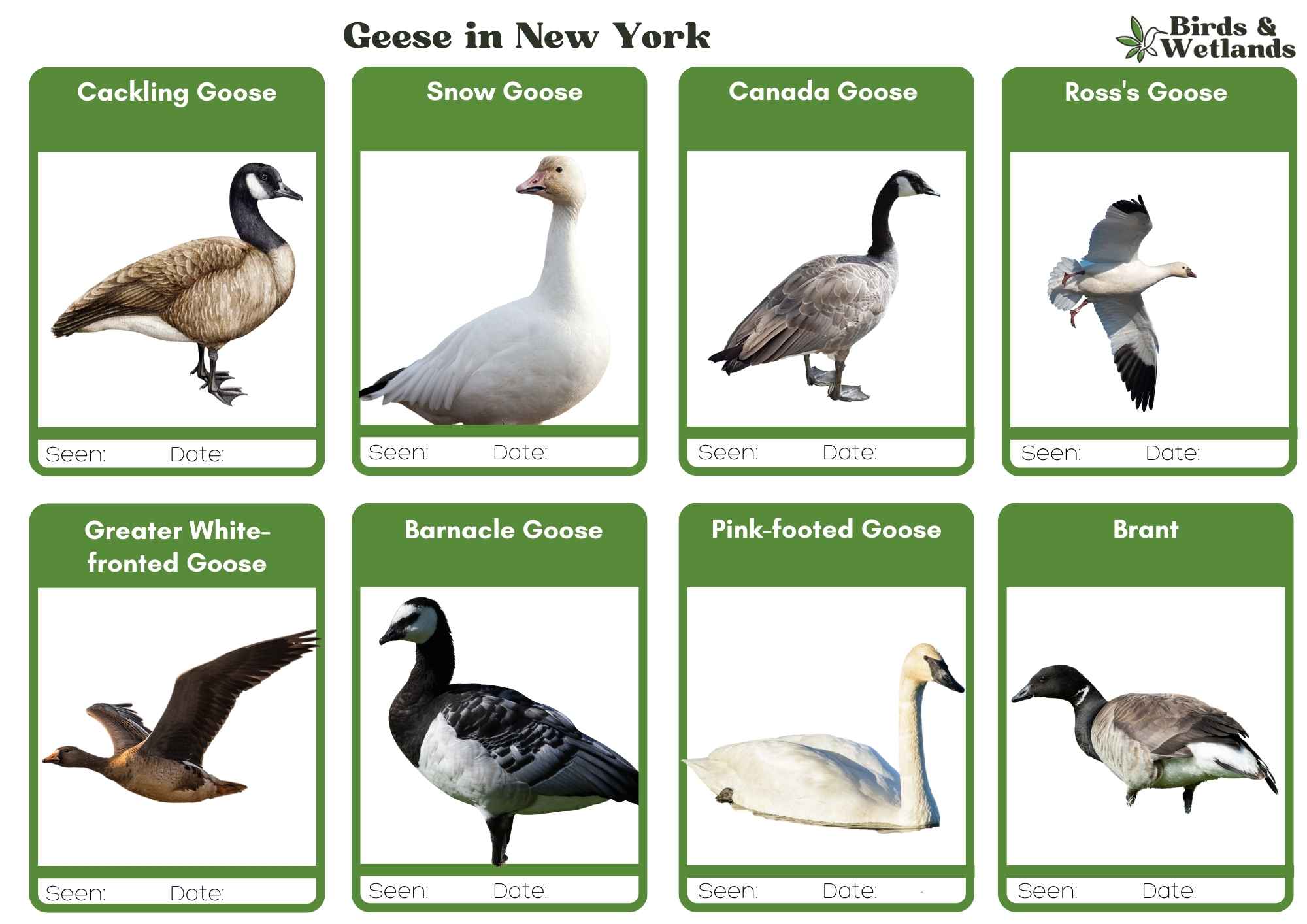
New York is one of the most populous and diverse states in the country. It is often thought of as a melting pot, with its long history of immigration and bustling metropolis of New York City. But...
Wyoming is a state located in the western United States. Its diverse landscape includes the Rocky Mountains, the Great Plains, and several national parks. The weather in Wyoming can be extreme. Big...
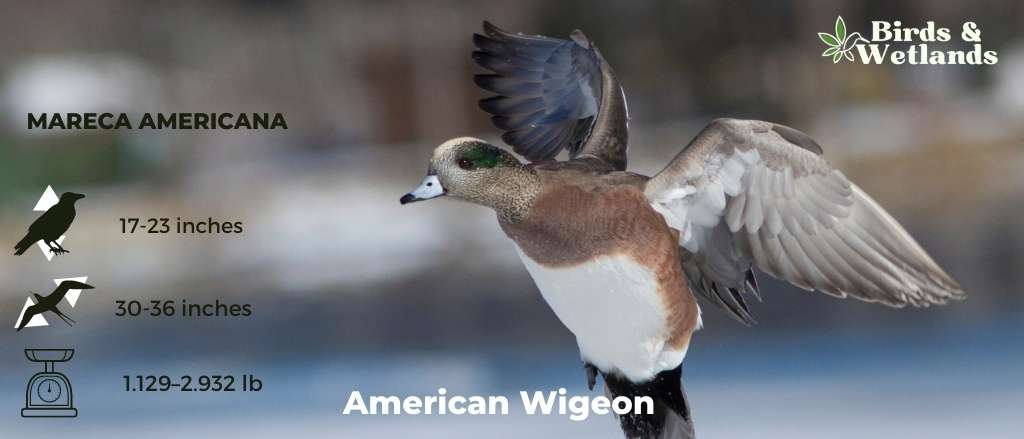
The American wigeon is a medium-sized duck native to North America. It is also known as the baldplate due to the white crown or white stripe of the male duck that resembles a bald man's head. As a...
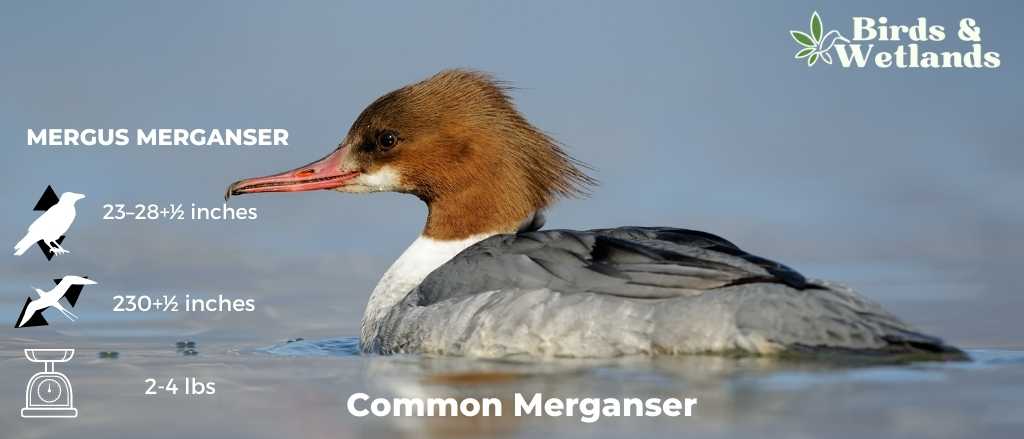
The common merganser, also known as the goosander in Europe, is a large sea duck belonging to the taxonomic family of Anatidae. It has three recognized subspecies which include M. m. merganser, M. m....
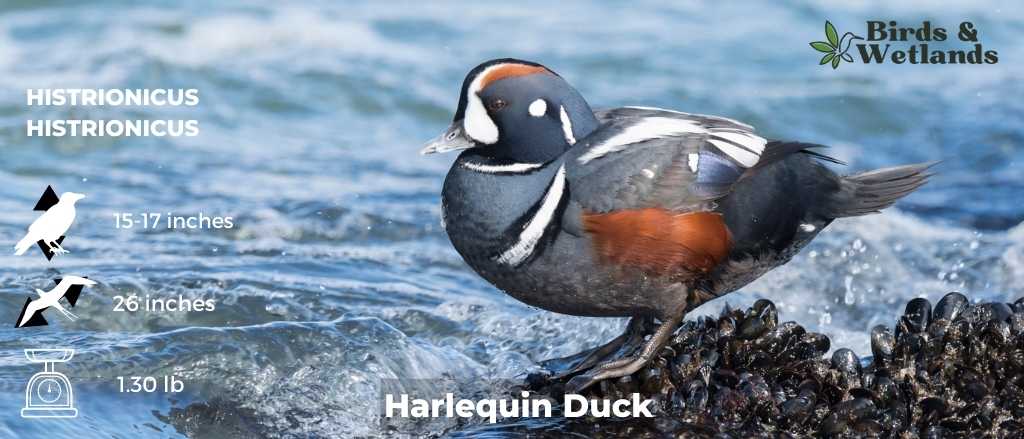
The harlequin duck, scientific name Histrionicus histrionicus, takes its name from the iconic character of Harlequin in the Commedia dell'arte, a form of Italian theatre that emerged during the 16th...
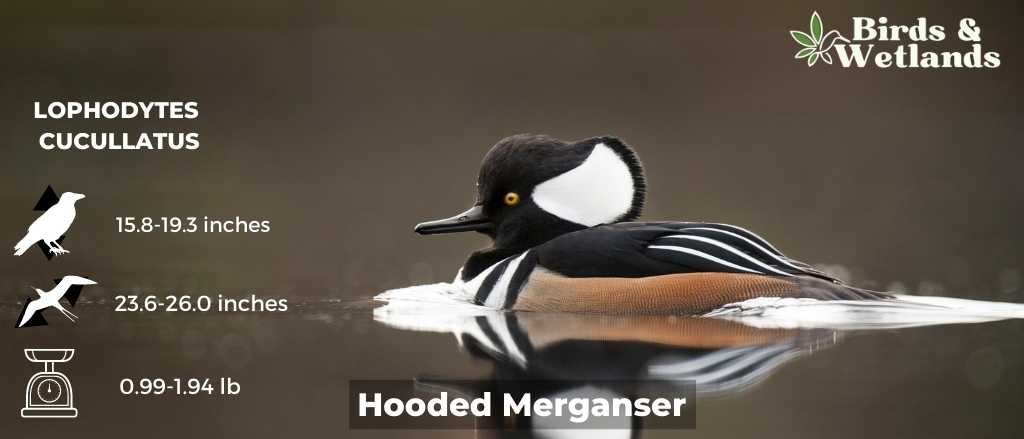
The hooded merganser (Lophodytes cucullatus) is the only merganser species native to North America. It is the only surviving species in the genus Lophodytes, which is derived from the Greek words...
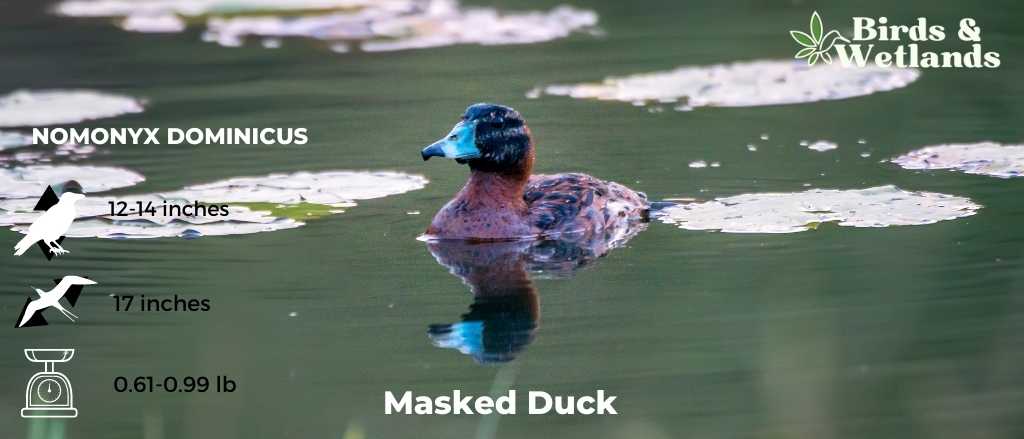
The masked duck is a small, stocky waterbird found in the wetlands and swamps of Central and South America. Its scientific name, Nomonyx dominicus, refers to its secretive nature and distribution in...
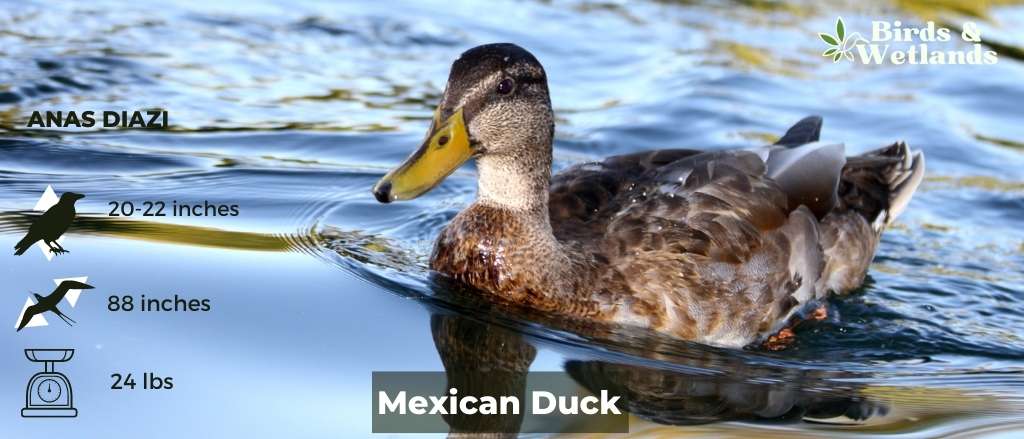
The Mexican duck (Anas diazi) is a dabbling duck native to Mexico and parts of the southwestern United States, making them North American birds. These ducks are also known as Mexican mallards due to...
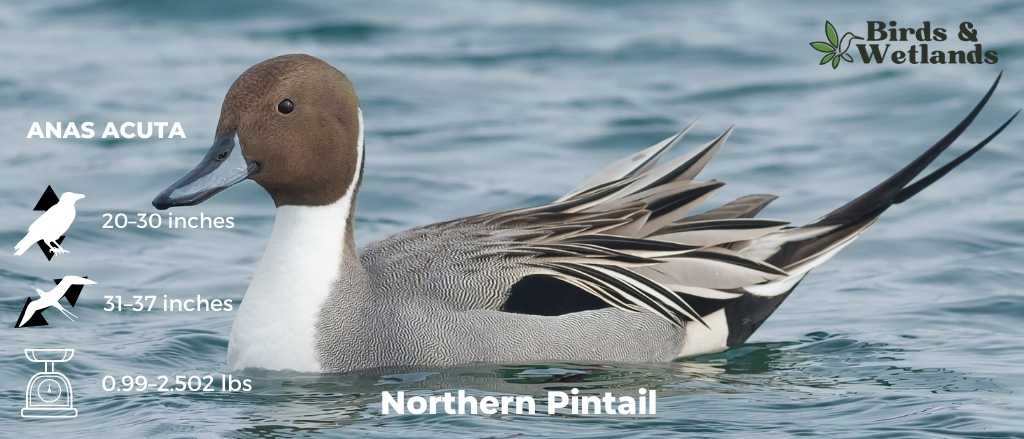
The northern pintail is a large dabbling duck with a wide geographical distribution. It occurs throughout the northern regions of Europe, North America, the Middle East and the Palearctic. The...
Geese are fascinating creatures with diverse diets. They eat mostly aquatic plants in the wild, including roots, stems, leaves, and seeds. They will eat small insects, worms, crustaceans, and fish as...
Geese are omnivorous animals, meaning they eat both plants and animals. In the wild, they typically feed on a variety of items including aquatic plants, grains, insects, amphibians, small reptiles...
Geese are often seen eating grass and other plant material, but did you know they also like celery? Celery is a healthy vegetable that is high in nutrients. It is high in vitamins, minerals, fiber,...
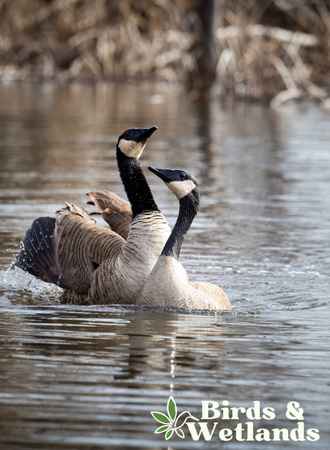
Canada geese are a migratory species. This means they typically spend each year's spring and summer months in the northern parts of the United States and Canada. In the winter, many flocks of Canada...
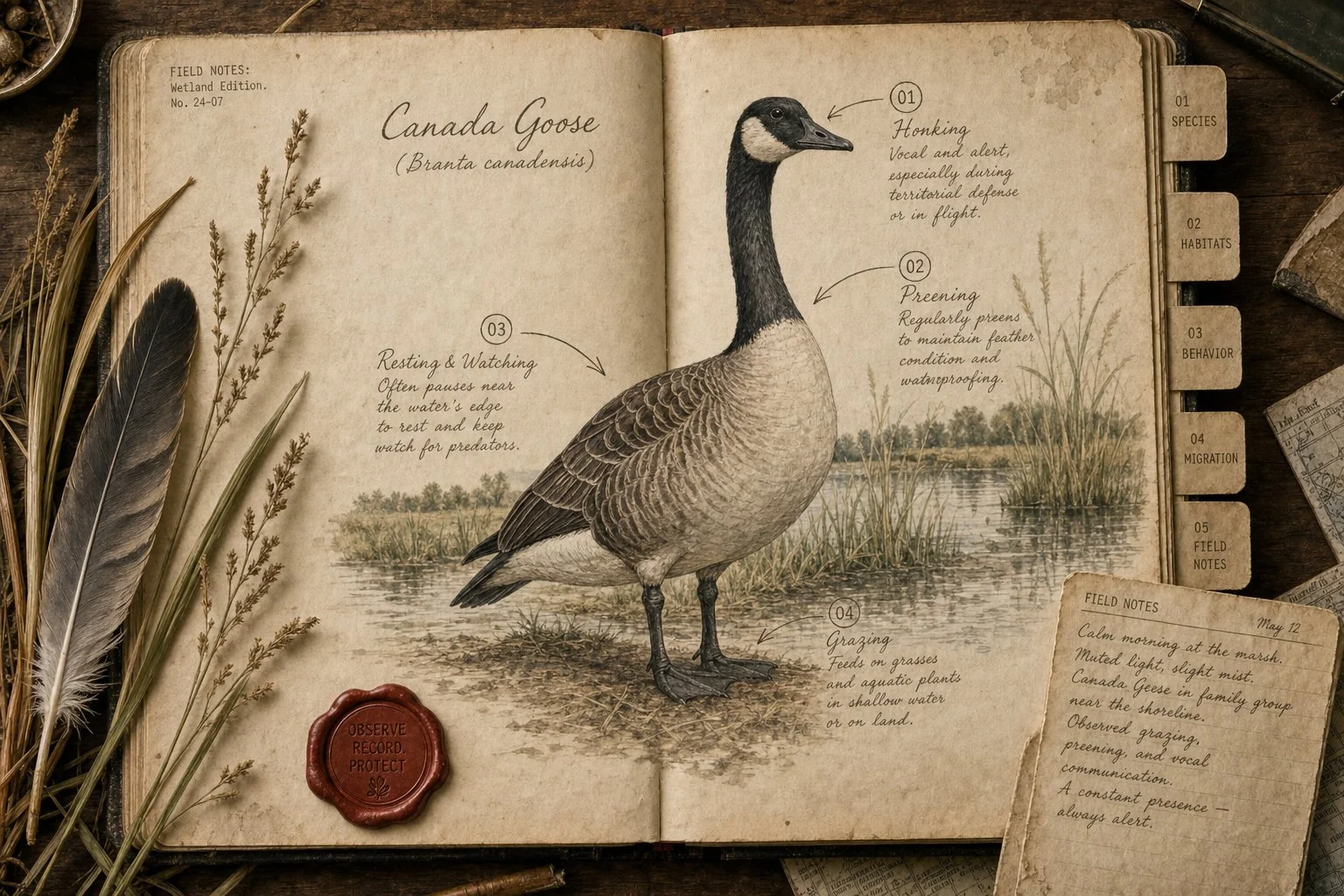
Why geese hiss at you, what the V-formation actually does, and how to read a Canada goose's body language. A field naturalist's notes on what's really going on with the most misunderstood bird in the park.
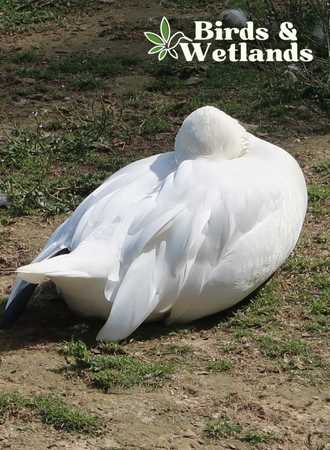
As winter draws near, many animals begin to prepare for the long cold months ahead. For geese, this means finding a mate. Goose breeding season typically extends from mid-winter to early spring....

A small-flock keeper's guide to goose housing - what geese actually need, the dimensions that work, the materials that don't rot, and the predator-proofing that matters most.

The exact number of geese in the world is unknown. But the current estimates on goose population worldwide are between 39.0 and 39.2 million wild geese in the northern hemisphere alone. These birds...
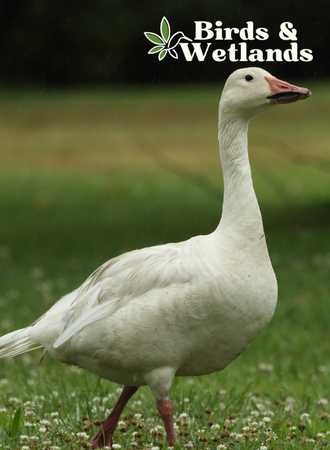
The first thing that comes to mind when you think of goose calls is their loud honking sound. But did you know that there are different types of calls depending on the situation? To name a few, there...
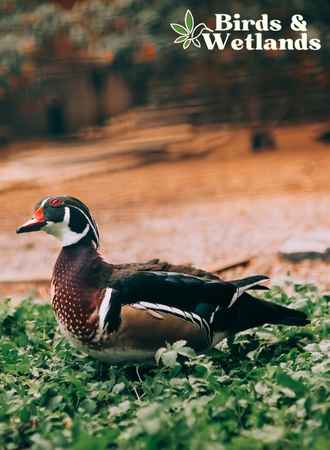
Swans are often regarded as symbols of love and devotion. Many people believe that monogamous species could pass away from a broken heart if their mate dies. But can these birds actually die from a...
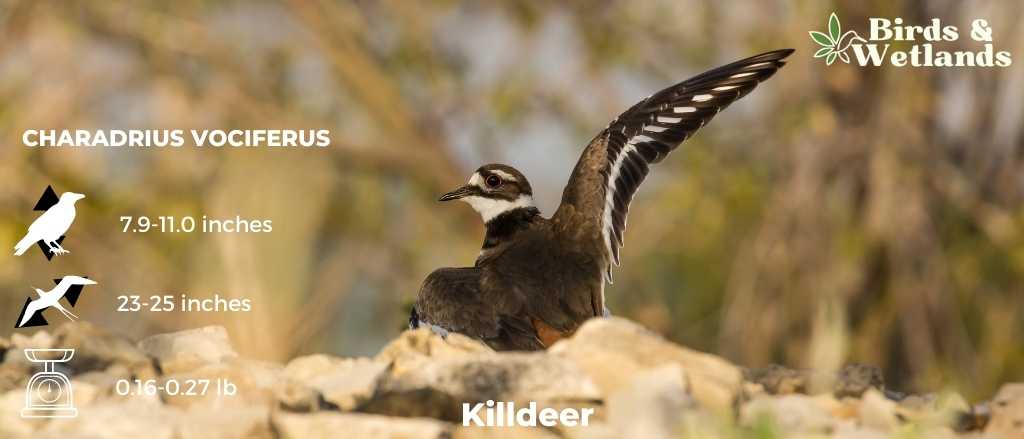
Swans are often seen as symbols of grace and beauty, but can these beautiful birds kill you? The short answer is no. But swan attacks could lead to accidental deaths. Although swans are not typically...
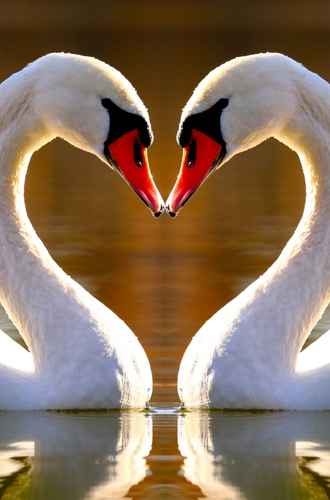
A gill, made up of thin membranes filled with capillaries, is an organ in aquatic animals that helps them absorb oxygen and release carbon dioxide into the environment. This organ allows marine...
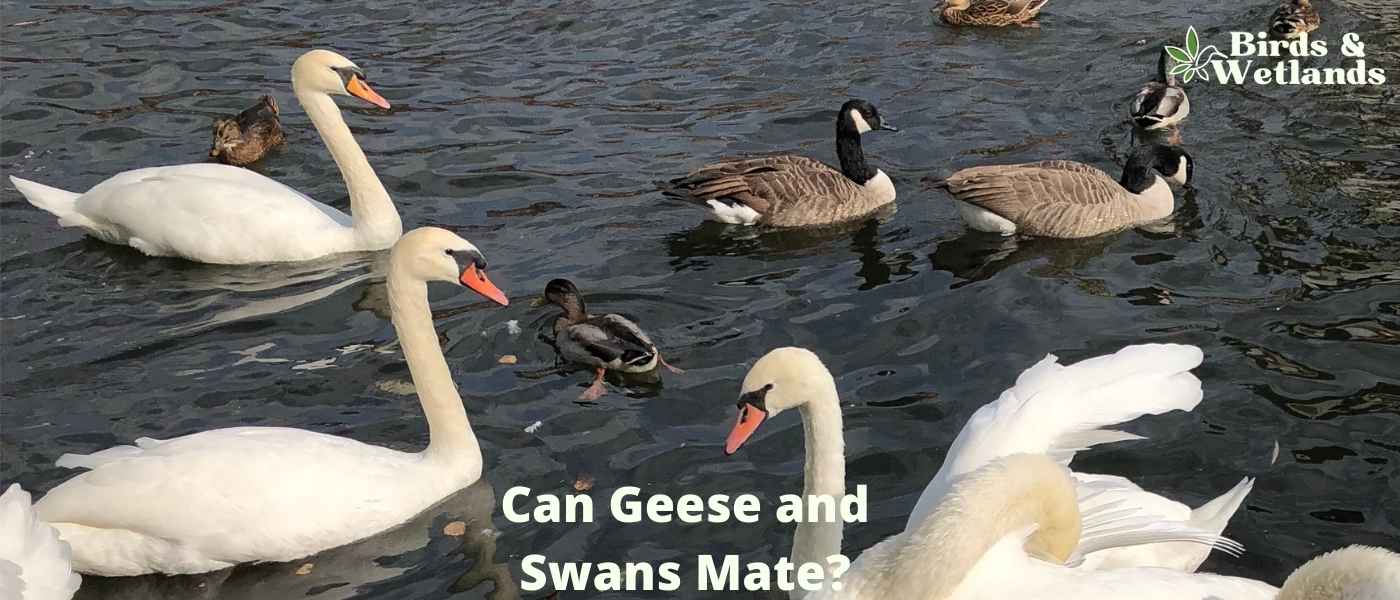
Have you ever heard the iconic story about swans singing their swan song when they die? It's often referred to as a beautiful, melodic farewell to the world – but do swans actually sing a song as...
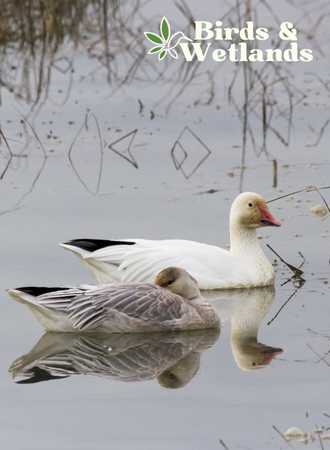
Watching mute swans swimming and floating in the local park can be a peaceful and serene experience. The grace and beauty of the feathers of these waterfowl as they glide through the water can be...
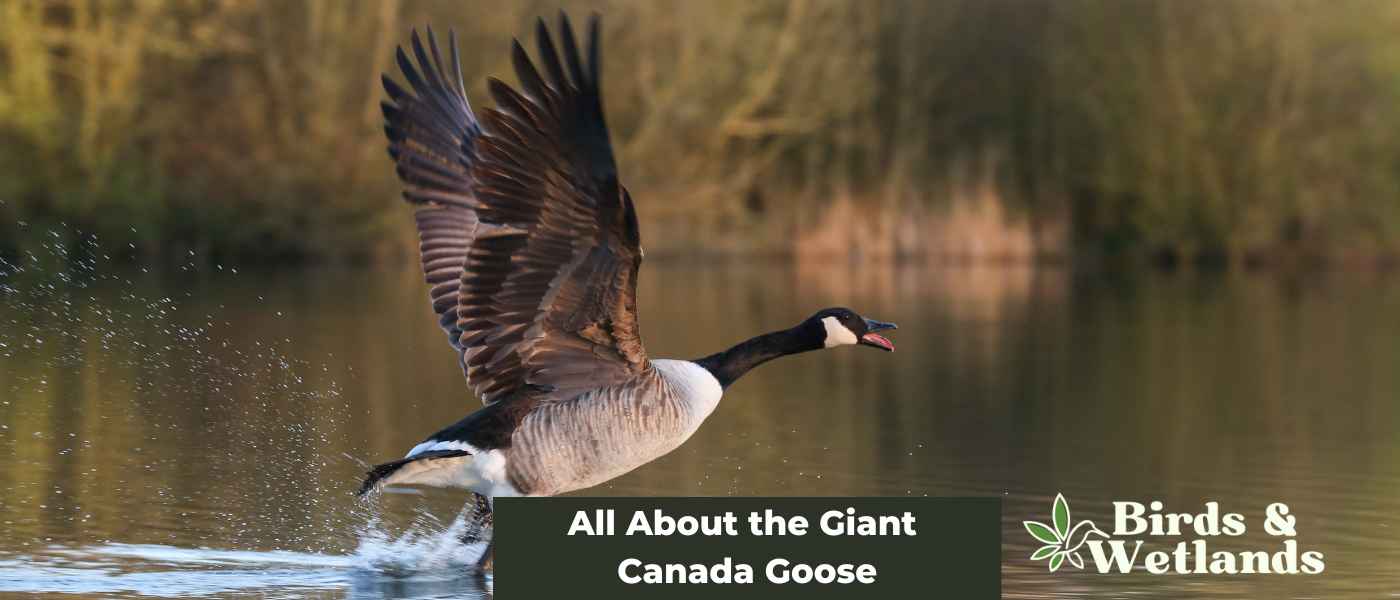
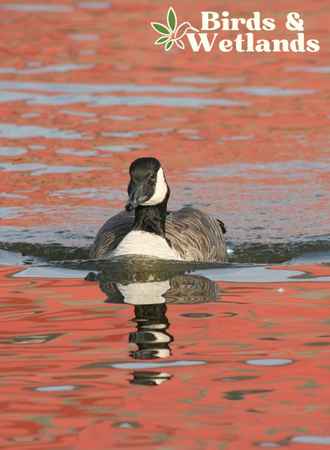
There's a good chance you've seen a giant Canada Goose flying around, waddling on the ground, or swimming in the water. These birds are pretty common in North America, but there's more to them than...
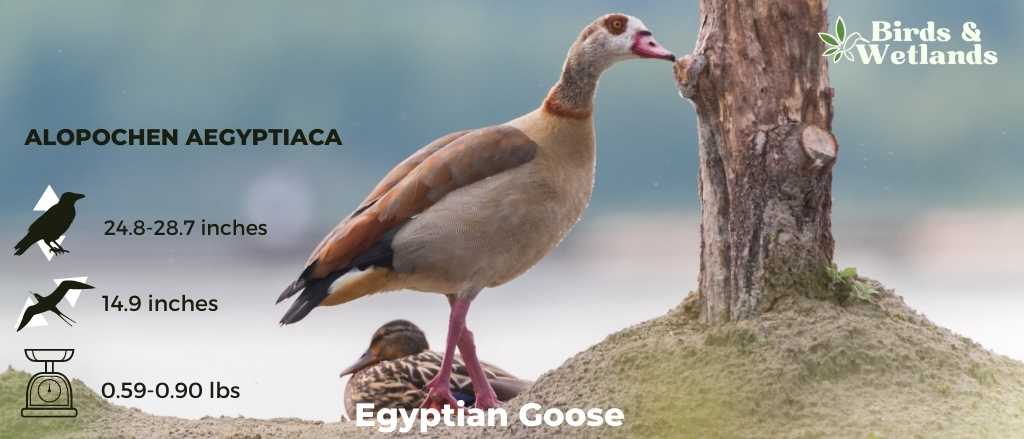
The Egyptian goose, or Alopochen aegyptiaca, is a member of the Anatidae family, including ducks and swans. Native to areas located in the Nile Valley and regions to the south of the Sahara Desert,...
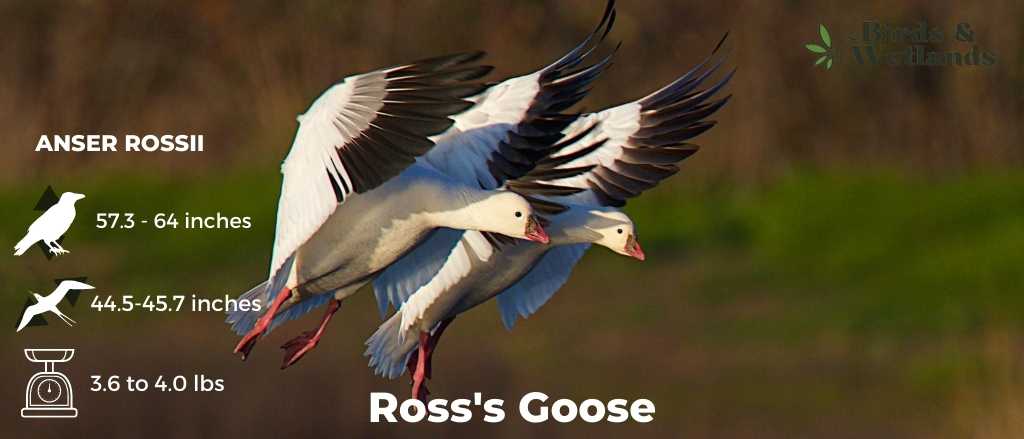
Ross's goose is the smallest of the white geese that breed in North America. It is a pure white goose with black wingtips and a short neck. It shares many characteristics with the snow geese,...
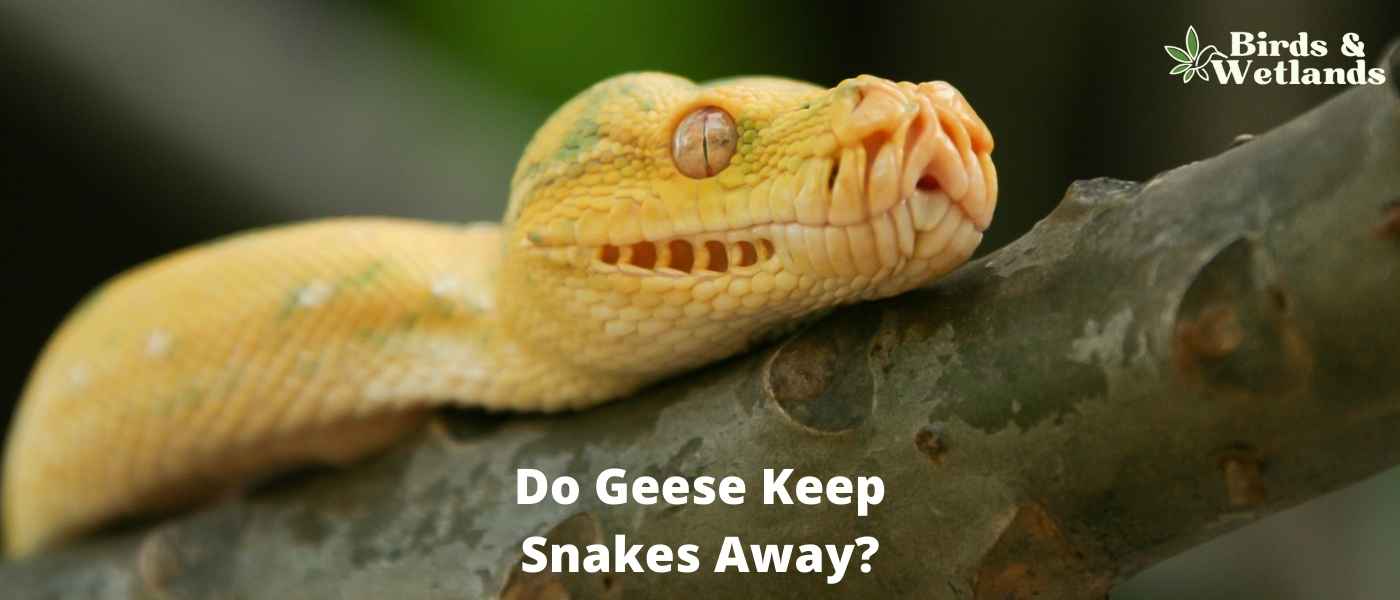
Geese are fascinating animals. They are known for their impressive flying abilities and loud honking, but do you know what they eat? Believe it or not, geese will eat snakes! We investigate other...
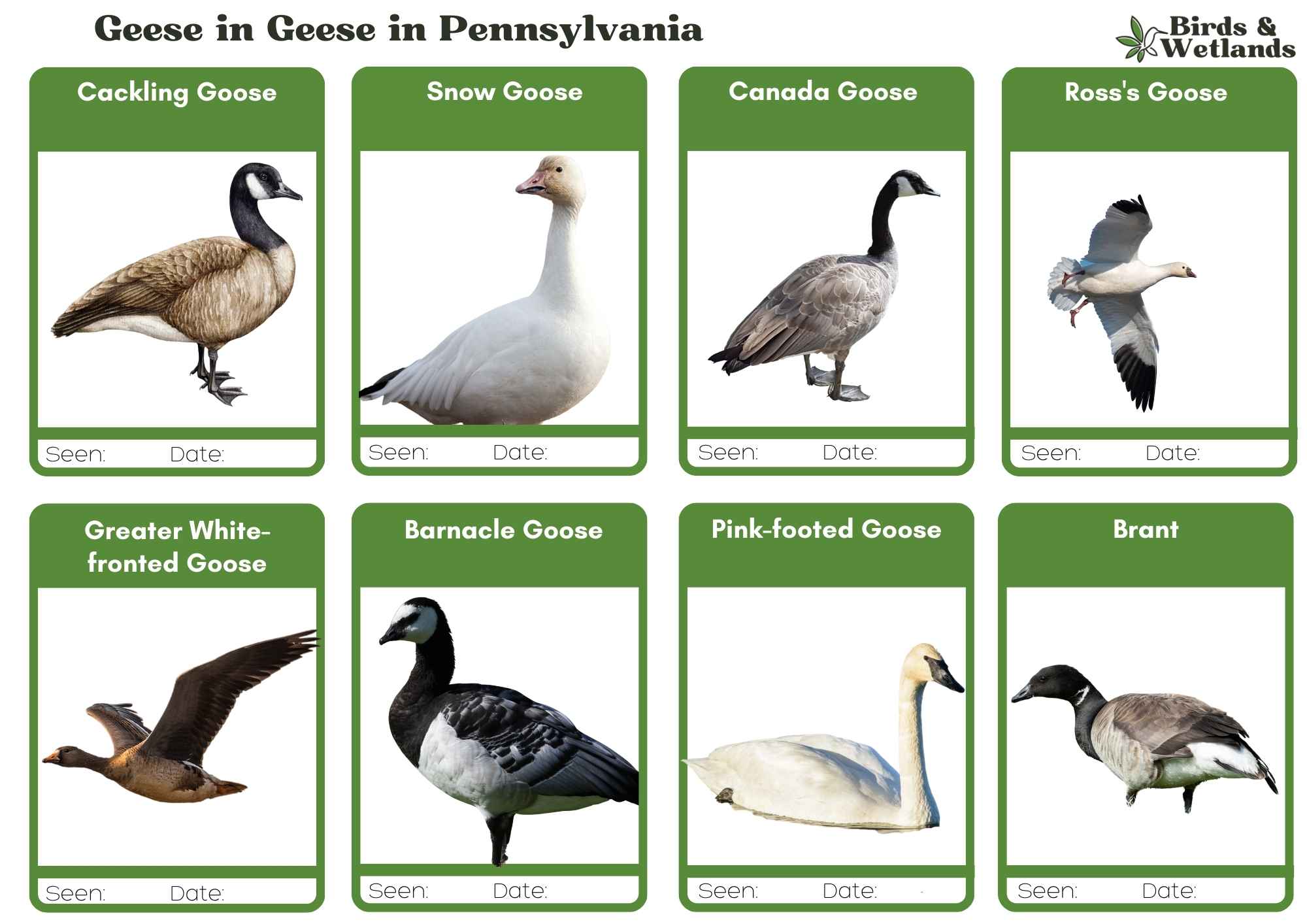
When most people think of geese, they probably picture the large flocks that migrate through Pennsylvania during the fall and winter. But there are several different species of geese that can be...
Welcome to the captivating world of geese in Colorado! With its diverse landscapes and abundant wetlands, Colorado serves as a haven for various species of geese. From the majestic Rocky Mountains to...
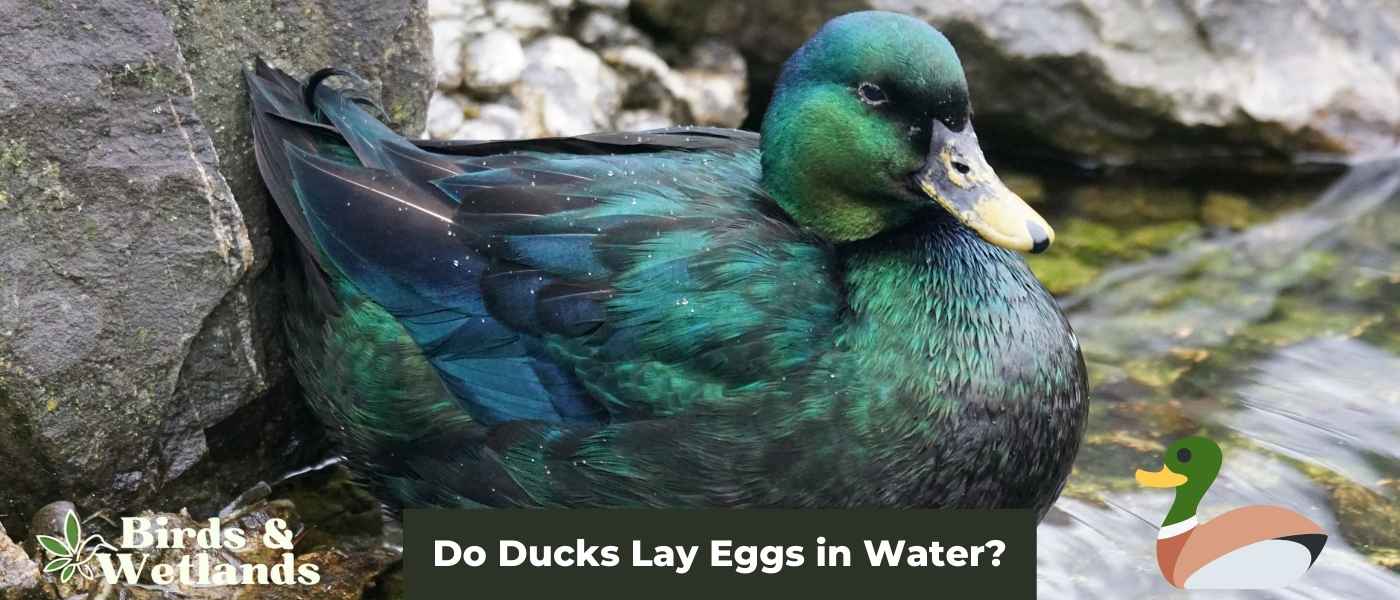
Geese live near bodies of water such as ponds and lakes. So it is understandable that many people wonder if they lay eggs in the water. Geese do not lay their eggs in water. They will build a nest on...
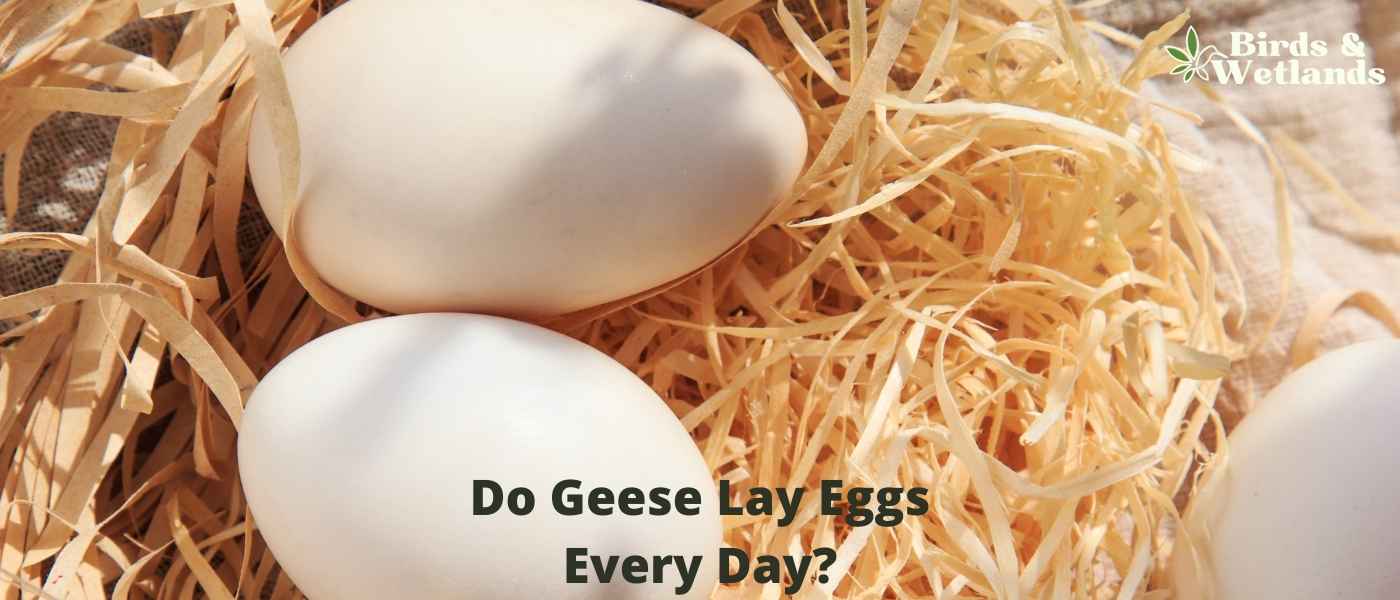
Geese usually lay an egg every one or two days until they have a clutch size of around 2-10 eggs. They lay their eggs just after their breeding season. Once all of the eggs have been laid, females...
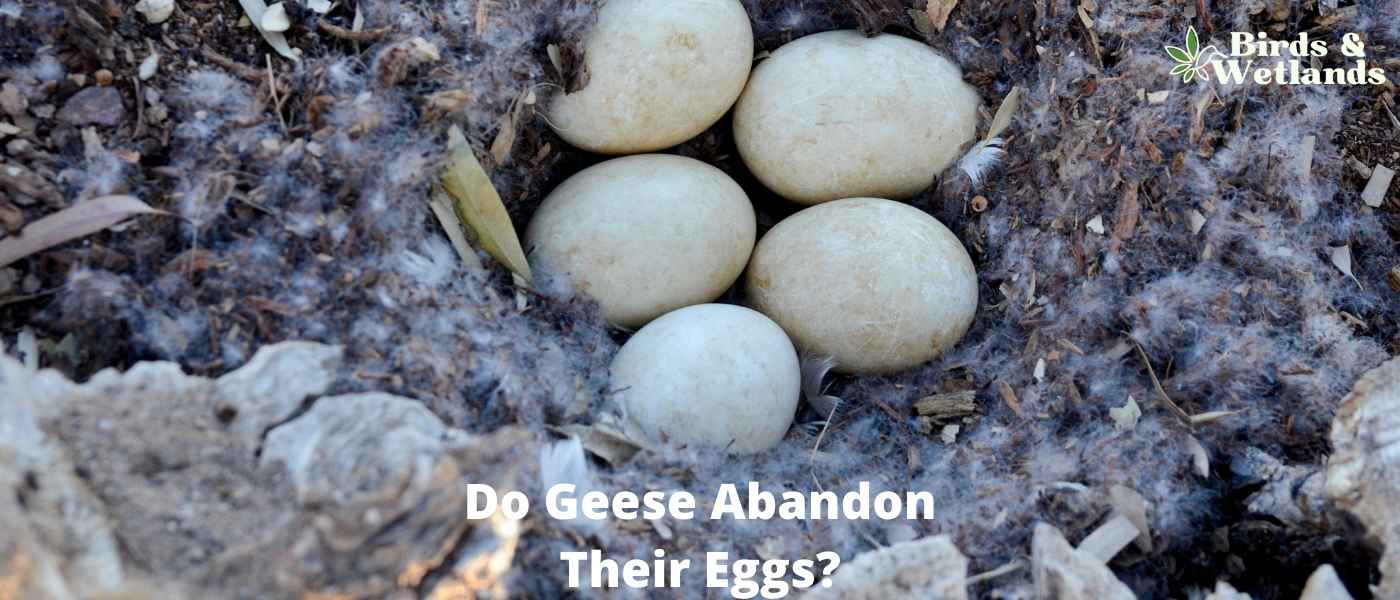
Mother geese are very protective of their eggs and it is rare for them to abandon them. In fact, most of the time mother geese will sit on their eggs until they hatch. If the mother goose does leave...
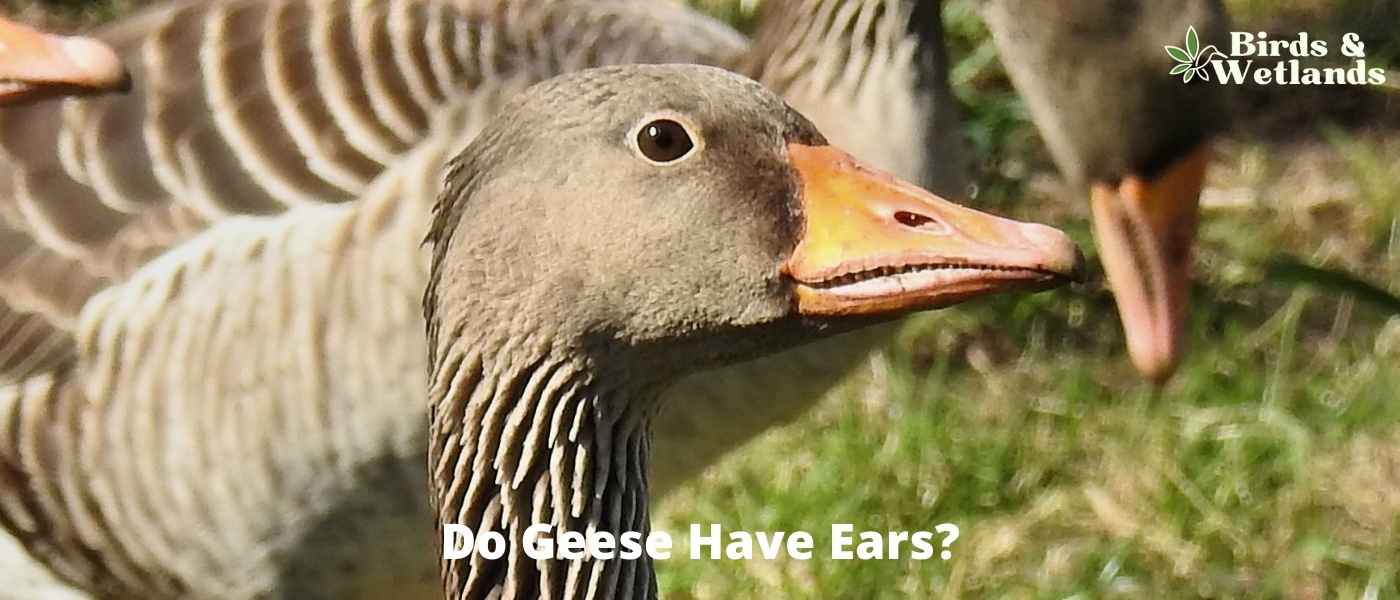
The answer is yes. Geese do have ears! Even though they lack external appendages, they can still hear because they have ears. Hearing is the second most important sense next to sight for waterfowl...
Geese flying in formation during their annual migration is often used as leadership lessons in many leadership seminars, and rightfully so. As humans, we can definitely learn many leadership...
No, geese do not keep foxes away. Geese are actually prey for these predators, so if anything, they would attract this predator rather than deter them. Do Foxes Attack Geese? Foxes are opportunistic...
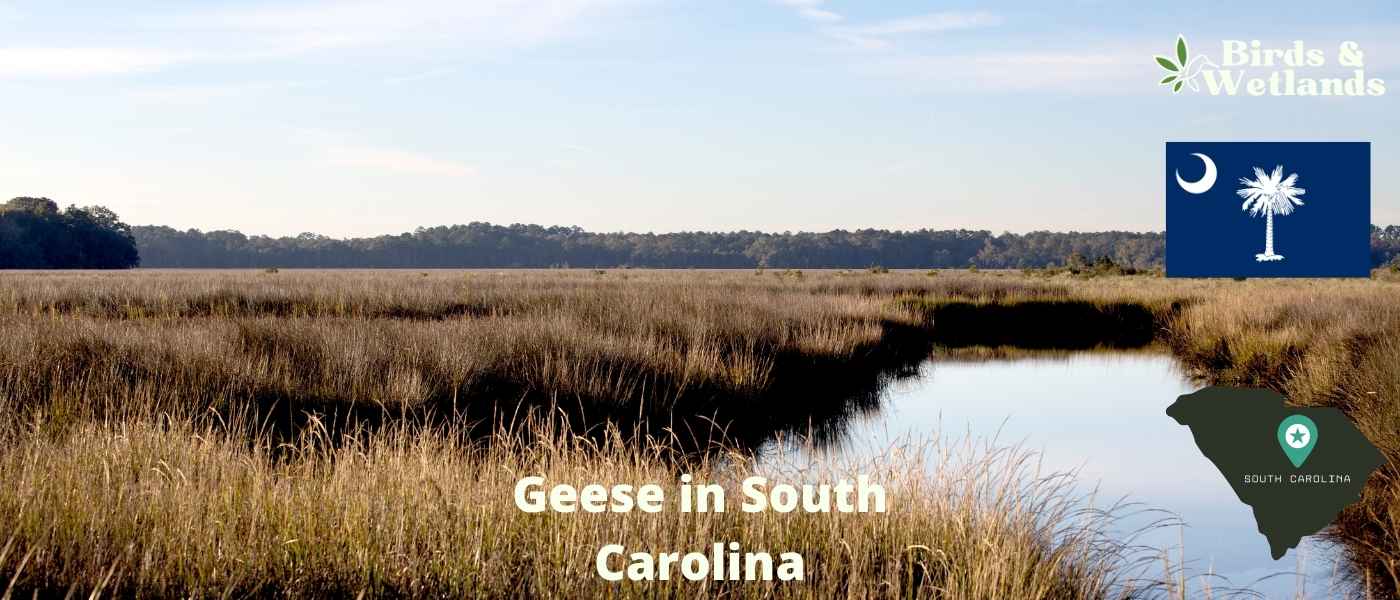
If you're living in South Carolina, you may have noticed an increase in the geese population over the past few years. While these birds can be beautiful to see, they can also be quite troublesome. In...
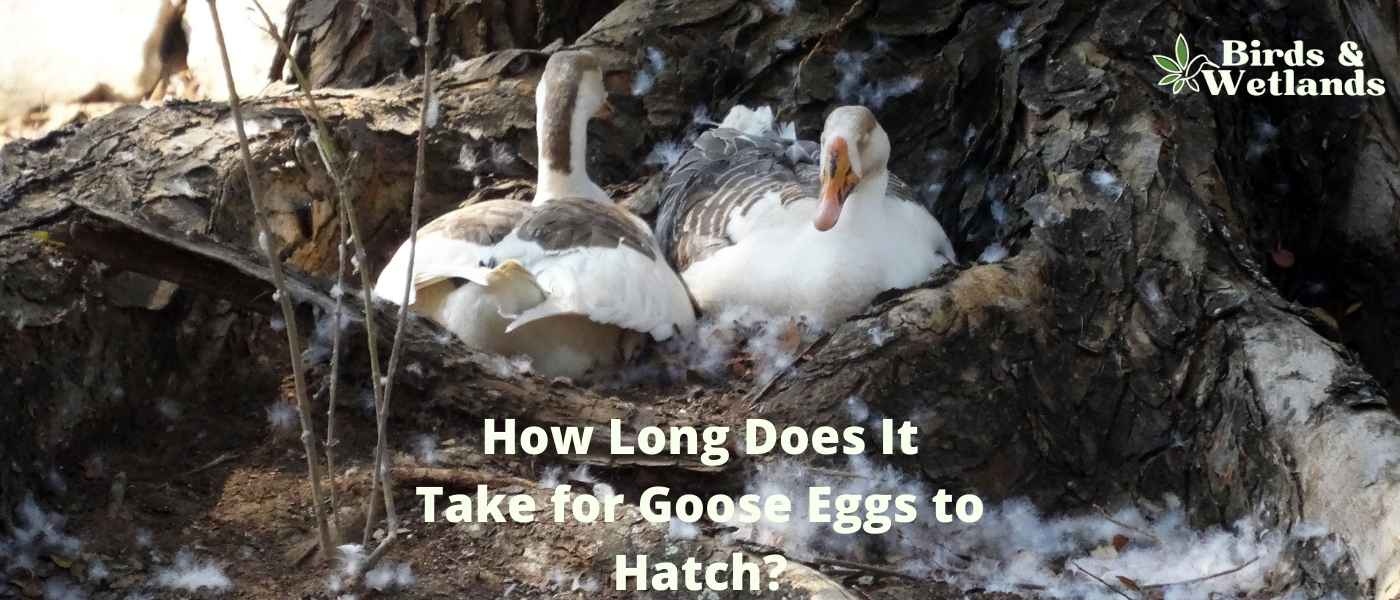
On average, goose eggs take about 28 to 35 days to hatch, depending on the specific species. The African and Chinese geese breeds typically have a shorter incubation period of around 28 days, while...
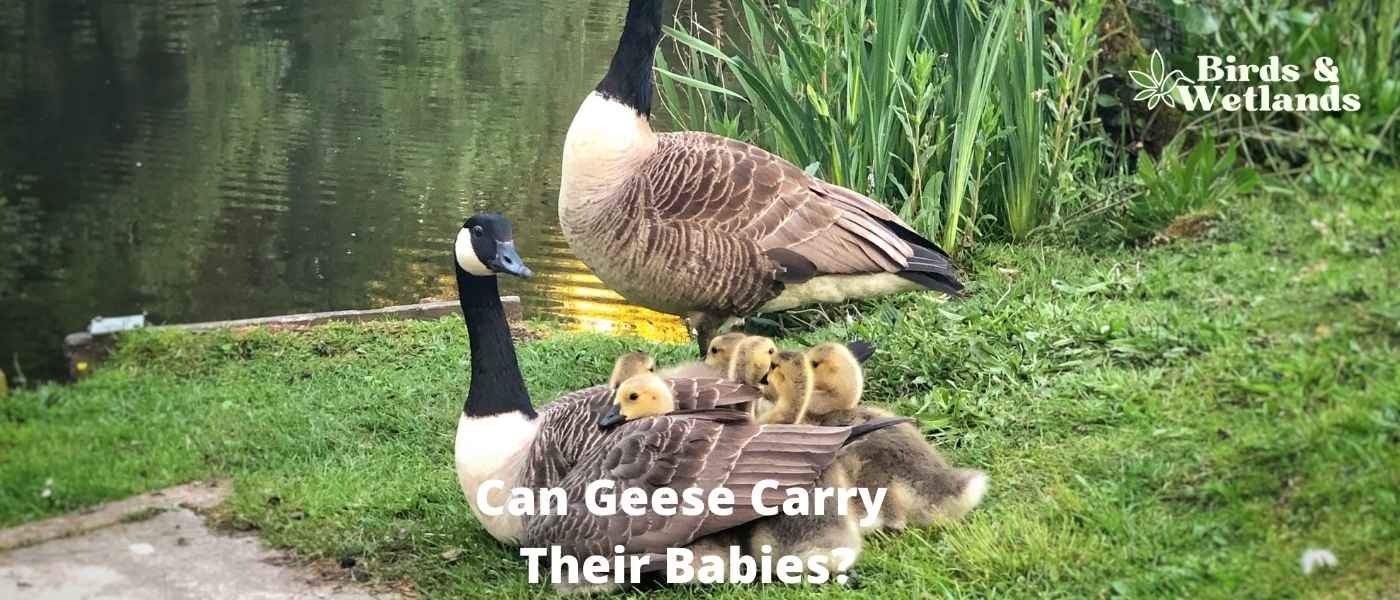
Waterfowl live all over the world and can be found on every continent except Antarctica. One of the largest concentrations of waterfowl especially geese is in North America , where they are an...
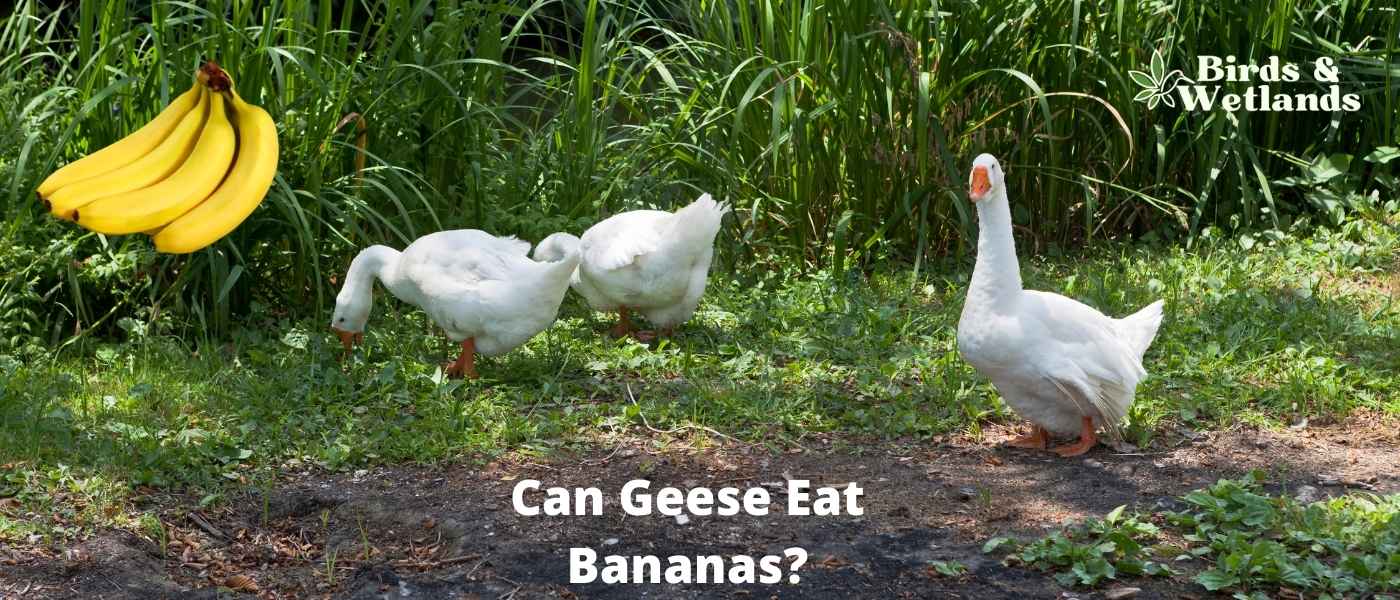
Geese love bananas! These nutritious fruits are packed with magnesium, fiber, potassium, and various Vitamin B-complexes, all of which are great for these birds. Additionally, bananas have soft flesh...
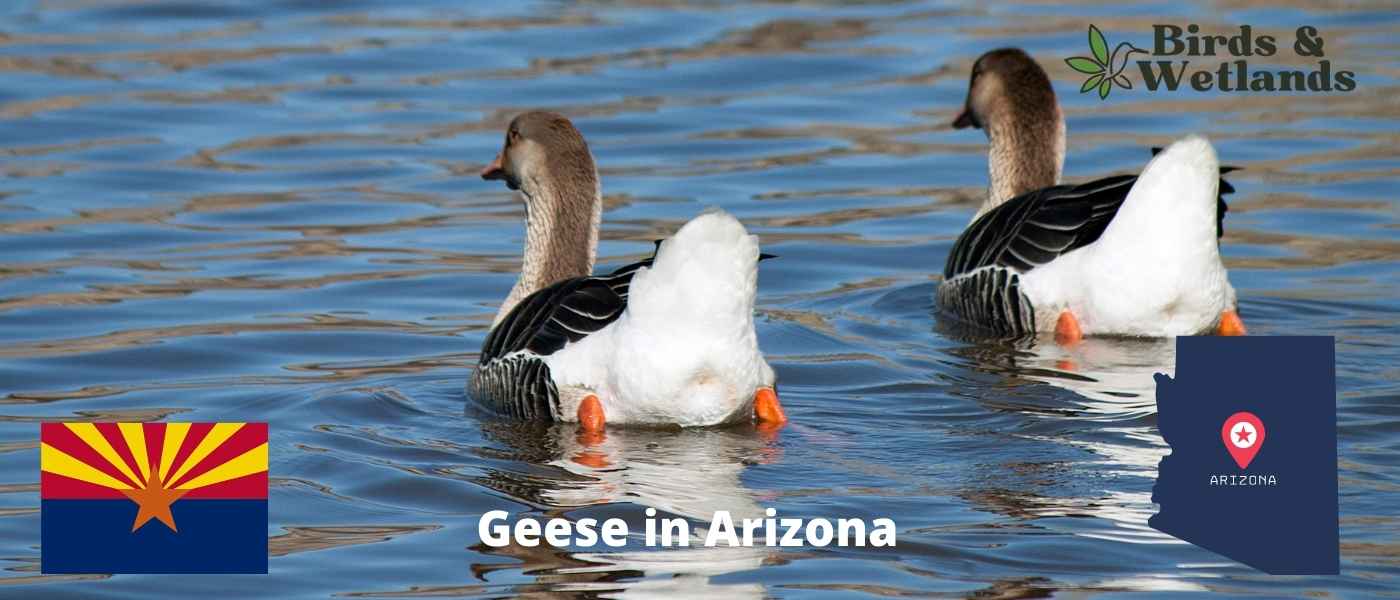
When it comes to geese, Arizona is home to a remarkable variety of these majestic birds. From the soaring skies to the serene lakeshores, geese gracefully traverse the diverse landscapes of the Grand...
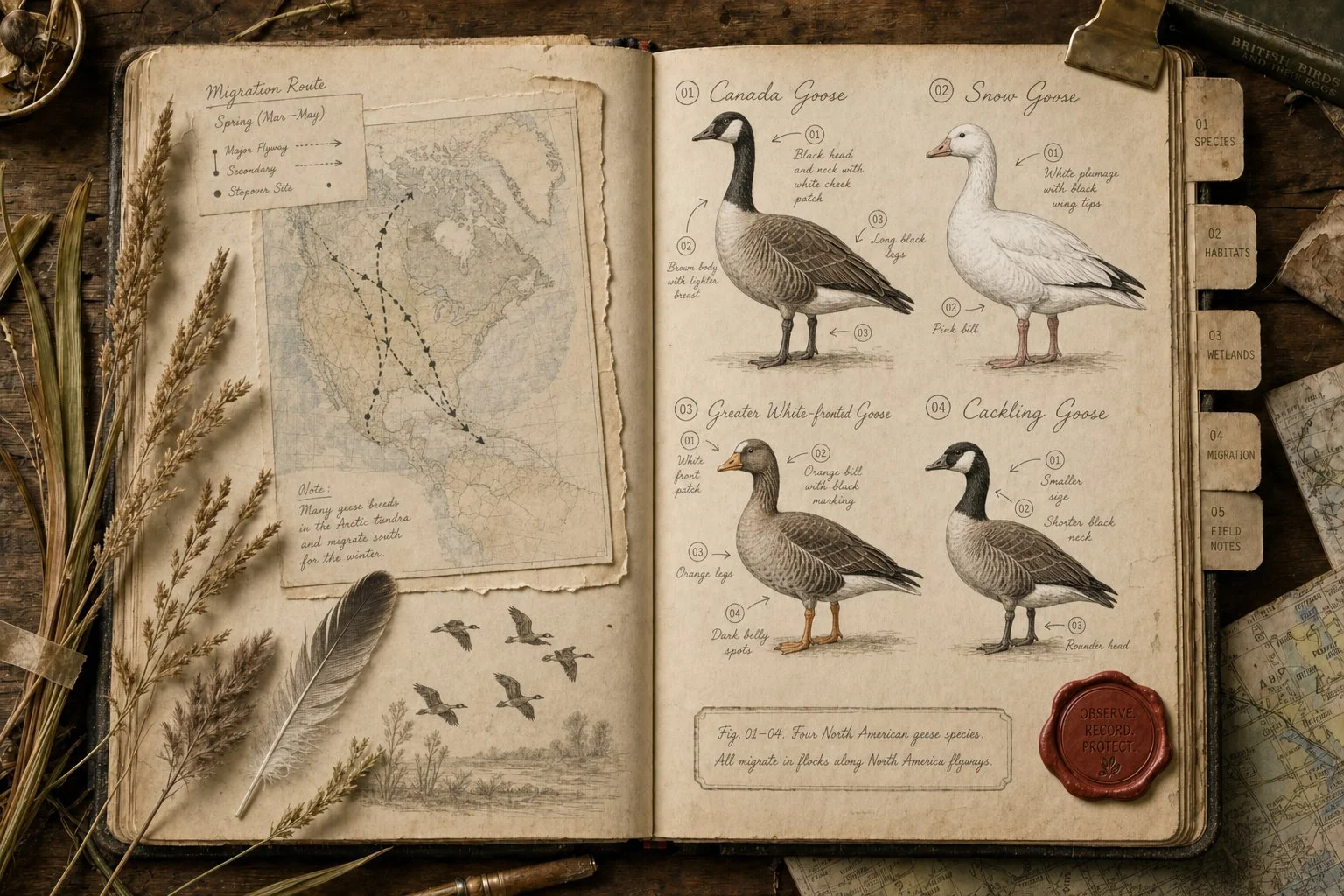
A naturalist's identification guide to the seven goose species that breed or winter in North America - which is which, where they migrate, and the differences most field guides understate.