№ 4212 Jul 2026
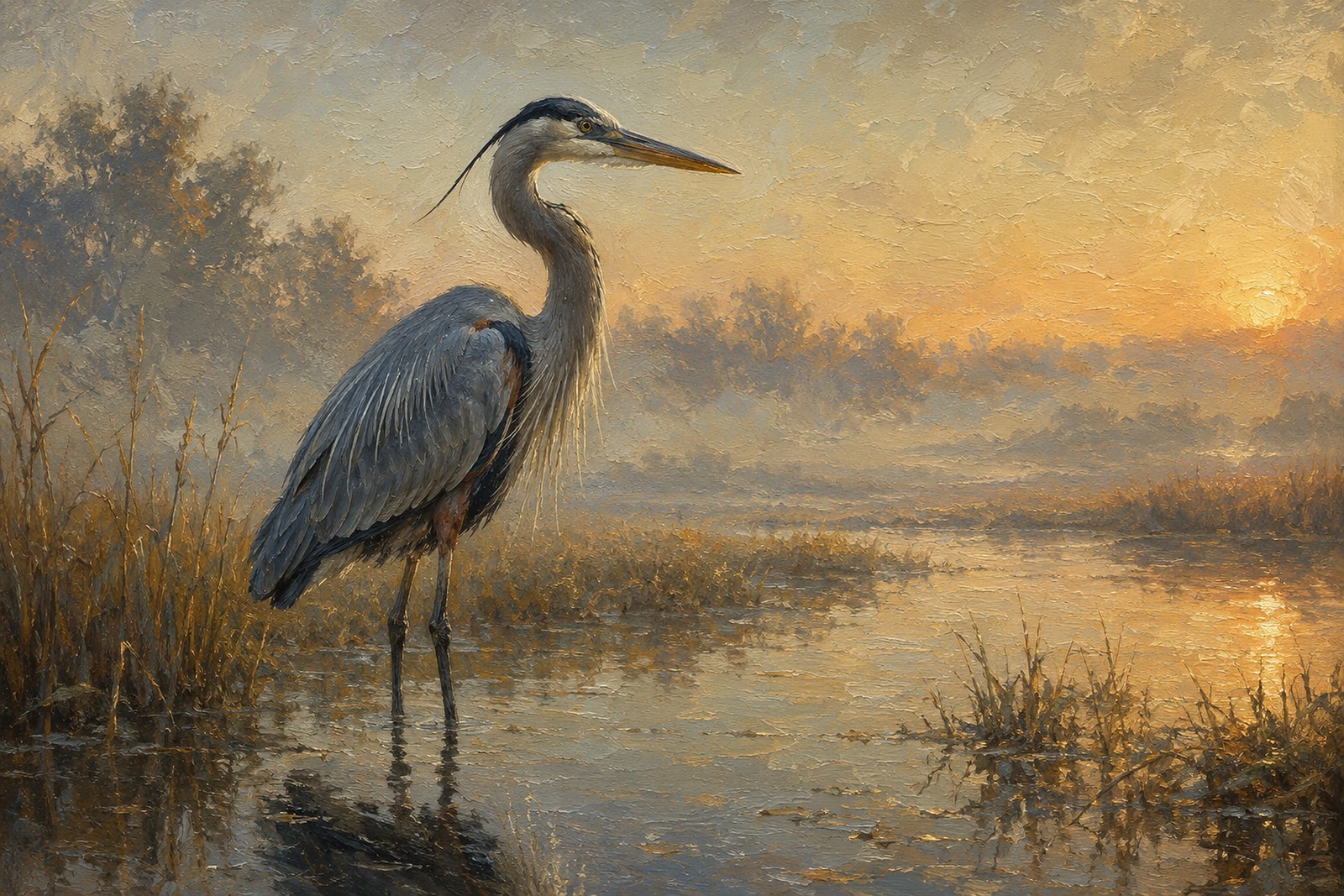
Coastal Art for Homes That Are Not Beach-Themed
You can live by the water without hanging a single anchor, and quiet wetland art in the style of antique oil painting is how the best coastal homes manage it.
Phragmites & freshwater
The freshwater marsh is the heart of this journal: standing water, tall reeds, and the secretive birds that work the edges at dawn. Herons and egrets hunt the shallows, rails and bitterns vanish into the grass, and harriers quarter low over the tops.
42 dispatches filed under this habitat
You can live by the water without hanging a single anchor, and quiet wetland art in the style of antique oil painting is how the best coastal homes manage it.
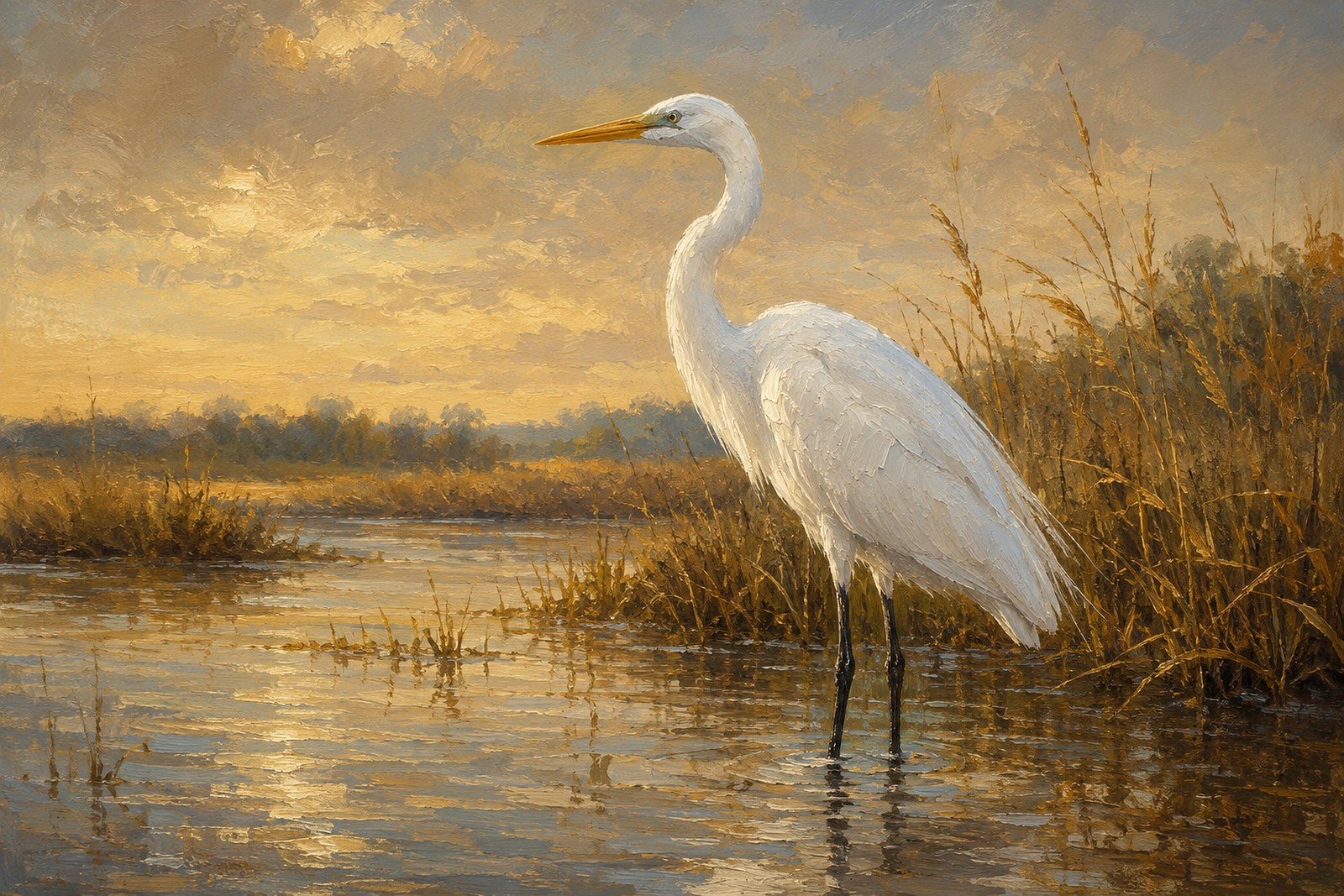
A white bird on a warm gold ground is the oldest reliable move in wildlife art, and the Great Egret still does it better than any other bird on the coast.
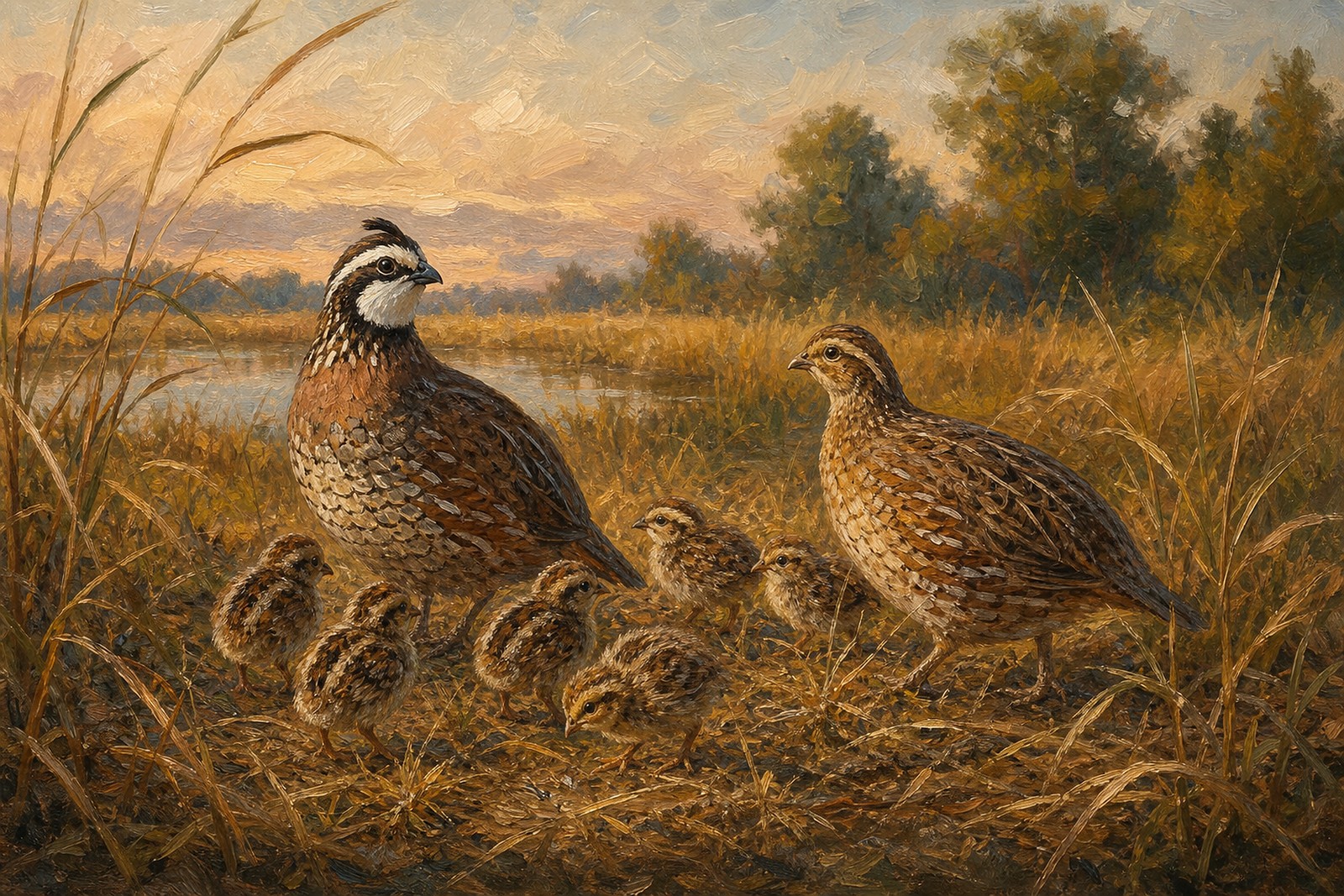
An evergreen Father's Day guide for the hunter or birdwatcher who already owns every gadget, matching the right wetland bird print to the right dad.
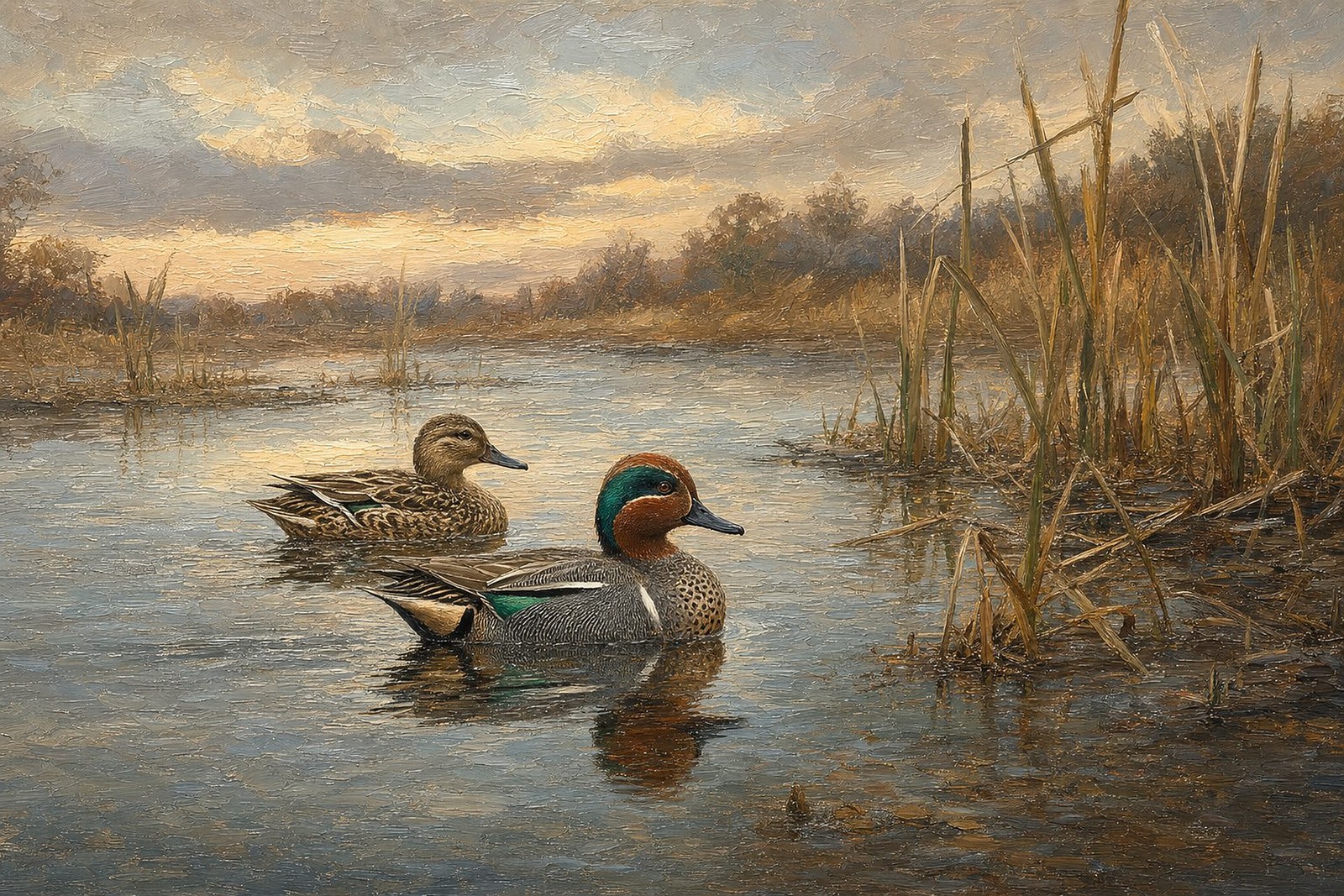
For over ninety years the federal duck stamp has funded American wetlands with a postage-sized piece of art, and its composition rules still teach a wall how to behave.
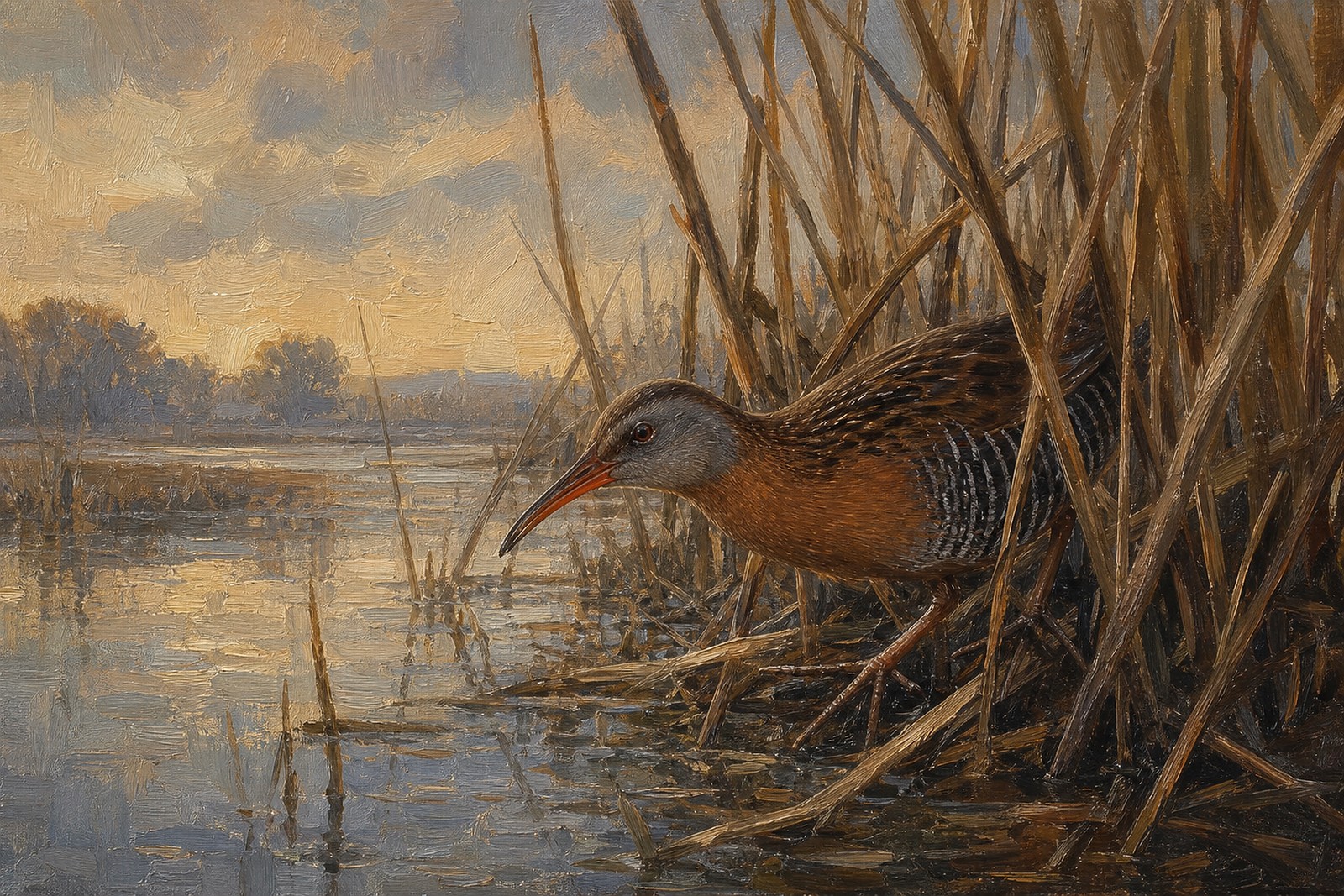
Rails, bitterns, and the limpkin are the marsh's best-kept secrets, and they make the most interesting bird prints in the house.
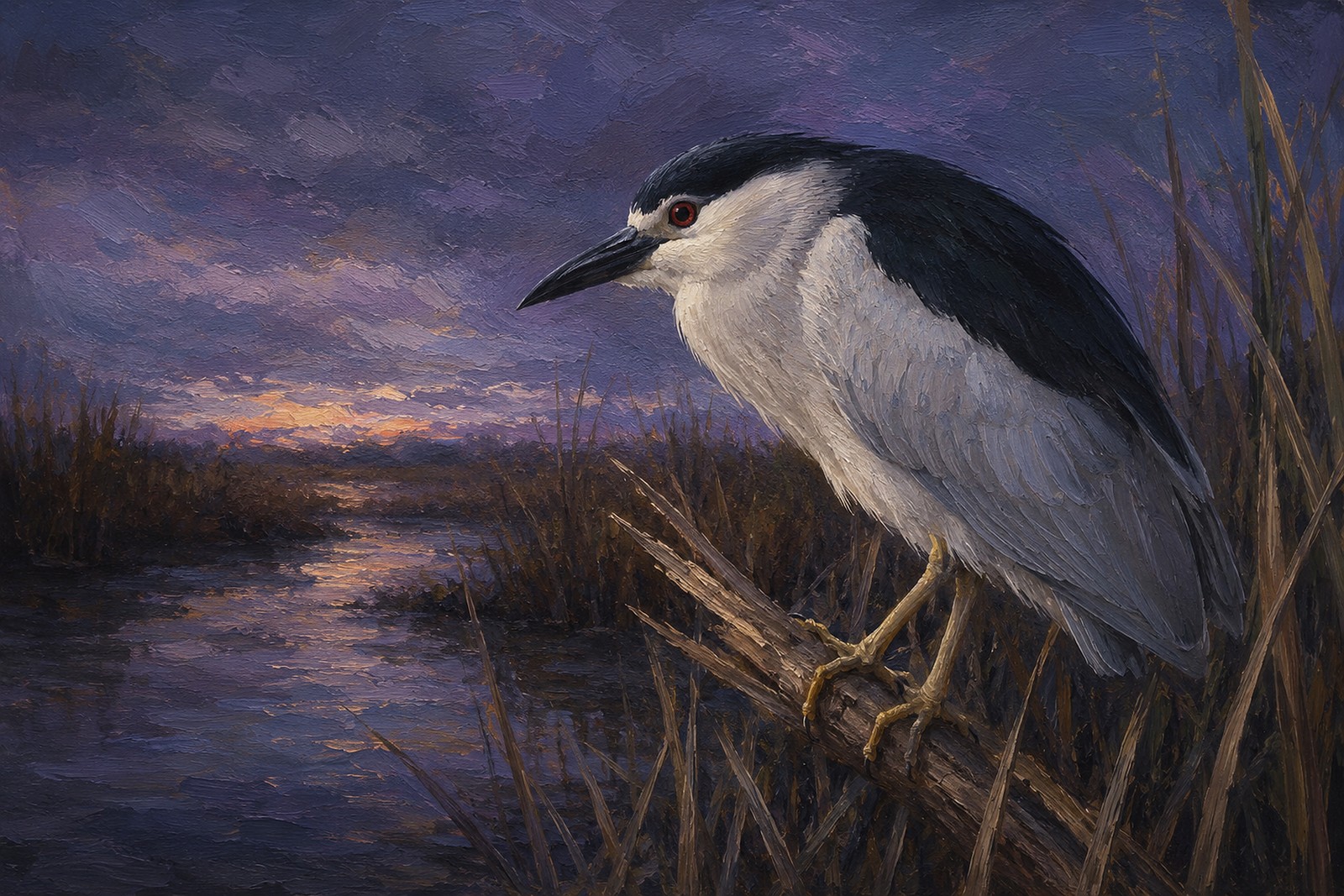
Most coastal art is stuck at high noon, but the black-crowned night heron brings dusk with it and solves the darkest corner in the house.
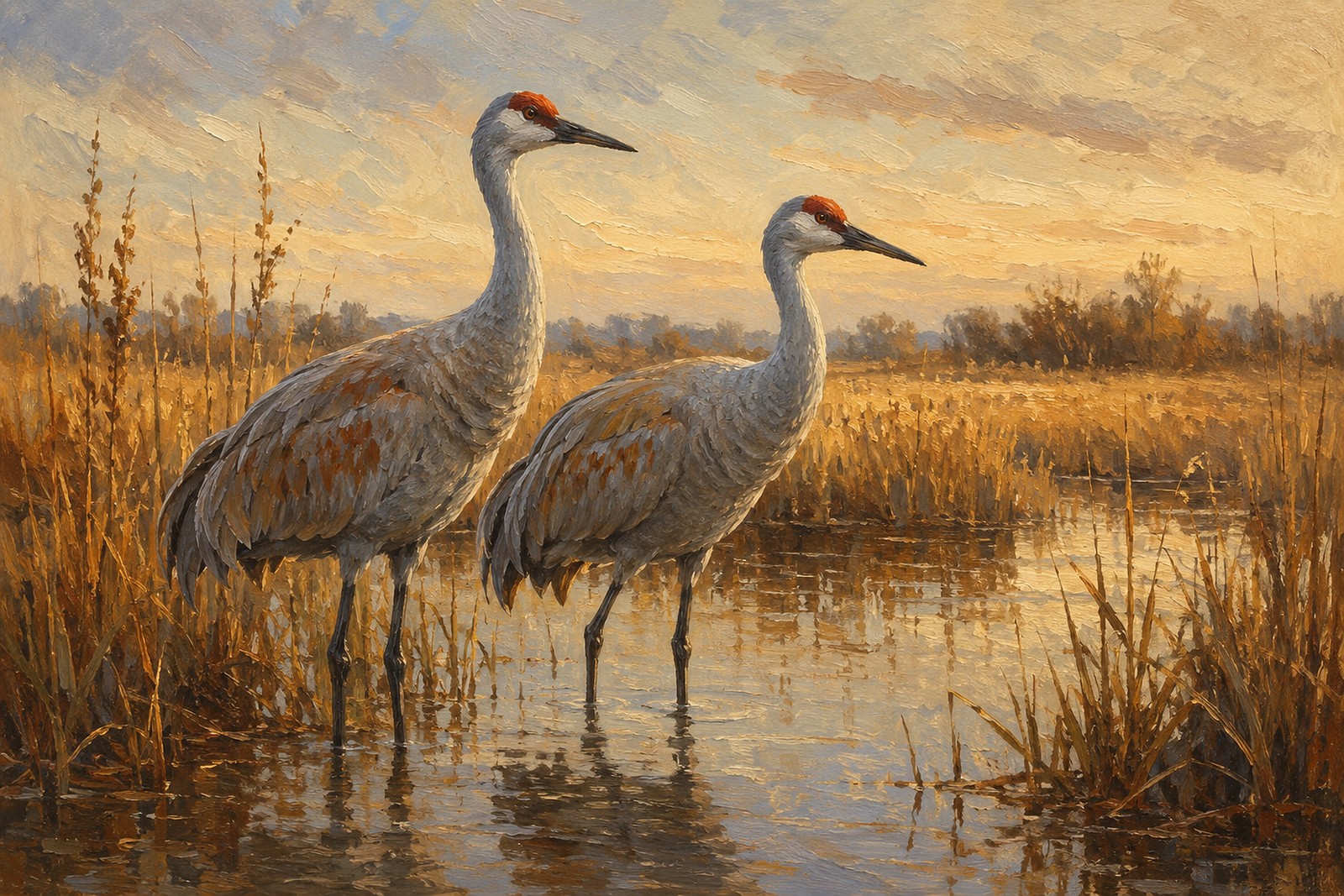
Four feet of grey and rust standing in golden marsh light, the sandhill crane is the rare bird that can anchor a dining room the way it anchors a wetland.
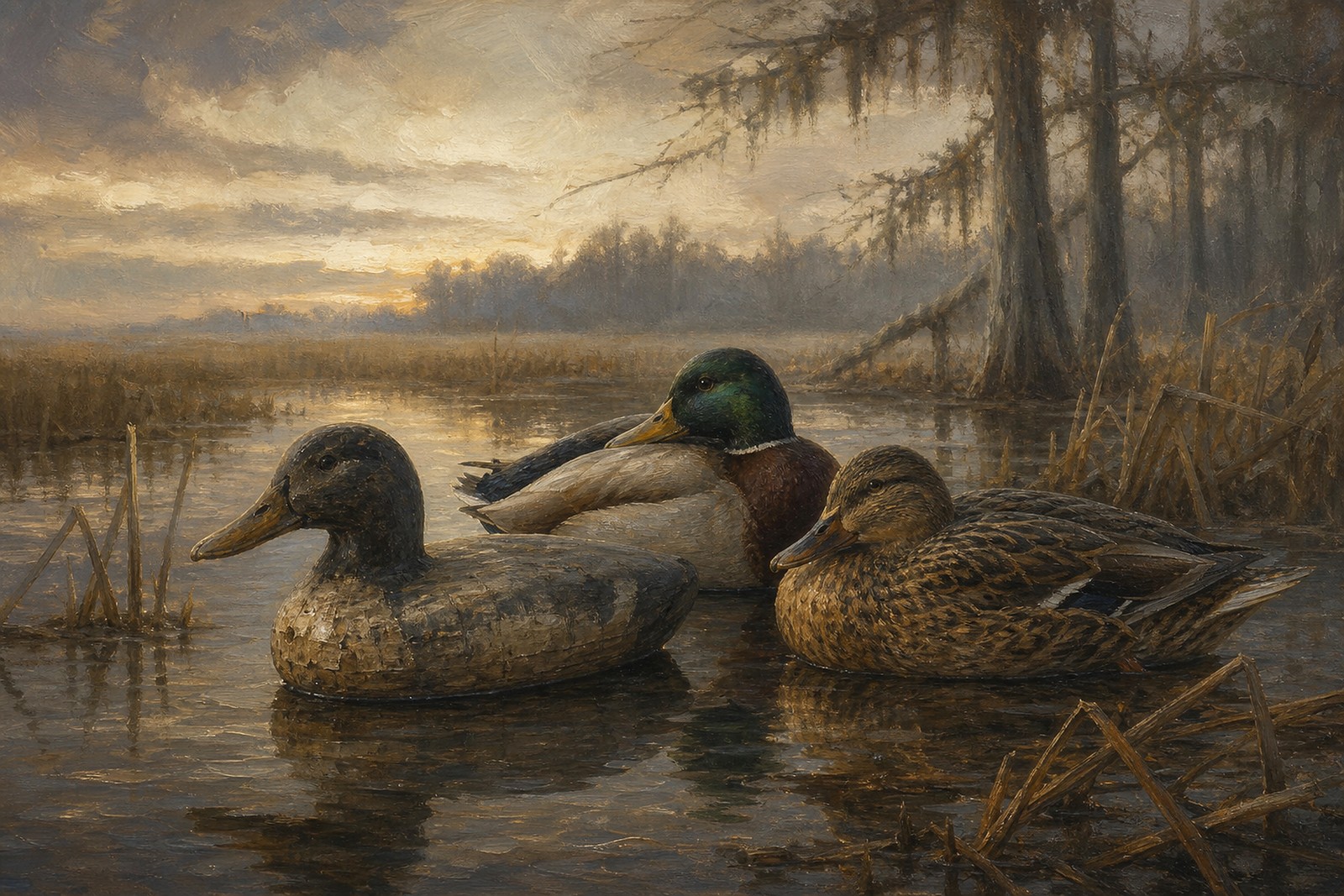
The working decoy became America's accidental folk art and the Duck Stamp turned art into wetlands, which is why the vintage waterfowl look still holds a wall better than anything newer.
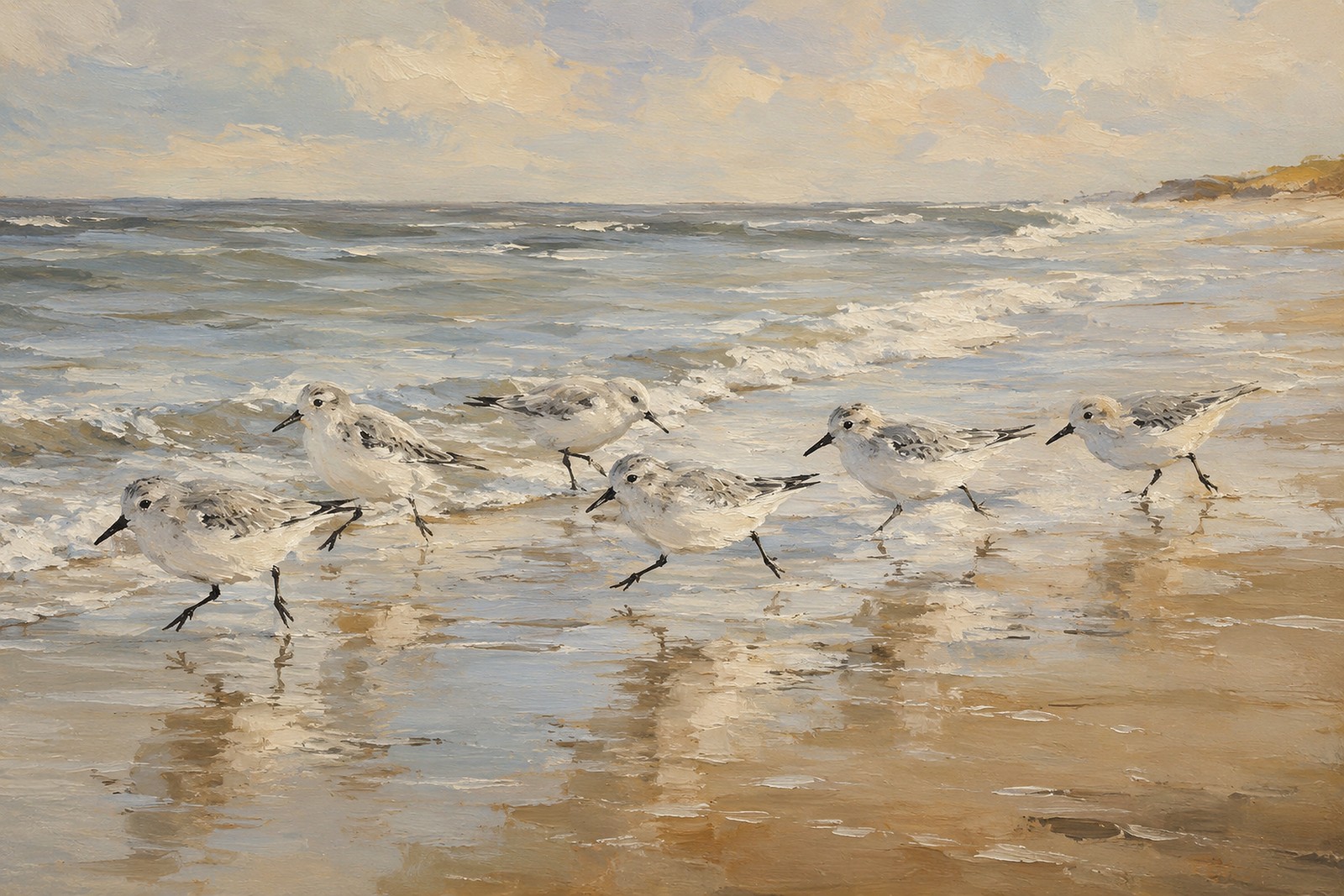
A room-by-room guide to decorating a beach house with oil-painting-style shorebird prints, from sanderling flocks to piping plovers, brown pelicans, and egrets.
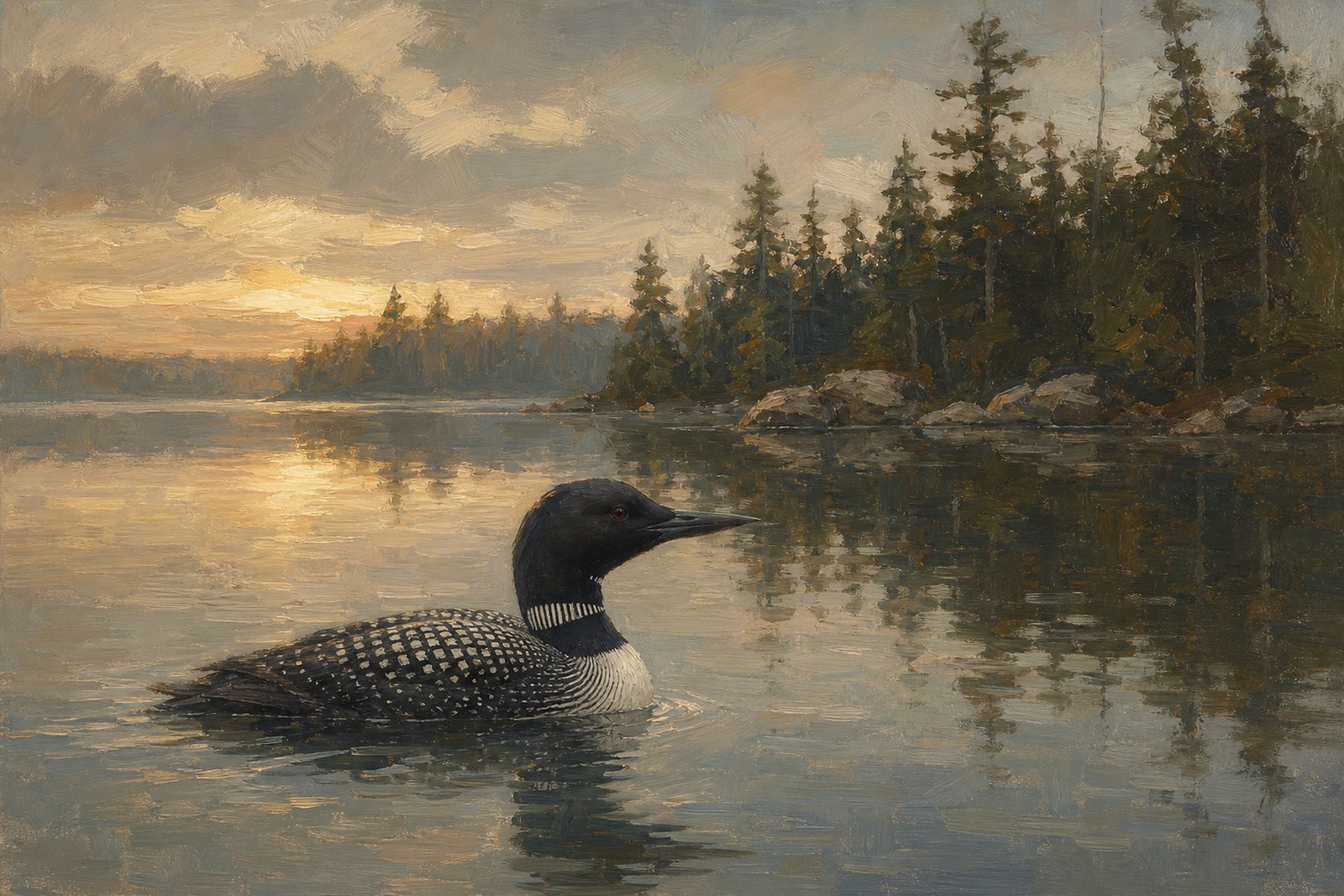
A gift guide for the wetland bird lover in your life: oil-painting-style prints of heron, loon, kingfisher, and swan first, then the field gear and days out that round out the perfect gift.
A deep decor guide to the Great Blue Heron print, from why the heron works as a solo statement piece to pairing it with the great egret over a console or mantel.
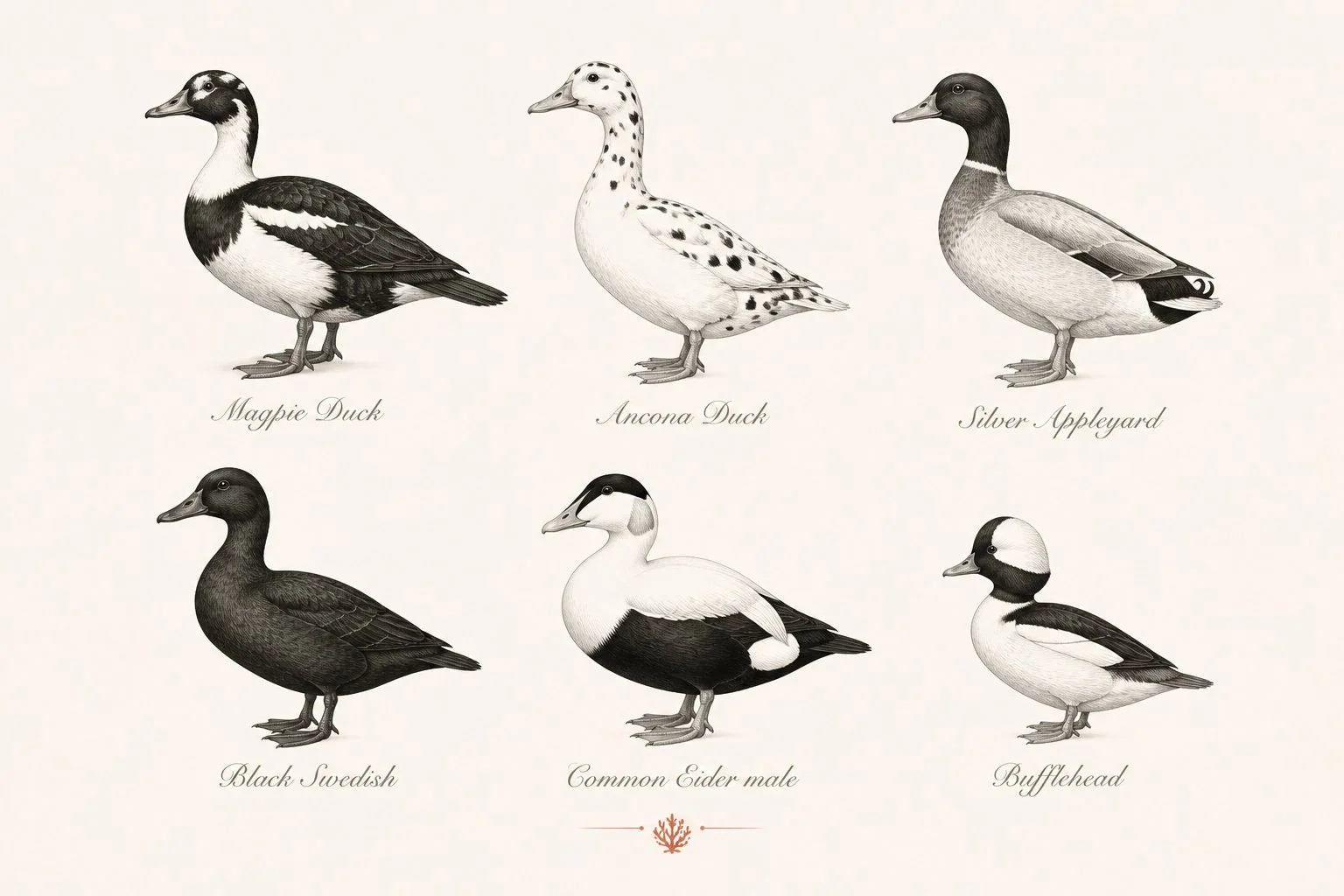
Six duck breeds produce reliable black-and-white plumage: Magpie, Ancona, Black Swedish, Silver Appleyard, Hookbill, and (loosely) Cayuga with white markings. They're popular with backyard keepers for layability and personality. Here's how each looks, lays, and behaves.
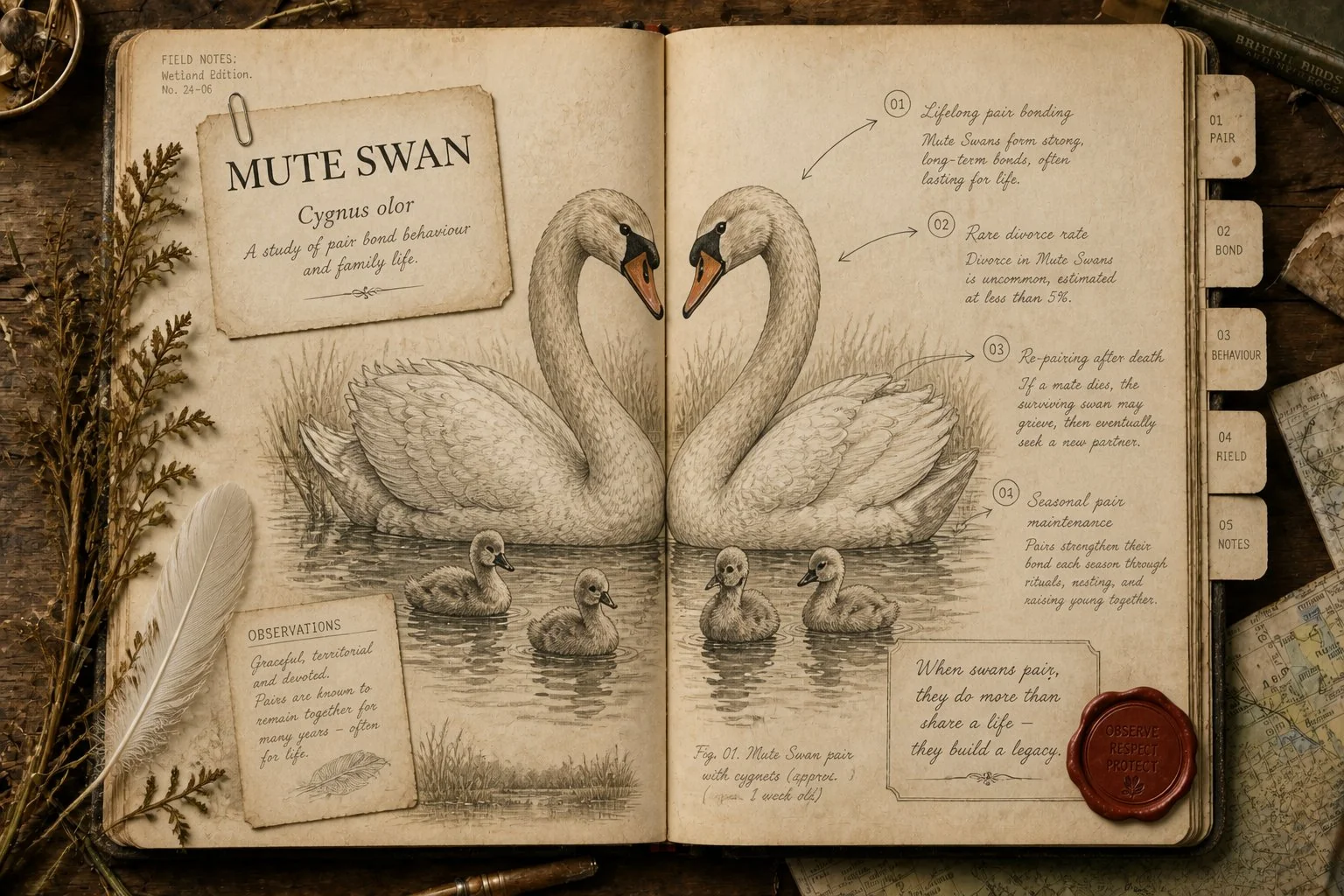
Swans form long-term pair bonds and most stay together for many breeding seasons. But about 6-9% of Mute Swan pairs 'divorce' each year, and bereaved birds often re-pair after a year or two. The folklore is mostly right - just less absolute than the romantic version suggests.
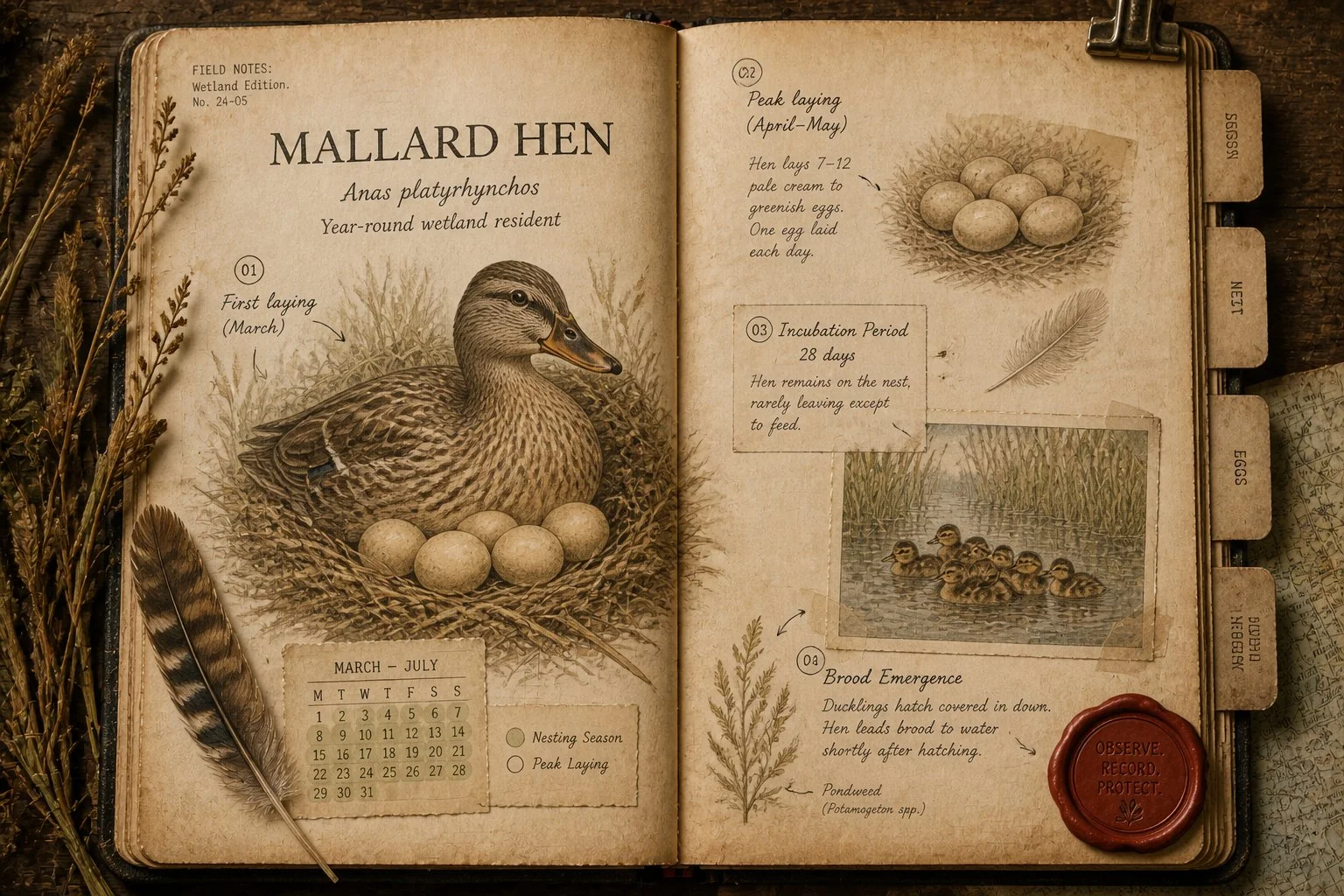
Wild ducks in North America start laying in March, peak in April-May, and finish broods by August. Exact timing varies by species and latitude. Here's the breeding calendar and what to expect on a backyard pond.
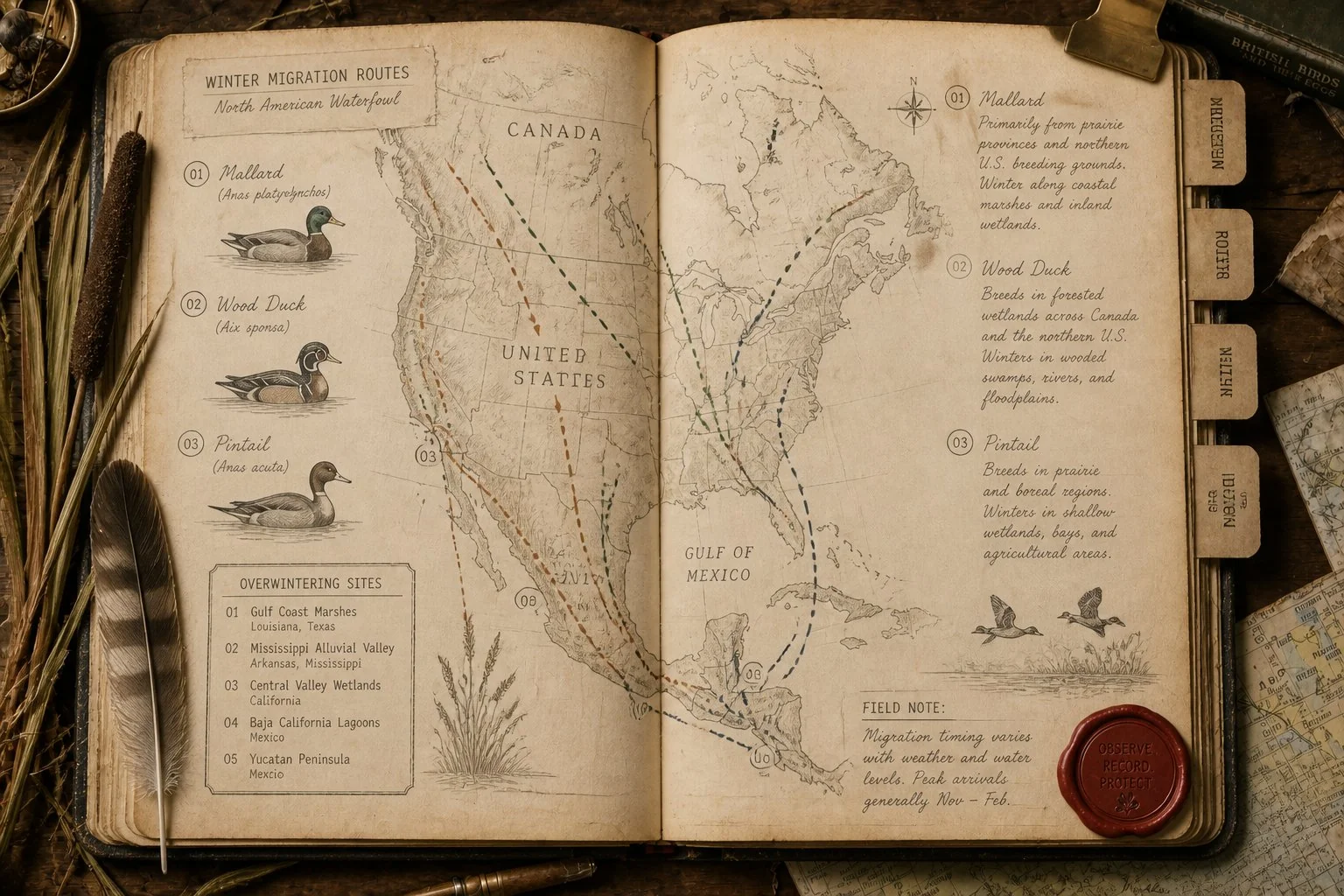
North American ducks migrate along four major flyways - Pacific, Central, Mississippi, and Atlantic. Most northern breeders winter in the southern US (Gulf coast, California Central Valley, Chesapeake) or Mexico. Here's the per-species pattern and the science behind it.
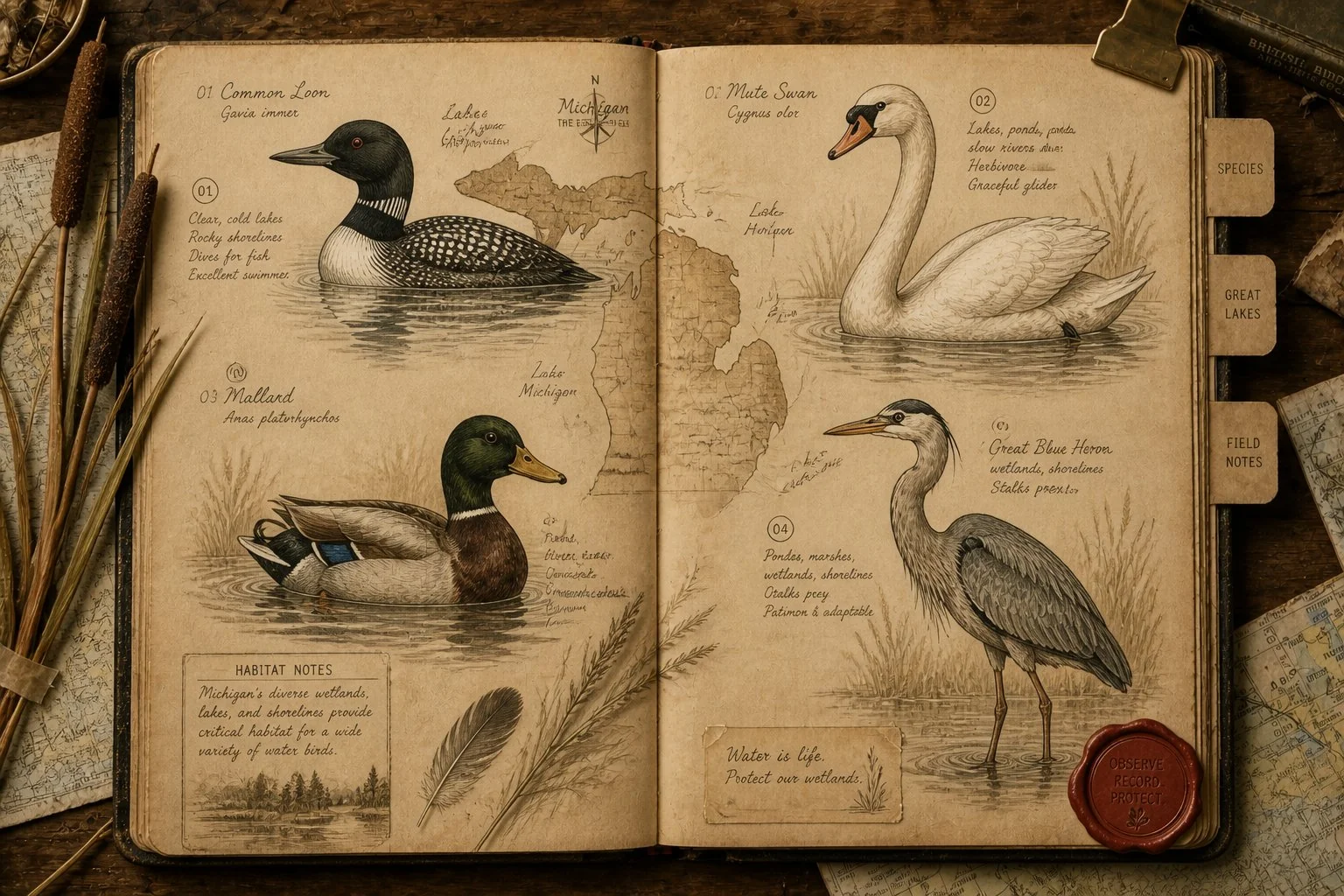
Michigan's 3,000+ miles of Great Lakes shoreline plus inland lakes and marshes host roughly 40 water bird species. Twelve cover most field sightings: Common Loon, Mute Swan, Mallard, Wood Duck, Great Blue Heron, plus seven others. Here's where and when.
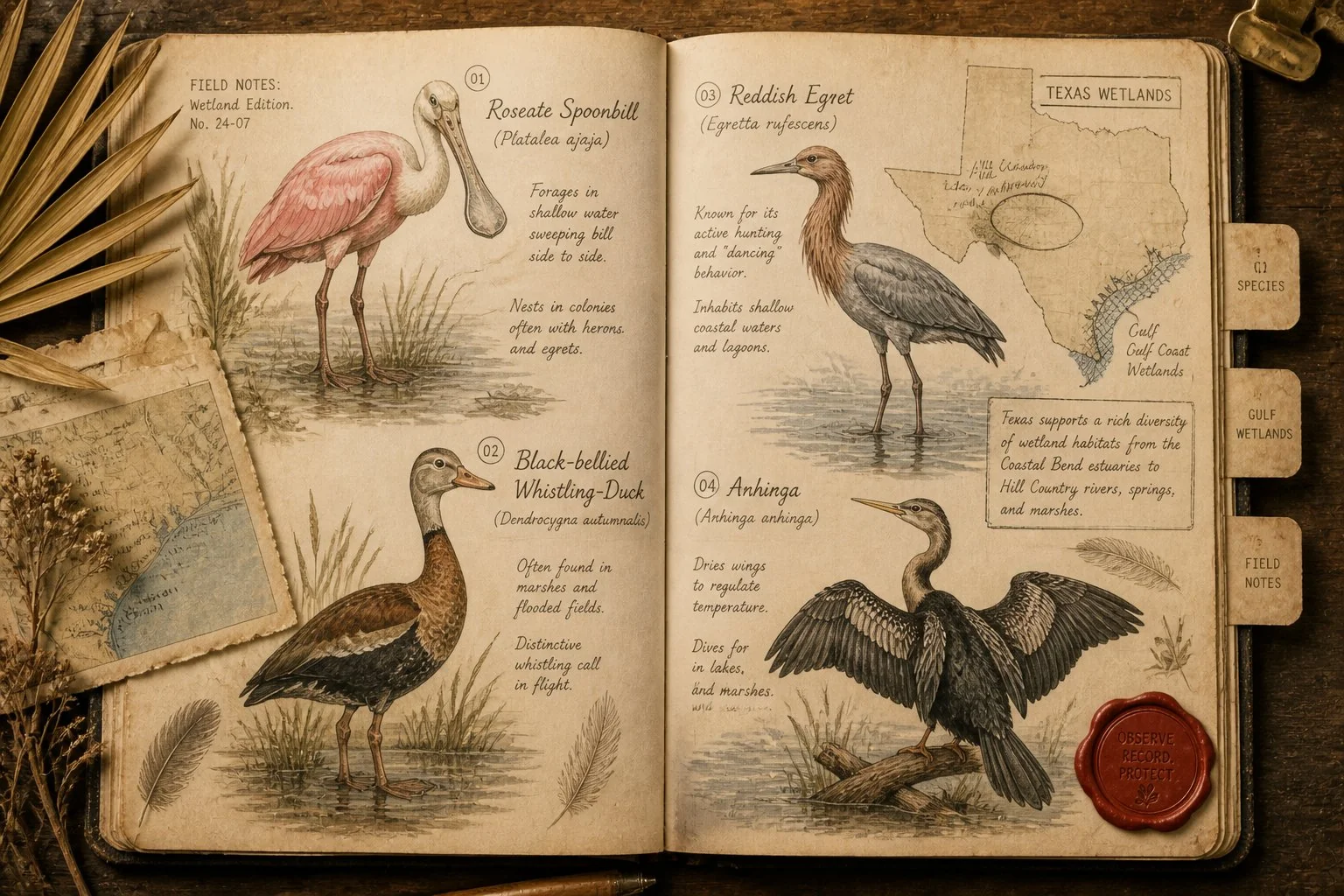
Texas hosts more water bird species than any other US state - over 80 regularly occur. Sixteen cover most field sightings: Roseate Spoonbill, Black-bellied Whistling Duck, Reddish Egret, Great Blue Heron, Anhinga, Mottled Duck, and ten others. Coast, Hill Country wetlands, and Panhandle playas each have their own.
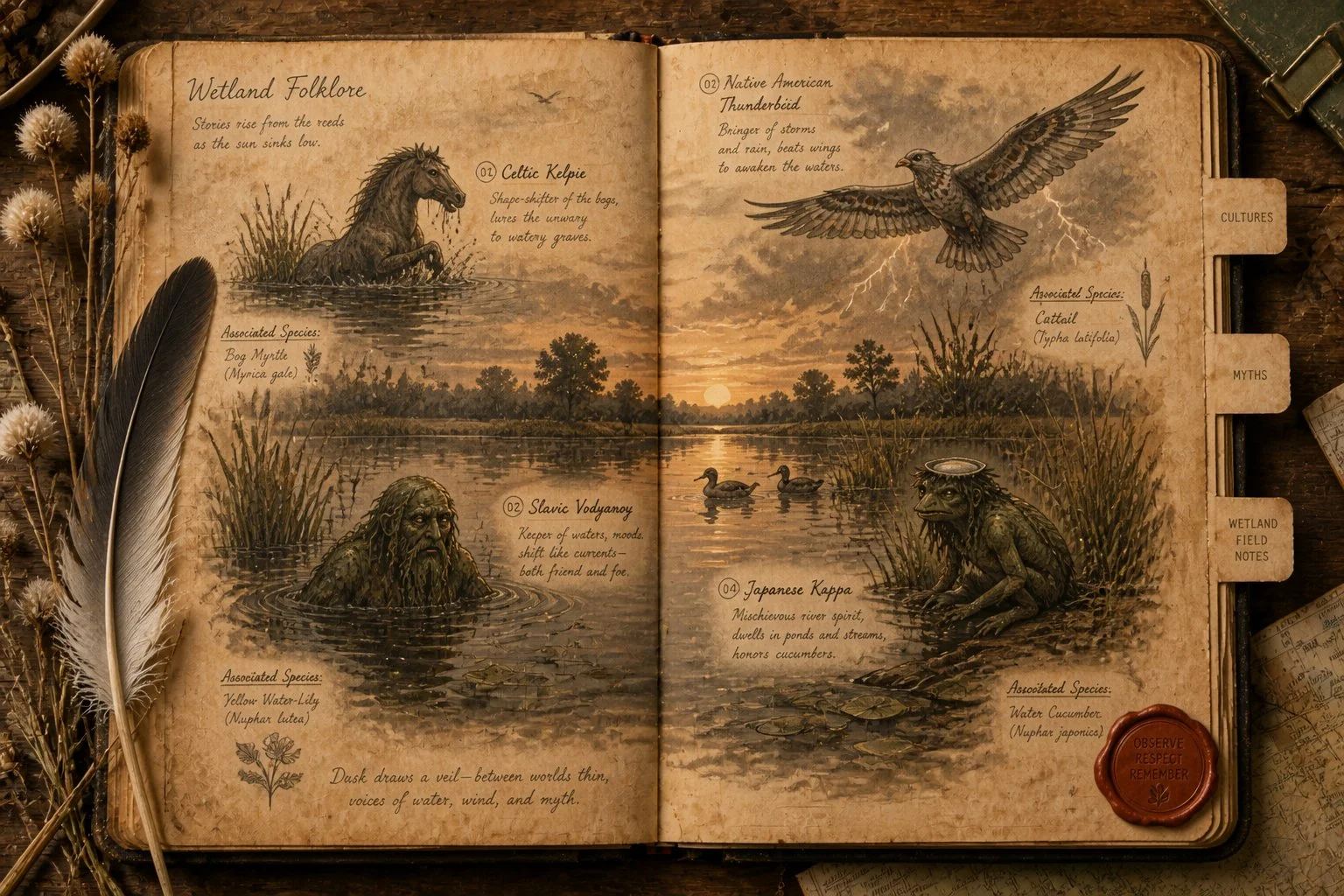
Wetlands hold some of the oldest folklore in the world - Celtic kelpies, Slavic vodyanoy, Native American thunderbirds, Japanese kappa, and dozens more. Almost every culture that lived near marsh and bog produced spirits to explain it. Here's a guided tour.
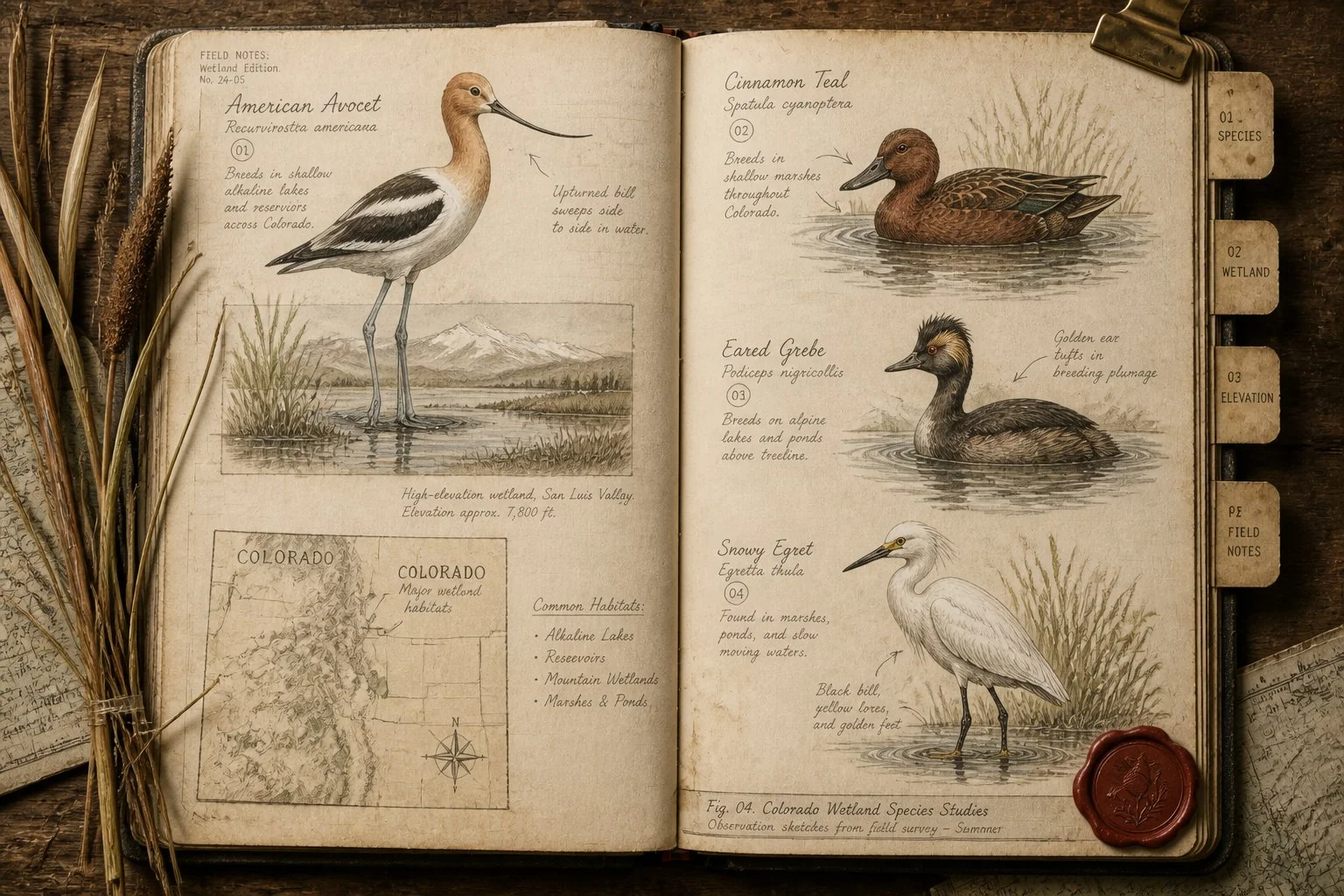
Colorado's high-altitude wetlands, reservoirs, and South Platte/Arkansas river systems host roughly 50 water bird species. Fourteen cover most field sightings: American Avocet, Cinnamon Teal, Eared Grebe, Snowy Egret, Great Blue Heron, Western Grebe, Mallard, American Wigeon, plus six others. Here's where and when.
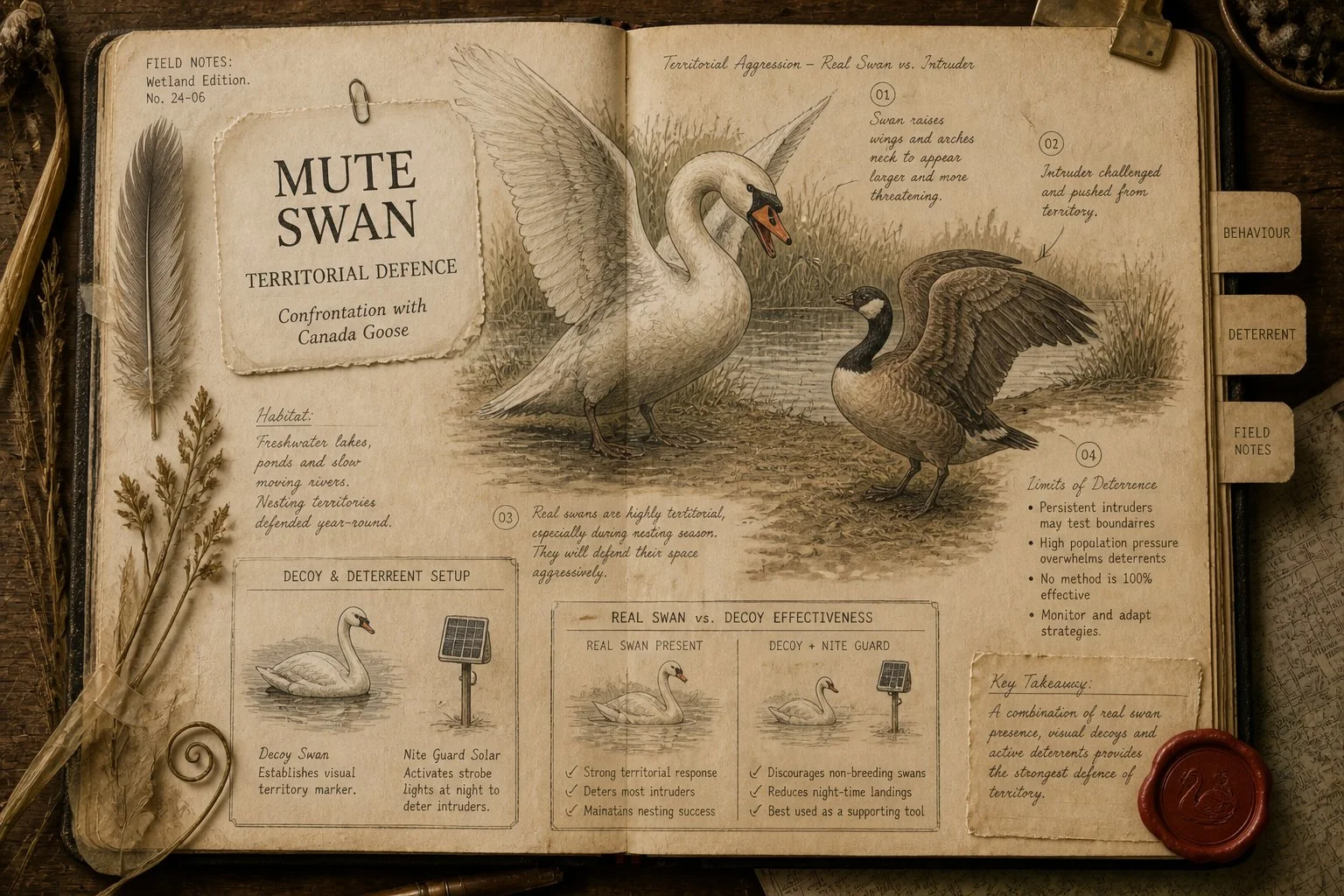
A breeding pair of Mute Swans will aggressively defend their pond against Canada Geese and clear them out within days. Plastic swan decoys mostly don't work - geese learn they're fake within a week. Here's what does work for goose control on a small pond.
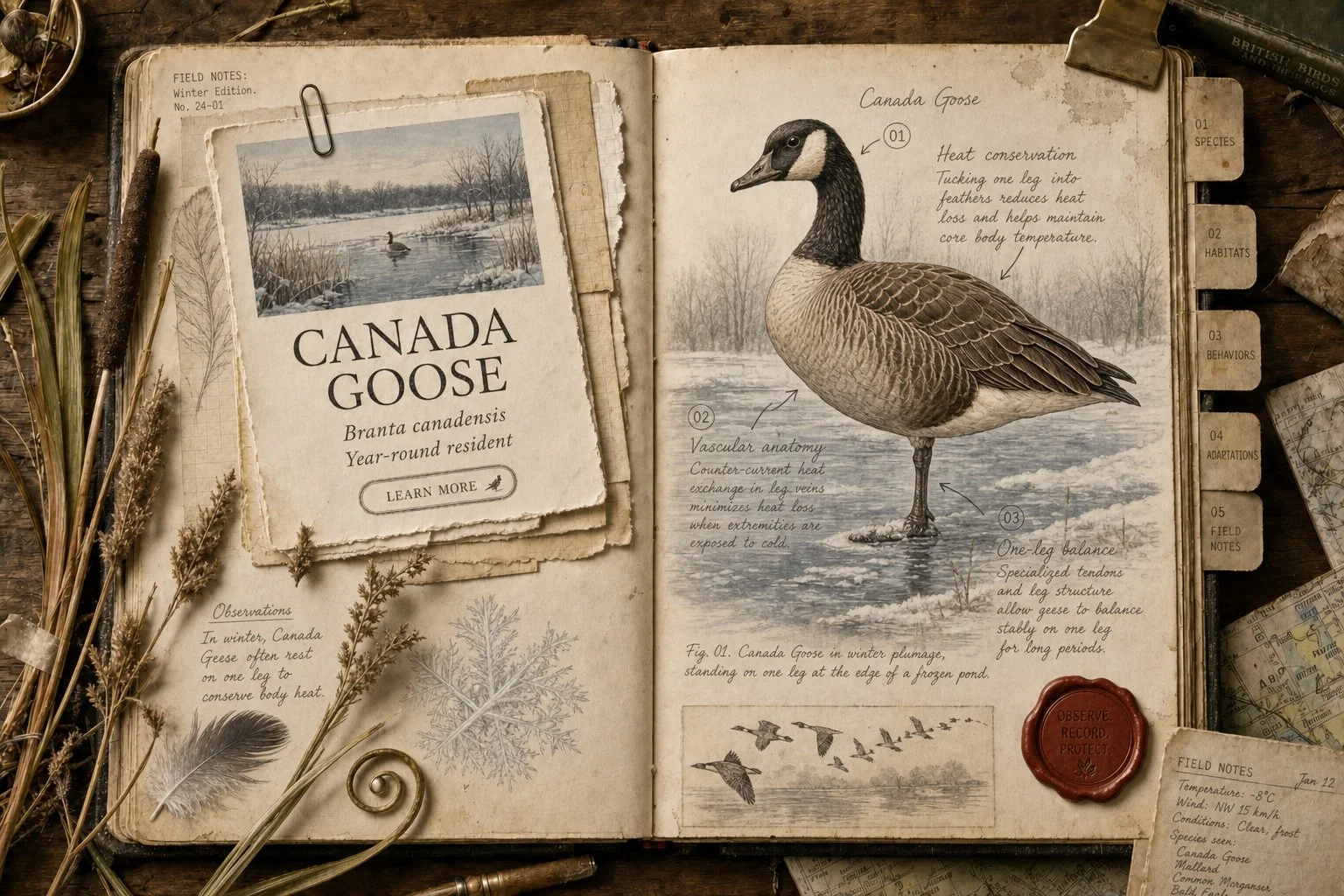
A naturalist's read on why geese (and ducks, flamingos, herons) stand on one leg - the thermoregulation, the muscle anatomy, and why you see it most in winter.
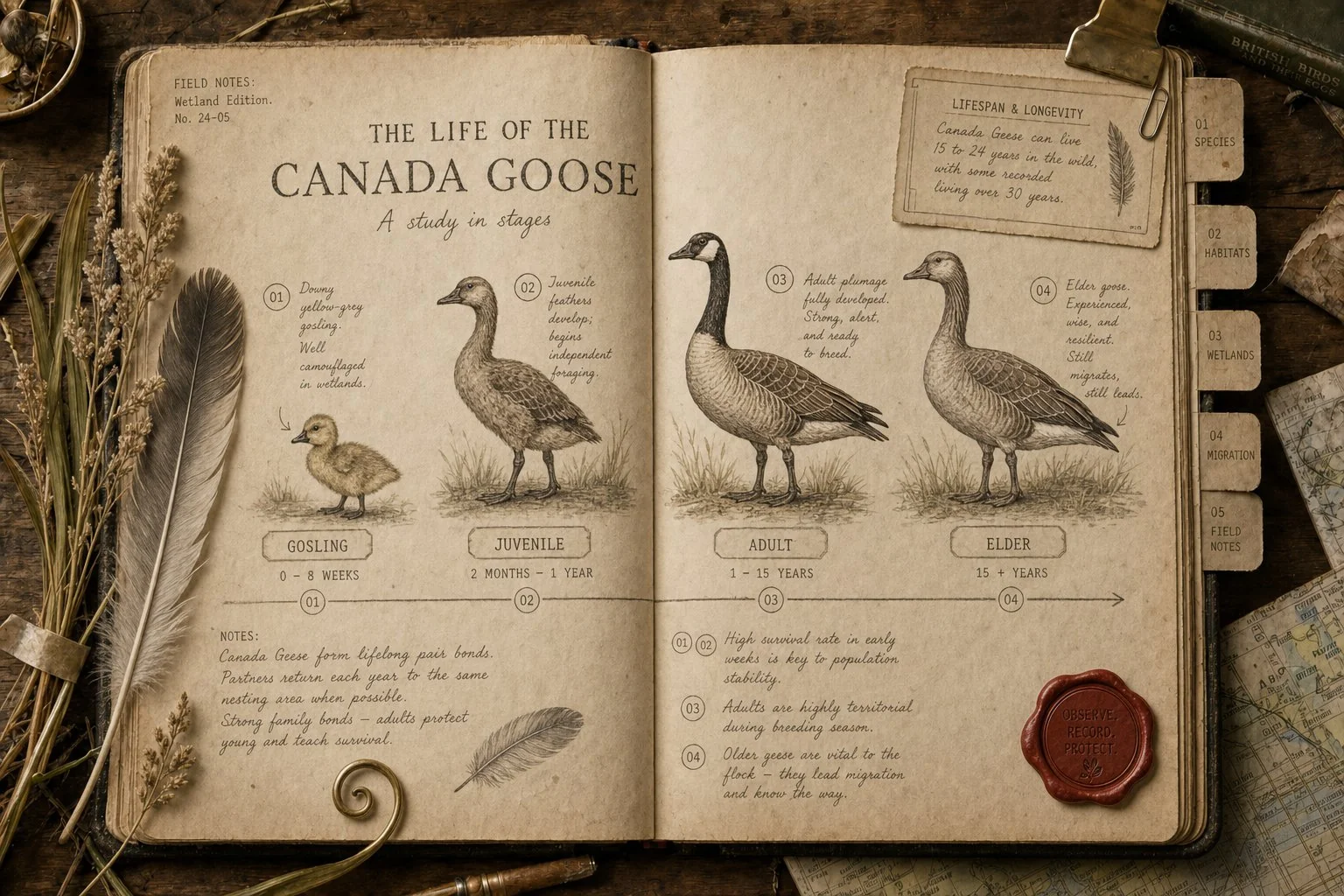
A naturalist's read on goose lifespan - the honest numbers for wild Canada geese (10-12 years average, 24+ for an exceptional survivor), the longer life of domestic breeds, and what kills geese in the wild.
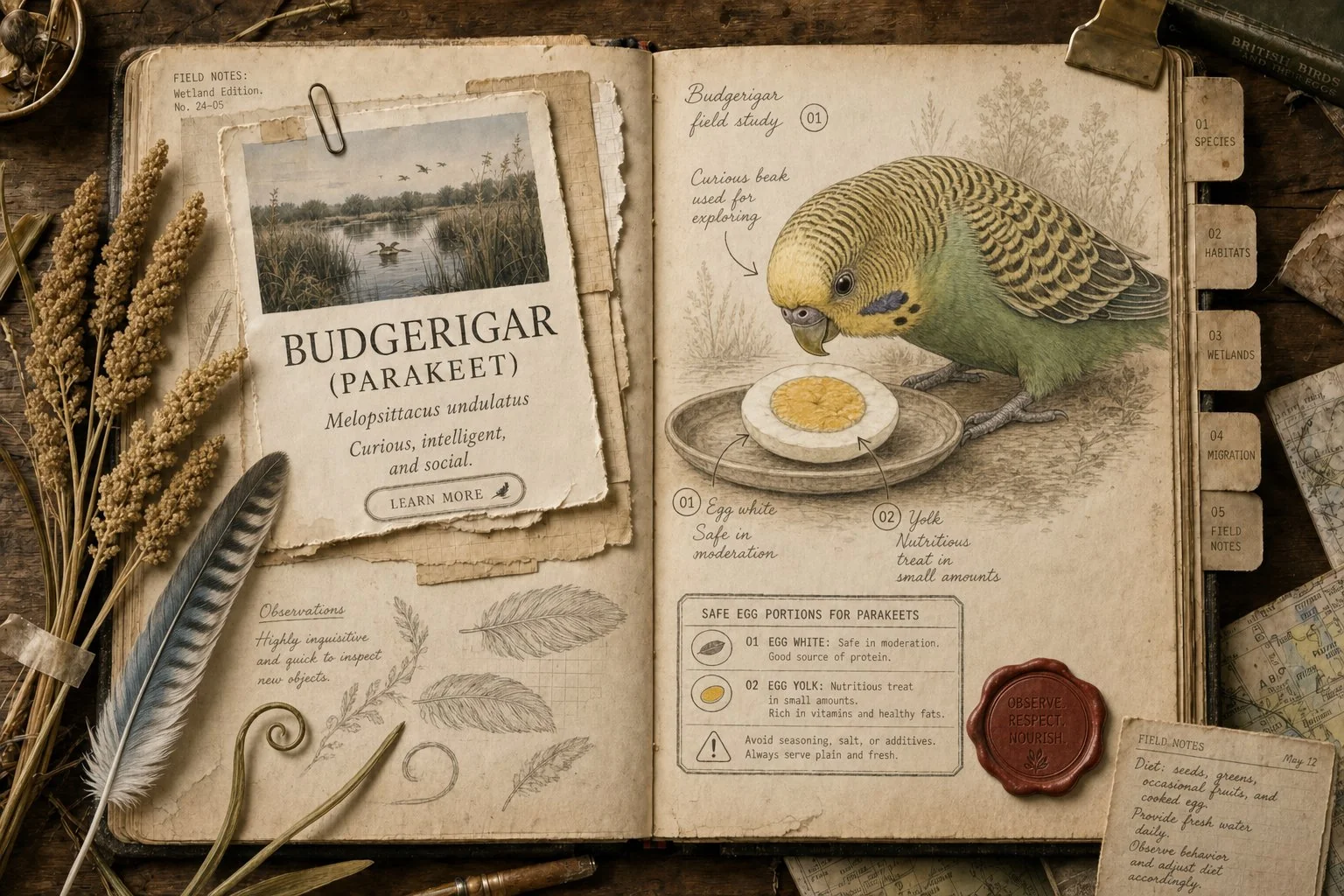
Parakeets can eat boiled eggs - they're a useful protein supplement during breeding and moulting. The honest guide to portion sizes, how often, and what to skip.
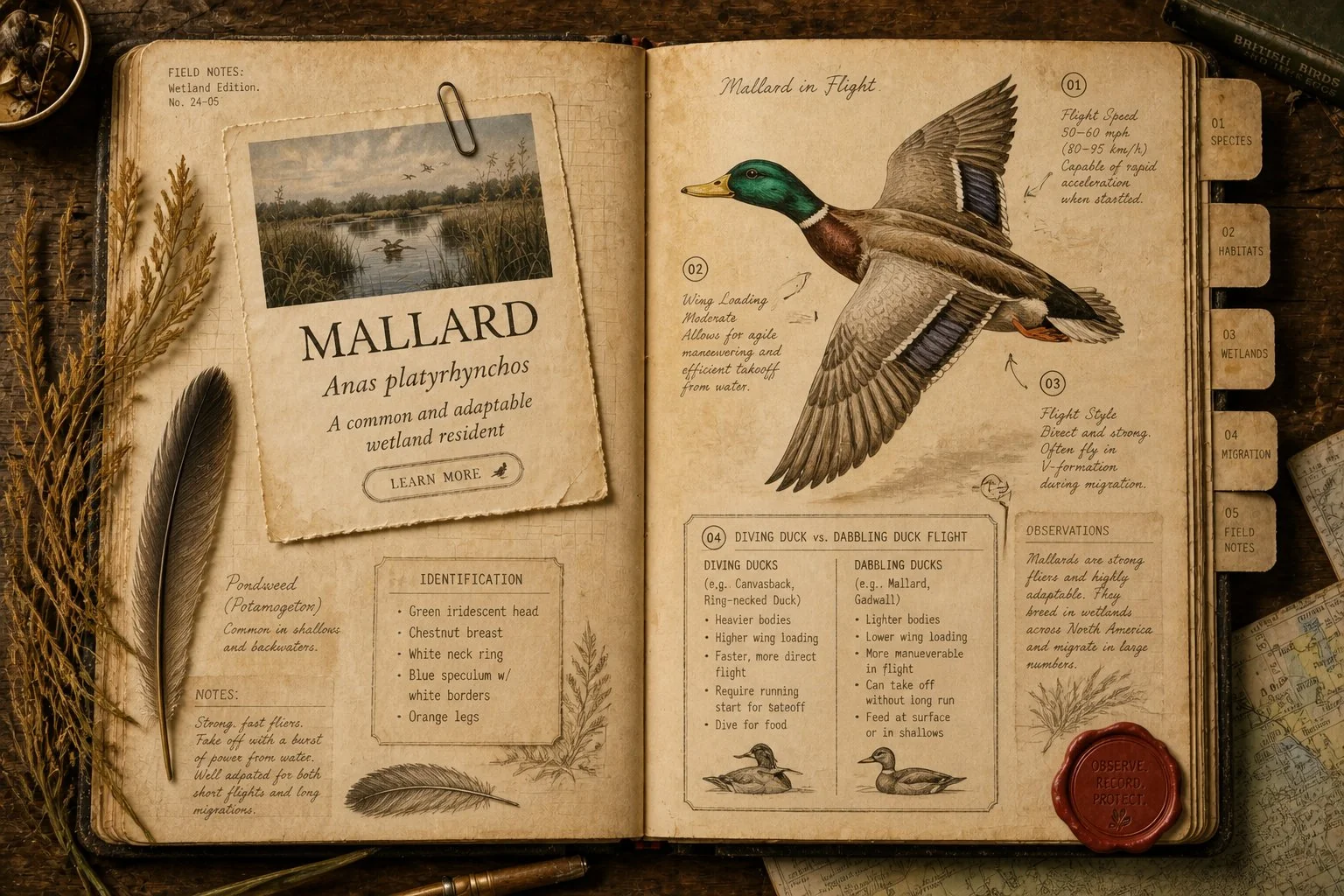
Most wild duck species fly 40-60 mph for migration. Domestic breeds mostly can't. A naturalist's read on which ducks fly and how well.
The state of Wisconsin, renowned for its lush landscapes and rich biodiversity, boasts an impressive variety of water bird species. Nestled within the state's vibrant wetlands, rivers, and lakes,...
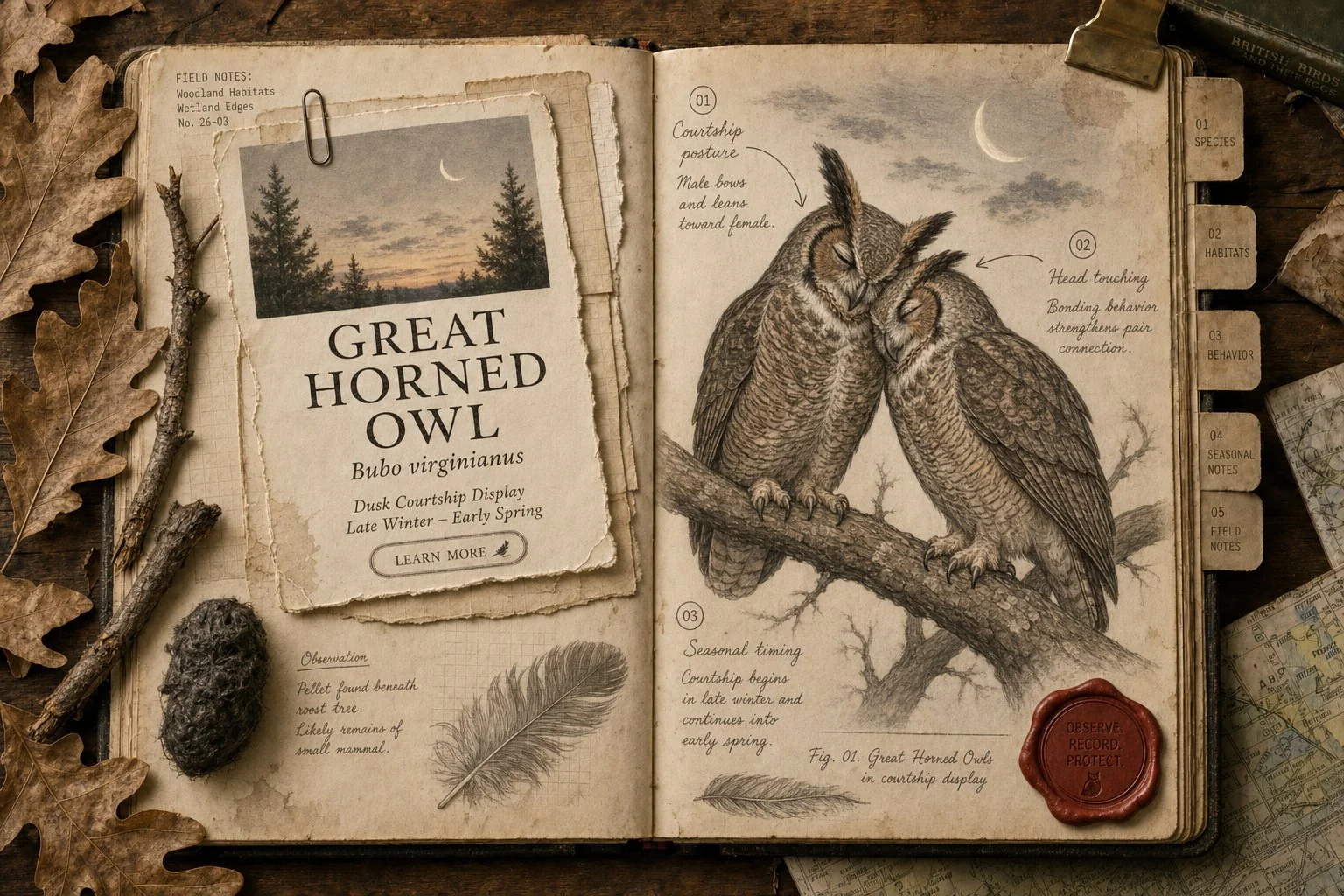
A naturalist's read on how owls actually pair, court, and breed - the calls, the food gifts, the early-year timing, and why most owl species pair for life.
Imagine yourself surrounded by serene nature, with lush greenery and vibrant wildlife. In this captivating article, you will discover the beauty and significance of the "Los Cerritos Wetlands," a...
Ohio, with its multitude of lakes, rivers, and marshlands, boasts a rich variety of water bird species . Among these, 25 distinctive types offer a vibrant tapestry of avian biodiversity, enriching...
In the northeastern United States, Massachusetts serves as a vibrant sanctuary for a broad variety of water birds . With its Atlantic coastline, numerous freshwater lakes, and extensive marshlands,...
Nestled in the Appalachian foothills and bordered by the Ohio River, Kentucky is a state that boasts a rich diversity of water birds . Its plentiful rivers, lakes, and wetlands create a varied...
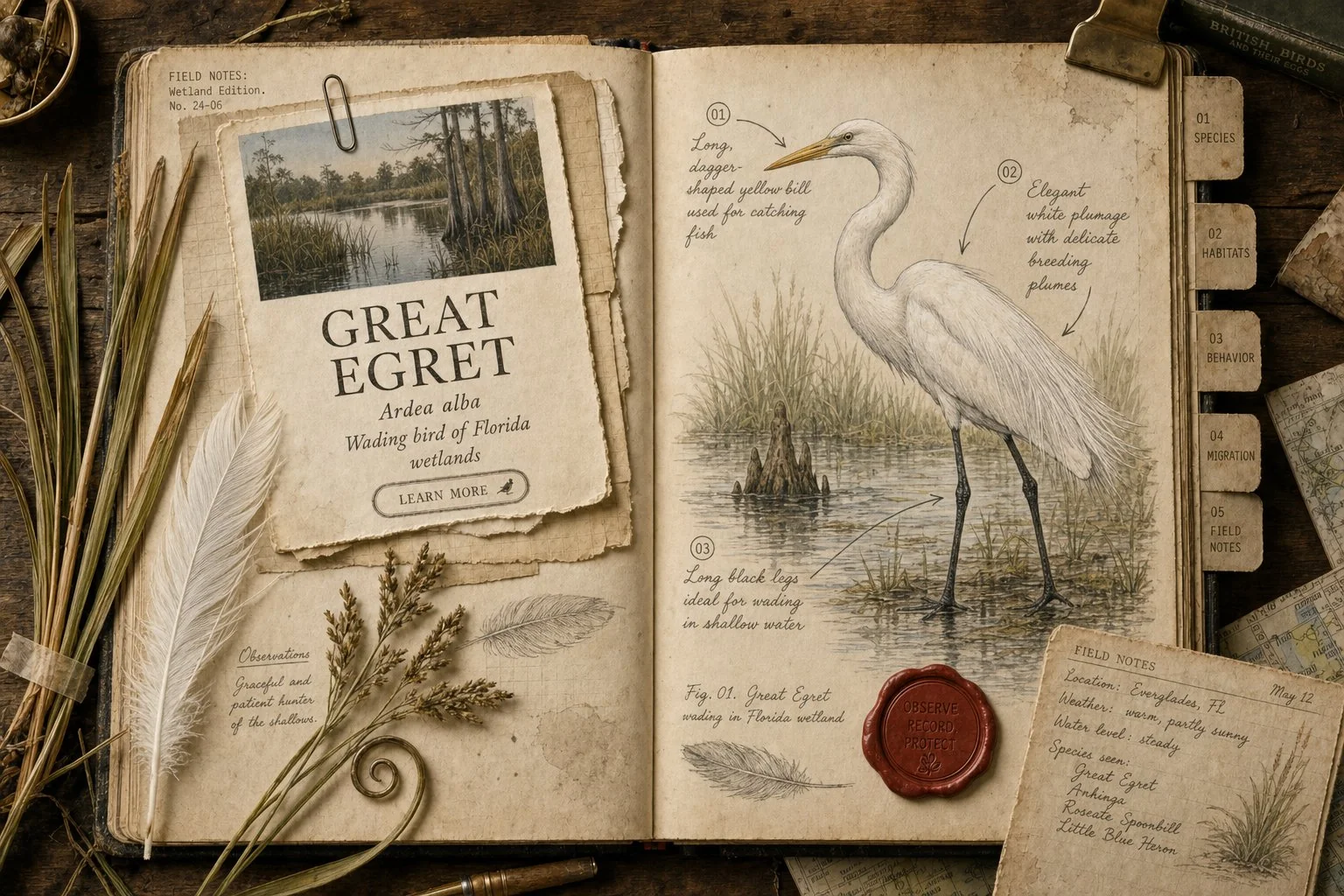
A naturalist's field guide to Florida's 27 most-seeable water birds - which wetlands they prefer, when they show up, and the four locations where you'll see most of them in a single morning.
California, with its diverse landscapes and numerous water bodies, is a haven for water bird enthusiasts. From the coastal regions bathed by the Pacific Ocean to the countless lakes and wetlands...
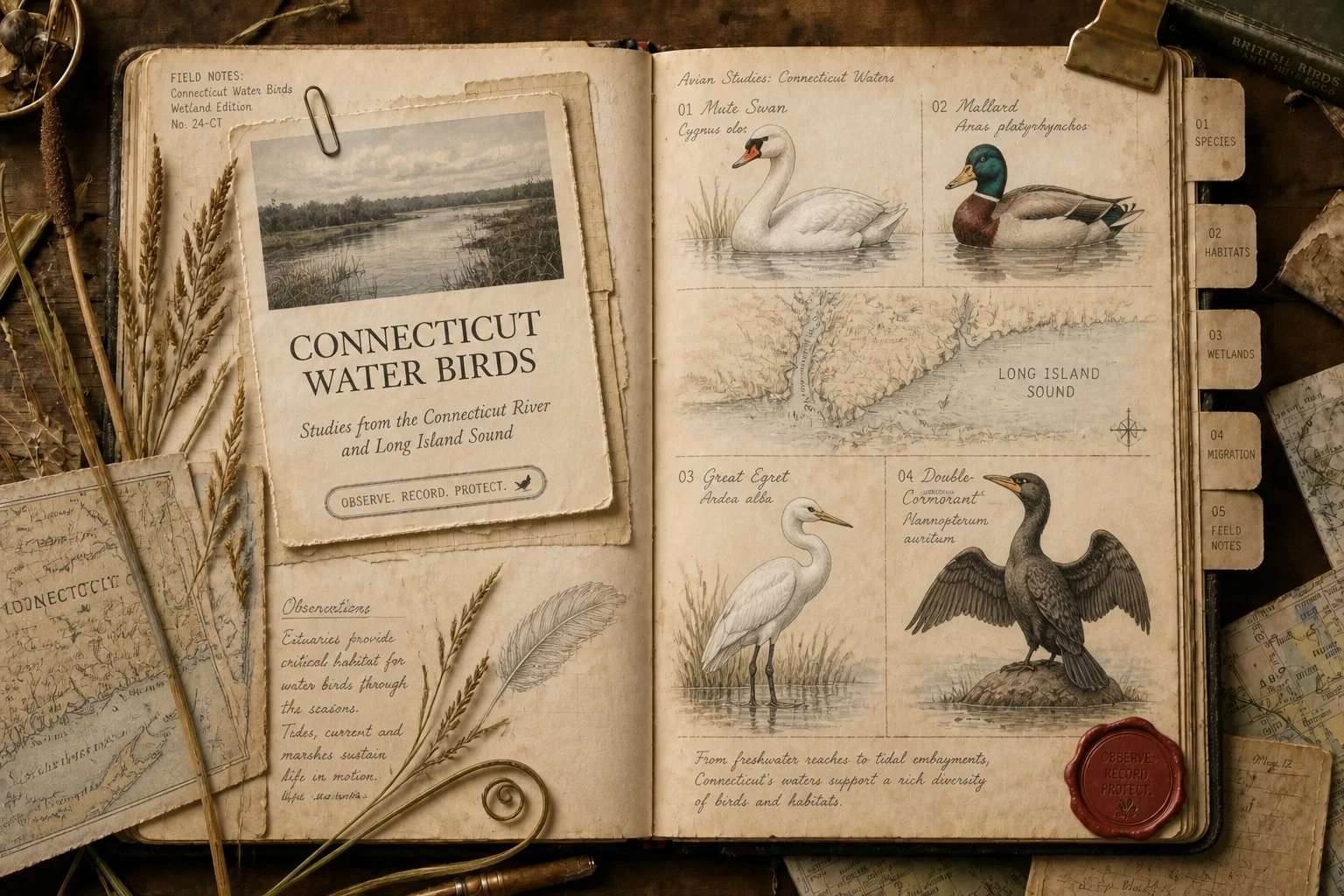
Long Island Sound, the Connecticut River, and inland marshes give the state 25 regular water birds. A naturalist's read on what's where through the year.
The United States, with its sprawling lakes, mighty rivers, extensive coastlines, and numerous wetlands, serves as an impressive natural habitat for a diverse range of water birds. From the icy...
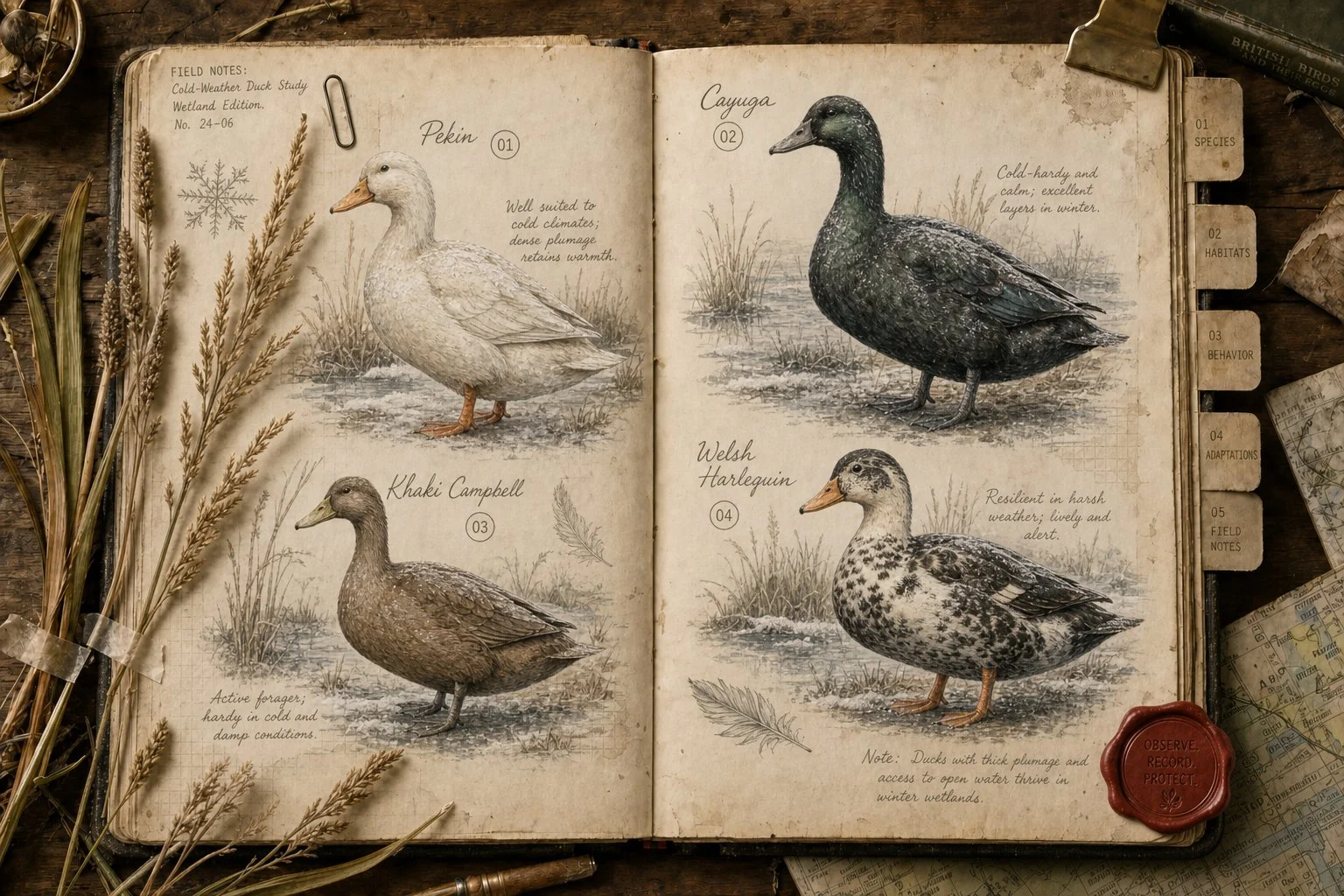
A small-flock keeper's guide to the 12 duck breeds that handle winter genuinely well, the three that don't, and the housing and feed setup that keeps any duck alive through January.
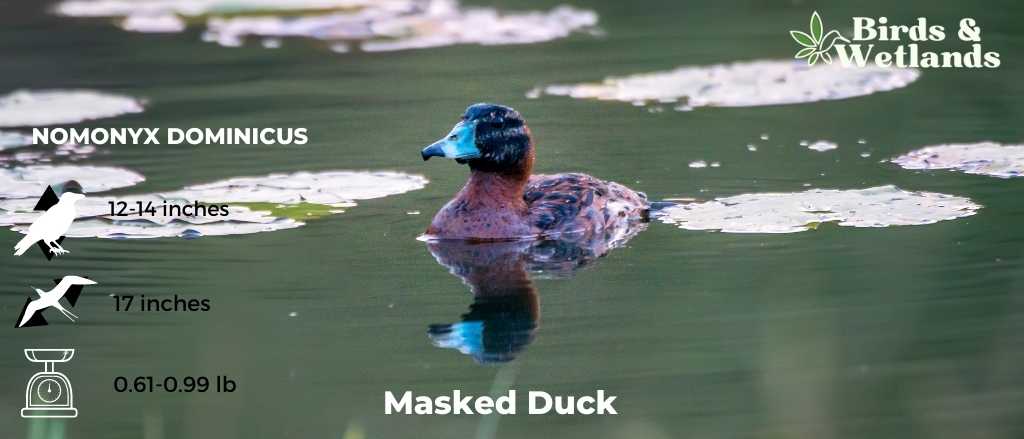
The masked duck is a small, stocky waterbird found in the wetlands and swamps of Central and South America. Its scientific name, Nomonyx dominicus, refers to its secretive nature and distribution in...
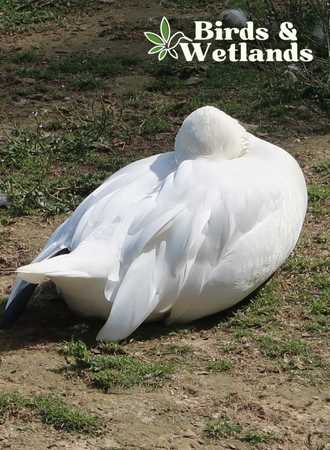
As winter draws near, many animals begin to prepare for the long cold months ahead. For geese, this means finding a mate. Goose breeding season typically extends from mid-winter to early spring....
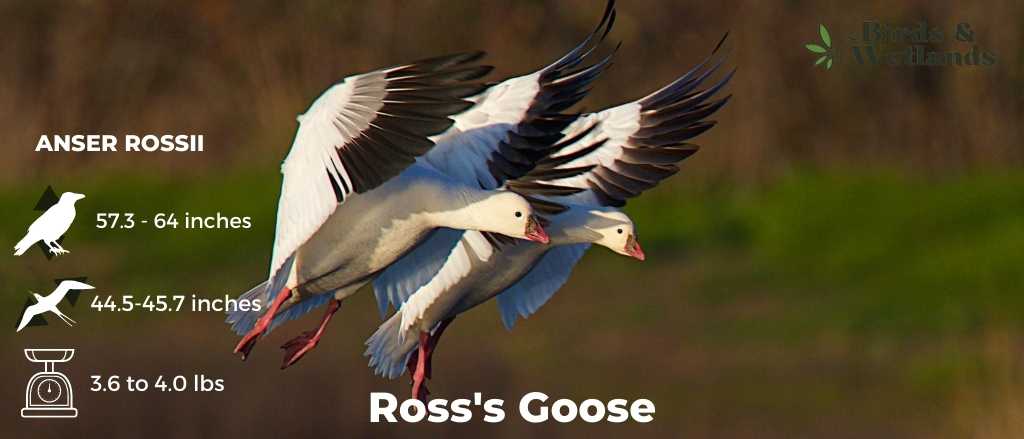
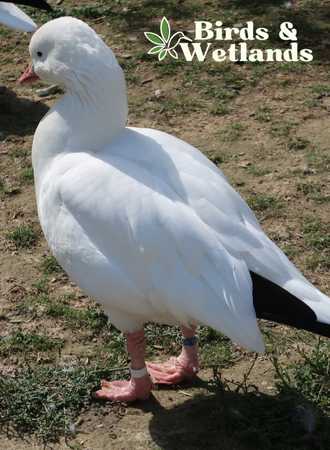
Ross's goose is the smallest of the white geese that breed in North America. It is a pure white goose with black wingtips and a short neck. It shares many characteristics with the snow geese,...

Welcome to the captivating world of geese in Colorado! With its diverse landscapes and abundant wetlands, Colorado serves as a haven for various species of geese. From the majestic Rocky Mountains to...
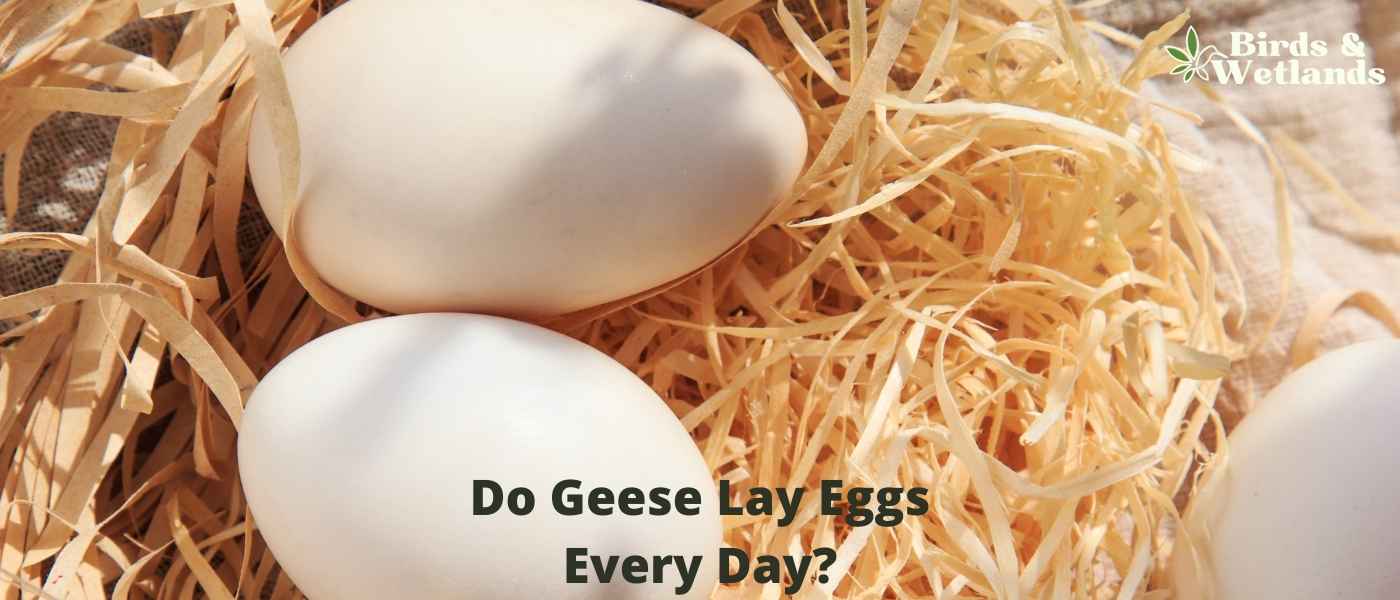
Geese usually lay an egg every one or two days until they have a clutch size of around 2-10 eggs. They lay their eggs just after their breeding season. Once all of the eggs have been laid, females...
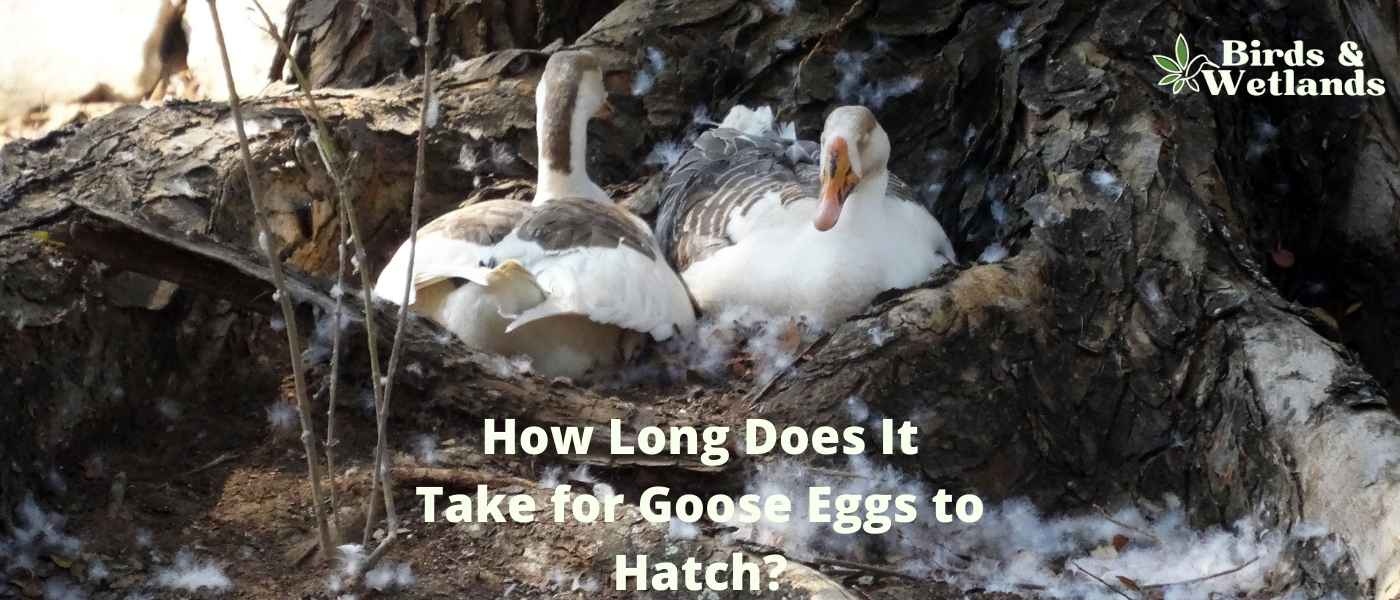
On average, goose eggs take about 28 to 35 days to hatch, depending on the specific species. The African and Chinese geese breeds typically have a shorter incubation period of around 28 days, while...
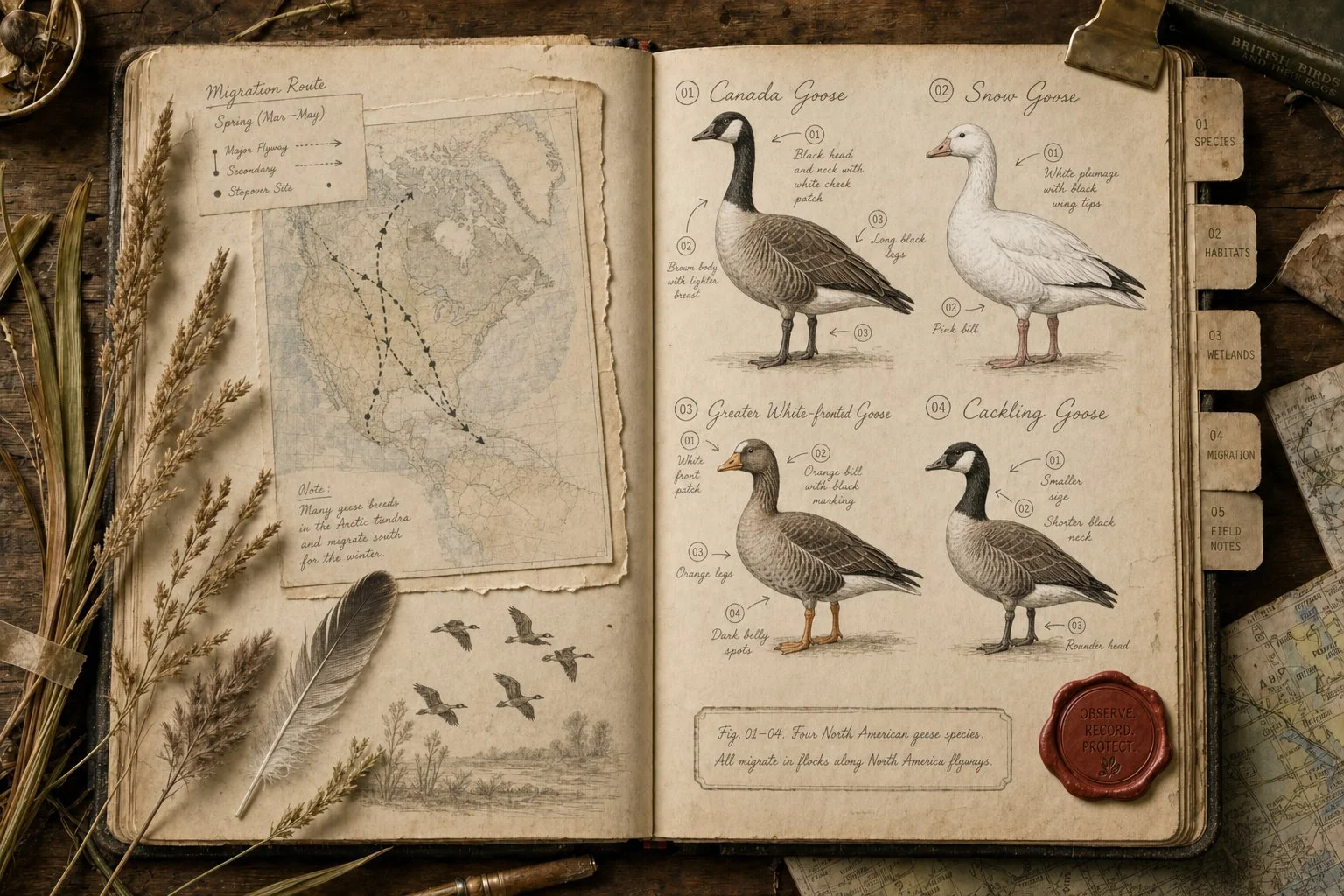
A naturalist's identification guide to the seven goose species that breed or winter in North America - which is which, where they migrate, and the differences most field guides understate.