№ 7912 Jul 2026
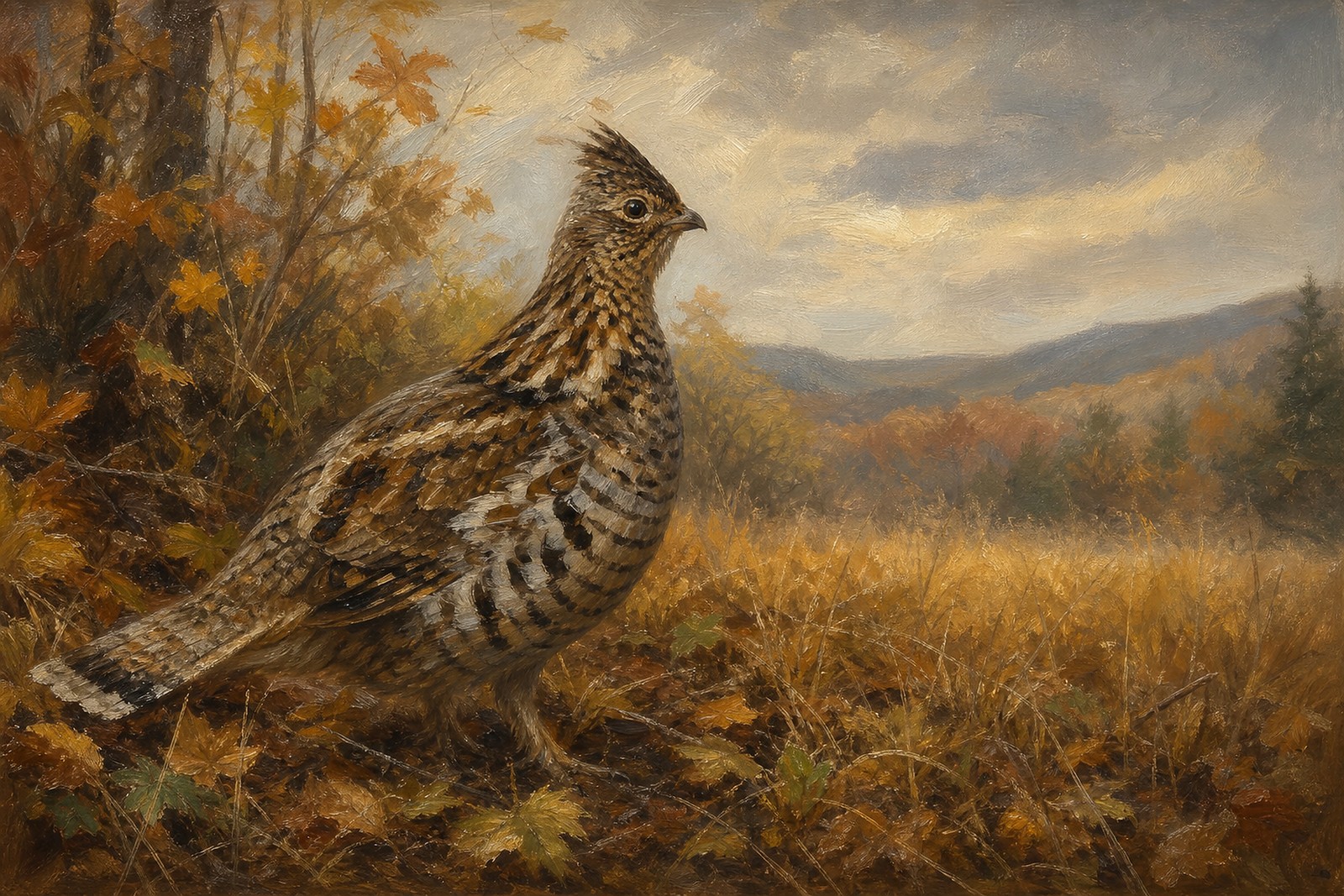
Art Above the Fireplace: Getting the Scale Right
The two-thirds rule, the right hanging height, and the case for landscape formats: how to size art above a fireplace so the most-looked-at wall in the house finally looks finished.
Glass, cloth, rubber, paper
Practical dispatches for getting closer to the birds: what to feed them and how, which plants to grow, the feeders and field guides worth owning, and the small kit that makes a morning at the water better.
79 dispatches filed under this habitat
The two-thirds rule, the right hanging height, and the case for landscape formats: how to size art above a fireplace so the most-looked-at wall in the house finally looks finished.
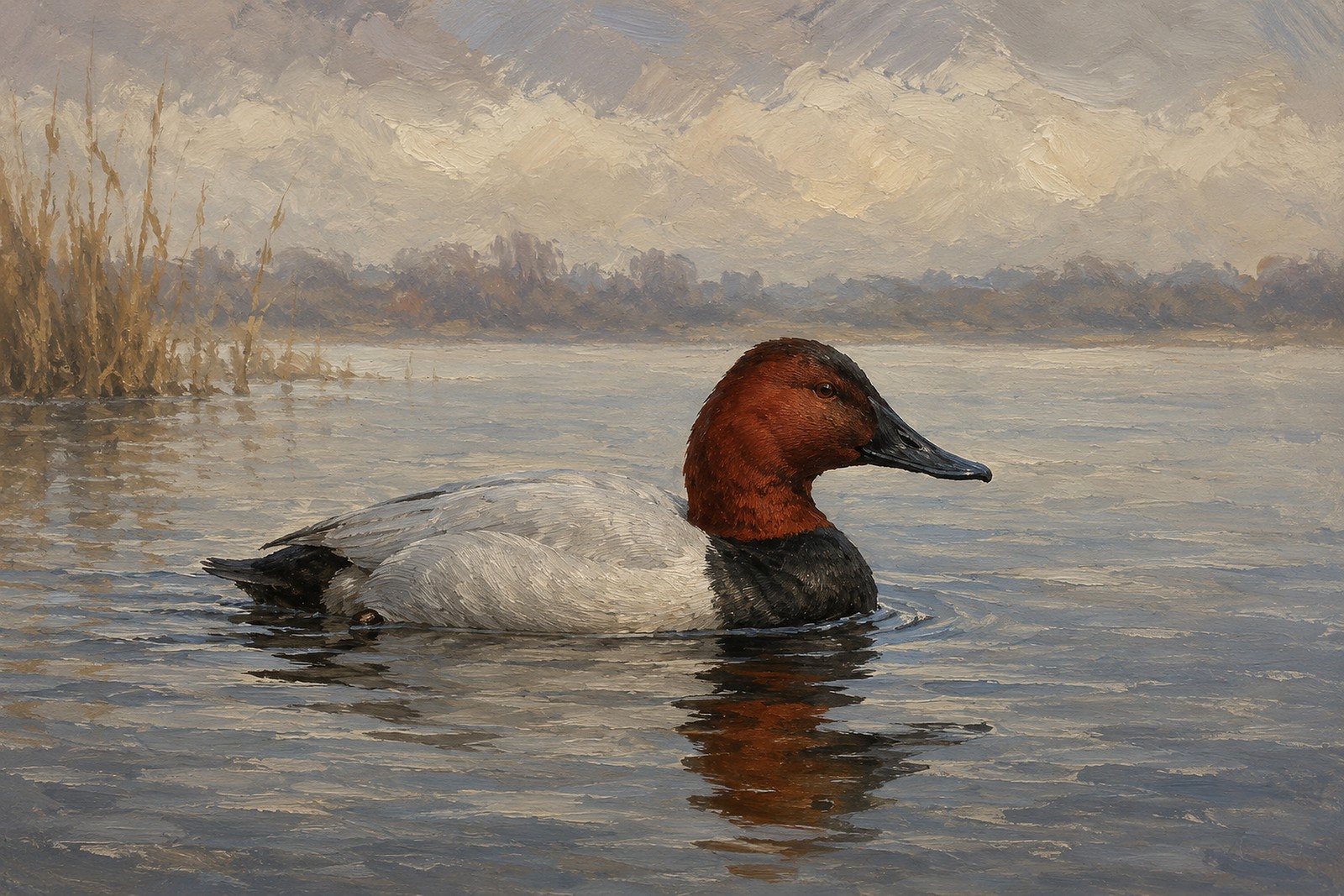
The wall above a leather sofa defeats more art than any other spot in the house, and the fix is a palette problem, not a taste problem.
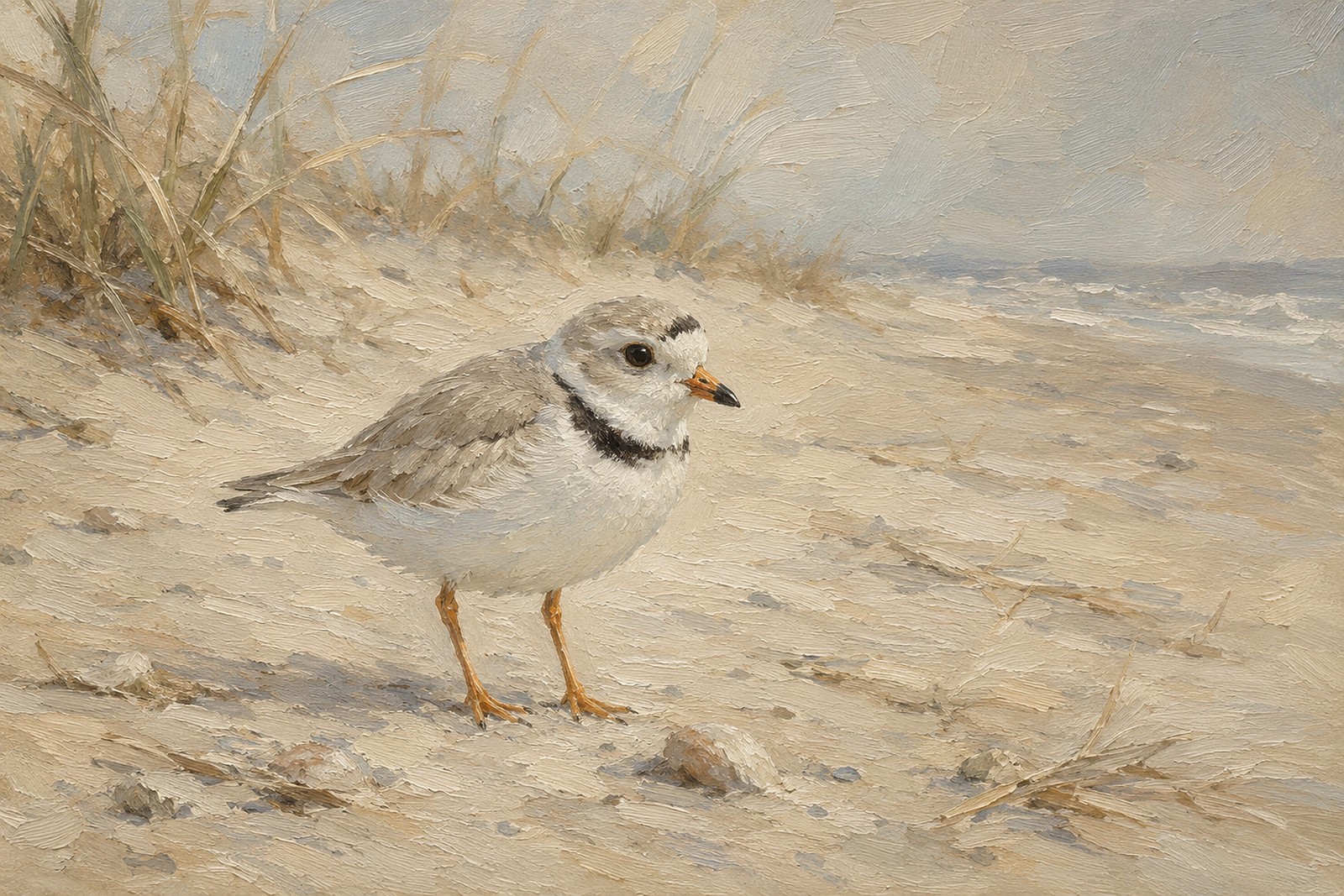
An honest guide to which art survives a steamy bathroom, which does not, and why the frame and the fan are doing most of the work.
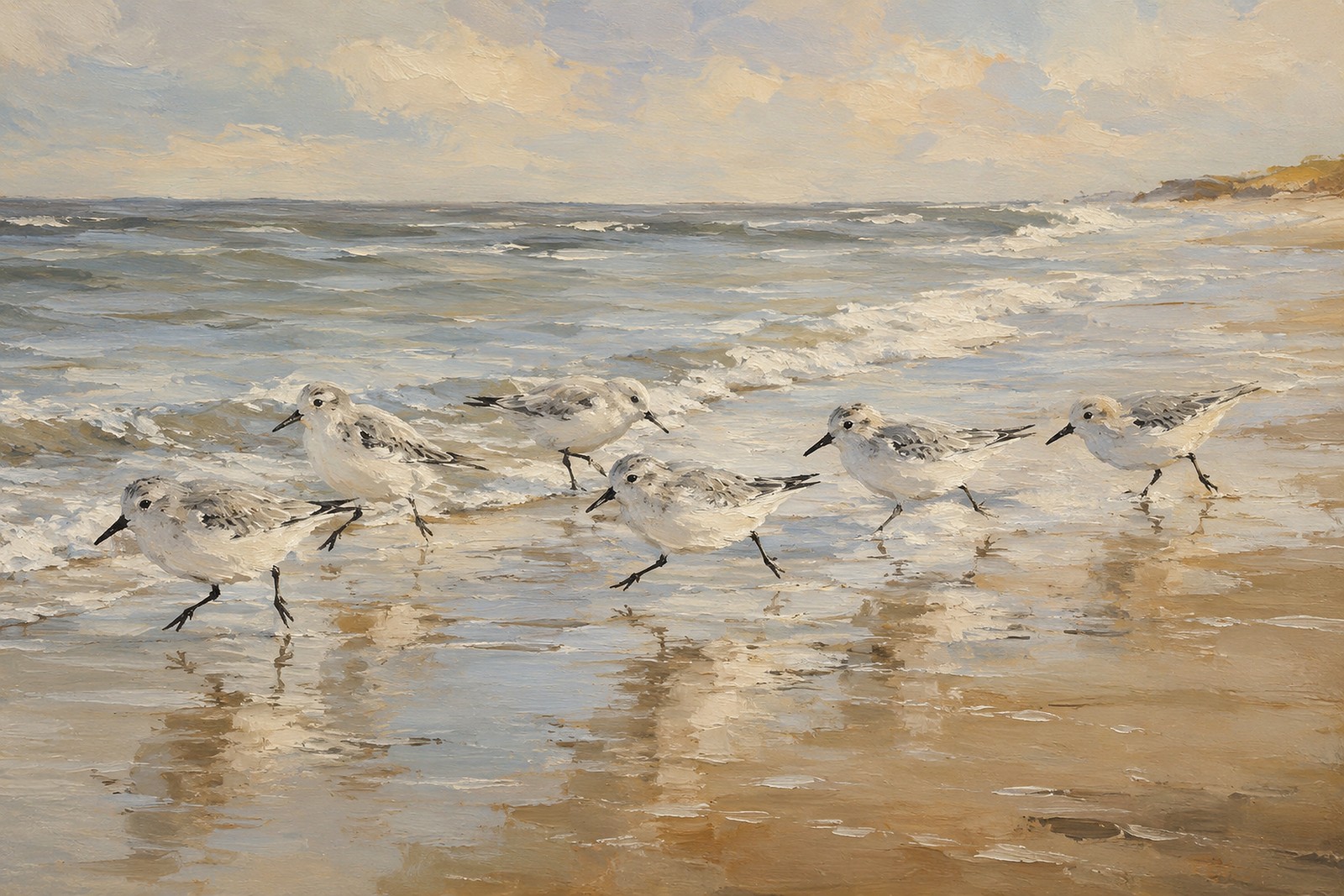
How to give something to a beach house owner that involves no anchor motifs, no rope frames and no signs announcing that life is better in flip flops.
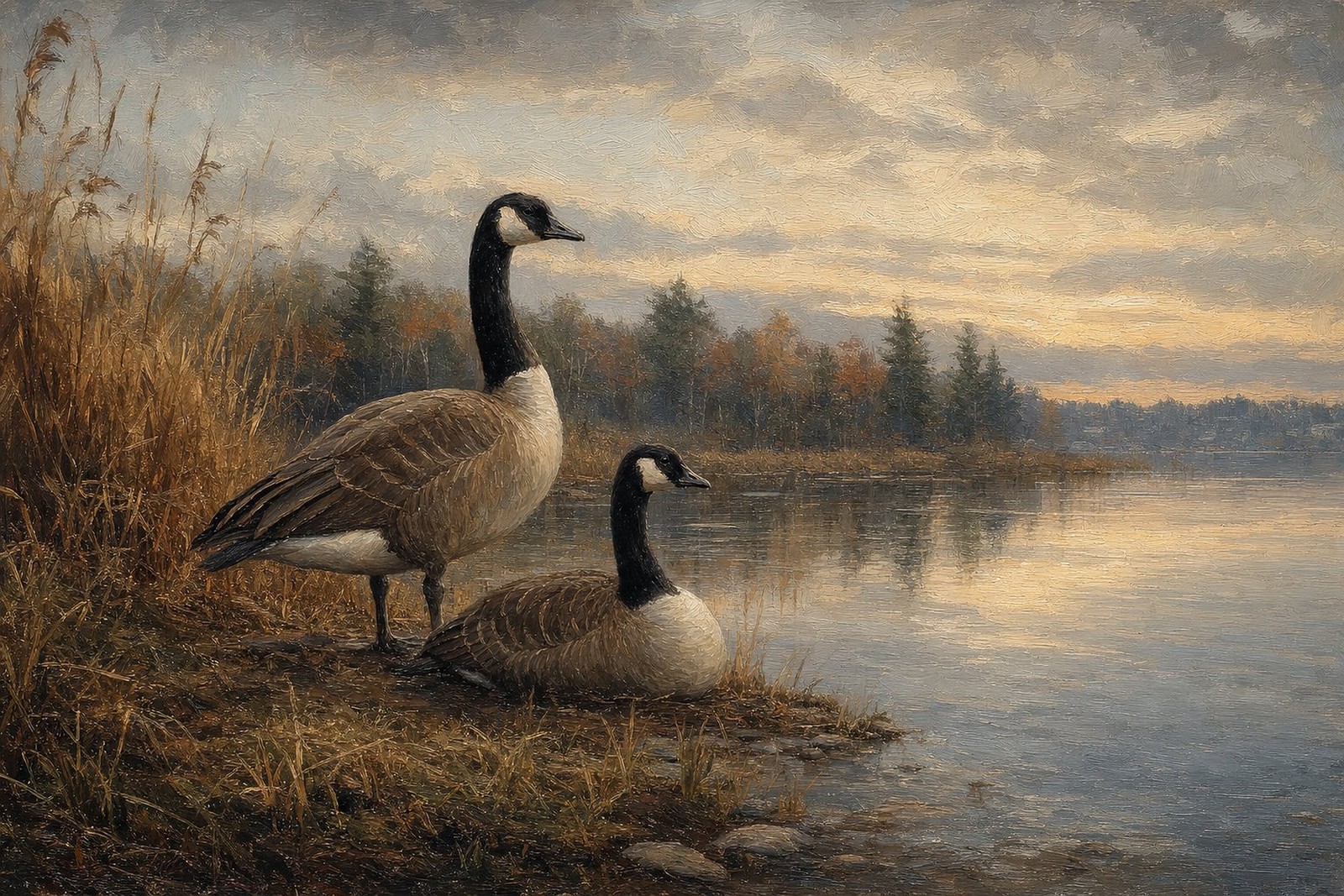
Why the black-necked silhouette every American knows by heart makes the most dependable goose print you can hang, and how to choose between a calm pair and a flight scene.
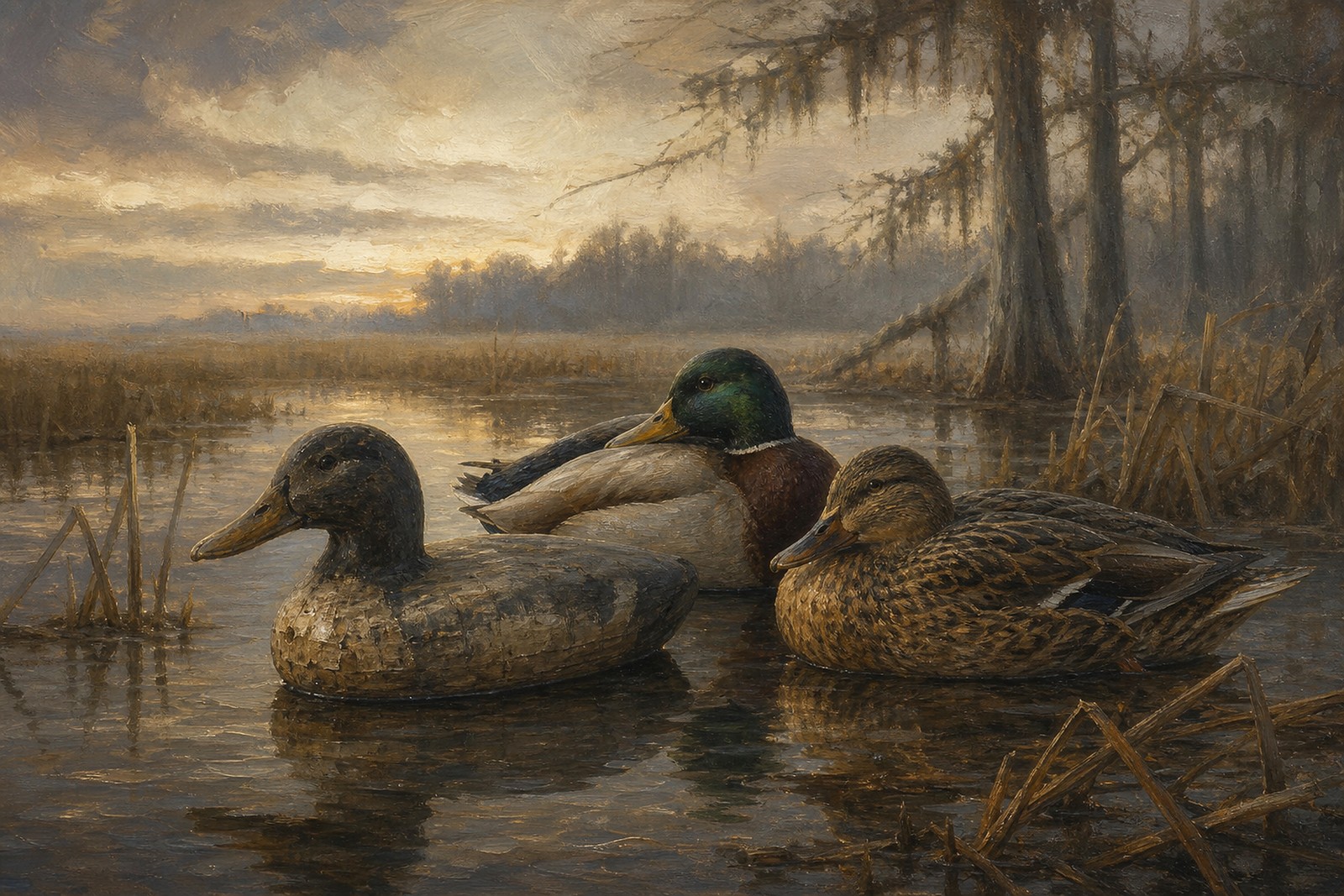
An evergreen Christmas guide for the duck hunter on your list, and the case for a print that will still hang in the den long after this season's gear is retired.
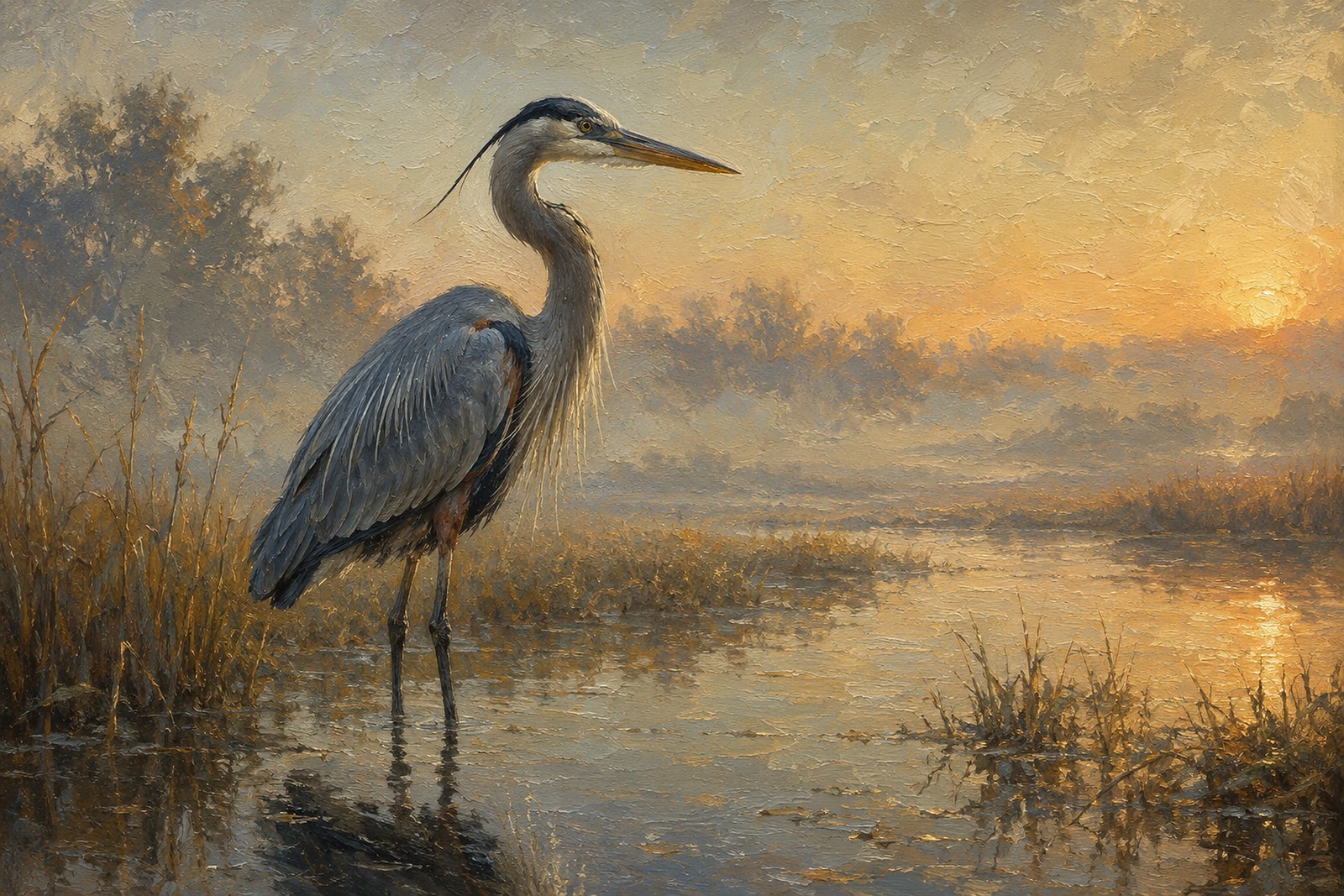
You can live by the water without hanging a single anchor, and quiet wetland art in the style of antique oil painting is how the best coastal homes manage it.
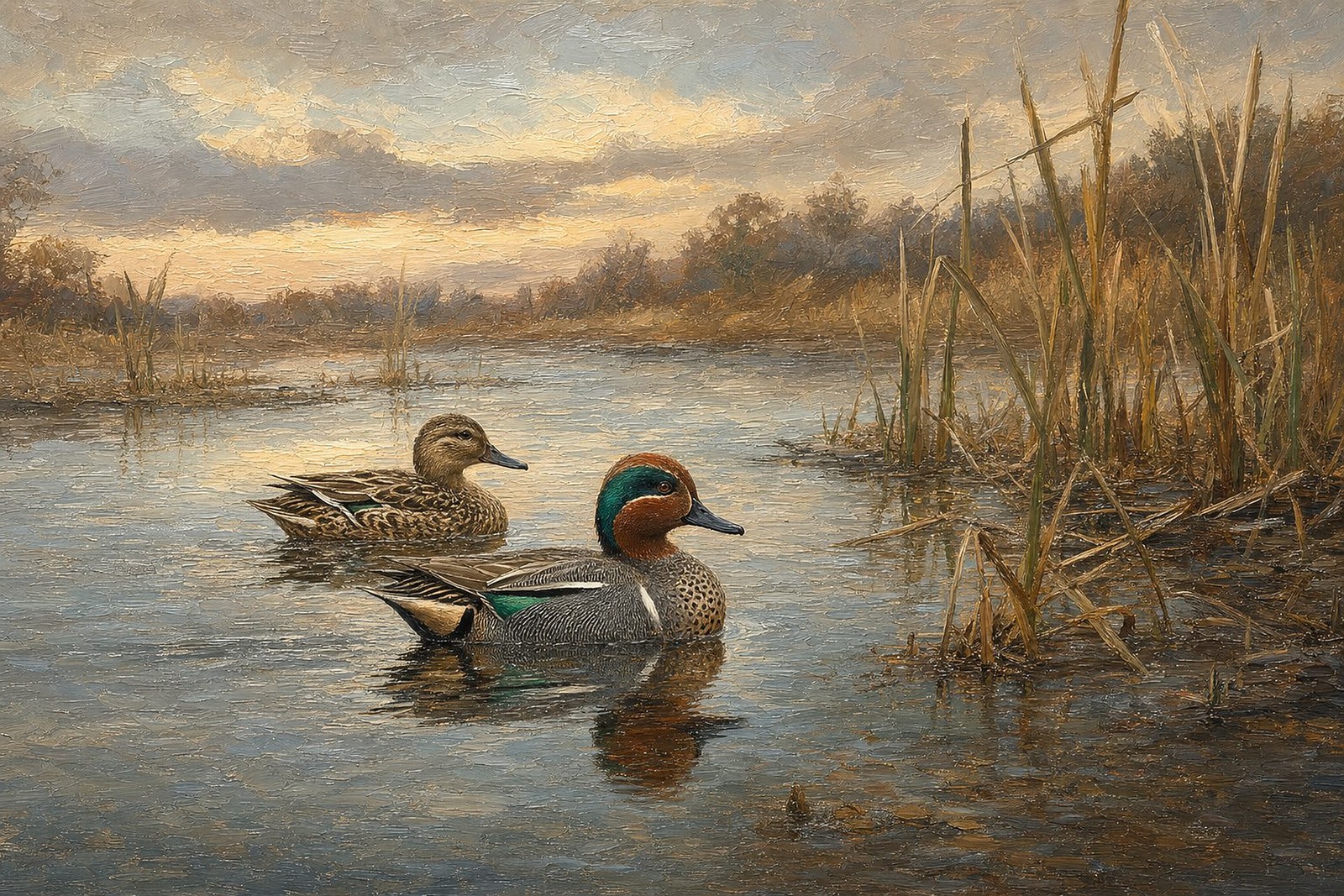
For over ninety years the federal duck stamp has funded American wetlands with a postage-sized piece of art, and its composition rules still teach a wall how to behave.
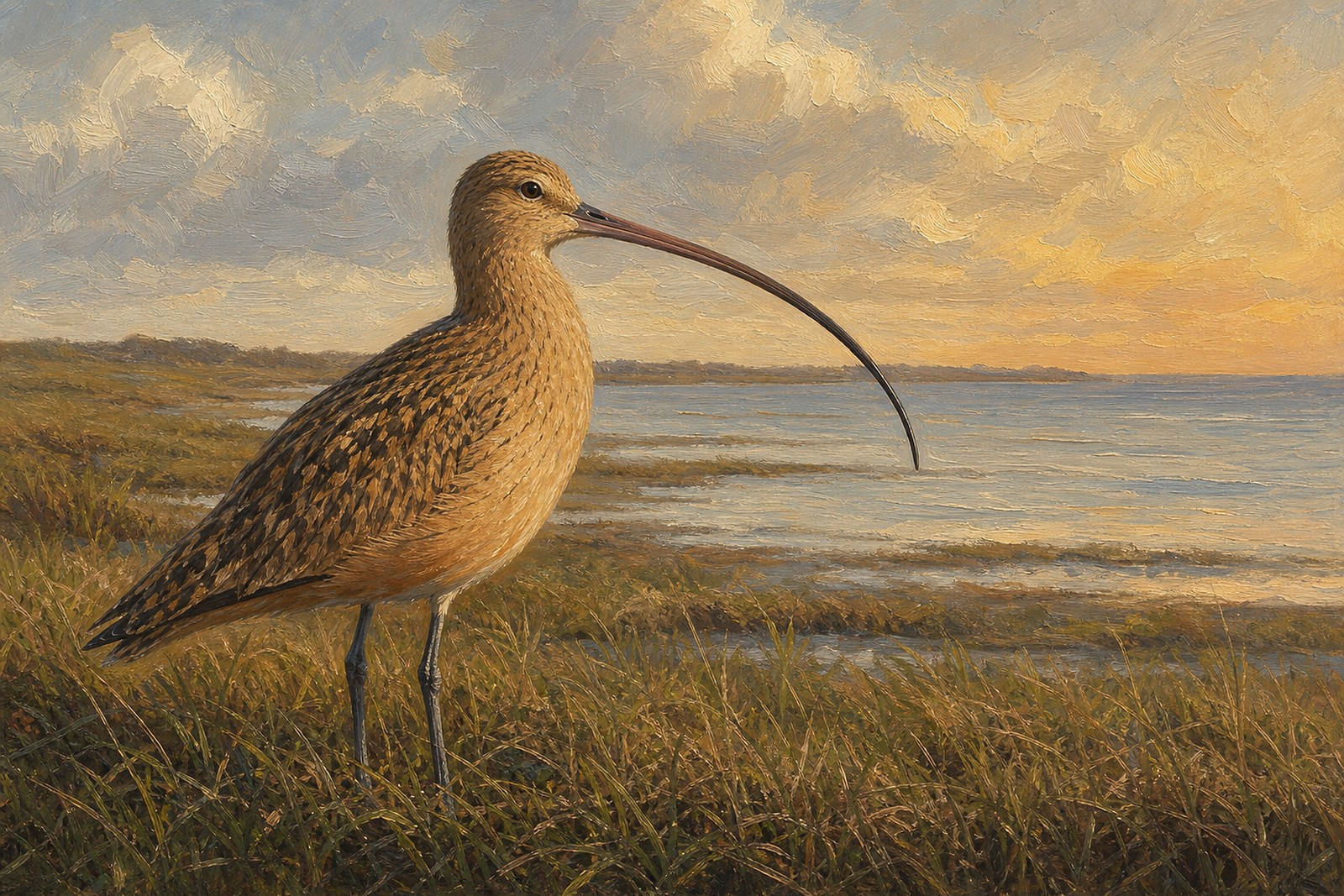
Why the extravagant bills of curlews and godwits draw the strongest lines in shorebird art, and where the open-plain look belongs in a house.
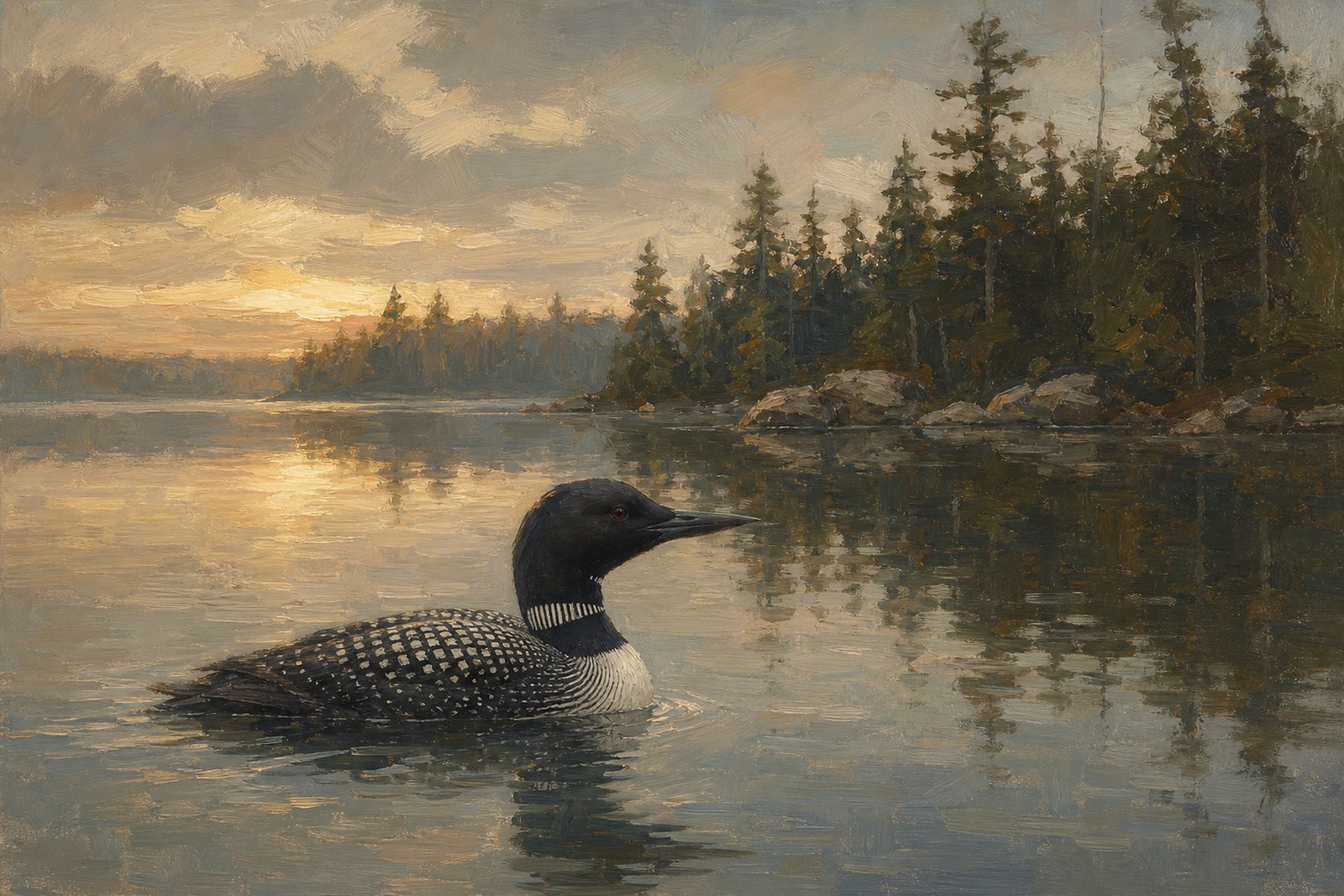
Lake house and beach house get filed under the same waterfront label, but they are two different palettes, two different moods, and two different birds.
A room-by-room guide to lake house wall art, from the single big anchor in the great room to the stepped prints in the stairwell, with the scale rules and species picks that make the whole house look deliberate.
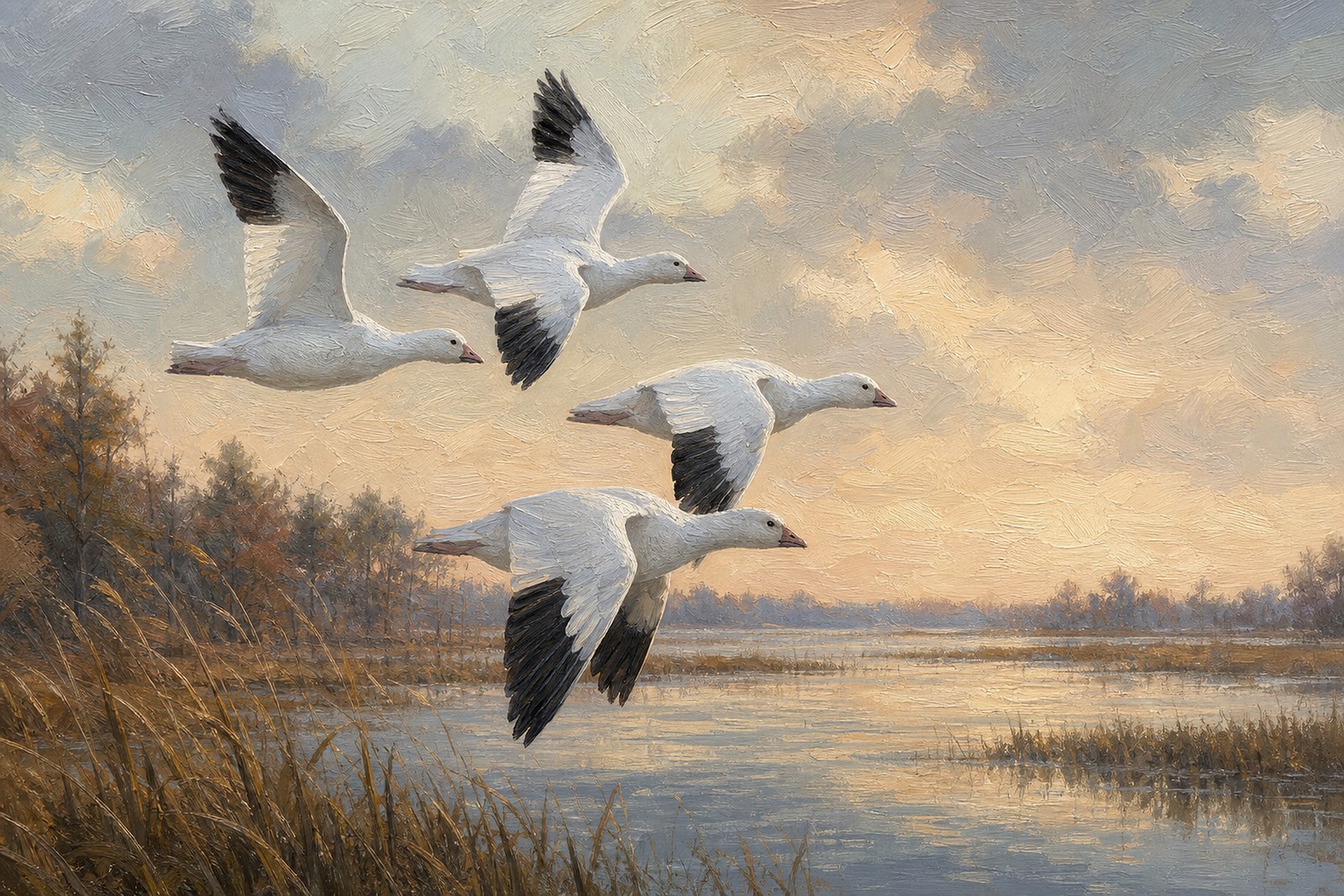
Long hallways feel like corridors because nothing asks the eye to pause, and a rhythmic run of landscape prints is the cheapest architecture you can add to a house.
Why the common loon, with its midnight wail and checkerboard back, makes the most evocative print a lake house wall can carry.
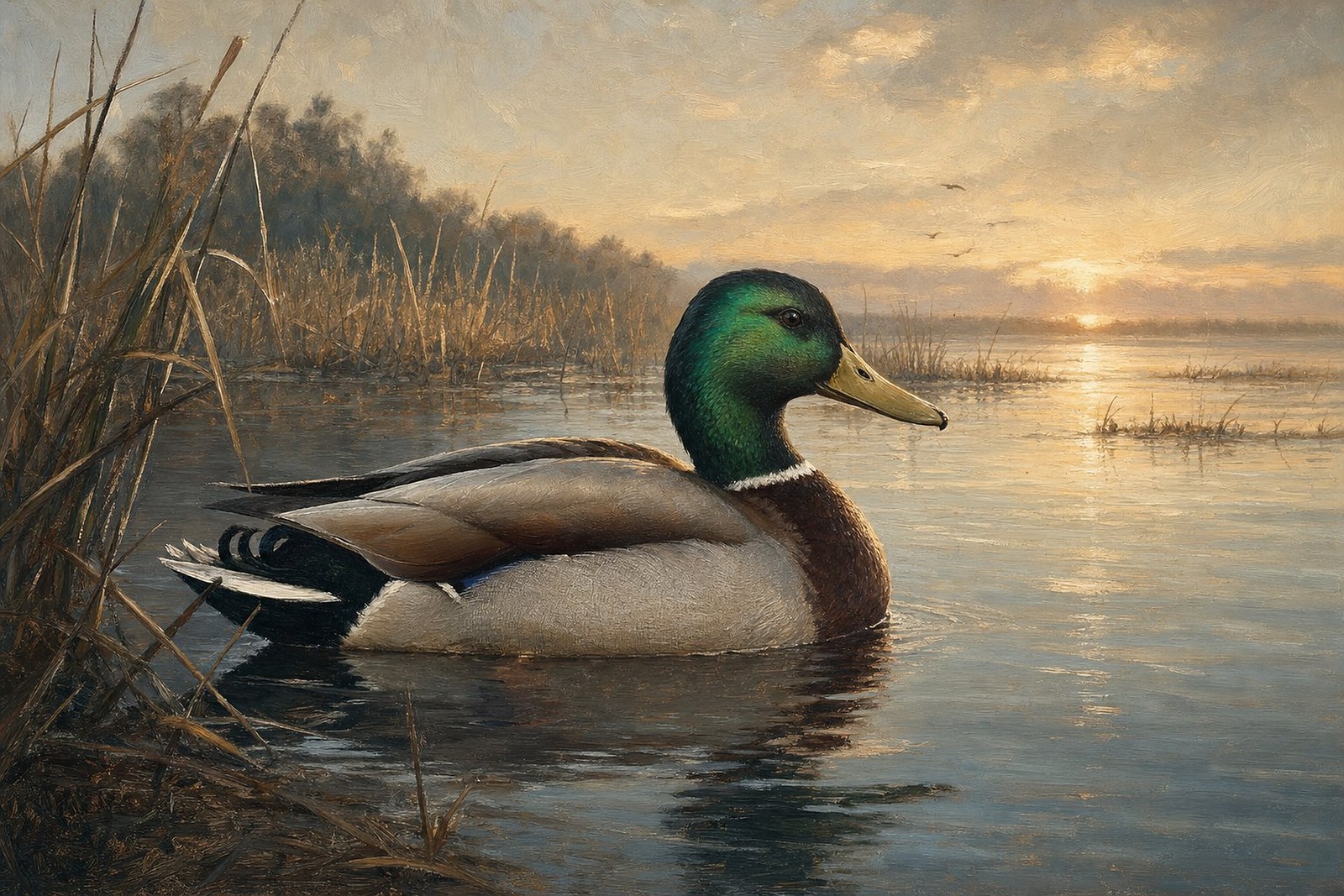
Why the mallard drake remains the default American duck print, and how to hang one so a den, office or cabin wall looks considered rather than merely decorated.
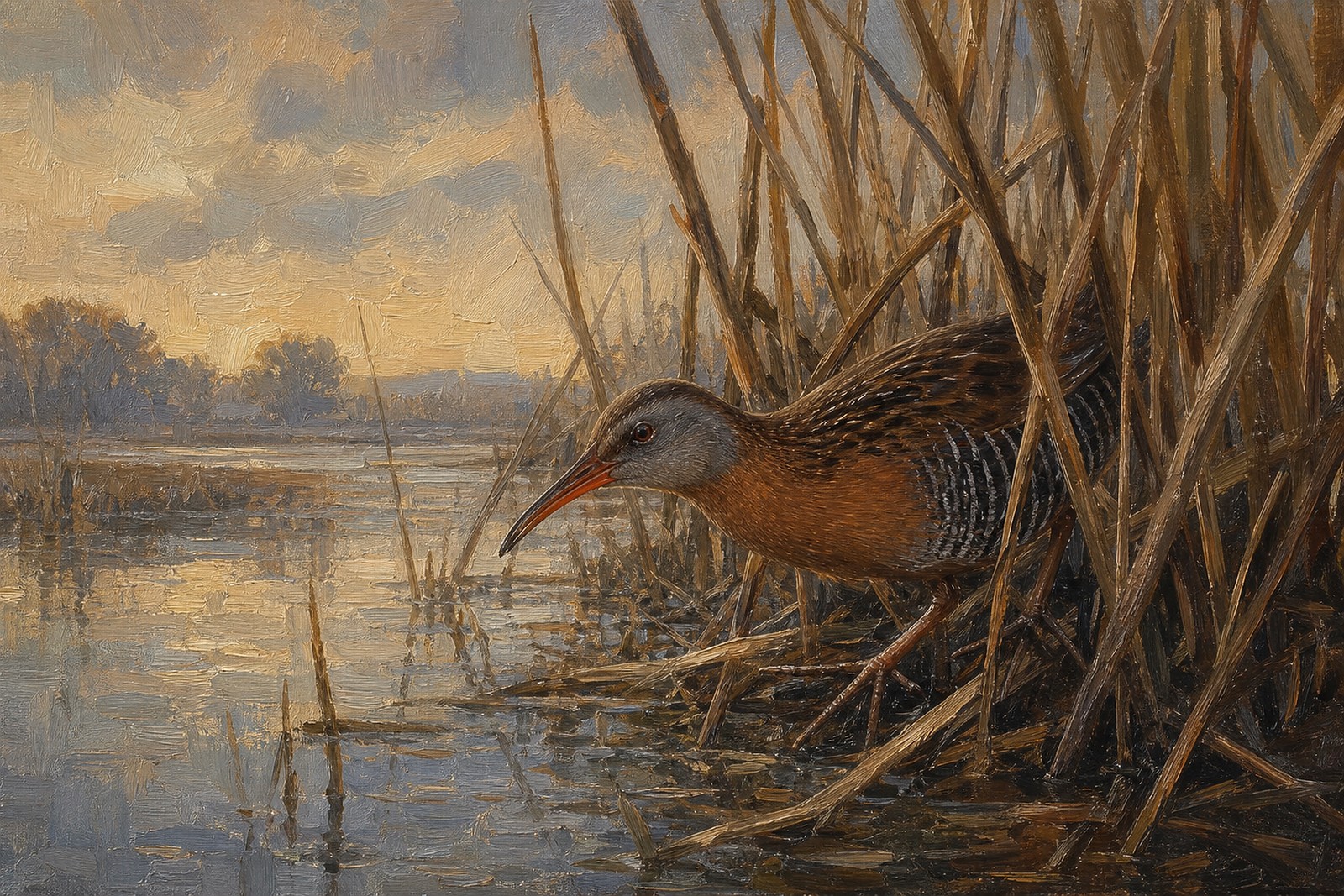
Rails, bitterns, and the limpkin are the marsh's best-kept secrets, and they make the most interesting bird prints in the house.
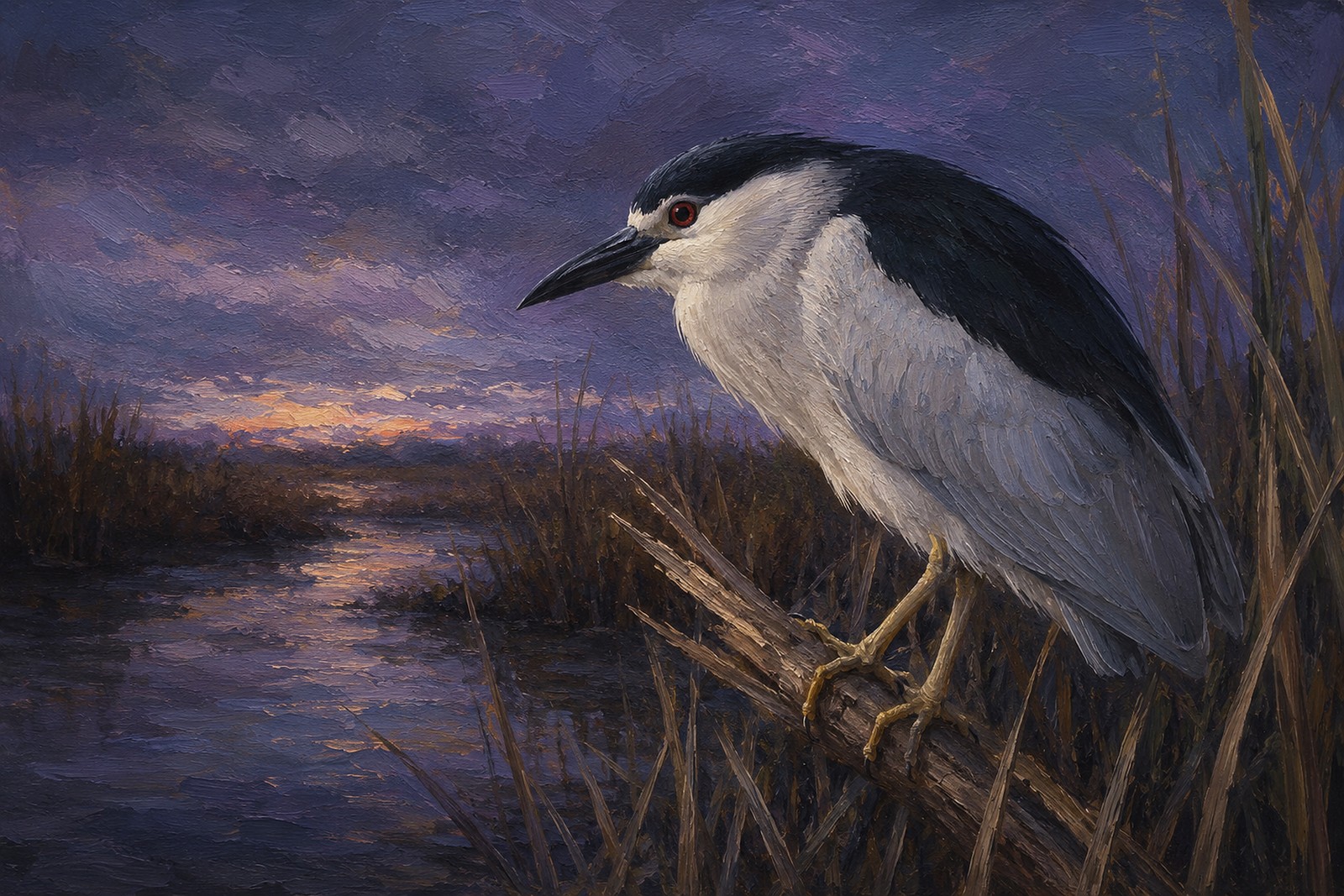
Most coastal art is stuck at high noon, but the black-crowned night heron brings dusk with it and solves the darkest corner in the house.
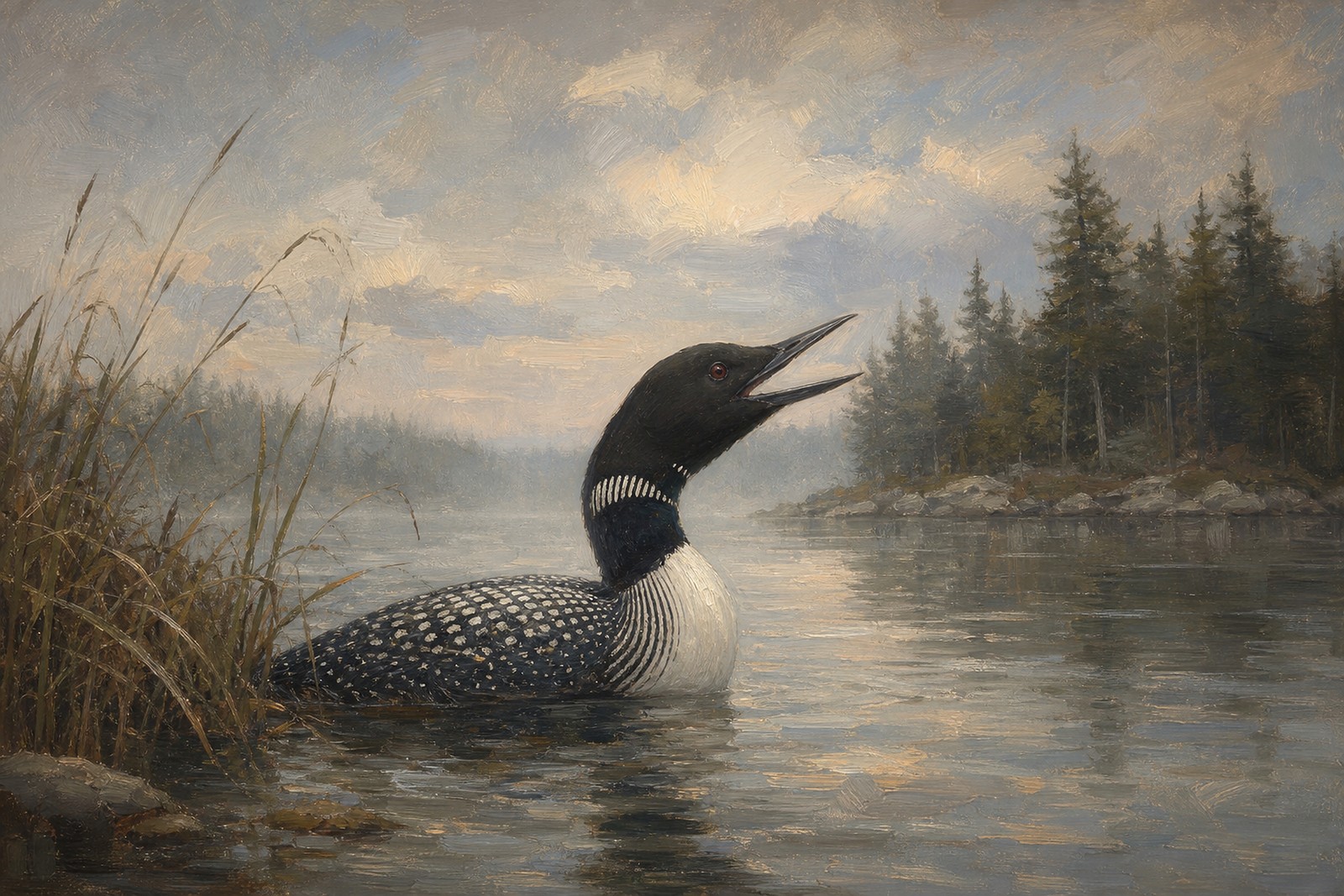
Pine, mist, granite, and one loon: how to decorate a northwoods cabin with art that belongs to the lake instead of performing for it.
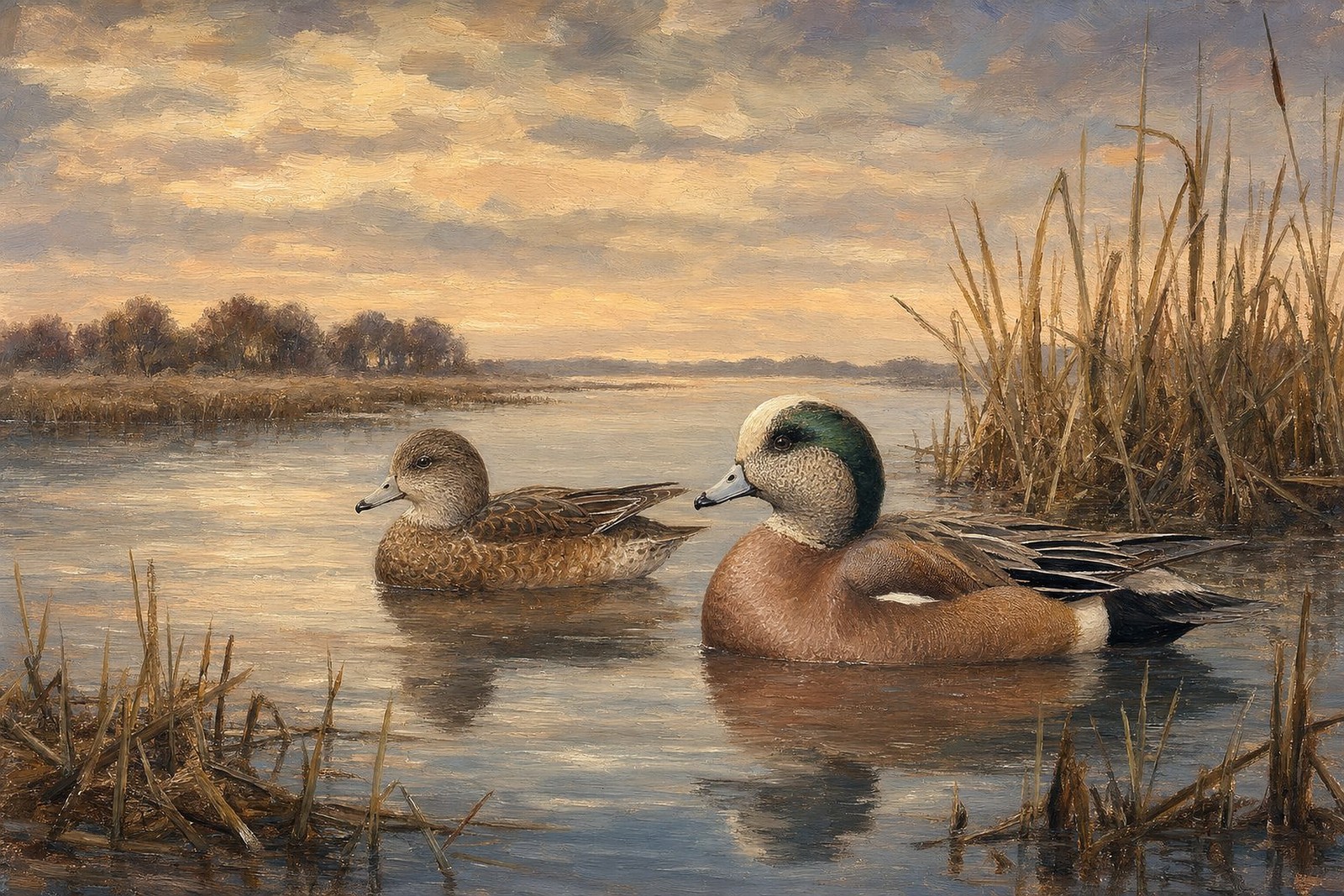
Real houses are full of small walls that defeat big art and swallow tiny frames, and the answer is one properly scaled print with a horizon in it.
A room-by-room guide to decorating a beach house with oil-painting-style shorebird prints, from sanderling flocks to piping plovers, brown pelicans, and egrets.
12 gifts for the duck hunter in your life that aren't another call or another box of shells, from oil-painting-style waterfowl prints to the small camp gear that actually gets used.
A gift guide for the wetland bird lover in your life: oil-painting-style prints of heron, loon, kingfisher, and swan first, then the field gear and days out that round out the perfect gift.
A decor guide to waterfowl prints for the hunting lodge or den: which birds suit the room, how to pair them, dark-wood pairings, and what size to buy for the wall you actually have.
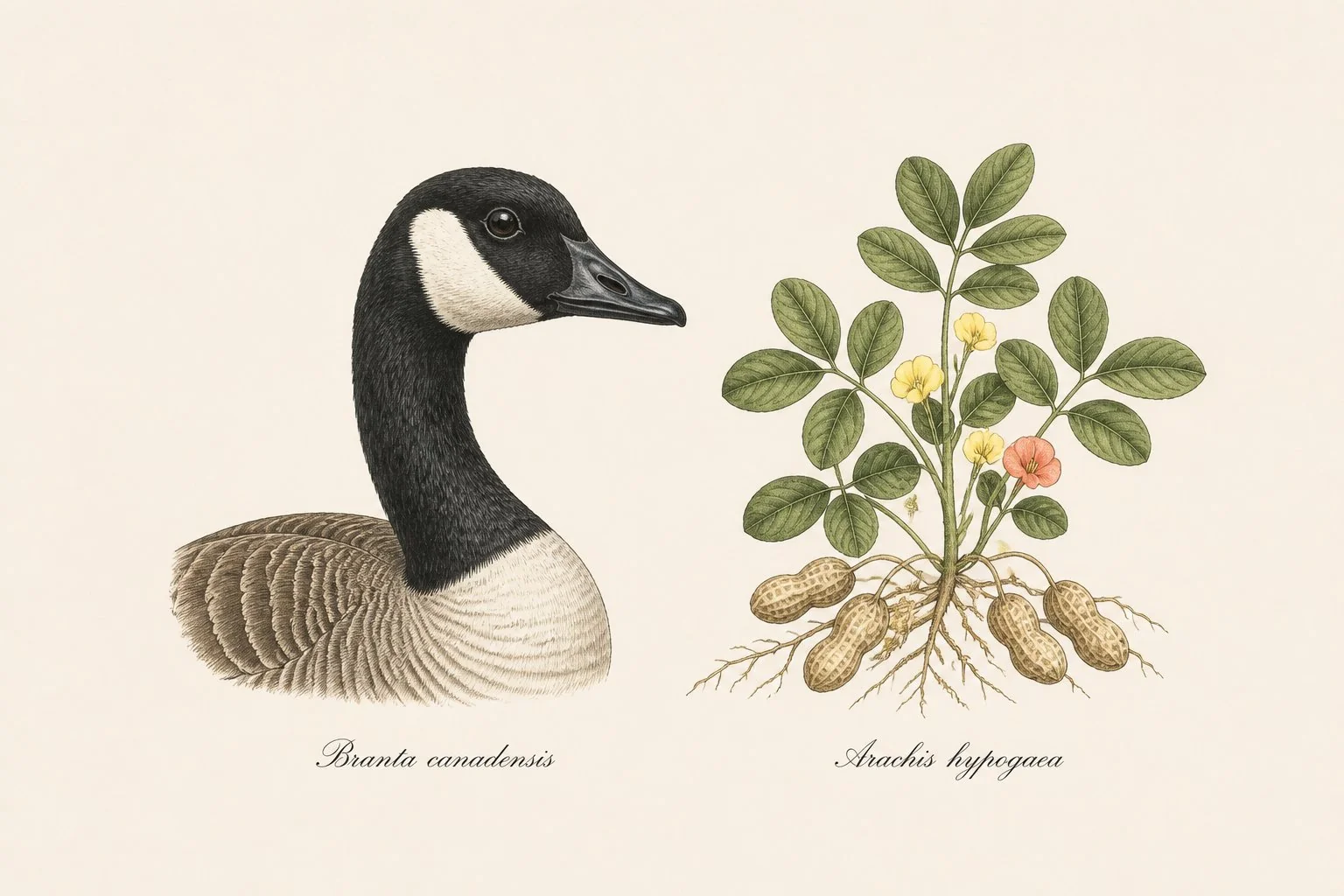
Geese can safely eat raw unsalted nuts in small quantities. Peanuts, almonds, walnuts and pecans are all fine when chopped fine and offered as treats. Salted, smoked, or flavoured nuts are not. Bitter almonds and macadamias should be avoided entirely.
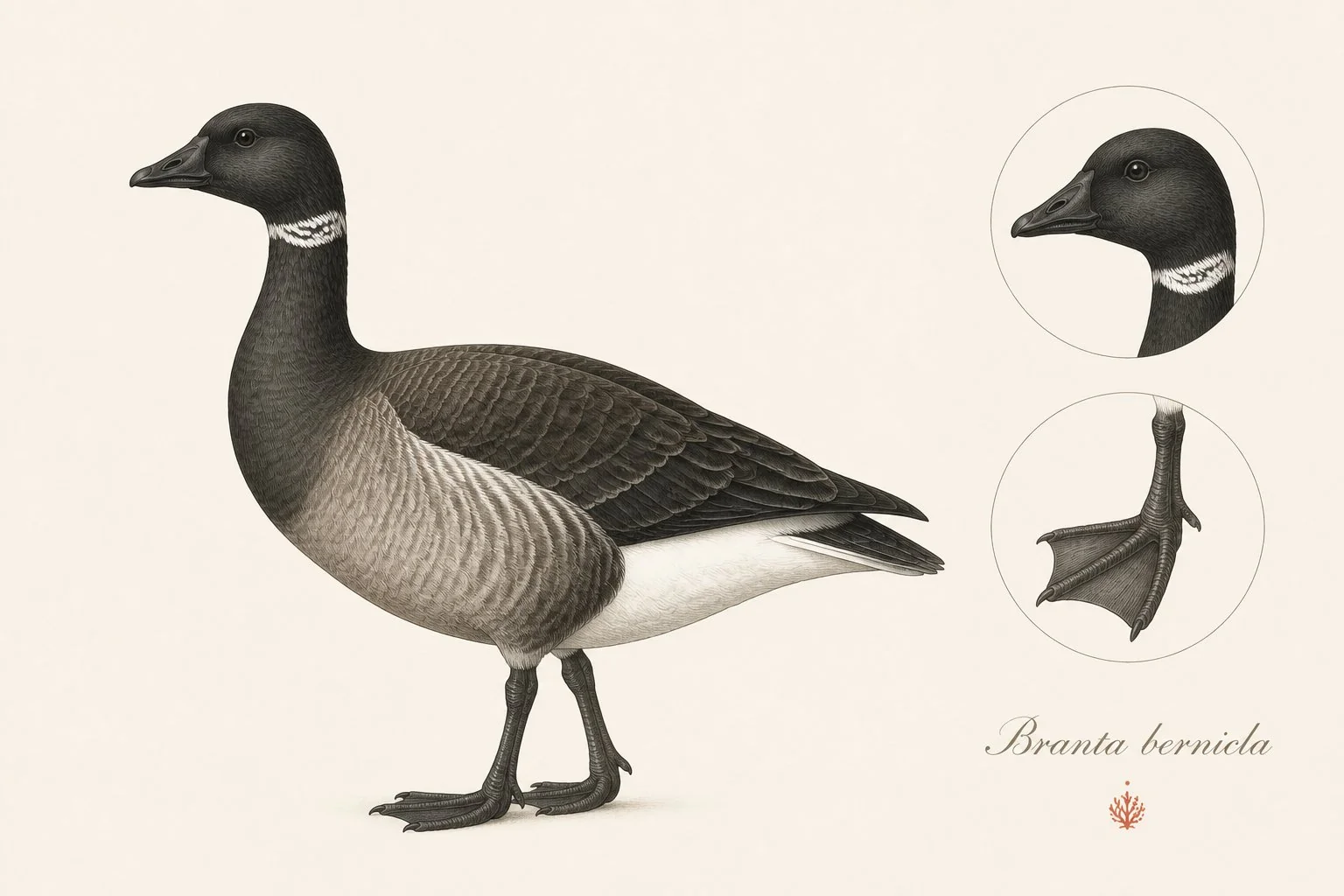
An 'all-black goose' in North America is almost always a Brant (Branta bernicla) - a small saltwater goose of arctic origin. Less commonly it's a feral Cackling, melanistic Canada, or domestic Chinese variant. Here's how to tell them apart by size, bill, and habitat.
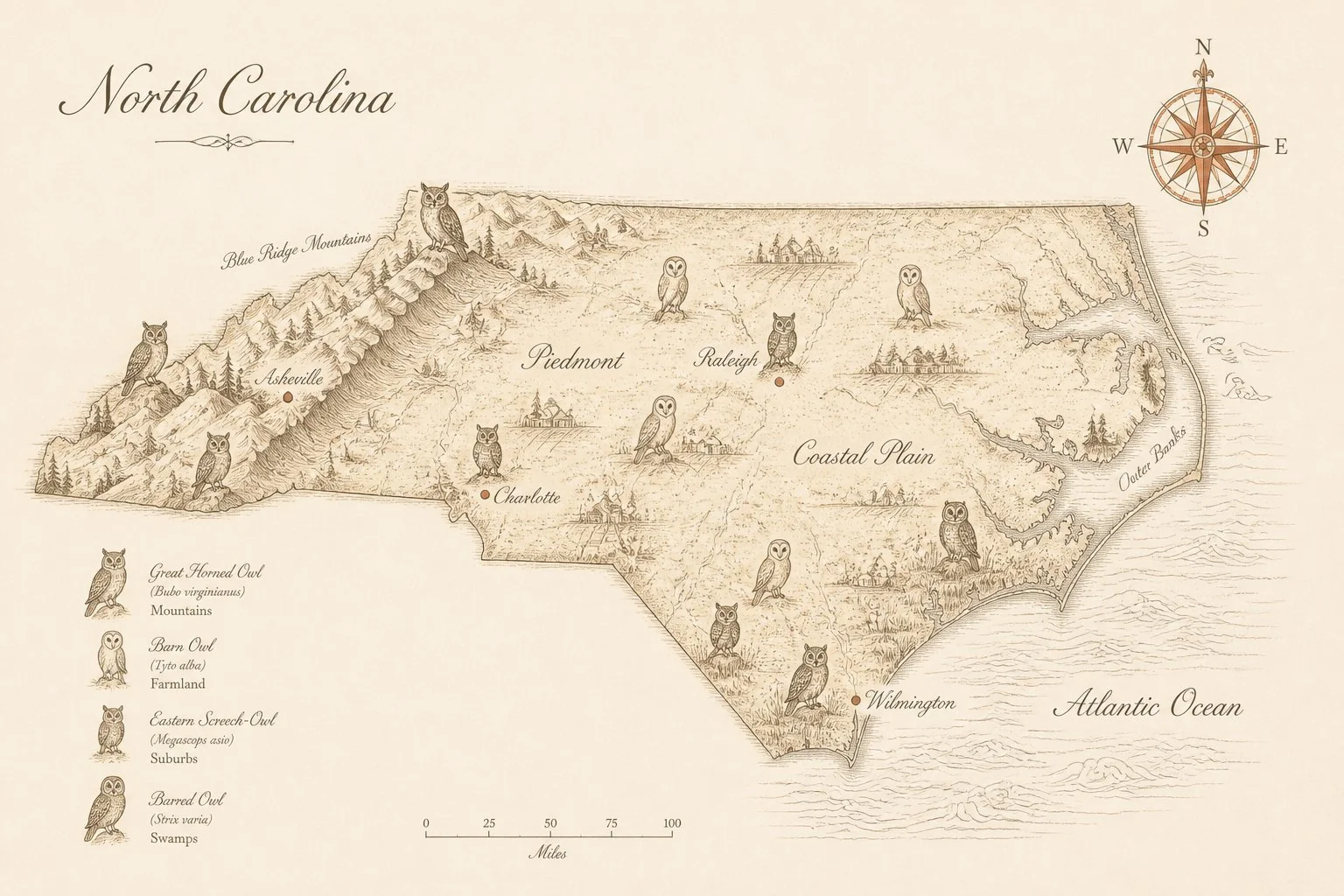
North Carolina hosts six regularly-occurring owl species across the Blue Ridge, Piedmont and coastal plain. Great Horned, Barred, Eastern Screech, and Barn are the four you'll genuinely encounter; Short-eared and Northern Saw-whet appear seasonally. Here's where to find each, and how to identify them by call.
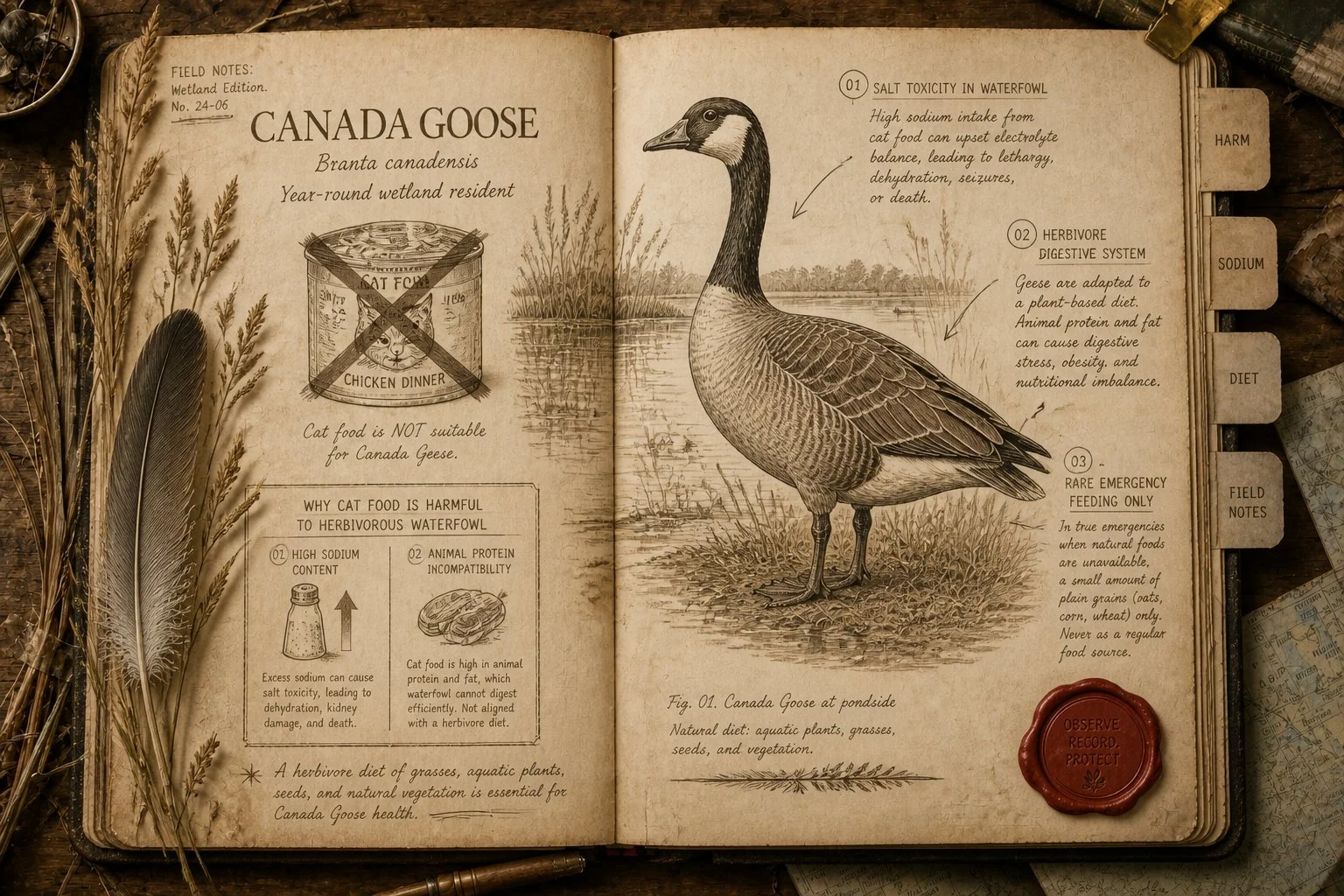
Cat food is too high in protein (30-40% vs geese's 10-20% need), too high in salt, and too low in fibre for waterfowl. It won't poison a goose that snatches a piece but it's nutritionally wrong as a regular food. Stick to formulated waterfowl feed.
Geese can safely eat ripe mango flesh in moderation. The pit contains amygdalin (cyanogenic, like apple seeds and cherry pits) and the skin contains urushiol - both should be removed. Chop into pea-sized pieces; treat as an occasional fruit treat, not a staple.
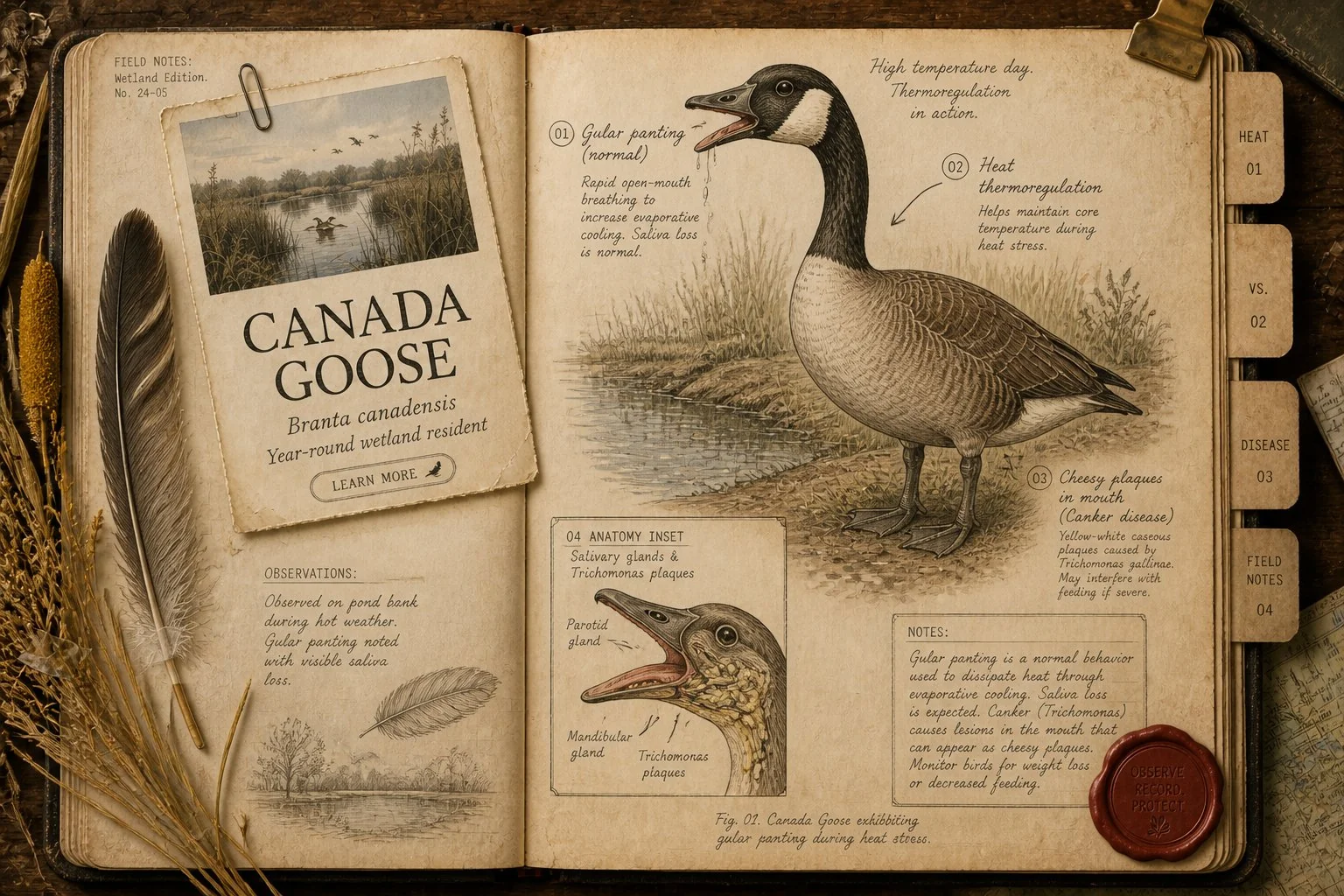
Geese do produce saliva, and they sometimes open the beak and let it visibly run during hot weather - this is gular panting, the avian equivalent of sweating. Persistent thick or yellow drool with swallowing difficulty is something else: usually trichomonosis (canker). Here's how to tell.
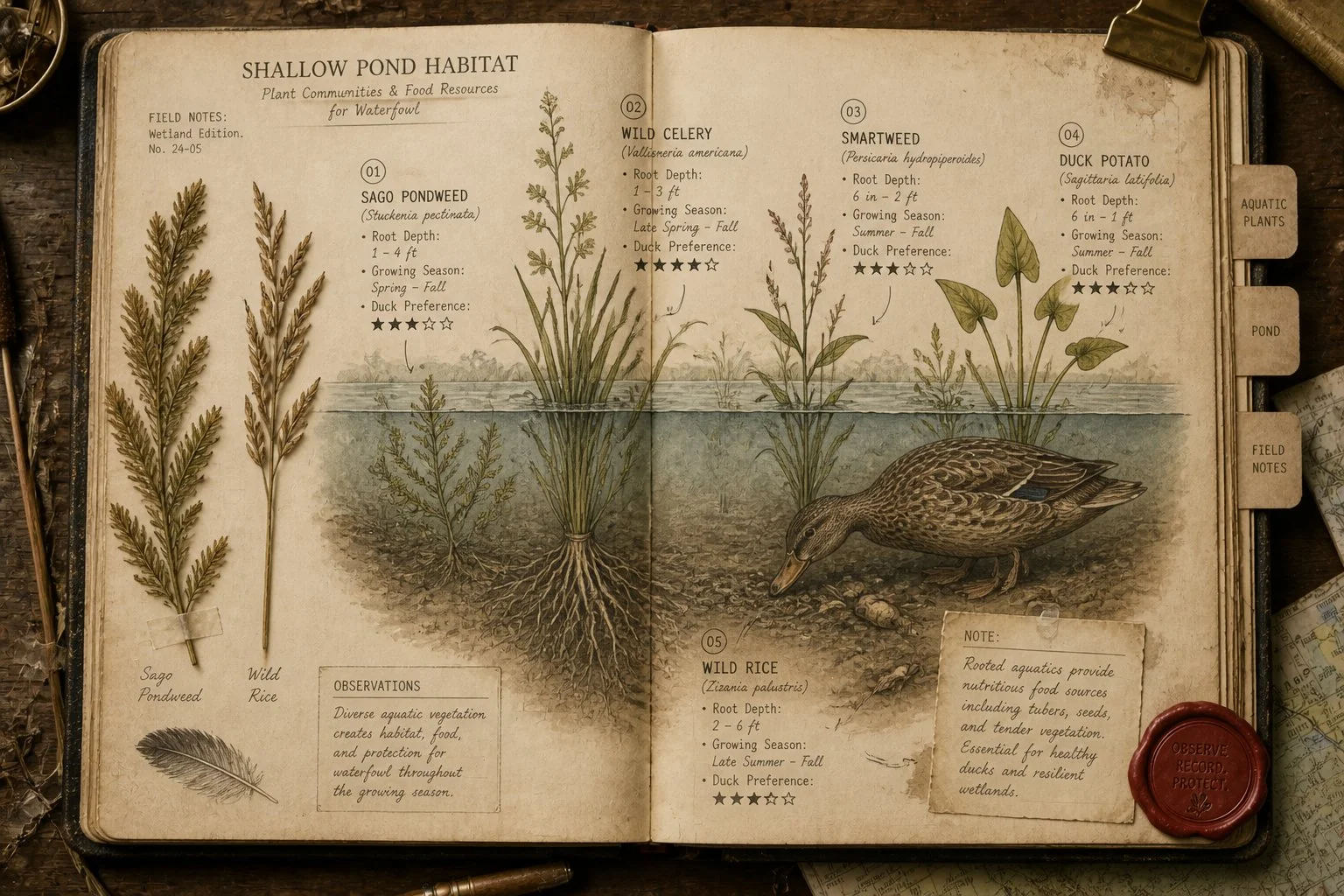
Five plants do most of the work in a duck pond - sago pondweed, wild celery, smartweed, duck potato, and wild rice. Each one feeds different parts of the duck guild. Here's how to establish them, what depth each prefers, and what to skip.
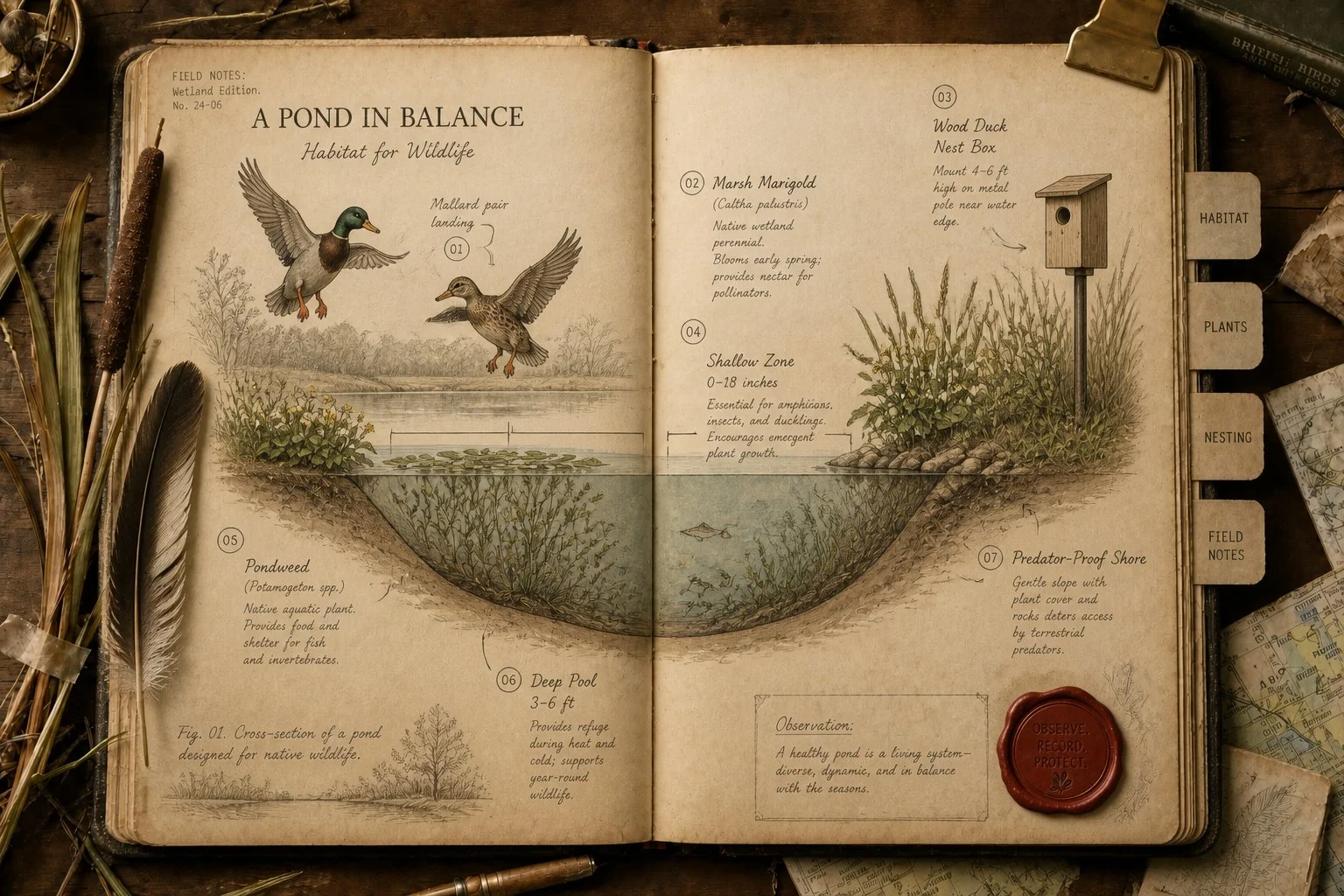
Wild ducks need four things: shallow margins for dabbling, submerged food plants, predator-proof cover, and nest cavities. Get those four into a one-acre pond and you'll have Mallards, Wood Ducks, and Hooded Mergansers within a single season.
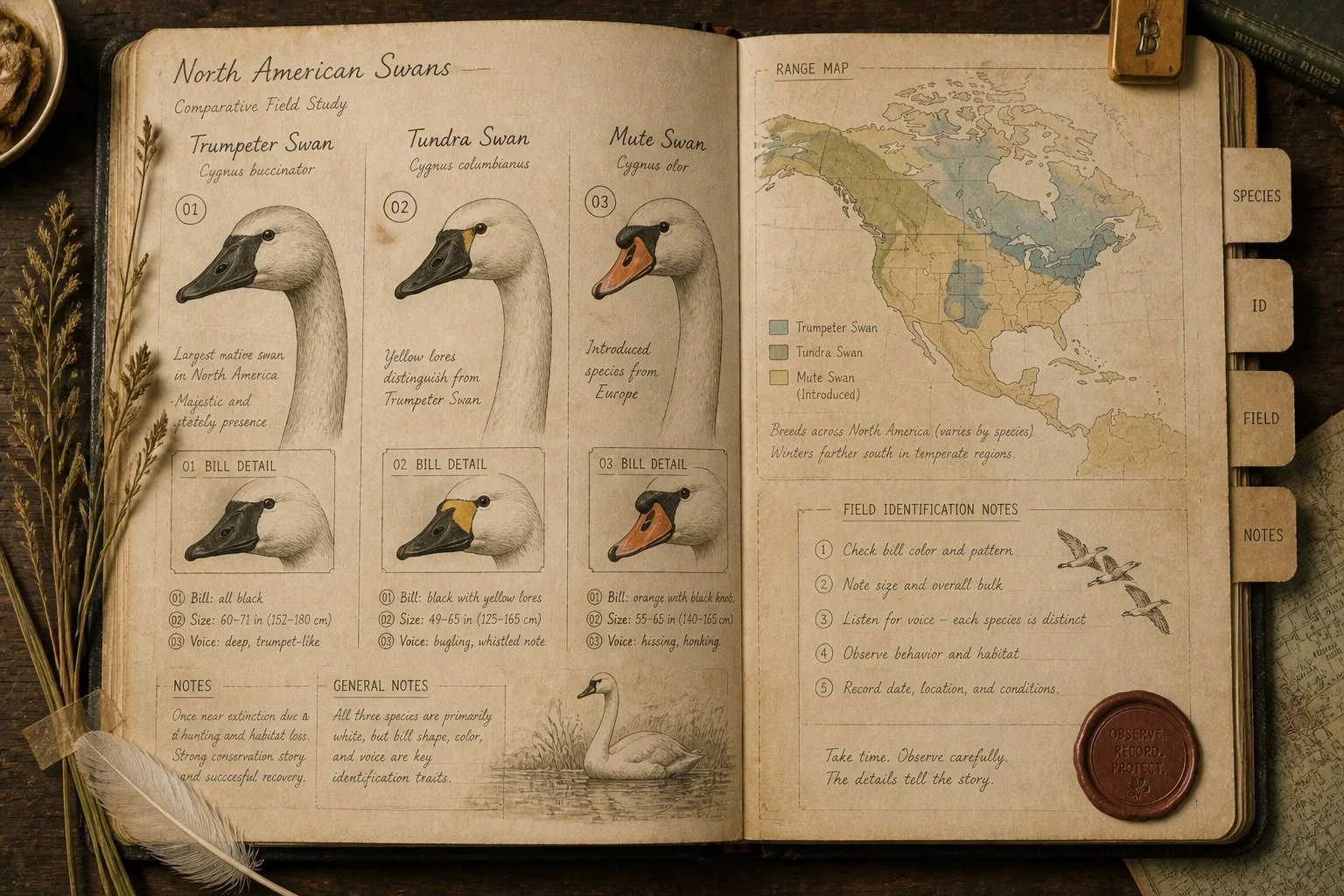
Three swan species occur in North America: the native Trumpeter (largest, with a clarion call), the native Tundra (smaller, more numerous), and the introduced Mute (Eurasian origin, common on parks and waterways). Here's how to tell them apart by bill, voice, and behaviour.
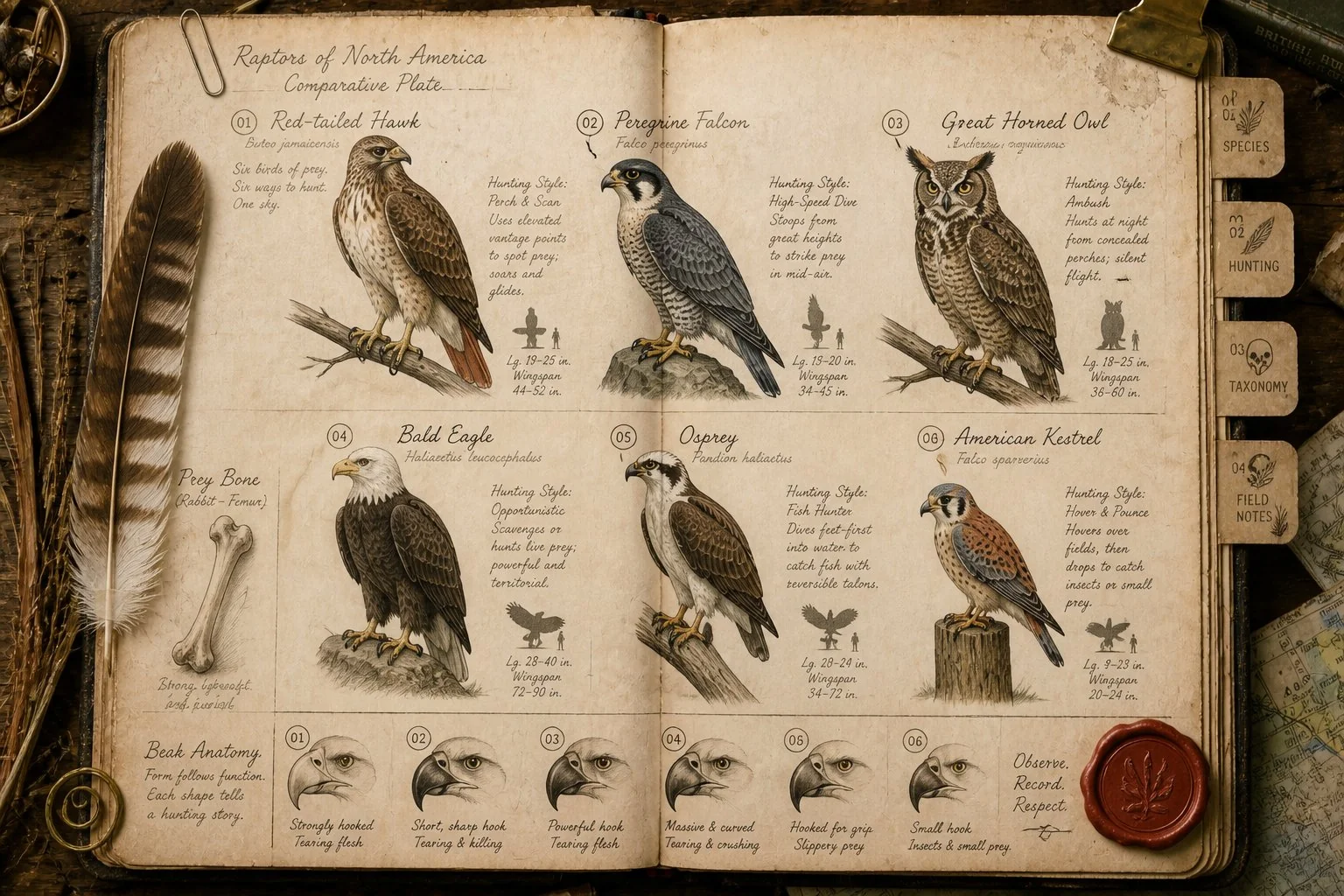
North America has 34 diurnal raptors and 19 owls. They split into five working groups - hawks, falcons, eagles, kites, and owls. Here's the per-group breakdown, how to tell them apart in flight, and the eight species you'll see most often.
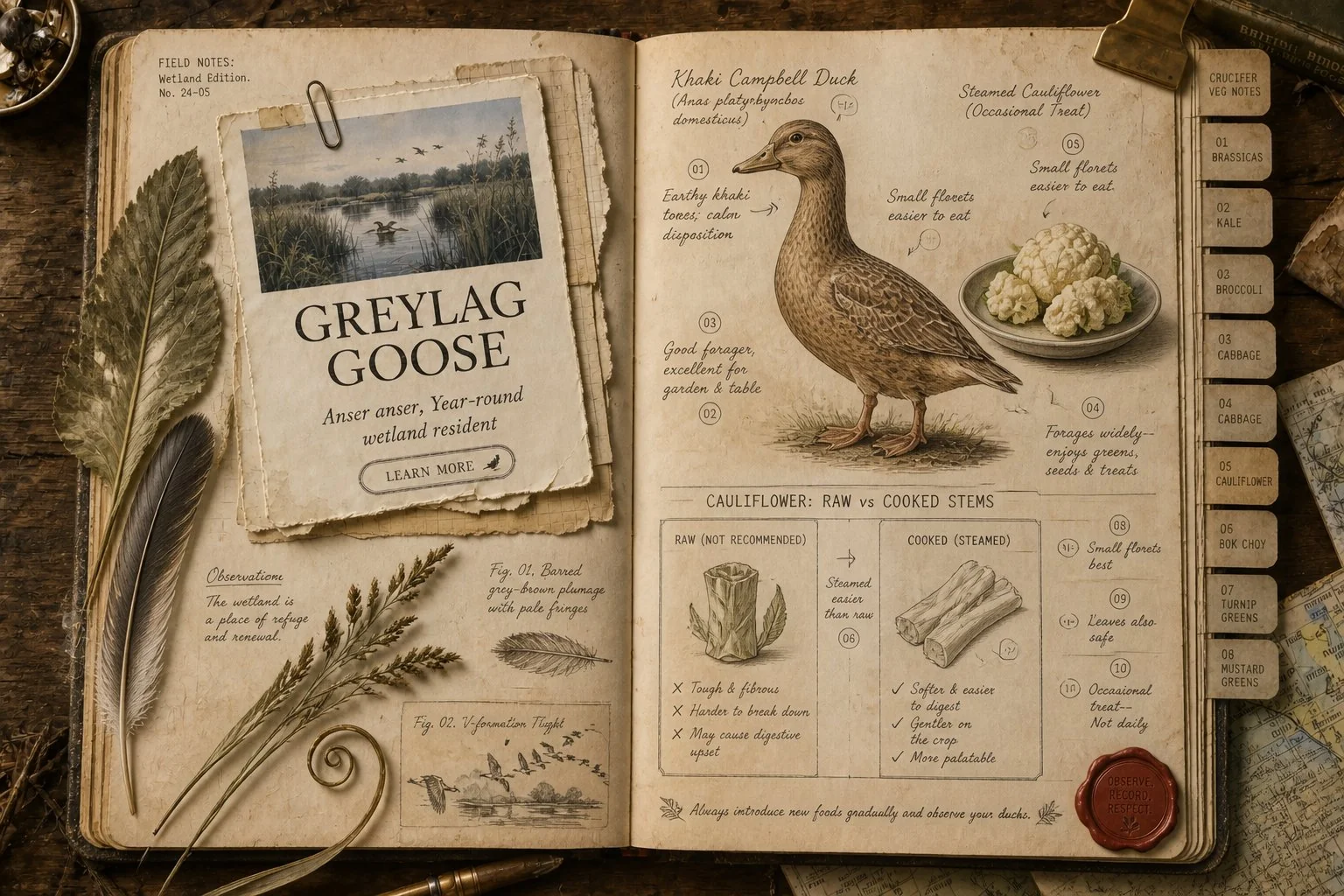
Cauliflower is safe for ducks - florets, stems, and the outer leaves are all edible. Steamed briefly is easier to digest than raw. As with all brassicas, feed in moderation to avoid loose droppings. The outer leaves alone are a useful free treat from kitchen prep.
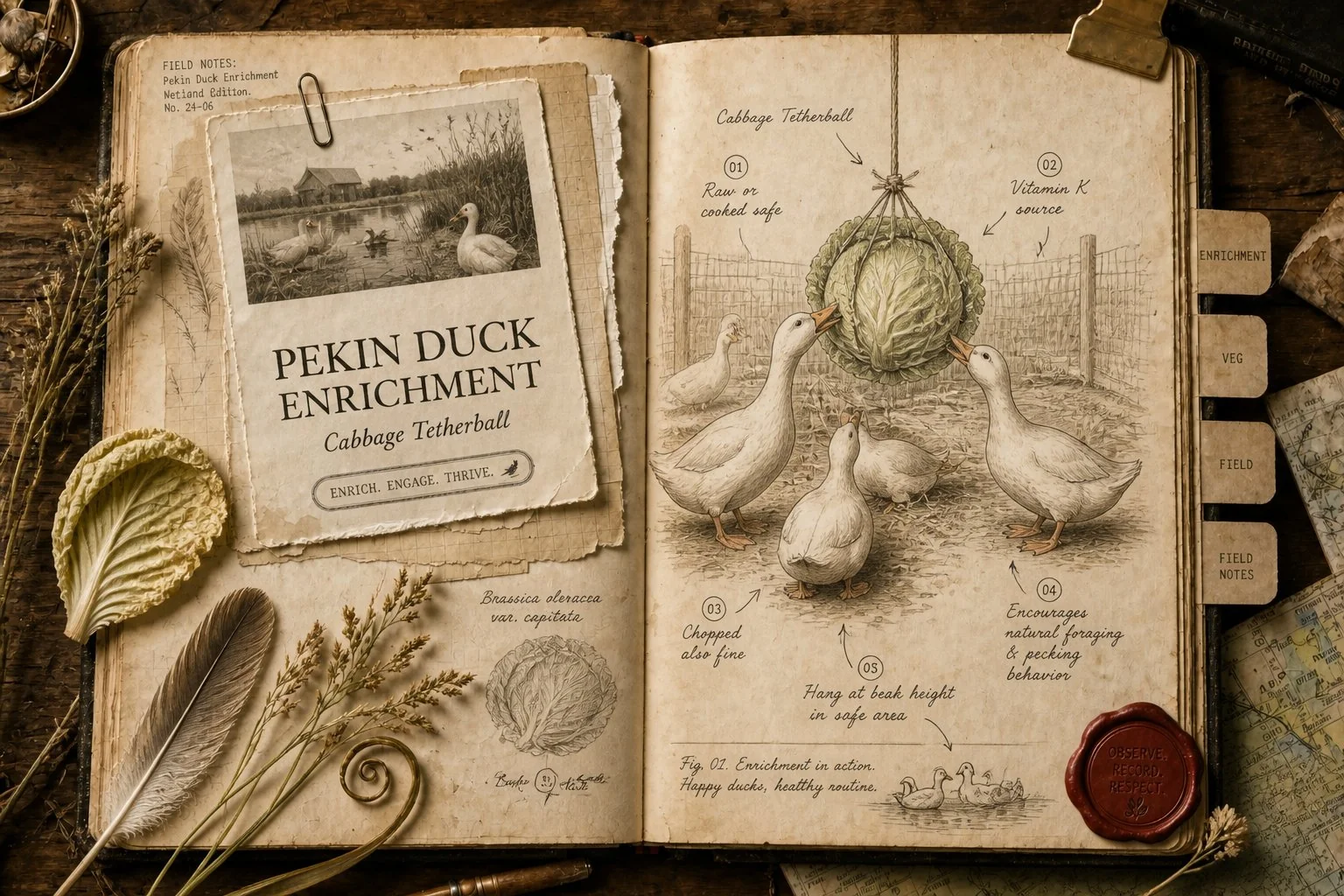
Cabbage is safe and excellent for ducks - raw or cooked, chopped or whole (hung on a string as a tetherball game). Green, red, savoy, all fine. The single best winter enrichment for a confined flock.
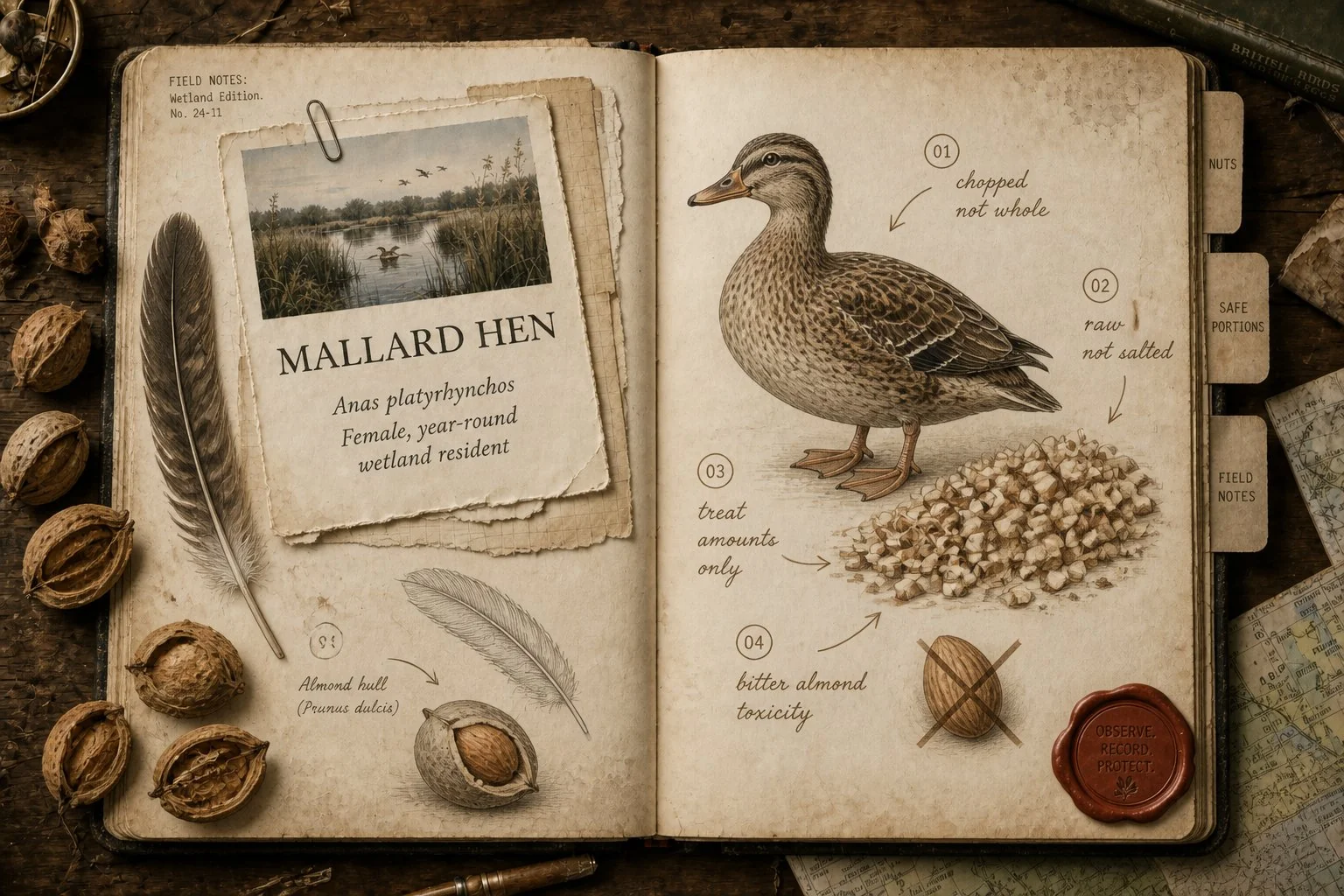
Ducks can eat almonds in small amounts but the rules are stricter than most fruit and veg. They must be raw, unsalted, chopped fine, and a treat not a staple. Bitter almonds are toxic. Here's the safe-feeding breakdown.
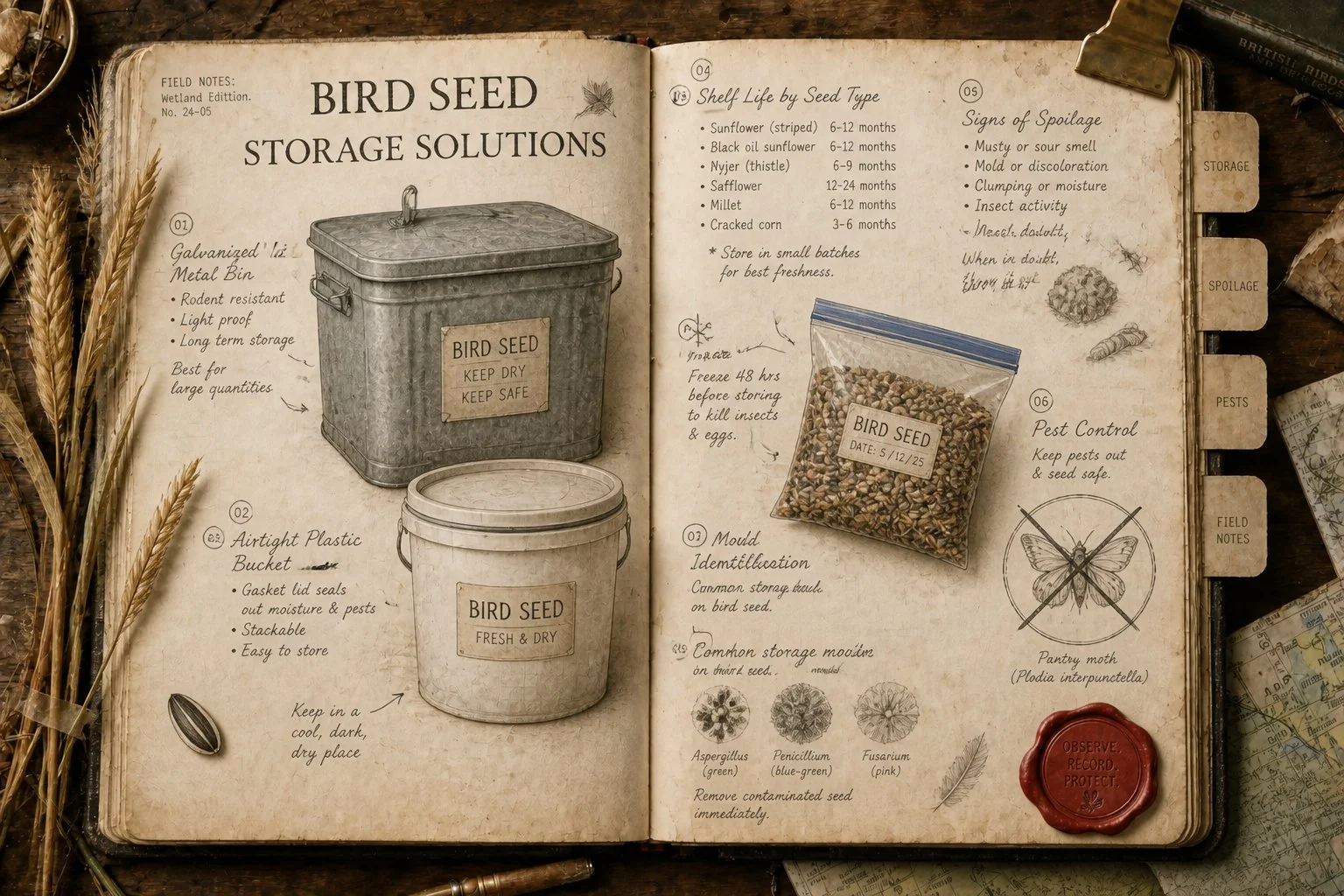
Bird seed isn't shelf-stable forever. Sunflower hearts go rancid in six months, suet in three, and even whole sunflower spoils inside a year if stored badly. Here's the shelf-life table, the smell test, and the storage that doubles the lifespan.
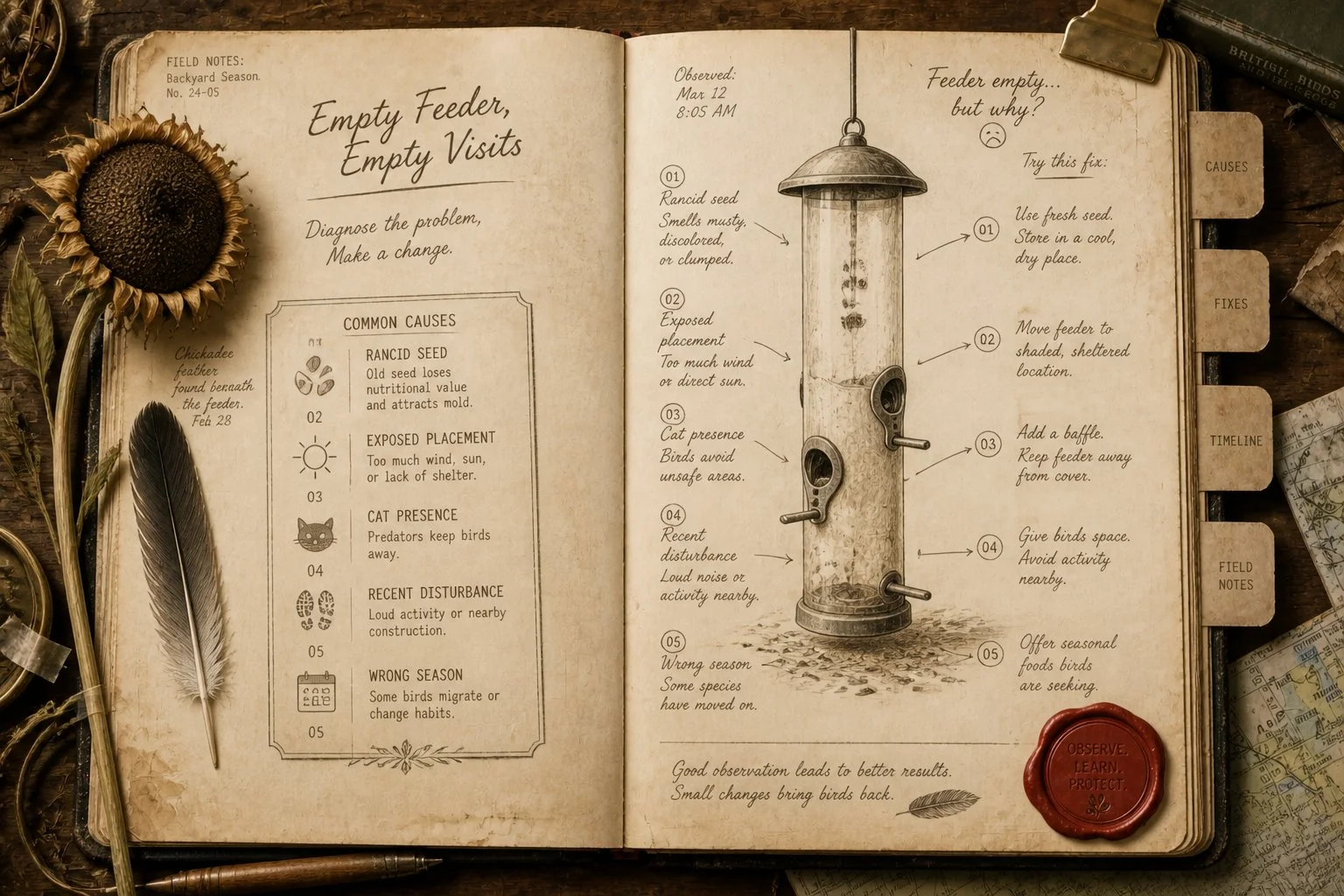
A new feeder can take six weeks to get its first regulars. But if it's been months and nothing is happening, one of eight things is wrong - and most of them are easy fixes. Here's the diagnostic checklist.

Bread is the wrong answer. Cracked corn, frozen peas, oats, and chopped greens are the four foods that actually feed ducks and geese without harming them. Here's the per-food breakdown and how much to bring.

You can't buy or build a hummingbird nest - they make their own from spider silk and lichen, and they choose the site. What you CAN place is the feeder. Here's where to hang it for maximum traffic and minimum aggression.

Raising ducklings is mostly about three things: warm dry brooder, niacin in the feed, and patience with the water. The mistakes that kill ducklings are predictable, and so is the timeline. Here's the four-week schedule we use.
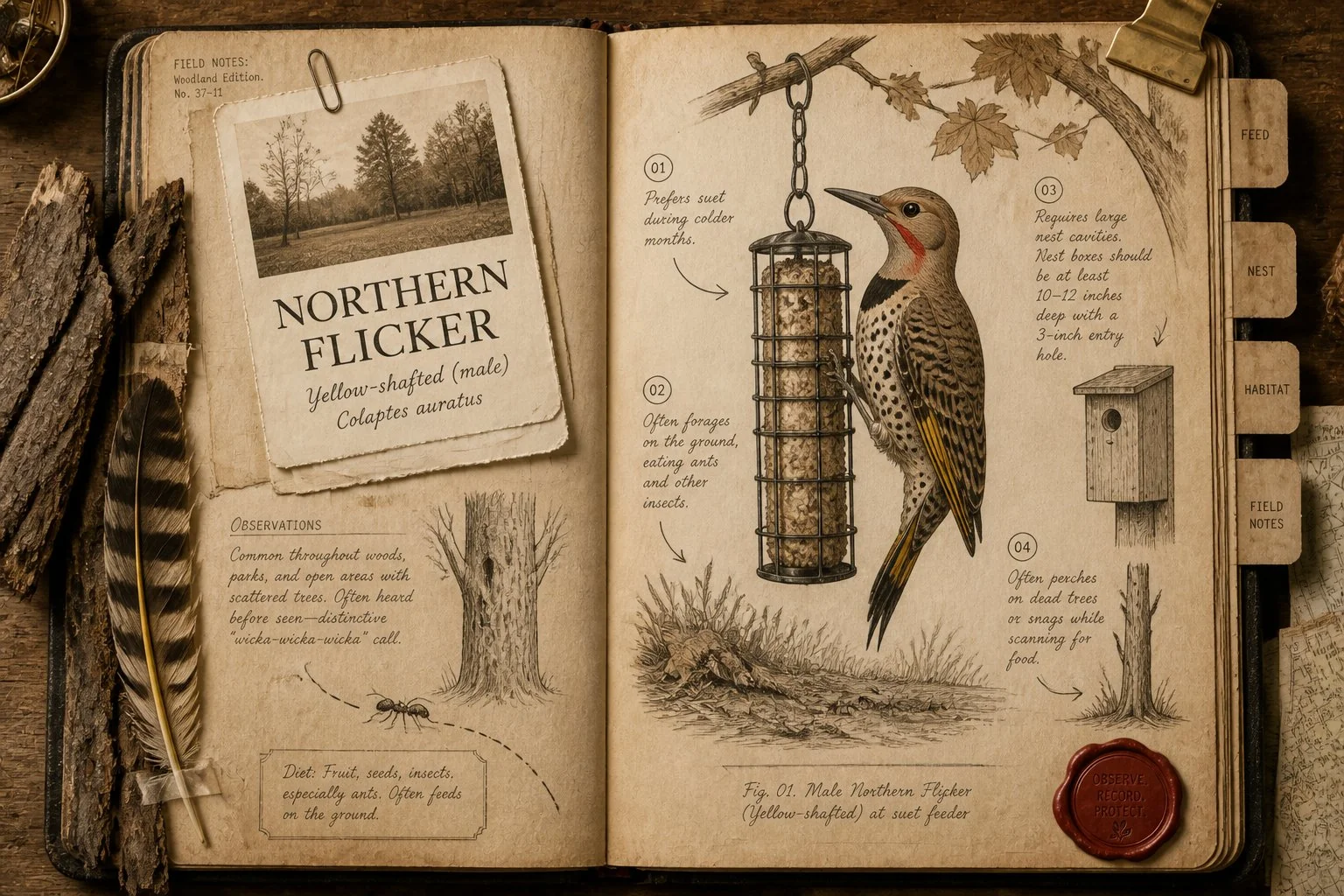
Flickers are the odd woodpecker - they feed on the ground, eat ants by the hundred, and ignore most standard feeders. Here's the suet + lawn + nest-box combination that pulls them in.
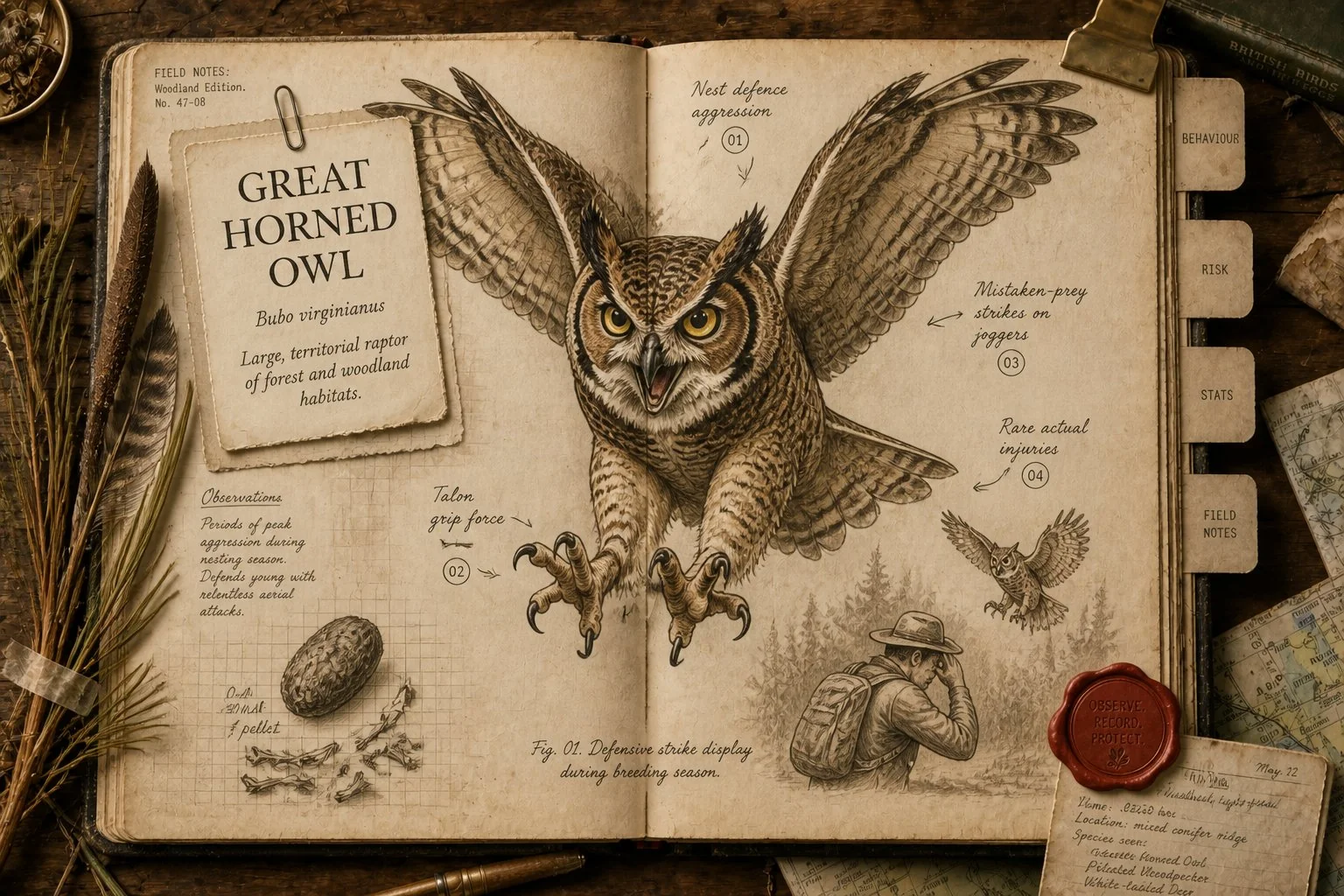
Owls almost never attack humans, but when they do it's almost always nest defence by Great Horned, Barred or Snowy Owls. Here are the species that account for the documented incidents, the locations where joggers get struck, and how to avoid being on the wrong end of an angry parent.
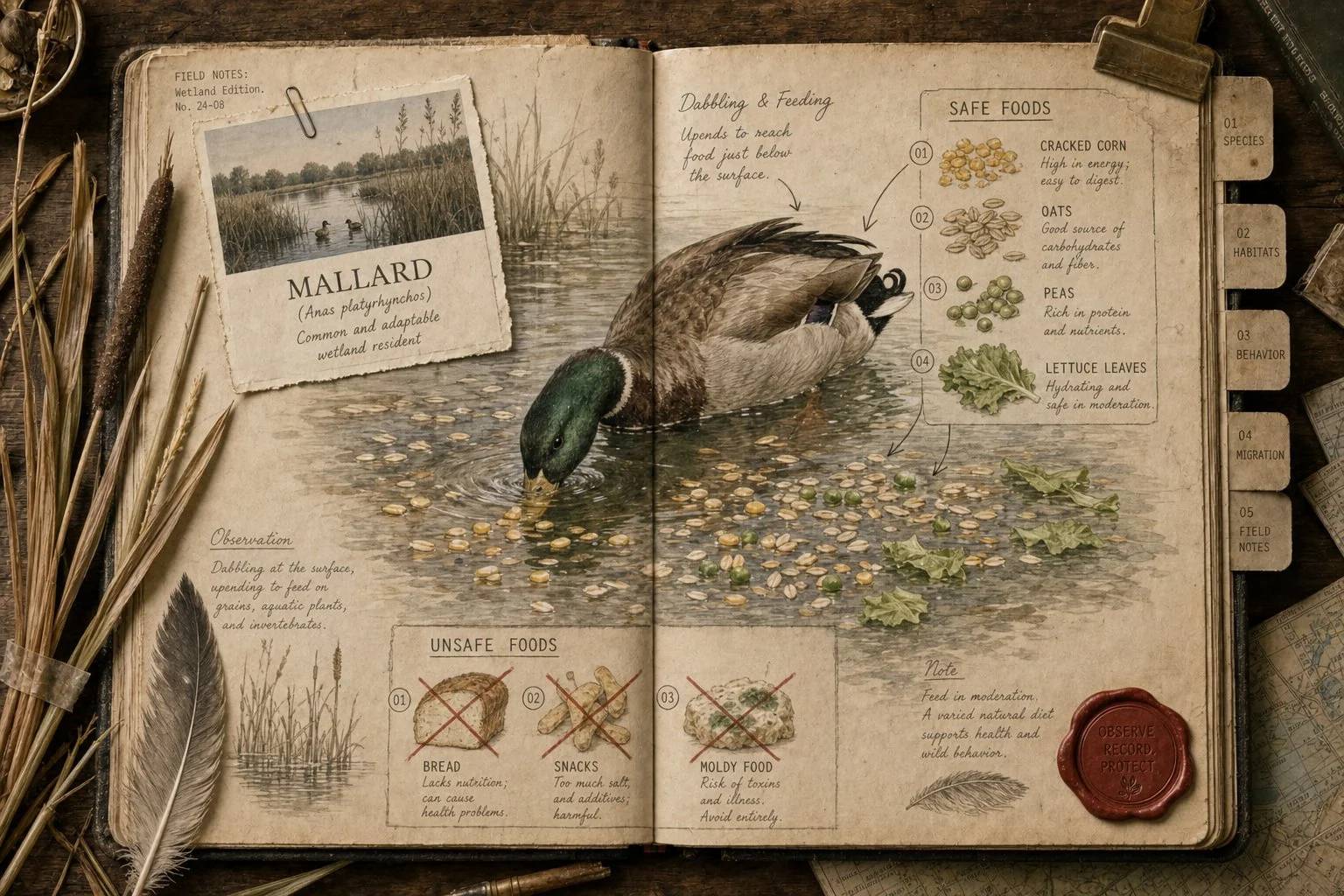
A naturalist's guide to feeding wild ducks - the eight foods that are genuinely safe and useful, the five that cause real harm, and why bread is the worst thing you can hand to a mallard.
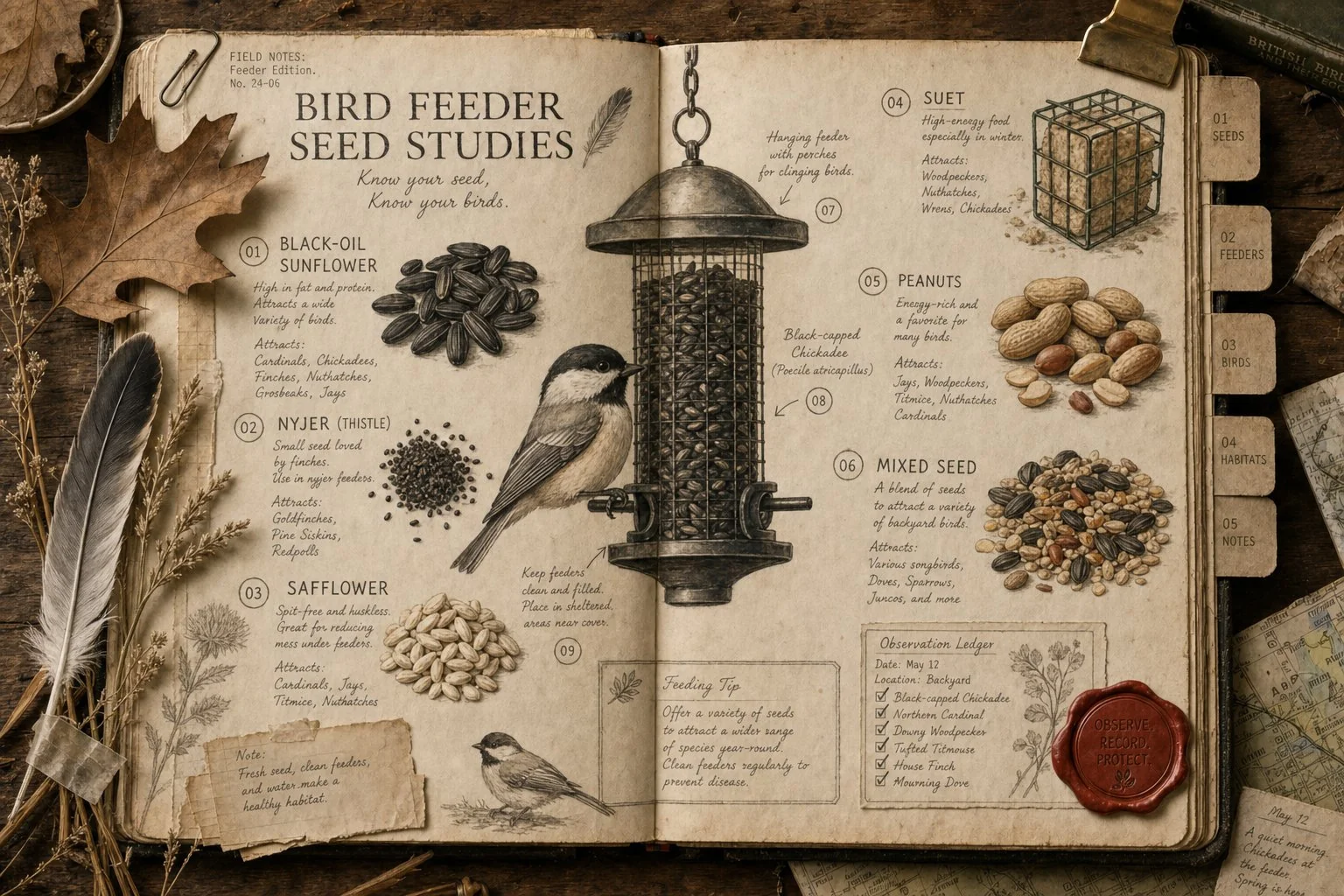
A naturalist's guide to what bird seed actually works - the six staples that attract the most birds, what each one is for, and the two things you should stop putting in your feeder.
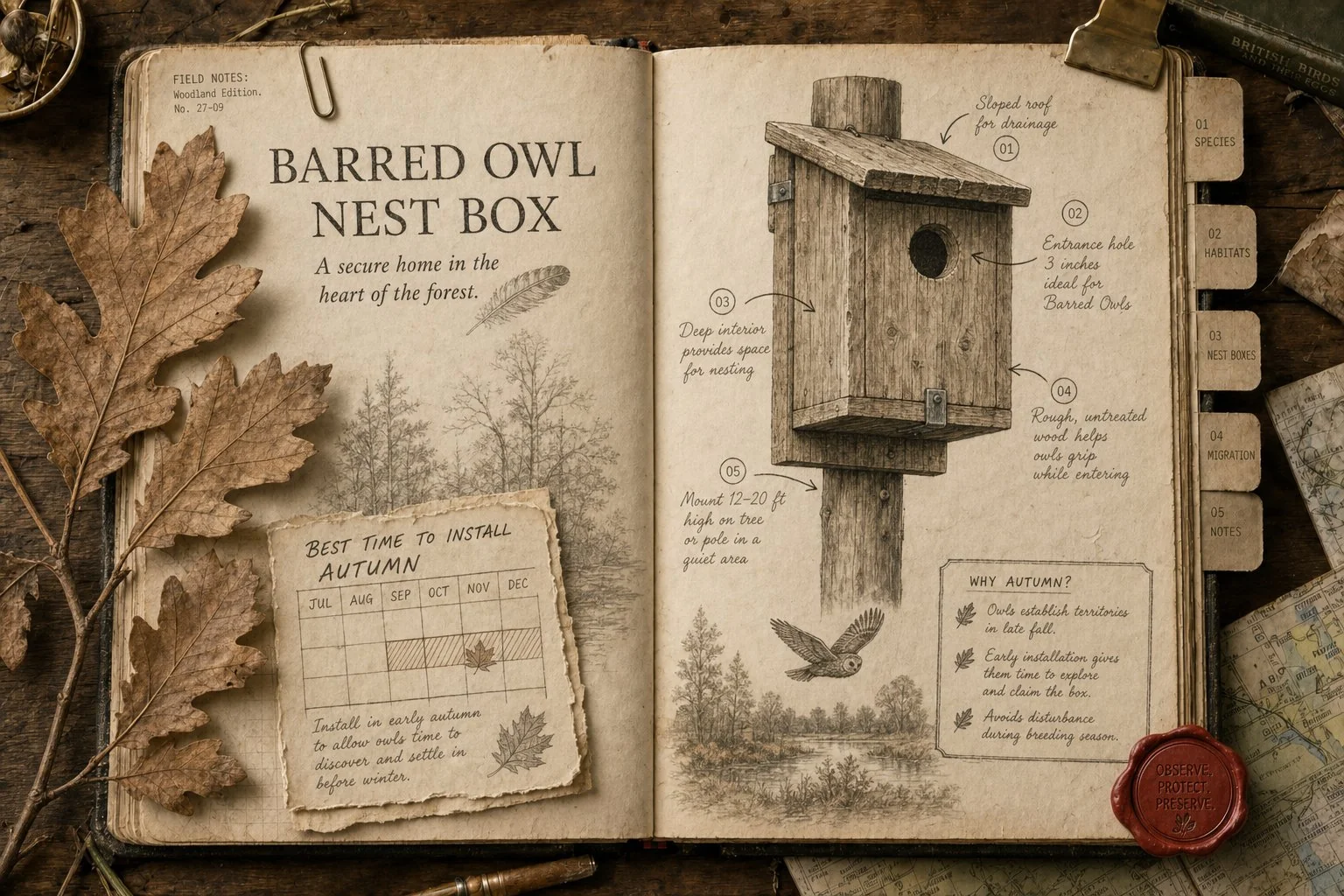
A naturalist's guide to the right time to install an owl nest box - late autumn for most species, before squirrels select winter dens, in time for owl scouting in late winter.
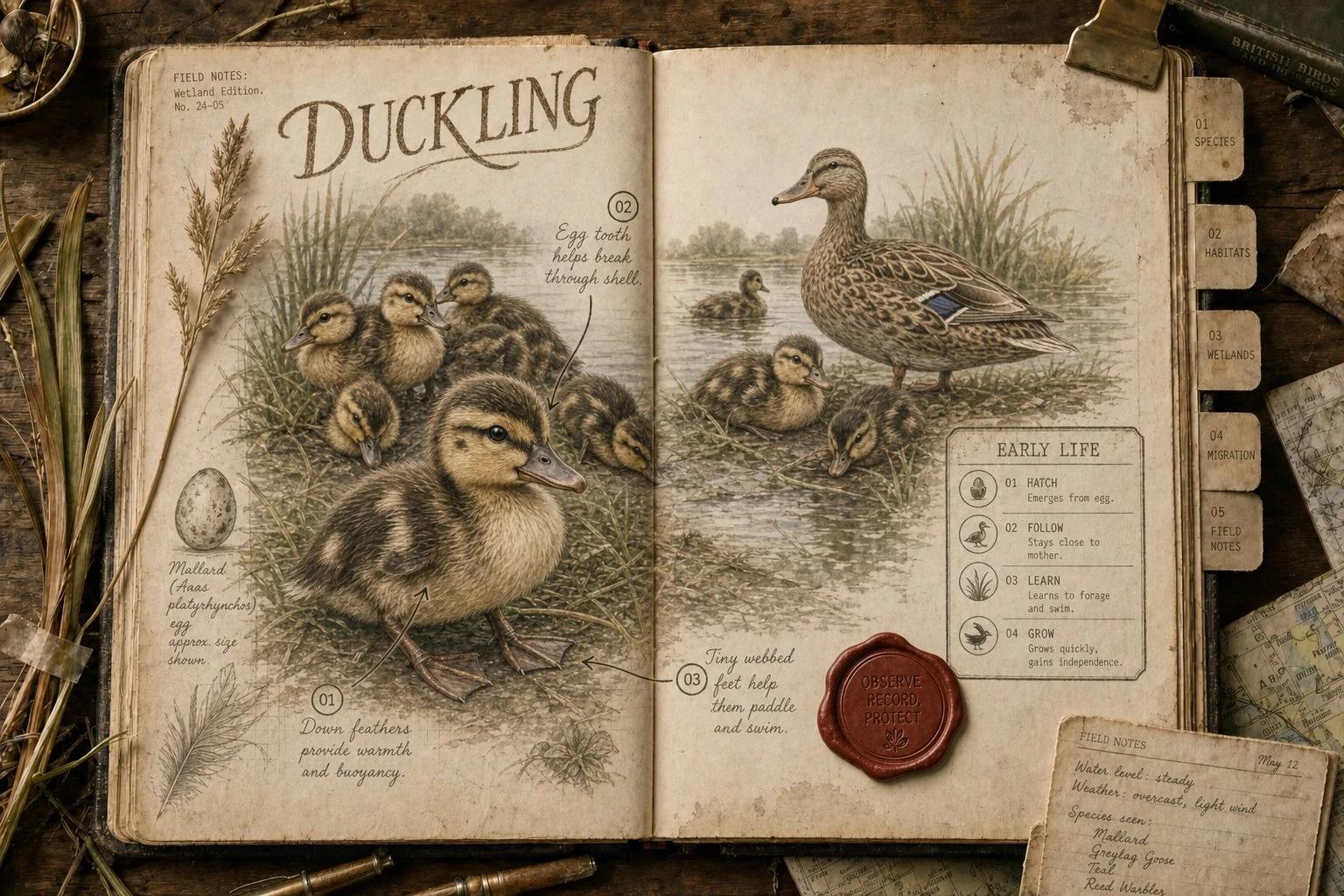
Baby ducks are called ducklings. A field naturalist's read on what that actually means - the timeline from hatch to fledge, how to tell a duckling from a gosling or a cygnet, and the brood biology that decides how many survive.
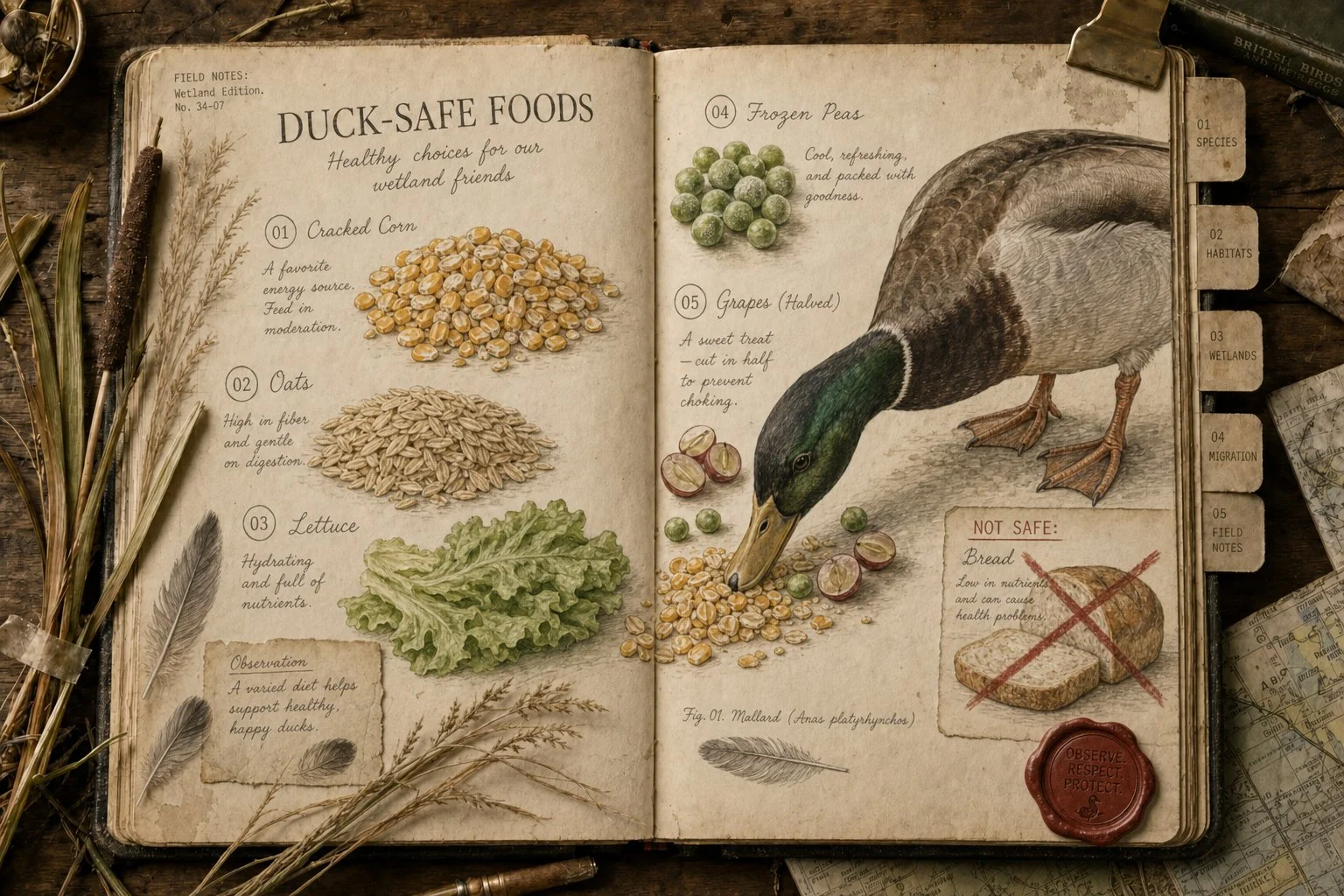
A short, practical guide to safe and unsafe foods for pond ducks - what to bring, what to leave at home, and how to feed them properly without harming the pond.
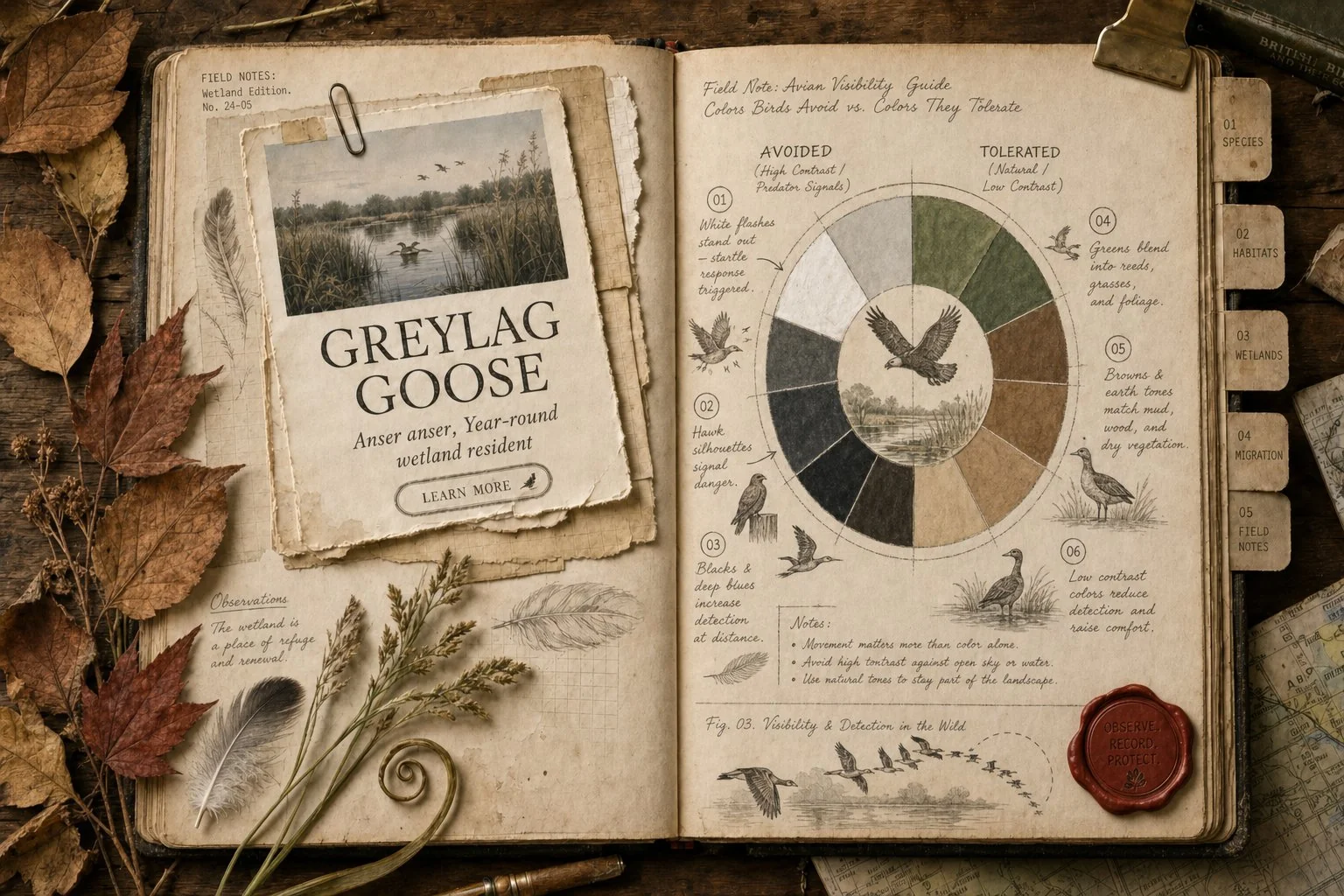
A naturalist's read on what bird research actually shows about colour aversion - which colours genuinely deter birds, why, and how to use the information practically.
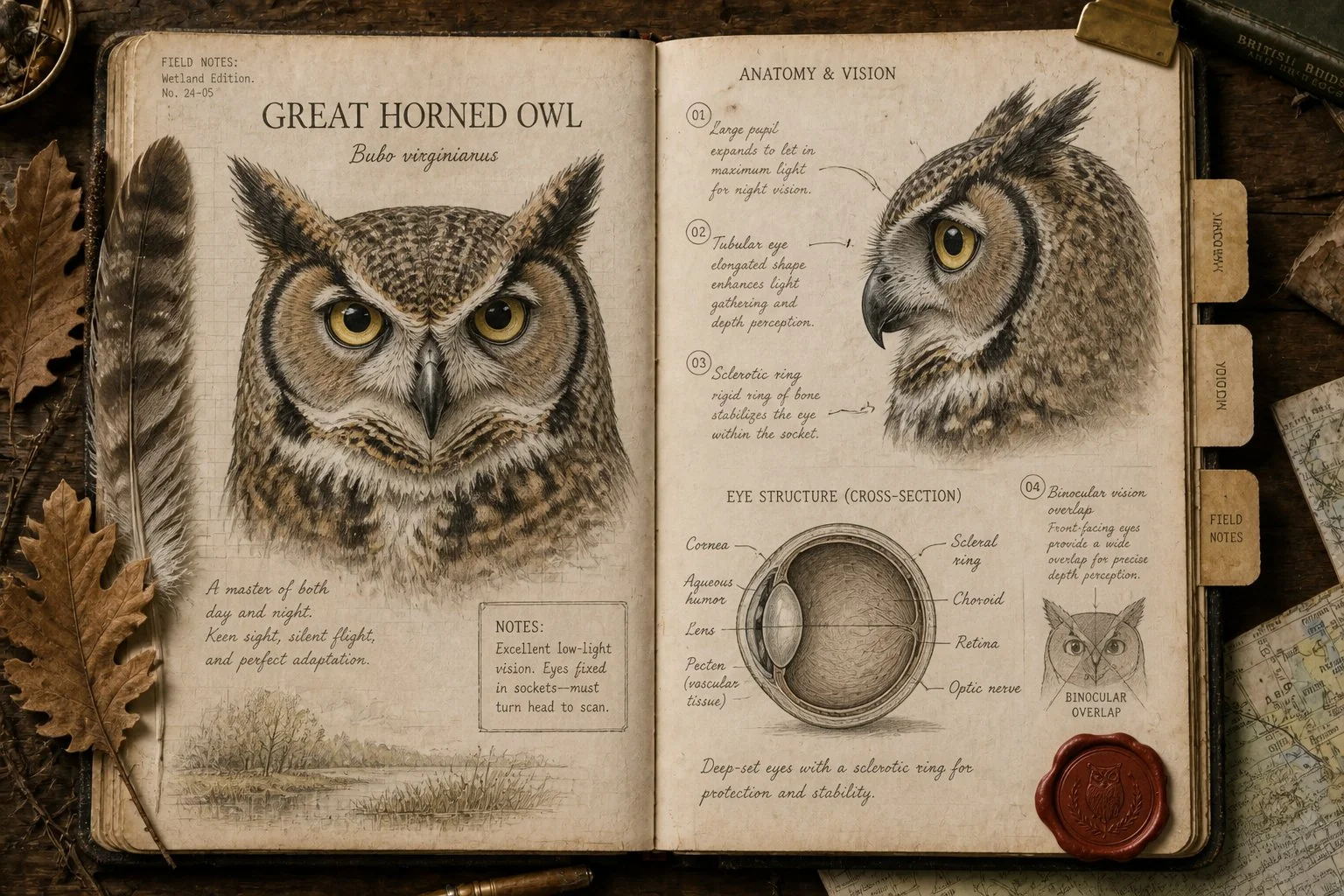
Owl eyes are tubes, not spheres. They can't move. The bird turns its whole head instead. A naturalist's read on the anatomy and what it costs the bird.
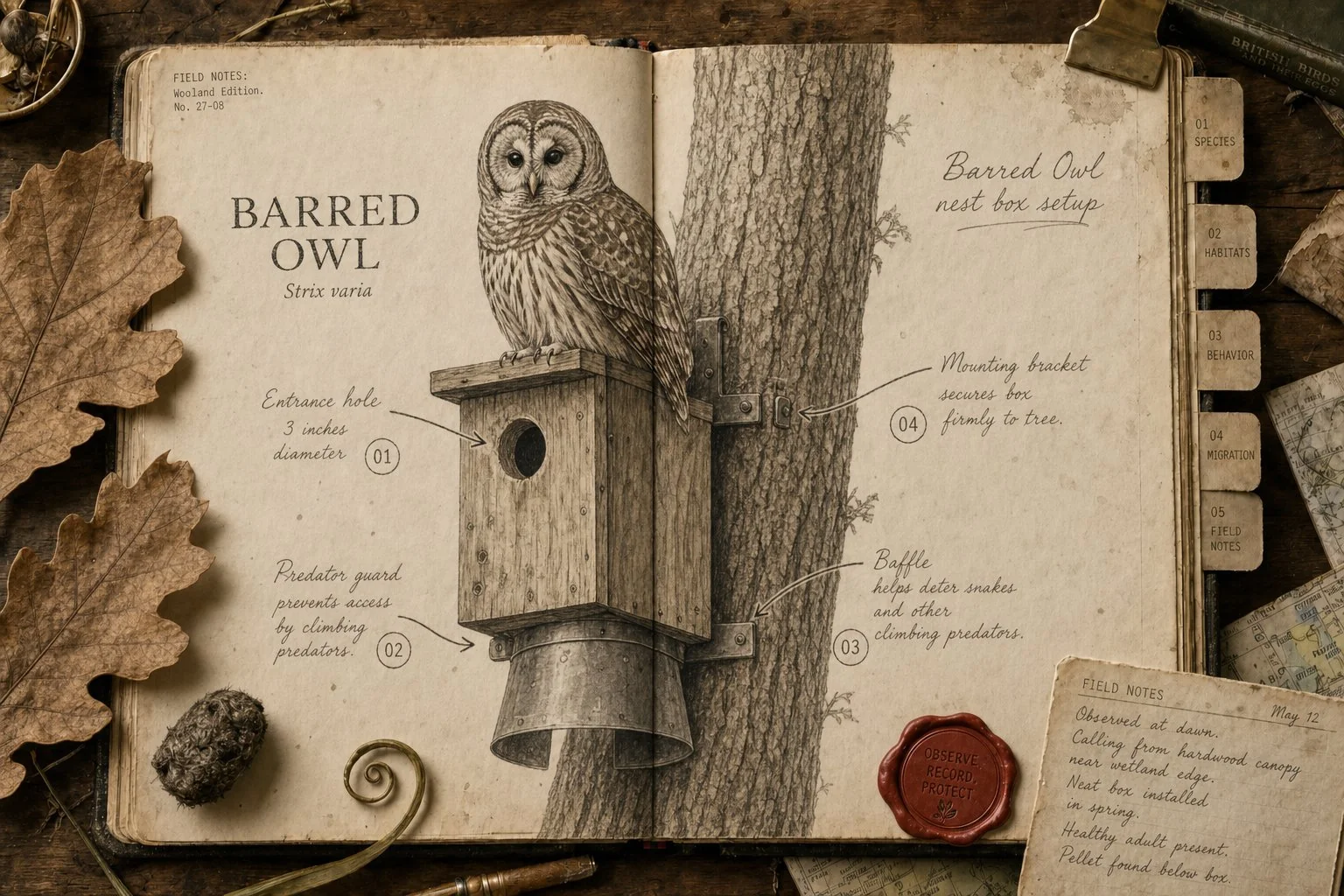
The five things that actually keep squirrels out of an owl nest box - pole choice, baffle type, height, entrance hole, and timing. A field guide for backyard owl-watchers, with the products we use.
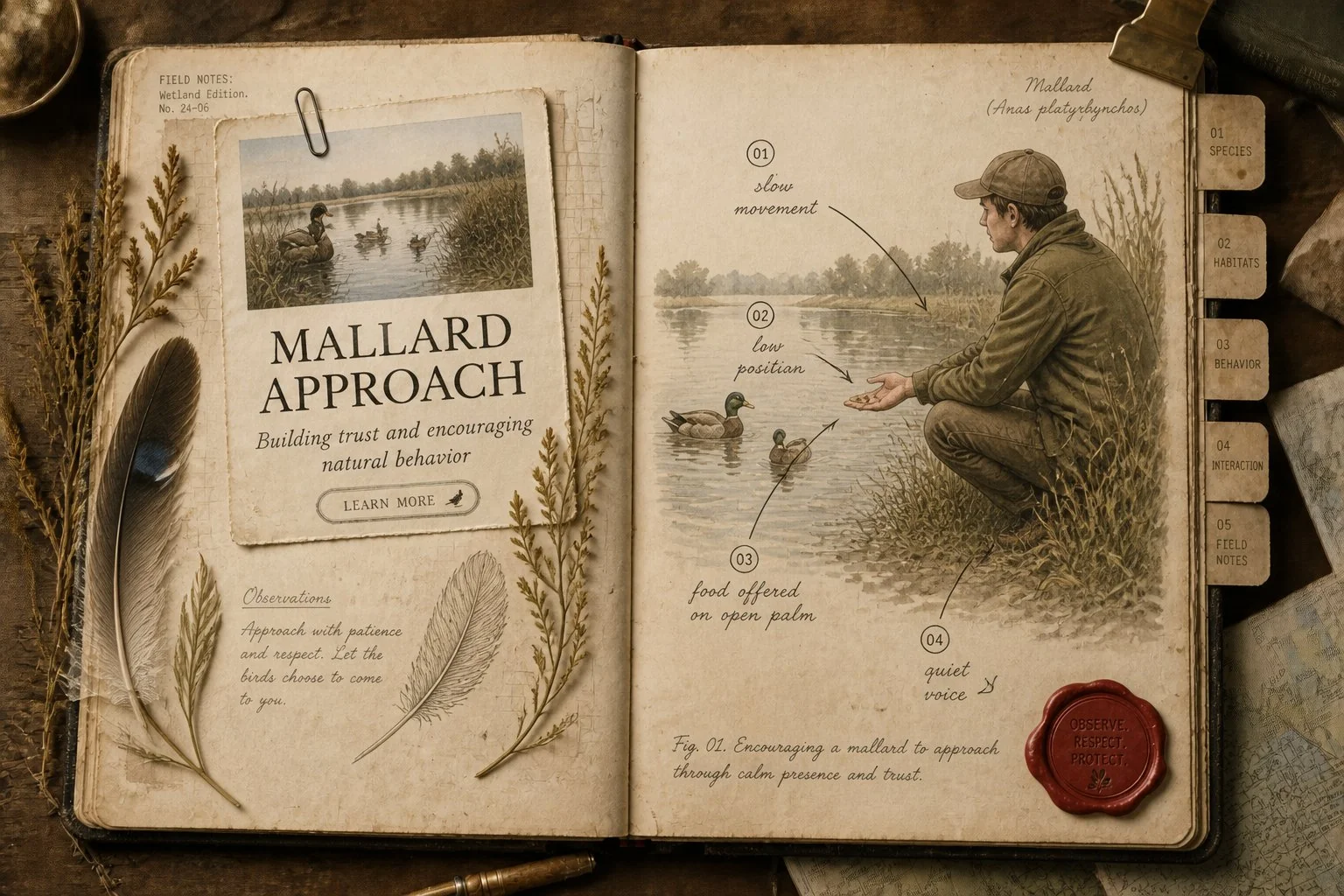
Ducks bond with calm, low-postured humans who feed the right food. A naturalist's read on building trust with wild or backyard birds.
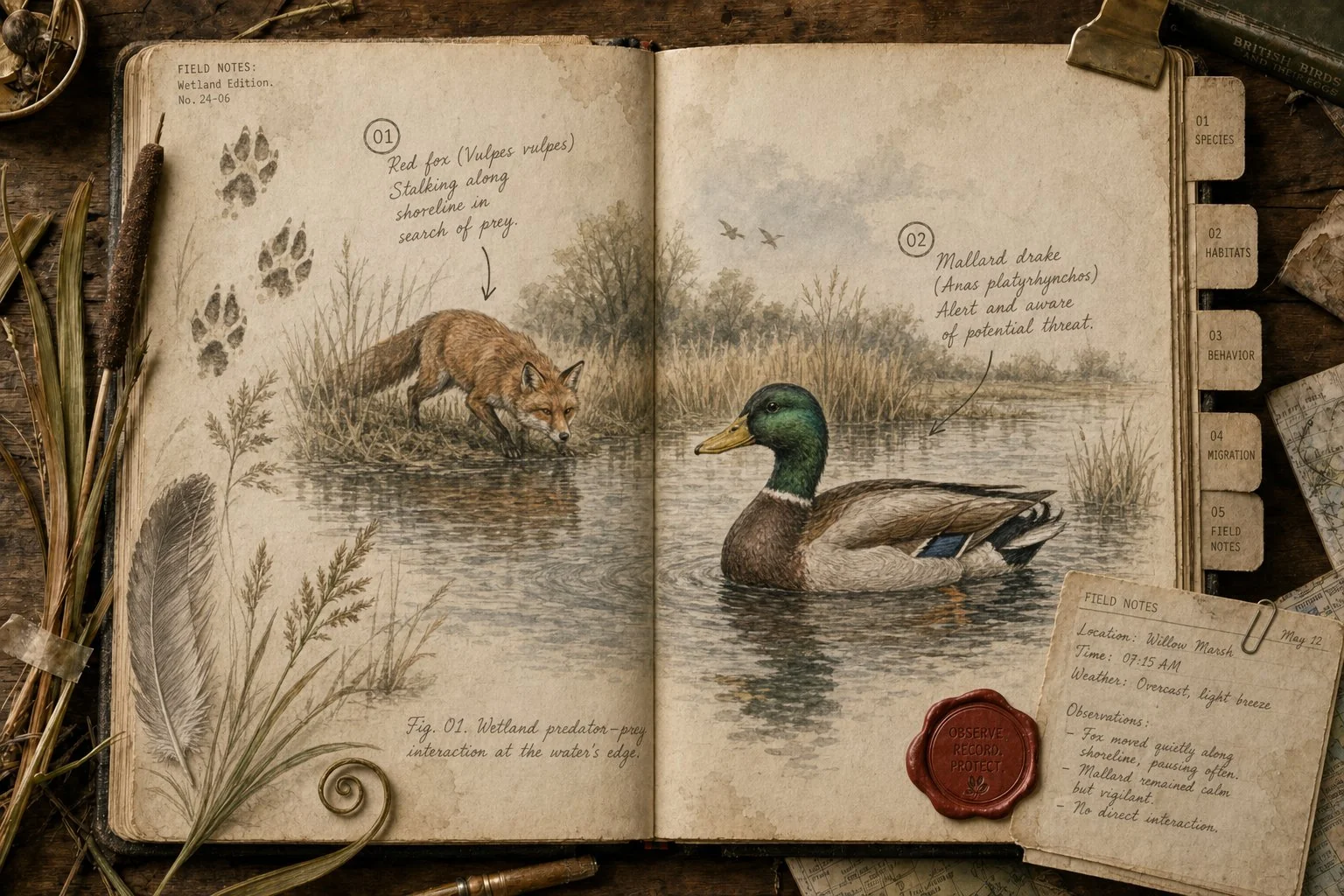
The thirteen animals that hunt wild and domestic ducks - ranked by where they hunt (water, air, ground) - and the eight protections that actually work. A field naturalist's guide for pond owners and small-flock keepers.
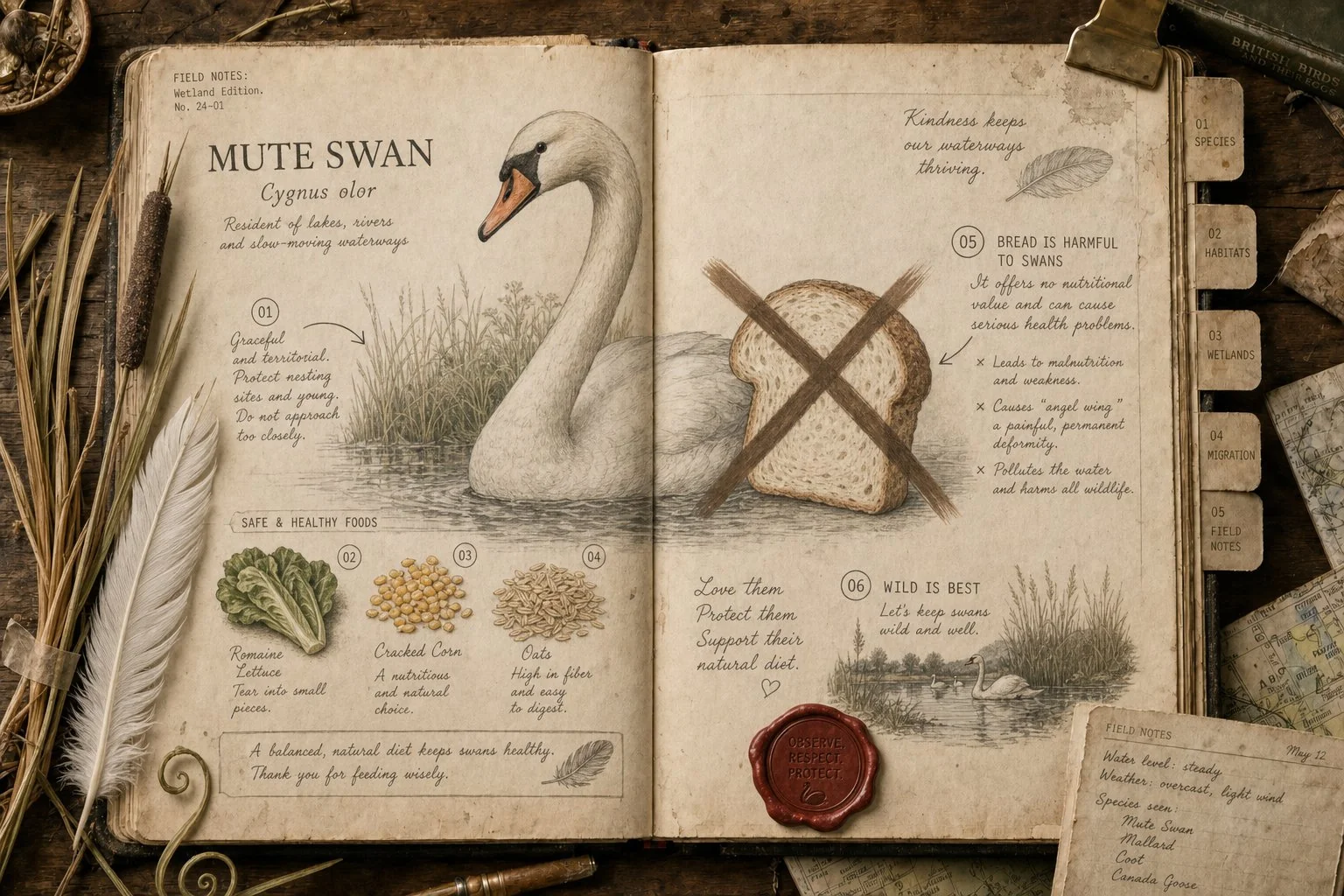
Bread is the worst thing you can feed a swan. It causes angel wing, water pollution, and crop impaction. A naturalist's read of why, and what to feed instead.
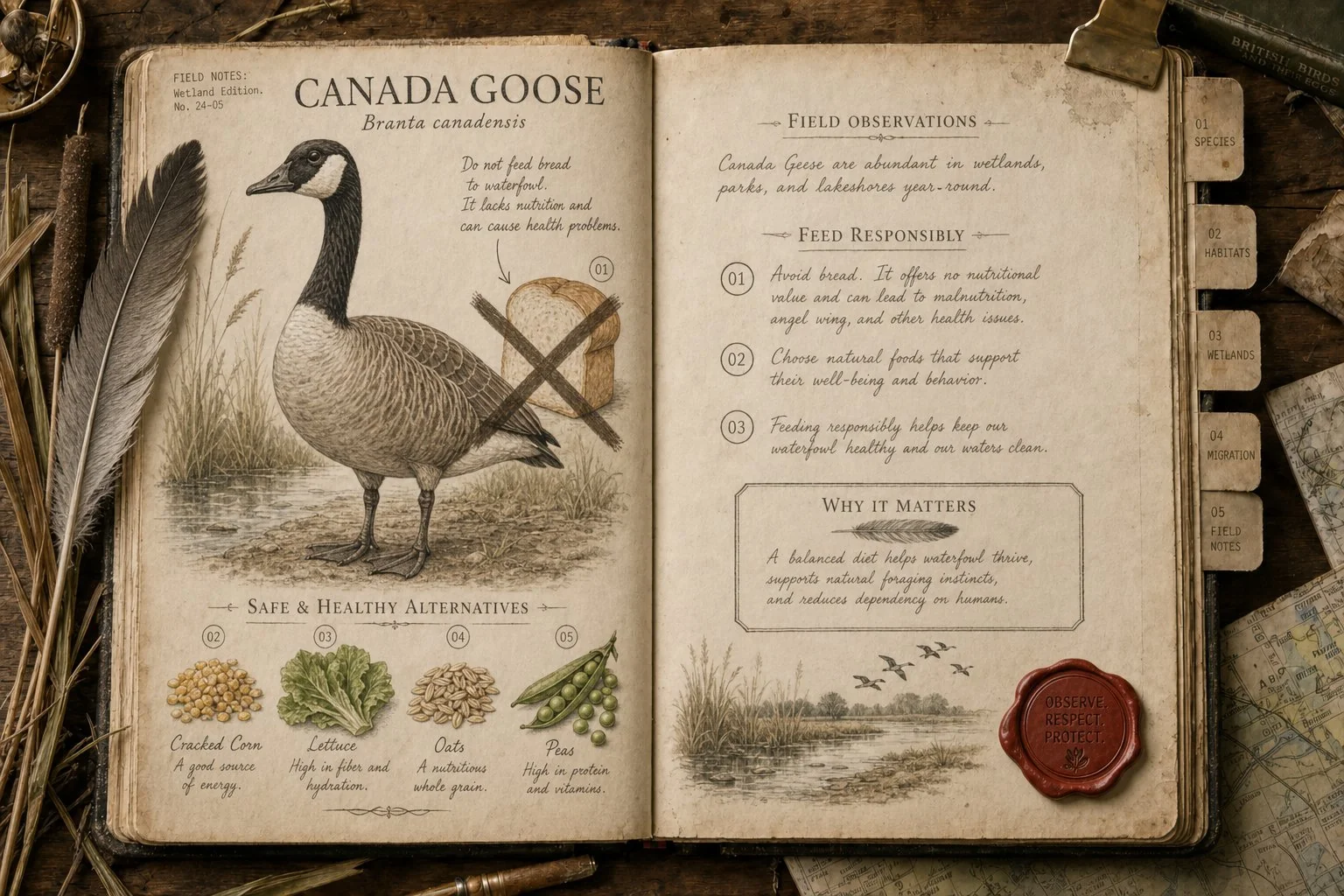
Bread is the single worst common food fed to wild geese. A naturalist's read on why it causes angel wing in goslings, fouls park ponds, and what to feed instead.
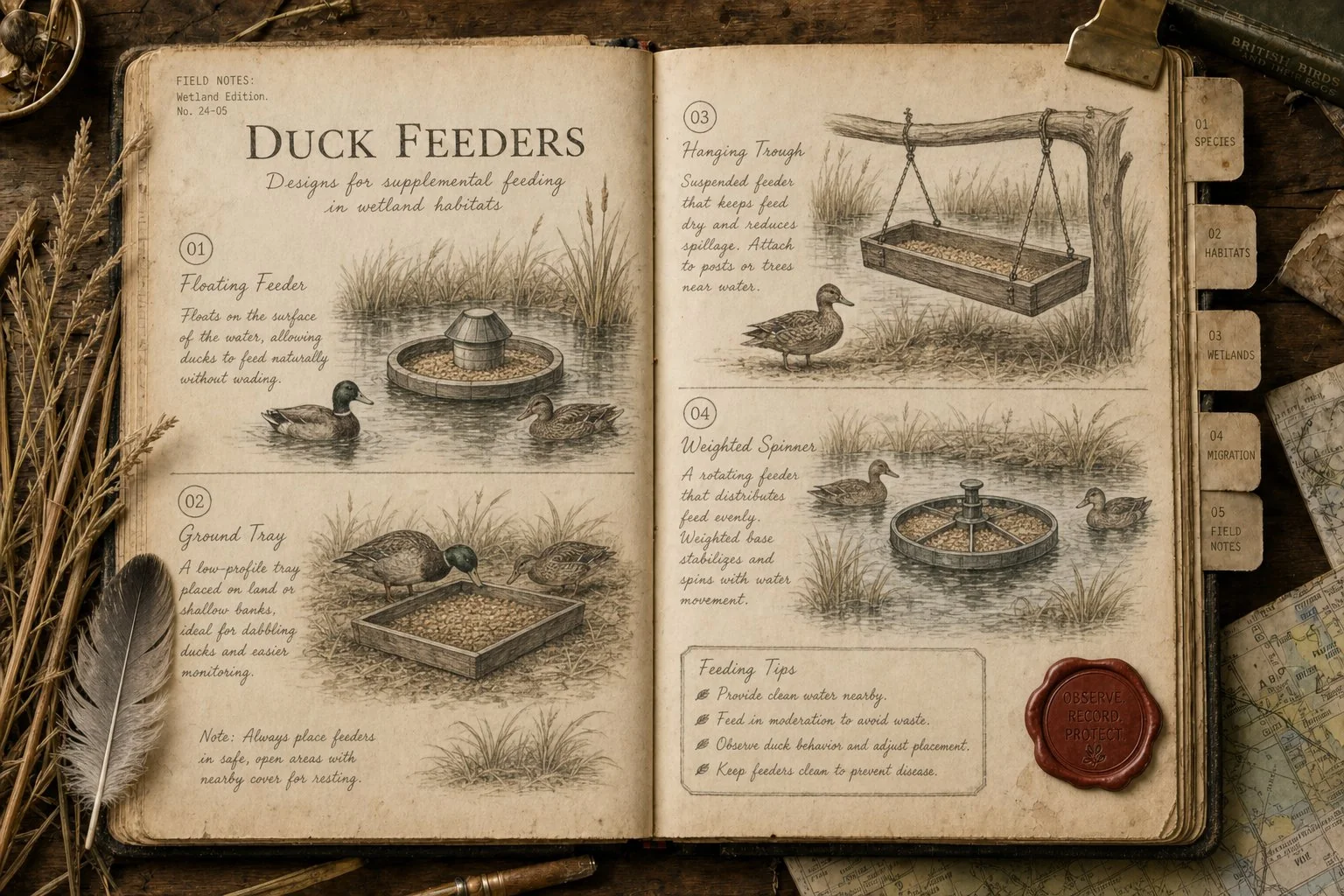
Ducks won't use songbird feeders. They need low, open, easy-to-access setups. A naturalist's guide to the four feeder types that actually work for waterfowl.
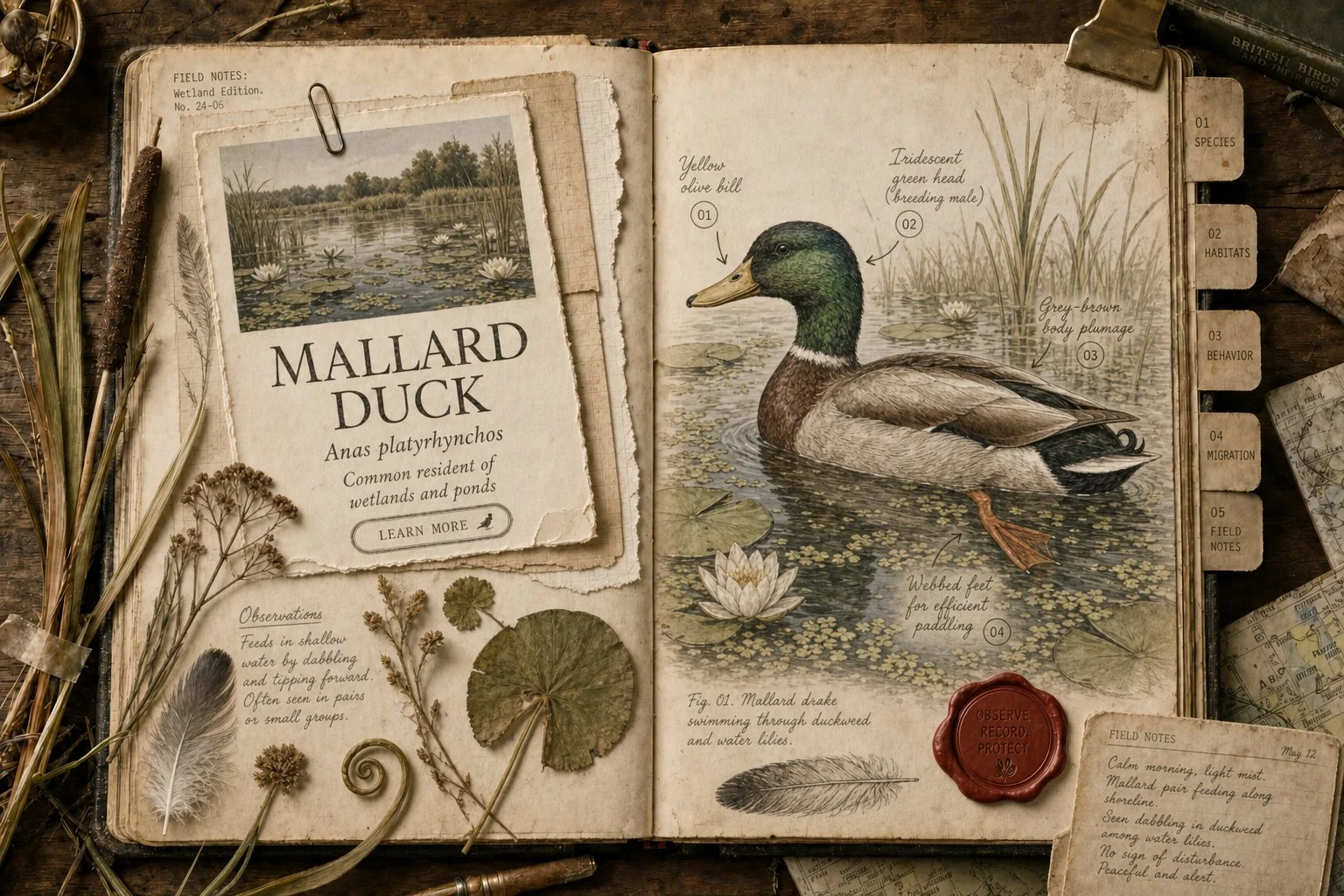
A naturalist's planting guide for a duck-friendly pond - the four plants ducks actually eat, the cover plants that keep ducklings alive, and where to put each one.
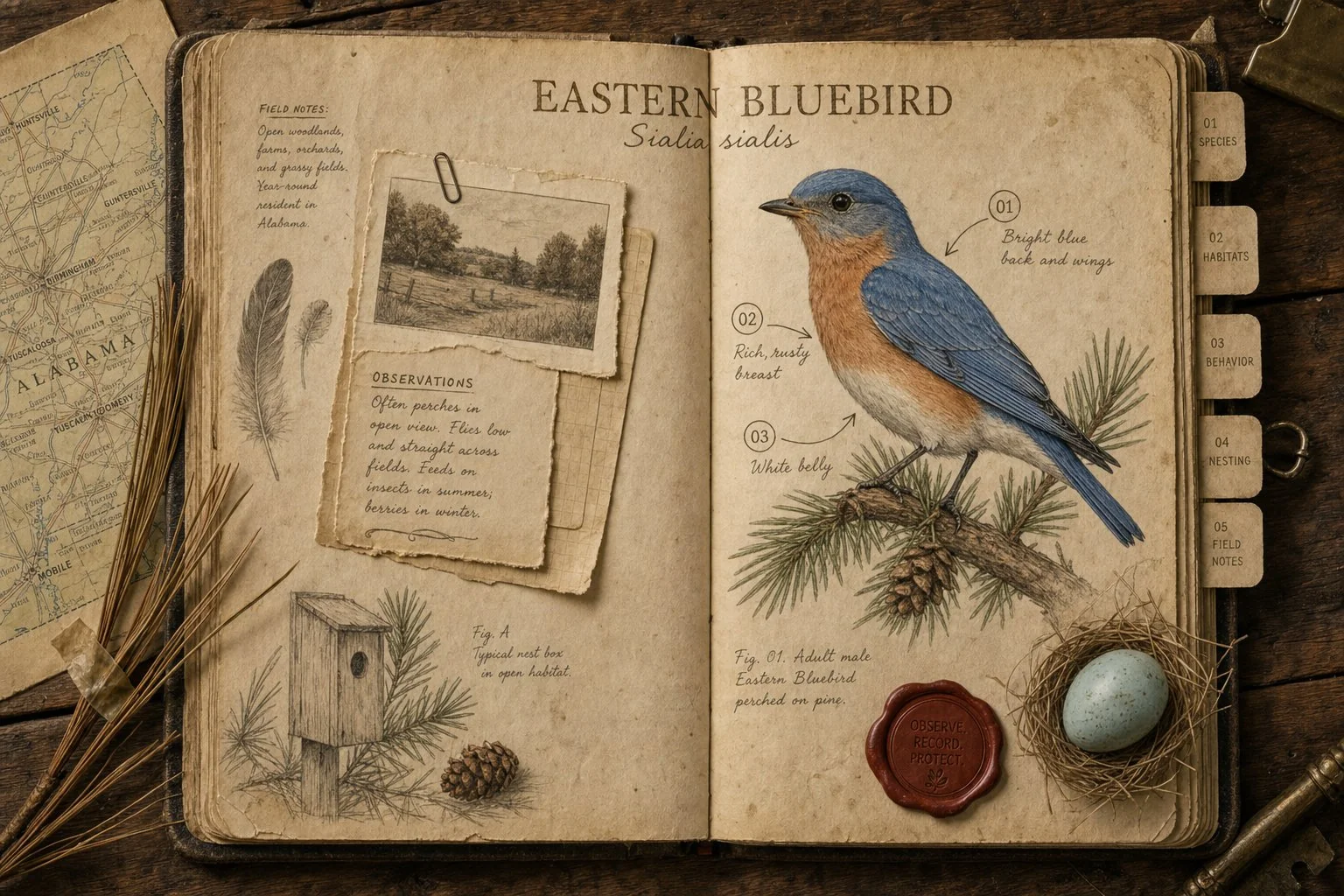
A field naturalist's guide to the 14 blue and blue-tinted bird species you'll actually encounter in Alabama - which habitats, which seasons, and how to tell the Eastern Bluebird from the Indigo Bunting.
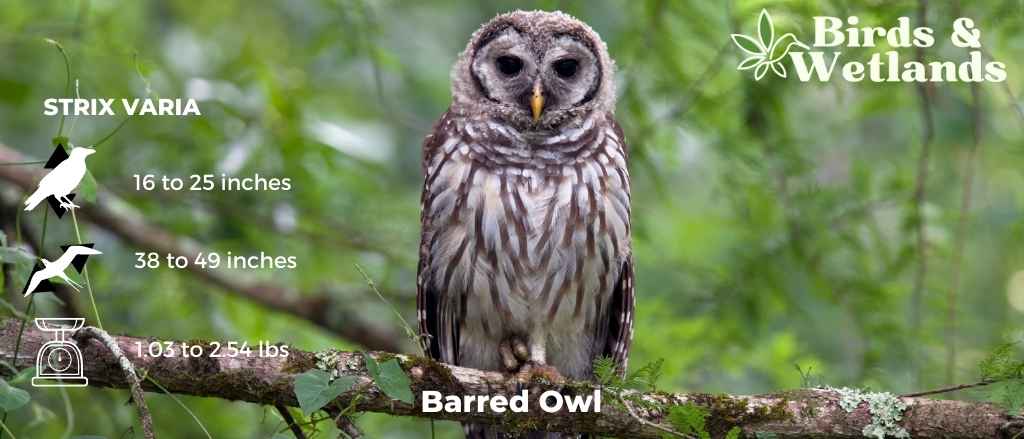
If you're interested in providing a safe haven for Barred Owls to nest and raise their young, you've come to the right place. This article will guide you through the process of building a barred owl...
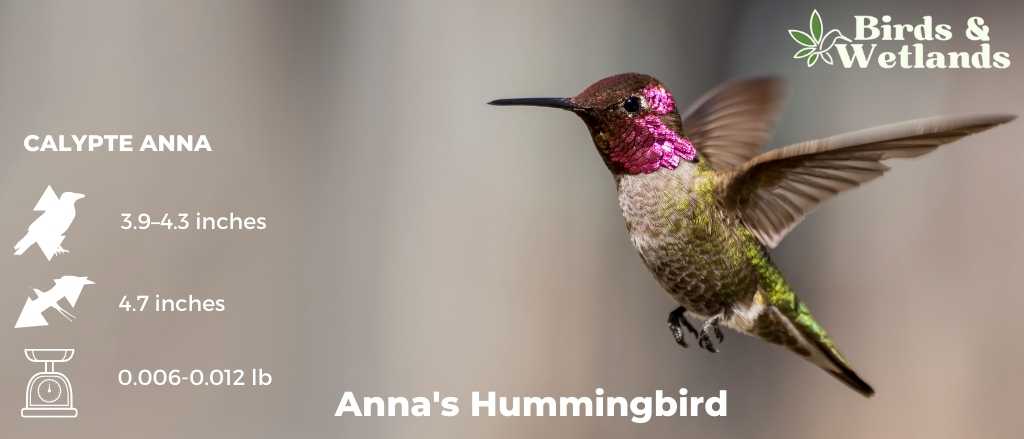
Keeping your hummingbird feeders clean not only helps attract more hummingbirds to your yard but also ensures that the birds stay healthy and disease-free. Vinegar is one of the most effective and...
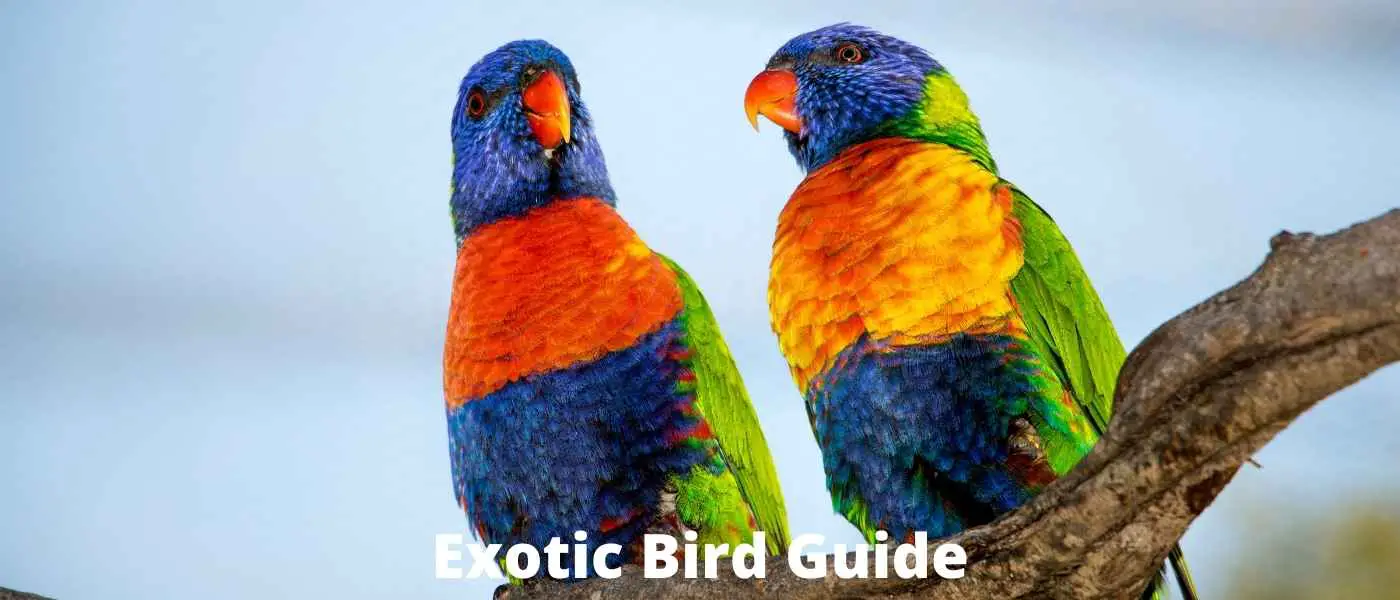
If you love watching birds, then you know how important it is to have a suet feeder that will attract them to your backyard. However, choosing the right location for your suet feeder can be tricky....
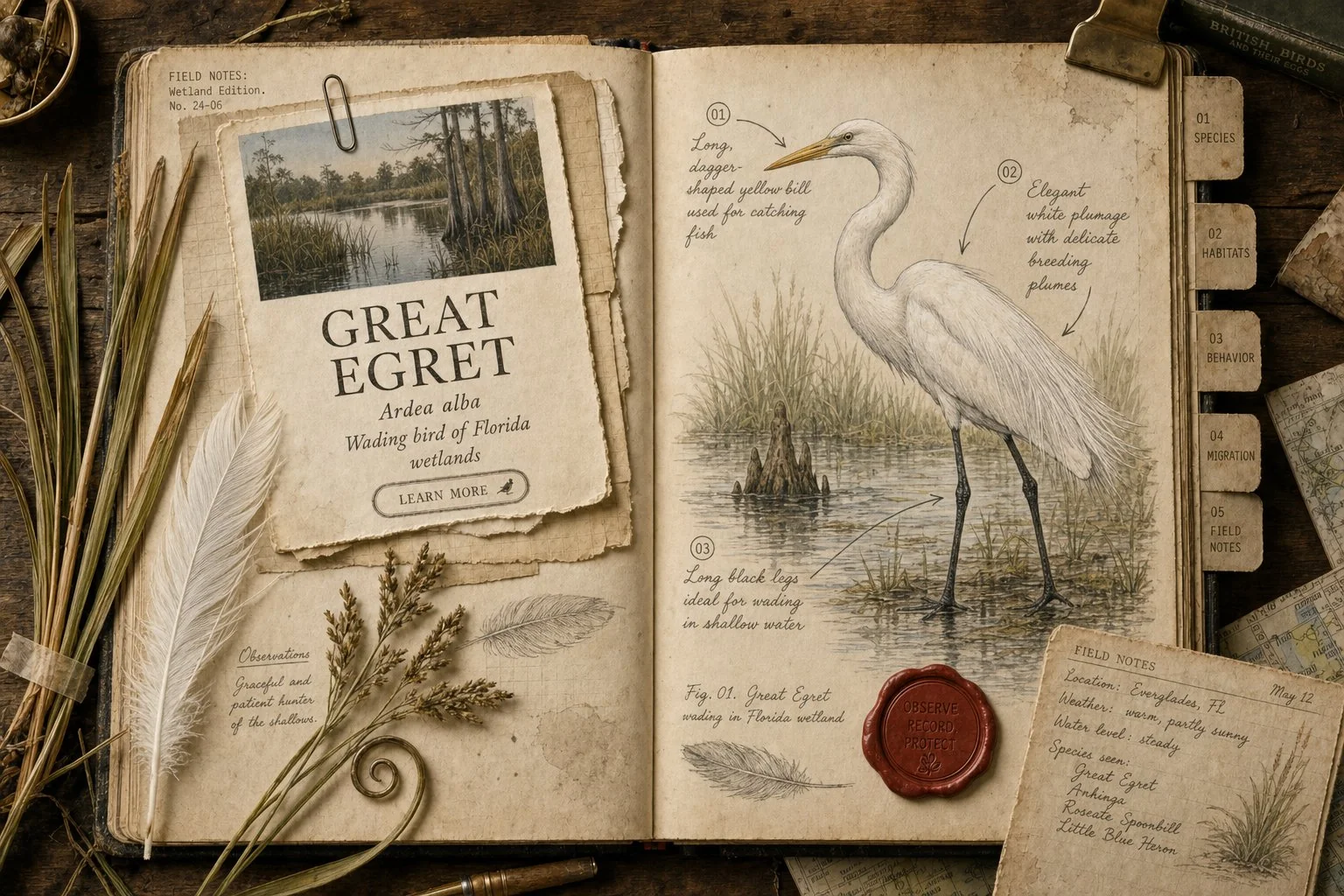
A naturalist's field guide to Florida's 27 most-seeable water birds - which wetlands they prefer, when they show up, and the four locations where you'll see most of them in a single morning.
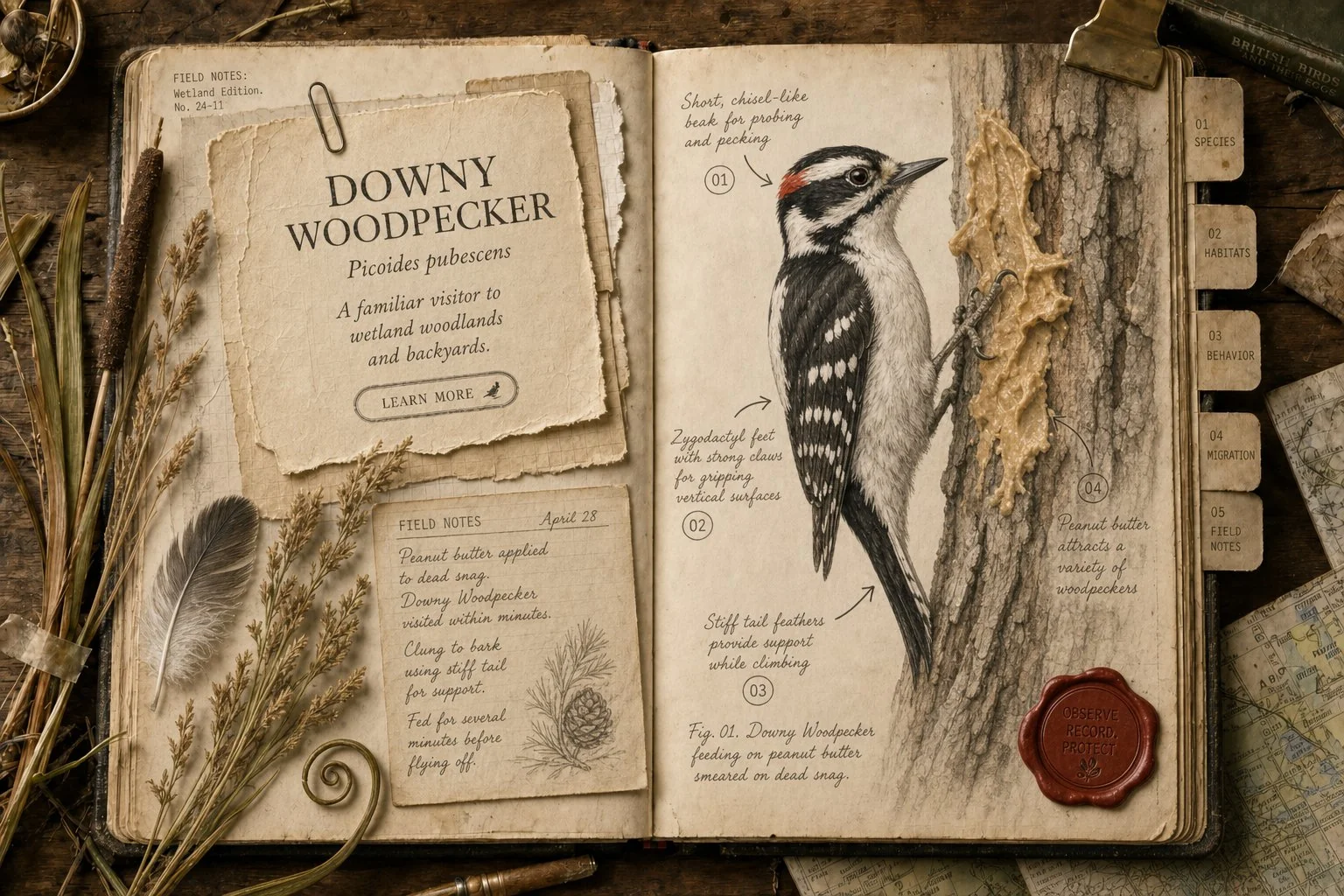
A naturalist's guide to feeding wild birds peanut butter - which species actually take it, which jars are safe, the homemade winter mix we use, and the three feeders that survive squirrels.
Suet, a high-fat food made from hard fat and other ingredients, is a superfood for birds that provides essential nutrients and energy. Several bird species are attracted to suet due to its high fat...
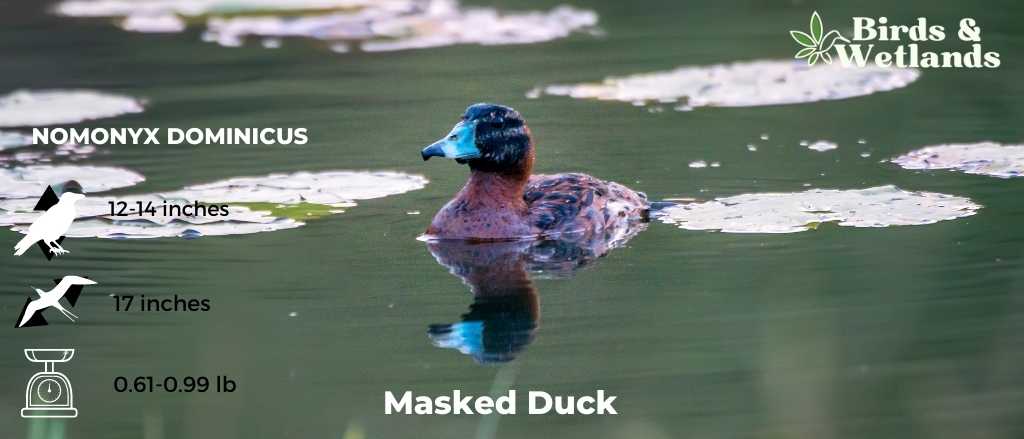
Holding a duck may seem like a simple task, but it can be quite challenging, especially for those who are new to handling them. Ducks are delicate creatures that require proper handling to avoid...
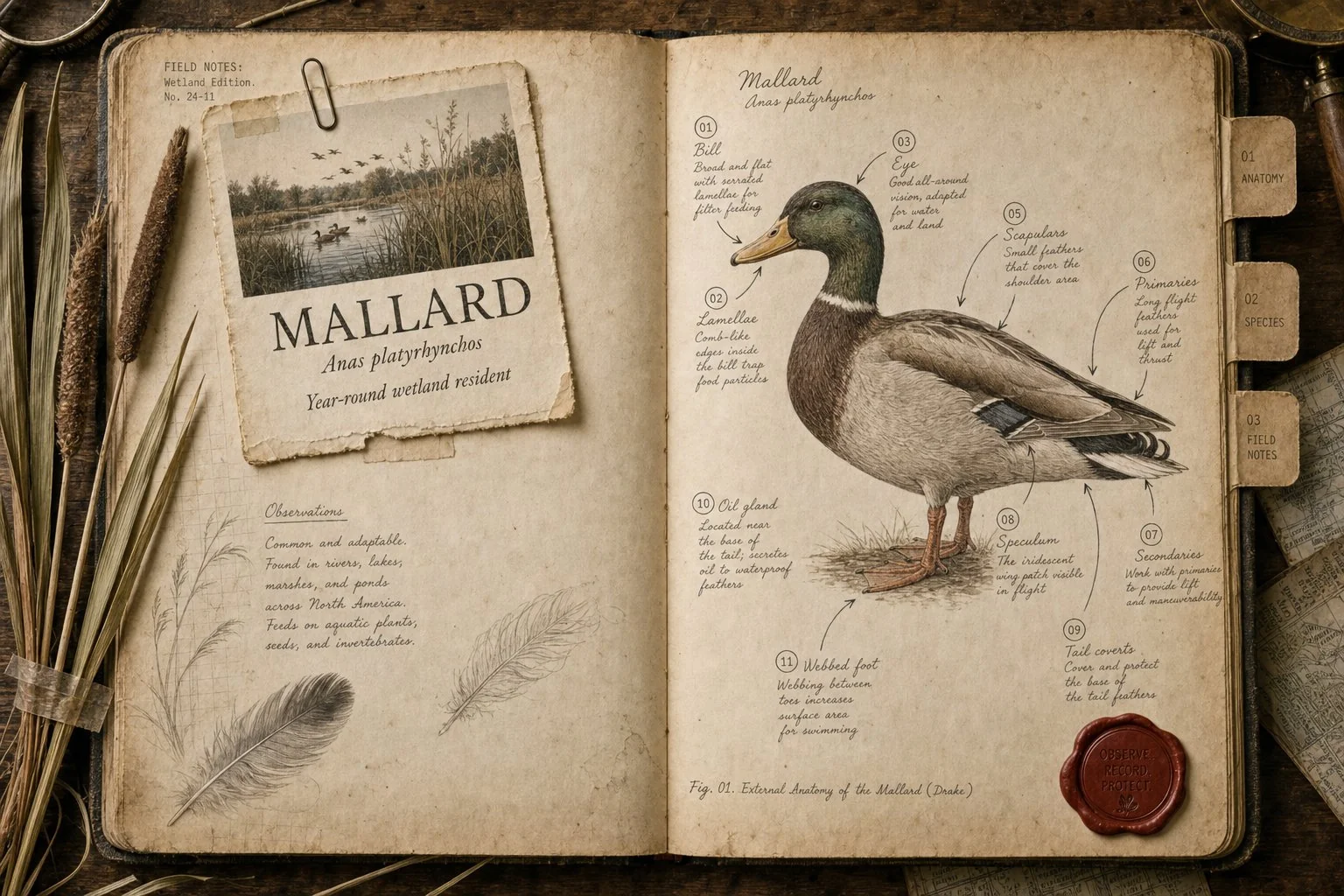
A naturalist's illustrated tour of duck anatomy - the bill, the feet, the feathers, the digestive system, and the adaptations that make a duck a duck.
If you have pet ducks, or are considering letting your ducks indoors, you may be wondering, do ducks smell bad? Ducks may emit an unpleasant smell due to a number of reasons. The most common is their...
While ducks and rats may seem like unlikely bedfellows, the truth is that these two animals often end up sharing the same space. Yes, ducks can potentially attract rats, but not directly. It's the...
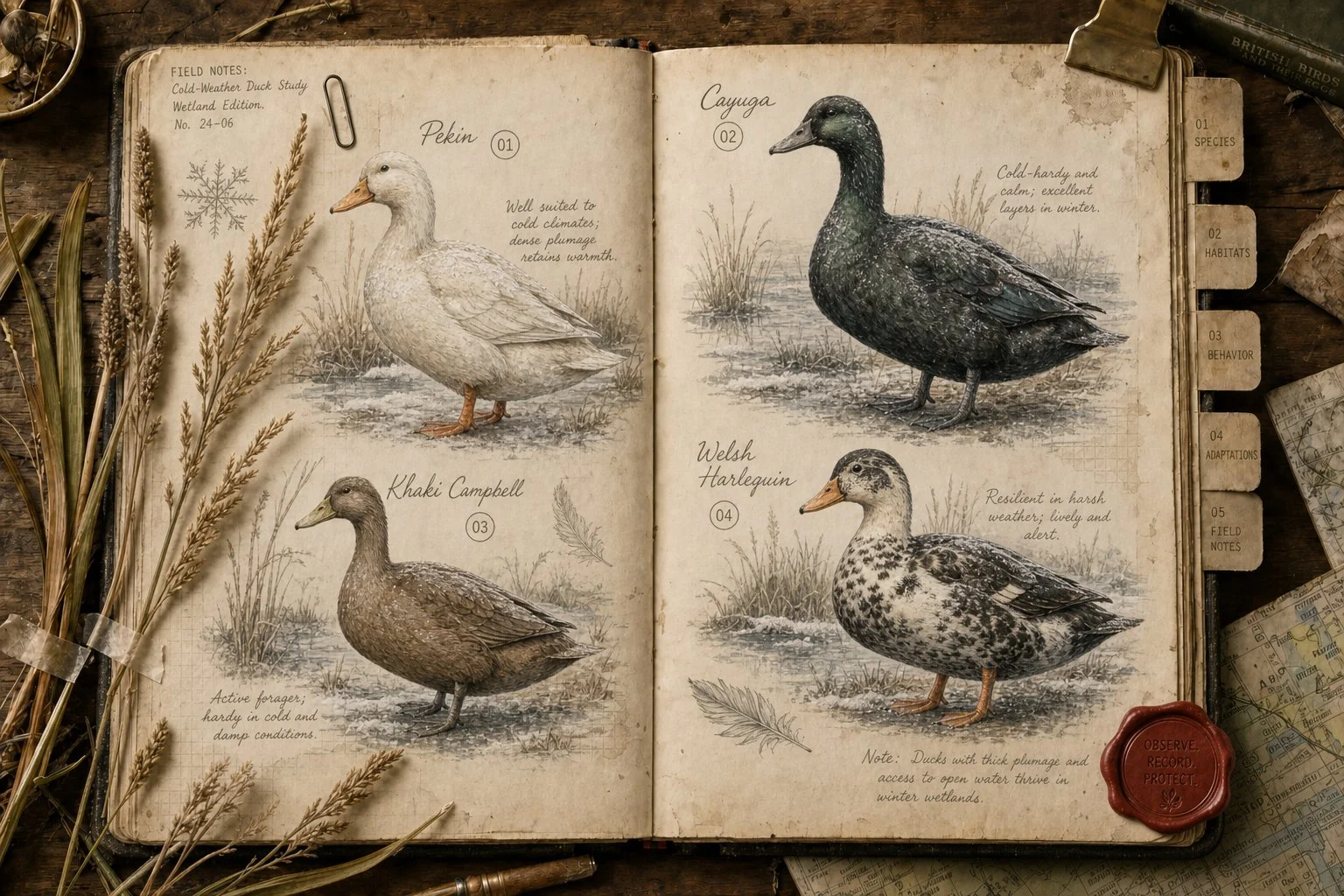
A small-flock keeper's guide to the 12 duck breeds that handle winter genuinely well, the three that don't, and the housing and feed setup that keeps any duck alive through January.
Ducks love fruit, but can they safely eat fruit? Yes, ducks can eat fruit, and many fruits can be a nutritious treat for them. Offer fruits like berries, seedless grapes, chopped apples, and melons...
A balanced and varied diet is crucial for a duck's health, and feeding them the right seeds can provide essential nutrients that help them stay healthy and maintain a strong immune system. So what...
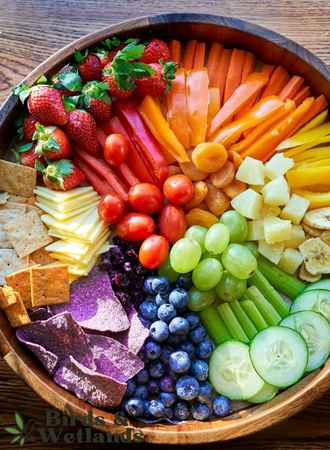
Ducklings require a balanced and nutritious diet to grow into healthy adult ducks. While commercial duck feed is widely available, some duck owners prefer to make their own food at home. Creating DIY...
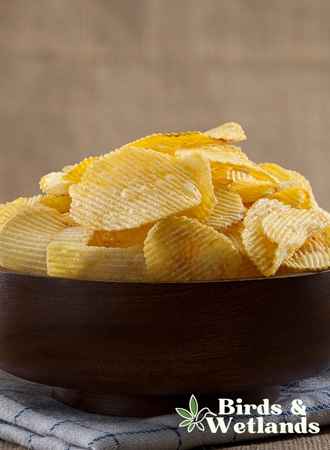
While ducks are known for their love of aquatic plants and insects, introducing some variety into their diet can also provide important nutrients. But what about squash? This colorful vegetable is a...
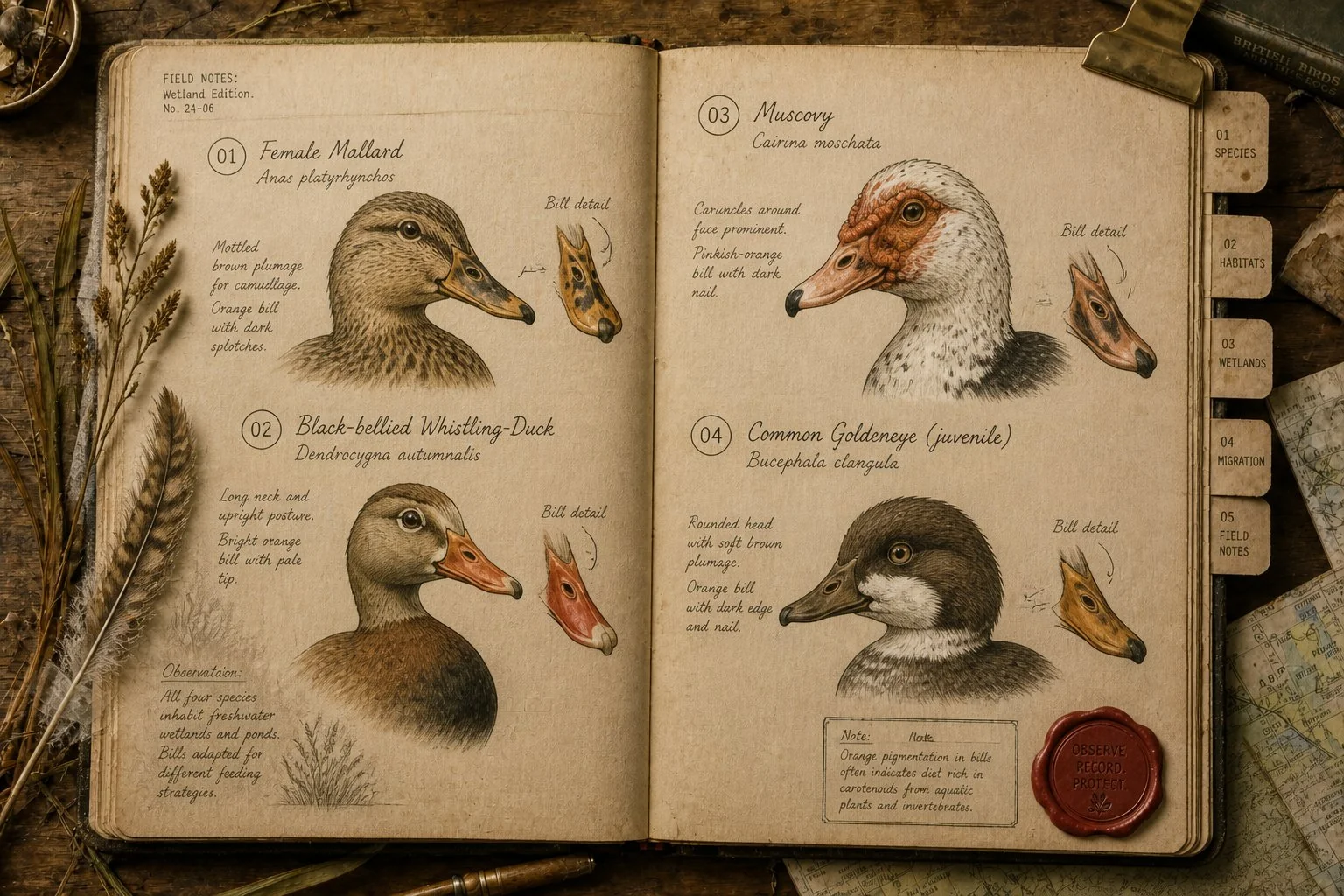
Female Mallard, Black-bellied Whistling-Duck, Muscovy, and others. A naturalist's read on the orange-billed ducks and how to tell them apart.
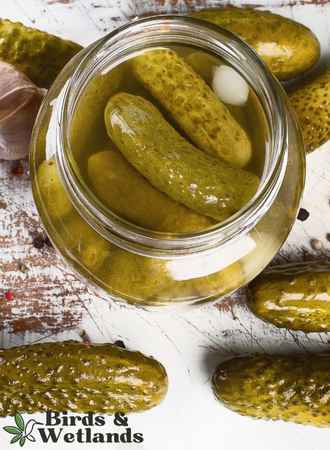
Geese are fascinating creatures with diverse diets. They eat mostly aquatic plants in the wild, including roots, stems, leaves, and seeds. They will eat small insects, worms, crustaceans, and fish as...
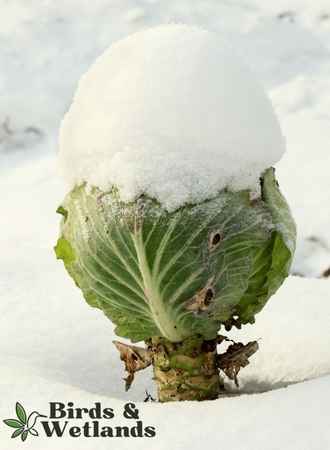
Geese are omnivorous animals, meaning they eat both plants and animals. In the wild, they typically feed on a variety of items including aquatic plants, grains, insects, amphibians, small reptiles...
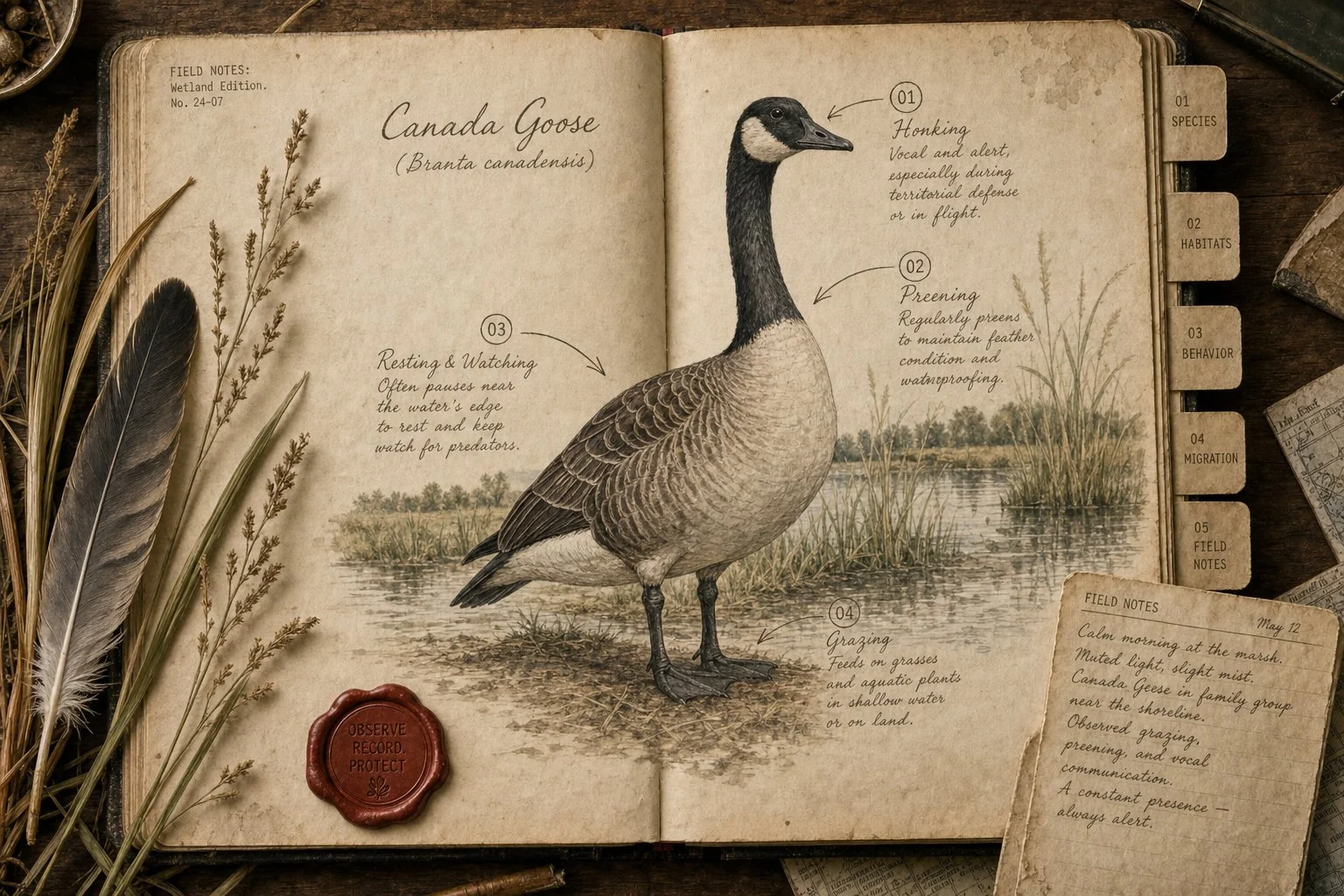
Why geese hiss at you, what the V-formation actually does, and how to read a Canada goose's body language. A field naturalist's notes on what's really going on with the most misunderstood bird in the park.

A small-flock keeper's guide to goose housing - what geese actually need, the dimensions that work, the materials that don't rot, and the predator-proofing that matters most.
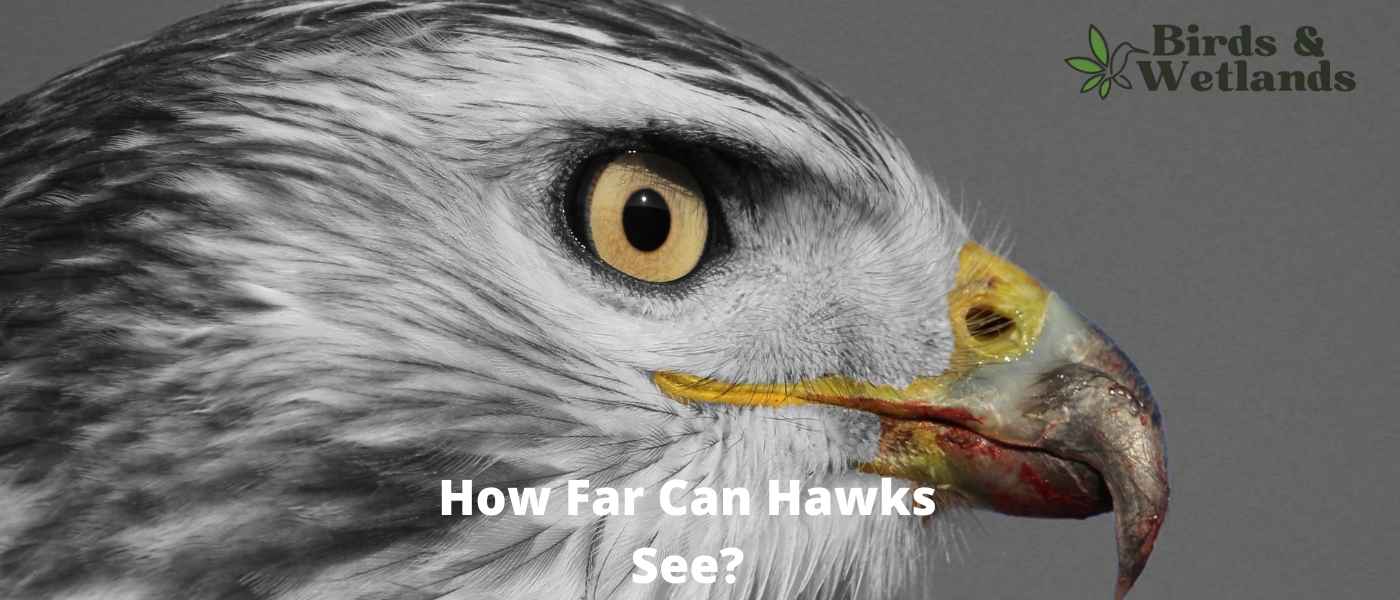
Hawks are known for their good eyesight and excellent depth perception that allows them to can spot movement from far away. Red-tailed hawks, in particular, have binocular vision, meaning they can...
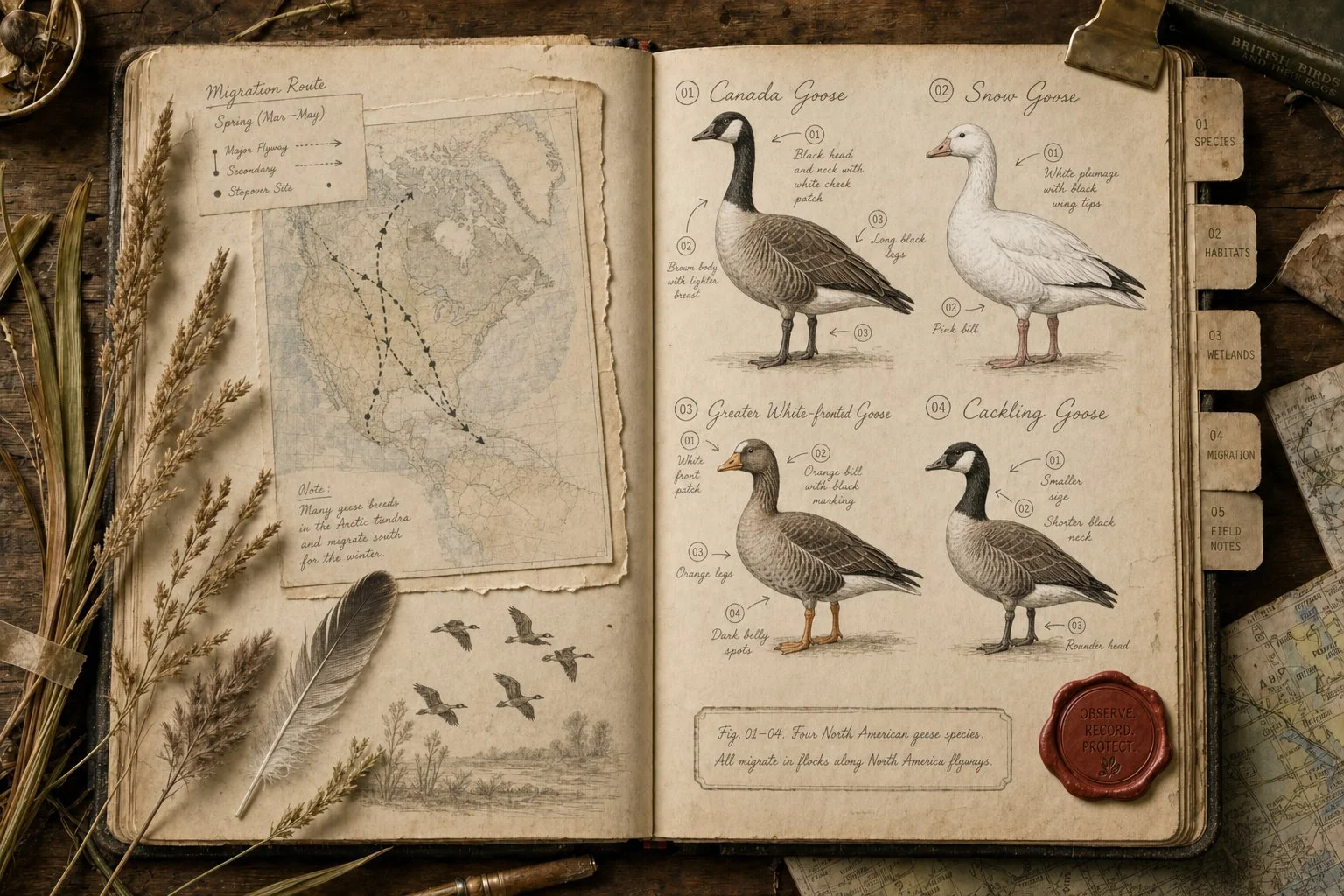
A naturalist's identification guide to the seven goose species that breed or winter in North America - which is which, where they migrate, and the differences most field guides understate.