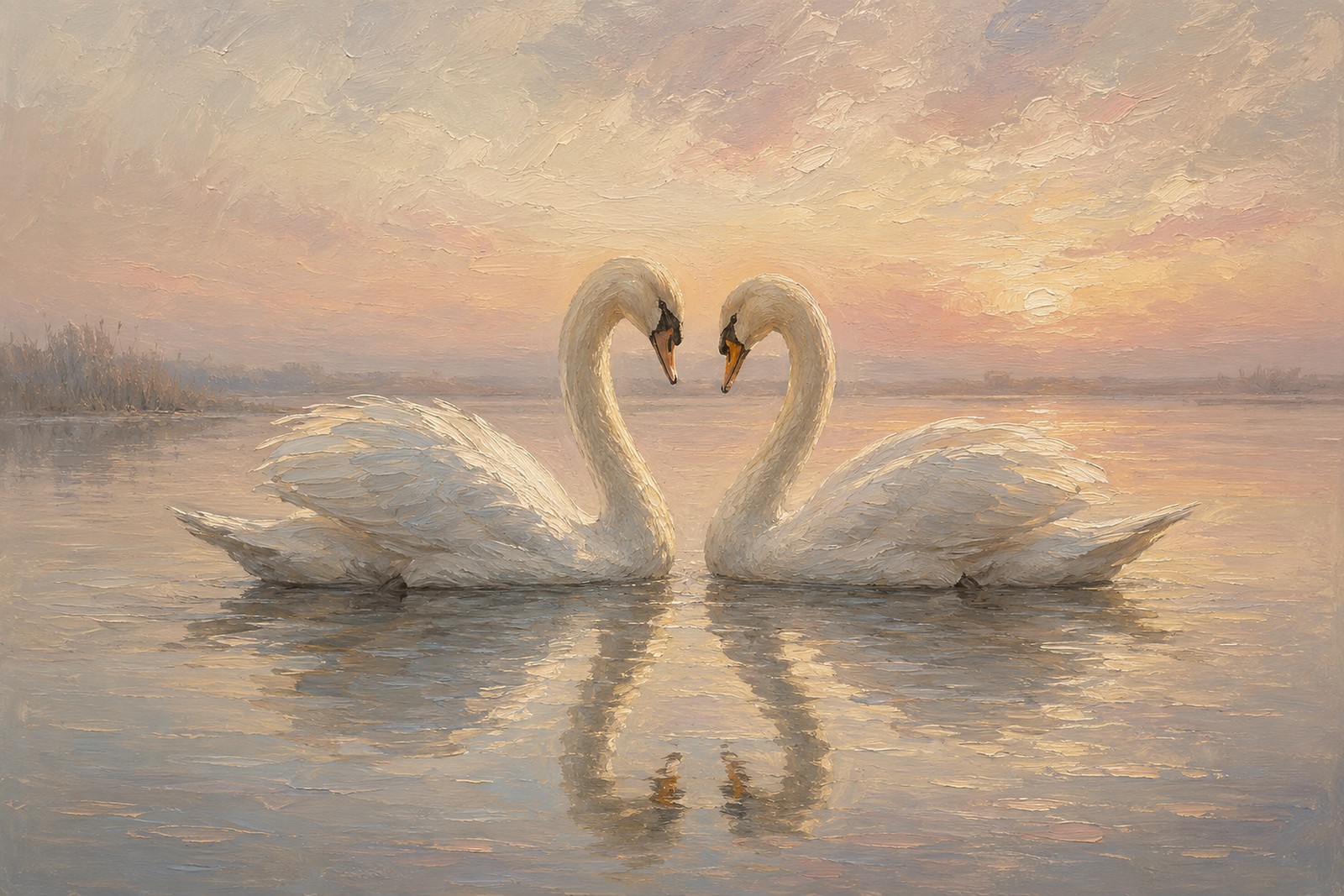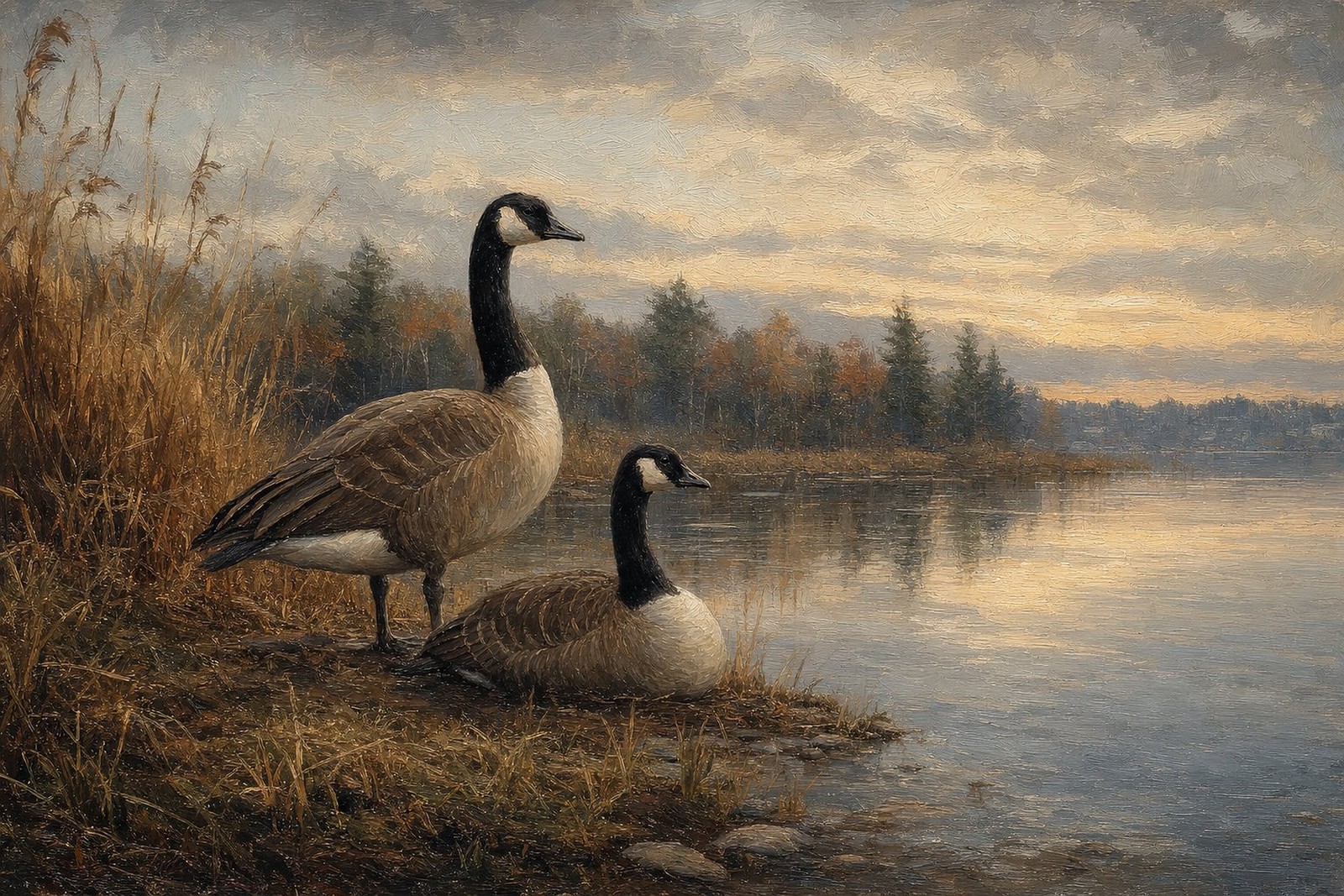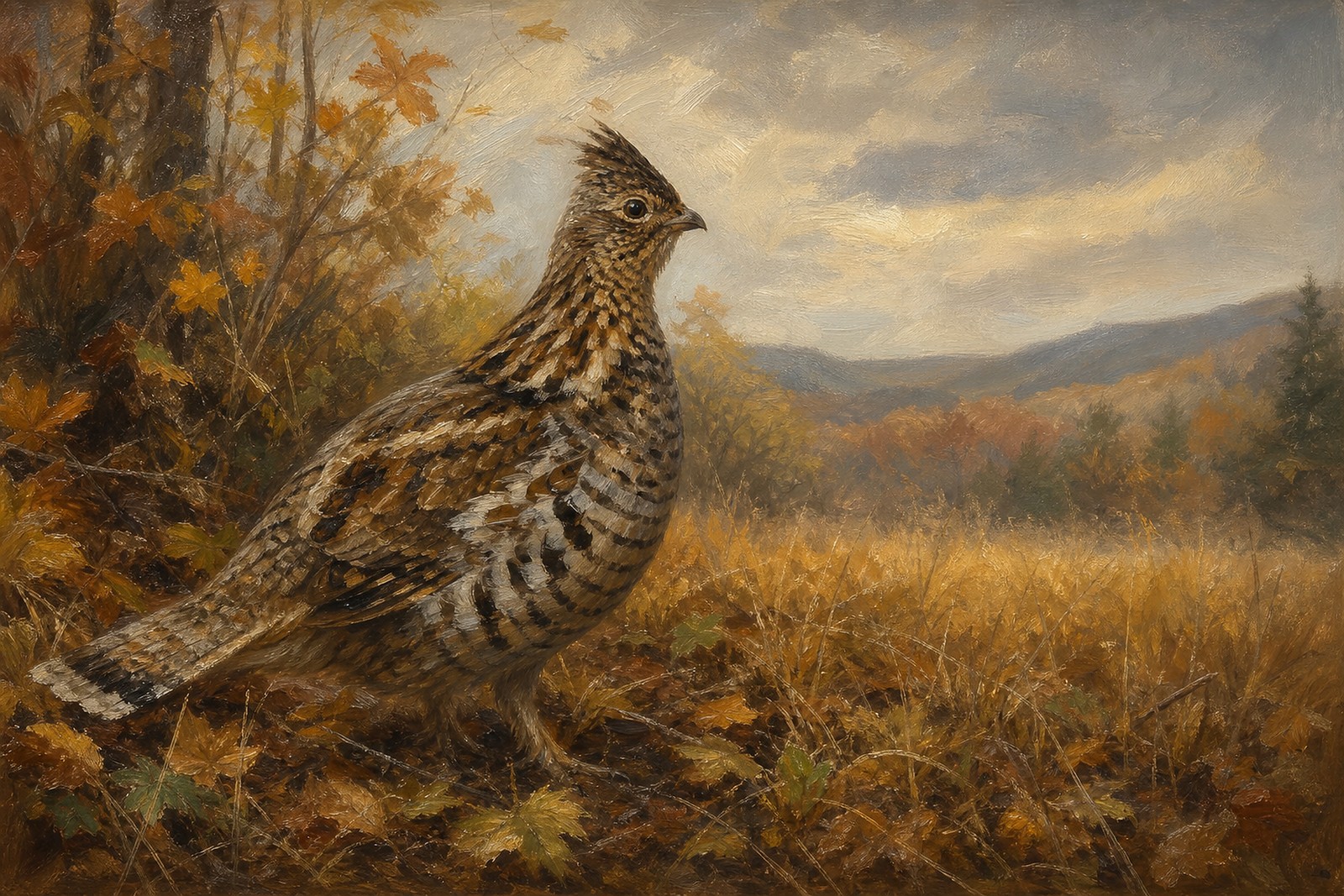
Here is the honest version first: no paper print is humidity-proof, and a title like this one usually introduces a pitch pretending otherwise. What actually exists are setups that survive bathrooms and setups that do not, and the difference is mostly the frame, the fan and the placement, not the art itself. This guide covers all three, tells you plainly where paper struggles, and gives you the two workarounds that make bathroom art a sensible purchase instead of a gamble.
What does steam actually do to paper?
Paper is hygroscopic. It absorbs moisture from the air, expands, then dries and contracts, and it does this every time the shower runs. The visible result is cockling, the gentle waviness a flat sheet develops when the expansion is uneven, and repeated daily cycles work the sheet the way repeated bending works a paperclip. In a chronically damp, unventilated room, the long-term risks get uglier: staining, and in bad cases mould on the paper or the backing.
Note what is not on that list: the image. On a properly made print, pigment inks on archival fine-art paper, the image layer is not the weak point. Humidity does not wash colour out of pigment inks. The sheet is what suffers, which is why every useful defence is about protecting the sheet from the air.
What actually survives a steamy bathroom?
Three variables decide it, in order of importance.
Glazing. A frame with glass or acrylic over the print and a sealed backing behind it creates a buffered pocket of air around the sheet. The paper inside no longer rides every steam cycle; it experiences a slower, gentler version of the room. This is the single biggest factor, and it is the difference between paper art being reasonable in a bathroom and being a mistake.
Ventilation. An extractor fan that actually gets used changes the room’s daily humidity curve more than any framing choice. A bathroom that airs out within half an hour of a shower is a mild environment most of the day. A windowless room where steam hangs is a hostile one, framed art or not.
Placement. Steam rises in a plume above the shower and the bathtub. Art hung inside that plume, directly above or immediately beside the enclosure, takes the worst of every cycle. Hang on the opposite wall, near the door, or above the towel rail on the dry side of the room, and the same print lives a far easier life.
Get all three right and a framed print lives comfortably in a family bathroom for years. Get none of them right and nothing made of paper will thank you.
The frame is doing the protecting
Our framed prints come in black, brown or gold at $189 for 12x18, $259 for 16x24 and $329 for 20x30, and in a bathroom the frame is not a style decision first. The glazing and sealed backing are the working parts, the vapour barrier standing between the sheet and the steam.
Two honest notes. Framing slows moisture exchange; it does not stop it forever in a permanently damp room, so ventilation still matters even for framed pieces. And condensation will sometimes form on the glazing itself after a hot shower, which is harmless if you wipe it rather than letting it sit against the frame edge.
Where paper struggles, and what to do instead
The hardest room in the house for paper art is the windowless full bathroom with weak or absent extraction. Steam has nowhere to go, the humidity cycle never fully resets, and even a well-framed print is living at the edge of its tolerance. The honest advice for that room is not to hang a print you care about in it at all. Hang it in the hall outside instead, where it will be seen just as often, and let the bathroom hold a mirror.
Unframed prints, at $59 to $119, do not belong in full bathrooms, full stop. Bare paper takes every steam cycle directly. Unframed is the affordable route into the dry rooms of the house, and our coastal wall art guide covers plenty of those walls room by room.
The powder room exception
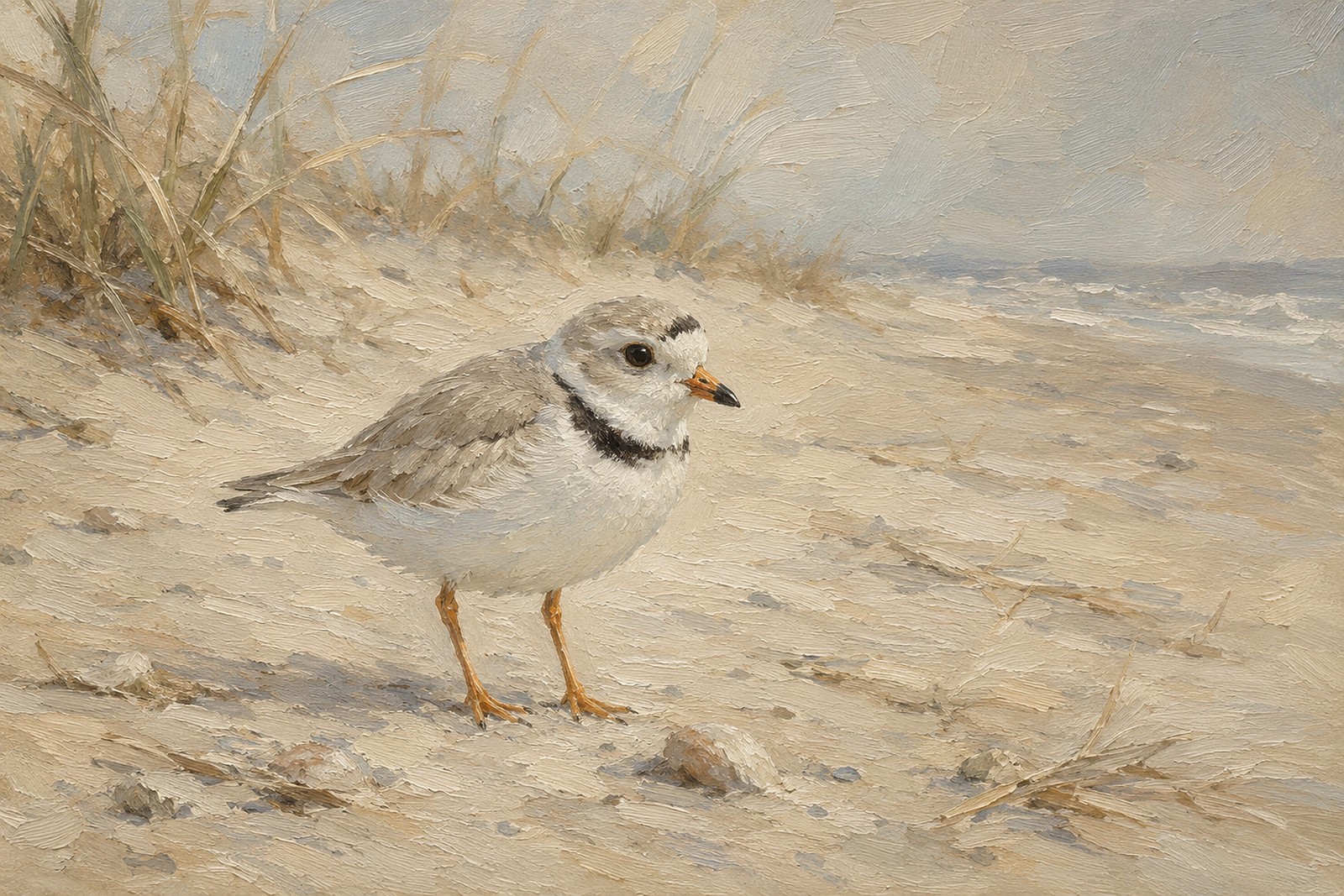
A half bath has no shower and no bathtub, which means no steam cycle, which means it is barely a bathroom at all as far as paper is concerned. It is the friendliest room in this whole guide: unframed prints are fine here, and the small walls suit small formats.
It is also where our Piping Plover on Pale Sand print earns its place in a guide about humidity. The piping plover is a study in dry-sand tones, a small pale bird whose plumage matches the upper beach so closely it vanishes when it stands still. That palette, pale sand, foam white, soft grey, suits the small, light-walled rooms powder rooms usually are, and the 12x18 at $59 fits their walls exactly.
The $19 escape hatch
For the bathroom that fails every test above, there is a pragmatic answer: the $19 digital download. The files are 300 DPI masters that print up to 24 inches wide, so a local print shop can produce a full-size copy on decent stock. Hang that copy in the steamiest room in the house without anxiety, and if the sheet ever cockles beyond what you can live with, print it again. For genuinely hostile rooms, a print you can renew is the only honest version of humidity-proof.
All prints are original AI-created artworks in the style of antique oil painting, 3:2 landscape, printed edge to edge on archival fine-art paper, made to order and dispatched in 2 to 5 business days, with free shipping to the US, Canada, the UK, Europe, Australia and New Zealand. One more piece of honesty: the 30-day replacement and refund policy covers prints that arrive damaged, defective or wrong. It does not cover what steam does over months, which is exactly why this guide is blunt about placement. Choose from our coastal shorebird prints with the checklist above in hand, and the bathroom stops being a risk.
Frequently asked questions
Can I hang art directly above the bathtub?
Above a soaking tub that runs occasionally, a framed print with sealed backing is usually fine. Directly above or beside a shower is different: that is the centre of the steam plume, and even framed pieces take the worst of it there. Move the art to the opposite wall.
Is glass or acrylic glazing better for a bathroom?
Both work as a vapour barrier when paired with a sealed backing. Acrylic is lighter and does not shatter, which matters on a wall above hard porcelain. Glass is stiffer and wipes cleaner. Either way, the sealed frame is what protects the print, not the glazing material.
Will humidity fade my print?
No, fading is light’s job, not moisture’s. Humidity distorts the sheet through cockling; direct sun fades images. Pigment inks on archival paper hold their colour for decades indoors, so keep the print out of strong direct sunlight and worry about the steam separately.
Would canvas or metal be safer than paper?
Different materials tolerate steam differently, and some tolerate it better. We print on archival fine-art paper because the oil-painting-style artwork renders best on it, so this guide is about doing paper right: glazing, ventilation and placement, plus the digital file as the fallback for the harshest rooms.