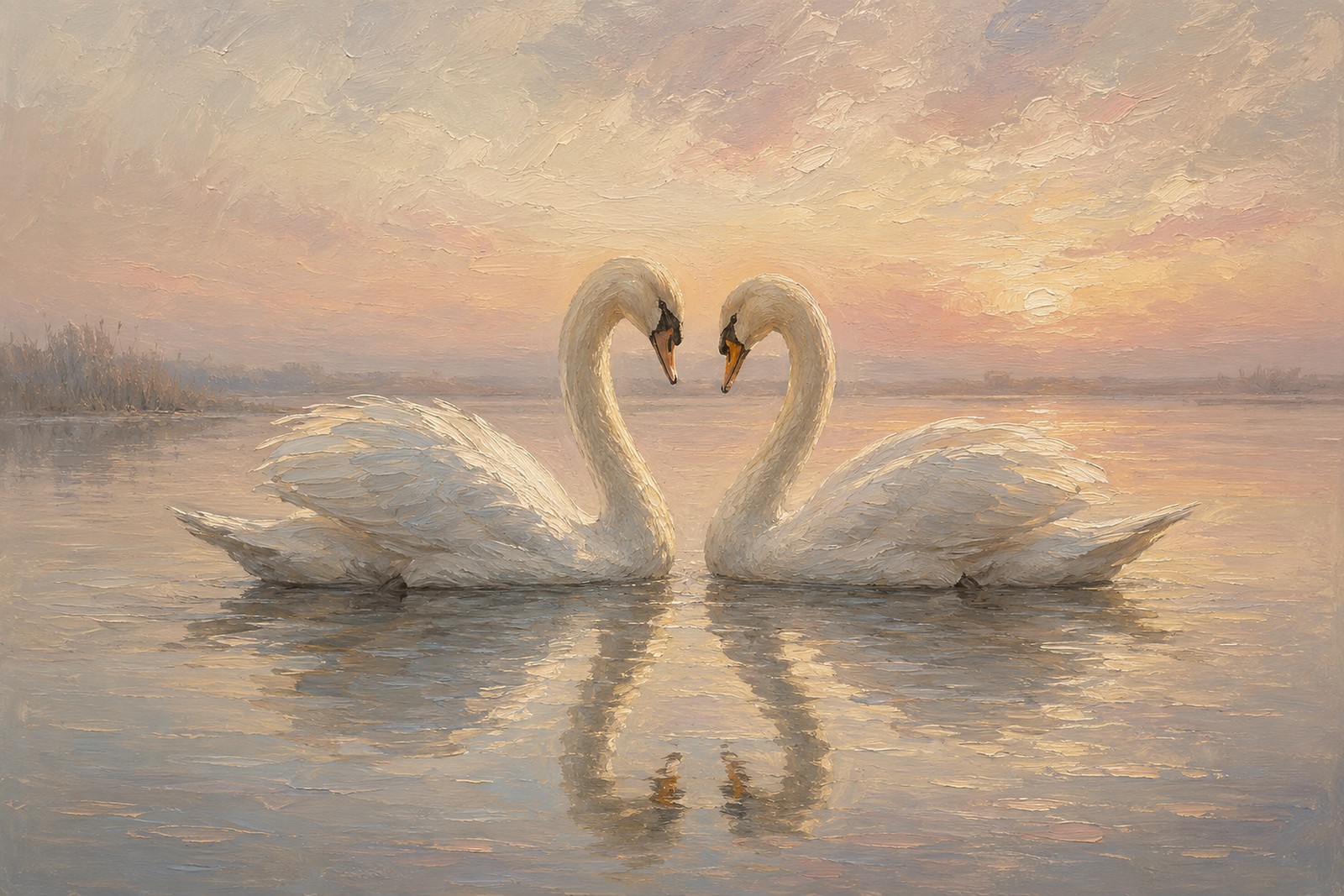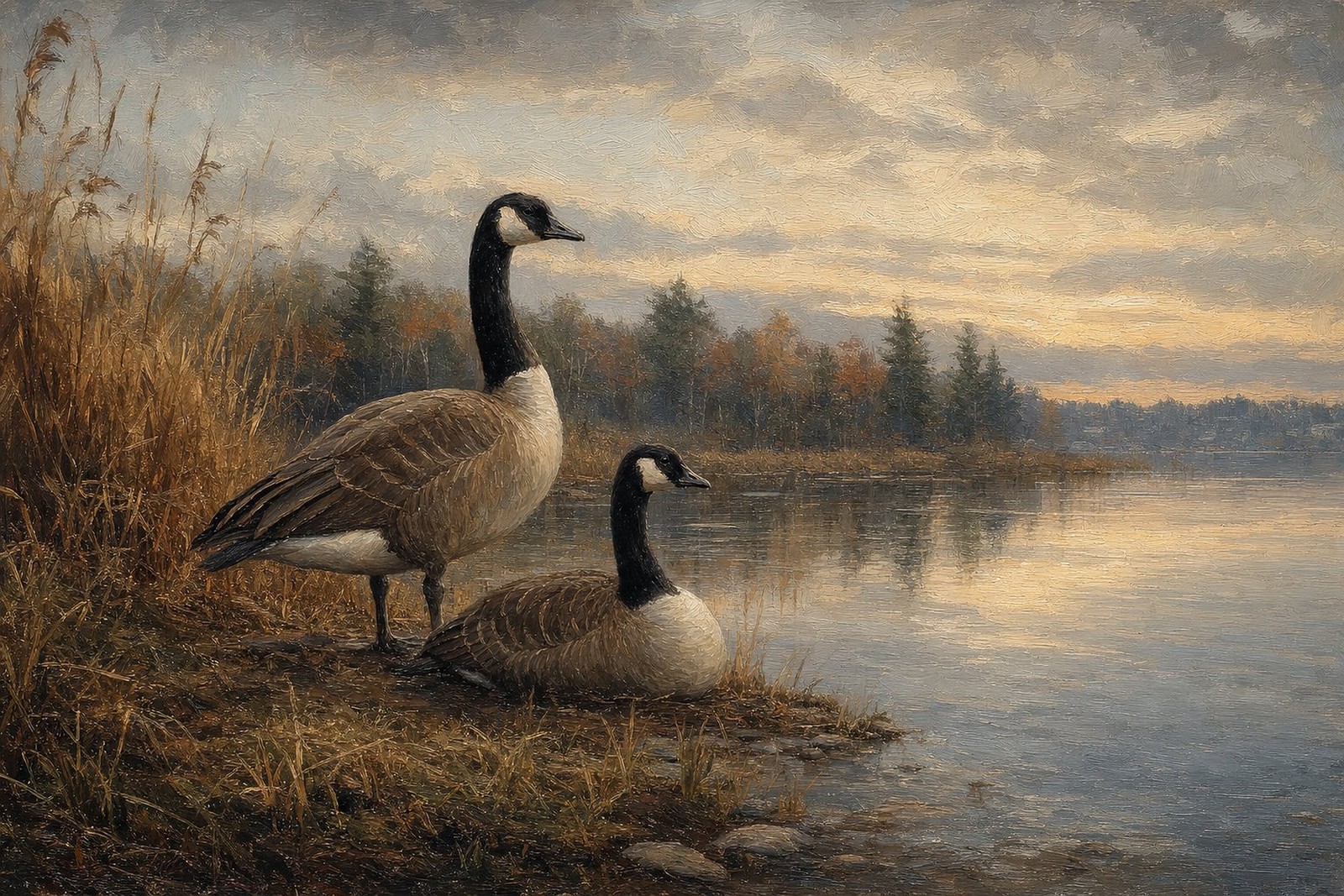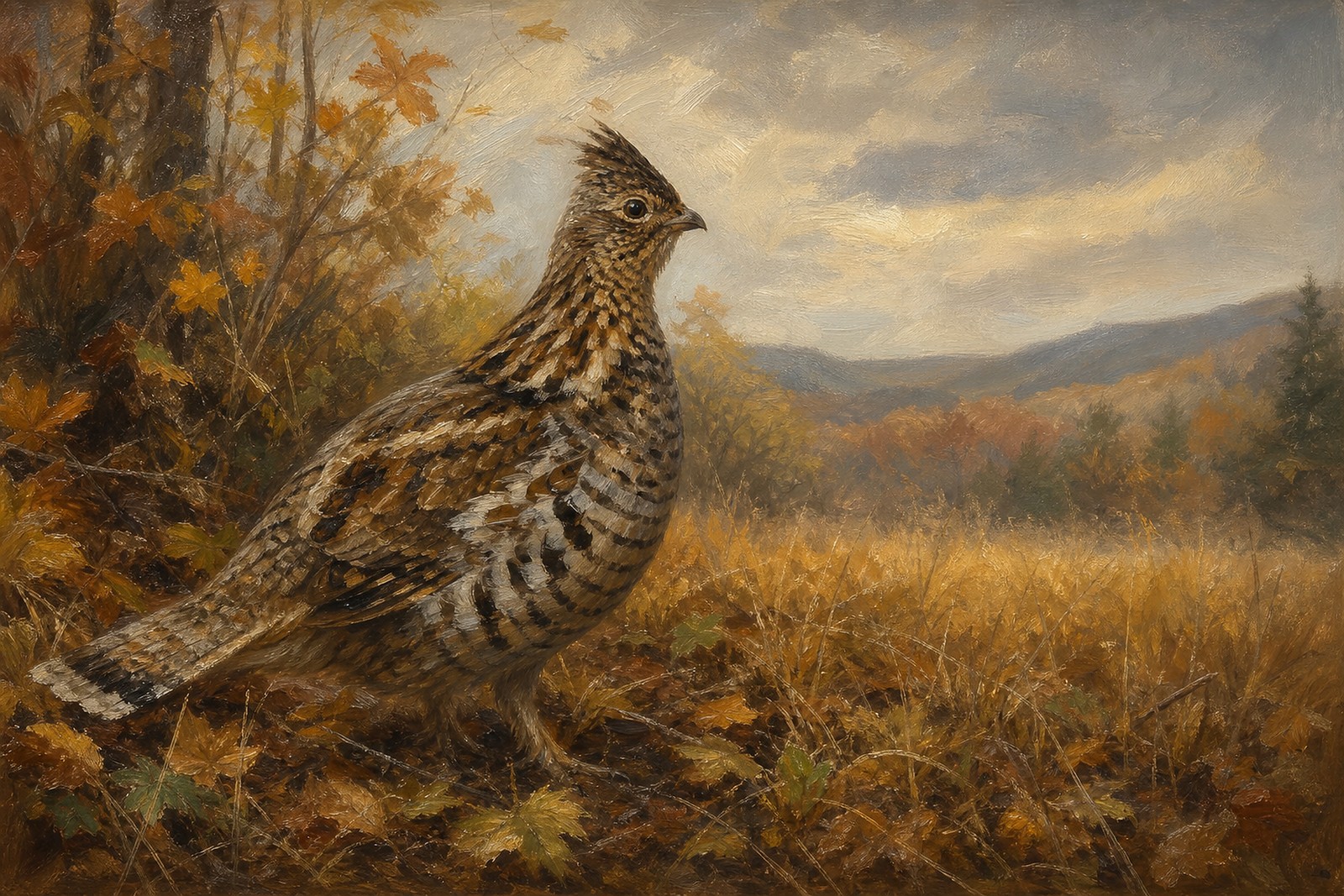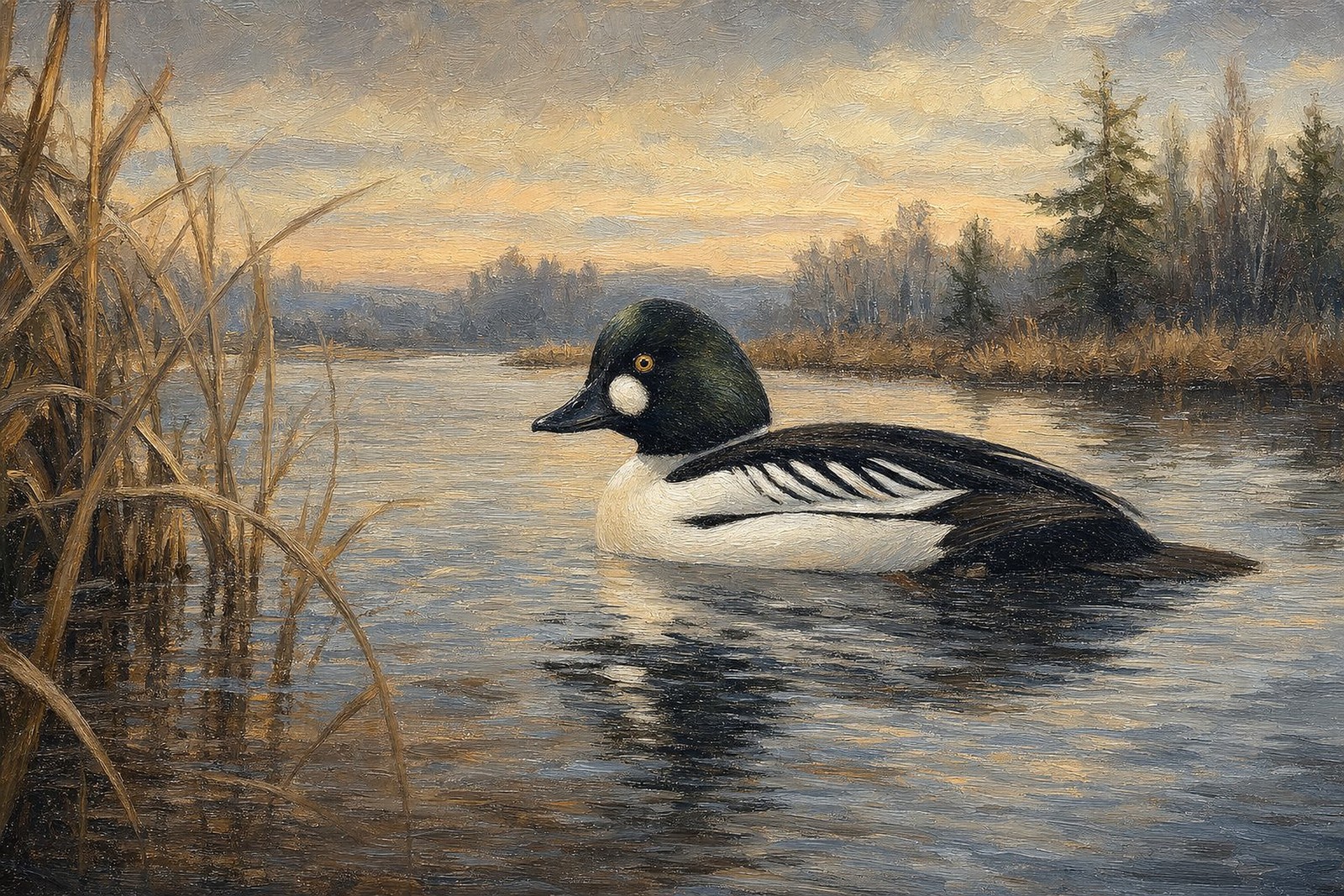
Every man cave reaches the same night: the one where the neon beer sign stops being funny. The room served honourably through its first decade, the game posters, the pennant, the framed jersey, but somewhere along the way its owner started wanting a room he could take a phone call in, pour a good bourbon in, read in. Not a different room. The same room, grown up.
The cheapest, fastest lever for that is the walls. Furniture is expensive and paint is a weekend, but swapping novelty for considered art changes what a room says about its owner in an afternoon. And when the room in question runs to leather, dark wood and low light, the strongest candidates in our collection are two cold-water ducks: the common goldeneye and the canvasback.
What separates a man cave from a study?
Intent. A man cave announces what its owner likes: teams, brands, bottles, trophies. A study implies how its owner thinks. The first hangs evidence; the second exercises judgment. Nobody is fooled by expensive furniture in a room whose walls still shout, and conversely a modest room with well-chosen walls reads as considered from the doorway.
The test for any piece of art in the upgrade is simple: does it require an explanation or an apology? A poster requires the second. A neon sign eventually requires both. A good print in the style of classic American sporting art requires neither, which is why that tradition has furnished serious male rooms, clubs, libraries, offices, lodges, for over a century.
Why are diving ducks the grown-up choice?
Within waterfowl art there is a quiet hierarchy of tone. Dabbling ducks, the mallards and wood ducks of park ponds, read as friendly and familiar. Diving ducks read as serious. They are birds of open, cold, late-season water, built low and hard-riding, and their prints inherit that austerity: sparer palettes, colder light, less picture-book charm and more weather.
The canvasback brings the pedigree. The largest of North America’s diving ducks, it was the aristocrat of the nineteenth-century table, prized from the Chesapeake to San Francisco, its very name a byword for the best. Even its scientific name honours the wild celery it fed on. The goldeneye brings the atmosphere: a crisp black and white sea duck with a bright amber eye, known to generations of gunners as the whistler for the wing-song it makes in flight, a bird of cold rivers that stays north as long as open water holds.
Hanging either one signals something a mallard cannot: that the choice was specific. Connoisseur species, chosen by someone who knows the difference.
The palette: cold water, dark wood, one warm note
Goldeneye and canvasback prints work in these rooms because their palettes were practically drawn from the furniture. The goldeneye’s blacks and whites and the cold grey-green of river water sit handsomely against dark shelving and deep wall colours, navy, forest green, charcoal, while the drake’s amber eye supplies a single point of brightness. The canvasback adds the warm note: a russet head close to the colour of cognac leather, set against winter-grey water.
Rendered in antique oil-painting style, both prints carry the low, varnished light that leather rooms already live in. One warm accent, plenty of shadow, no shouting. That is the whole formula.
Where should the art hang?
Above the desk: a 16x24 goldeneye, centred, with the bottom of the frame 6 to 10 inches above any shelving or monitor line. Large enough to read on a video call, restrained enough not to loom.
Over the leather sofa or chesterfield: a 20x30 canvasback alone over a loveseat, or a pair of 20x30s side by side over a full sofa, spanning roughly two thirds of its width.
Between windows or over the bar cart: a 12x18, where the tighter wall calls for the smaller sheet.
On the chimney breast: if the den has a fireplace, a 16x24 above the mantel, or a facing pair flanking it, is the most traditional arrangement in the book. In basement dens with low ceilings, drop every piece a couple of inches rather than crowding the ceiling line.
As a facing pair: goldeneye and canvasback on one wall, birds angled toward each other, the traditional inward-facing arrangement that makes two prints read as one composition.
Does the room need repainting too?
Not necessarily, but paint is the cheapest multiplier in the whole upgrade. The traditional study colours, deep green, navy, charcoal, do for waterfowl art what white walls never will: they make the prints glow. Against a dark wall an oil-painting-style print reads the way pictures read in old libraries, as a lit object rather than a decoration, and the goldeneye’s crisp whites in particular come alive. Dark paint also swallows the visual noise of televisions, speakers and cables, which most of these rooms still have to house.
If repainting is on the cards, paint first and hang second. If it is not, the prints work against paler walls too: let brown or gold framing supply the warmth the wall lacks, and keep the arrangement tighter, since pale walls exaggerate the empty space between frames.
How do you upgrade without gutting the room?
Do not strip the room of its history; edit it. Keep the single best piece of memorabilia, the jersey, the flag, the photograph that actually means something, and frame it properly, in a real frame, hung level. Retire the rest without ceremony. One well-framed relic among serious art reads as biography. Six of them read as a dorm.
Then fix the light: warm bulbs, lamps instead of overheads, a picture light over the main print if the room leans traditional. Our hunting lodge wall art guide covers the fuller version of this room, and if the upgrade is a gift for someone else’s den, the duck hunter gift guide approaches the same taste from the giving end.
The species themselves, goldeneye, canvasback and their calmer companions, are all in the full lineup of duck and marsh bird prints, rendered as one series so a wall built over time still hangs together. Prints run $59 to $119 unframed by size, $189 to $329 framed in black, brown or gold, with a $19 digital download, made to order, dispatched in 2 to 5 business days, shipping free to the US, Canada, the UK, Europe, Australia and New Zealand.
Frequently asked questions
Black, brown or gold frames for a study?
Brown if the room is leather and timber: it keeps everything in one warm register. Black if the room has modern lines or black metal anywhere, shelving, lamps, window frames. Gold if the room leans clubby and traditional, and gold around a canvasback over dark green walls is as traditional as it gets. Whichever you choose, keep it consistent across the room.
Can goldeneye and canvasback hang together?
They are made for it. Both are rendered in the same antique oil-painting style with the same cold-water light, so they read as one series. Hang them as an inward-facing pair over the sofa, or split them, goldeneye above the desk, canvasback over the reading chair, so each anchors its own corner of the room.
What size print goes above a desk?
The 16x24 at $89 unframed or $259 framed. It fills the wall behind a desk without dominating a video call frame, and it leaves room for shelving beside it. Save the 20x30 for the sofa wall or a chimney breast.
Are these prints actual oil paintings?
No. Each is an original AI-created image in antique oil-painting style, in the tradition of classic American sporting art, printed to order on archival paper. Listings say so plainly. Damaged, defective or wrong deliveries are replaced free or refunded within 30 days; there are no change-of-mind returns, so measure the wall first.