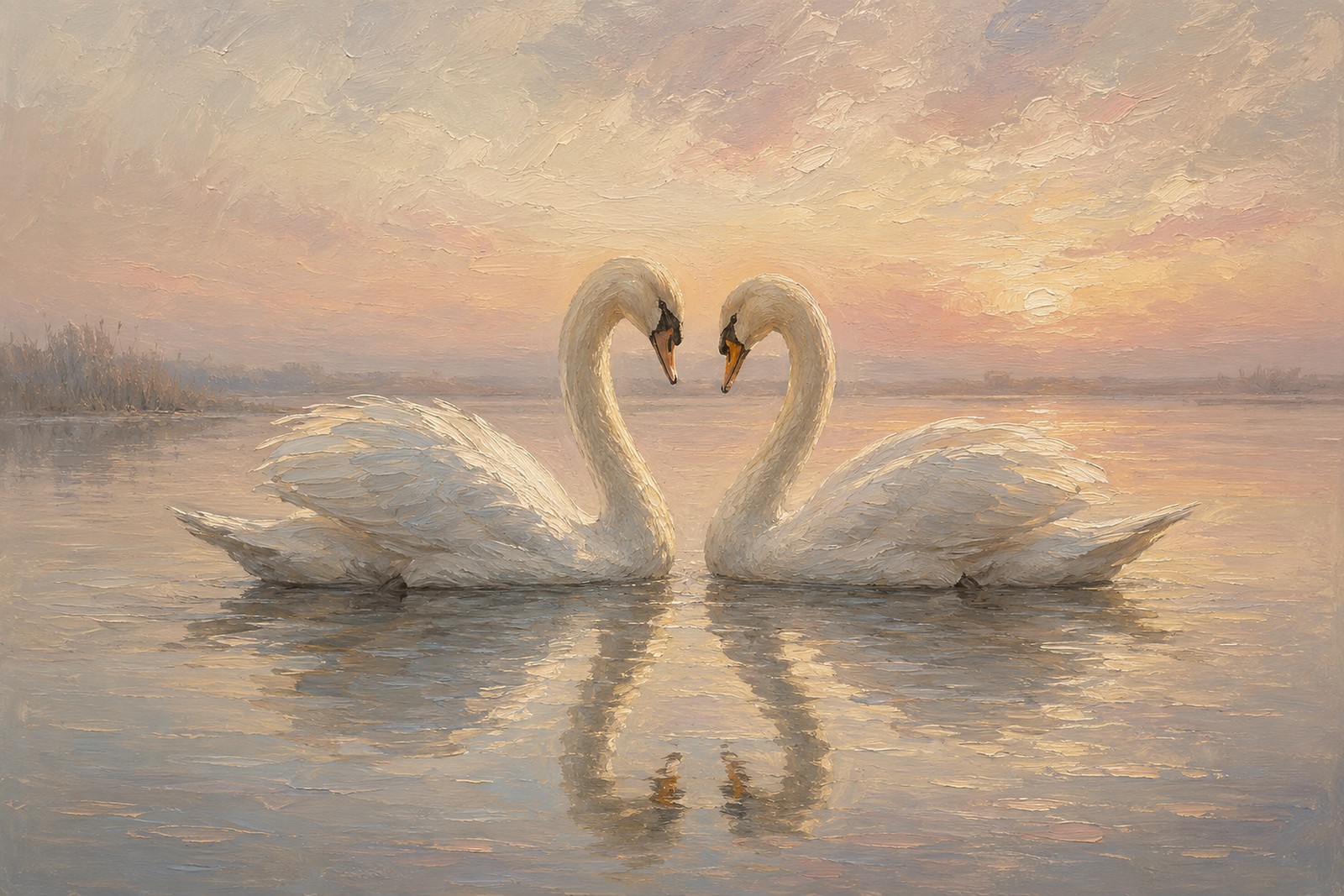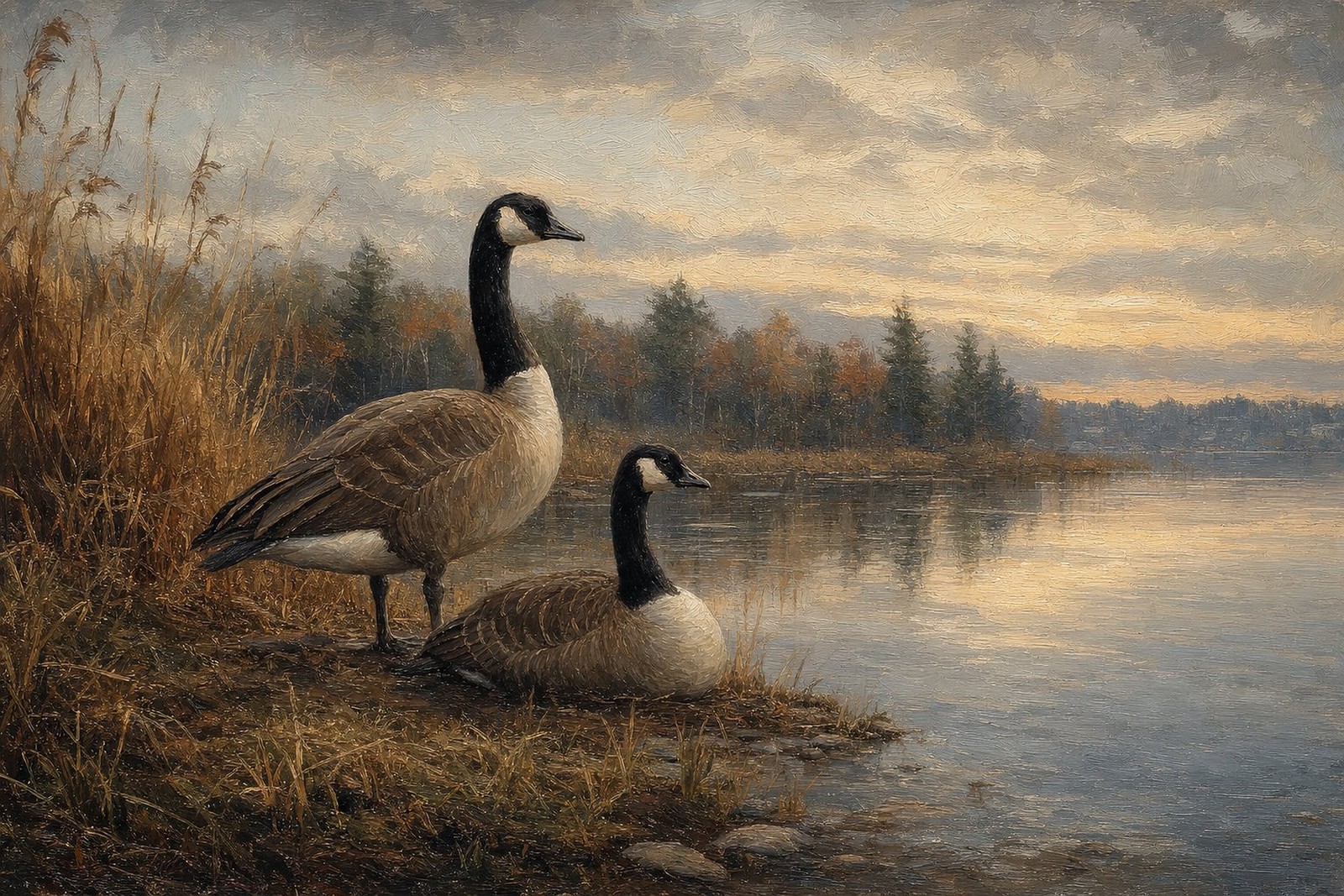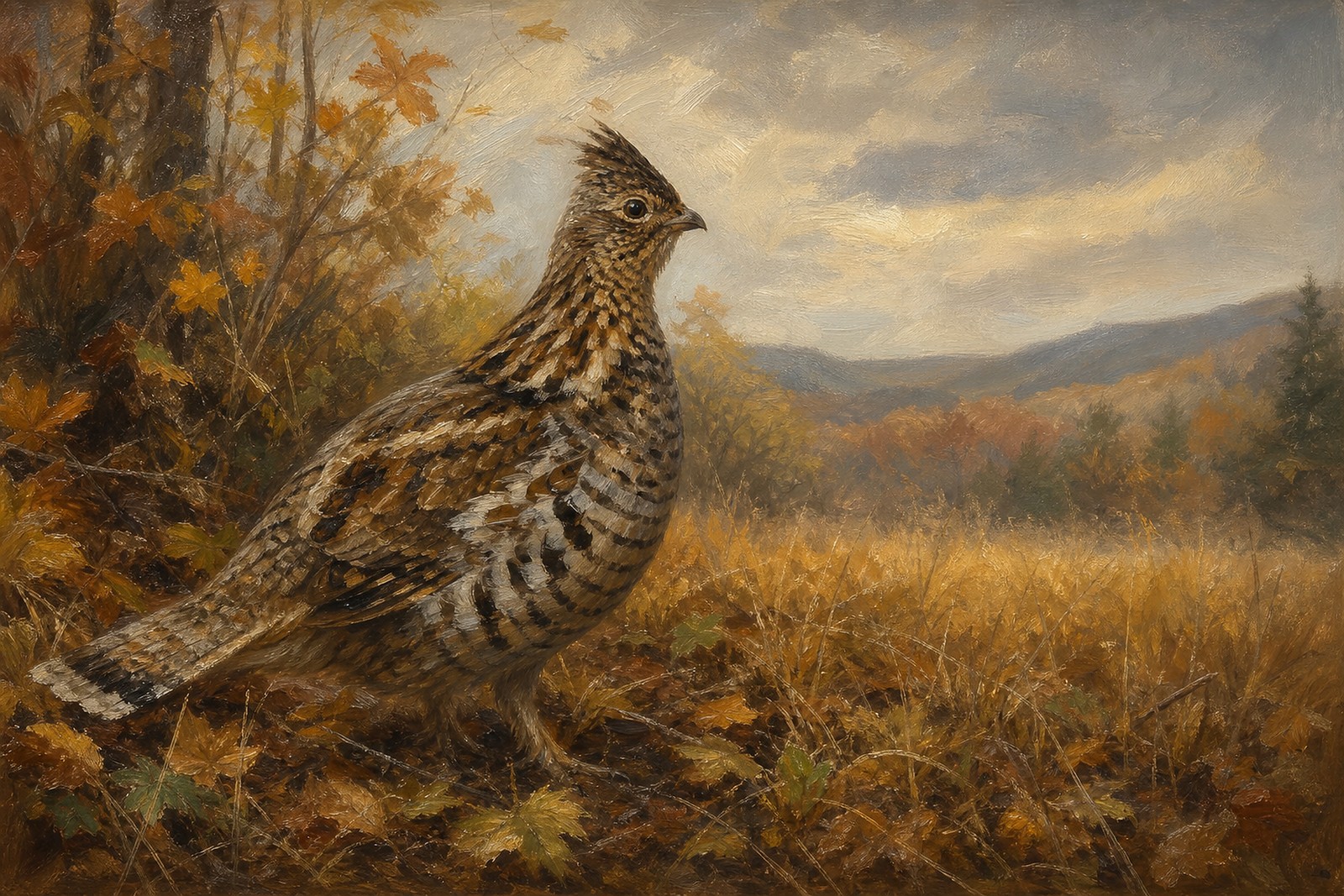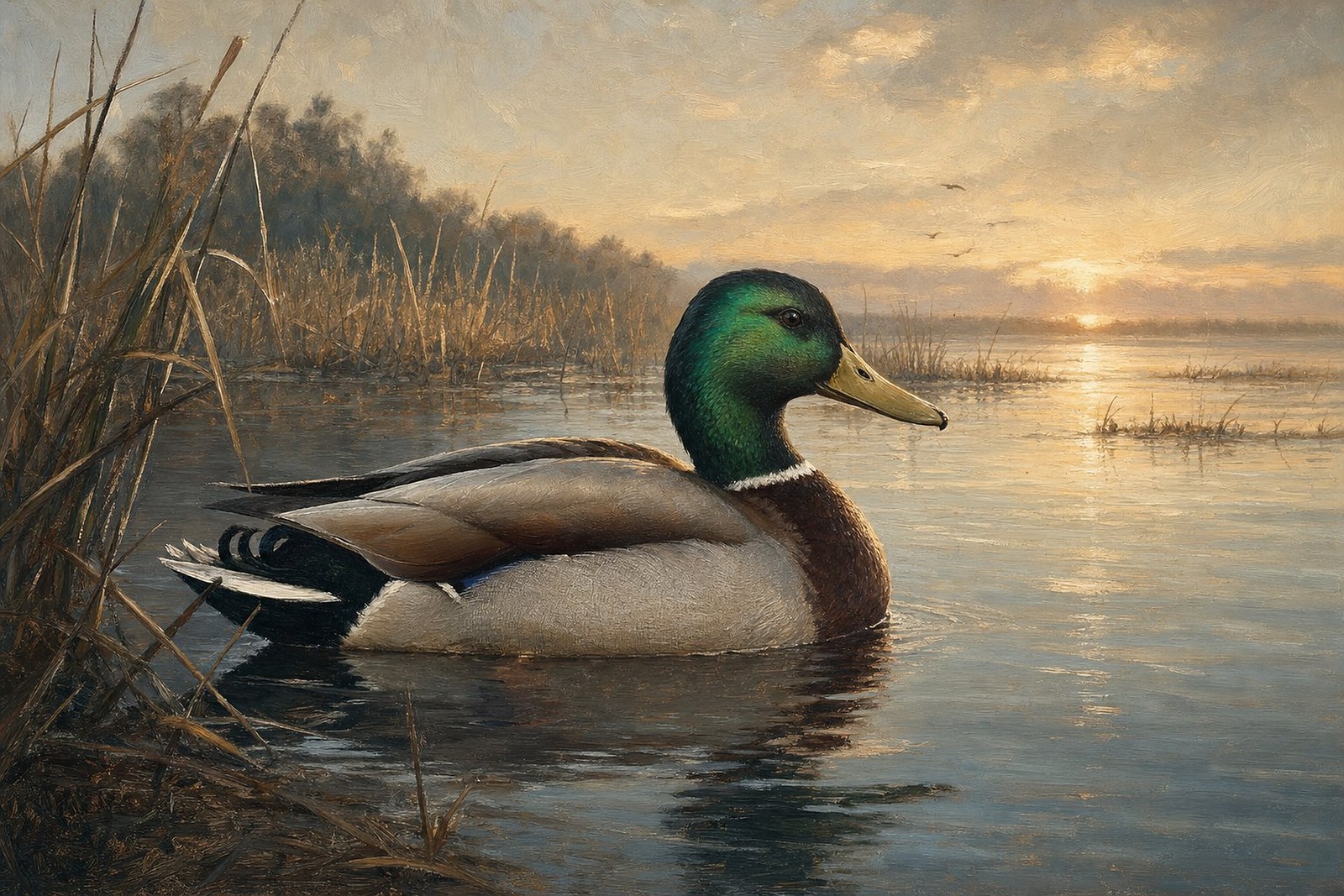
Somewhere between the $12 poster and the $12,000 gallery canvas, most people lose the thread. Two pieces of wall art can look nearly identical in a photograph and differ in price by a factor of a hundred, and very little of the industry is eager to explain why. Some of the difference is real: paper, inks, framing, scarcity. Some of it is theatre.
We sell prints for a living and our prices are public, so this guide has nowhere to hide. Here is what wall art actually costs in 2026, tier by tier, what drives the price at each level, and where made-to-order archival prints like ours sit in the market, with our own price list used as the worked example.
What does wall art actually cost, tier by tier?
Posters and mass-market prints: $10 to $40. Printed in bulk on thin stock with dye-based inks, usually shipped rolled. They look fine for a year or two, then the colours shift and the paper ripples. This tier exists for dorms, rentals and short-term decorating, and it does that job honestly.
Open-edition art prints: $40 to $150 unframed. This is where most quality-conscious buyers land. The good ones use heavyweight archival paper and pigment inks that hold their colour for decades. The bad ones are posters with better photography. The price alone will not tell you which is which; the paper and ink specifications will.
Framed made-to-order prints: roughly $150 to $400. The same archival print, plus a real frame, glazing, corner protection and heavier freight. The frame is genuine cost, not markup, which surprises people who have never priced custom framing on its own.
Limited editions: $200 to $1,500 and up. Here you begin paying for scarcity and signature as well as materials. Worth it if you are collecting. Irrelevant if you simply want a handsome wall.
Original art: $1,000 with no ceiling. One object, one owner. A different purchase altogether, with the artist’s market setting the price.
What are you actually paying for?
Four things, in varying proportions. Paper: archival cotton or alpha-cellulose stock costs several times what poster stock does, and is the difference between a print that outlives the sofa and one that fades with it. Inks: pigment inks resist light and time; dye inks do not. Framing: a solid frame with glazing typically costs more than the print inside it, at every level of the market. And scarcity: in editions and originals, you pay for how few exist.
One more cost hides in every price: shipping. No shop ships free. Shipping is either a line at checkout or built into the sticker, and it is worth knowing which convention a shop uses before comparing prices. We build it in, and ship free to the US, Canada, the UK, Europe, Australia and New Zealand.
Where do made-to-order archival prints sit?
In the sensible middle, and our own ladder shows the shape of the tier. Our oil-painting-style waterfowl prints run 12x18 at $59, 16x24 at $89 and 20x30 at $119 unframed. Framed in black, brown or gold, the same sizes are $189, $259 and $329. A digital download is $19.
The gap between unframed and framed is the honest cost of the frame itself: solid moulding, glazing, mounting and the heavier, better-protected parcel it travels in. Made to order means no warehouse of prints waiting for buyers; your print is produced when you order it and dispatched in 2 to 5 business days. It is also why shops like ours replace or refund anything damaged, defective or wrong within 30 days but do not take change-of-mind returns: the print was made for you, not for a shelf.
When is a cheap poster the right call?
More often than shops like to admit. A child’s bedroom that will be redecorated in three years. A rental you will leave. A look you are testing before committing to it. In all three cases the $20 poster is the rational buy, and anyone who tells you otherwise is selling something.
Spend at the mid-tier when the opposite conditions hold: a room you sit in every day, a wall guests see, a home you intend to stay in, or a gift, where the difference between a poster and an archival print is the difference between a gesture and a keepsake. Our wetland gifts guide and our duck hunter gift guide both work from that logic.
When does spending more make sense?
If you collect, editions and originals reward you in ways open prints cannot: provenance, scarcity, a relationship with an artist’s market. But be clear-eyed about what counts as scarce. An “edition” of two thousand is an open print wearing a numbered badge, and a signature adds value only when the name means something beyond the shop that printed it. If you are furnishing rather than collecting, the mid-tier delivers essentially all of the visual result for a tenth of the money.
How do you spot inflated pricing?
A few reliable tells. The perpetual sale: a print “reduced” from $300 to $90, forever, was never a $300 print. Countdown timers on made-to-order goods, which by definition do not run out. “Gallery canvas” listings that stretch a licensed stock image over a frame of unspecified material. And framing bundles priced as though the frame were solid walnut when the listing never says what it is made of. Honest shops publish materials, sizes and policies where you can read them. Evasive listings are evasive for a reason.
A worked example: pricing a den wall
Take a den with one long wall over a sofa. Option one: a single framed 20x30 as the anchor, $329, one parcel, done. Option two: a run of three unframed 12x18 prints at $177 total, framed locally or hung in ready-made frames, which trades money for errands. Option three: the $19 digital download printed and framed by a local shop, which can land anywhere from cheap to surprisingly expensive once the framer quotes you, and suits people who already have a framer they trust.
All three are legitimate. The point of an honest pricing guide is that the right answer depends on the wall, not the shop’s margin. Whichever route you take, choose the image first: our waterfowl print collection is where we would start, for the obvious reason that we made it, and every print in it states plainly what it is and what it costs.
Frequently asked questions
Why do framed prints cost so much more than unframed?
Because the frame is a manufactured object in its own right: moulding, glazing, mounting and protective packing, shipped as a heavier and more fragile parcel. Price a bare custom frame anywhere and the gap between our unframed and framed prices will look familiar. Framed is the better buy if you value your time; unframed is the better buy if you enjoy choosing frames.
Is a digital download actually cheaper by the time it is on the wall?
Sometimes. The $19 file plus a local print run can undercut our unframed prices at smaller sizes. Add local framing and you will usually meet or pass the cost of our framed print. Downloads suit people who like controlling paper and framing themselves, and they are instant, which matters for last-minute gifts.
Are your prints paintings?
No. Every image in our collection is an original AI-created image in antique oil-painting style. Nothing we sell is a painting, a photograph or a historical reproduction, and our listings say so in plain language, because provenance honesty is part of what you are paying for at any price.
Why no change-of-mind returns?
Each print is made to order for the person who buys it, so there is no stock to return it to. Anything damaged, defective or wrong is replaced free or refunded within 30 days. The trade-off for made-to-order pricing is a little care at the measuring stage, and we think that trade is worth making.