Buying for a bird lover is easy once you know one thing: they don’t want another mug with a robin on it. Most people who love wetland birds have spent real hours standing at the edge of a marsh, binoculars up, waiting for something to move. What they respond to is anything that treats the birds with the same seriousness they do, and that starts with art, not novelty items.
This guide leads with the prints, since they’re the gift that gets hung and kept for years, then moves through the field gear and days out that round out a proper wetland-lover’s wish list. Most of the birds below live in the same marsh and reedbed habitat that anchors this whole journal, so if you want to read more about where they’re actually found before you buy, that’s the place to start.
Start with the wall: oil-painting-style bird prints
An oil-painting-style print of a species they actually watch, not a generic bird silhouette, is the gift that signals you paid attention to what they love rather than just that they love birds in general. Four species cover most of the wetland world.
Heron. No wetland bird is more recognisable or more photographed standing still than the great blue heron, the largest heron on the continent and often the first genuinely wild thing a new birdwatcher notices at the water’s edge. A print of one holding its pose at the edge of the shallows is close to a universal choice for anyone who spends time at a marsh, a pond, or a coastal flat. See our companion guide Heron Prints: The King of Coastal Decor for more on this species specifically.
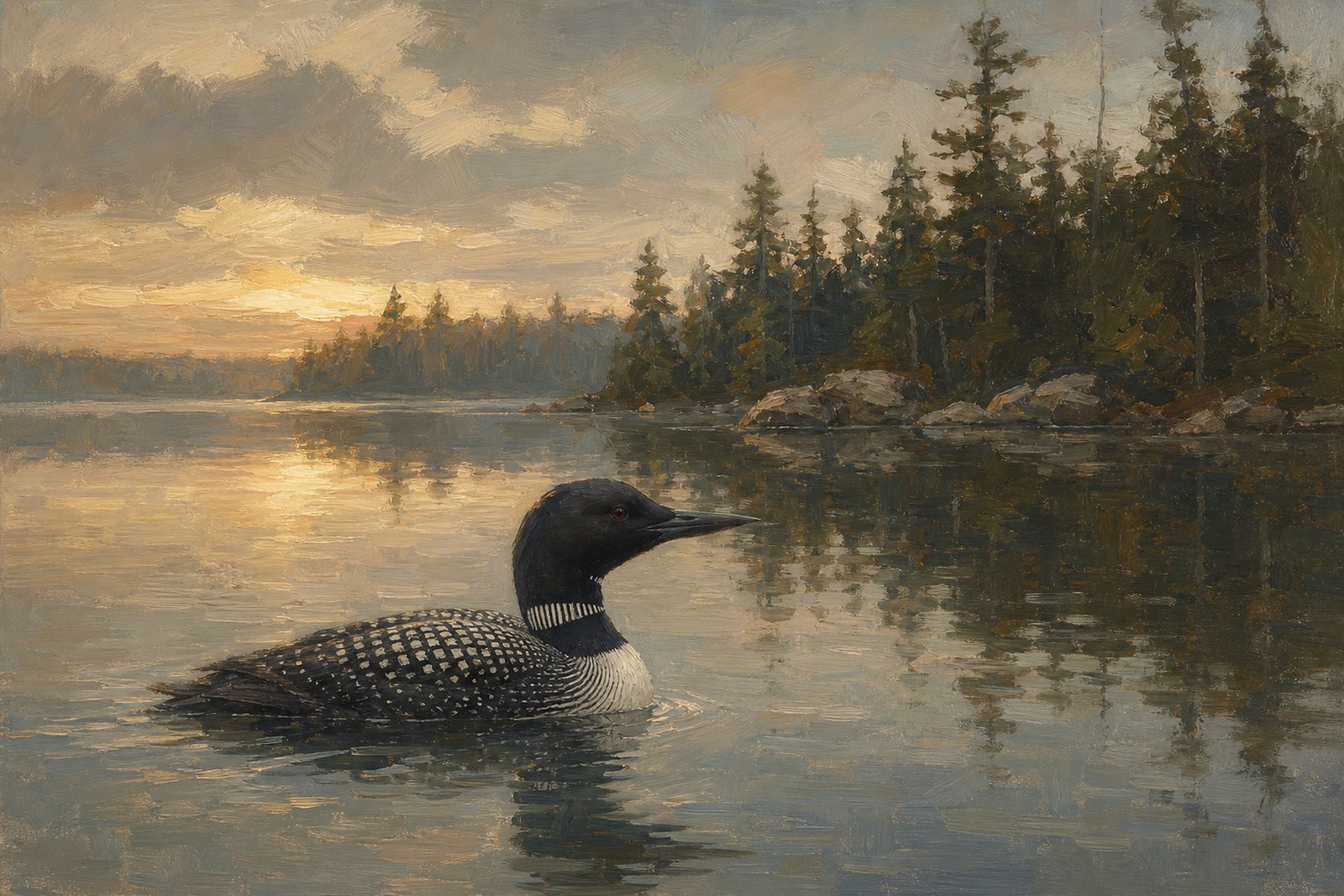
Loon. For anyone whose love of birds is tied to a specific lake or a childhood cabin, a common loon print does something a heron print can’t: it calls up a sound as much as a sight, that low, wavering call across still water at dusk. It’s the most sentimental choice on this list and often the most appreciated.
Kingfisher. A kingfisher is usually just a flash of electric blue and gone, so a print that actually holds the bird still, perched and sharp, gives a gift most bird lovers have never managed to capture themselves with a camera. It reads beautifully at the smaller 12x18 size, which makes it the right choice for a smaller wall, a bathroom, a hallway, an office cubby.
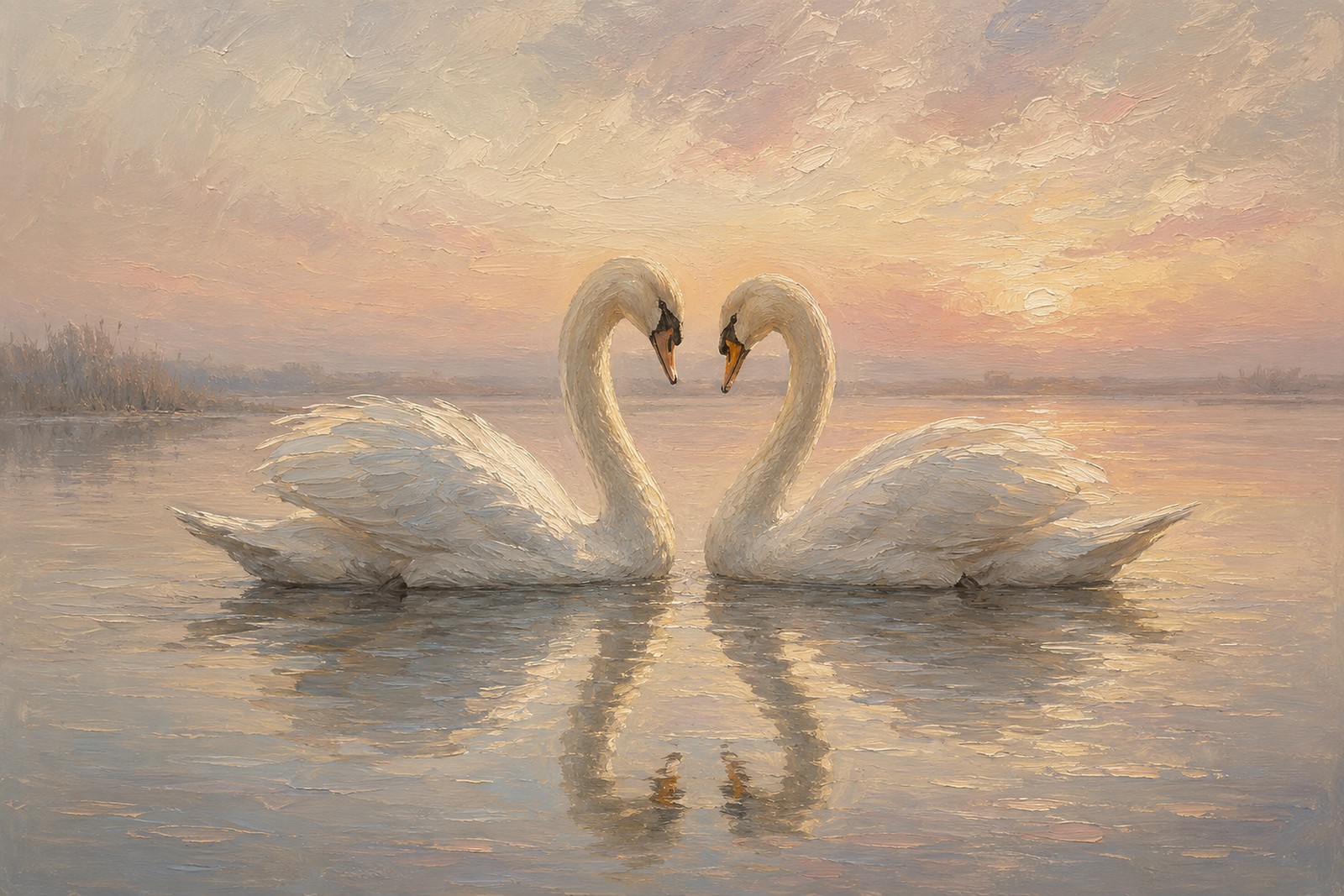
Swan. A swan print carries a different register entirely, elegant rather than wild, and works as well for an anniversary or a housewarming as for a straightforward bird-lover’s gift. As a swan pair print, two birds sharing the same quiet water, it becomes a genuinely romantic piece rather than simply a nature print. Our Swan Prints guide covers this pairing in more detail, along with why swans mate for life makes them such a popular anniversary choice.
Any of these can be bought unframed for someone who already has frames they like, framed and ready to hang, or as a digital download if you’re buying at the last minute and want something they can print locally the same day. Browse the complete range at /shop/, including species beyond these four, pelican, egret, spoonbill, and crane among them.
If the person on your list is specifically a hunter or spends more time in a duck blind than at a birding hide, our Duck Hunter Gift Guide and Hunting Lodge Wall Art guide cover the sporting side of this same idea in more depth.
Beyond the wall: gear worth giving
Once the print is sorted, the rest of a wetland bird lover’s wish list tends to be practical rather than sentimental. None of it needs to be expensive to be well chosen.
A spotting scope
For anyone who’s outgrown binoculars, a spotting scope is the next serious step up, and it’s the gift most dedicated birders want but rarely buy for themselves, since it feels like an indulgence rather than a necessity. Pair it with a lightweight tripod if you’re buying both.
A regional wetland field guide
A field guide specific to the wetlands they actually visit, rather than a generic national one, shows real thought. If you know the marsh, estuary, or lake they frequent, a guide focused on that specific ecosystem will get more use than a general birding book that covers species they’ll never see there.
A proper pair of wellies
Unglamorous and completely necessary. Wetland birding means mud, and a good pair of tall waterproof boots, broken in before the gift-giving occasion if you can manage it, solves the one problem that keeps a lot of casual bird lovers from getting to the good spots.
A day out on a marsh boardwalk or wetland reserve
Sometimes the best gift isn’t an object at all. A day trip to a wetland reserve or nature centre with a boardwalk trail, ideally somewhere neither of you has been, gives a bird lover a full day devoted to the thing they love, with you along for it. Bring the binoculars and a thermos and make a real morning of it.
A bird call or field recording app subscription
For anyone working on identifying birds by ear as well as by sight, a subscription to a proper birdsong identification tool sharpens a skill that most enthusiastic birders want to improve but rarely prioritise buying for themselves.
A notebook built for field use
A weatherproof notebook, the kind that survives rain and doesn’t smear under a wet thumb, replaces the improvised system most birders have cobbled together, half notes app, half damp receipt. It’s a small gift that gets used on every single outing.
Matching the gift to the person, not just the bird
The prints above work as gifts on their own, but they land best when matched to something specific about the person. A heron for someone who watches the same stretch of marsh every weekend. A loon for someone with a lake house or a childhood cabin. A kingfisher for someone whose favourite bird is the one that’s hardest to actually see clearly. A swan for someone you’re marking an anniversary or a wedding with rather than simply indulging a hobby.
The same logic applies to the gear list. A spotting scope suits someone already serious enough to have outgrown binoculars. A field guide suits someone newer to the hobby, or moving to a wetland they don’t know yet. A day out suits anyone, regardless of how long they’ve been at it, since time spent at the water is the one gift every bird lover actually wants more of.
FAQ
What’s the single best gift for someone who loves wetland birds but I don’t know much about birding?
A framed heron or loon print. Both are widely recognisable, don’t require any specialist knowledge to appreciate, and work in almost any room. If you want to be more specific, ask what bird they’ve mentioned seeing recently, that’s usually the safest clue to what they’d actually want on their wall.
Are these prints suitable for someone who’s a serious birder, or are they too decorative?
Both audiences respond well to them. Serious birders often appreciate them precisely because they’re not photographs, a print doesn’t compete with their own field photography or the memory of seeing the bird themselves; it’s a different kind of object entirely, closer to a keepsake than a record.
How do I choose between heron, loon, kingfisher, and swan as a gift?
Match it to the person’s specific attachment. Heron for a marsh or pond regular. Loon for lake or cabin associations. Kingfisher for someone who loves the harder-to-spot species. Swan for a more romantic or formal occasion, an anniversary or housewarming rather than a birthday.
What if I want to give a gift that isn’t a print at all?
A day out at a wetland reserve or a genuinely good field guide for the specific area they birdwatch in both work well and cost far less than a framed print. Neither requires guessing at their taste in art, and both are gifts most bird lovers wouldn’t buy for themselves.