There is a house on every coast whose owner loves the water and dreads the decor. They want the home to belong to its landscape, but they have seen where the theme road leads: the anchor motif, the rope-wrapped mirror, the distressed sign spelling out BEACH in case anyone forgot where they were. So they hang nothing coastal at all, and the house ends up strangely mute about the one thing that makes its location worth having.
There is a third option between the gift shop and the blank wall. It is art drawn from the coast rather than art about the beach, and the difference between those two things is the whole subject of this guide.
Why does coastal decor keep defaulting to anchors and rope?
Because theme decor is easy to buy. An anchor is a symbol, and symbols are legible from across a showroom: one glance and the message, this is a beach house, is delivered. Retailers love symbols for the same reason souvenir stands do.
But a symbol only ever says its one sentence. The rope mirror announces the coast the way an airport announces your destination, loudly and generically, with no particular knowledge of the place. Nothing about an anchor distinguishes a house on the Chesapeake from one on Cape Cod or the Gulf. And because the sentence lands in full on day one, theme decor has nowhere to go but downhill; by year three it reads as a costume the house is tired of wearing.
The tell is that theme pieces describe boats and beach trips, the accessories of the coast, rather than the coast itself. The landscape never appears.
What makes art coastal without being beachy?
Three things, and they are checkable before you buy.
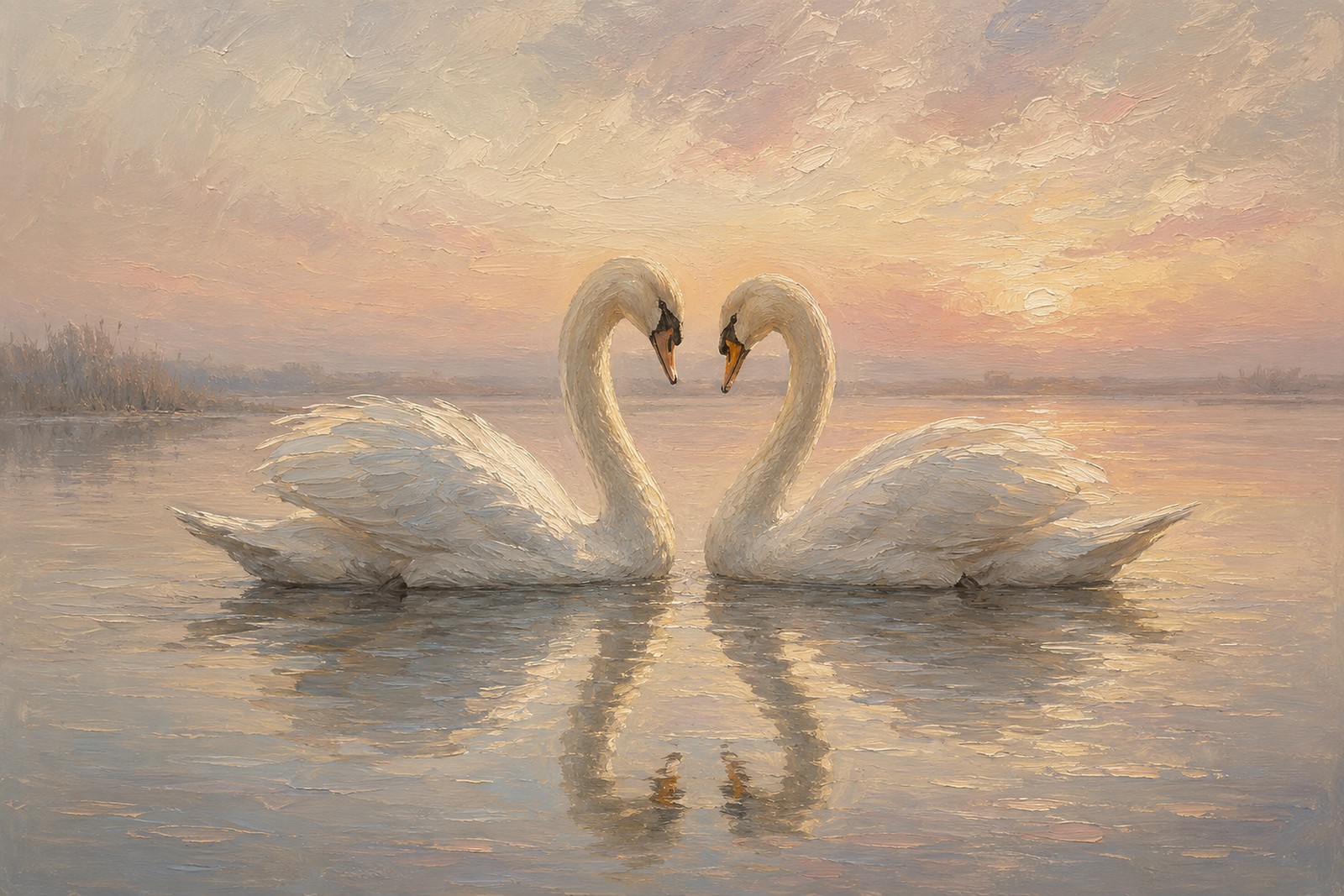
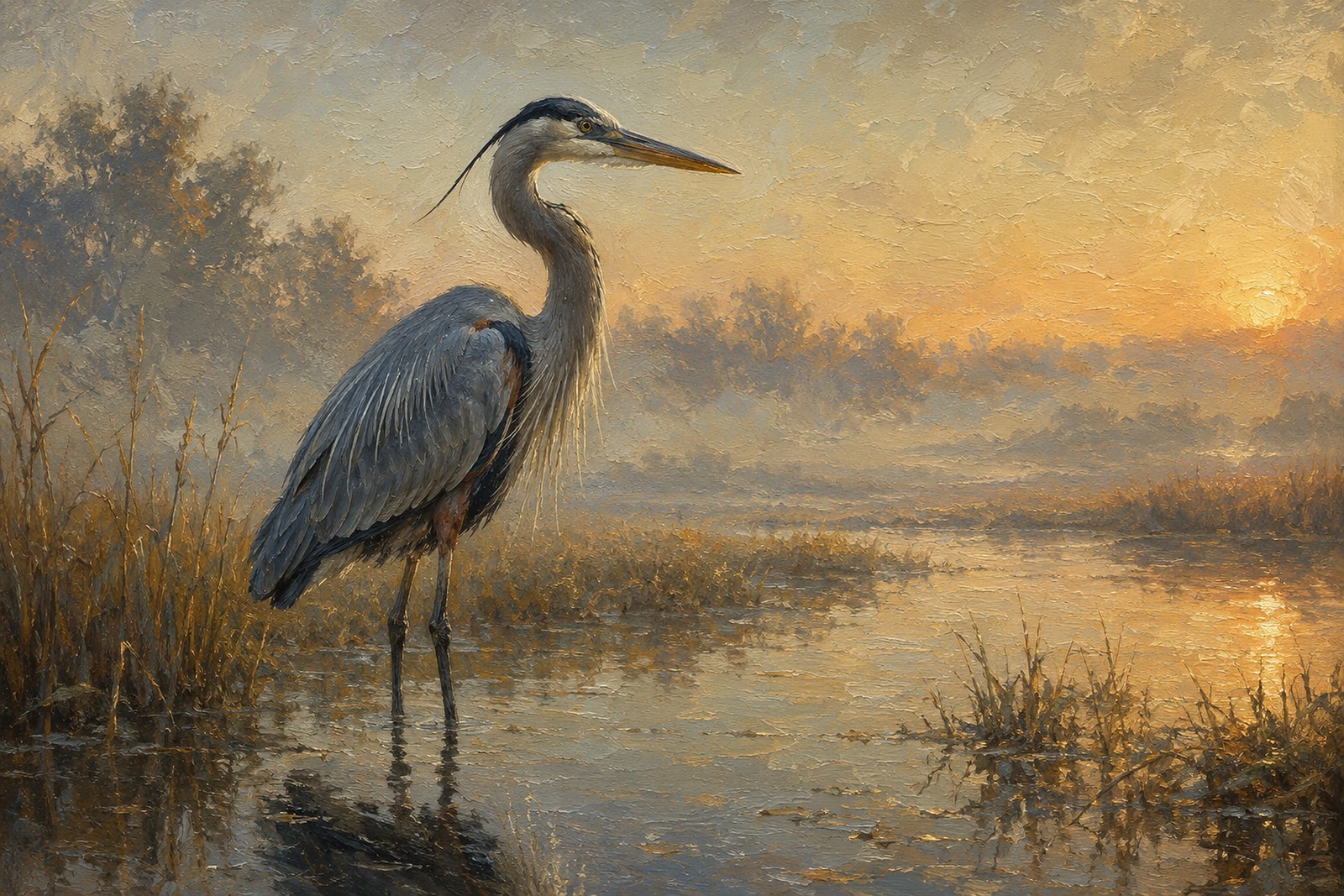
The subject comes from the landscape, not the gift shop. A tidal marsh at first light. A heron working the shallows. A line of pelicans over grey-green swell. These are things the coast actually contains, and people who know the coast recognise them instantly. No lettering, no props, no symbols.
The palette comes from the marsh, not the pool toy aisle. Real coastal colour is quieter than its reputation: grey-greens, silvered blues, mud golds, oyster whites, the occasional last-light amber. Art built on that palette coordinates with serious interiors because those are serious colours. Turquoise-and-flamingo coastal reads as novelty precisely because the real shoreline almost never looks like that.
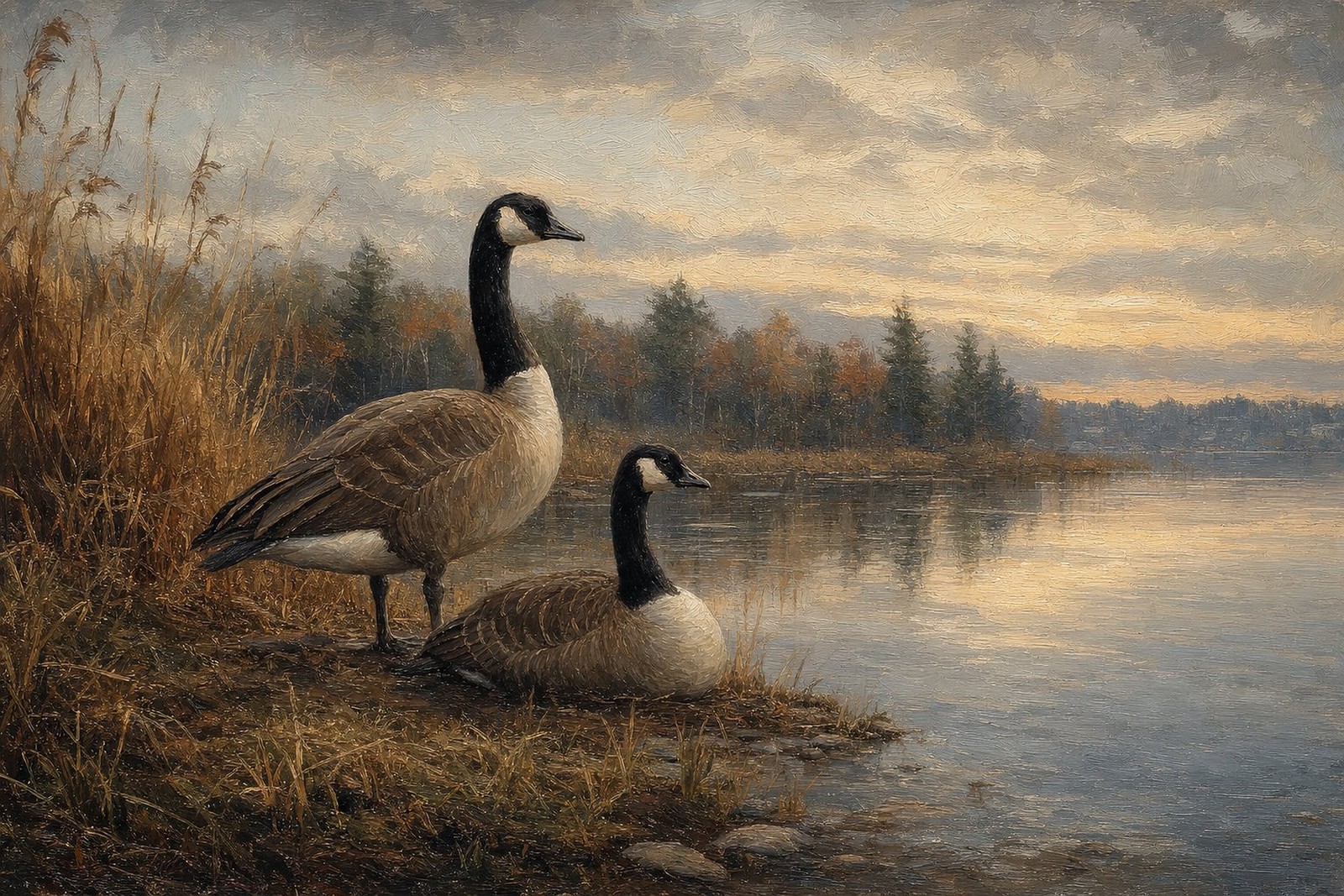
The medium carries weight. A cartoon or a slogan sign is disposable by design. An oil-painting-style rendering, the kind descended from classic American sporting art, signals that the subject was worth taking seriously. This is the look of the old shore lodges and duck clubs, art that treated the marsh as landscape rather than branding, and it is the single strongest not-beachy signal available.
Run those three tests and one more: would this piece still make sense hanging in a study two hundred miles inland? Good coastal art passes, because it is wildlife and landscape art first. Theme decor fails immediately.
The wetland alternative
This is why wetland scenes, rather than sand-and-umbrella scenes, are the sophisticated coastal move. The marsh and estuary are the coast’s working interior: tidal creeks, reed beds, wading birds, the water that actually surrounds most coastal homes that are not literally on a dune. Choosing the marsh says you know the place; choosing the beach umbrella says you visited it.
Take our Great Blue Heron in morning marsh print as the case study. Mist over the water, grey-green reeds, soft gold coming through, and the tall grey bird motionless in the shallows. Hung in a hallway, it reads as landscape art with a coastal soul, and nobody would file it under theme decor. It is an original AI-created artwork in the style of antique oil painting, printed edge to edge in a 3:2 landscape format on archival fine-art paper, and we state that provenance plainly, which is its own kind of not-beachy: no invented backstory, no faux-heirloom theatre, just a clear description of what the piece is.
The wading birds carry this aesthetic better than any other subject, which is why the wading bird prints in The Print Room are where most not-beachy coastal schemes end up starting.
Which rooms does quiet coastal art suit?
All of them, which is precisely the point. Theme decor is quarantined to beach houses; landscape-grade coastal art is not.
Formal living and dining rooms. A marsh scene in a gold or brown frame sits comfortably beside inherited furniture, dark wood and proper upholstery. This is where the sporting-art lineage pays off; the style was built for rooms like these. If your taste runs traditional, the crossover with grandmillennial bird prints is worth reading about, because the two aesthetics share a wall extremely well.
Entries. First impressions are where theme decor does the most damage and quiet art does the most good. One landscape-format wetland print over the console says coastal fluently, once, in a normal speaking voice.
Studies and bedrooms. The muted palette is calm by construction. Grey-greens and soft golds are what colour consultants reach for in rest-oriented rooms anyway; the marsh got there first.
The actual beach house. Even, or especially, there. A beach house with no anchors and one very good heron reads as far more coastal than a beach house with forty signal flags.
How to build the palette around it
Marsh art hands you a colour scheme. Pull the grey-green into textiles, let walls stay cream or take them to deep navy for contrast, and use aged brass or bronze where metal is needed. Avoid pairing it with primary-blue nautical stripes, which drag the scheme back toward costume. If you want a fuller species-by-species plan, from herons through sanderlings to pelicans, our coastal wall art guide maps the whole shoreline cast onto real rooms.
Prices, for planning: unframed prints are $59 at 12x18, $89 at 16x24 and $119 at 20x30. Framed, $189, $259 and $329 in black, brown or gold. A digital download is $19. Everything is made to order, dispatched in 2 to 5 business days, and ships free to the US, Canada, the UK, Europe, Australia and New Zealand, with a 30-day replacement or refund policy for anything damaged, defective or wrong.
Frequently asked questions
Can coastal art work in a home nowhere near the coast?
Yes, if it passes the inland test described above. Wetland and wading-bird art is landscape and wildlife art first, so it hangs as naturally in a Denver study as in a Charleston hall. Theme decor is the category that strands itself at the beach.
How do I keep a coastal living room from tipping into theme?
Ration the signals. Let one or two substantial pieces, a marsh scene, a heron, carry the coastal meaning, and keep everything else in the room ordinary: normal furniture, normal textiles, colours drawn from the art. Theme happens when every object in the room repeats the same sentence.
What colours go with wetland art?
The print supplies them: grey-green, soft gold, blue-grey, cream. Navy makes a strong wall behind it, warm white the easy one. Brass and bronze finish it better than chrome. The palette is forgiving because nothing in it is loud.
What are the prints themselves?
Original AI-created artworks in the style of antique oil painting, printed edge to edge on archival fine-art paper in a 3:2 landscape format, in three sizes from 12x18 to 20x30, unframed or framed in black, brown or gold. Made to order and dispatched in 2 to 5 business days with free shipping to the US, Canada, the UK, Europe, Australia and New Zealand.