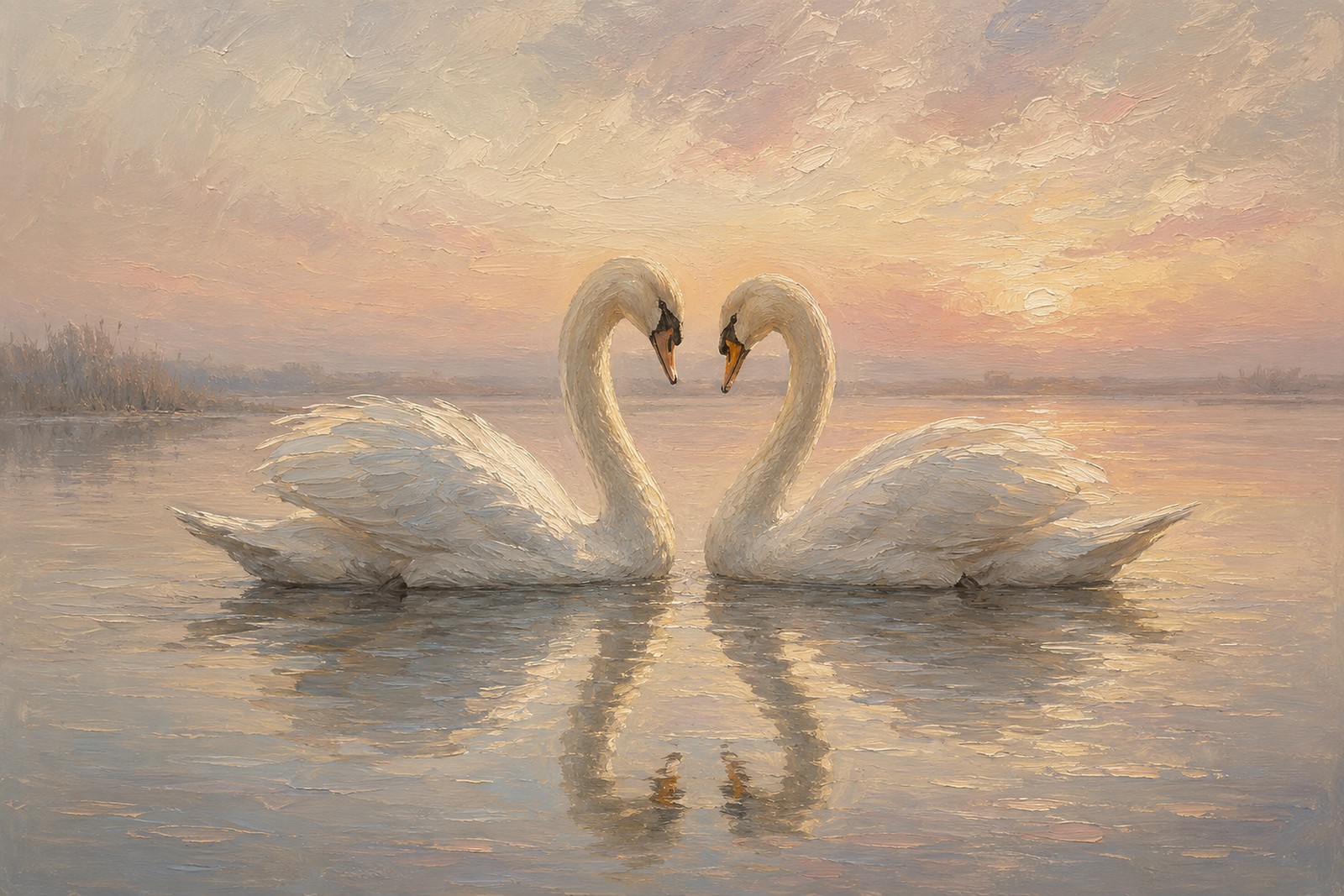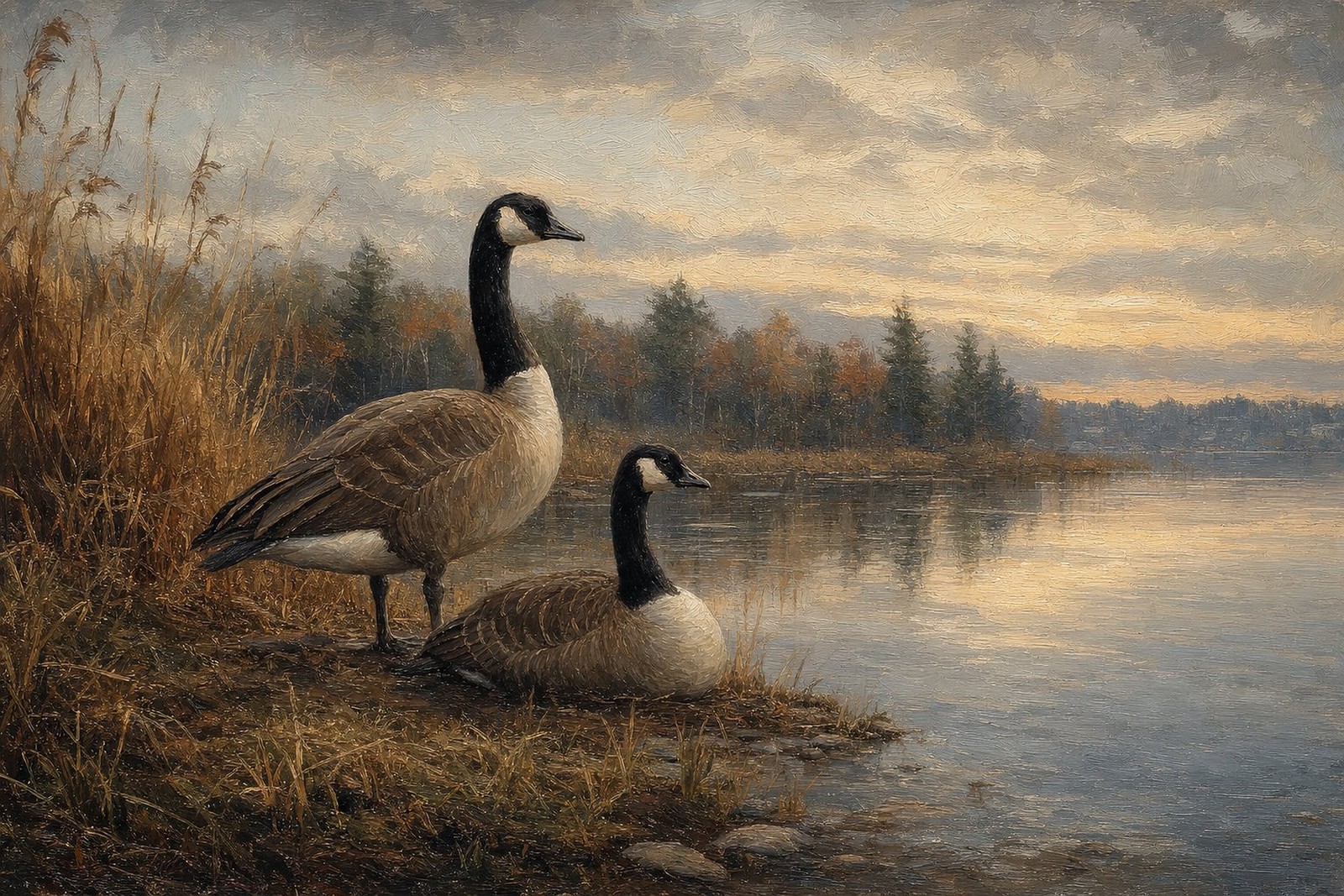
Waterfowl art gets the attention. Ducks over decoys, geese against a dawn sky, the whole marsh tradition, that is what most people picture when they hear “sporting art.” But there has always been a second half to the genre, and it lives above the waterline: the upland birds, pheasant and grouse and quail, the birds of field edges and frosted stubble rather than open water. A pheasant print is the centrepiece of that half, and for certain rooms, the study, the dining room, the hallway of a house that is not remotely a hunting camp, it is the better choice than any duck.
This is a guide to the upland wall: why the pheasant leads it, what the frosted-field palette does that marsh tones cannot, and which of the supporting cast belongs alongside.
Why the pheasant owns the upland genre
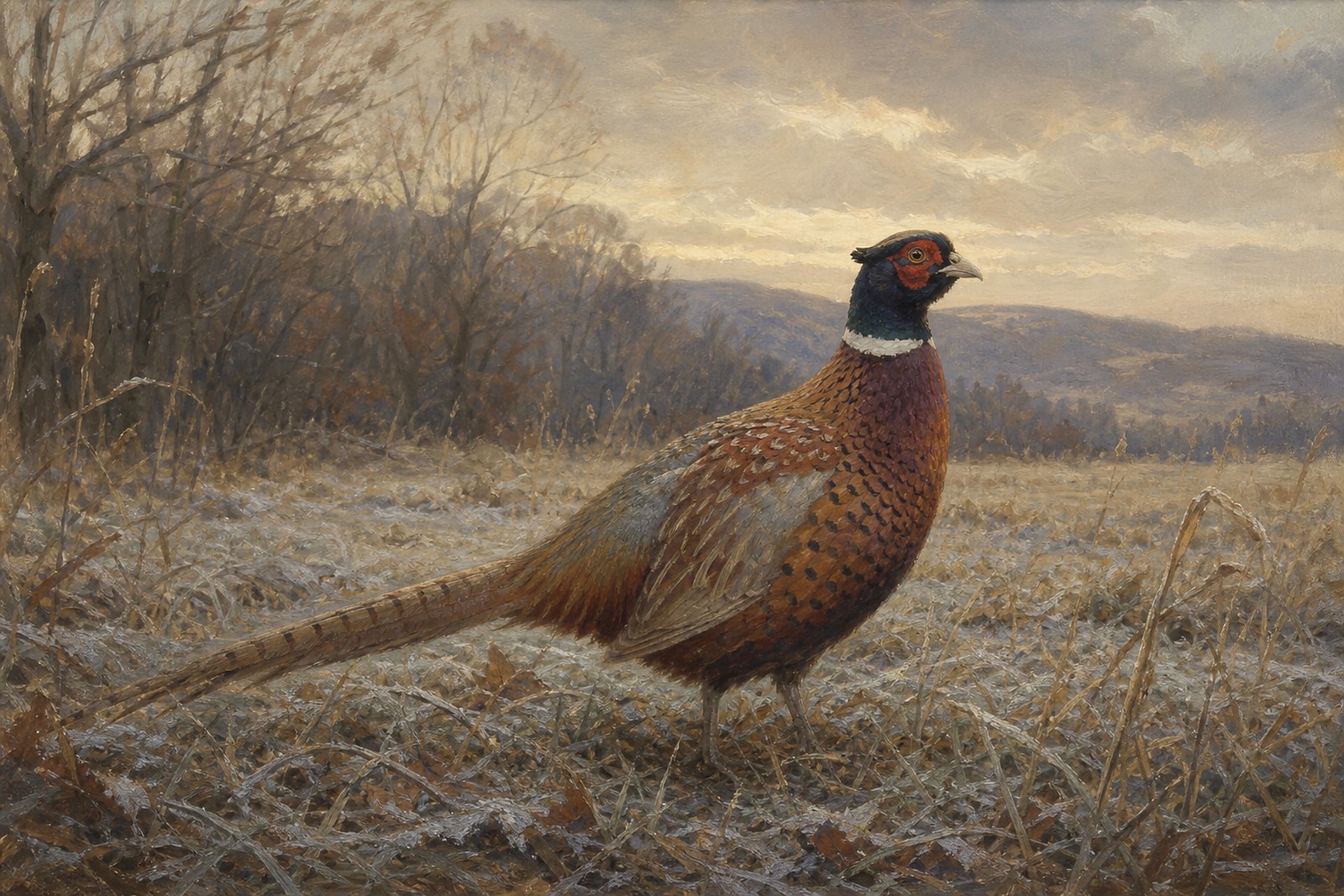
No North American game bird gives an artist more to work with. A rooster pheasant carries copper, bronze, bottle green, slate blue, and that hard white neck ring all on one bird, plus a tail that accounts for half its length. The tail is the secret. In a 3:2 landscape composition, printed edge to edge, the bird’s own geometry sweeps across the frame the way almost no other species can, filling a horizontal format that most upright birds leave empty.
There is also the small historical joke that America’s signature field bird is an import. The ring-necked pheasant arrived from Asia in the 1880s and settled into the farm belt so completely that South Dakota made it the state bird. A century and a half of art, table settings, and October traditions later, the adoption is total, and the bird reads as pure American farmland regardless of its passport.
Our Ring-necked Pheasant in Frosted Field takes the classic late-season view: the rooster in low winter sun, frost still holding in the shadows of the stubble. It is an original AI-created artwork in the style of antique oil painting, which is exactly the style this subject has worn best for over a century.
What is a frosted-field palette?
Marsh art is built on wet colours: slate, reed green, dawn gold reflected in water. Upland art dries all of that out. The frosted-field palette is pale straw, oat gold, frost blue, and grey-brown hedgerow, with the bird supplying the one saturated note of copper and green.
That difference decides which rooms the print suits. Wet marsh tones lean cool and read best in dens and cabins that already carry timber and stone. The frosted field leans warm and dry, which is why a pheasant print works in rooms where duck art can feel out of place: rooms with polished wood, brass, candlelight, and upholstery. It is field-sport art with the mud left at the door.
Where does a pheasant print belong?
The dining room, first. This is the traditional home of game bird art, a tradition older than any of us, and it survives because the palette genuinely works there: warm straw tones against wood tables, the copper of the bird picking up brass and candle flame. A 16x24 above a sideboard, in a gold or brown frame, is the classic arrangement. If your dining room leans layered and traditional, skirted tables, blue-and-white china, inherited furniture, a game bird print is also a staple of that whole revival look, which we cover in our grandmillennial bird print guide.
The study. A pheasant print reads literate rather than trophy-like, closer to natural history than to camo. Against bookshelves and a desk lamp’s low light, the frosted-field tones go amber and the print becomes the warmest thing in the room.
The hallway. Upland birds suit the walk-past wall better than waterfowl because the compositions are grounded, a bird in cover, close to the viewer, rather than a wide scene that asks you to stop and look into the distance.
Where it does not belong is anywhere it has to compete with actual water. Lakefront walls belong to the waterfowl; the pheasant owns the rooms that face the land.
The rest of the upland wall
The pheasant leads, but the upland bench is deep, and a study or dining room can carry two or three of these together where a single species might feel thin:
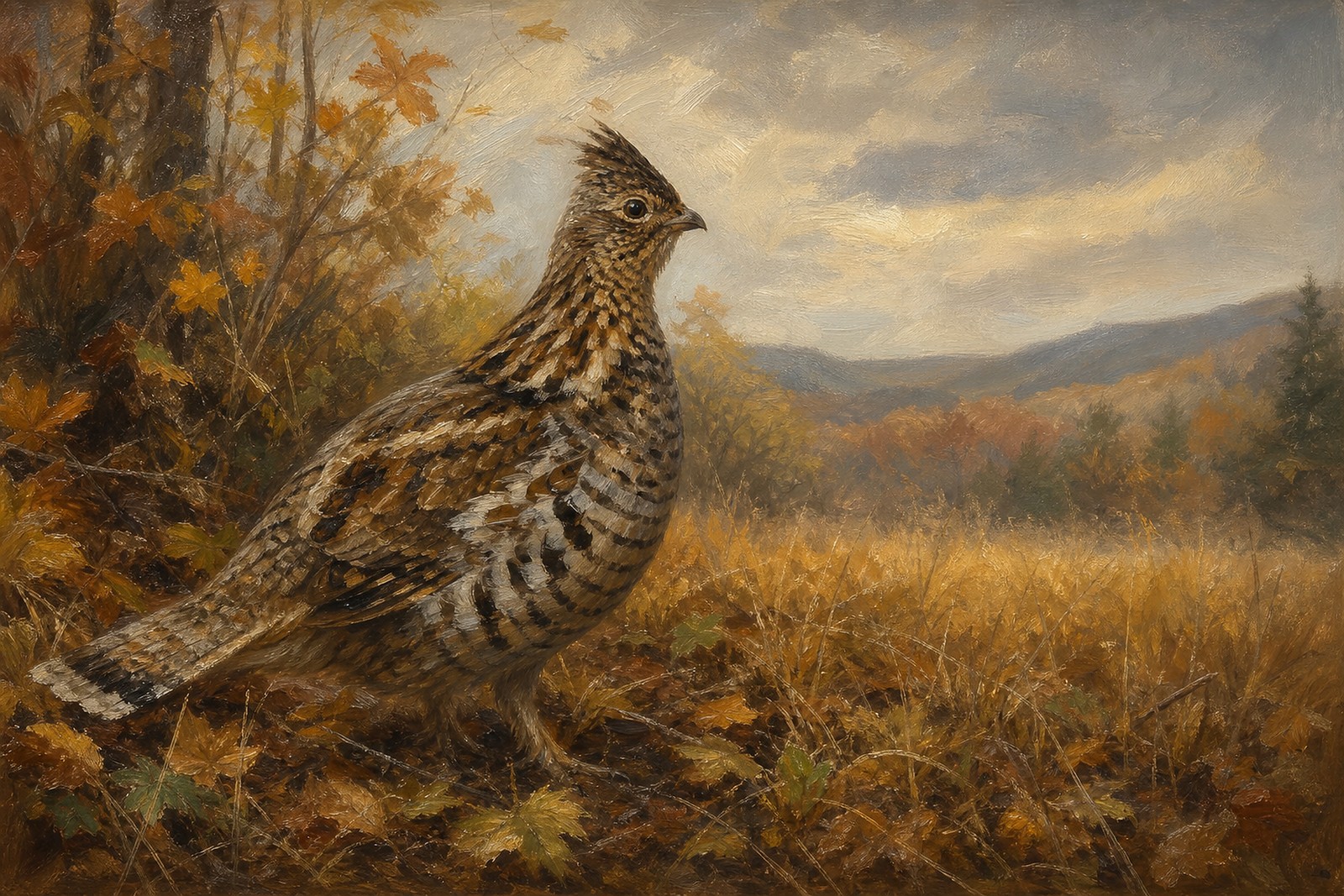
Ruffed grouse. The connoisseur’s upland bird, drummer of the northern woods. Ruffed Grouse in Golden Woodland Edge sits at the moment the hardwoods turn, all amber and umber, and pairs naturally with the pheasant as a warm-toned set.
Bobwhite quail. The gentlest subject in the genre. Bobwhite Quail Pair in Warm Grass and Northern Bobwhite Family Covey both trade on the bird’s sociability, and the covey print in particular reads as family portrait as much as field study.
American woodcock. The oddball, long-billed and dusk-flying, in Alder Thicket cover. For the person who knows, this is the deepest cut on the wall.
Wilson’s snipe and the prairie grouse. Wilson’s Snipe in Wet Meadow bridges the upland and the marsh, while Greater Prairie-Chicken on Lek and Sage Grouse in Western Dawn carry the genre west into big-sky country.
All of these hang together because the palette holds: dry golds, low light, cover rather than open water. Two or three 12x18 prints in matching frames make a tight upland grouping; a single 16x24 pheasant with a 12x18 grouse and bobwhite either side makes a full wall.
Sizes, frames, and the practical part
Every print in the range is a 3:2 landscape, printed edge to edge with no border or mat. Unframed prints are $59 at 12x18, $89 at 16x24, and $119 at 20x30. Framed, in black, brown, or gold, they are $189, $259, and $329.
For upland subjects specifically, gold frames earn their keep. The frosted-field palette carries so much straw and amber that a gold frame reads as a continuation of the image, which is the old dining-room trick, while brown is the safer choice against panelling and bookshelves. Black suits a more modern room, where the print supplies all the warmth itself.
Everything is made to order and dispatched in 2 to 5 business days, with free shipping to the US, Canada, the UK, Europe, Australia, and New Zealand, and a $19 digital download of any artwork if you prefer to print locally. Damaged, defective, or wrong orders are covered by a 30-day replacement or refund. The pheasant, the grouse, the coveys, and the rest of the upland cast all live in the full upland and lodge collection, and if the room you are furnishing is a full lodge wall rather than a single study, our hunting lodge wall art guide covers how the upland birds sit alongside the waterfowl.
Frequently asked questions
What room does a pheasant print work best in?
The dining room and the study, ahead of anywhere else. The frosted-field palette, straw, copper, and low winter light, sits naturally with wood furniture, brass, and warm lamps, which is why game bird prints have hung in dining rooms for generations. It is the branch of sporting art that suits polished rooms rather than camps.
Is a pheasant print too “hunting lodge” for a normal house?
No, and that is the point of the upland genre. A pheasant in a frosted field reads as countryside and natural history rather than as gear or camo, so it hangs comfortably in houses where nobody hunts. The lodge look comes from waterfowl scenes and dark timber, not from the field birds.
Which birds pair well with a pheasant print?
Ruffed grouse and bobwhite quail are the classic companions, sharing the same dry golds and cover-country light. A 16x24 pheasant flanked by a 12x18 grouse and a 12x18 bobwhite covey in matching frames makes a complete upland wall in one purchase.
Are these prints from real oil paintings?
They are original AI-created artworks in the style of antique oil painting, and we describe them exactly that way. The style is the tradition, the artworks themselves are new, made to order as 3:2 landscape prints, edge to edge, framed or unframed.