 № 180
№ 180 № 18017 Jan 2026
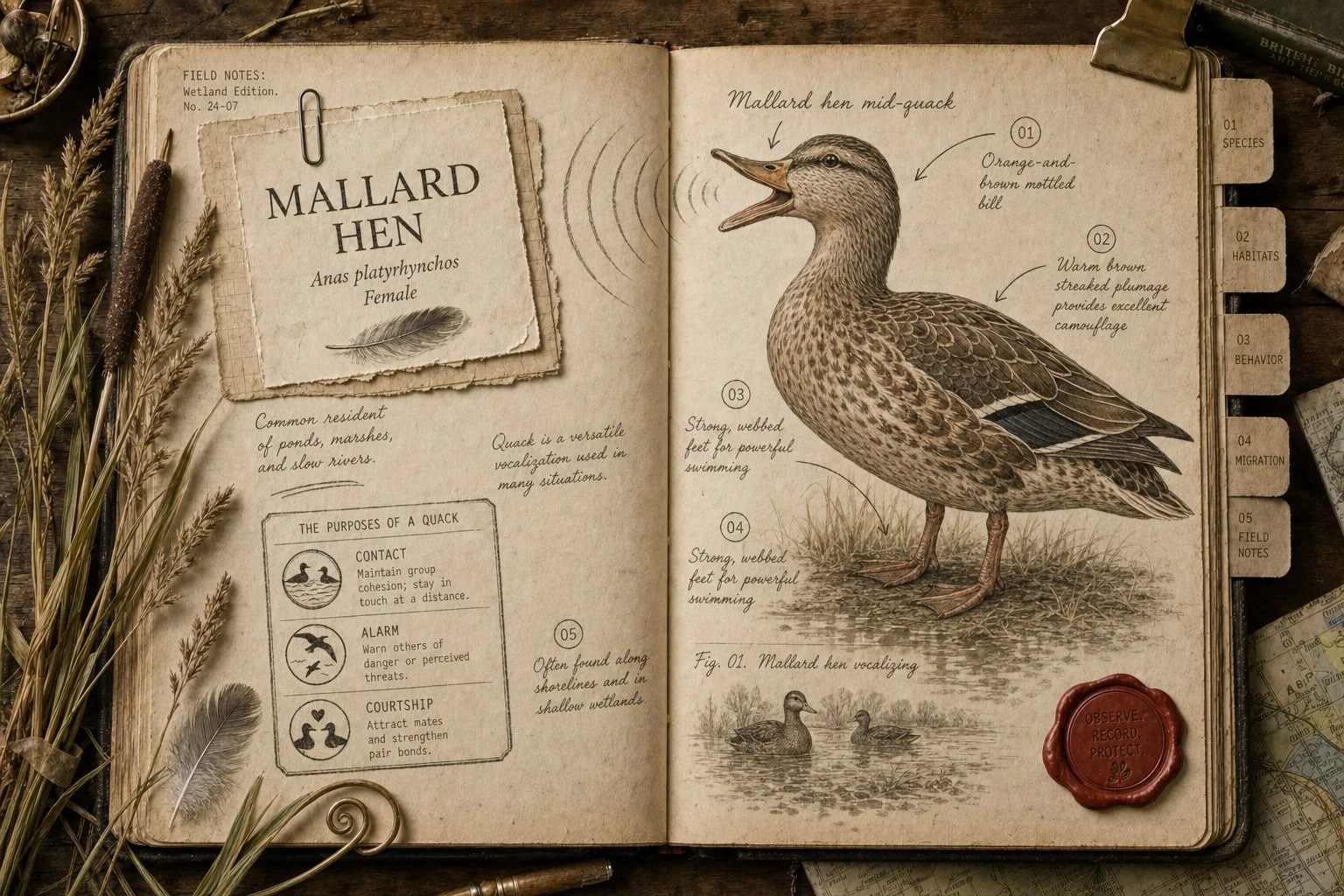
Why Do Ducks Quack? The Real Meaning Behind the Call
Female mallards quack; males rasp. Each call has a job: contact, alarm, courtship, or location. A naturalist's read on the duck vocabulary.
Continuing the archive: slow essays and observations from marshes, mangroves, and pondsides around the world.
№ 180 Female mallards quack; males rasp. Each call has a job: contact, alarm, courtship, or location. A naturalist's read on the duck vocabulary.
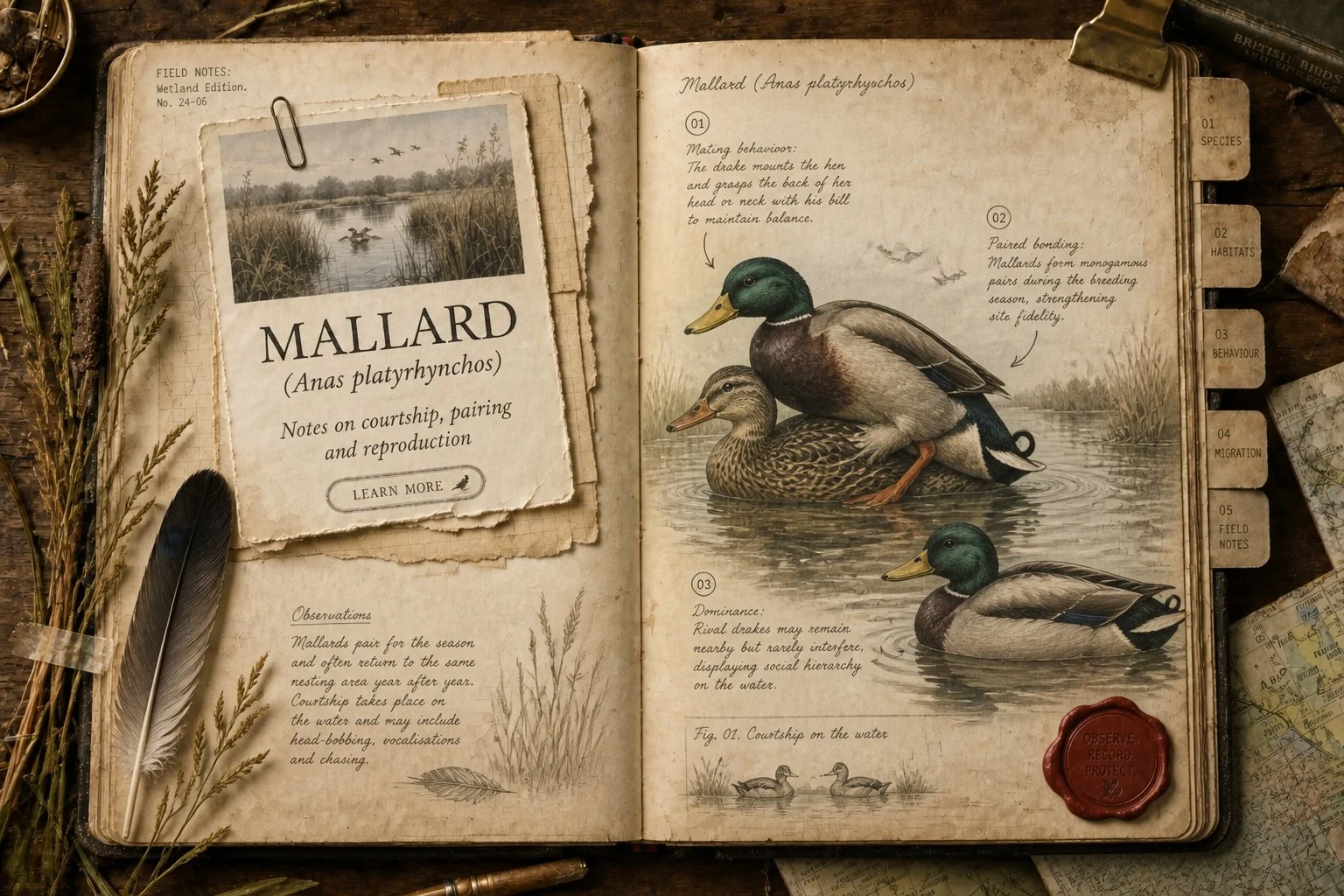
Ducks standing on each other is almost always mating behaviour. A naturalist's read on what's actually happening and when to be concerned.
 № 179
№ 179 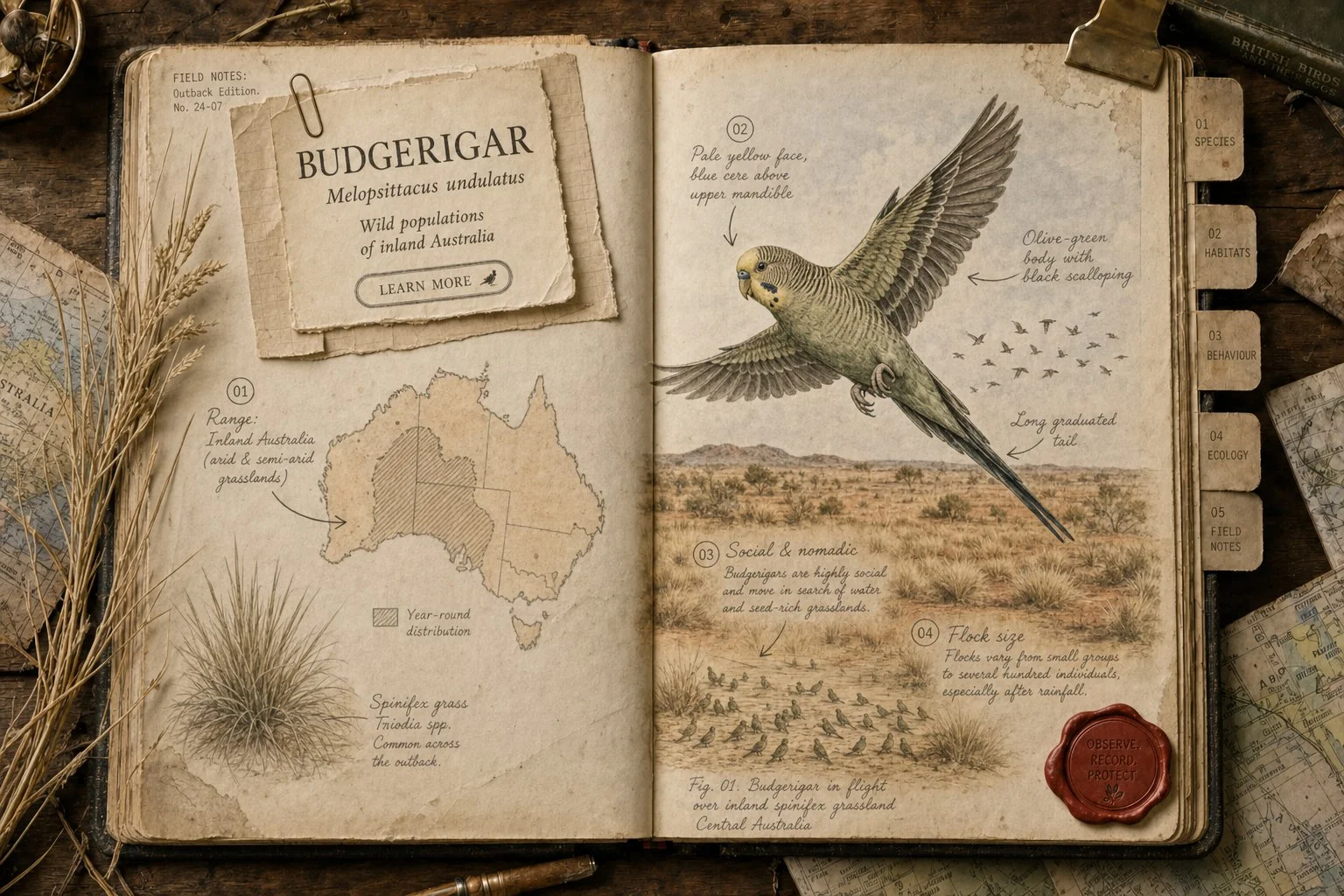 № 178
№ 178 A naturalist's read on the wild range of the budgerigar (the parakeet most pet-keepers know) and the broader parakeet group - Australian outback, South American rainforest, naturalised flocks in unexpected places.
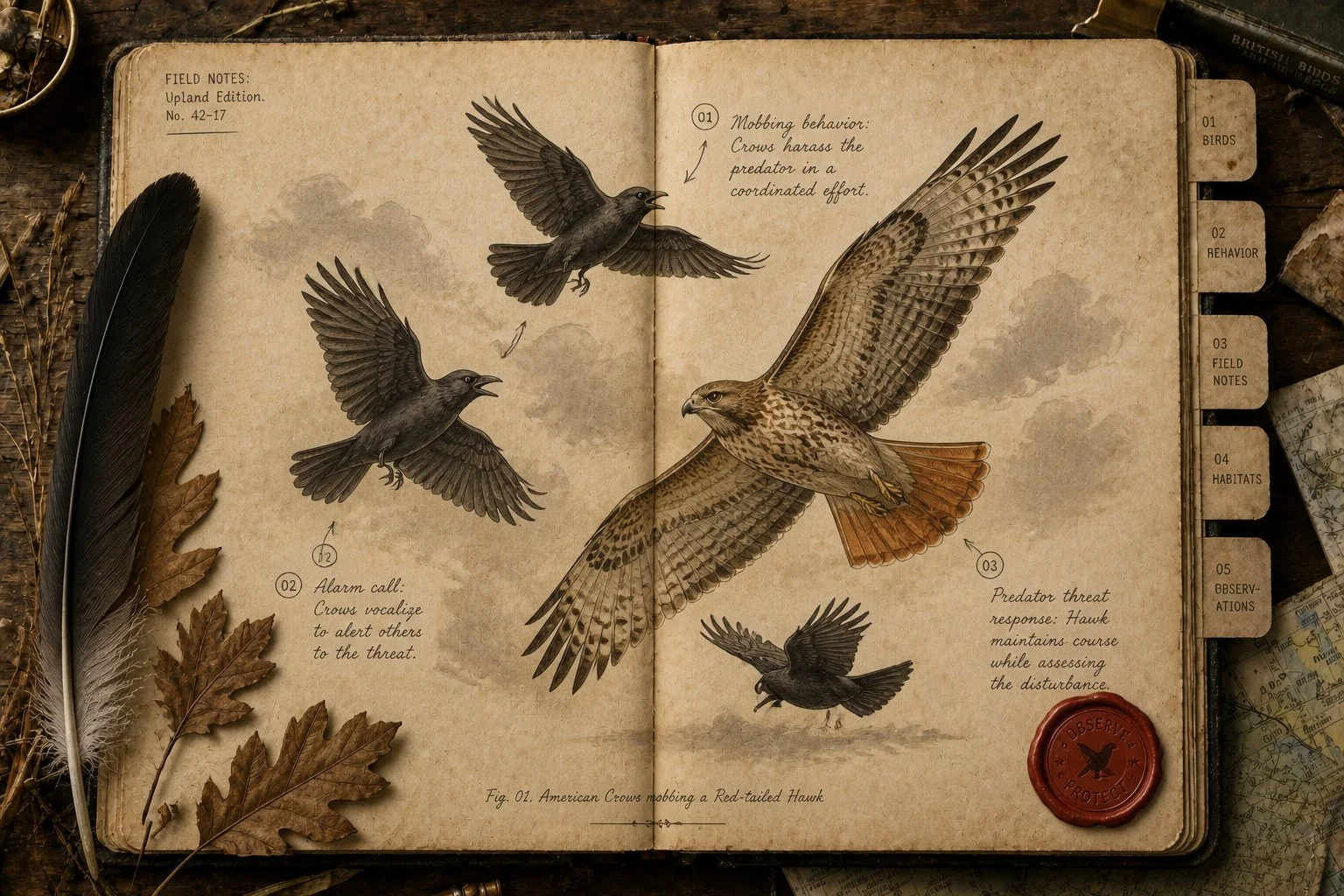
Crows mob hawks to drive predators out of their nesting territory and teach younger crows what to fear. A naturalist's read on a daily aerial drama.
 № 177
№ 177 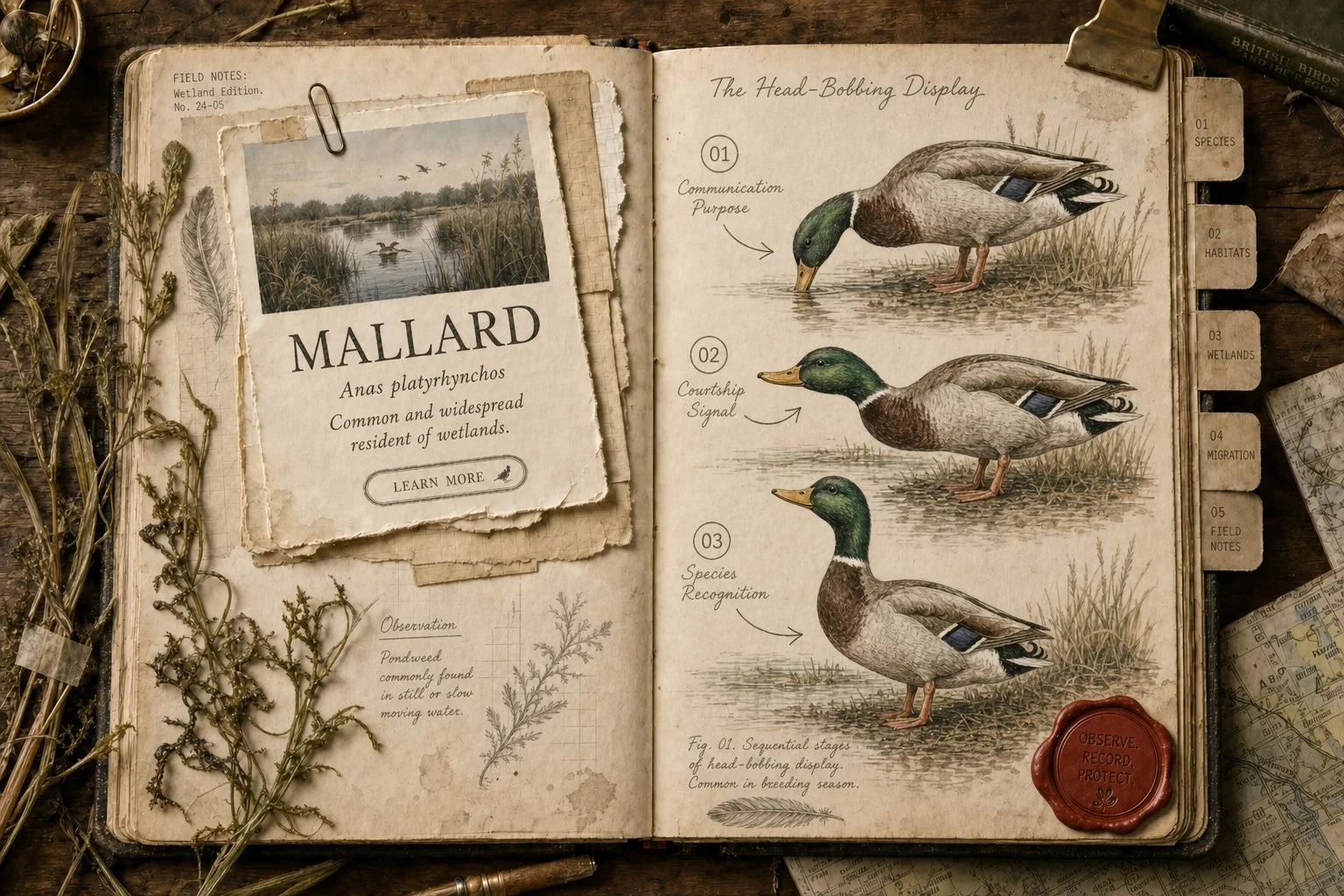 № 176
№ 176 Ducks head-bob to communicate excitement, signal courtship readiness, and confirm species identity. A naturalist's read of when it means what.
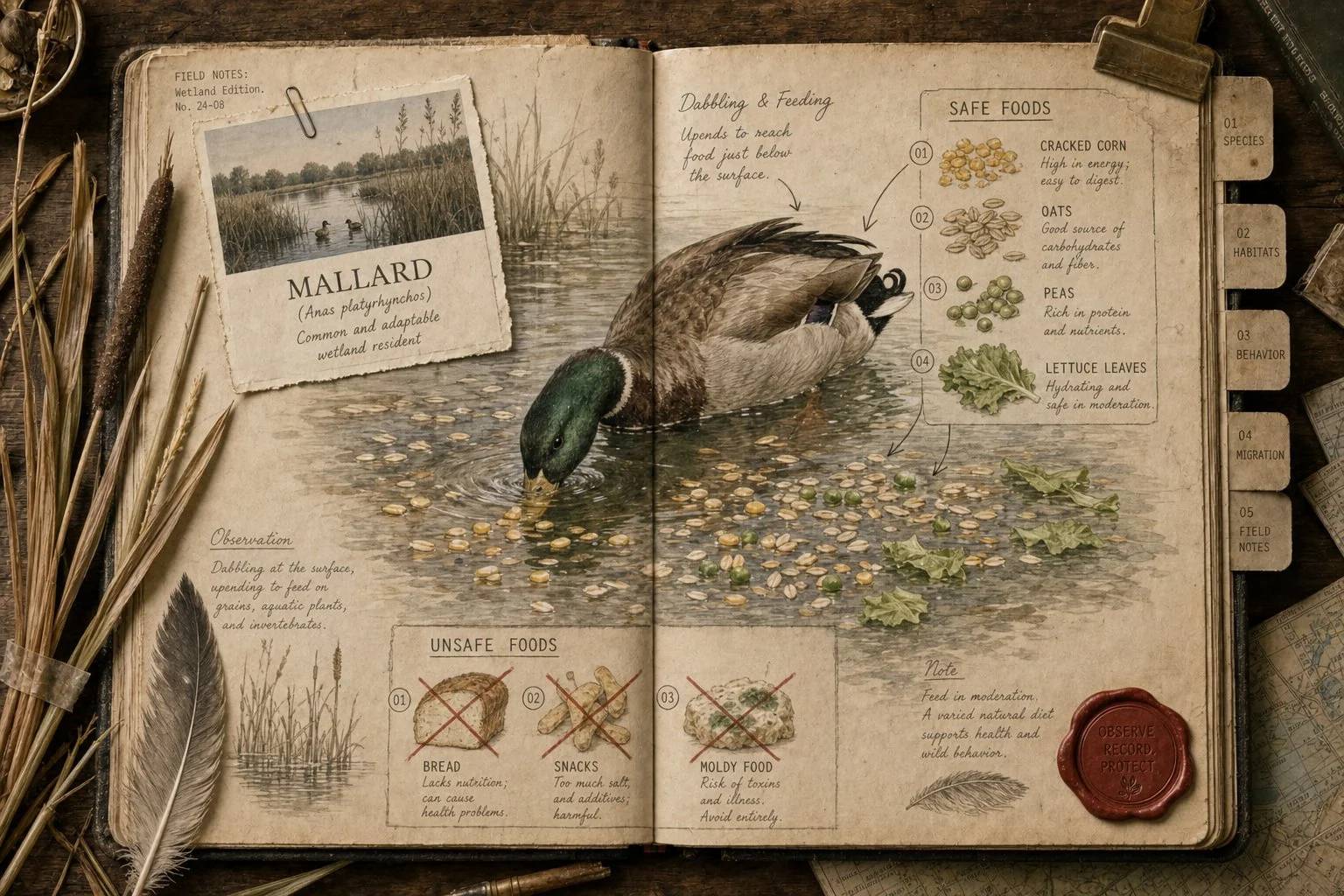
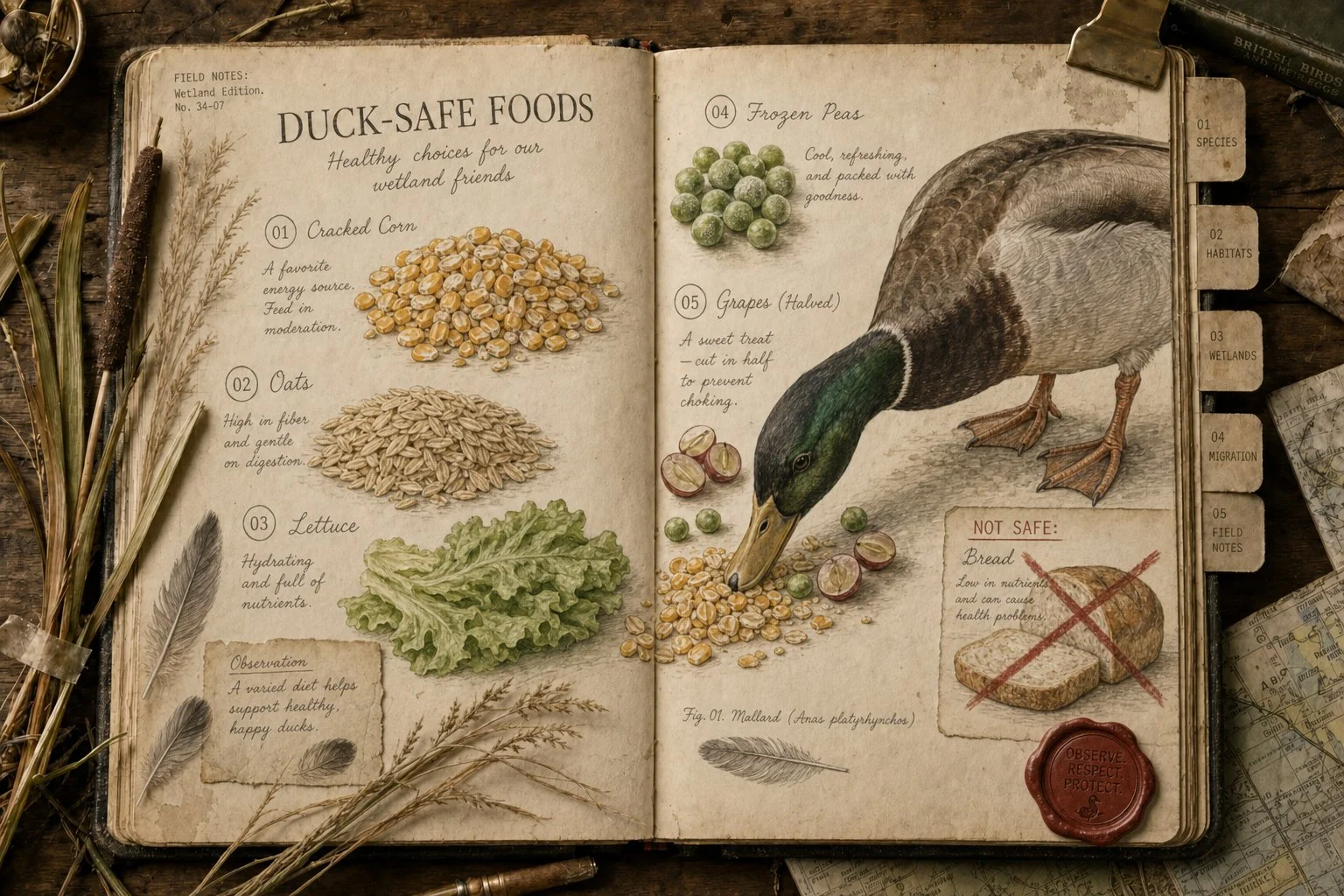
A naturalist's guide to feeding wild ducks - the eight foods that are genuinely safe and useful, the five that cause real harm, and why bread is the worst thing you can hand to a mallard.
 № 175
№ 175 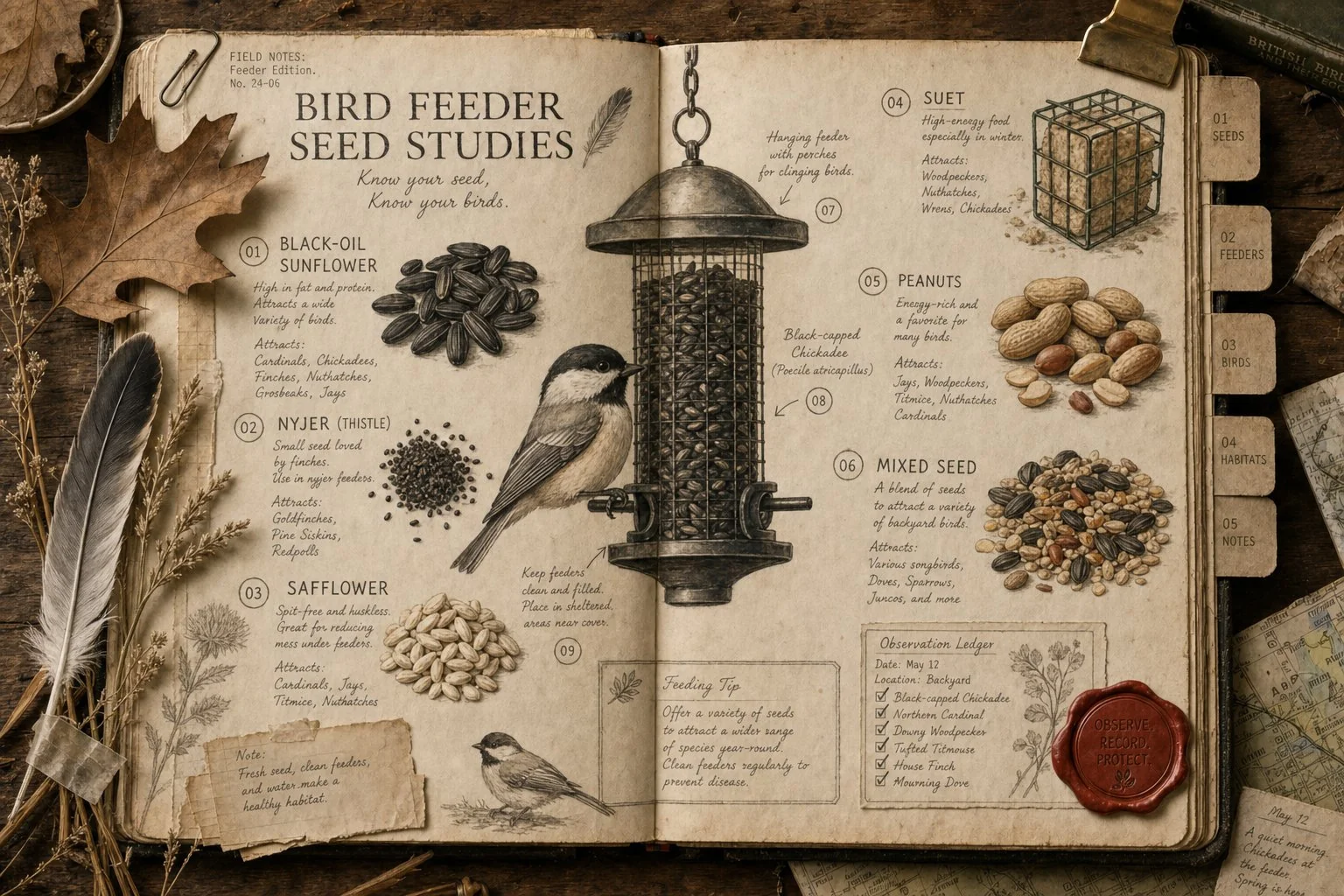 № 174
№ 174 A naturalist's guide to what bird seed actually works - the six staples that attract the most birds, what each one is for, and the two things you should stop putting in your feeder.
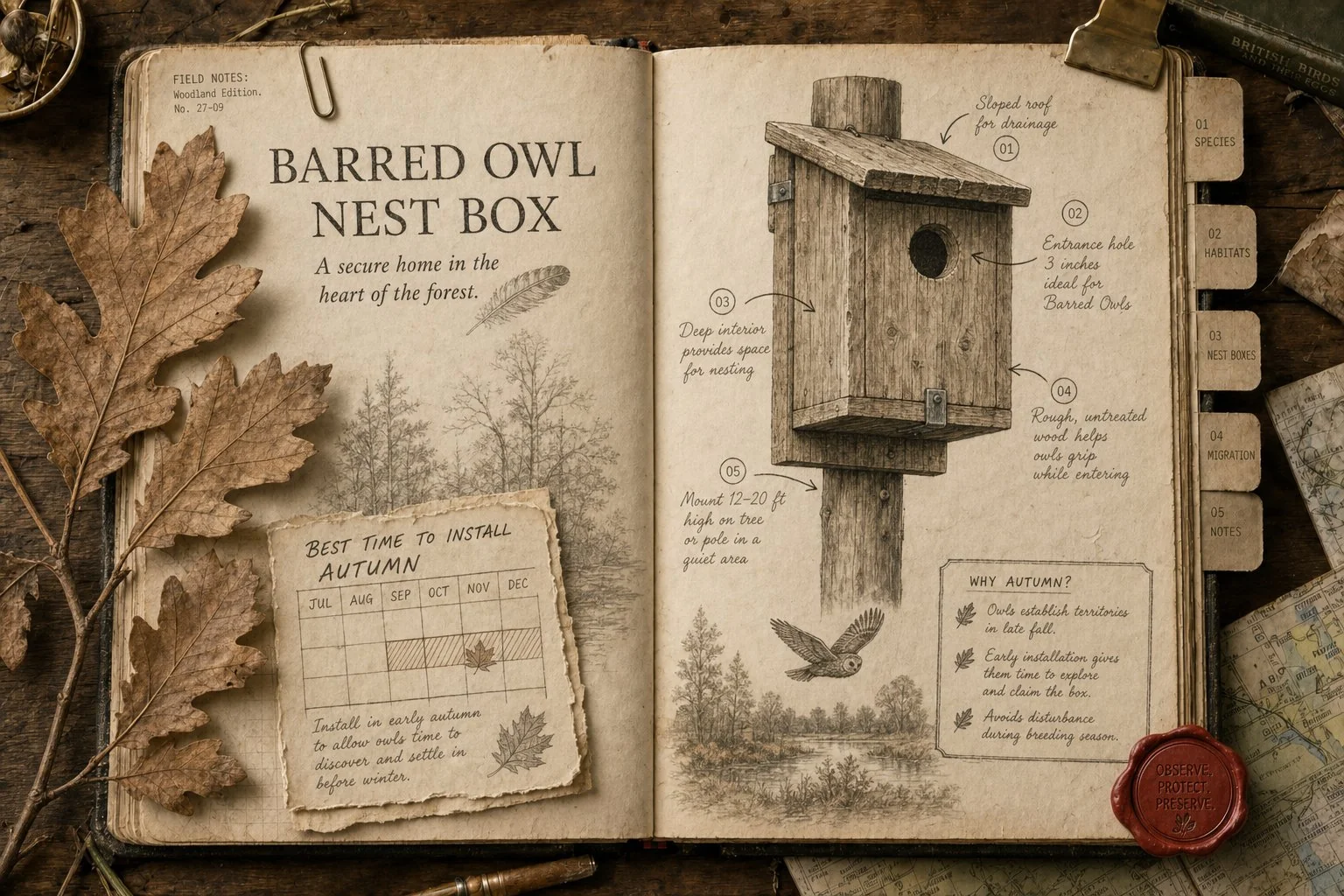
A naturalist's guide to the right time to install an owl nest box - late autumn for most species, before squirrels select winter dens, in time for owl scouting in late winter.
 № 173
№ 173 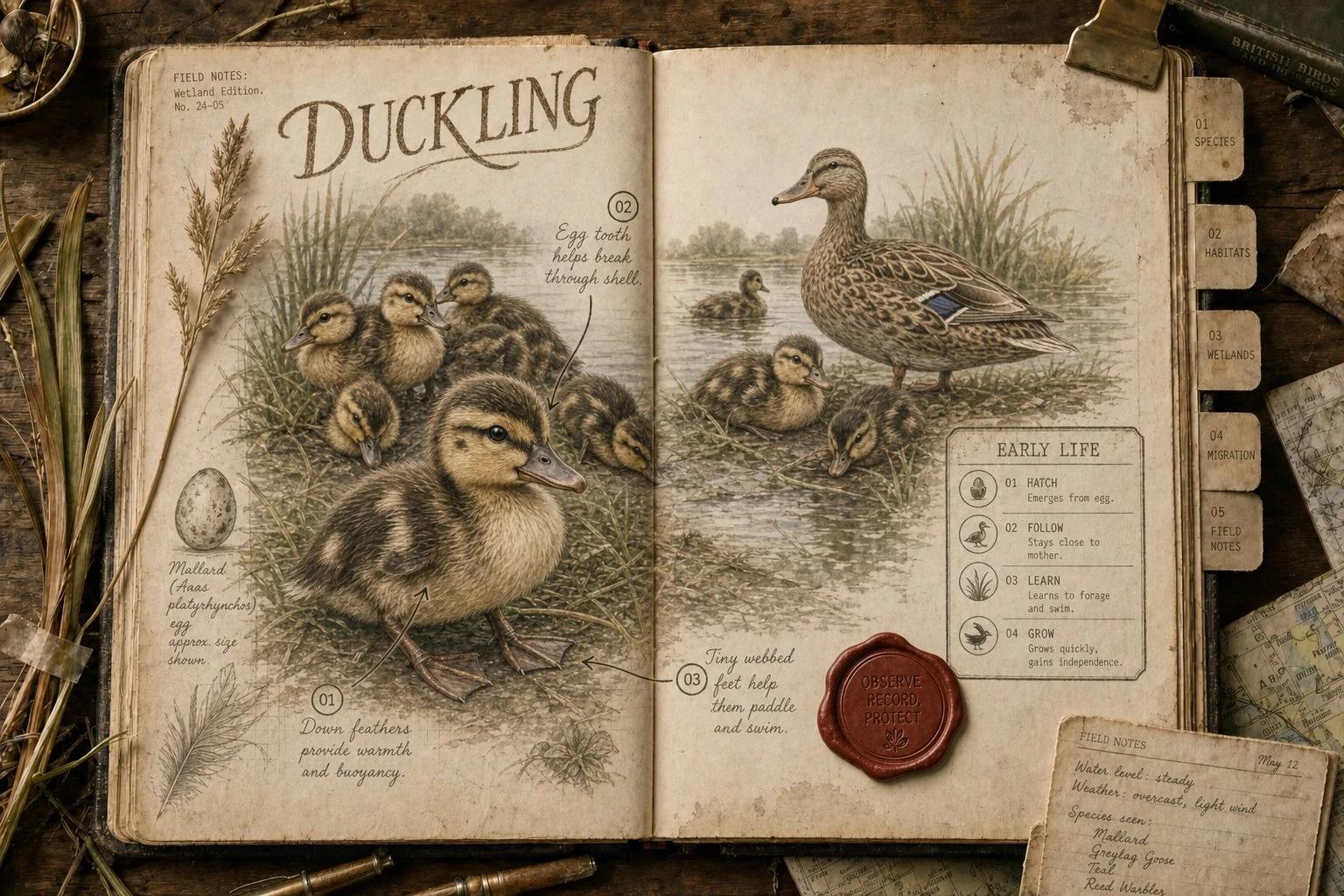 № 172
№ 172 Baby ducks are called ducklings. A field naturalist's read on what that actually means - the timeline from hatch to fledge, how to tell a duckling from a gosling or a cygnet, and the brood biology that decides how many survive.
A short, practical guide to safe and unsafe foods for pond ducks - what to bring, what to leave at home, and how to feed them properly without harming the pond.
 № 171
№ 171 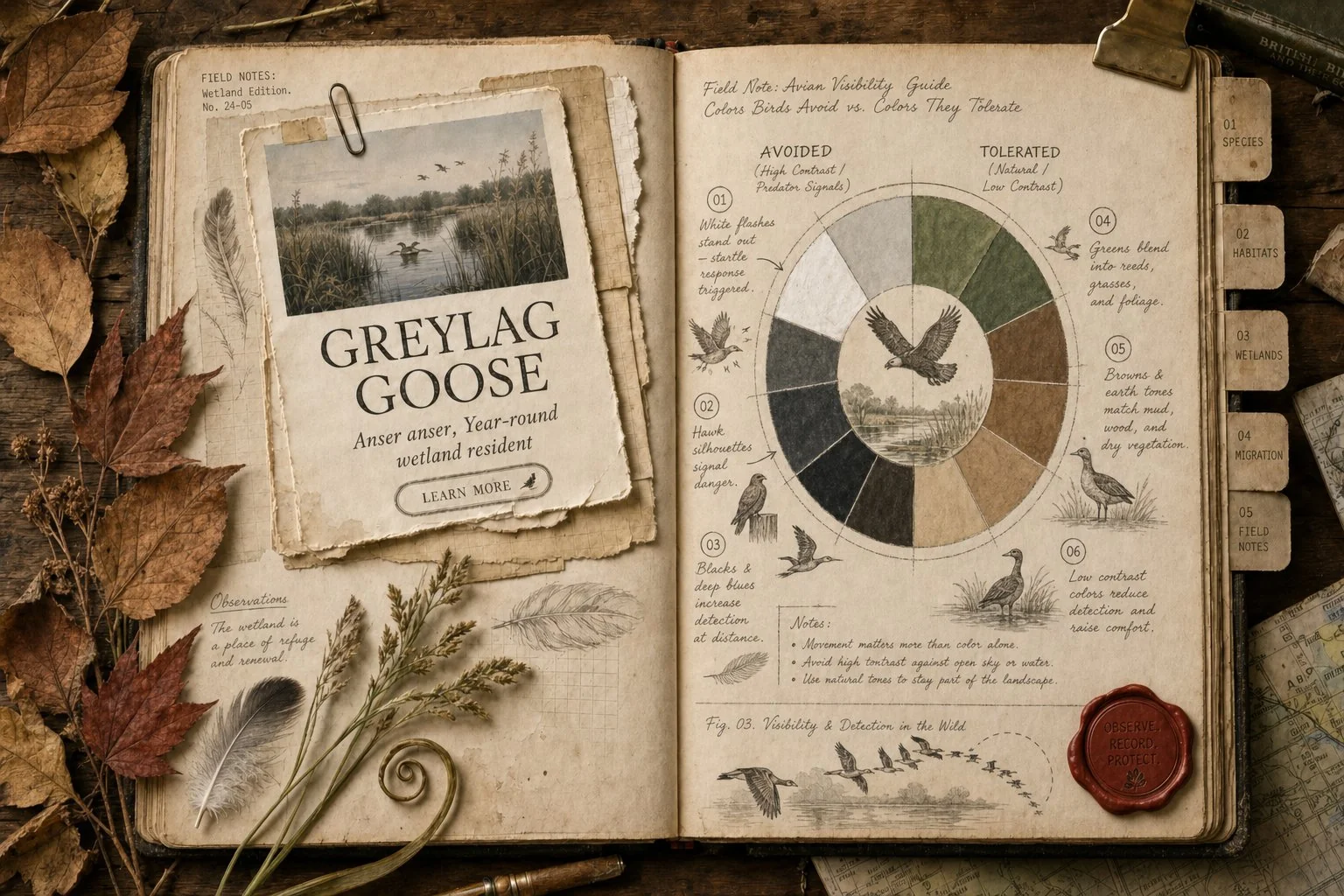 № 170
№ 170 A naturalist's read on what bird research actually shows about colour aversion - which colours genuinely deter birds, why, and how to use the information practically.
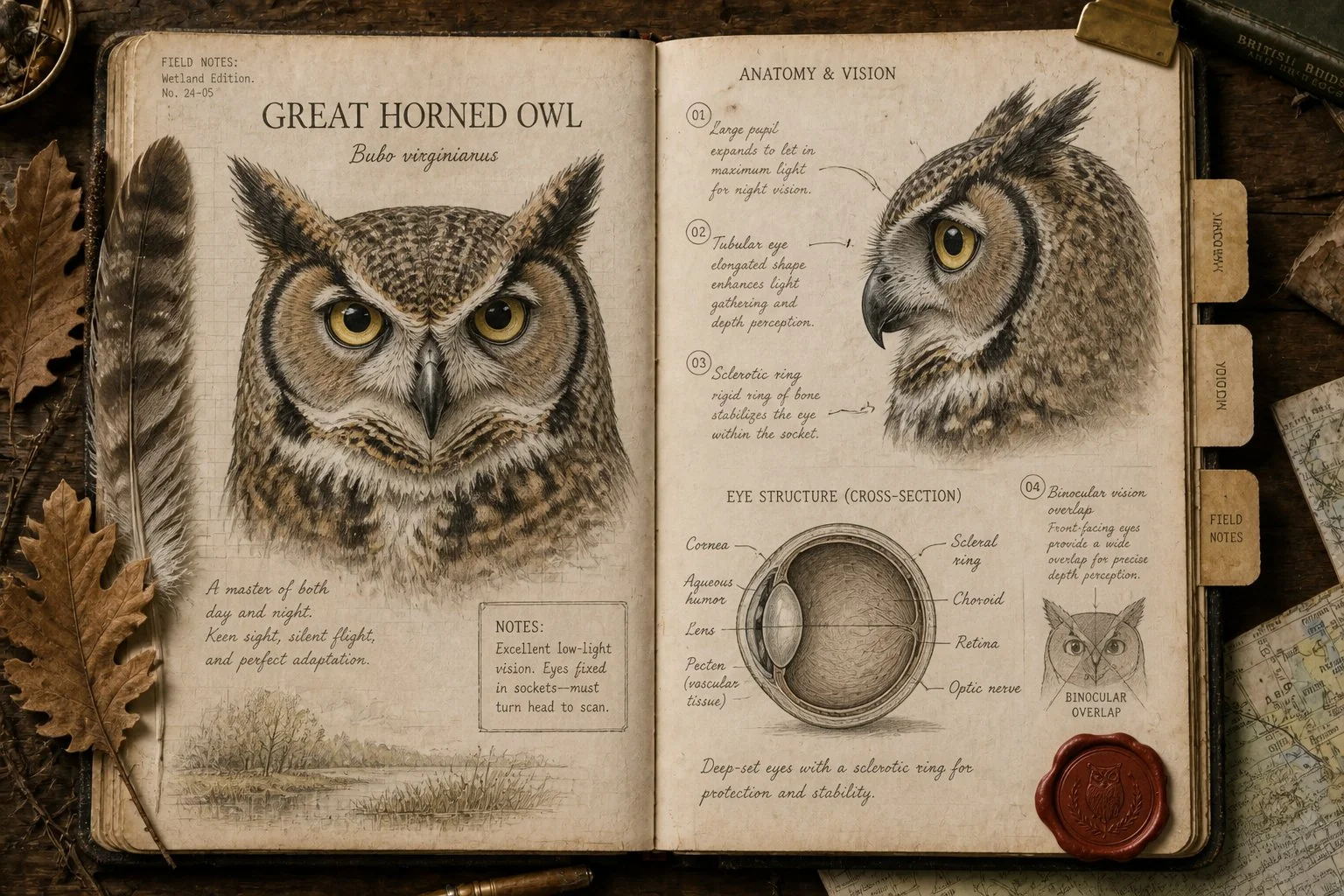
Owl eyes are tubes, not spheres. They can't move. The bird turns its whole head instead. A naturalist's read on the anatomy and what it costs the bird.
 № 169
№ 169