A naturalist's look at three thousand years of owl folklore: where the bad-luck myth came from, why some cultures saw exactly the opposite, and what the science actually says about why owls feel ominous.
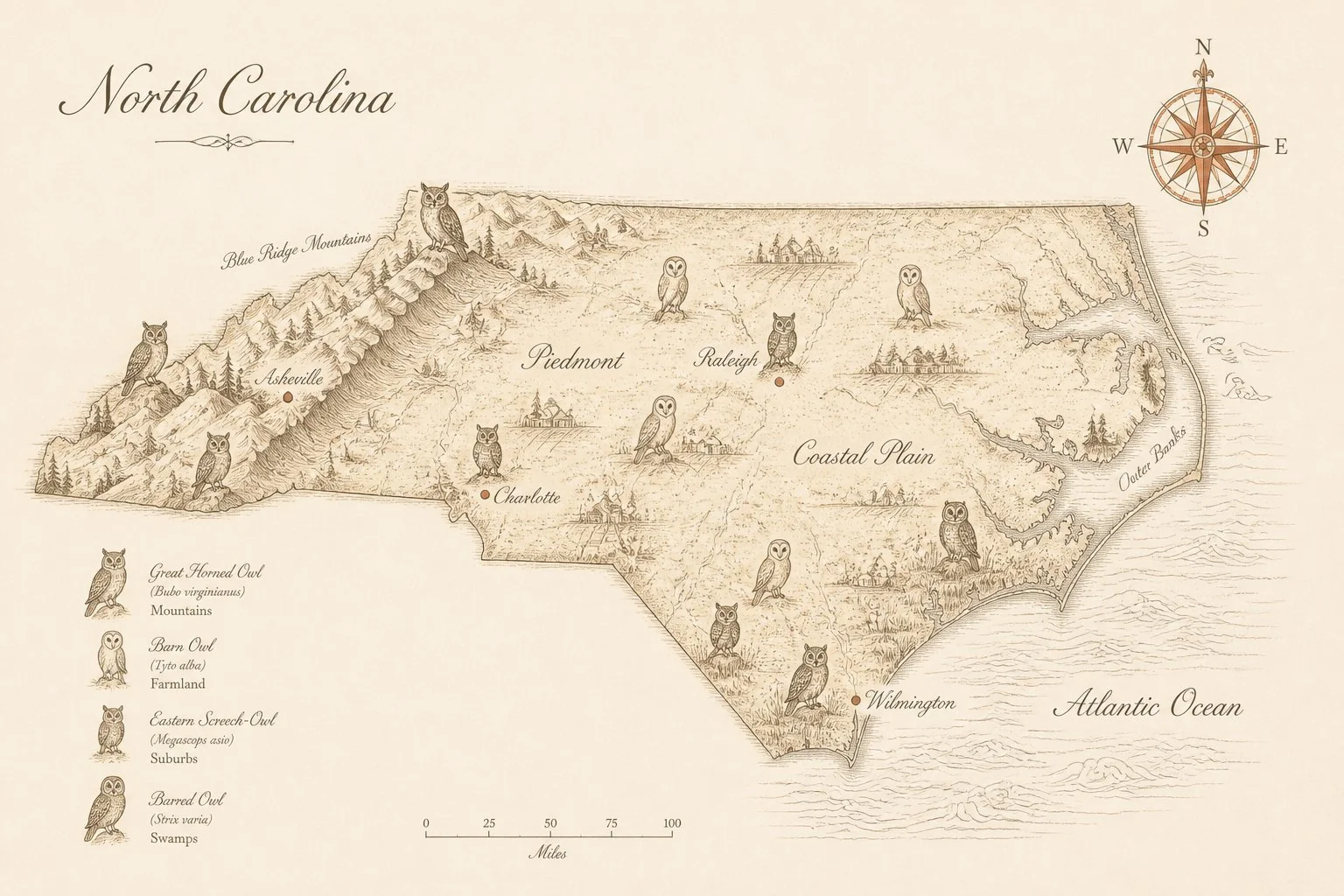
Owls almost never attack humans, but when they do it's almost always nest defence by Great Horned, Barred or Snowy Owls. Here are the species that account for the documented incidents, the locations where joggers get struck, and how to avoid being on the wrong end of an angry parent.
Goldfinches are seed specialists with strong preferences: nyjer, sunflower hearts, and the right perch height. Plant a coneflower bed, hang a sock feeder, and you'll have them in a fortnight.
Garden birds eat their body weight in aphids, caterpillars and slugs every week of the breeding season. Here's the per-species accounting, the trade-offs (yes, some fruit, some seedlings), and how to set the garden up to favour them.
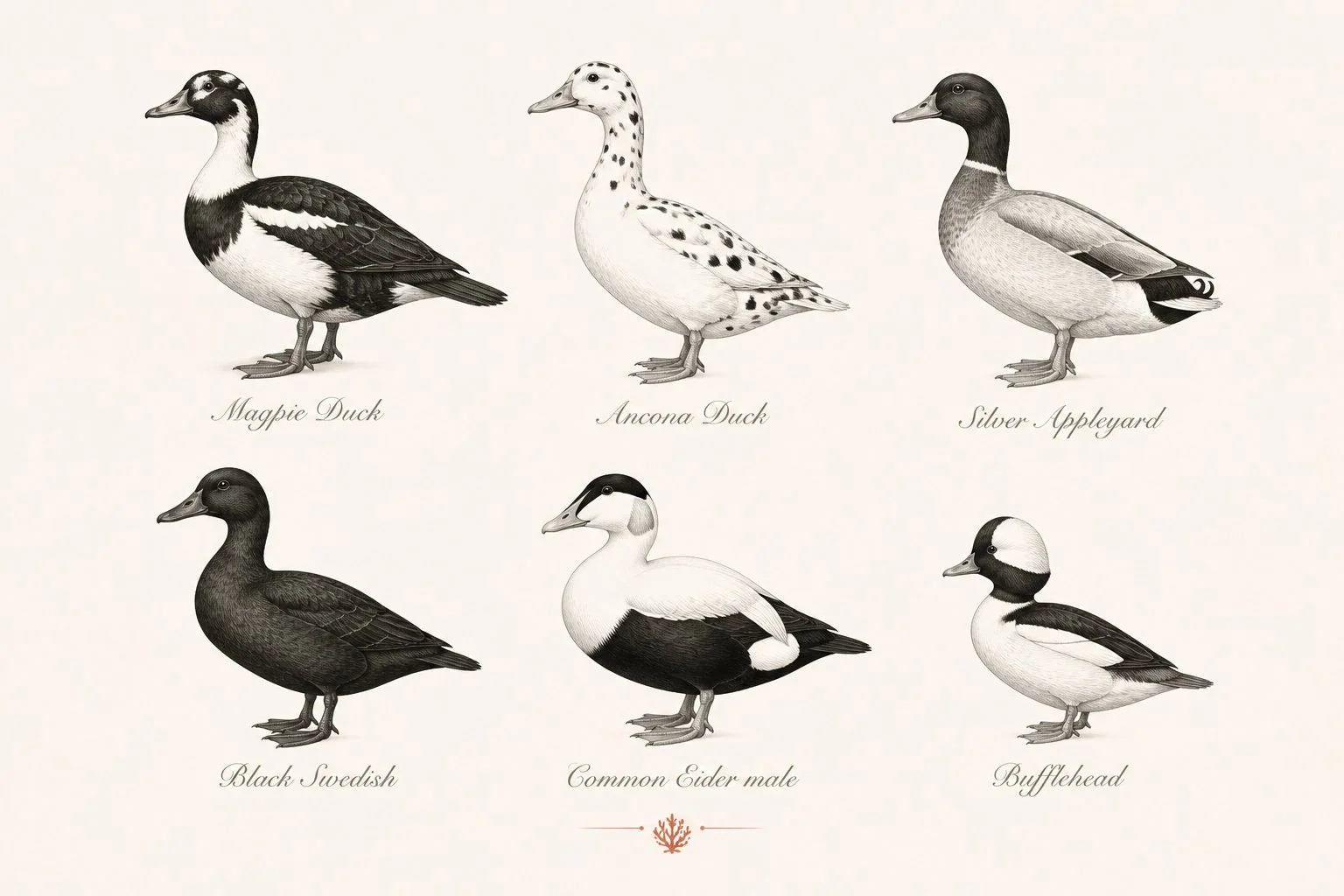
Ducks make excellent pets for the right person and absolute disasters for the wrong one. Here's the honest breakdown: noise, mess, lifespan, housing, predation risk, and whether your garden, neighbours and patience can take it.
A naturalist's read on hummingbird aggression: who defends what, why a single dominant male can monopolise a feeder, and the four-feeder layout that gets you the most birds visible at once.
A naturalist's honest answer: bird feeders are net-positive in winter, net-neutral the rest of the year, and net-negative only if you don't clean them. The risks are real but every one is solvable.
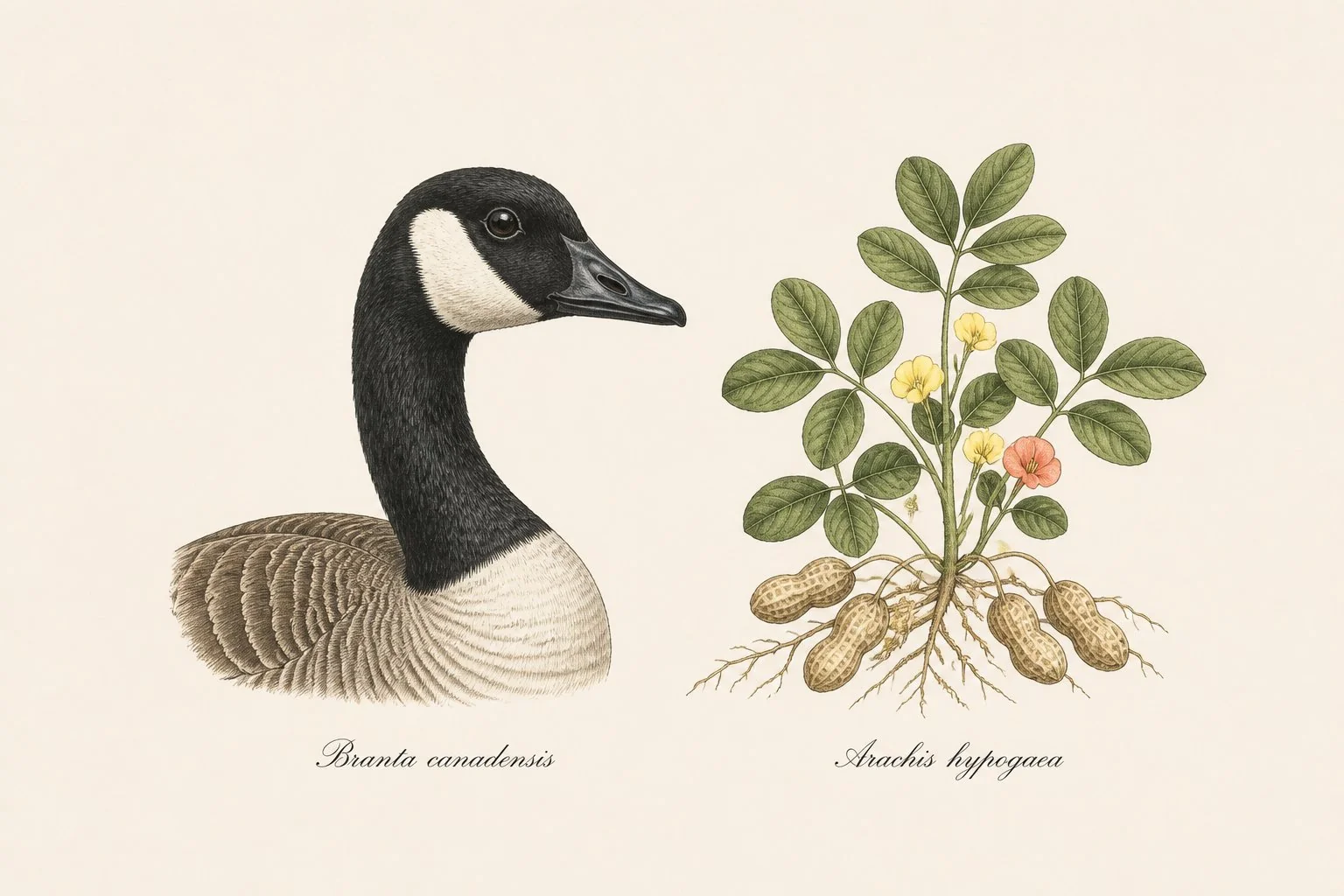
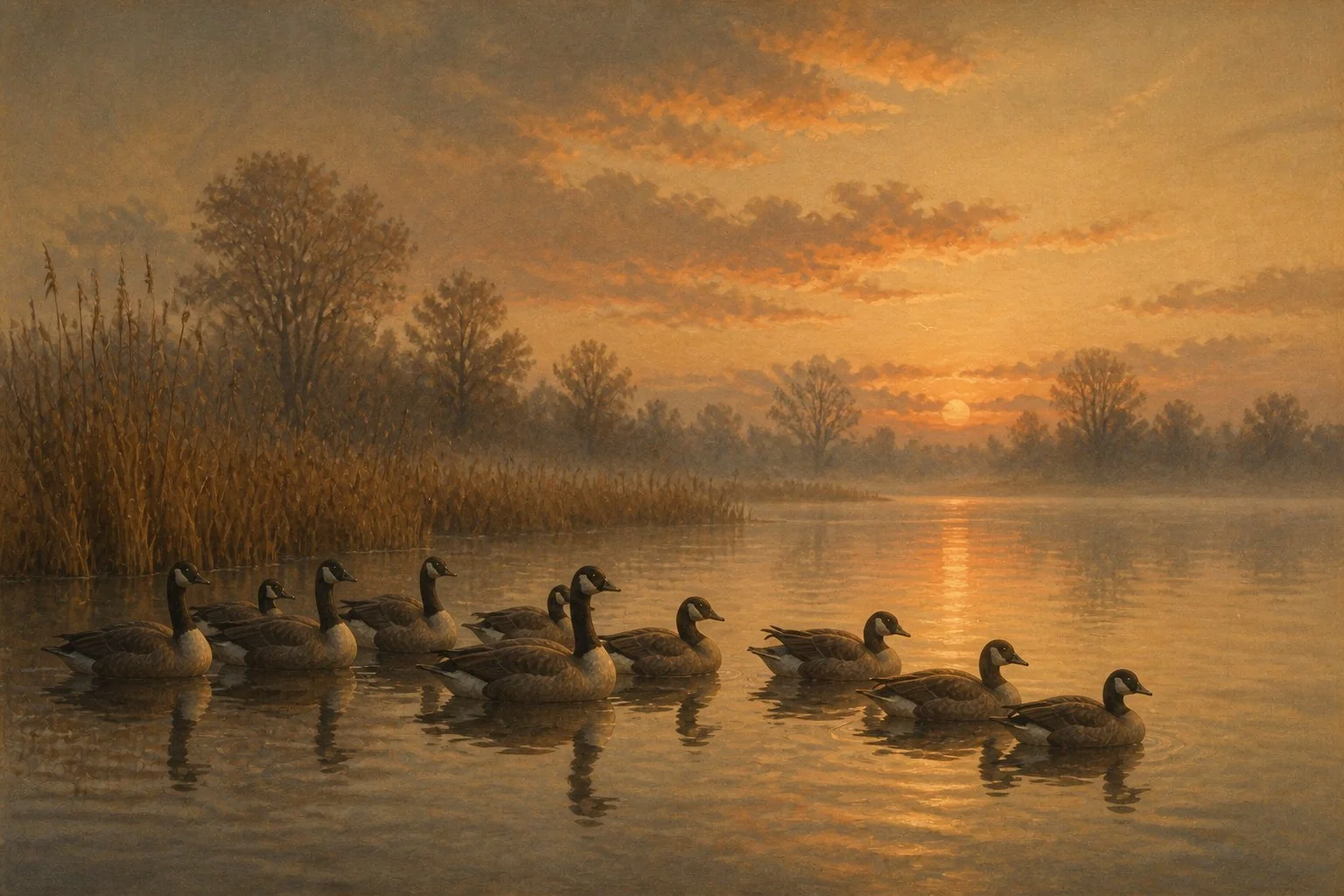
A naturalist's guide to goose-on-goose aggression - why Canada geese fight, what the hissing actually means, the four-step attack sequence to read, and why it almost always peaks in March.
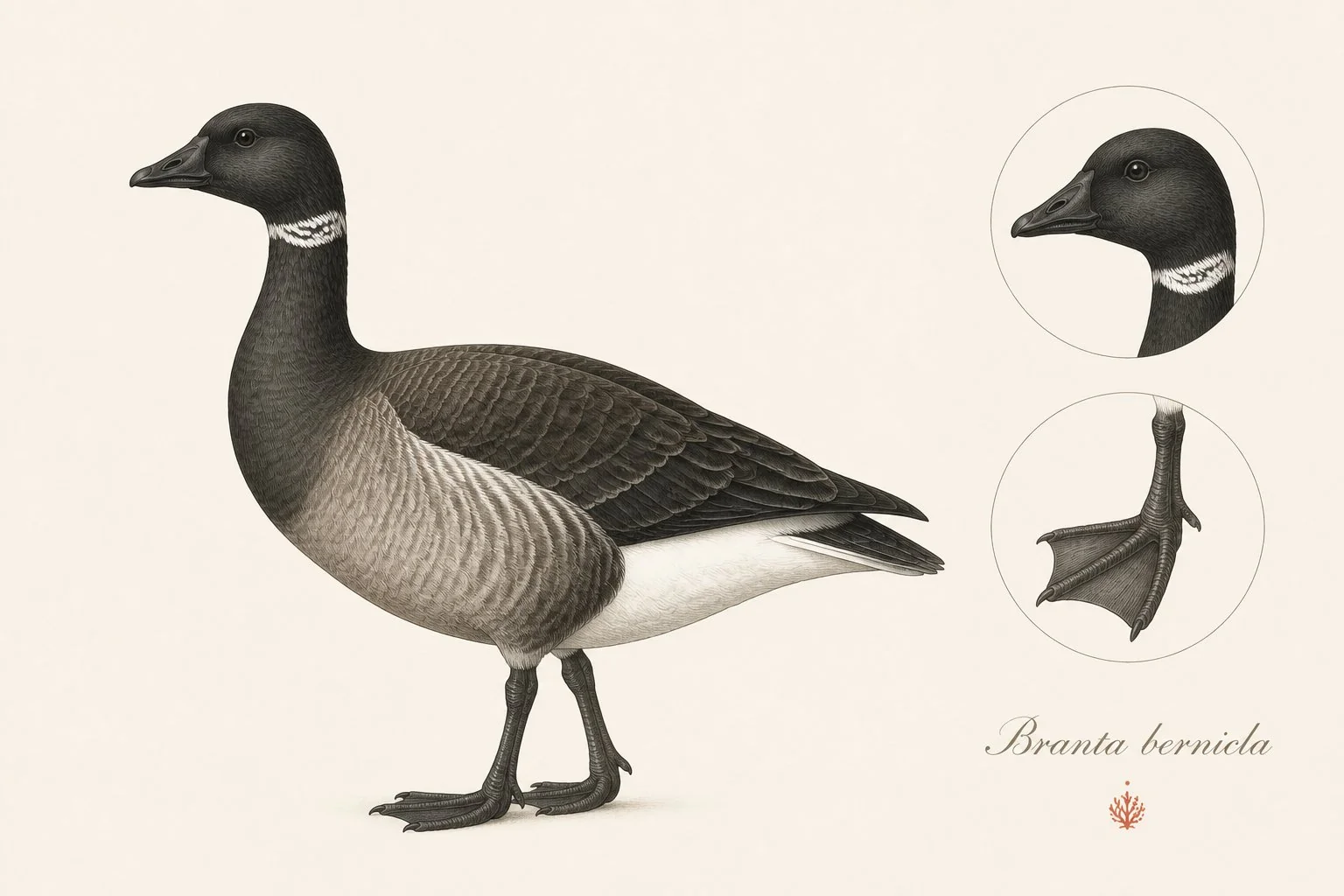
A naturalist's read on why geese (and ducks, flamingos, herons) stand on one leg - the thermoregulation, the muscle anatomy, and why you see it most in winter.
Egg-rolling distributes warmth evenly, prevents membrane sticking, and aligns the embryo for hatching. A naturalist's read on a small action with big stakes.