A naturalist's read on the wild range of the budgerigar (the parakeet most pet-keepers know) and the broader parakeet group - Australian outback, South American rainforest, naturalised flocks in unexpected places.
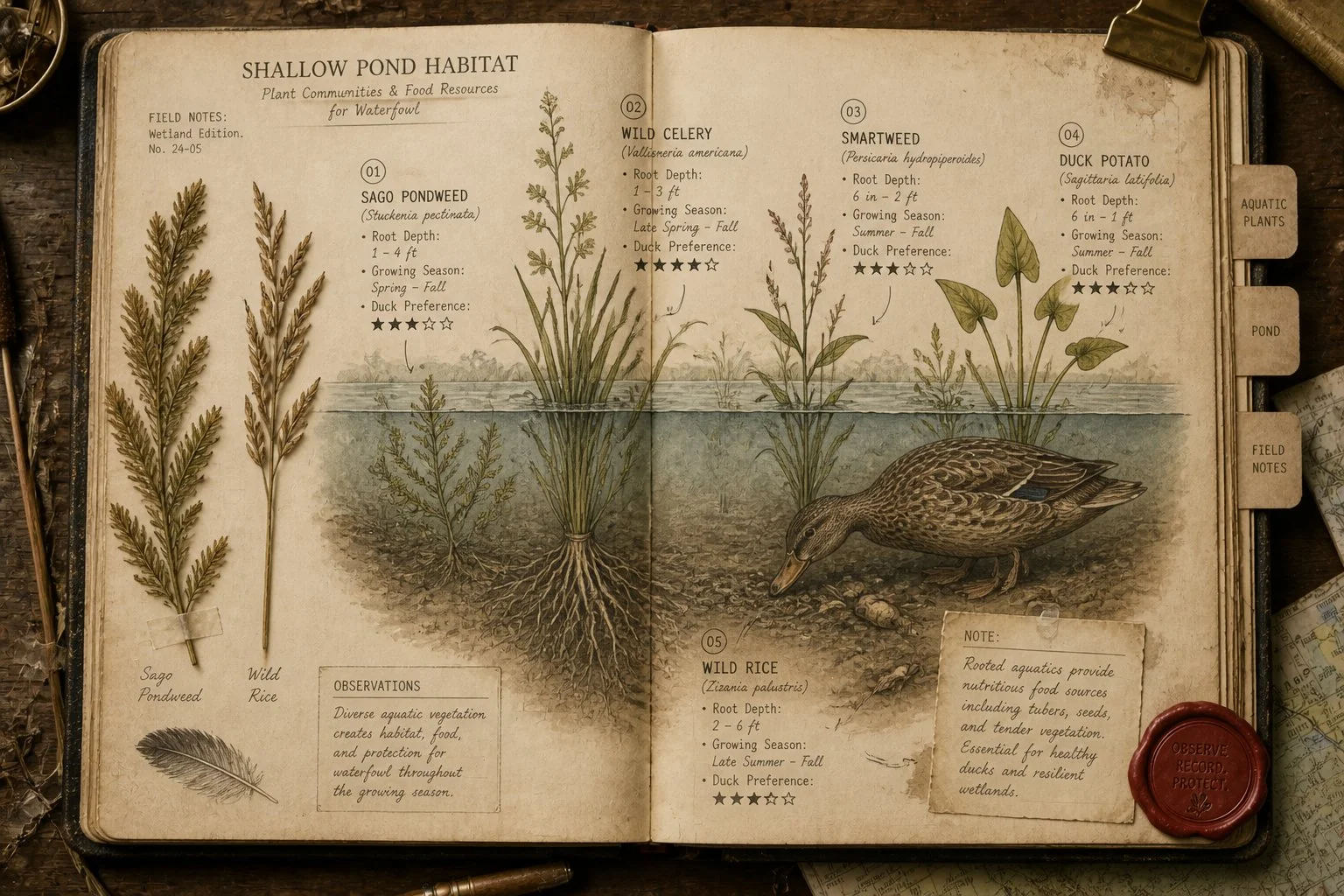
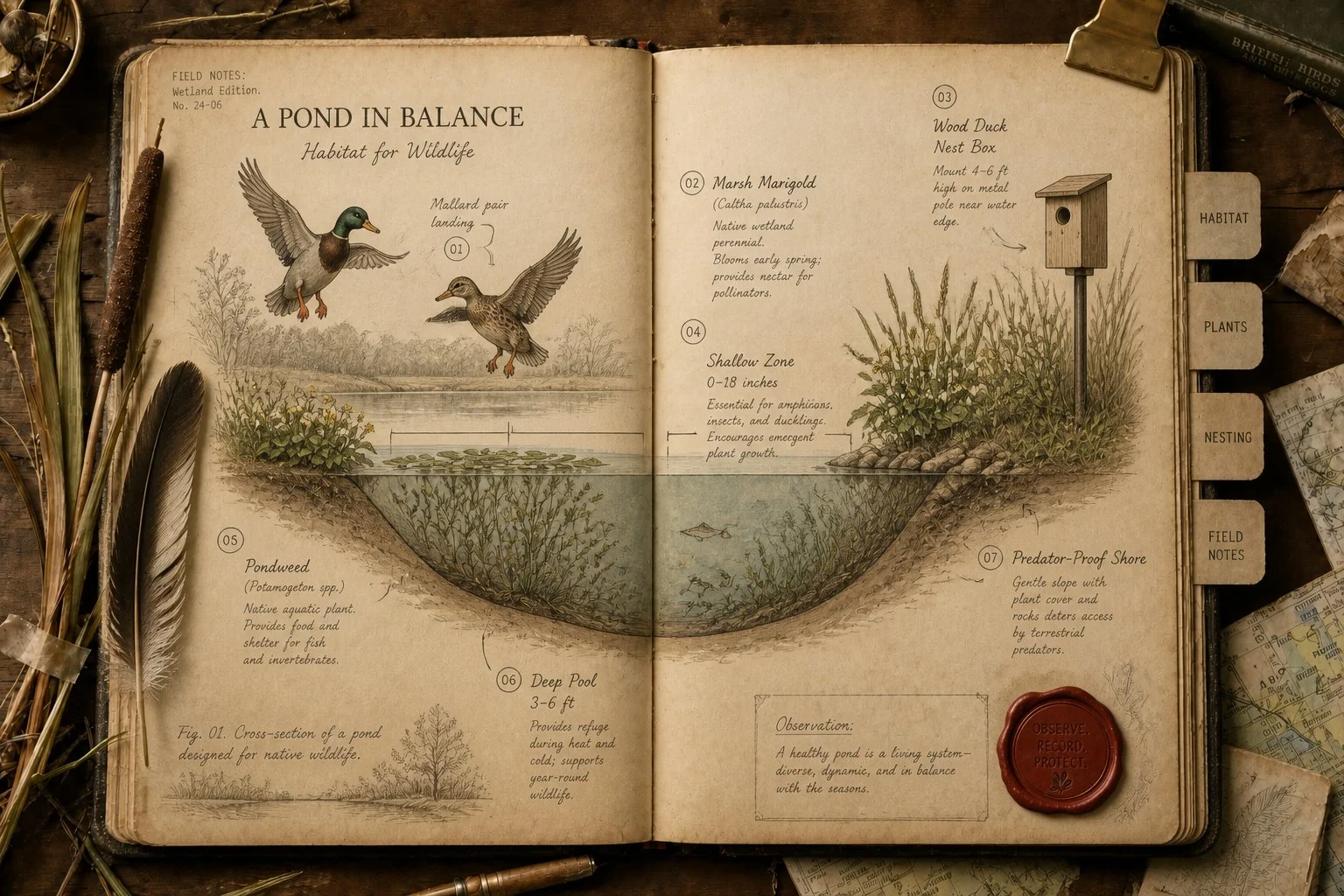
A naturalist's guide to feeding wild ducks - the eight foods that are genuinely safe and useful, the five that cause real harm, and why bread is the worst thing you can hand to a mallard.
A naturalist's guide to what bird seed actually works - the six staples that attract the most birds, what each one is for, and the two things you should stop putting in your feeder.
A naturalist's guide to the right time to install an owl nest box - late autumn for most species, before squirrels select winter dens, in time for owl scouting in late winter.
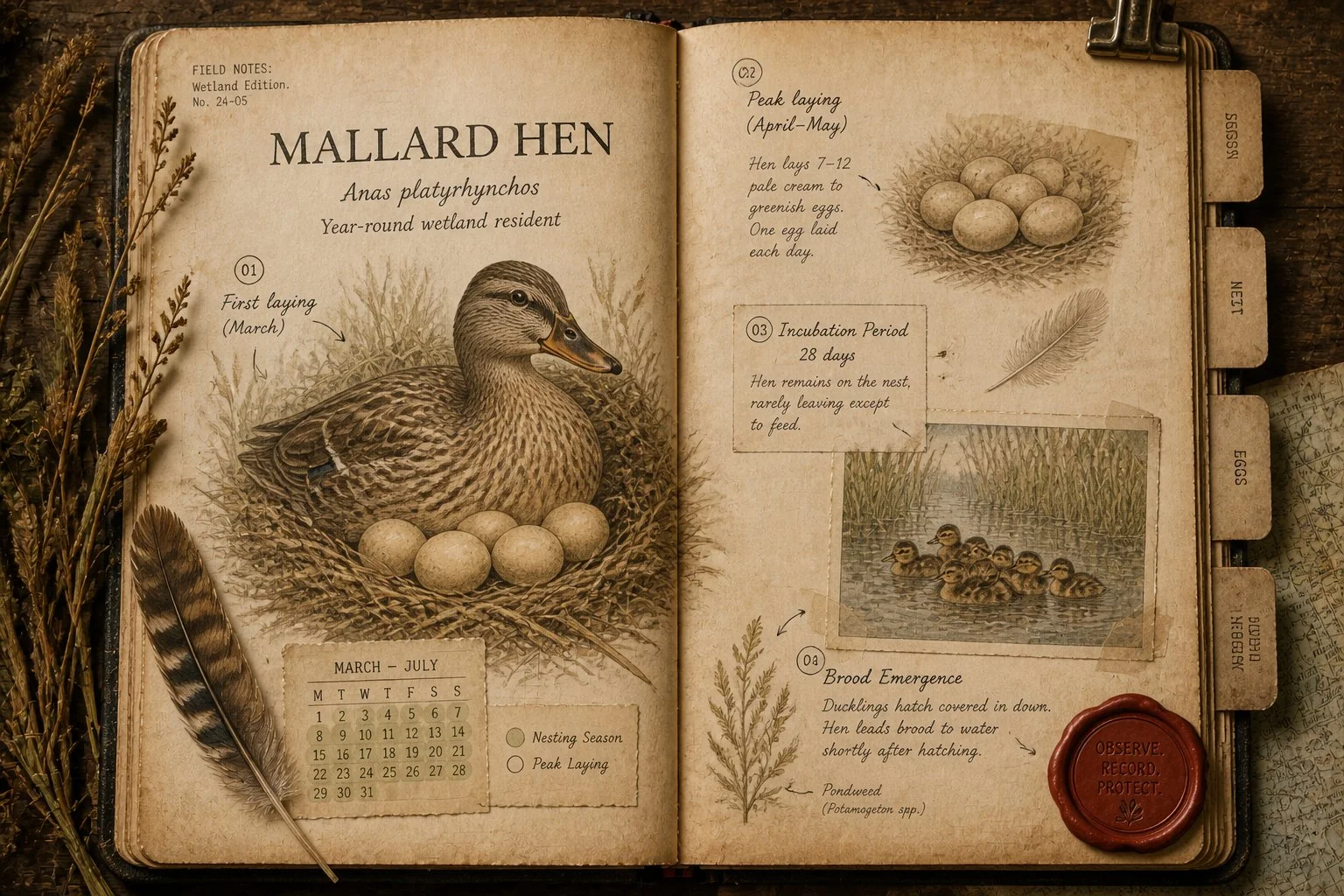
Baby ducks are called ducklings. A field naturalist's read on what that actually means - the timeline from hatch to fledge, how to tell a duckling from a gosling or a cygnet, and the brood biology that decides how many survive.
A short, practical guide to safe and unsafe foods for pond ducks - what to bring, what to leave at home, and how to feed them properly without harming the pond.
A naturalist's read on what bird research actually shows about colour aversion - which colours genuinely deter birds, why, and how to use the information practically.
Owl eyes are tubes, not spheres. They can't move. The bird turns its whole head instead. A naturalist's read on the anatomy and what it costs the bird.
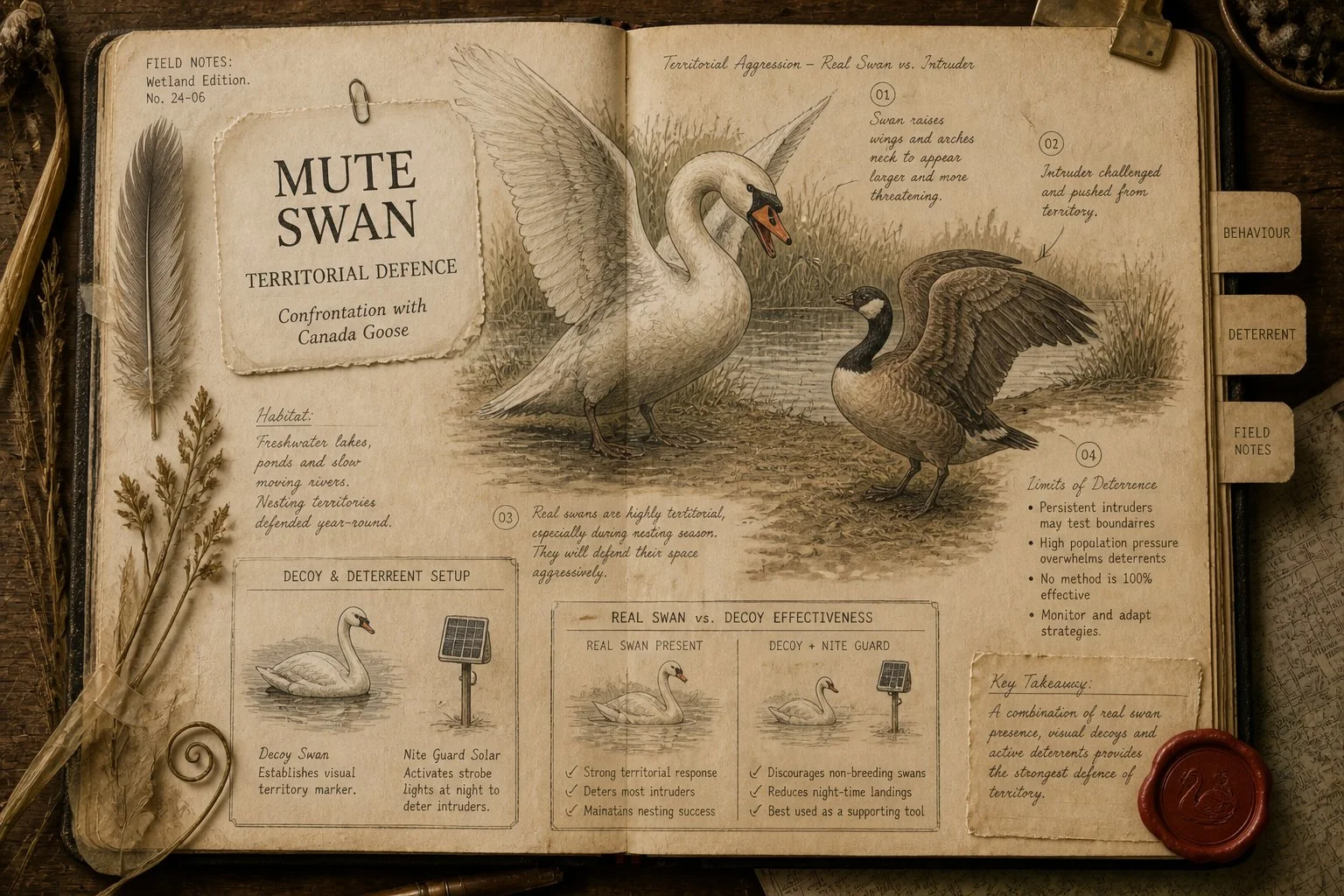
Predator distress calls and dog barks scare geese; ultrasonics and most static noises don't. A naturalist's read of the deterrents that hold up in the field.
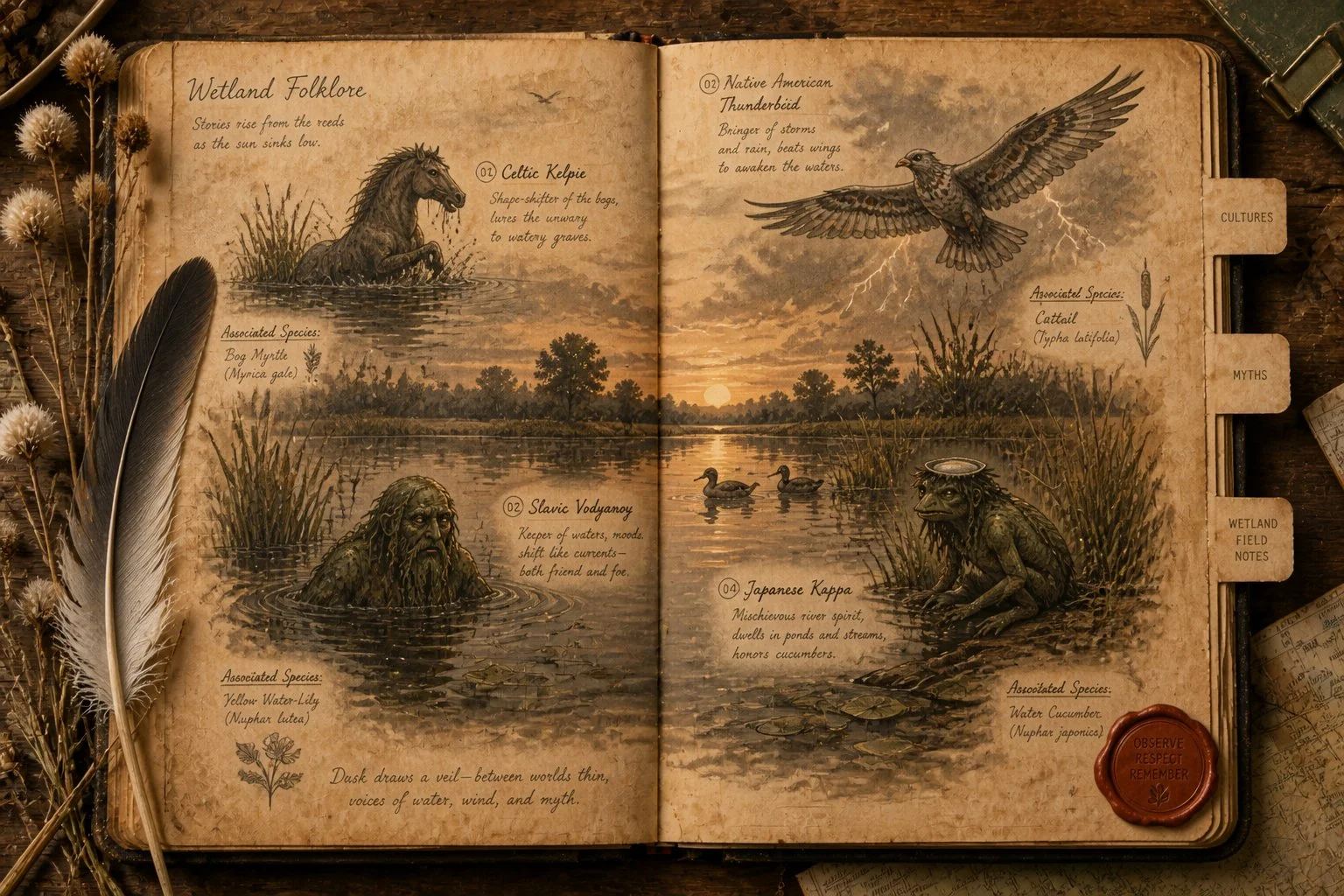
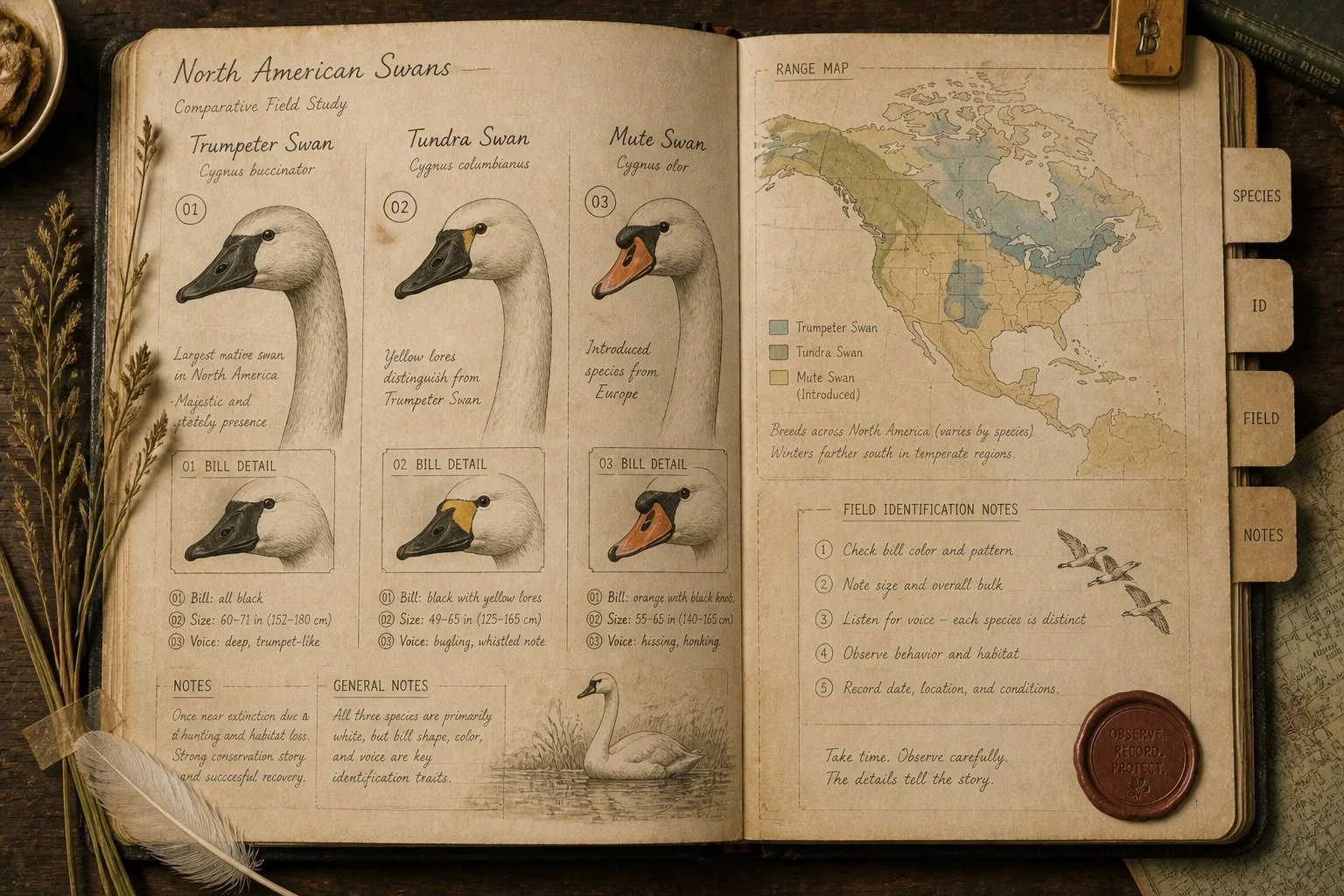
From the Greek myth of Leda to Yeats to the silver swans on the Queen's River - a literary naturalist's read on what the swan has actually stood for through history.