Birds & Wetlands
The Journal · Page 8 of 24

Field notes,
page 8.

Continuing the archive: slow essays and observations from marshes, mangroves, and pondsides around the world.

288essays archived
8of 24 pages
weeklynew notes

All dispatches

Showing 85 – 96 of 288
Ducks in Washington: The 12 Species You'll Actually See № 204
№ 2043 Feb 2026

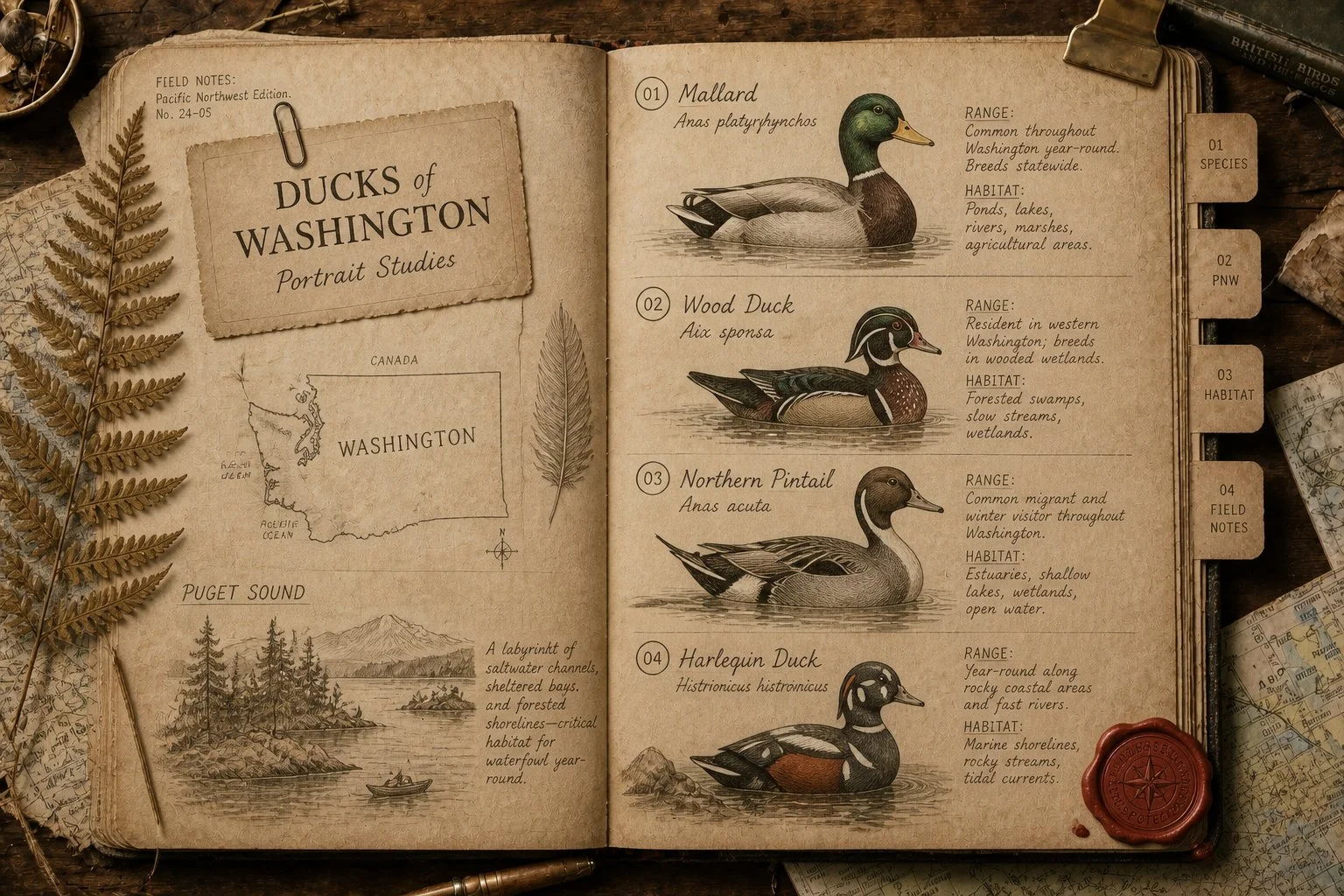
Ducks in Washington: The 12 Species You'll Actually See

Washington State hosts roughly 30 duck species across the Puget Sound, eastern shrub-steppe, and Cascade lakes. Twelve cover most of what you'll see: Mallard, Wood Duck, Northern Pintail, Wigeon, Bufflehead, Harlequin, Common Goldeneye, Greater Scaup, Hooded Merganser, and three teals.
№ 2032 Feb 2026

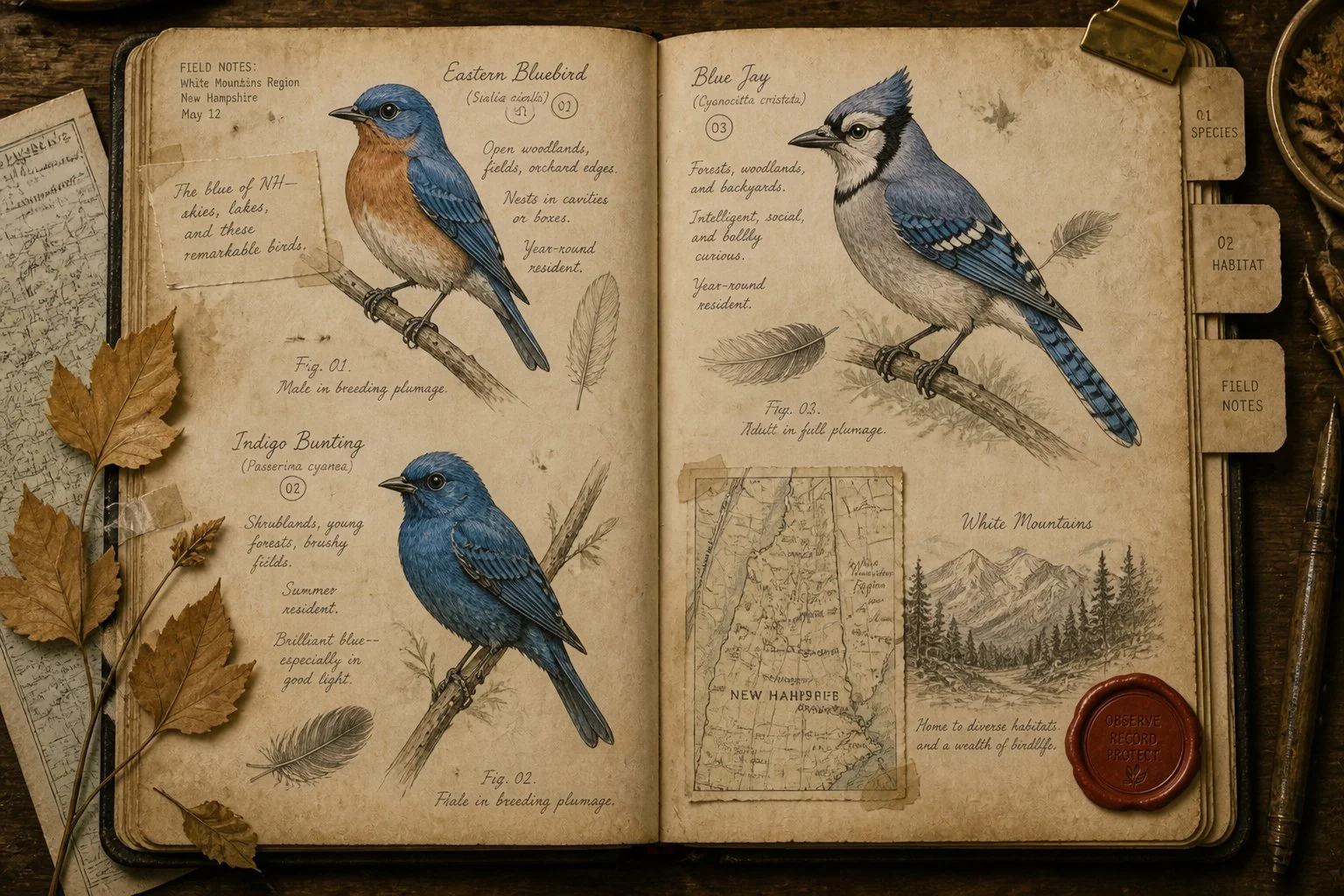
Blue Birds in New Hampshire: The Five You'll Actually See

New Hampshire has five blue-feathered species you'll genuinely encounter: Eastern Bluebird, Blue Jay, Indigo Bunting, Tree Swallow, and Belted Kingfisher. The first four are common, the kingfisher is around any clean stream. Here's where and when to find each.

Blue Birds in New Hampshire: The Five You'll Actually See № 203
Do Swans Eat Fish? Rarely - Here's Why № 202
№ 2022 Feb 2026

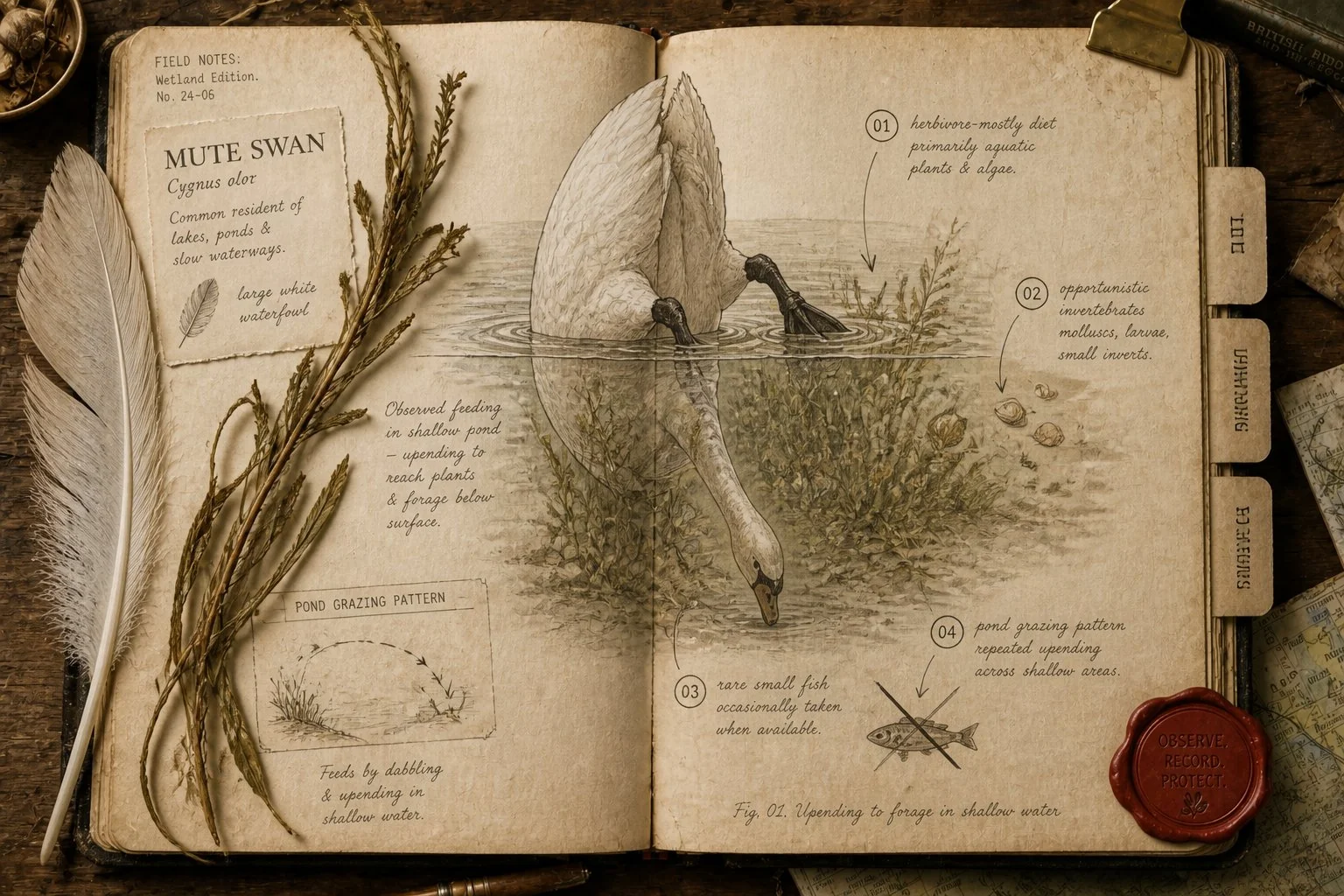
Do Swans Eat Fish? Rarely - Here's Why

Swans are 95%+ herbivorous. They eat submerged and emergent aquatic plants, grass, grain, and small invertebrates that come up with the plants. A swan that catches a small fish will eat it but they don't hunt - it's opportunistic, not a diet.

Birds of Prey: A Field Guide to North America's Raptors № 200
№ 2001 Feb 2026

Birds of Prey: A Field Guide to North America's Raptors

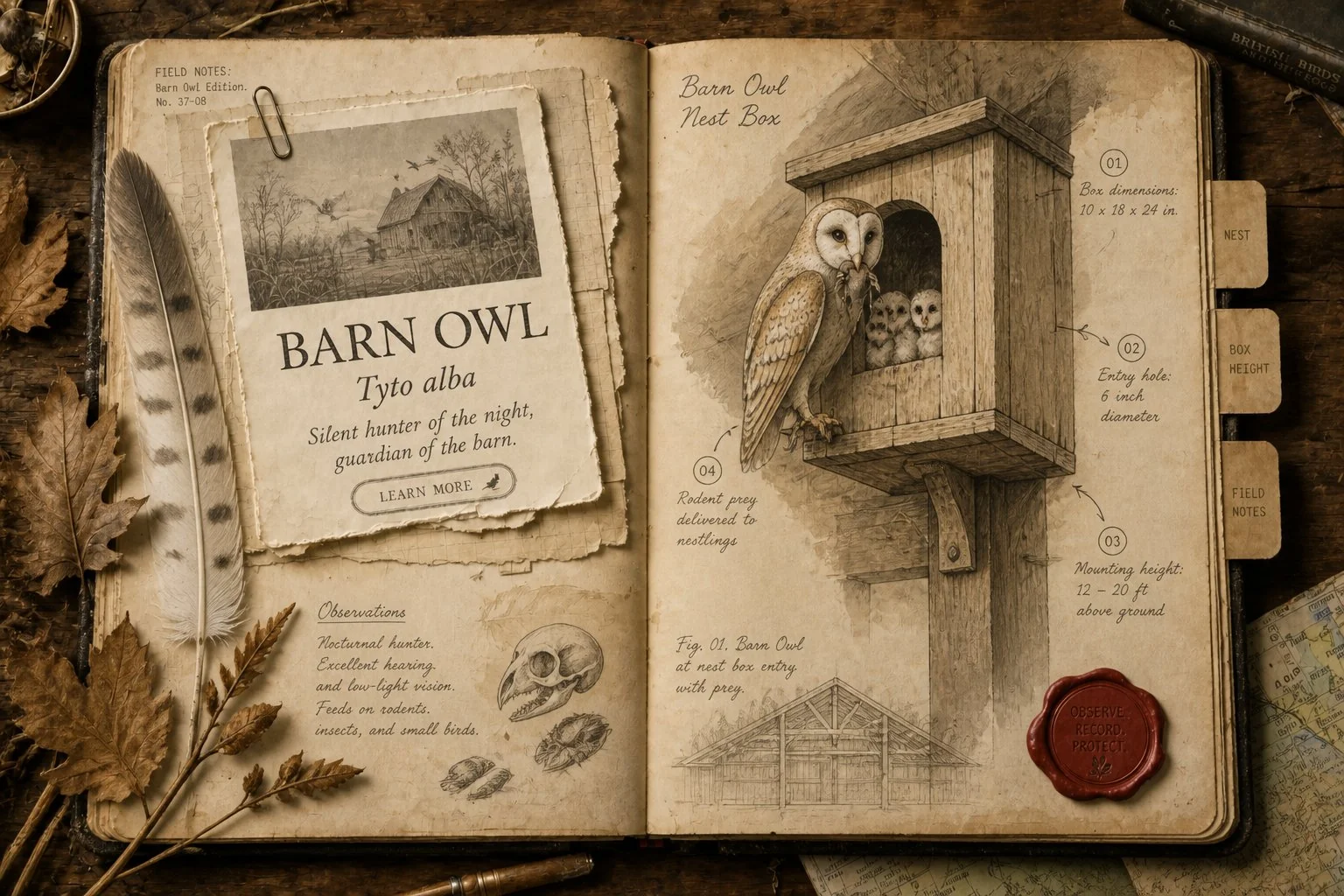
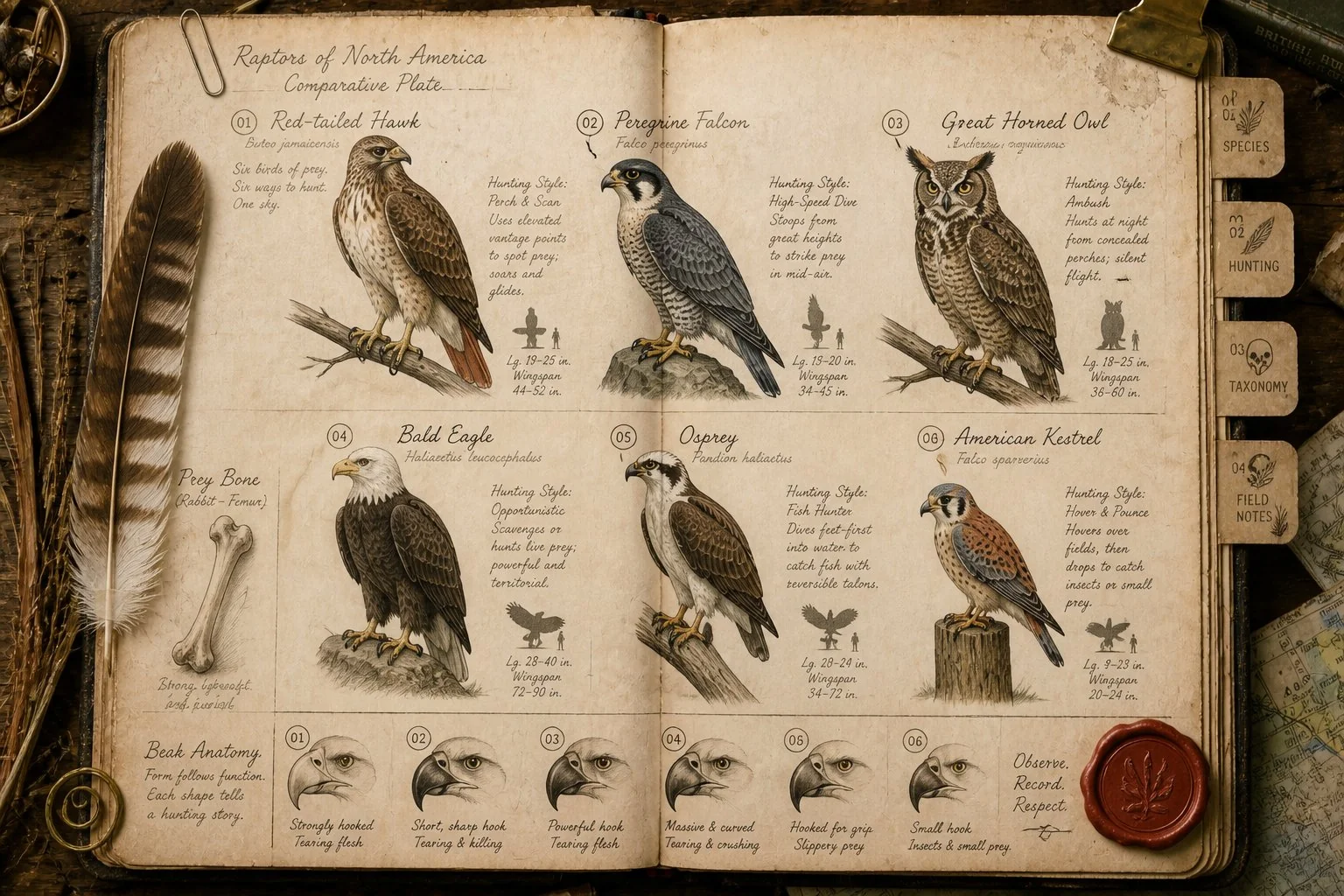
North America has 34 diurnal raptors and 19 owls. They split into five working groups - hawks, falcons, eagles, kites, and owls. Here's the per-group breakdown, how to tell them apart in flight, and the eight species you'll see most often.

№ 1991 Feb 2026

Birds of Prey in Virginia: The 10 You'll Actually See

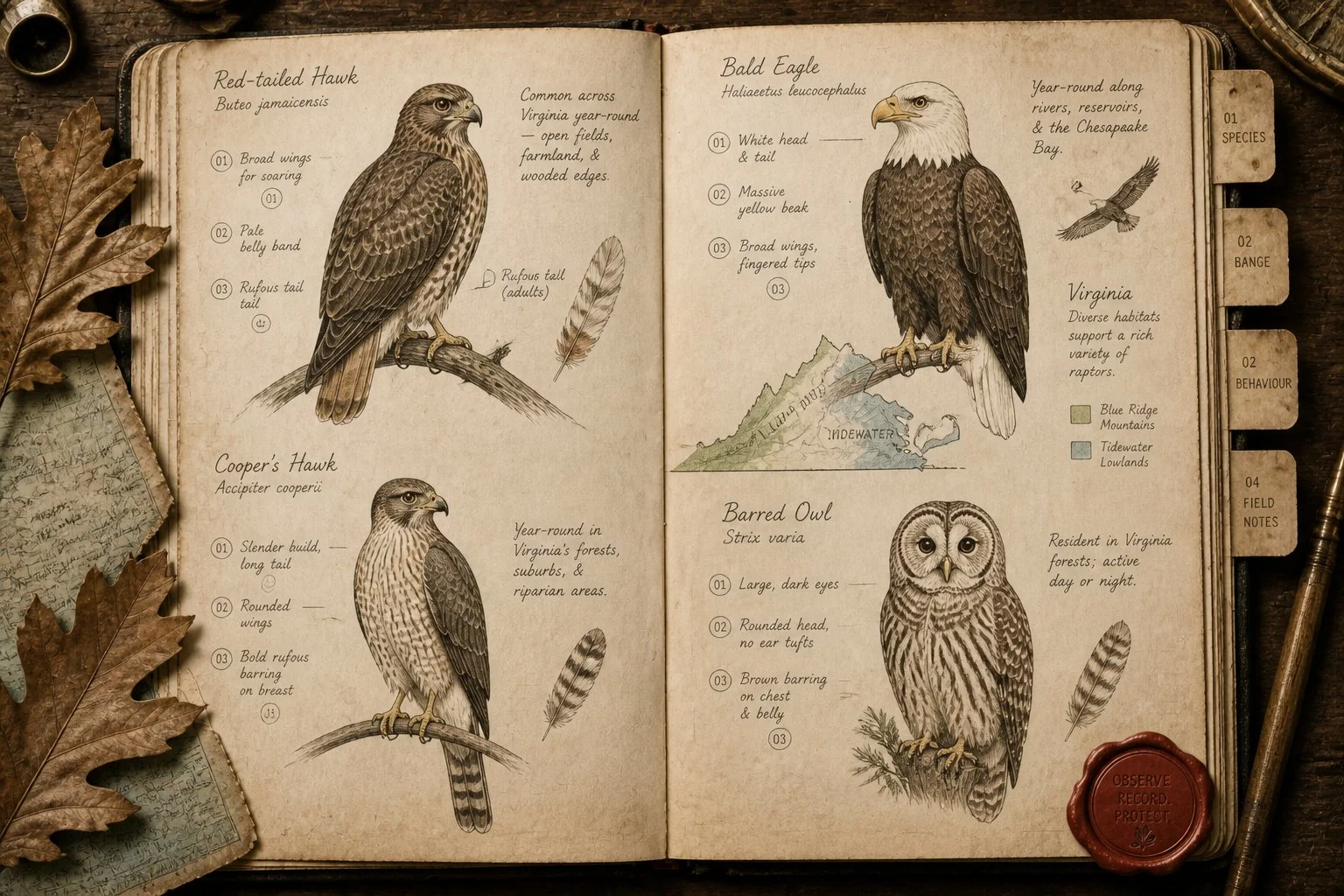
Virginia hosts roughly 20 raptor species across the Blue Ridge, Piedmont and Tidewater. Most birders see ten of them: Red-tailed Hawk, Cooper's, Sharp-shinned, Red-shouldered, Bald Eagle, Osprey, American Kestrel, Black and Turkey Vulture, and the year-round resident Barred Owl. Here's where and when to find each.

Birds of Prey in Virginia: The 10 You'll Actually See № 199
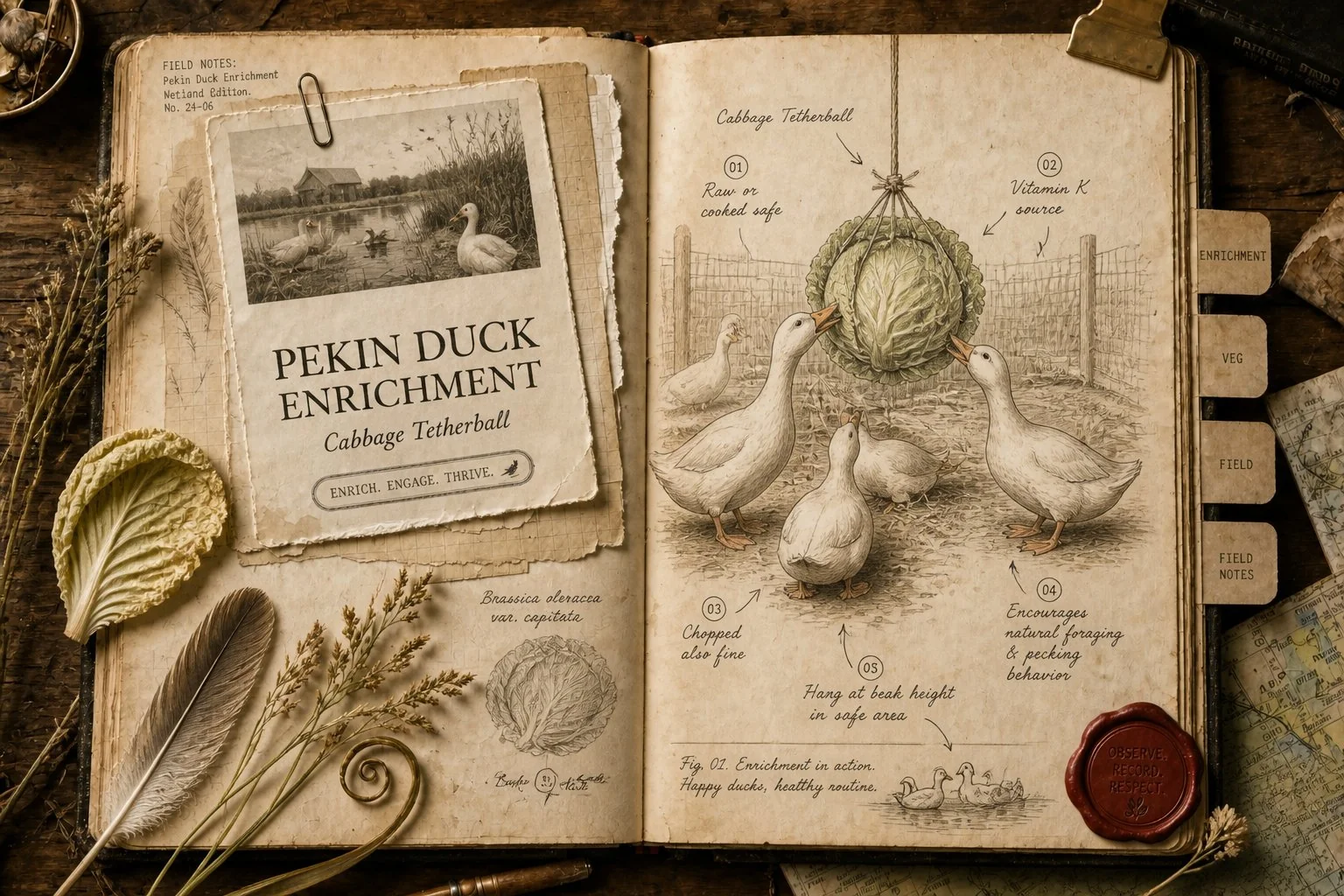
Can Ducks Eat Cauliflower? Yes - Steamed Is Best, Leaves Too № 198
№ 19831 Jan 2026

Can Ducks Eat Cauliflower? Yes - Steamed Is Best, Leaves Too

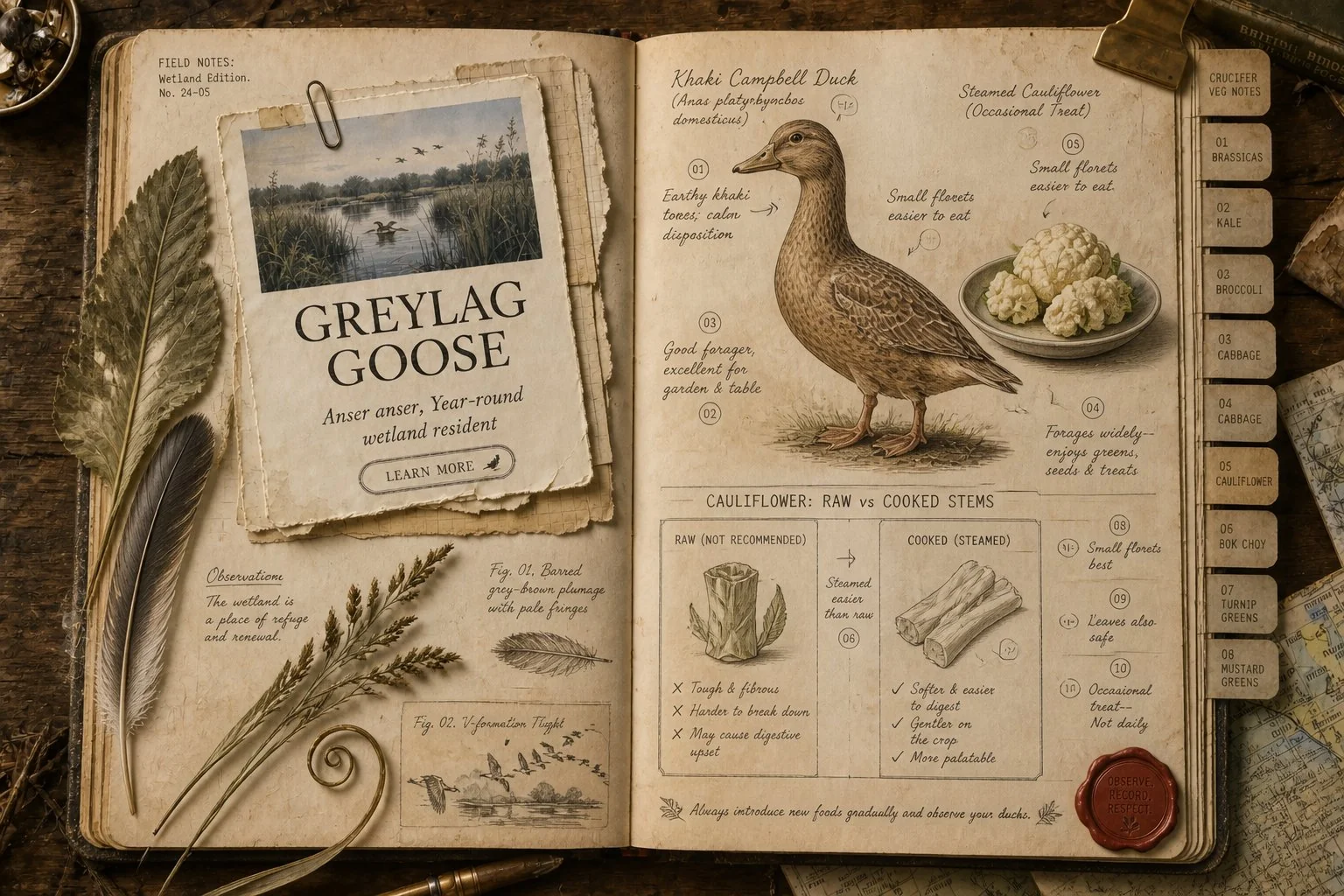
Cauliflower is safe for ducks - florets, stems, and the outer leaves are all edible. Steamed briefly is easier to digest than raw. As with all brassicas, feed in moderation to avoid loose droppings. The outer leaves alone are a useful free treat from kitchen prep.

Can Ducks Eat Avocado? No - It's Genuinely Toxic № 196
№ 19628 Jan 2026

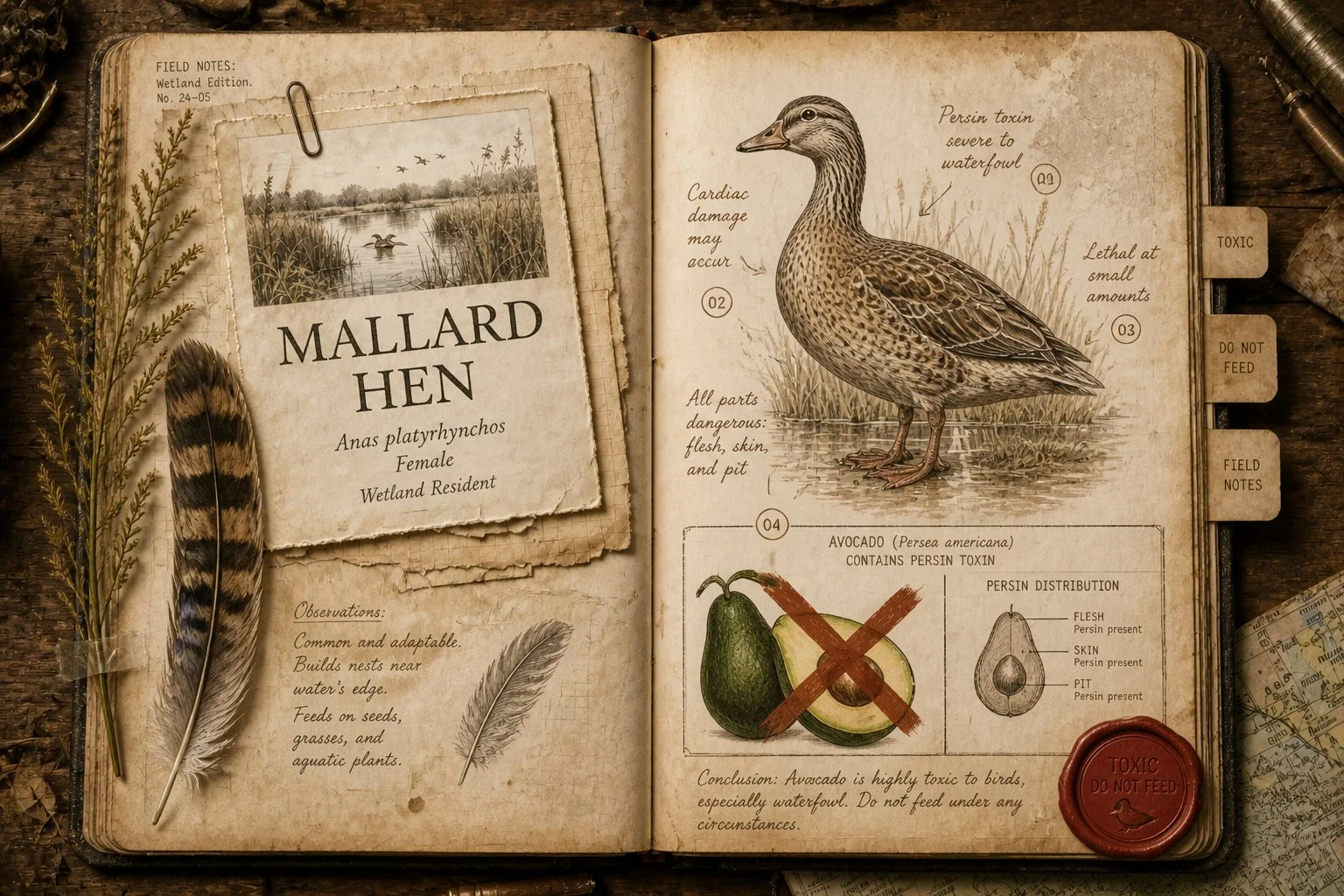
Can Ducks Eat Avocado? No - It's Genuinely Toxic

Avocado contains persin, a fungicidal toxin that damages avian heart muscle. All parts (flesh, skin, pit, leaves) carry it. Documented bird deaths come from amounts as small as a teaspoon. There is no safe quantity for any duck.

№ 19528 Jan 2026

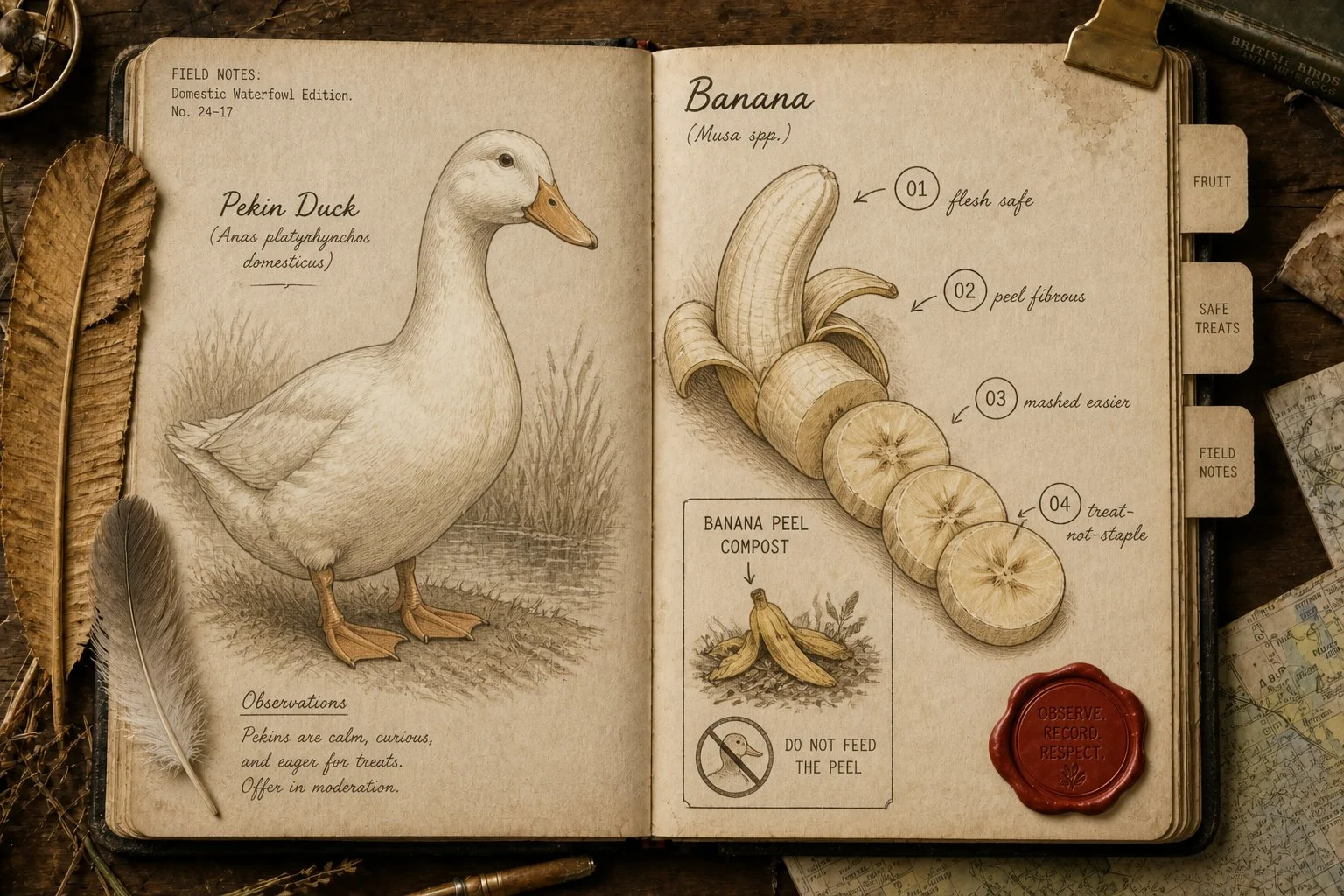
Can Ducks Eat Bananas? Yes, Peeled and Mashed

Banana flesh is safe and palatable for ducks. The peel is technically safe but stringy and fibrous - most ducks won't eat it. Mash or chop into small pieces, offer as a treat 1-2 times a week, and skip if your ducks ignore it.

Can Ducks Eat Bananas? Yes, Peeled and Mashed № 195
Can Ducks Eat Almonds? Yes, With Three Important Caveats № 194
№ 19427 Jan 2026

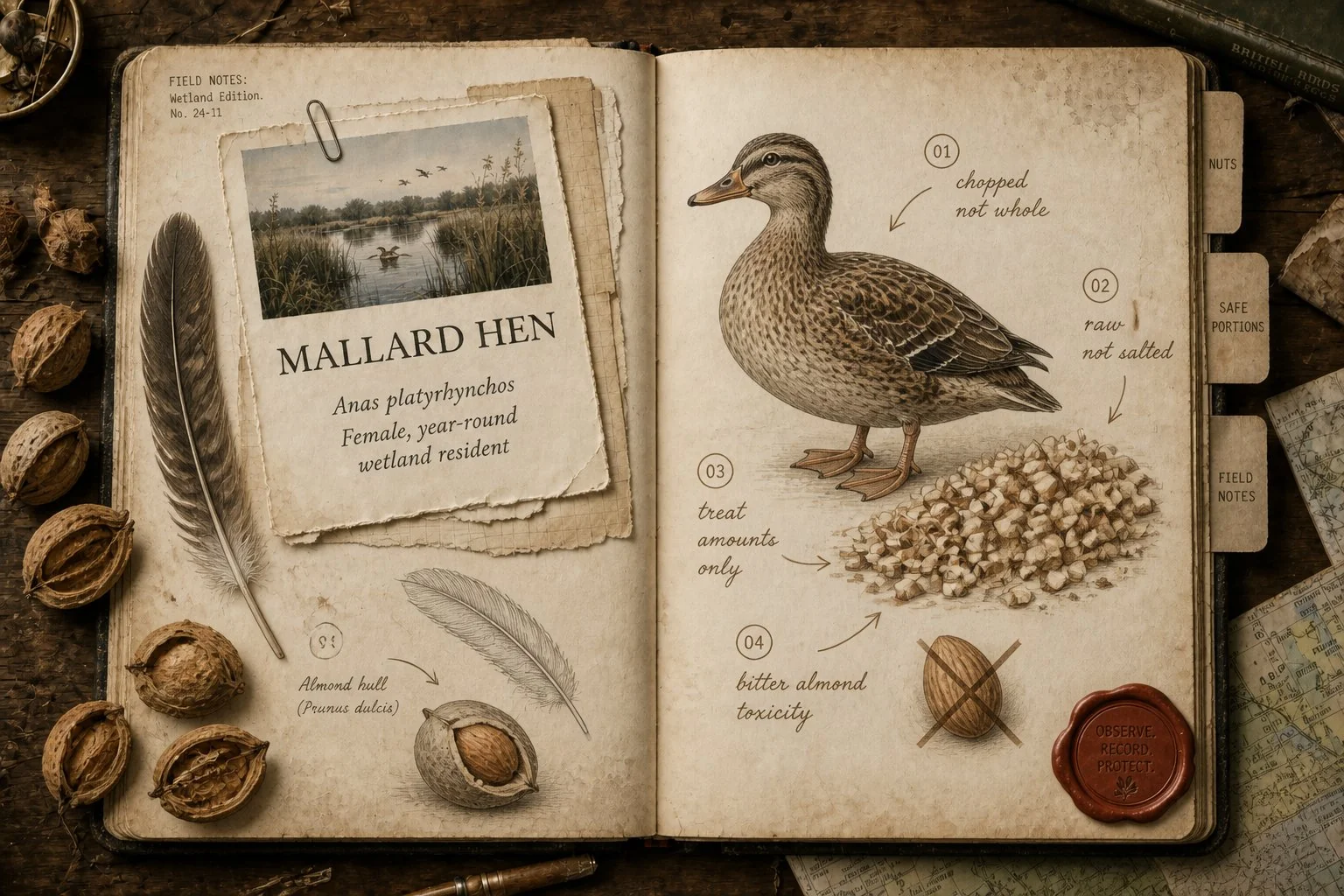
Can Ducks Eat Almonds? Yes, With Three Important Caveats

Ducks can eat almonds in small amounts but the rules are stricter than most fruit and veg. They must be raw, unsalted, chopped fine, and a treat not a staple. Bitter almonds are toxic. Here's the safe-feeding breakdown.

№ 19327 Jan 2026

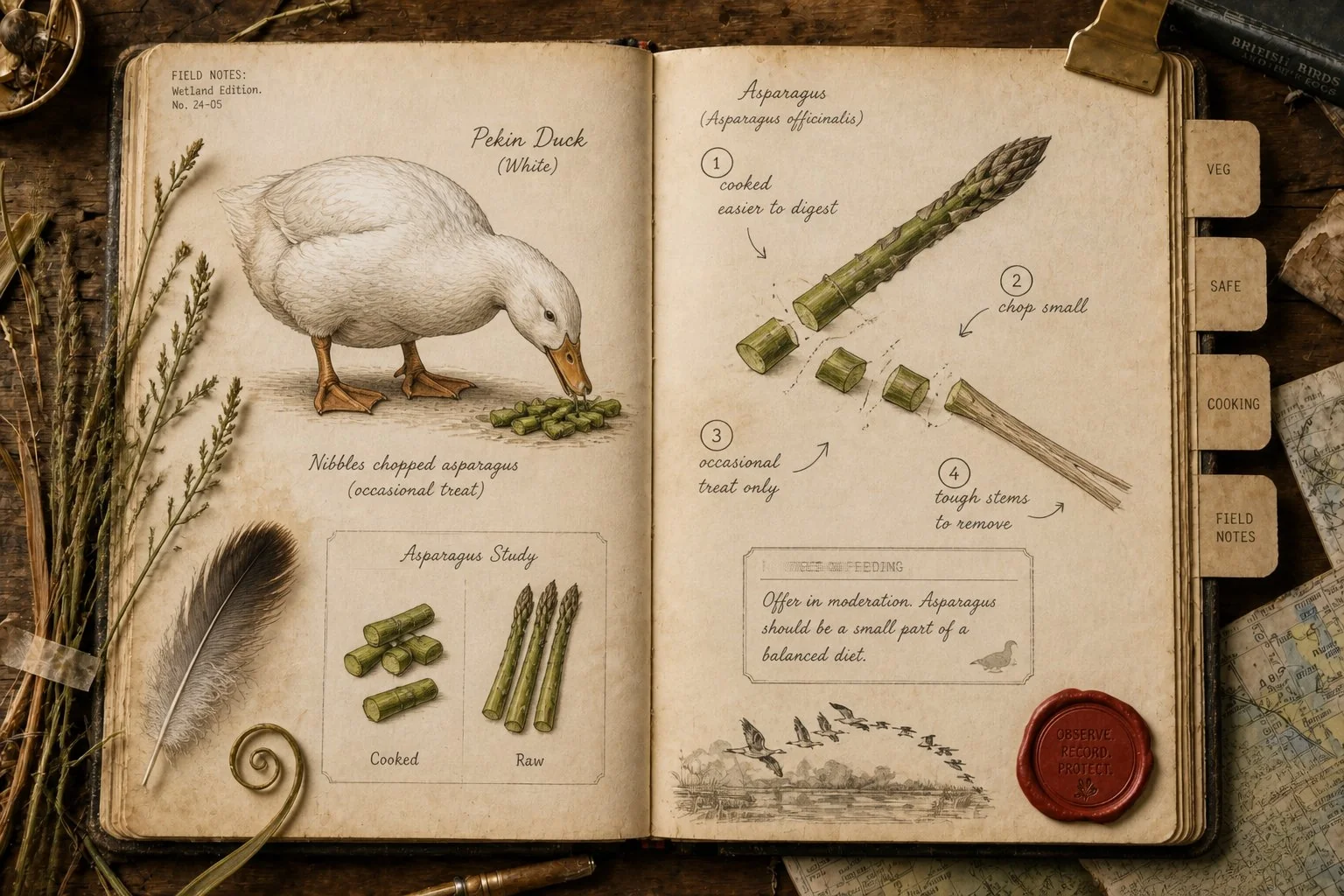
Can Ducks Eat Asparagus? Yes, Cooked and Chopped

Ducks can eat asparagus but the tough fibrous stems are hard for them to swallow. Cooked, chopped, with the woody ends removed - that's the version they'll actually eat. Raw is fine too but most ducks ignore it.

Can Ducks Eat Asparagus? Yes, Cooked and Chopped № 193