 № 264
№ 264 № 26412 Jul 2026
Godwits, Curlews and the Long-Billed Look
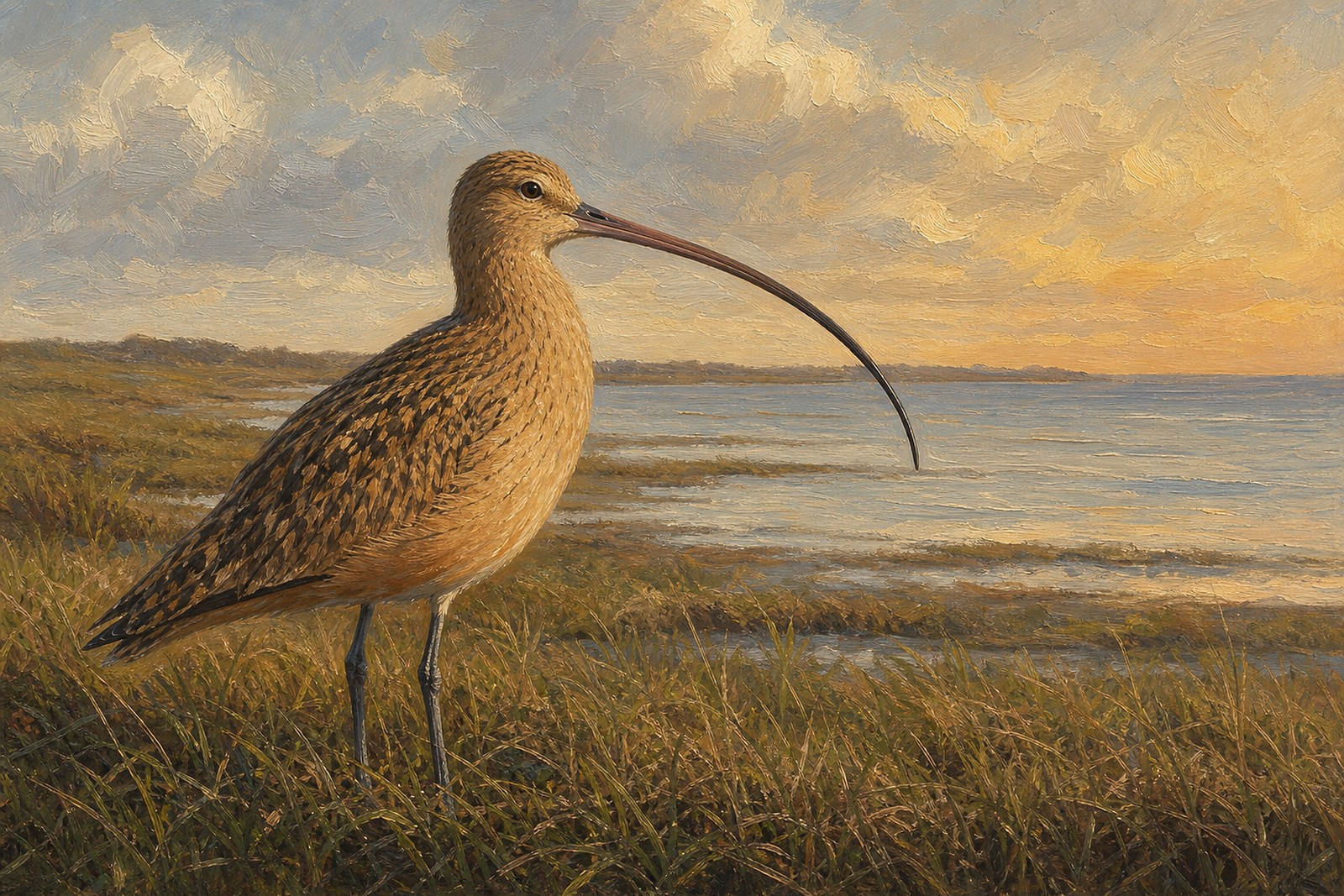
Why the extravagant bills of curlews and godwits draw the strongest lines in shorebird art, and where the open-plain look belongs in a house.
Continuing the archive: slow essays and observations from marshes, mangroves, and pondsides around the world.
№ 264 Why the extravagant bills of curlews and godwits draw the strongest lines in shorebird art, and where the open-plain look belongs in a house.
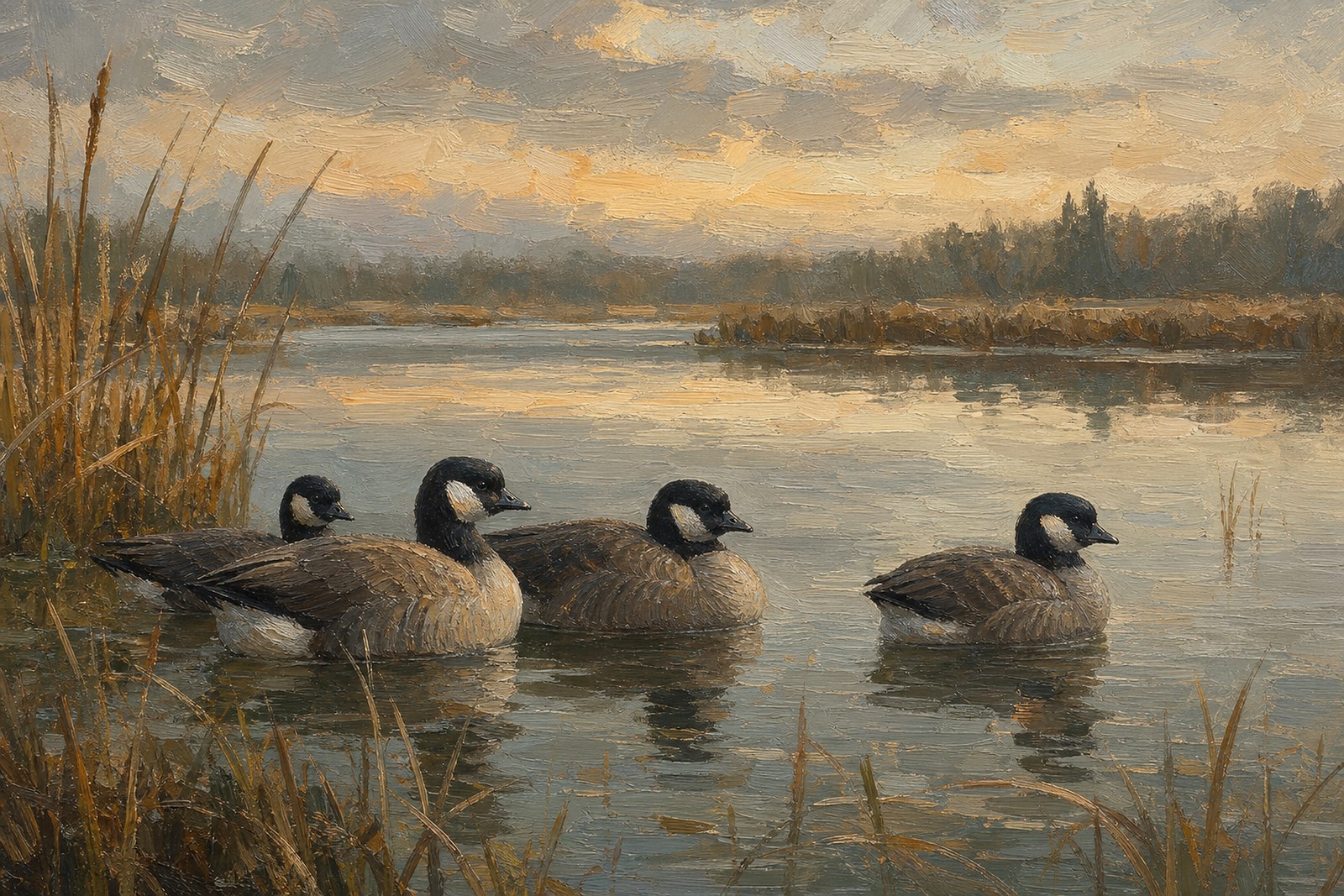
Geese give a wall sky, distance and formality while ducks bring colour and closeness, and the right choice comes down to how the room is actually used.
 № 263
№ 263 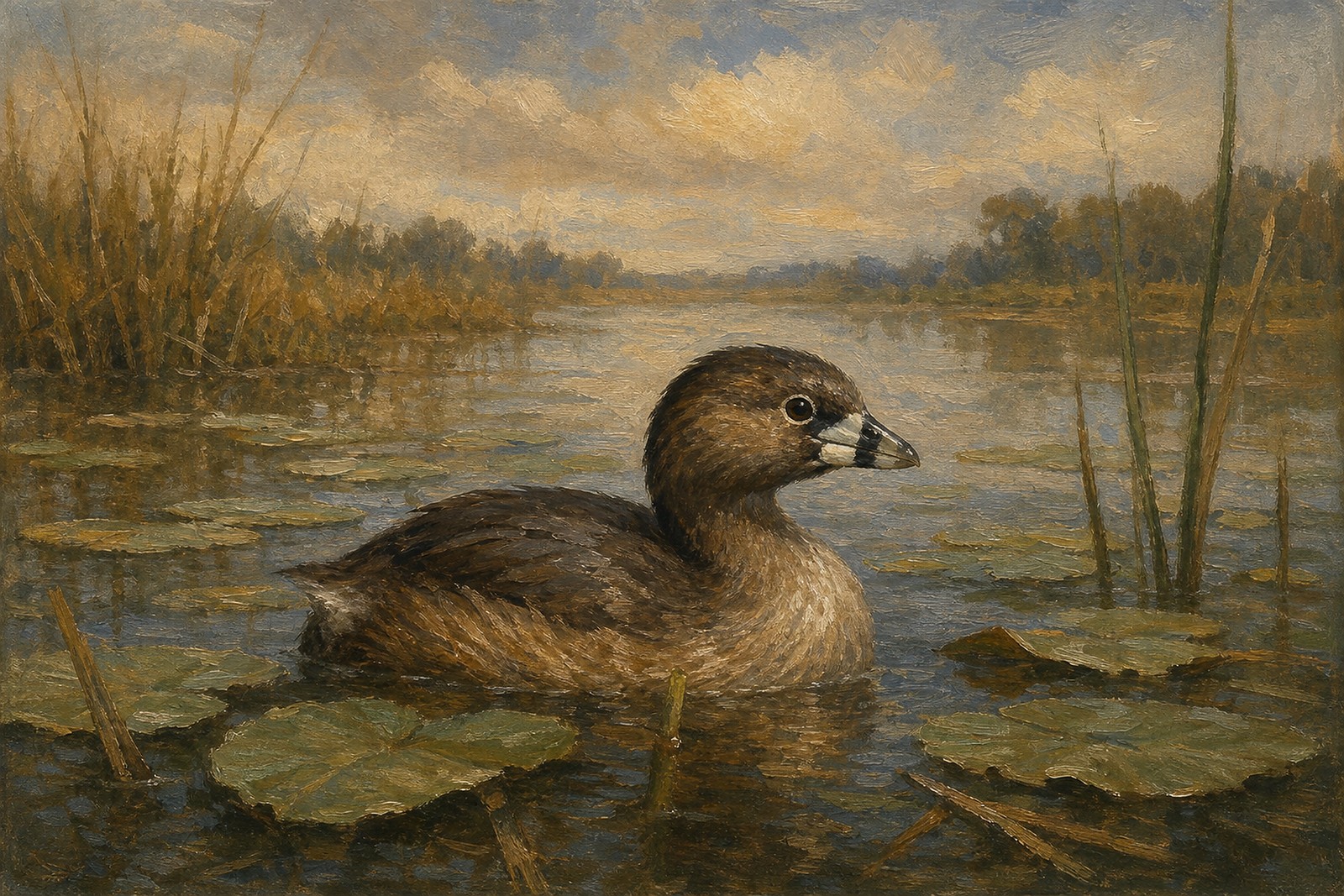 № 262
№ 262 The grebe is the bird you notice second, and that modesty is exactly what makes a grebe print the right art for small, quiet rooms.
A plain accounting of what wall art costs at every tier, from the twelve dollar poster to the gallery original, and what you are actually paying for at each step.
 № 261
№ 261 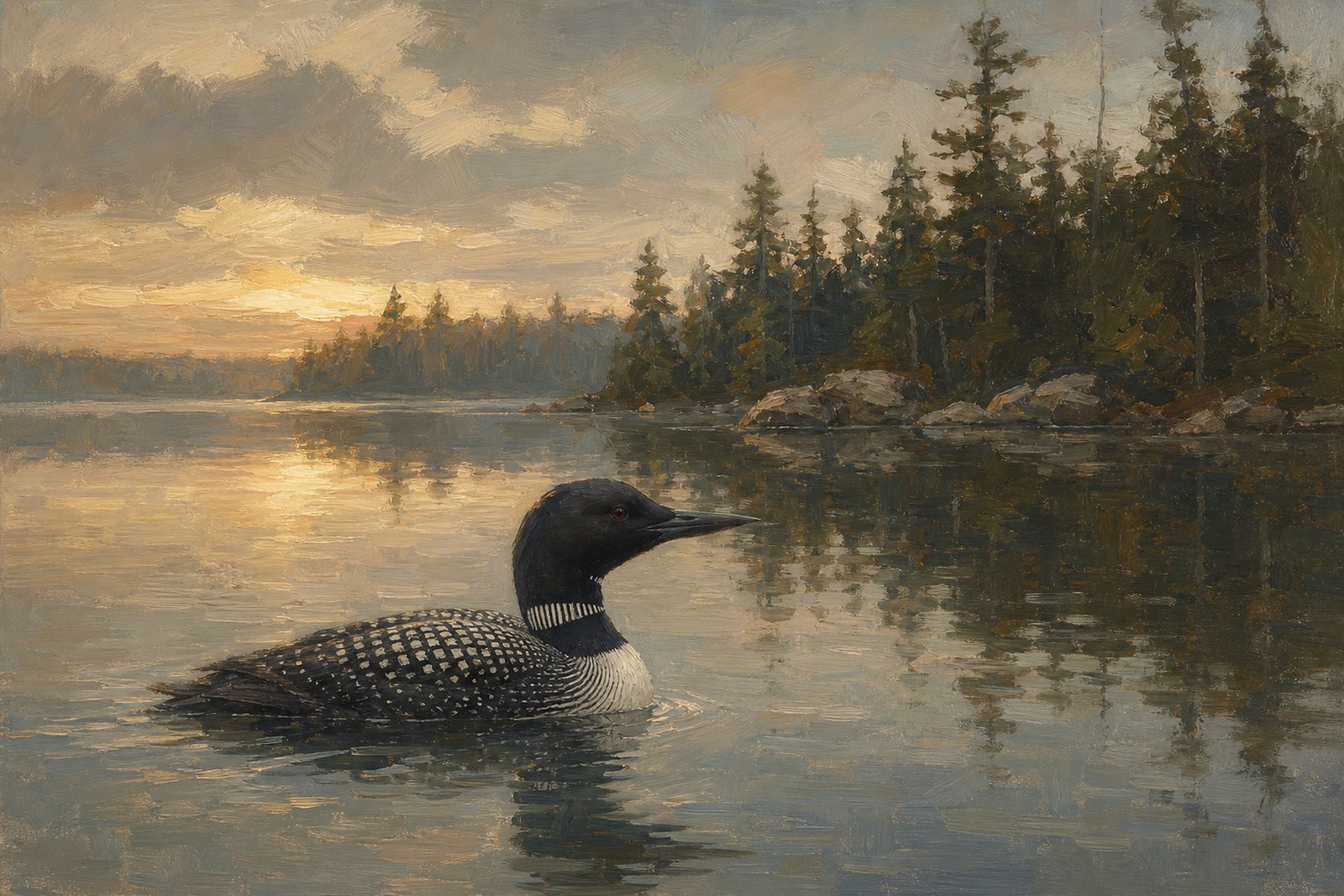 № 260
№ 260 Lake house and beach house get filed under the same waterfront label, but they are two different palettes, two different moods, and two different birds.
A room-by-room guide to lake house wall art, from the single big anchor in the great room to the stepped prints in the stairwell, with the scale rules and species picks that make the whole house look deliberate.
 № 259
№ 259 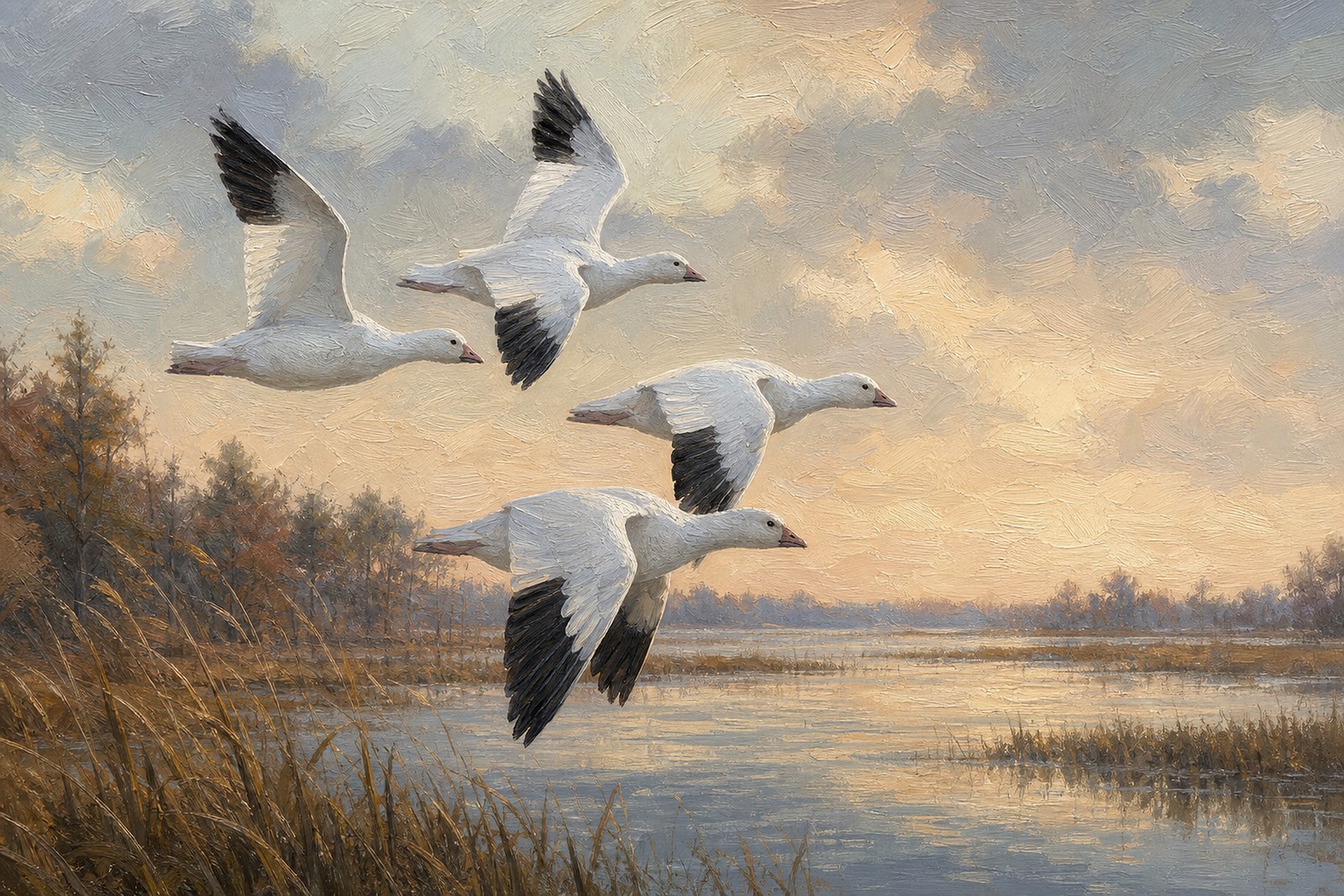 № 258
№ 258 Long hallways feel like corridors because nothing asks the eye to pause, and a rhythmic run of landscape prints is the cheapest architecture you can add to a house.
Why the common loon, with its midnight wail and checkerboard back, makes the most evocative print a lake house wall can carry.
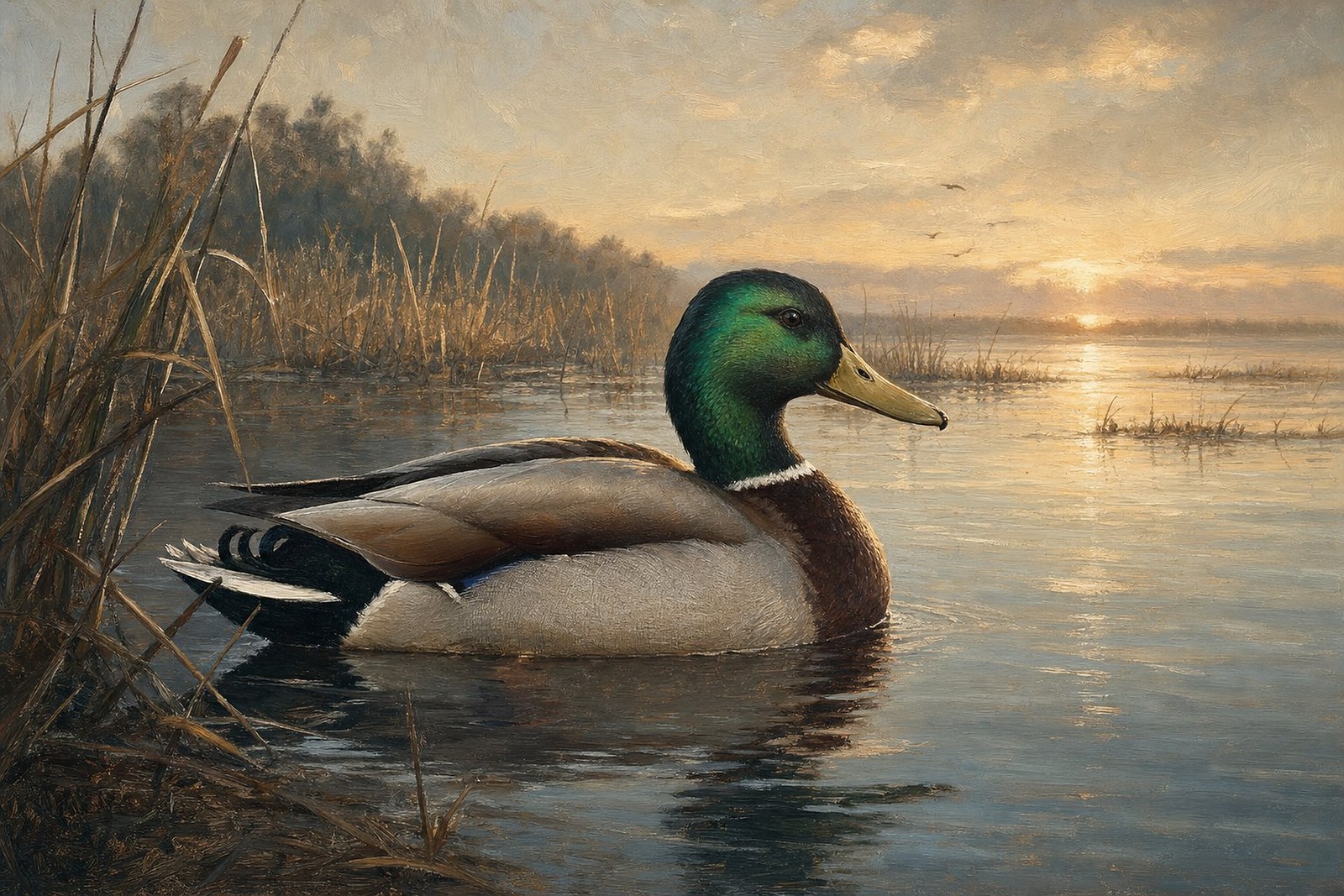
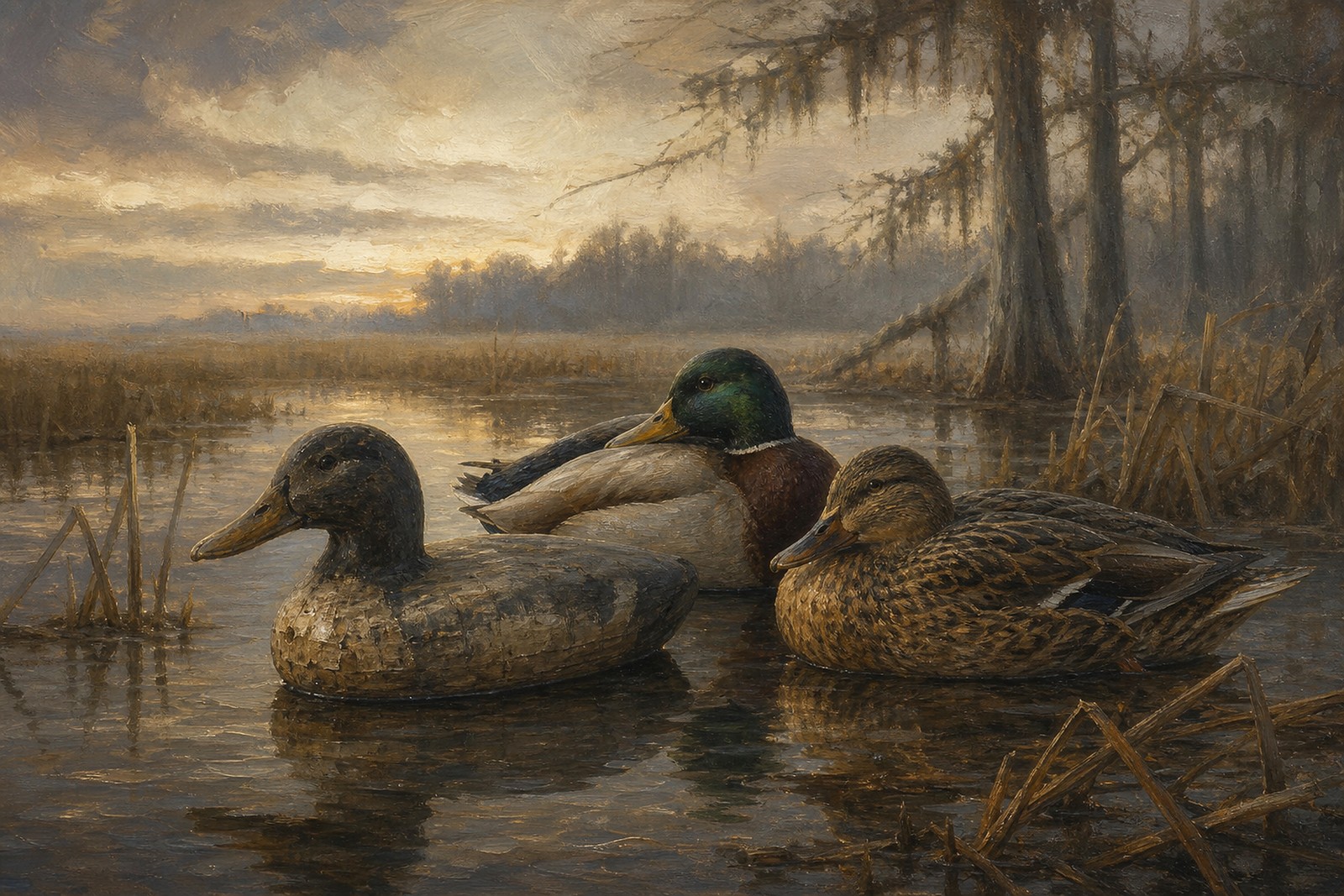
№ 257 № 256 Why the mallard drake remains the default American duck print, and how to hang one so a den, office or cabin wall looks considered rather than merely decorated.
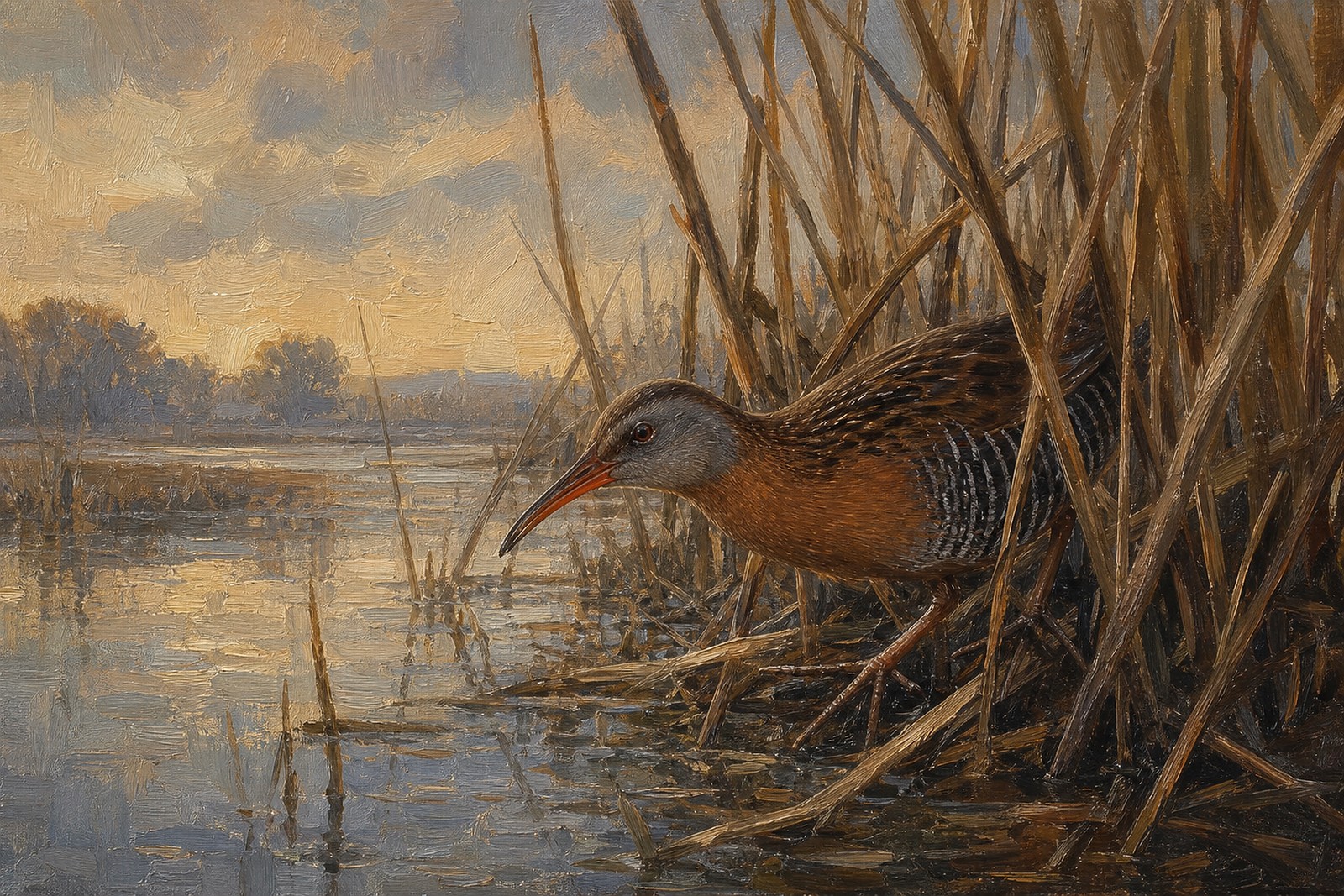
Rails, bitterns, and the limpkin are the marsh's best-kept secrets, and they make the most interesting bird prints in the house.
 № 255
№ 255 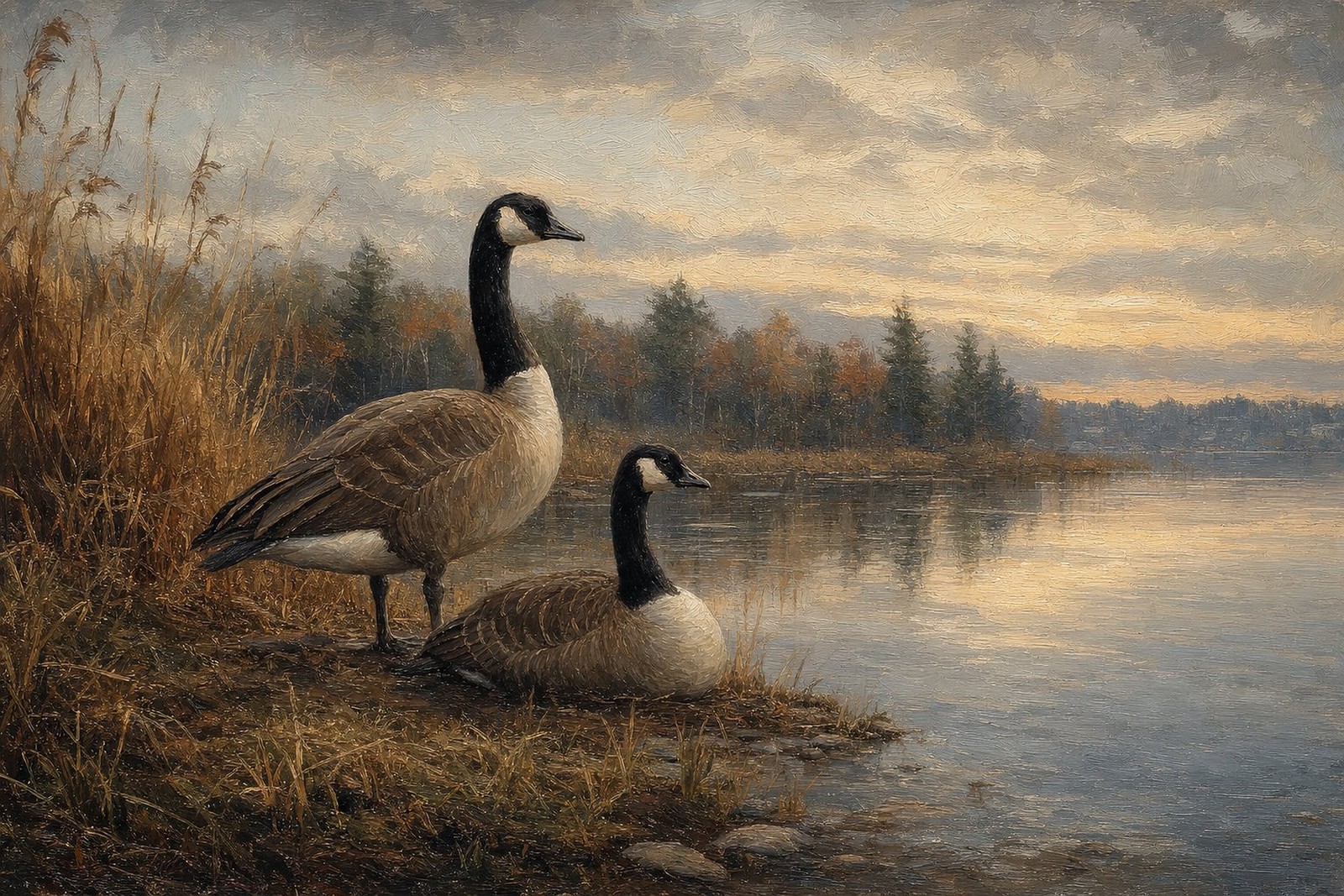 № 254
№ 254 The V is a machine for sharing work, each bird riding the upwash of the wing ahead, and that physics is why a flight print gives a room a motion that still art cannot.
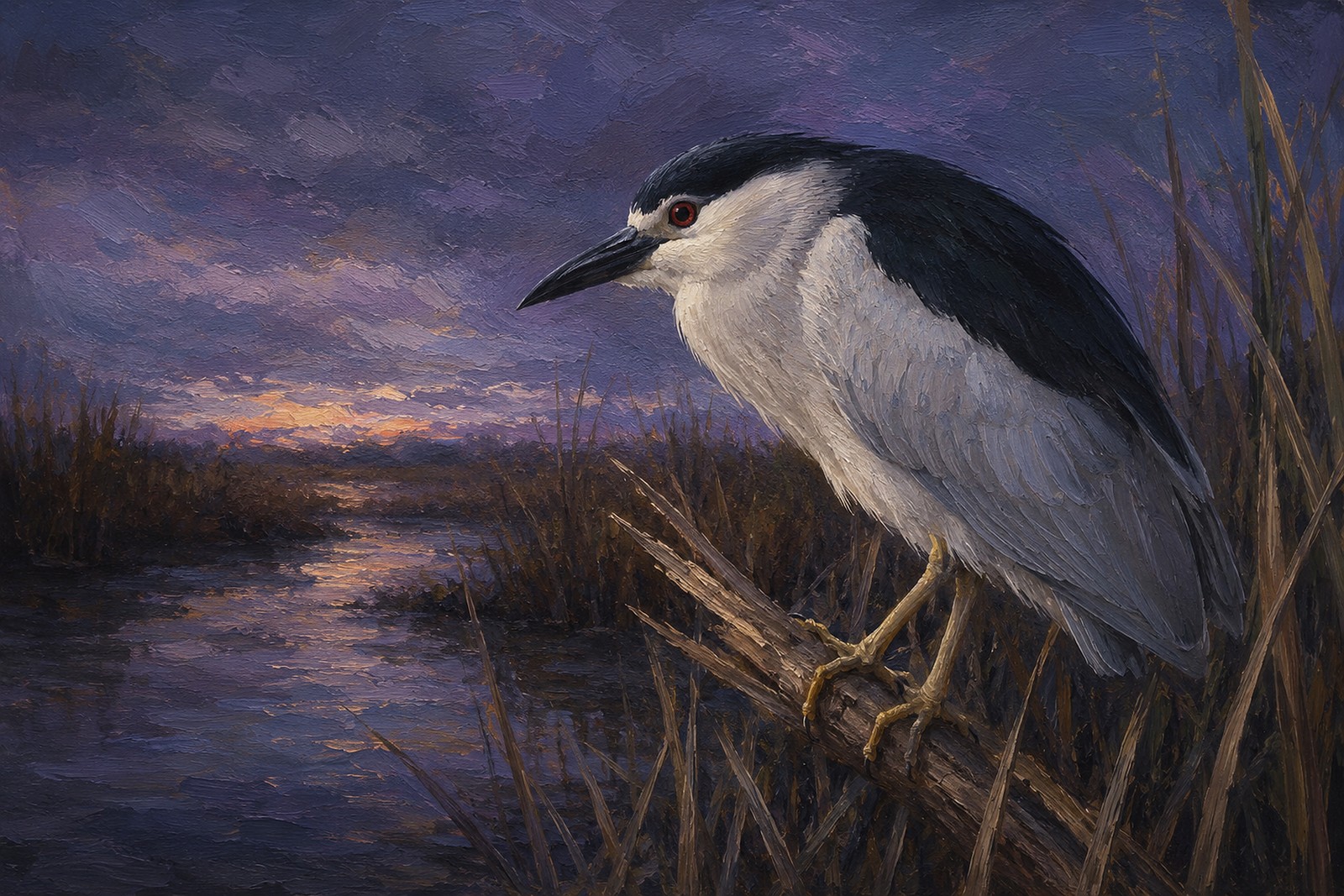
Most coastal art is stuck at high noon, but the black-crowned night heron brings dusk with it and solves the darkest corner in the house.
 № 253
№ 253